Canada has a reputation for being easy to visit, and mostly that’s earned. The border is straightforward for many travellers, the cities are walkable, and strangers tend to be helpful. Still, a handful of habits and rules never make it onto the welcome signs, and they can catch first-time visitors off guard.
Some of these points are about legal requirements, and others are about everyday manners. They are worth knowing before you land, because a few of them involve real money or real consequences. Here’s what to sort out first.
Sort Out Your Entry Documents Early
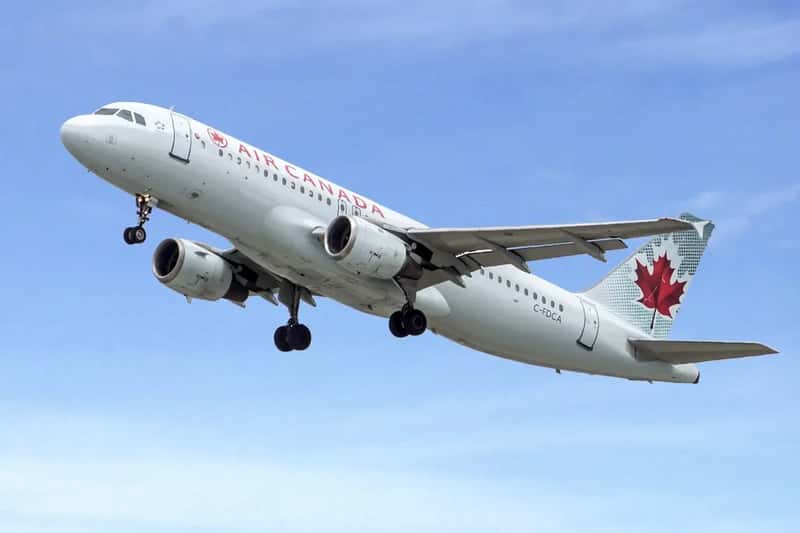
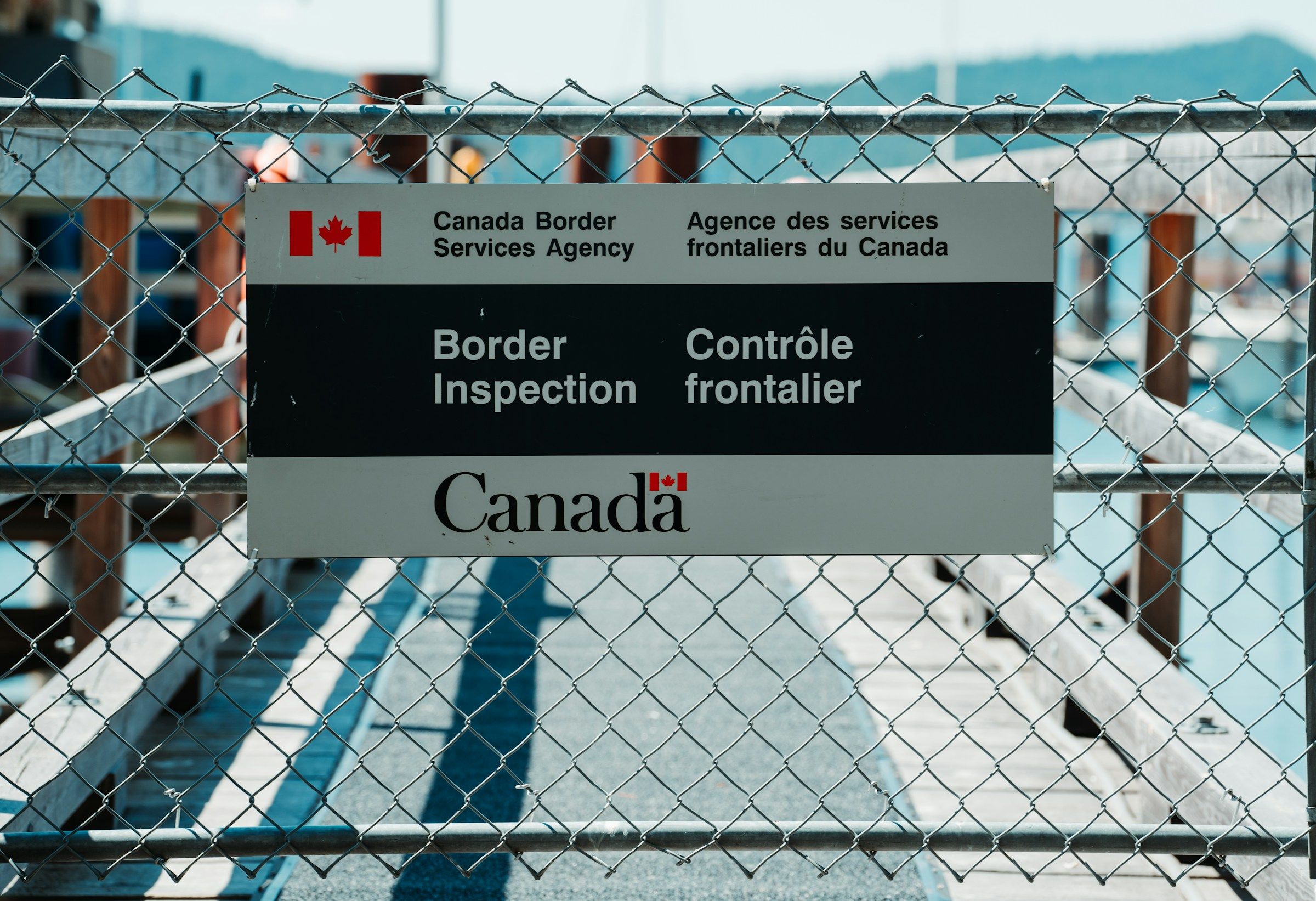
What you need depends on your passport. An electronic travel authorization, or eTA, is the entry requirement for visa-exempt foreign nationals arriving by air.[1] It costs CAD $7 and is applied for online.[1] Many travellers from visa-exempt countries forget this step until they’re at the airline desk, and that can mean a missed flight.
Americans are the big exception. US nationals and permanent residents don’t need a visa or an eTA.[2] Dual citizens should pay attention here, because if you hold a second passport that normally needs an eTA, it’s smart to check which passport you should travel on. Always confirm your situation on the official Government of Canada site before booking.
Tip Like You Mean It, but Read the Screen

Canada isn’t a “service included” country. At a sit-down restaurant, 15% to 20% of the pre-tax subtotal is standard, but check your receipt for an automatic gratuity first.[5] Large groups often get one added, and tipping again on top of an auto-gratuity isn’t expected.[6]
Card machines have made things murkier. Nearly every terminal now shows tip prompts, and those suggestions can run as high as 25%, even at counter-service spots.[7] You’re free to press “No Tip” or enter your own amount.[7] Also look closely at whether the suggested percentage is calculated before or after tax, since that changes the total.
Remember That the Price Tag Isn’t the Final Price
In Canada, the number on the shelf or menu almost never includes sales tax. It gets added at the till, and the rate depends on the province. Sales tax can run roughly 13% to 15% in some provinces.[8] Alberta, by contrast, has no provincial sales tax, so the gap between provinces can surprise you.
This matters for budgeting, especially on longer trips. A hotel room, a restaurant meal and a rental car can all come in noticeably higher than the advertised price. Budget a little extra and you won’t wince when the receipt prints.
Know That Legal Cannabis Stops at the Border
Cannabis is legal across the country, but the rules are layered. The legal age is 18 in Alberta, 21 in Québec and 19 everywhere else.[9] Adults can carry up to 30 grams of dried cannabis, or the equivalent, in public.[9] Where you can actually use it depends on local rules, and several provinces, including Québec, limit consumption to private property.[9]
The rule that trips up visitors most is the border one. Taking cannabis across the Canadian border, whether you’re entering or leaving, is illegal unless authorized by Health Canada and the other countries involved.[10] CBD counts as cannabis under Canadian law[11], so leave the gummies and oils behind. Never drive after using it, either.
Give Wildlife Real Space
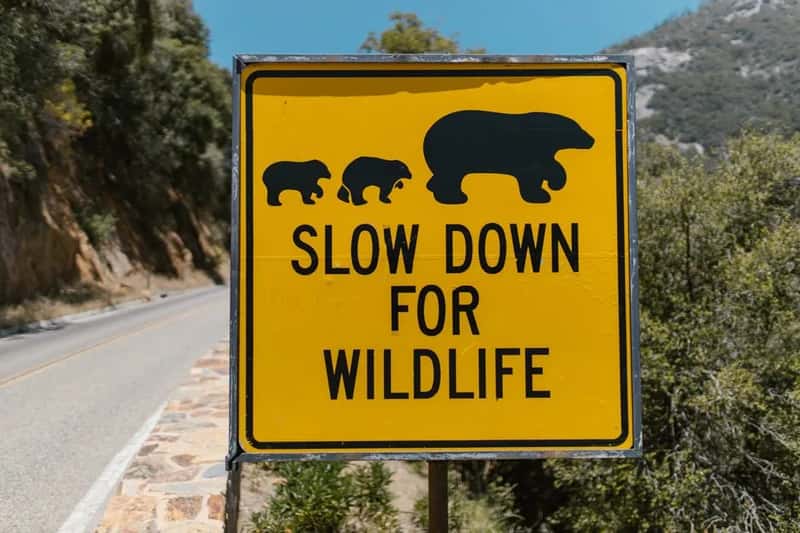
Canada’s wildlife is a highlight, and also a hazard when people get careless. In the national parks, it’s illegal to approach, feed or entice wildlife of any kind.[12] Parks Canada’s guidance at Banff is about 30 metres for deer, elk, sheep and moose, and 100 metres for bears, wolves, cougars and coyotes.[13]
The classic mistake is stopping on the highway for a roadside photo. Parks Canada says to stop only where it’s safe and avoid blocking traffic.[12] BC Parks makes a point many people ignore: selfies with wildlife are not safe and not encouraged.[14] Use a zoom lens, and keep food and scented items locked away at camp.
Think in Kilometres and Celsius

Canada uses the metric system on road signs, weather forecasts and most store labels. Speed limits are posted in kilometres per hour, so don’t read a “100” sign as a mile figure. Temperatures are in Celsius, and a “30” in July means a hot day, not a cold one.
Driving brings a few other adjustments. Winter conditions are serious in much of the country, and Quebec requires winter tires on registered passenger vehicles during the cold months. If you’re renting a car for a winter trip, ask the rental company about tires and check local rules for the provinces you’ll cross.
Don’t Count on Public Health Coverage

Canada’s public health care is run by the provinces and territories, and it’s designed mainly for residents. Visitors are generally expected to pay for their own medical care. A broken wrist or an emergency room visit can generate a large bill.
That’s why travel medical insurance is worth buying before you leave home. Check what your existing policy or credit card actually covers abroad, and whether it includes activities like skiing or hiking. A few minutes of reading now is cheaper than a surprise invoice later.
Respect Language, Especially in Quebec
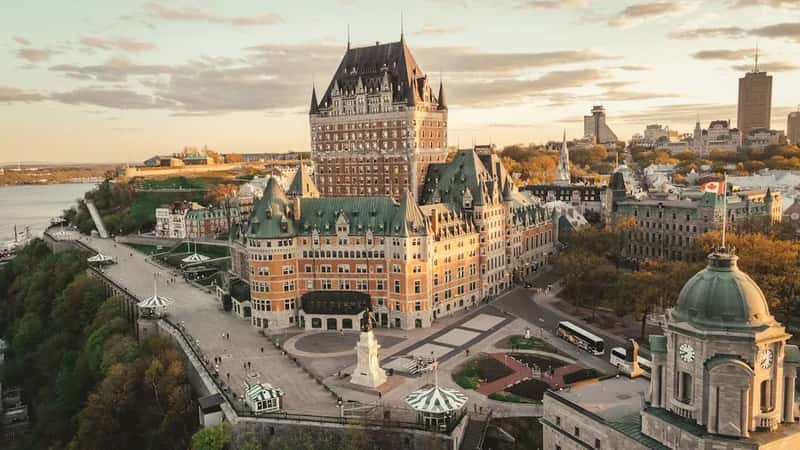
Canada is officially bilingual, but daily life varies by region. English works in most places, though Quebec is predominantly French-speaking and Montreal and Quebec City reward a little effort. Starting with a simple “bonjour” goes a long way. Staff will often switch to English once you’ve made the polite first move.
Tipping also carries a slightly different feel there. Montreal is described as more European in sensibility, with 15% as a baseline and higher tips for exceptional service optional rather than expected.[7] Menus, signs and road markings may be French only, so a translation app is handy for rural drives.
Line Up, Say Sorry and Keep Your Voice Down

The stereotype about politeness has some truth behind it. Canadians tend to queue properly, thank bus drivers when getting off, and apologize when someone else bumps into them. Cutting in line or pushing on a train platform will earn quiet but real disapproval. Match the pace and you’ll blend right in.
Public behaviour is generally low-key. People keep conversations at a modest volume on transit, and loud complaints or confrontations in shops tend to stand out. You can be firm when something goes wrong, but a calm tone is usually the fastest route to a solution.
Show Respect for Indigenous Lands and Cultures

You’ll often hear land acknowledgements at events, and you’ll see place names and signs in Indigenous languages. They reflect a country that is still working through its history with First Nations, Inuit and Métis peoples. Treat these moments with attention rather than eye-rolling.
Practical respect matters too. If you’re visiting cultural sites or buying art, look for Indigenous-owned tours and businesses and ask before photographing people or ceremonies. Parks Canada itself notes that First Nations have long lived in respectful relationship with the animals of the coast[15], which is a good reminder that many natural places are also cultural ones.
Plan for Distance and Weather
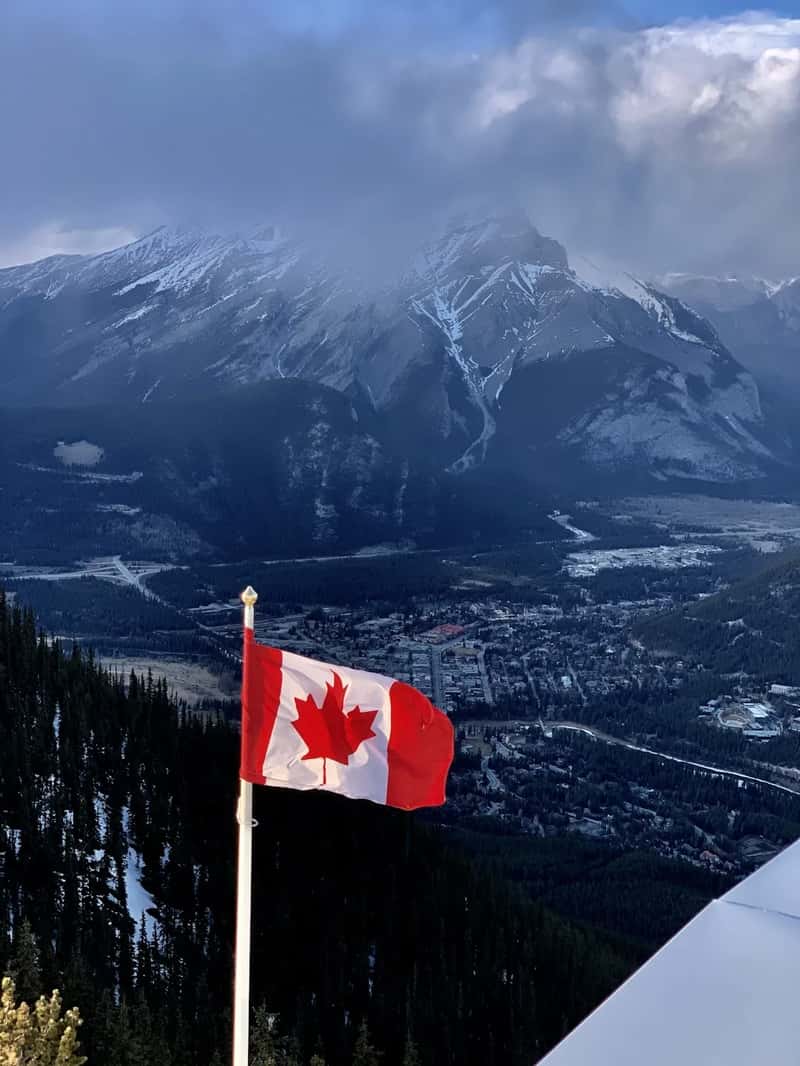
Canada is huge, and maps can fool you into thinking two cities are a quick hop apart. Drives between major destinations often take many hours, and flights add up quickly. Choose fewer places and spend longer in each rather than racing across provinces.
Weather can change fast, especially in the mountains and in shoulder seasons. Pack layers, check forecasts daily and allow slack in your schedule for closures or delays. Even in summer, evenings in the Rockies can be cold.
Final Thoughts
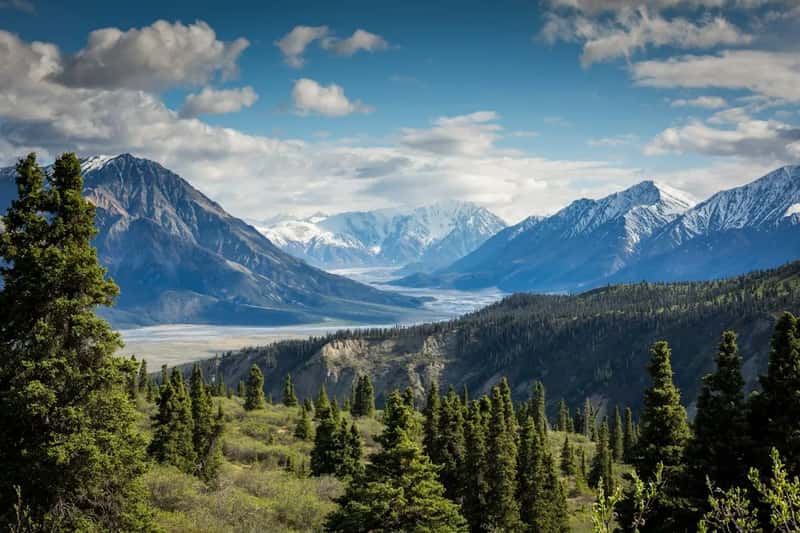
None of these rules are difficult. Get your entry documents right, tip thoughtfully, understand the cannabis and wildlife laws, and treat people and places with care. Do that and Canada tends to return the favour with easy hospitality and some of the best landscapes you’ll see anywhere.