You’ve mapped the gas stops, checked the forecast and picked the cheapest room off the interstate. The hotel’s fine print is the part almost nobody plans around, and it’s the part that can wreck a travel day. Here’s what the policies and the regulators actually say.
These rules rarely show up in the booking headline. They show up at the front desk after eight hours behind the wheel, when you have no leverage left. A few can even freeze real money in your checking account, and we’ll get to that one last.
#12 – The Parking Rule Nobody Reads
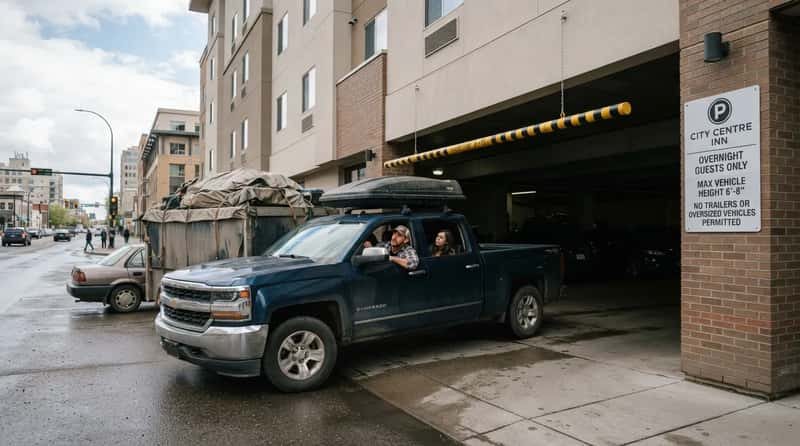
Your truck, trailer or roof box may not be welcome in the lot you booked.
Most travelers hear “free parking” and assume any vehicle, any size, any night. In reality, hotels set their own limits on vehicle size, trailers and overnight parking, and those limits vary by property.
Garages post height clearances at the entrance, and a loaded rooftop carrier can turn a covered garage into a no-go. Downtown properties also tend to have tighter lots than highway-exit hotels.
Parking is one of the extras hotels can bill to your room as an incidental charge. Incidentals are extra charges added to your room bill, such as minibar items, parking and room service. Truly optional charges like valet parking stay outside the total-price requirement.
- Ask about trailer and oversize-vehicle policy before you book.
- Ask about garage height clearance if you carry anything on the roof.
But the next rule involves a plug, and almost nobody checks it until the battery is low.
#11 – The Charger That May Not Be Yours
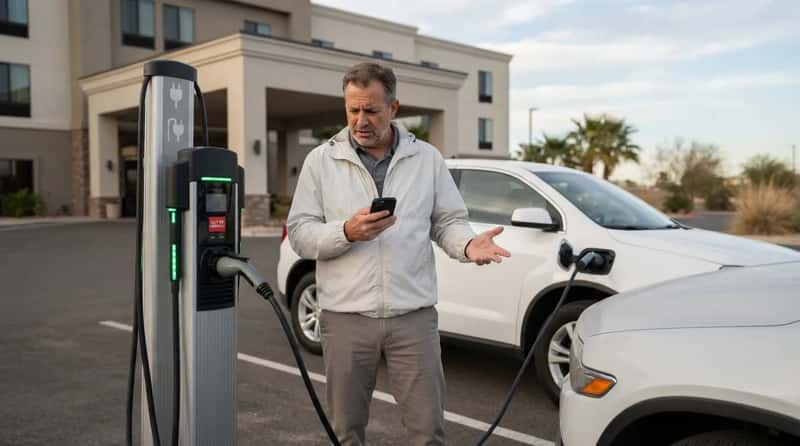
A charging icon on a hotel listing is a promise only the front desk can keep.
Some hotels offer chargers free to guests. Others meter them, and some share them with the public.
Listing a charger and guaranteeing you a plug are two different things. The plug may be taken, out of service or reserved for another use, and you won’t know until you pull in.
Think of a hotel charger as a bonus, not a plan. Build your route around dedicated charging stops and treat the hotel plug as your backup.
Now for a rule that has nothing to do with your car and everything to do with the clock.
#10 – Check-In Time Is Not Your Arrival Time

A reservation guarantees a room type. It doesn’t guarantee an arrival hour.
Most snowbirds leave at dawn to beat traffic. Then they reach the hotel at midday and find the room isn’t ready.
Hotels commonly set check-in for the afternoon, so early arrival is usually a request, not a right. Housekeeping decides when your room exists.
At a Glance
- Guaranteed: the room type you booked.
- Not guaranteed: the hour that room is ready.
- Who sets the pace: the housekeeping schedule, not your alarm clock.
A “booked” room may still be occupied when you walk in. That’s normal hotel operations, not a mistake.
- Ask whether the hotel can hold your bags if the room isn’t ready.
- Ask whether early check-in can be noted on your reservation.
And if you arrive hours late instead of hours early, a very different rule kicks in.
#9 – The Late-Arrival Trap
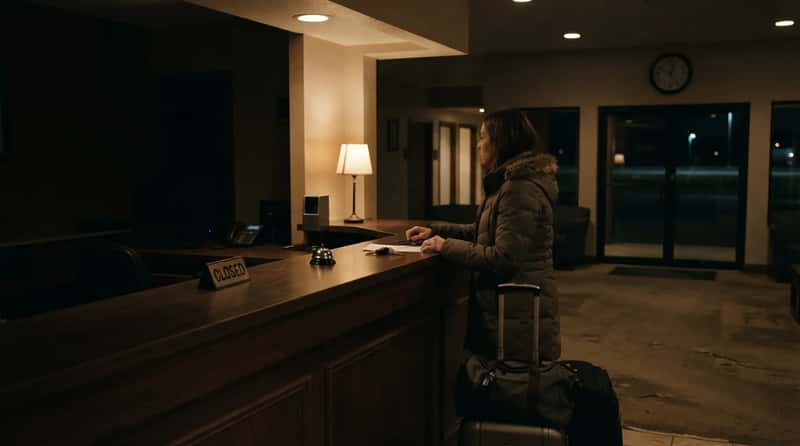
Run late on the drive south, and your room can quietly disappear.
Storms, accidents and breakdowns push arrivals past midnight. Many hotels expect to hear from you if you’ll arrive late, and how long they hold a room differs by property.
A no-show can be treated very differently from a late arrival. Depending on the booking terms, it can mean a charge or a cancelled reservation. The system can’t see your car on the highway.
- Call the property if your arrival time changes.
- Keep your confirmation number handy on the road.
That brings us to the cancellation rule, which many travelers only discover after they’ve paid.
#8 – The Cancellation Window You Didn’t Read

The cheapest rate on your route south is often the one you can’t change.
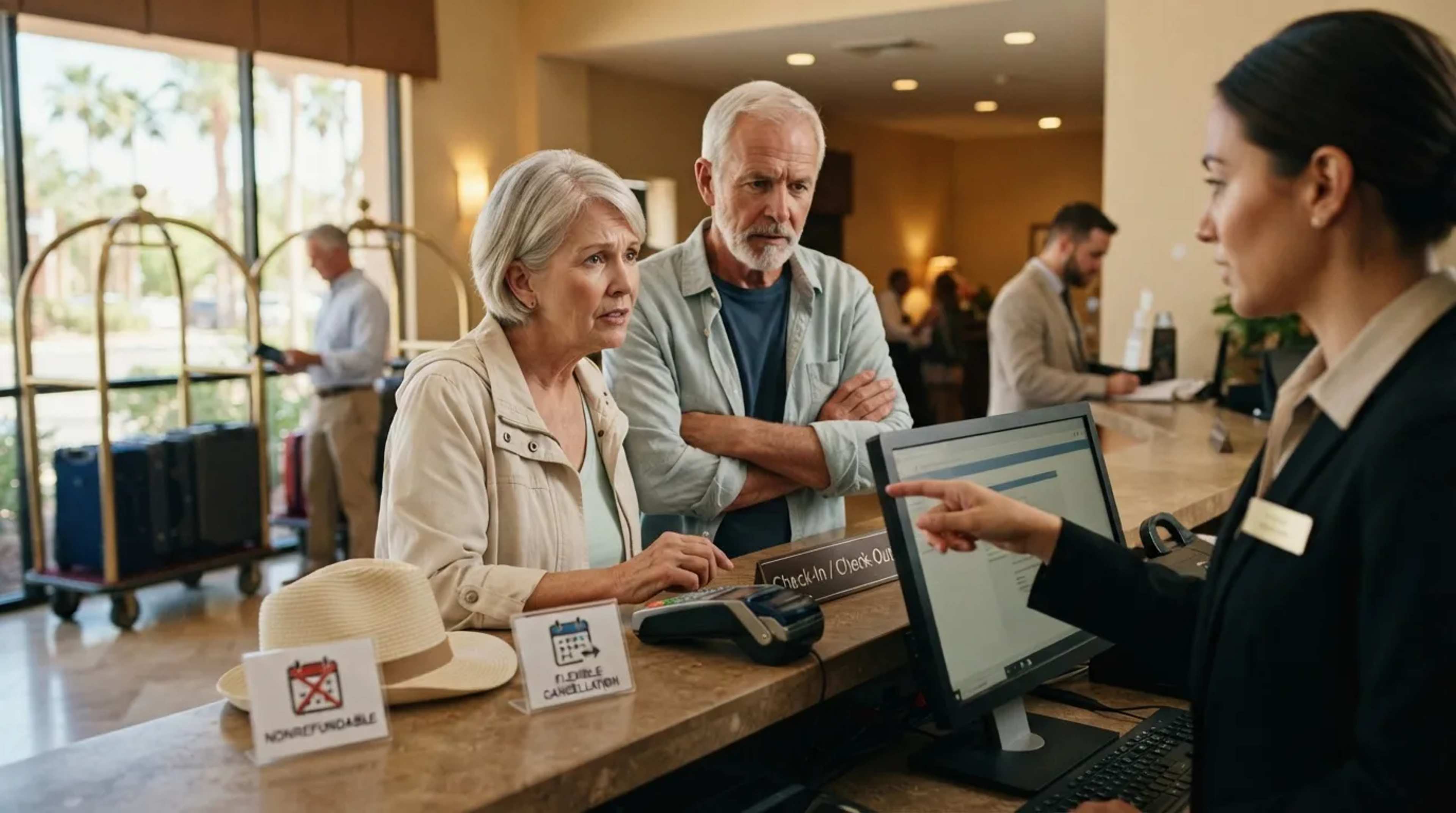
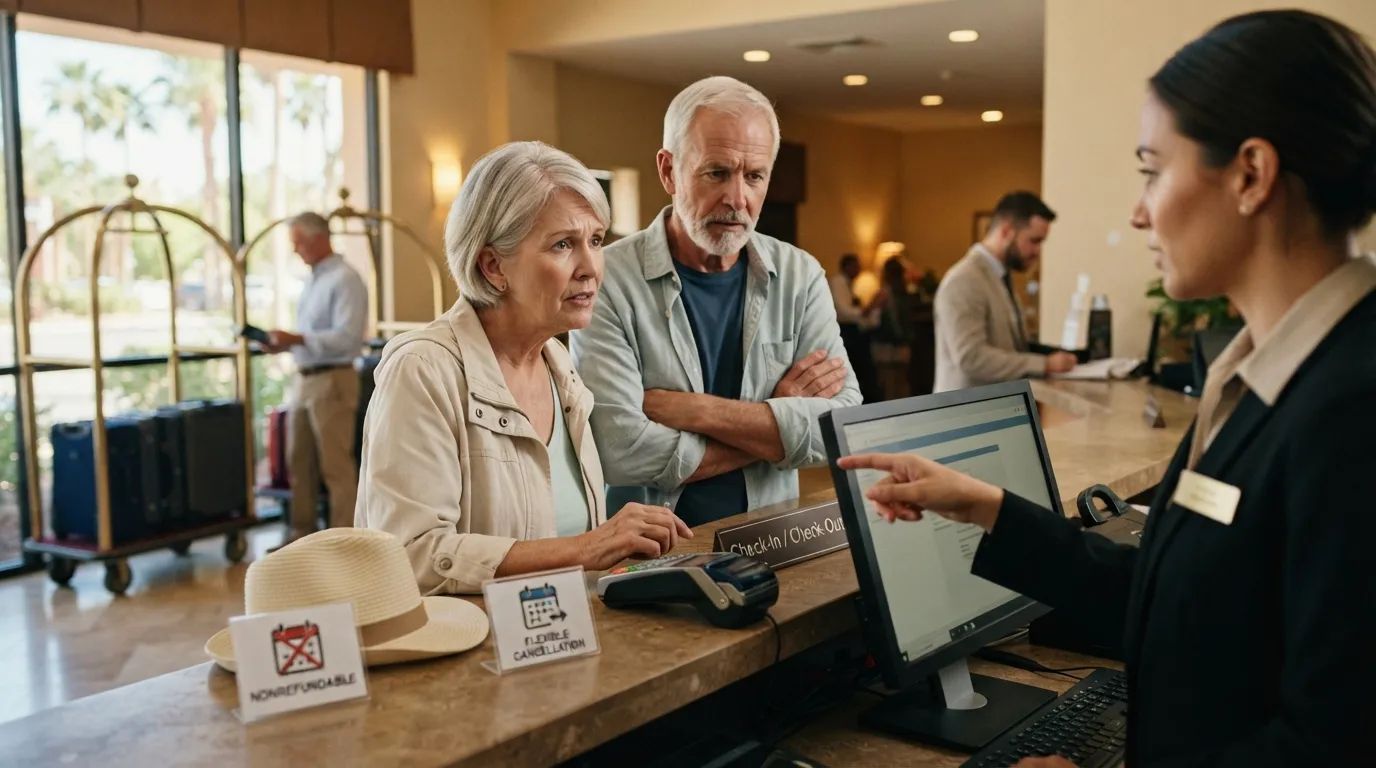
Nonrefundable and prepaid rates cost less because you take on the risk. Free-cancellation windows differ by property and by rate type, and booking through a third party can add its own terms.
Two guests in the same hotel can have completely different cancellation rights. The difference comes down to which rate they picked.
Quick Compare
- Nonrefundable or prepaid: a lower price, with the risk on you.
- Free-cancellation rate: a flexible window that varies by property and rate type.
- Third-party booking: can layer on extra terms of its own.
The lowest nonrefundable price is tempting, but it’s a gamble on a multi-day drive. Weather and breakdowns set the pace, not your spreadsheet.
- Read the cancellation deadline before you click pay.
- Put that deadline in your phone calendar.
Now a rule that can follow you home on your credit card statement.
#7 – The Smoking Fee That Arrives After You Leave

You can check out smiling and still get billed for a room you left behind.
Many hotels are fully smoke-free, and many treat vaping the same way. The fee for breaking that rule is set by the property.
Charges for damage to a hotel room can land after your stay. The FTC says fees incurred after purchase, such as damage charges, can be left out of the displayed total price. So the number you saw at booking isn’t always the last number you’ll see.
Read the room policy card and the confirmation email. Smoke-free language is usually in both.
Next, the rule that can cost you a bed when your travel party grows.
#6 – The Headcount Rule
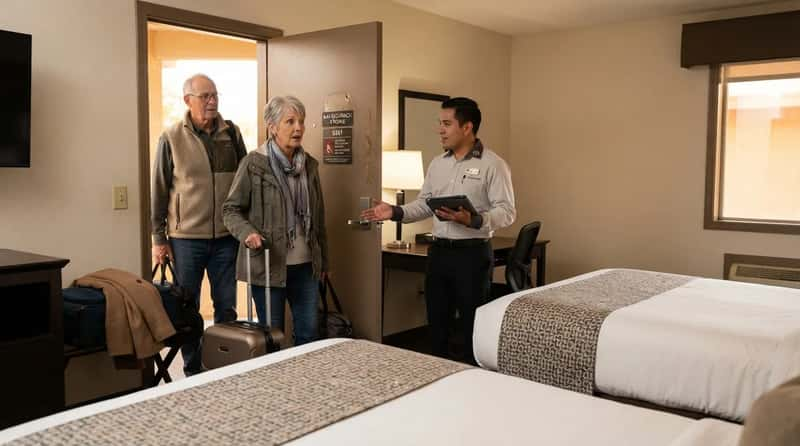
The number of people on your reservation isn’t a suggestion.
Rooms have a posted maximum occupancy. Some hotels add a fee for extra guests, and some don’t allow unregistered guests to stay overnight at all.
Occupancy limits are set per room type, so a king room and a two-bed room can carry different caps. Booking the wrong layout can mean paying for a second room.
Snowbirds often travel with friends, adult children or grandkids. That’s exactly when the headcount rule bites.
- Count everyone, including children, when you book.
- Ask whether extra-guest fees apply before you arrive.
And if the extra traveler has four legs, the rules change again.
#5 – The Pet Policy Beyond the Fee
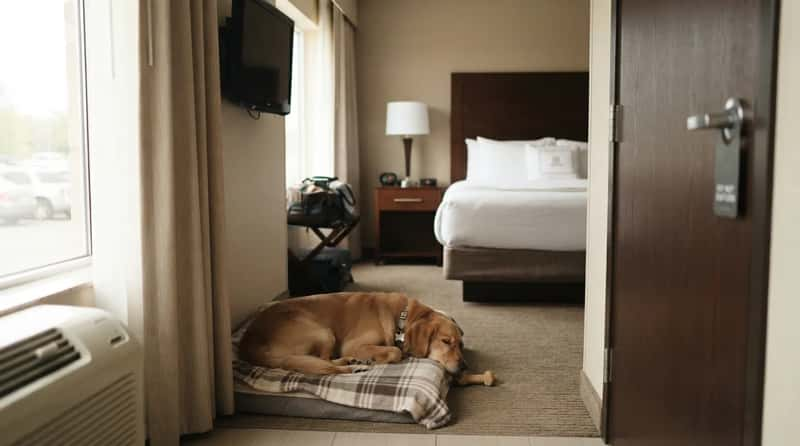
“Pet-friendly” rarely means “any pet, any room, any time.”
Pet fees can be charged per night or per stay, and sometimes per pet. Many properties also limit the number of animals or their size.
Even pet-friendly hotels can cap how many pets you bring and how big they can be. Some assign specific pet rooms, and some bar pets from lobby areas. Each property writes its own rules.
The unattended-pet rule is the one that trips people up. Many hotels restrict leaving a pet alone in the room, so read it before you plan a restaurant stop.
But the biggest pet-fee misunderstanding isn’t about pets at all.
#4 – Service Animal vs. Emotional Support Animal

Two animals can look identical at the front desk, and the law treats them very differently.
Under Title III of the ADA, hotels must allow service animals in all public areas of the property. If the property charges pet fees, those fees must be waived for service animals.1
Emotional support animals are a different category. Hotels may treat them as pets, including charging fees or declining access, depending on their policy.1
A doctor’s letter doesn’t change that. It carries no weight under Title III of the ADA, which governs hotels. Many travelers assume paperwork opens every door, but at a hotel it doesn’t.
Quick Compare
- Service animal: allowed in public areas, with pet fees waived.
- Emotional support animal: treated as a pet, so fees or declined access are possible.
- Doctor’s letter: no weight under Title III.
One more detail: hotels can still bill for actual, documented damage caused by a service animal, as with any other guest.2
Next up is a rule where age works against you, and it isn’t the age you’d expect.
#3 – The Minimum Check-In Age

You can book online at 18 and still get turned away at the desk.
There’s no federal rule setting a minimum check-in age. Each property decides for itself.
Many hotels in popular winter destinations, Florida included, set the minimum at 21. Some adults-only properties go higher.
Booking online doesn’t guarantee check-in. The age check happens at the front desk when you present your ID. That matters when an adult child or grandchild is sharing the driving and the room.
Still, the age rule is easier to dodge than the next one, which hides in plain sight.
#2 – The Mandatory Fee Inside the Room Rate

The price you see first is supposed to be the price you pay. Here’s what that rule actually covers.
The FTC’s Rule on Unfair or Deceptive Fees now reaches short-term lodging. Sellers must show the total price, including mandatory fees, more prominently than any other price.3
Fast Facts
- Formal name: 16 CFR Part 464.
- In effect since: May 12, 2025.
- Who it covers: short-term lodging sellers, including hotels.
- How resort fees are billed: almost always per room, per night, not per person.
The rule doesn’t ban resort fees or cap them. It also doesn’t spell out which fees are off limits.4
Optional extras are a different story. Valet parking and room service stay outside the total-price requirement, though the FTC has said fees labeled “optional” that are unavoidable can still draw scrutiny.3
Plenty of travelers grumble about paying for a pool they never use. The rule doesn’t settle that argument.
But the most expensive rule on this list isn’t a fee. It’s a hold, and it’s next.
#1 – The Debit Card Hold That Outlasts Your Drive

The hotel’s hold can sit on your checking account longer than the drive itself.
At check-in, the front desk places a hold on your card. A credit card hold reduces your available credit, while a debit card hold ties up the money in your account.5
Hold amounts often range from about $50 to $250 per night, but each hotel sets its own policy.
Debit card holds can last up to 14 business days. The hotel releases the hold at checkout, but your bank determines how quickly the money comes back.5 6
At a front desk, debit is the riskier card because it’s your real cash on hold. Keep a buffer in the account above the hold amount and have a backup card ready.
None of these rules is a secret. They’re just buried in policy pages nobody reads before a long drive.
The sharpest surprises are the ones with legal or financial teeth: a service animal isn’t an emotional support animal, a resort fee can be legal, and a debit hold can quietly tie up your cash. Spend five minutes on the hotel’s own policy page, and the front desk stops being the place where your trip gets decided.
- Hotel Service Animal ADA Compliance: https://petsvivo.com/blog/hotel-service-animal-policy-ada-compliance-2026/
- Service Animal Rules Lodging: https://www.mesquiteoasis.net/blog/service-animal-rules-lodging
- Cooley Junk Fee Rule Analysis: https://www.cooley.com/news/insight/2024/2024-12-20-ftc-finalizes-junk-fee-rule-aimed-at-live-event-ticket-and-short-term-lodging-fees
- Britannica FTC Junk Fees Rule: https://www.britannica.com/money/junk-fees-rule
- Hotel Payment Methods Guide: https://www.stayntouch.com/articles/hotel-guest-payment-options
- Hotel Incidentals Hold Guide: https://engine.com/blog/hotel-incidentals