There’s a version of travel most of us know well: comparing flight prices across three tabs, booking the hotel with the best reviews under a certain nightly rate, and packing snacks so airport food doesn’t wreck the budget. Then there’s the version wealthy travelers experience, where the constraints simply don’t apply in the same way. It’s not always about flash or excess. Sometimes it’s just about removing friction, buying back time, or accessing experiences that money alone can unlock but psychology usually keeps out of reach for everyone else.
What follows isn’t a judgment on either approach. It’s a look at the specific splurges that separate how the wealthy travel from how most people plan a vacation, and why the gap is often more about mindset than math.
1. Private aviation instead of commercial flights
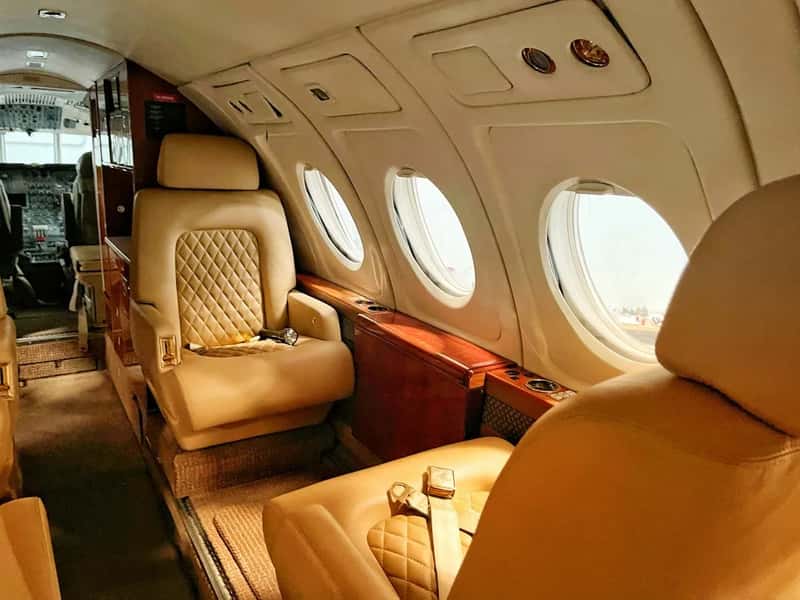
Chartering a private jet or holding a fractional ownership share in one is probably the most obvious marker of wealthy travel, and it’s also one of the most expensive habits to maintain. Private charter costs can run from a few thousand dollars for a short regional hop to well over ten thousand dollars per hour for larger cabin aircraft on longer routes, depending on the plane and route. The appeal isn’t just comfort, it’s control over scheduling, avoiding security lines, and flying into smaller airports closer to the actual destination.
For the middle class, even considering this option rarely enters the picture, since a single one way charter can cost more than an entire family vacation. Wealthy travelers frequently justify it as a time saving tool rather than a luxury, since it collapses travel days and lets them work or rest without interruption. That reframing, treating time as the scarcer resource, is part of why the spending doesn’t feel reckless to the people doing it.
2. Booking entire private islands or exclusive resort buyouts
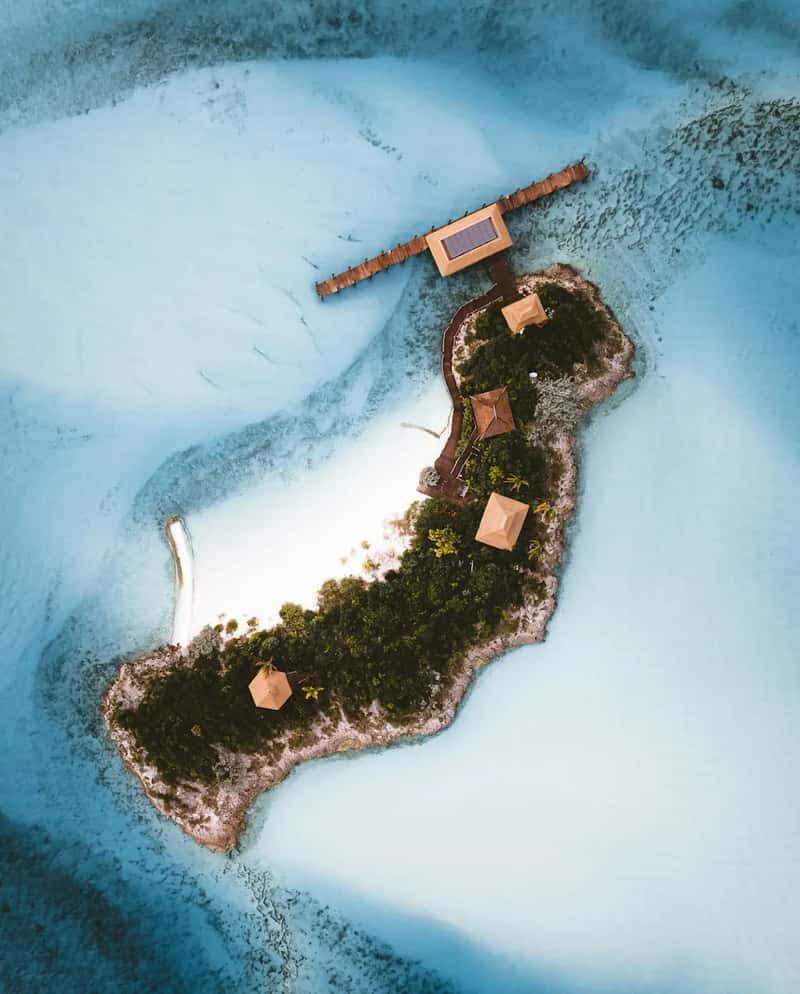
Renting an entire private island for a week, or buying out every room in a boutique resort so no other guests are present, is a splurge that essentially guarantees total privacy. Properties like this often rent for tens of thousands of dollars per night, and some private island rentals exceed one hundred thousand dollars per week depending on staffing, size, and location. The appeal is exclusivity taken to its logical extreme, no strangers, no shared pools, no random encounters.
Middle class travelers might splurge on an all inclusive resort, but the idea of paying to remove every other guest from the property entirely is a different category of spending. It reflects a mindset where privacy itself becomes the product being purchased, not just a nice amenity. For families or groups celebrating milestones, this kind of buyout also functions as a status marker as much as a vacation choice.
3. Multi week or multi month round the world itineraries

Rather than squeezing a trip into a standard one or two week vacation window, wealthy travelers sometimes structure trips that last a month or longer, hopping between continents with first class flights and five star stays throughout. This requires not just money but flexibility that most jobs don’t allow, since it assumes the traveler can be away from work responsibilities for extended stretches. Business owners, retirees with significant assets, and executives with generous leave policies are the ones most likely to pull this off.
For someone working a standard job with limited paid time off, a trip stretching across four or six weeks simply isn’t realistic regardless of the budget available. This splurge is less about a single big expense and more about the cumulative cost of extended first class travel, premium hotels, and private guides stacked day after day. It’s a reminder that among the wealthy, time off is sometimes the rarer luxury, not the money itself.
4. Hiring personal chefs and private dining experiences abroad

Instead of relying on hotel restaurants or local dining spots, some wealthy travelers hire a personal chef to travel with them or work exclusively at their rental villa for the duration of a trip. Private chef services at luxury villas can add several hundred to over a thousand dollars per day depending on the destination and the chef’s reputation. This ensures dietary preferences are met precisely and there’s no need to navigate menus, reservations, or crowded restaurants.
Middle class travelers see eating out as part of the adventure, trying local food stalls or highly rated restaurants recommended online. Paying to remove that entire discovery process, and instead having meals custom built around personal taste, is a splurge rooted in convenience and control rather than culinary curiosity. It also signals a broader theme in wealthy travel, outsourcing anything that could introduce unpredictability.
5. Ultra premium travel insurance and medical evacuation coverage

Standard travel insurance covers trip cancellations and lost luggage, but wealthy travelers often carry specialized policies that include emergency medical evacuation by private jet, coverage for adventure sports, and concierge medical services abroad. These premium policies can cost significantly more than basic plans, sometimes reflecting the value of the traveler’s itinerary or activities rather than a flat rate. The logic is straightforward, if something goes wrong in a remote location, having guaranteed access to top tier medical transport removes a layer of risk most travelers don’t think to price in.
Middle class travelers typically buy the cheapest adequate coverage or skip insurance altogether, treating it as an afterthought rather than a planned expense. Splurging on comprehensive evacuation coverage reflects a different risk calculation, one where the cost of protection is treated as a rounding error against the value of not being stranded or under treated in an emergency. It’s a splurge most people never even realize exists as an option.
6. Multi day helicopter or seaplane transfers

Rather than a shuttle bus or a rental car, wealthy travelers sometimes book helicopter or seaplane transfers between destinations, especially in places like the Maldives, the Amalfi Coast, or remote parts of New Zealand. These transfers can cost anywhere from several hundred to a few thousand dollars per leg depending on distance and aircraft type. Beyond convenience, the scenic value adds an experiential layer that a car ride simply can’t replicate.
For most travelers, ground transportation or a domestic flight covers the same distance for a fraction of the price, making helicopter transfers feel like an unnecessary indulgence. Wealthy travelers frame it differently, as an extension of the overall experience rather than just a way to get from point A to point B. It’s a small but telling example of how the wealthy often pay to turn logistics into entertainment.
7. Custom designed, fully guided expedition trips

Bespoke expedition travel, think private guided treks in the Himalayas, custom safari routes in Africa with dedicated naturalists, or polar expeditions on chartered vessels, represents a level of customization that mass market tour packages don’t offer. These trips are built entirely around the traveler’s interests, pace, and schedule, often costing tens of thousands of dollars per person depending on duration and location. Specialized operators design every detail, from the exact wildlife sightings targeted to the specific research access granted at remote sites.
Middle class travelers interested in similar destinations typically join group tours with fixed itineraries and shared schedules, which is more affordable but far less flexible. The splurge here lies in eliminating compromise entirely, no shared vehicles, no waiting for other travelers, no generic stops. It’s travel designed as a personal narrative rather than a packaged product.
8. Long term luxury villa or yacht rentals instead of hotels
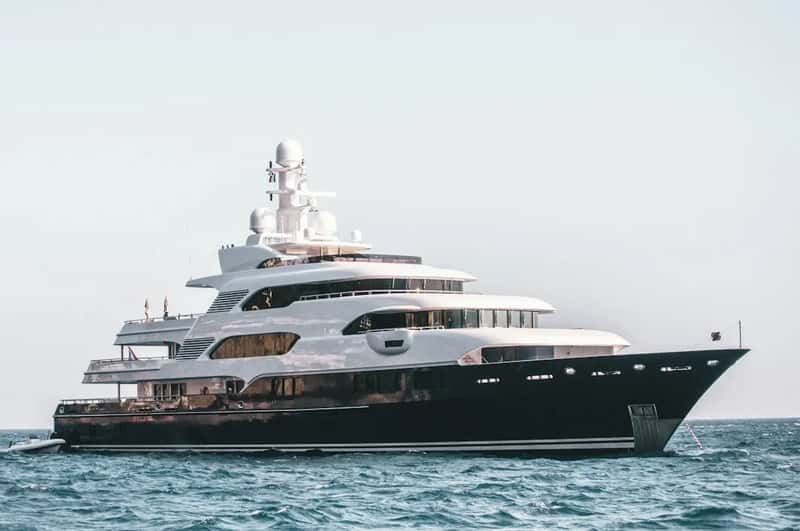
Renting a luxury villa with a full staff, or chartering a yacht for a week or more, is a common wealthy travel splurge that swaps hotel convenience for total spatial control. Yacht charters can range from tens of thousands of dollars per week for smaller vessels to several hundred thousand dollars per week for larger crewed yachts, depending on size and destination. Villas with staff, chefs, and private pools offer a similar dynamic on land, giving families or groups an entire property to themselves rather than shared hotel amenities.
For the middle class, a week at a resort with a nice room and a pool view is often the ceiling of what feels reasonable to spend on lodging. Wealthy travelers treat the property itself as part of the experience, worth paying a premium for exclusivity and space rather than just a place to sleep. It reflects a broader pattern where the destination matters less than the environment created around it.
9. Advance booking of ultra exclusive dining reservations

Securing a table at globally renowned restaurants, the kind with waitlists stretching months or requiring connections just to get considered, is its own kind of travel splurge. Wealthy travelers sometimes pay concierge services specifically to secure these reservations, treating the meal itself as a planned centerpiece of the trip rather than a spontaneous choice. Tasting menus at top tier establishments can run several hundred dollars per person before wine pairings, and that’s before factoring in any booking fees paid to secure the seat.
Most travelers, even food enthusiasts, tend to research and book restaurants themselves or simply walk in when available. Paying a premium just to guarantee access to a single meal, sometimes months in advance, is a splurge built entirely around scarcity and exclusivity rather than the food alone. It underscores how much of luxury travel spending is about access rather than the product itself.
10. Private guided access to closed or restricted historical sites
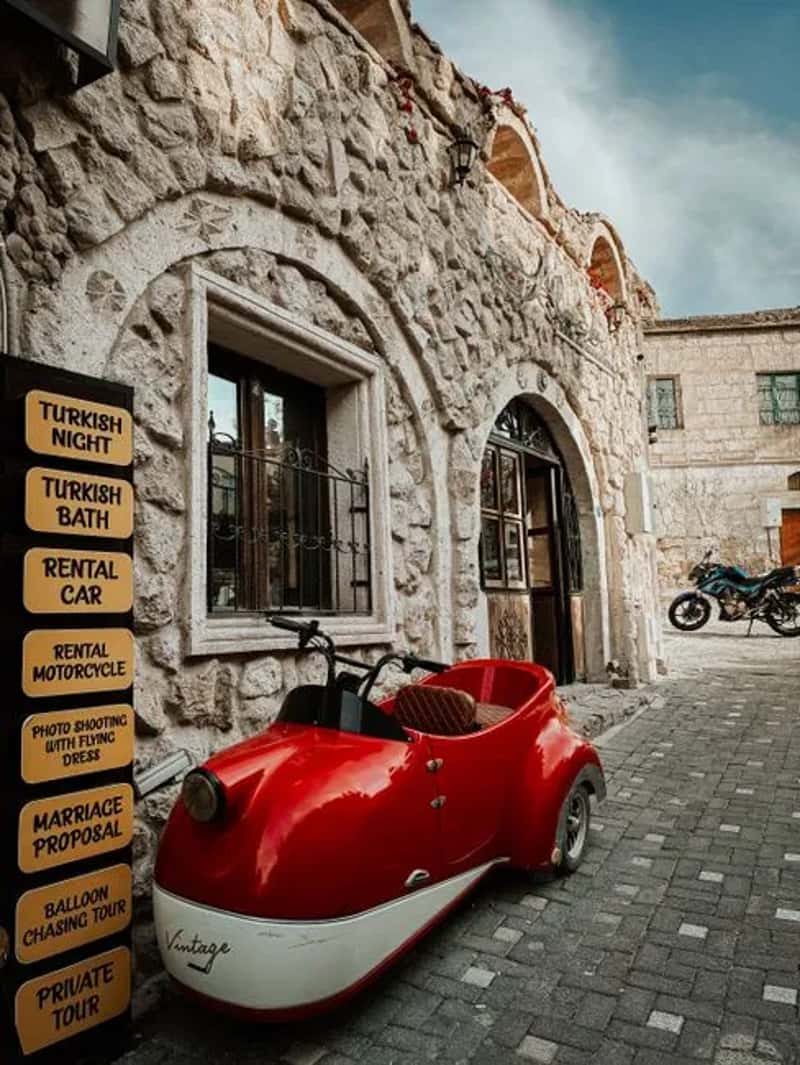
In many destinations, certain museums, archaeological sites, or historical landmarks offer private after hours tours for a significant fee, allowing visitors to experience the location without crowds. These experiences can cost several hundred to a few thousand dollars depending on the site and the level of exclusivity, sometimes including access to areas closed to the general public entirely. The appeal is straightforward, seeing something remarkable without hundreds of other tourists in the frame.
Middle class travelers typically visit these same sites during regular hours, accepting the crowds as part of the experience. Paying extra specifically to remove other visitors from the equation is a splurge that treats solitude and unobstructed access as luxuries in their own right. It’s less about seeing something different and more about seeing it differently.
11. Retaining a dedicated travel advisor or concierge service year round
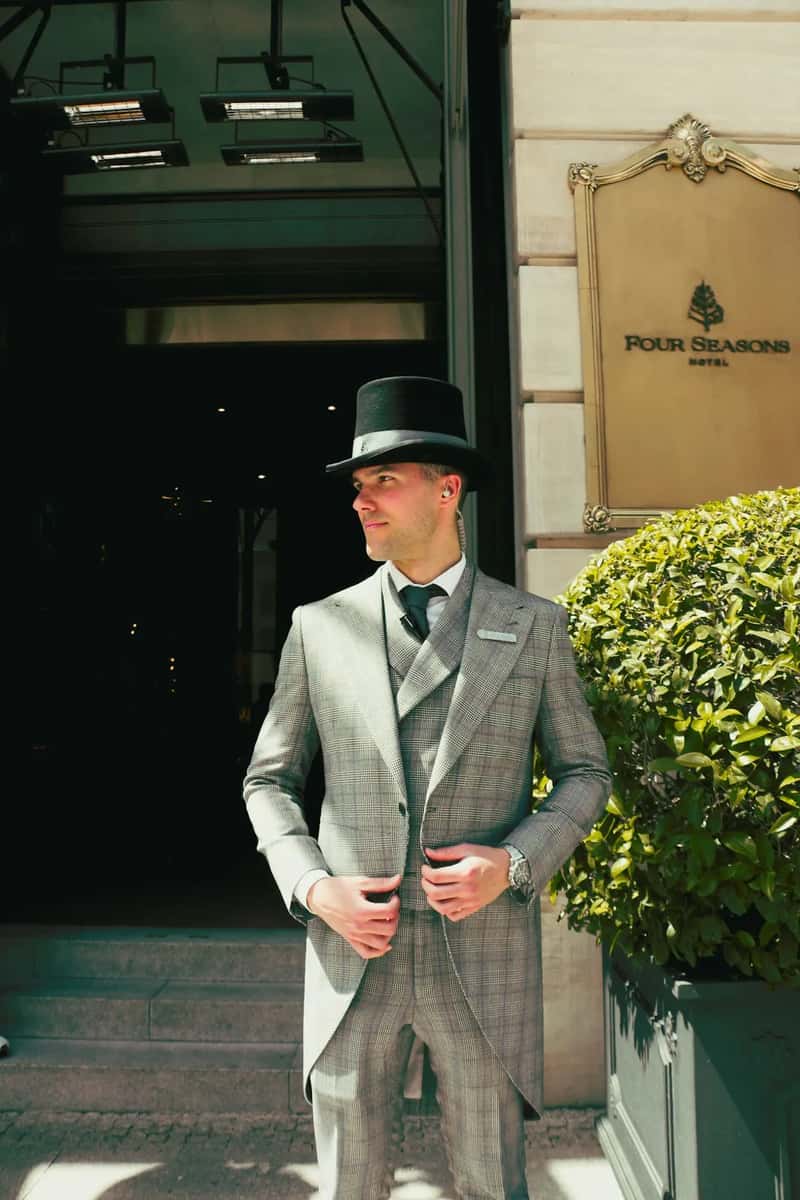
Rather than booking trips independently, many wealthy travelers retain a travel advisor or membership based concierge service that handles everything from itinerary planning to last minute changes, often for an annual fee or retainer. These services can cost several thousand dollars per year or a percentage of total travel spend, and they typically come with access to perks like room upgrades and late checkouts through established hotel partnerships. The value proposition is less about saving money and more about saving time and avoiding logistical stress entirely.
Most middle class travelers plan trips themselves using online tools, comparing options across multiple platforms to find the best deal. Paying an ongoing fee just to have someone else handle travel logistics, even when a trip isn’t imminent, reflects a fundamentally different relationship with time and convenience. It’s a splurge that pays off cumulatively rather than in one visible moment.
12. Purchasing carbon offset packages tied to private travel

As private jets and yacht charters draw more scrutiny for their environmental impact, some wealthy travelers now pay for premium carbon offset packages specifically tied to their higher emission travel choices. These offset programs can cost thousands of dollars depending on the size of the carbon footprint being addressed, and they’re increasingly marketed alongside private aviation and luxury travel services. It’s a splurge that exists specifically because of other splurges, addressing the environmental cost that comes with private, high emission travel choices.
For most travelers, carbon offsetting is either bundled quietly into a ticket price or skipped entirely due to cost sensitivity. Wealthy travelers sometimes treat premium offsetting as a visible, intentional purchase, partly out of genuine concern and partly as a way to soften the optics of high emission travel. It’s a fairly recent addition to the luxury travel spending list, but one that’s grown alongside increased attention on aviation emissions in the past few years.
None of these splurges are inherently about excess for its own sake. Each one solves a specific friction point, time, privacy, risk, or access, that money can remove but most budgets simply can’t absorb. The real divide isn’t the price tag itself, it’s which problems a traveler even considers worth solving with money in the first place.