Most people picture customs trouble as something involving drugs, weapons, or suitcases stuffed with cash. The reality is far more mundane and, honestly, a little more unsettling. Ordinary travelers get flagged every year for items that looked completely harmless in a beach shop or a market stall, things they paid for in cash, packed without a second thought, and never imagined could cause a problem at the border.
The gap between what feels like a normal keepsake and what the law actually allows has widened quietly over the past few years. Governments have tightened export rules to protect fragile coastlines, endangered species, and cultural heritage, and enforcement at airports has caught up with a lot of long ignored regulations. Here are six of the most common offenders, the ones nobody expects to be illegal until a customs officer says otherwise.
Beach sand, pebbles, and shells picked up as a keepsake
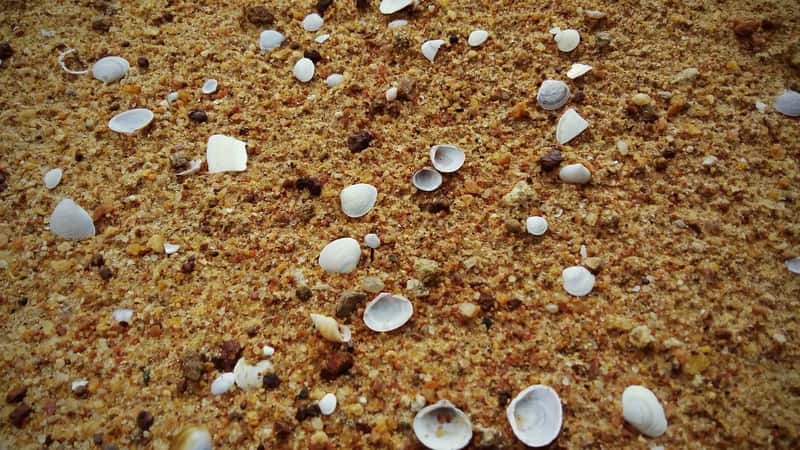
It sounds almost too petty to be real, but scooping sand into a water bottle can genuinely cost you thousands of dollars. On the Italian island of Sardinia, it became illegal in 2017 to remove sand, shells and pebbles from the island’s beaches, with people breaking the rules facing fines of between 500 and 3,000 euros, and anyone caught with larger quantities risking a prison term.[1] Customs officers there do not treat this as a minor issue either.
Customs officers at Sardinia’s Alghero airport say they regularly seize sand from the island’s beaches during systematic bag searches, finding items such as plastic bottles filled with sand, hundreds of sea pebbles and shells, and even large rocks.[1] The rule covers more than just sand. Under Sardinia’s 2017 regional law, taking away sand, pebbles, shells, corals, and generally any organic or inorganic material is treated as a crime punishable by a fine of up to 3,000 euros.[2] Similar protections exist on beaches elsewhere in the Mediterranean and beyond, so what feels like a free, natural memento is often, legally, public property.
Coral fragments and conch shells from tropical destinations
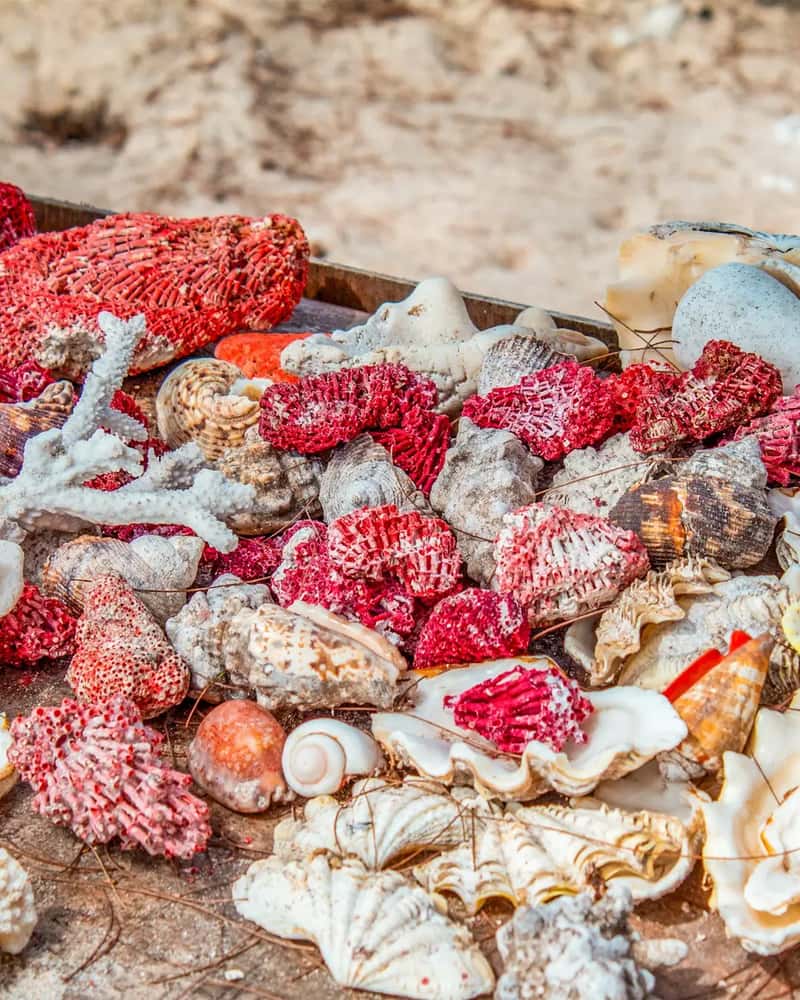
Coral jewelry and polished conch shells are staples of souvenir shops across the Caribbean and Southeast Asia, sold openly and often quite cheaply. That does not make them legal to carry across a border. The Caribbean and destinations like the Turks and Caicos Islands have suffered from overfishing of the queen conch, which is now protected under the international CITES Treaty, meaning exportation of the animal, shell, or souvenirs derived from it requires a permit.[3]
US border agents see this problem constantly. In one notable case, CBP in New Orleans seized 509 prohibited aquatic items from a couple returning from a Western Caribbean cruise, a haul that included 68 stony corals, 297 mollusk shells, five queen conch shells, nine sea fans, and 47 marine sponges.[4] Both coral and queen conch are listed under Appendix II of CITES, which mandates export permits from the country of origin, and without these permits, importing them into the United States is a federal offense.[4] Buying it in a shop does not make it legal to take home.
Ivory, tortoiseshell, and other wildlife-based trinkets
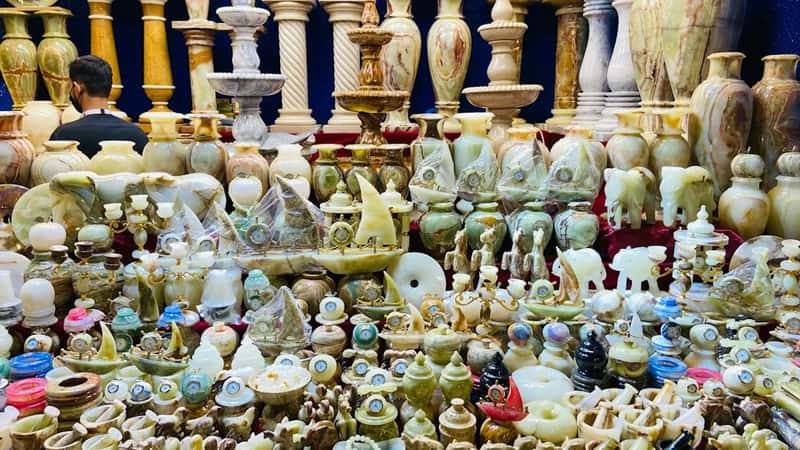
Carved bracelets, combs, and small figurines made from animal parts still turn up in markets aimed squarely at tourists, often labeled as antique or ethically sourced. The label rarely matters at customs. Items such as ivory jewelry or carved whale bones appeal to travelers seeking something rare or culturally meaningful, but these objects often fall under CITES regulations, meaning they cannot cross borders without export and import permits.[5]
The scale of the underlying problem is part of why enforcement has gotten stricter. At least 20,000 elephants are killed every year for their ivory, roughly one in every 20 elephants that exist.[6] Tortoiseshell items carry a similar hidden cost. Tortoiseshell is usually not derived from a tortoise at all but from the endangered hawksbill sea turtle, which has been hunted to the point that CITES banned the trade in it back in 1973.[7] A pretty hair comb or bangle can trigger a seizure, a fine, or worse, none of which shows up on the price tag.
Lava rocks and natural stones from national parks

Hawaii offers maybe the clearest example of a souvenir that seems totally innocent yet is flatly against federal law. Inside Hawaii Volcanoes National Park, federal law under 36 CFR section 2.1 makes removing any natural object illegal, with fines up to 500 dollars and possible jail time.[8] The rule is not limited to lava rock either.
Outside the park, state law prohibits removing natural features including rocks, sand, and coral, black sand is protected everywhere and never legal to remove from any beach in Hawaii, and coral is federally protected under the Magnuson-Stevens Act.[8] Some sources report even steeper consequences these days. Removing these rocks is actually illegal and can result in fines up to 5,000 dollars, with national parks like Hawaii Volcanoes National Park strictly prohibiting taking any volcanic material.[9] Whether or not you believe in the local legend about bad luck following the rocks home, the legal risk is very real and does not require any myth to enforce it.
Pottery shards, ancient coins, and small artifacts from historic sites
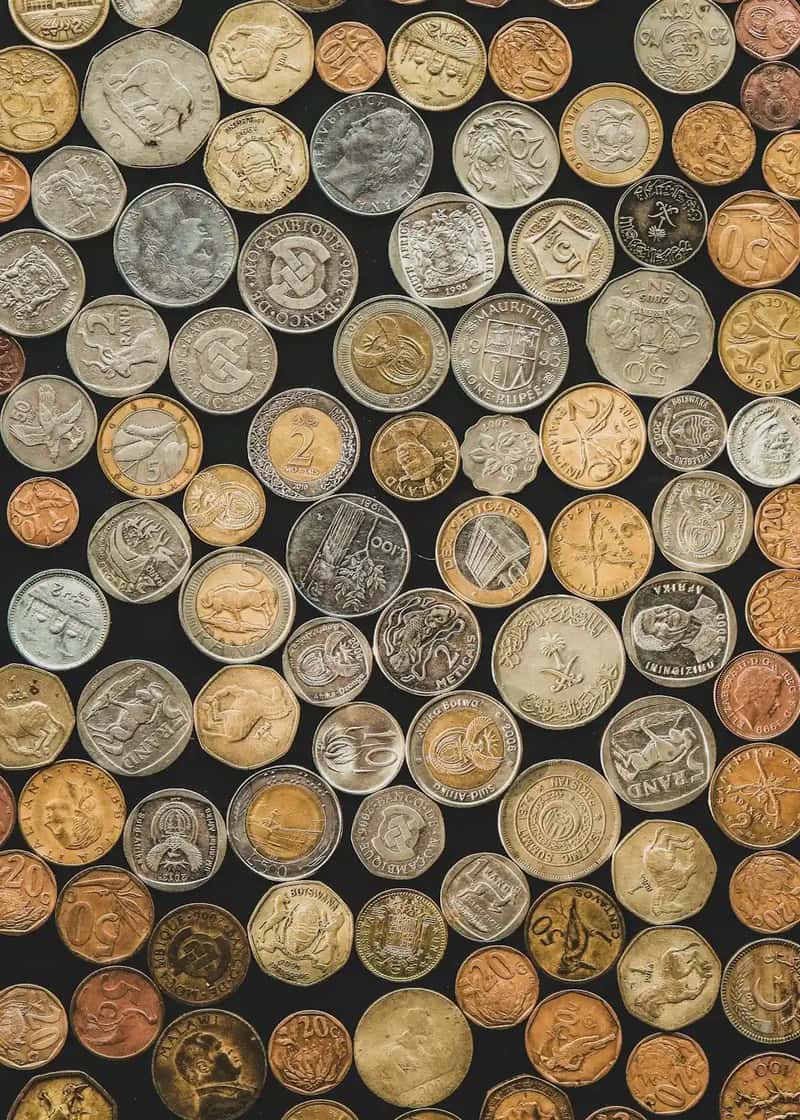
Picking up a chipped piece of pottery near a ruin, or buying a worn old coin from a street vendor, feels like collecting a piece of history rather than committing a crime. Several countries disagree quite firmly. Since 1983, antiquities have generally not been allowed to be exported from Egypt, and illegal export of cultural property is punishable by a fine of 100,000 to 1,000,000 Egyptian pounds.[10]
Italy applies similarly strict controls, and the United States actively cooperates with that enforcement. A bilateral agreement between the United States and Italy, which came into effect on January 23, 2001, prevents the importation to the US of almost all undocumented Roman era artifacts.[11] The restrictions extend well past Italy and Egypt too. Thailand bans the export of Buddha images and sacred artifacts without official permits, and Egypt, Peru, Italy, and Greece enforce comparably strict cultural property laws for anything resembling an antiquity.[7] A small statue or ancient looking coin bought casually at a market can be confiscated on the way out, with no compensation offered.
Homemade food, seeds, and plant cuttings from a trip abroad
Of all six items on this list, food souvenirs are probably the ones that catch the most first time travelers off guard. A wheel of cheese, a jar of homemade preserves, or a packet of seeds from a local market seems entirely ordinary, yet agricultural rules treat these items with real suspicion. Travelers who bring home meats, cheeses, fruits, vegetables and spices often learn too late that many agricultural products are restricted, since a cured pork leg purchased in Spain, homemade pastries packed by a relative abroad, or even a single piece of tropical fruit can be taken at inspection because of the risk of pests or disease.[5]
The frustrating part is that packaging does not offer any protection. Many travelers are surprised when customs officers seize items that look commercially packaged or appear harmless, but the rules do not leave room for guesswork.[5] Seeds and plant cuttings fall into an especially strict category because a single invasive insect or pathogen can devastate local agriculture, which is exactly why inspectors treat a small bag of dried beans with the same seriousness as a live plant. The rule of thumb worth remembering is simple: if it grew, was farmed, or came from an animal, assume it needs a declaration or it does not travel at all.
Final thoughts
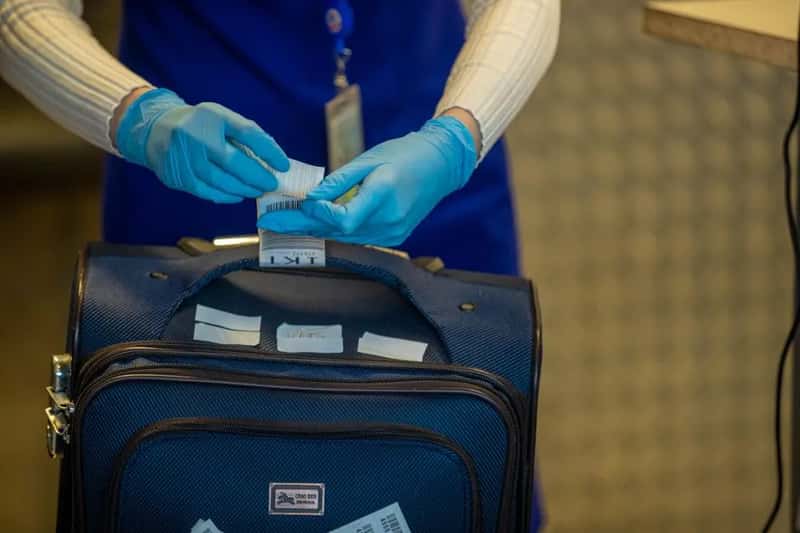
None of these six items involve smuggling in the dramatic sense most people imagine. They involve sand, shells, small stones, carved trinkets, old coins, and homemade snacks, the kind of things that end up in a suitcase almost by accident. The common thread is that a law existed the whole time, quietly, long before anyone packed their bags.
Checking a destination’s export rules before buying anything unusual takes a few minutes and costs nothing. Given how routinely ordinary travelers get stopped over items they never suspected were regulated, that small bit of homework is starting to look like a standard part of trip planning rather than an afterthought.