Step outside on a spring morning and something feels genuinely wrong. The feeders are full. The yard looks the same. But the birds aren’t there. Backyards that once erupted with sparrows feel hushed. Fields that used to ring with meadowlarks sit in an uneasy silence. Even the evening sky – once alive with swooping swallows – feels strangely hollow. This isn’t nostalgia playing tricks. North America has lost nearly three billion birds since 1970. Almost 30% of the entire bird population, gone in less than a human lifetime.
Here’s the part that should stop you cold: it isn’t rare species disappearing first. It’s the sparrows, swallows, robins, and thrushes that once seemed too common to ever fail. The birds we stopped truly seeing because we assumed they’d always be there. Experienced birders have been watching the numbers quietly crater for years – and what they say about which birds are vanishing, and why, is more unsettling than most people are ready to hear.
#13 – Common Grackle: The Glossy Black Bird Nobody Noticed Leaving
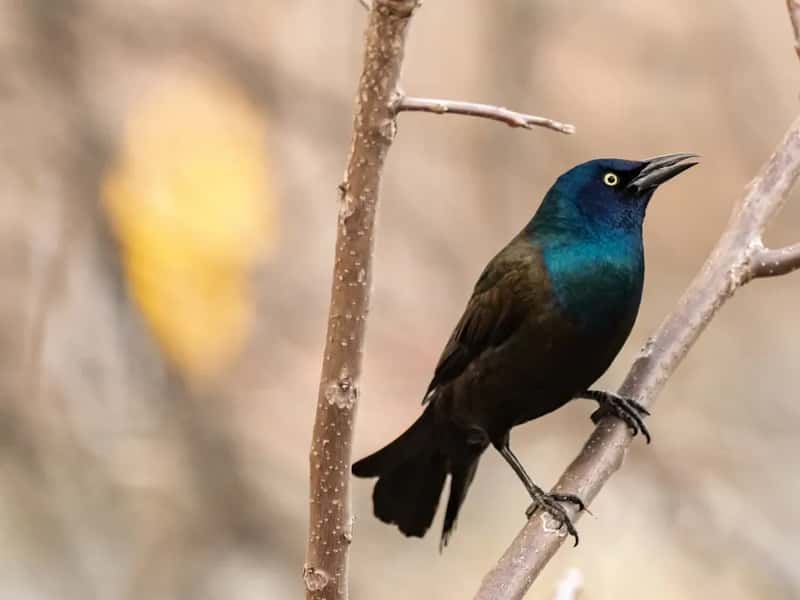
Most people have a complicated relationship with the Common Grackle – it’s loud, aggressive at feeders, and travels in flocks that can darken a parking lot. But here’s the twist: Audubon’s Christmas Bird Count has documented a serious collapse in grackle numbers, making it one of the most overlooked bird declines in America. That iridescent purple-green plumage and cold yellow eye used to be a fixture of lawns, hedgerows, and suburban ball fields from coast to coast. Now the flocks are smaller, the noise is thinner, and fewer people have even registered the change.
Cornell conservation scientist Kenneth Rosenberg put it plainly: if the environment can no longer support extreme generalists – birds that tolerate human disturbance better than almost any other species – that’s a powerful warning sign for every other form of life sharing that environment. The Mid-Atlantic, Midwest, and California have emerged as acceleration hotspots for bird loss, precisely the regions with the highest rates of pesticide use, fertilizer runoff, and cropland expansion. The grackle didn’t slip away quietly. We just stopped paying attention long enough for it to happen.
Fast Facts
- Over 90% of total bird losses come from just 12 families – sparrows, blackbirds, warblers, and finches lead the collapse
- The 2025 State of the Birds report flags 229 species as needing urgent conservation action
- More than one-third of all U.S. bird species are now rated high or moderate conservation concern
- Common birds – not rare ones – account for the bulk of the three billion lost since 1970
#12 – Barn Swallow: The Acrobat of Summer Skies That’s Running Out of Insects
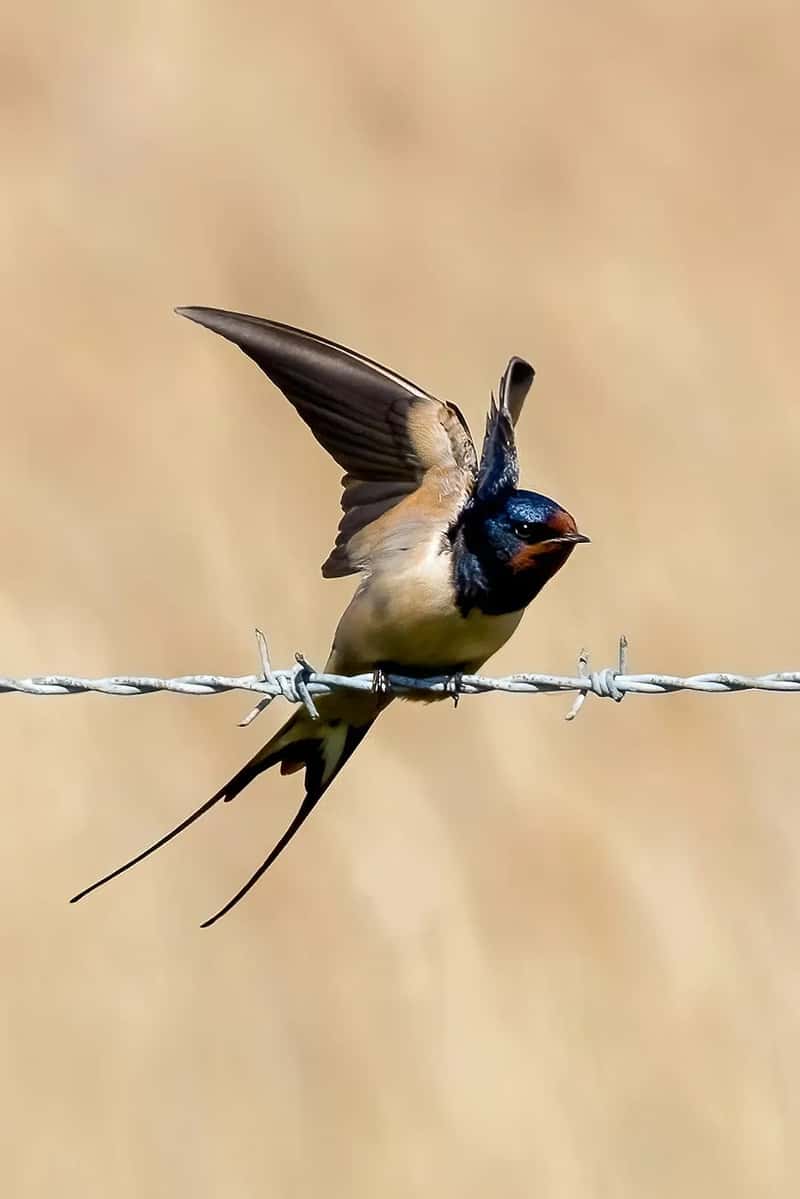
There’s something almost cinematic about Barn Swallows – forked tails slicing low over a pond, banking and spinning with impossible precision on warm summer evenings. That image feels permanent. It isn’t. There are an estimated 25% fewer Barn Swallows in North America today than there were in the 1960s, and the species shares a broader crisis: aerial insectivores as a group are in steep decline across the continent, with insect collapse widely cited as a primary driver. These birds eat entirely on the wing, which means they are completely dependent on flying insects – and flying insects are in freefall.
But there’s a second threat that cuts closer to home. Modern “clean” barns and metal agricultural buildings don’t provide the rough wooden beams and sheltered eaves that swallows have nested on for centuries. Property owners modernize, builders default to sealed metal, and another nest site vanishes. The very agricultural landscape that once supported Barn Swallows in enormous numbers has been quietly renovated in ways that shut them out entirely. That’s a hard irony to sit with – and it’s nothing compared to what’s happening to #11.
#11 – Eastern Meadowlark: The Voice of American Farmland, Going Silent
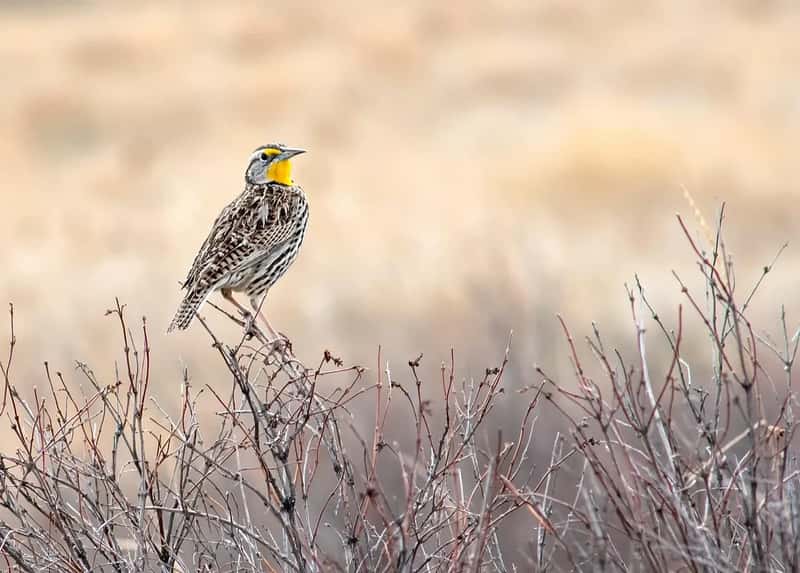
If you grew up near open fields anywhere east of the Rockies, you know the Eastern Meadowlark’s song – that rich, flute-like call that seemed to rise straight out of the grass. A lot of people are hearing it for the last time. Eastern and Western Meadowlarks are down by a combined 139 million individuals. That is not a population dip. That is a structural collapse in a bird that was once one of the most abundant species on the continent.
Grassland birds have taken the heaviest losses of any group – more than 40% of their total population gone since 1970, according to the 2025 State of the Birds report. The Great Plains alone is losing one to two million acres of grassland every year to row-crop conversion. Meadowlarks need lightly managed ground cover to walk, forage, and nest. Modern mowing schedules and industrial agriculture leave them nowhere to go. The silence spreading across American farmland isn’t poetic – it’s a measurable, accelerating ecological signal, and the meadowlark is one of its loudest indicators.
At a Glance: Why Grassland Birds Are Hardest Hit
- Grassland and aridland birds have each lost more than 40% of their total populations since 1970
- Row-crop conversion, industrial mowing schedules, and loss of field edges all remove nesting cover
- Eastern Meadowlarks nest on the ground – a single pass of heavy farm equipment can wipe out a clutch
#10 – Chimney Swift: The Clockwork Migrant Losing Its Clockwork World
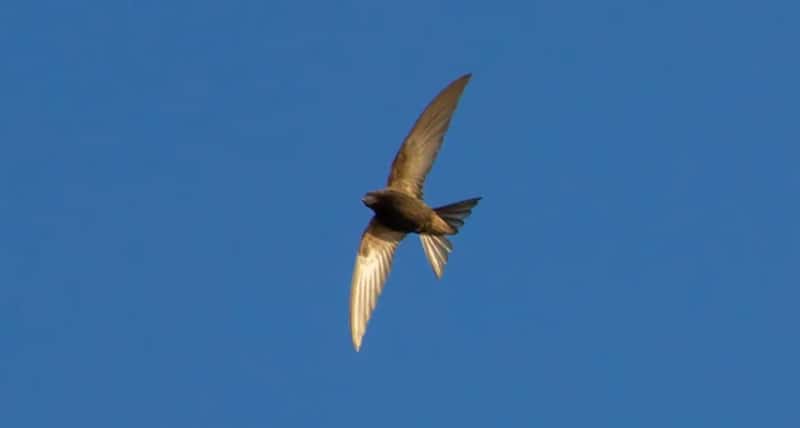
In older neighborhoods every spring, birders would watch for it – that high-pitched chittering overhead and the sight of Chimney Swifts spinning in tight circles above brick chimneys like tiny living tornadoes. These birds spend nearly their entire lives airborne, only landing inside vertical structures to nest and roost. Old masonry chimneys were perfect. And old masonry chimneys are disappearing fast. Over the last 50 years, Chimney Swift populations have declined more than 70% across North America, and their IUCN status was upgraded to Vulnerable in 2018.
Modern construction has moved almost entirely away from open chimneys, and property owners cap older ones for safety or energy efficiency – inadvertently closing nest sites that swifts have used for generations. Breeding Bird Survey data shows the species declining at roughly 2.2% per year between 1966 and 2022. Artificial swift towers have proven genuinely effective at providing replacement roost habitat, but adoption is slow and the birds don’t wait around for permits to clear. What #9 has lost is even harder to replace.
#9 – Evening Grosbeak: The Winter Feeder Star That Stopped Showing Up
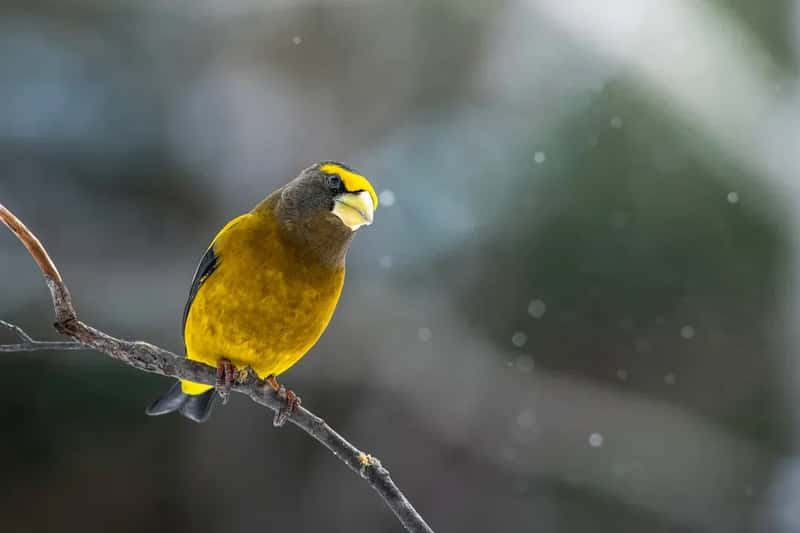
Ask any birder over 60 about winter feeders, and the Evening Grosbeak comes up within seconds. Those big, bold, yellow-and-black finches with massive seed-cracking bills used to descend on sunflower feeders across the eastern U.S. in noisy, colorful flocks every November. It was an event. Now it’s a memory. The Evening Grosbeak has experienced a cumulative decline of roughly 84% between 1966 and 2023, according to the North American Breeding Bird Survey – a rate of about 3.1% per year, making it the steepest collapse of any landbird on the continent.
Part of the story is ecological: spruce budworm outbreaks, which grosbeaks historically followed and fed on heavily, are now managed differently. Part of it is habitat: the boreal forests where they breed are increasingly fragmented and stressed by warming temperatures. The 2025 State of the Birds report lists the Evening Grosbeak as an Orange-Alert Tipping Point species – meaning it has lost more than half its population in 50 years and is showing accelerated declines in recent decades. Many younger birdwatchers have never seen one at a feeder. That used to be unthinkable. Now it’s just the baseline.
Quick Compare: Tipping Point Species on This List
- Evening Grosbeak – ~84% decline since 1966; Orange-Alert Tipping Point
- Eastern Whip-poor-will – more than 50% lost in 50 years; Tipping Point species
- Wood Thrush – more than 50% lost; squeezed from both breeding and wintering ends
- Rufous Hummingbird – 65% decline since 1970s; rate of loss accelerated 2009–2019
- All four are classified by partners in conservation as needing urgent, proactive recovery action
#8 – American Robin: The Bird Everyone Still Sees – Just Far Fewer of Them
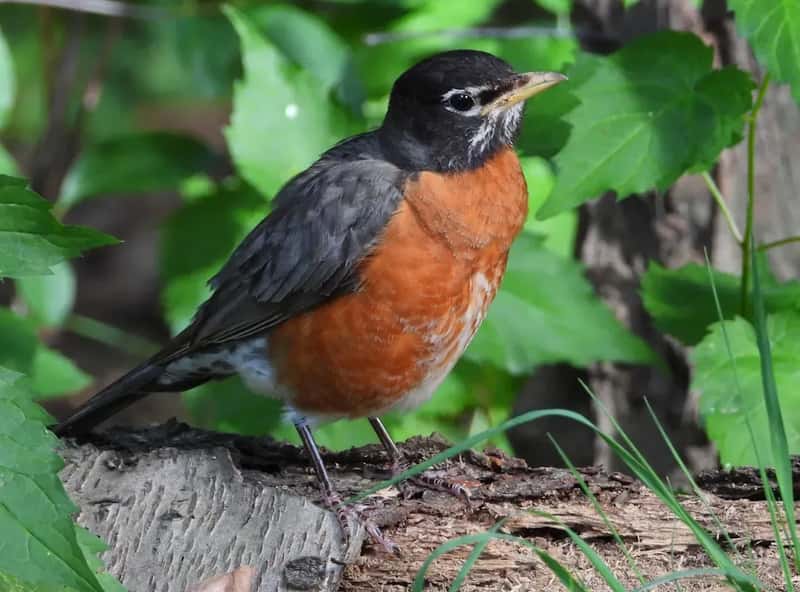
This is the one that shocks people most. The American Robin – the quintessential symbol of spring, so common it barely registers – is actually declining. New Cornell Lab of Ornithology research analyzing nearly 500 North American bird species found that robins are dropping, especially in places where they were once most abundant. The fact that robins still feel ubiquitous is exactly why this story almost never gets told.
Declines are often steepest in a species’ traditional strongholds, and for the robin that means lawns, parks, and suburban backyards in the Midwest and Mid-Atlantic. Rising spring temperatures are a key culprit: warmer weather causes insects to hatch earlier than usual, and birds arriving from winter migration miss their window for easy food. The robin is functioning like a canary in a very large coal mine – and most of us are still happily watching it pull worms from the lawn, completely unaware of what the numbers actually say.
#7 – Dark-eyed Junco: The “Snowbird” Vanishing by the Hundreds of Millions
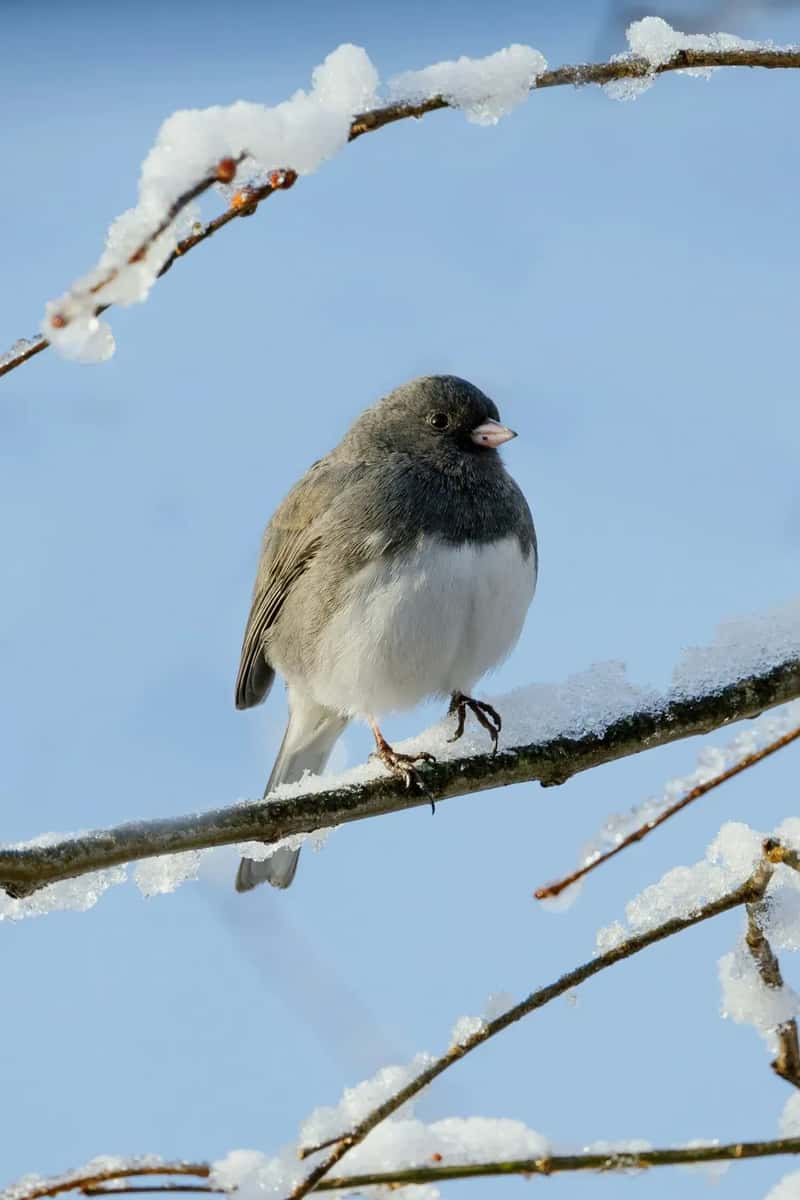
The Dark-eyed Junco has a nickname: “snowbird.” Generations of Americans have relied on these dapper slate-and-white sparrows as a reliable sign that cold weather is arriving, hopping cheerfully under feeders in small winter flocks. The reality behind that cheerful image is brutal. Dark-eyed Juncos are down by 168 million birds – one of the largest absolute losses of any species on the continent, and a number that is genuinely difficult to process.
Their decline is driven by converging pressures from multiple directions: the boreal and mountain forests where they breed are warming and shifting northward; milder winters are disrupting traditional migration patterns; and ground-feeding birds like the junco are disproportionately exposed to cat predation – estimated at more than 2.4 billion birds killed annually in the U.S. and Canada. The “snowbird” is still out there. Just in numbers that would stun anyone who remembers what a full winter flock used to look like. But that’s not the most emotionally loaded loss on this list – save that for #6.
#6 – Wood Thrush: The Most Beautiful Bird Song in America, Fading Fast
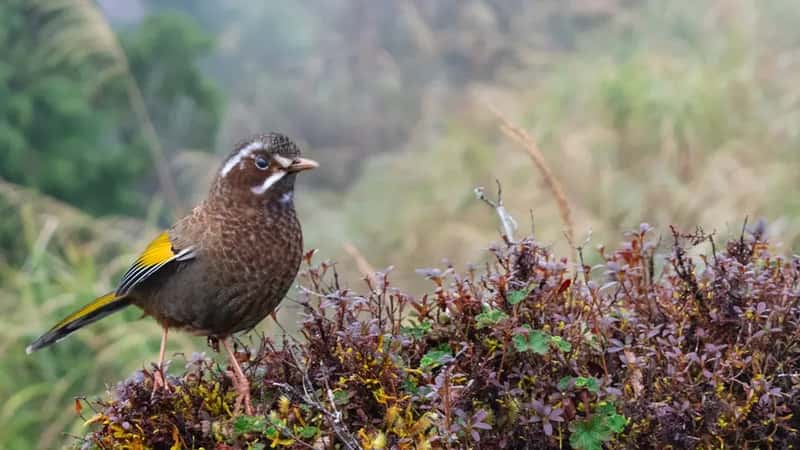
Birders will argue about almost everything – but most agree on this: the Wood Thrush produces one of the most hauntingly beautiful songs of any bird in North America. That spiraling, flute-like call echoing from deep in a shaded summer forest is a sound that stops people in their tracks. Or it used to. The Wood Thrush is classified as a tipping point species, meaning it has lost more than half its population in the past 50 years – and the losses are coming from both ends of its migration at once.
Eastern forest fragmentation is destroying their breeding habitat. And the tropical forests of Central America where they spend the winter are disappearing just as fast. A bird being squeezed from both ends of its annual journey has almost no margin left for error. Research shows strong correlations between local Wood Thrush declines and breeding habitat loss, but the species-wide collapse appears to be driven primarily by what’s happening on the wintering grounds – deforestation thousands of miles away that most Americans never think about. If you hear a Wood Thrush this summer, stop and really listen. Experienced birders say you may be hearing one of fewer and fewer.
The greatest danger to our future is apathy.
Jane Goodall
#5 – White-throated Sparrow: The Backyard Singer Nobody Realized Was Slipping Away
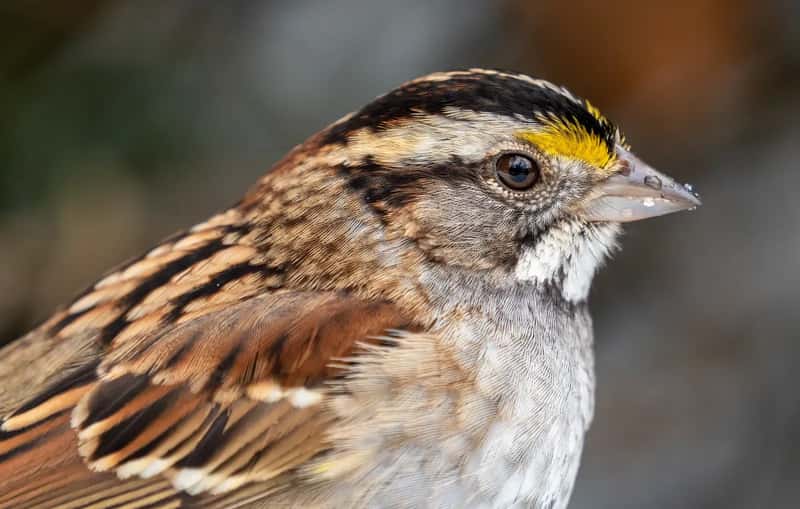
The White-throated Sparrow’s whistled “Old Sam Peabody, Peabody, Peabody” is one of those sounds that birders and non-birders alike can identify – a sweet, clear call from shrubby backyards and hedgerows from October through April. It felt like a permanent fixture of American winters. It is not. White-throated Sparrows are down by 93 million birds, a loss nearly as staggering as the junco, happening almost entirely below the public radar.
The change in backyard populations has been subtle enough that most people haven’t consciously registered it – just a vague sense that winter feels quieter than it used to. Development is relentlessly reducing the shrubby edge habitat these birds depend on, and window collisions during migration extract a brutal toll. Data estimates up to one billion birds die each year striking glass in the U.S. alone, and migrating sparrows like this one are disproportionately among the victims. The silence crept in so gradually that by the time most people notice, nearly a third of the population is already gone.
Worth Knowing: The Invisible Killers Adding Up Every Day
- Up to 1 billion birds die annually from window strikes in the U.S. – migrating sparrows are among the most affected
- Free-roaming cats kill an estimated 2.4 billion birds per year in the U.S. and Canada
- Light pollution at night disorients migrating birds, causing deadly collisions with buildings
- These threats compound habitat loss – a bird that survives deforestation may still be killed on migration
#4 – Red-winged Blackbird: 92 Million Gone, and Nobody’s Talking About It
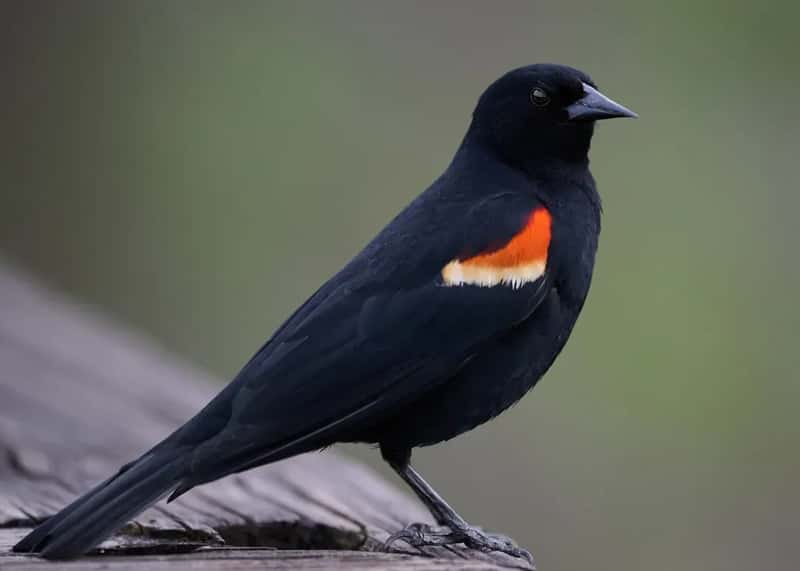
The Red-winged Blackbird – brilliant red-and-yellow shoulder patch blazing, defending a cattail marsh like a tiny furious sentinel – has always felt like one of those birds that could never be in trouble. It was everywhere. Every wet ditch, every farm pond edge, every highway median with a strip of standing water. Which is exactly why it’s so jarring to say: the Red-winged Blackbird has declined by 92 million birds since 1970. That number is not a typo.
Still one of the continent’s most numerous birds, the Red-winged Blackbird has quietly lost nearly a third of its population. The flocks are smaller, the marsh-edge chorus thinner, the cattails a little quieter. Wetland fringe habitats – the exact landscapes these birds depend on – are among the most exploited in America, drained for agriculture, developed for housing, and degraded by agricultural runoff. A 92-million-bird collapse, and it barely registers in the news cycle. But #3 might be the most personally jarring loss for anyone who spent summers outdoors as a kid.
#3 – Eastern Whip-poor-will: The Night Voice of Summer That’s Going Quiet
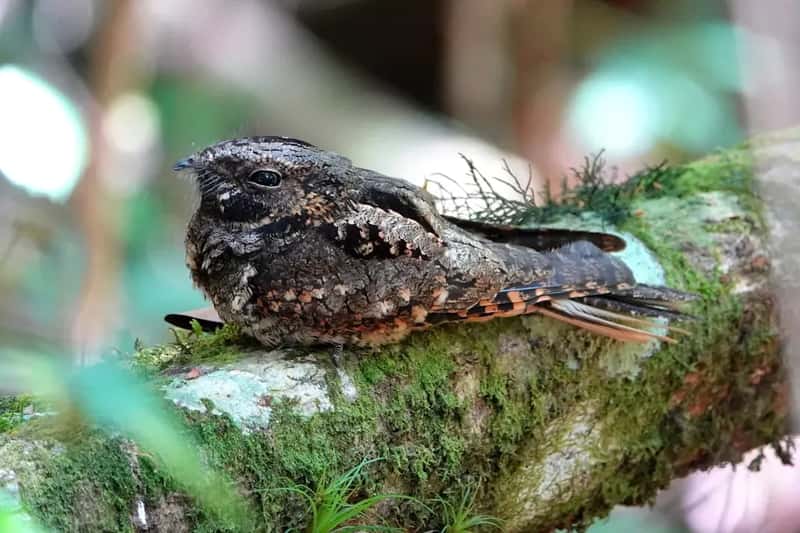
You may have never seen a Whip-poor-will – they are masters of camouflage, nearly invisible against leaf litter and bark. But if you grew up in the rural East or Midwest, you almost certainly heard them. That relentless, rhythmic call cutting through warm summer nights – whip-POOR-will, whip-POOR-will – was the soundtrack of porches, camps, and firefly-lit fields. The Eastern Whip-poor-will is now classified as a tipping point species, meaning it has lost more than half its population in 50 years. The silence where that call used to be is one of the most disorienting things experienced birders describe.
Whip-poor-wills are nocturnal aerial insectivores, hunting moths and large flying beetles over open woodland at night. They share that feeding strategy with swifts and swallows – and share their collapse. Pesticide use has devastated the large flying insects they depend on. Light pollution disrupts their nocturnal hunting. And the open, patchy woodland edges they need for nesting have been swallowed by dense forest succession, invasive species, and development. The night sounds of American summers are going quiet one species at a time, and most people won’t notice until the last one stops calling.
#2 – Rufous Hummingbird: The Feeder Favorite Dropping 2% Every Single Year
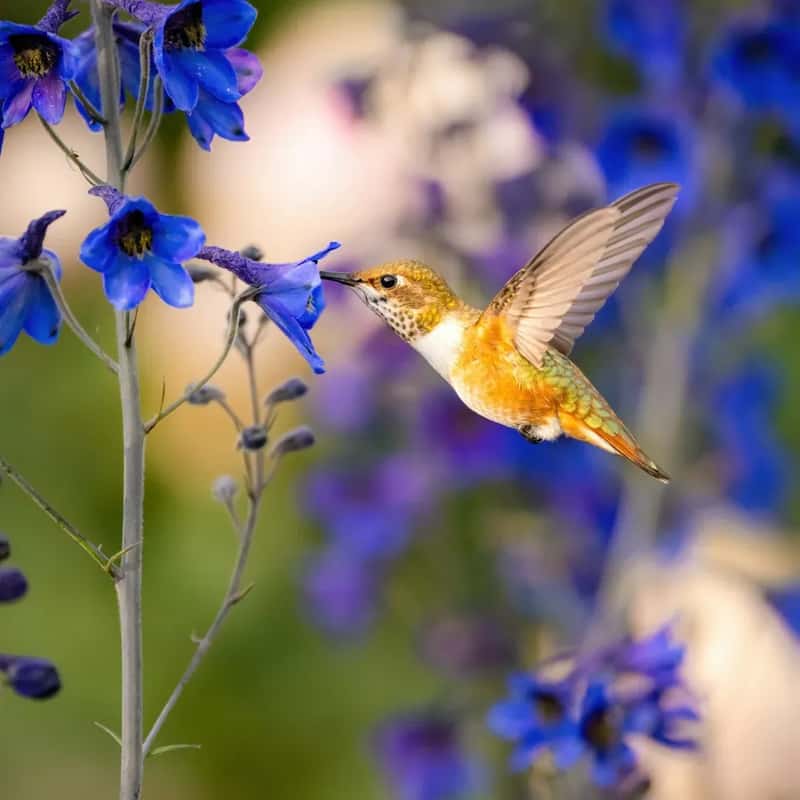
The Rufous Hummingbird – that feisty, copper-colored dart that dominates western feeders every summer and picks fights with birds three times its size – has always seemed too bold and too fast to be in any danger. It travels farther relative to its body size than almost any other bird on earth. And it is quietly falling apart. A 2024 peer-reviewed study published in Avian Conservation and Ecology confirmed a 65% population decline since the 1970s, with the rate of loss accelerating nearly twofold between 2009 and 2019 – putting it in the same catastrophic tier as birds people actually think of as endangered.
The current decline rate sits at roughly 2% per year – steady, relentless, and compounding. Their Pacific Northwest breeding grounds are being hit harder every year by wildfire and drought, and the same study linked breeding habitat loss directly to falling population numbers. The mountain meadow wildflower communities they depend on for nectar are shifting with rising temperatures. And their extraordinarily long migration exposes them to threats at every stop along the way. The bird most associated with summer joy at a western feeder is on a slow, steady collapse – and the bird at #1 is the one almost everyone assumed was completely untouchable.
Why It Stands Out: The Rufous Hummingbird’s Staggering Journey
- Travels up to 3,900 miles one way – the longest migration relative to body size of any bird in the world
- Faces threats at breeding grounds (wildfire, drought), along migration corridors, and on wintering grounds
- 65% population decline since the 1970s; rate of collapse accelerated sharply after 2009
- Listed among 70 species that have lost at least 50% of their population in the past half-century
- Declining at ~2% per year – meaning another 50% loss projected over the next 50 years if trends hold
#1 – House Sparrow: The Most Familiar Bird in America Is Quietly Fading
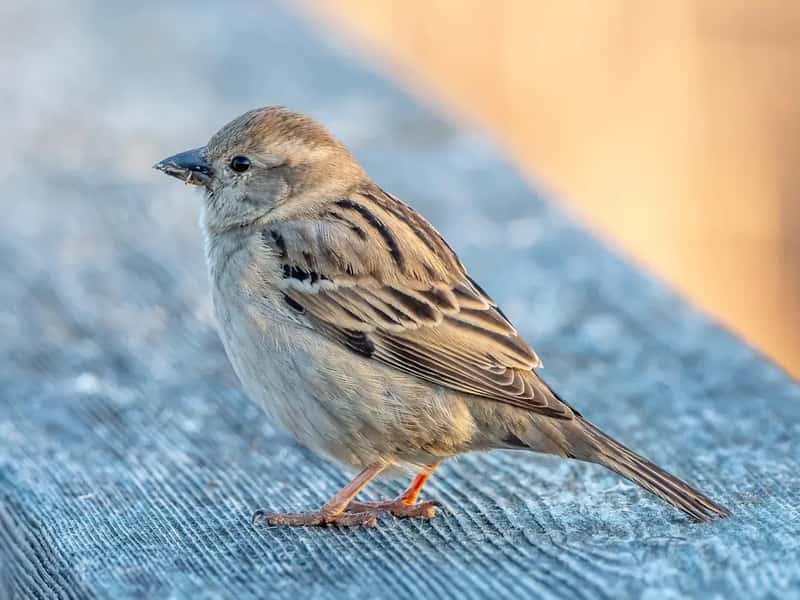
If you asked someone on the street to name a bird – any bird – there’s a real chance they’d say sparrow. Those ubiquitous parking-lot birds that squabble over french fries and nest in every gap and gutter have lived closer to humans than any other species on the planet. And even they are declining. Cornell Lab of Ornithology research confirms it: the House Sparrow, the bird so woven into daily human life that it’s practically invisible, is becoming genuinely harder to find across much of North America. House Sparrow populations fell across much of their global range through the late 20th century – and the slide has continued.
The combination of intensive agriculture, warming temperatures, and the relentless loss of the weedy, untidy edges where sparrows forage and nest has steadily eroded the habitat even this ultra-adaptable bird depends on. The House Sparrow is the ultimate symbol of what’s actually happening – a species so common, so ordinary, so deeply embedded in human environments that its absence goes unregistered. We stopped truly seeing it long before the numbers started to fall. Common birds provide the bulk of the ecological work that keeps landscapes functional: eating insects, dispersing seeds, cycling nutrients. Losing the common birds doesn’t just feel like loss. It is loss, on a scale most of us haven’t started to reckon with.
Three billion birds. Gone from the skies of North America since 1970. Not rare species tucked in remote wilderness – the sparrows at your feet, the swallows overhead, the robin pulling worms from the lawn. The birds that made ordinary American mornings feel alive are slipping away faster than most people realize, driven by habitat loss, pesticides, glass, cats, climate, and the slow grinding pressure of a landscape being reshaped around them. The window to change the trajectory is real – but it is narrower than it looks, and it is closing. Which of these birds have you stopped seeing in your yard? The answer might surprise you more than you expect.