Florida’s Gulf Coast – Fall here seldom arrives with crisp leaves or frost on the pumpkins, yet the season still reshapes daily life in ways that outdoor families notice. In a recent post on the National Wildlife Federation blog [1], Joe Murphy, a lifelong Floridian and former NWF Gulf Program staffer, makes the case that Thanksgiving is the state’s most natural holiday for time outside. His argument rests on a season that is quieter than the rest of the country’s autumn but no less distinct. ([1])
A Quieter Kind of Fall
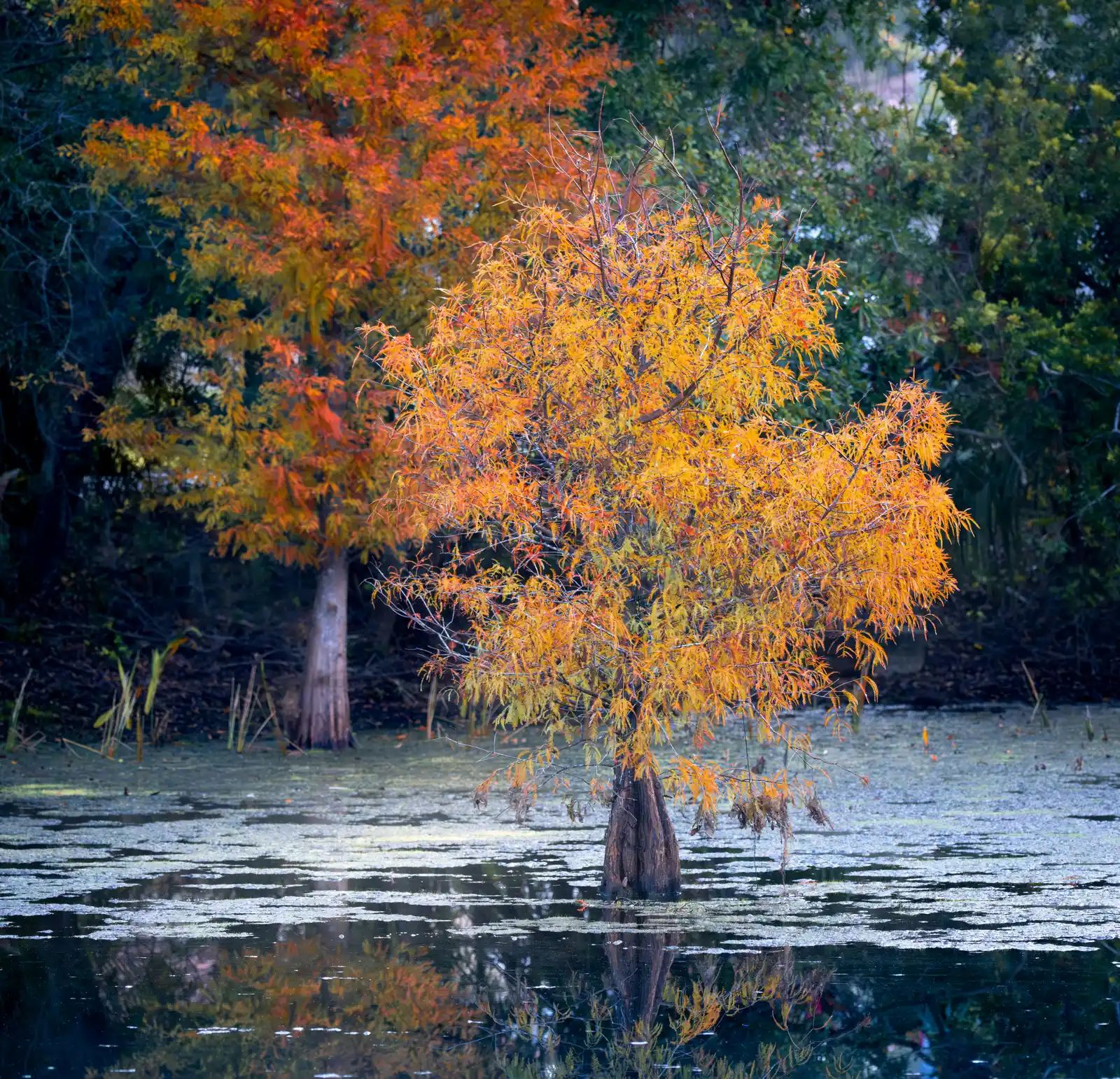
Florida’s autumn begins with a subtraction. When November arrives, the peak of hurricane season is fading, and in a good year the threat of storms recedes with it. Humidity eases slowly, and daytime temperatures start to drop from tropical heat toward something closer to temperate.
Murphy describes this shift as subtle rather than dramatic. There is no sudden chill and no wall of color. Instead, the change shows up in the quality of the light and in days that feel drier and more comfortable for walking, paddling or sitting by a fire. For a region that often gets written off as summer all year, that gradual turn carries real weight for people who spend their free time outdoors.
Traditions Built Around the Outdoors
Murphy writes that his family has tied its Thanksgiving to Florida’s landscape for years. Their holiday routine has included:
- Canoe outings and family paddling trips
- Thanksgiving weekend meals held in state parks
- Campfire snacks, including sandwiches made over the flames that the family calls “pudgy pies”
- Bike rides, hikes and target practice in the woods near his mother’s home
He acknowledges that parades, football and Black Friday shopping are part of the national holiday, but he argues those rituals could happen anywhere. A Gulf Coast Thanksgiving, by contrast, depends on the place itself. Murphy’s point is that the setting is the reason the holiday feels grounded, both in nature and in family.
What the Gulf Coast offers in late fall: cooler temperatures, drier days, freshwater springs and beaches, and state parks suited to family outings.
A Holiday Shaped by Loss and Memory
The essay also carries a personal thread. Murphy’s mother led many of the family’s outdoor plans, from canoe trips to hikes and fishing outings, and she passed away in May 2025. This is the second Thanksgiving the family has marked without her, and Murphy writes that they are still working out what tradition means without her at the center.
Last year, the family began building replacements that honor her without pretending nothing has changed. They bought a used 13-foot 1971 Shasta Compact camper and named it “Magnolia” after one of her favorite trees. Setbacks, including career changes and family medical concerns, delayed their first trips, but they plan to take the camper to Withlacoochee State Forest over the holiday break. Murphy will tow it with his mother’s red Ford pickup.
The family also plans to cook and bake some holiday dishes from recipes in Marjorie Kinnan Rawlings’ “Cross Creek Cookery,” a Florida cookbook they tried last year. On the Saturday of Thanksgiving weekend, they will gather extended family at Murphy’s home, since his mother’s house has been sold. On Thanksgiving morning, he plans to drive to a spot along the Withlacoochee River that his mother loved and spend time there fishing.
Related Stories From Travelbinger

The Trade-Offs of a Florida Thanksgiving
The outdoor appeal has limits. Murphy notes that some years the heat lingers into late November, and a wet summer can leave mosquitoes thick well into the season. Those conditions can make a planned picnic or hike less pleasant, but he says they can be worked around with beaches, freshwater springs and a flexible plan.
For Murphy, the holiday also connects to the work of the NWF Gulf Program. He writes that the group’s efforts matter to him because his family’s roots are in the natural Florida and Gulf Coast landscape. He hopes the places his grandparents knew will remain for his granddaughters.