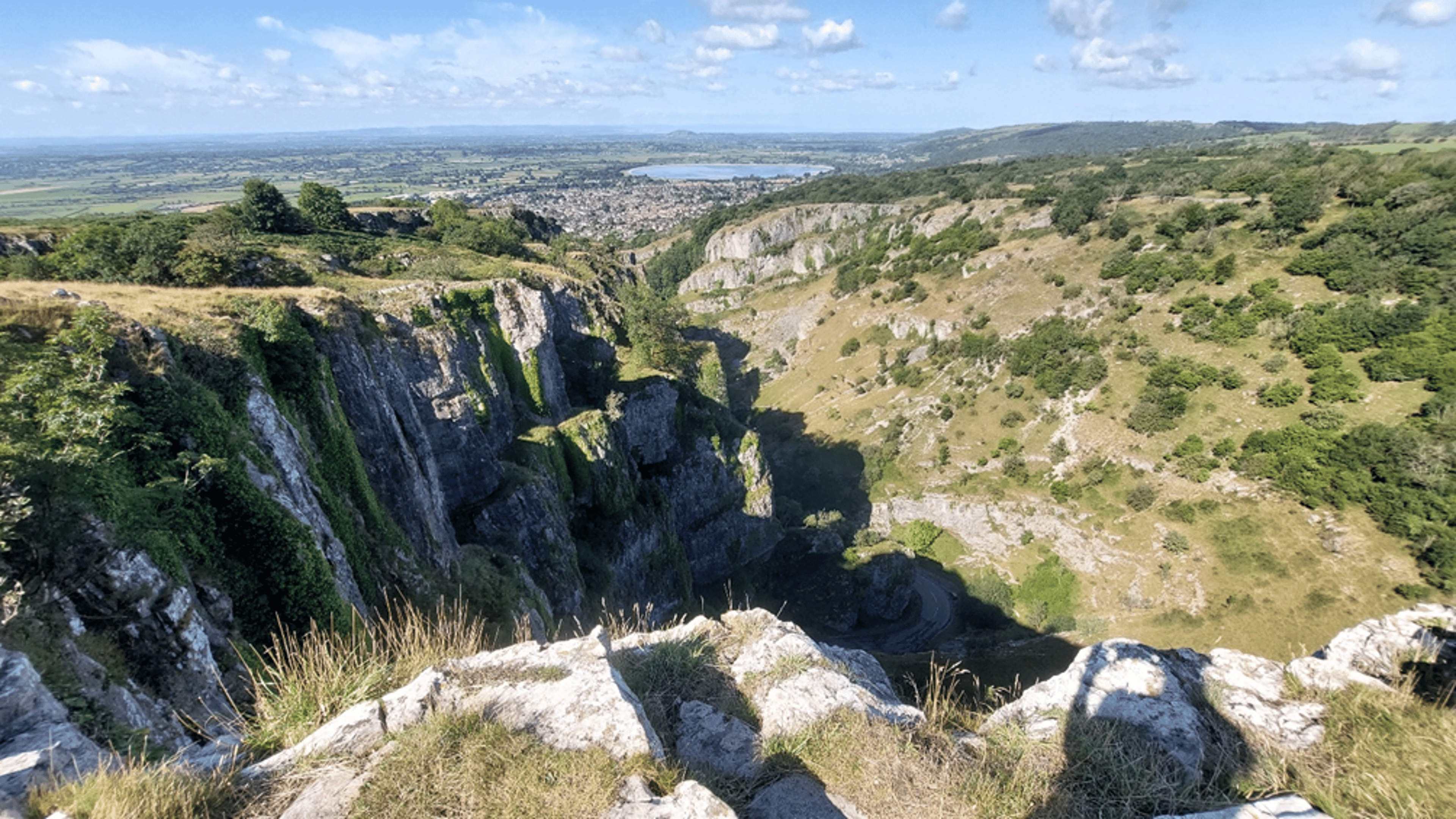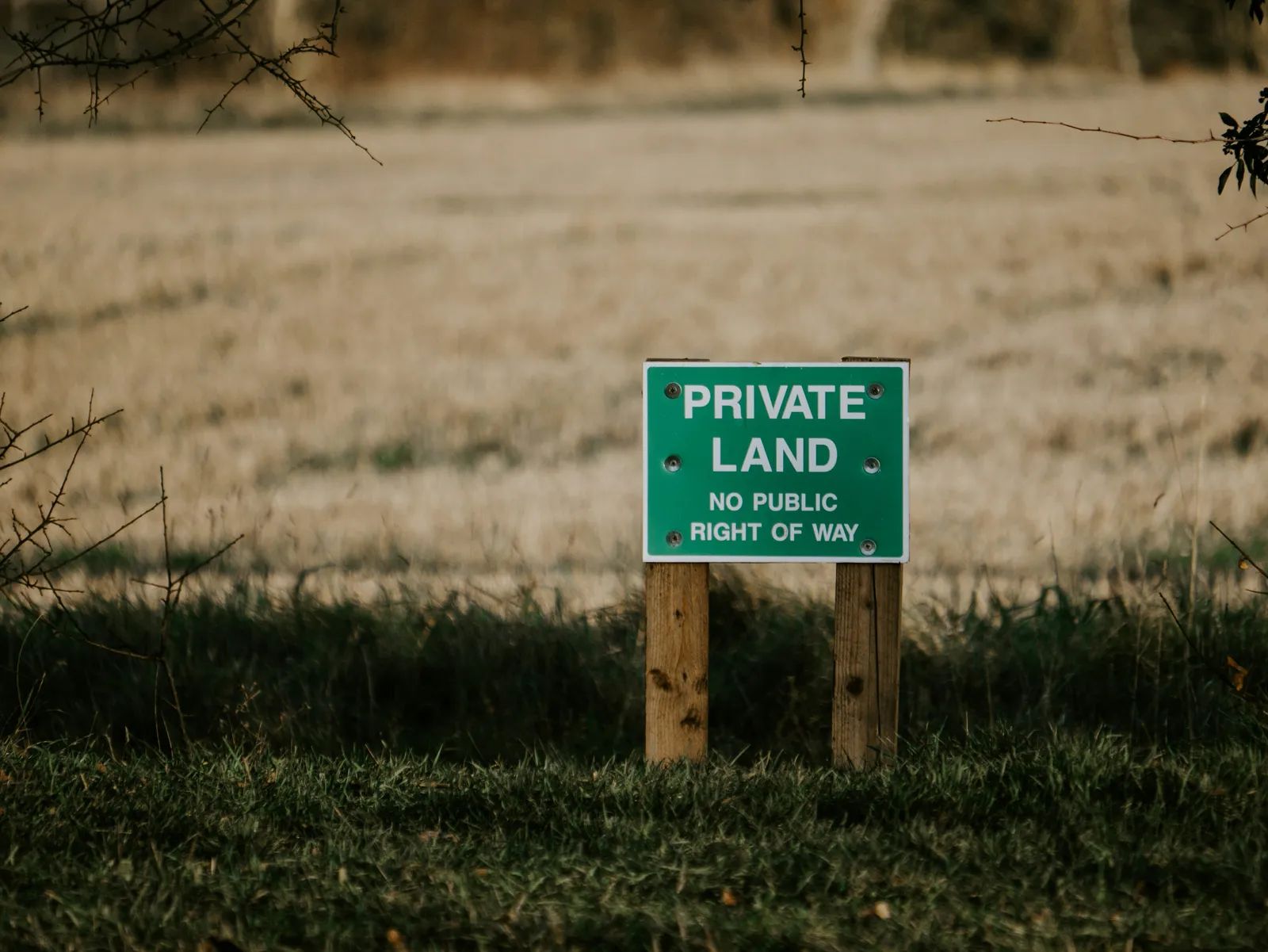
The U.S. Department of the Interior has put in writing a goal to reduce the federal land it controls. The agency manages more than 500 million acres of federal public land, and the land it oversees supports hiking, camping, hunting and other outdoor recreation across the country ([1]). The new strategic plan, which covers a four-year period, has drawn quick criticism from conservation and outdoor groups, who see land transfers as a possible step toward privatization.
A formal admission that sales are coming
The plan marks a change in the department’s public position. Coverage from New Mexico described it as the first time the administration has formally announced its intention to sell federal lands ([2]). Interior Secretary Doug Burgum had earlier said that selling public land was not part of the administration’s agenda, which makes the new document a notable reversal ([3]).
The plan is dated November 10 and covers fiscal years 2026 through 2030 ([4]). Its wording is short, but it touches several policy areas at once. Opponents have focused on the land sales, while the plan itself ties them to broader changes in how the department works.
What the plan states and what it leaves open
The document includes several measures that go beyond the sales language. Its main points include:
- Offering federal land to states, localities and Tribes so the department can concentrate on what it calls primary federal responsibilities and nationally significant lands.
- Consolidating the department’s workforce to improve operational efficiency, a step that the Center for Western Priorities links directly to the land sales ([4]).
- Pursuing land exchanges and direct transfers that support energy production and transport ([5]).
- Shifting Land and Water Conservation Fund money toward easements on private land so the federal estate does not keep growing ([5]).
Several important details are missing. The plan does not say how many acres would be sold, which parcels are under consideration, or how prices would be set ([6]). Newsweek reported that some sale proceeds would go toward improving local areas and reducing taxpayer costs for managing federal land ([3]). No specific national park, refuge or recreation area is named as a candidate for sale.
How a sale would work in practice
The strategic plan alone does not transfer a single acre. Under federal law, the Bureau of Land Management can sell land only after a resource management plan identifies that land for disposal ([4]). That requirement gives the public a formal planning process, which is where parcels would first appear.
The plan also says the department will update federal land-use rules. According to RE:PUBLIC Lands Media, a proposed rule would shorten the public comment period on draft plans from 90 days to 30 and remove the requirement that every new plan receive a full environmental impact statement ([5]). Those changes would reduce the window for public input, which is why conservation groups have pressed the issue.
What matters now: The plan is a statement of intent, not a list of land sales. Specific parcels would need to pass through a formal land-use planning process before any transfer. Travelers planning trips on public land should watch for draft resource management plans and comment deadlines, which are where proposed changes to specific areas would first appear.
Related Stories From Travelbinger


A contested moment for public land
The announcement arrives while Congress is weighing other changes to federal land. Interior’s plan also calls for expanding energy development on public land, a direction that has drawn criticism from conservation advocates. Save Our Parks spokesman Jayson O’Neill described the document as the agency’s first explicit confirmation that it aims to sell federal land ([6]).
The plan does not decide the fate of any particular place. It does set a direction for the next four years and signals that the department expects states, localities and Tribes to play a larger role in owning land that the federal government now holds. For anyone who hikes, hunts or camps on public land, the next steps will be found in the planning documents and public comment periods that follow, rather than in the strategic plan itself.