Hotel staff can size up a guest in under three minutes. Not because they’re judging – because they’ve seen thousands of check-ins, and the patterns are unmistakable. That brief window at the front desk quietly determines your room assignment, how fast maintenance responds, whether housekeeping goes the extra mile, and whether anyone in the building is rooting for your stay to go well.
The uncomfortable part? Most of the mistakes that set a bad tone are invisible to the guests making them. Some of the items below will feel obvious in hindsight. A few will genuinely surprise you. And at least one might explain a stay that never quite felt right – even though you couldn’t put your finger on why.
#13 – Walking Up Without Your ID or Payment Ready
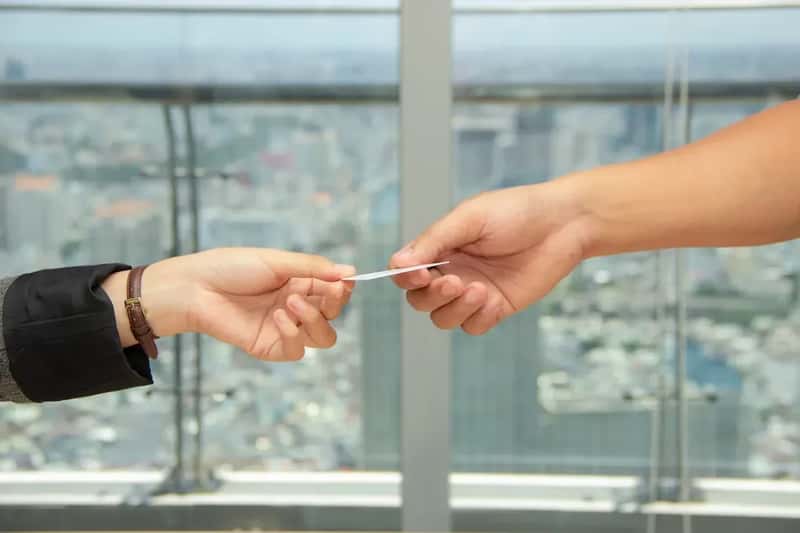
It happens at every front desk, multiple times a day. A guest reaches the counter and then spends the next three minutes digging through bags, jacket pockets, and a carry-on the size of a small suitcase looking for a passport or credit card. Staff aren’t judging the scramble – they’re watching the cascade. That delay backs up the line, disrupts the flow of a tightly coordinated operation, and immediately signals that this guest may need extra hand-holding throughout the stay.
Hotels require the same baseline at every single check-in: a valid ID, a credit card for payment or incidentals, and the name on the reservation. These aren’t optional extras or bureaucratic formalities – they’re the foundation the entire transaction is built on. Arriving unprepared for information you’ve known you’d need since the moment you booked the room is the kind of thing that earns a quiet mental note from the agent before you’ve even gotten your key.
At a Glance: What to Have Ready at Check-In
- Government-issued photo ID or passport
- Credit card in the reservation holder’s name (for payment and the incidental hold)
- Reservation confirmation number or email
- Any prepaid vouchers, third-party booking codes, or AAA/AARP cards if applicable
#12 – Arriving at Noon and Demanding an Immediate Room
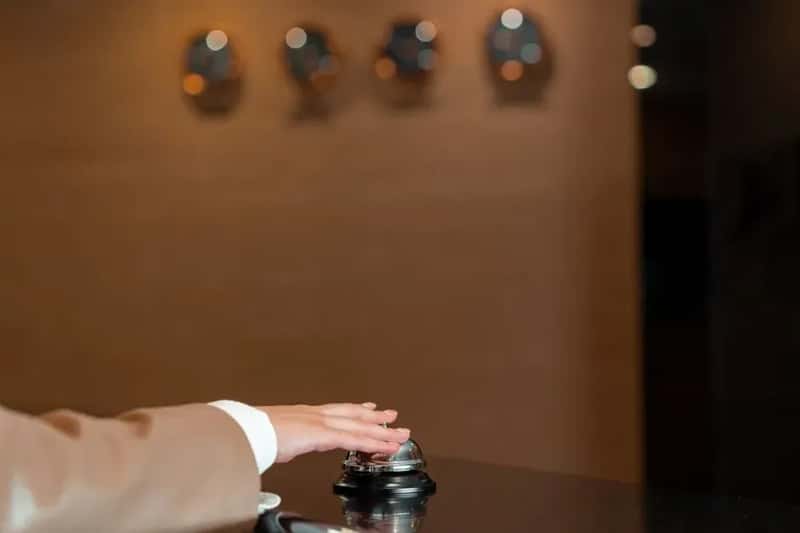
Fresh off a long flight, it’s barely noon, and the idea of waiting another two hours feels genuinely unreasonable. That frustration is understandable – but showing it visibly is one of the fastest ways to burn goodwill at a hotel. Front desk agents say this scenario plays out constantly: a guest arrives well before standard check-in time, hears that the room isn’t ready, and immediately goes tense or demanding. The thing is, that check-in window exists for a very specific operational reason that has nothing to do with making your morning harder.
Staff are managing dozens of rooms simultaneously, coordinating with housekeeping teams running against a hard clock. Expecting a ready room at 11 a.m. on a busy Saturday is genuinely unrealistic in most cases. Here’s the insider flip side though: guests who check in later – around 4 p.m. or after – are actually more likely to score an upgrade, because by then the hotel has a clearer picture of what’s truly available. Patience at check-in isn’t just polite. It’s a real strategy.
#11 – Being Glued to Your Phone the Entire Time
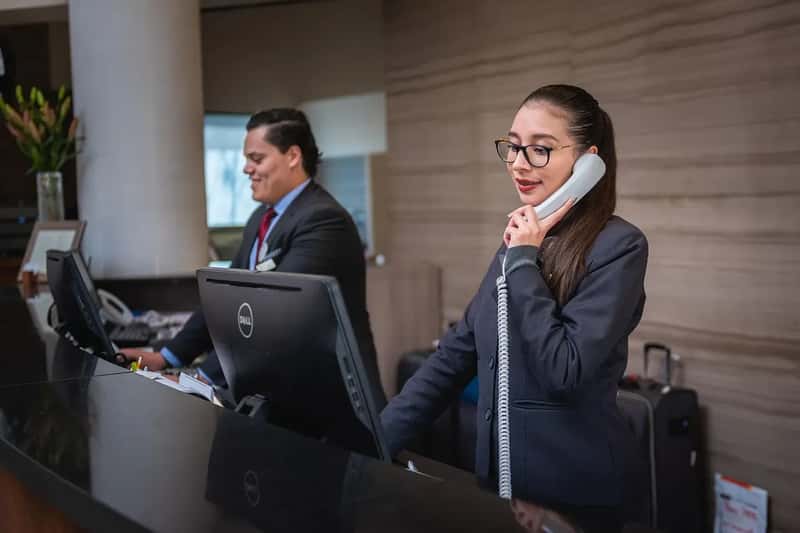
Scrolling through Instagram while someone is actively trying to help you is rude anywhere. At a hotel front desk, it also has a quiet cost. According to a 2024 report by the American Hotel and Lodging Association, guests ranked staff interactions among the top three reasons they’d leave a positive review – yet some guests spend the entire check-in process on their phone, holding up a hand to signal “wait” without ever making eye contact. That dynamic is genuinely deflating for staff who have prepared to create a welcoming first impression.
What most guests don’t realize is that emotional mirroring works both ways in a service environment. A guest who starts distracted and dismissive very often stays that way for the entire stay – and the energy spreads to every department they encounter. The agent who felt invisible at check-in is the same person who fields your maintenance request at 9 p.m. First impressions in a hotel aren’t just social – they’re operational.
#10 – Dumping Your Travel Frustrations on the Agent the Second You Arrive

A three-hour delay, a missed connection, a toddler who screamed the entire flight – none of that is the hotel’s fault. But front desk staff absorb the aftermath of other people’s travel disasters every single day, all day. Walking up to the counter still radiating anger from something that happened at the airport is one of the fastest ways to get quietly flagged. Staff brace immediately when a guest starts the interaction mid-complaint, before even saying hello. Your frustrated energy spreads faster than you think and puts the entire team on alert.
The hospitality industry carries one of the highest burnout rates in the service sector, and front desk agents feel that pressure acutely. When a visibly hostile guest arrives, the agent typically flags the room number to management and housekeeping before you’ve even reached the elevator. Once you’re marked as a high-tension guest, that note travels with you. Extra scrutiny, slower response times, less benefit of the doubt – all of it stems from that first two-minute interaction going wrong.
#9 – Mentioning Room Preferences After the Key Is Already in Your Hand
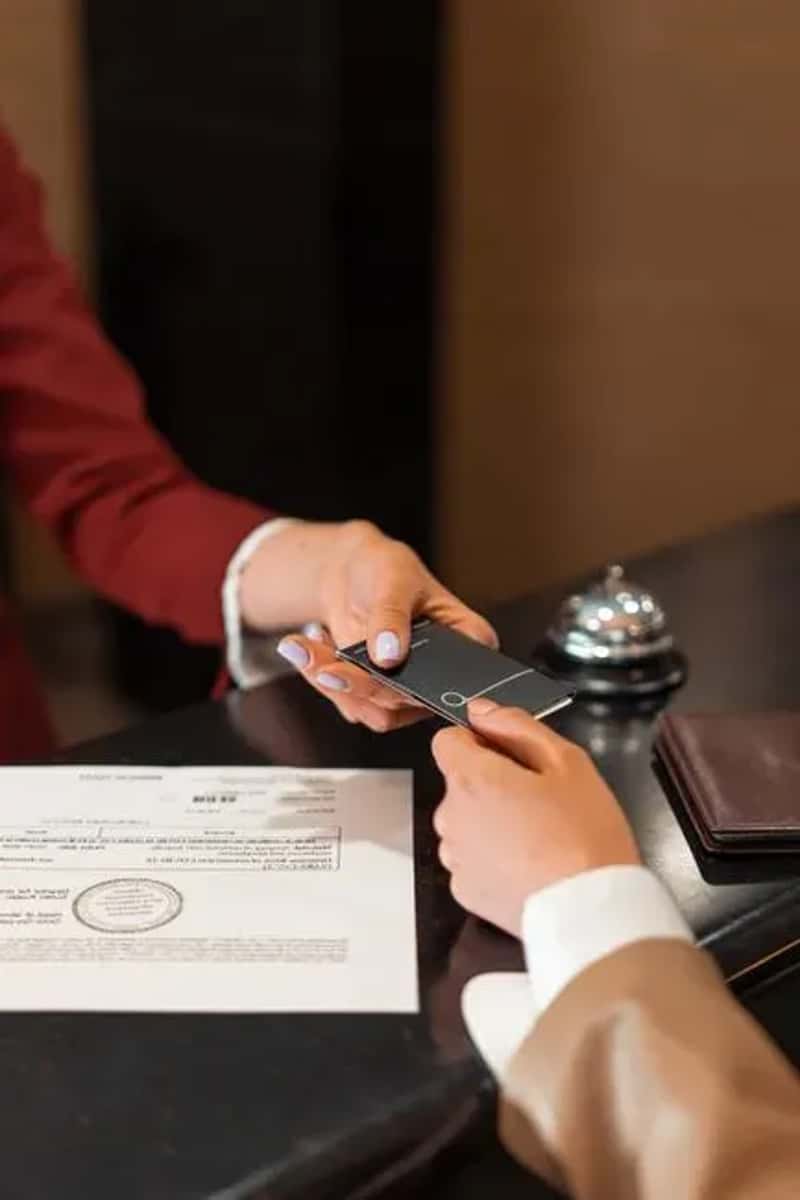
Wanting a high floor, a quiet room, or a spot far from the elevator is a perfectly reasonable preference – but timing is everything. What front desk staff encounter constantly is the afterthought request: the guest who accepts the key, starts walking away, and then casually turns back to mention they’d really prefer something away from the elevator. By that point, the room assignment has already been locked in, and undoing it creates a ripple effect through the coordination that was done before you even arrived.
Room assignments at most hotels are made in advance based on reservation details, not hammered out in real time at the counter. Tacking on preferences mid-departure puts the agent in an awkward spot – and it usually doesn’t produce the outcome you were hoping for anyway. Light sleepers, families with early bedtimes, anyone sensitive to street noise: these requests land when they’re communicated at booking or in a call ahead of arrival. Not as a parting thought on the way to the elevator.
Worth Knowing: Room Preferences That Actually Work
- Best timing: At the time of booking or via a pre-arrival call or app message
- High-floor rooms: Request when booking – limited availability fills fast
- Away from elevator or ice machine: Call the hotel the morning of arrival
- Quiet courtyard-facing room: Note it in the reservation comments field
- Connecting rooms for families: Always confirm directly with the hotel, not just the booking platform
#8 – Arguing About the Incidental Hold on Your Card
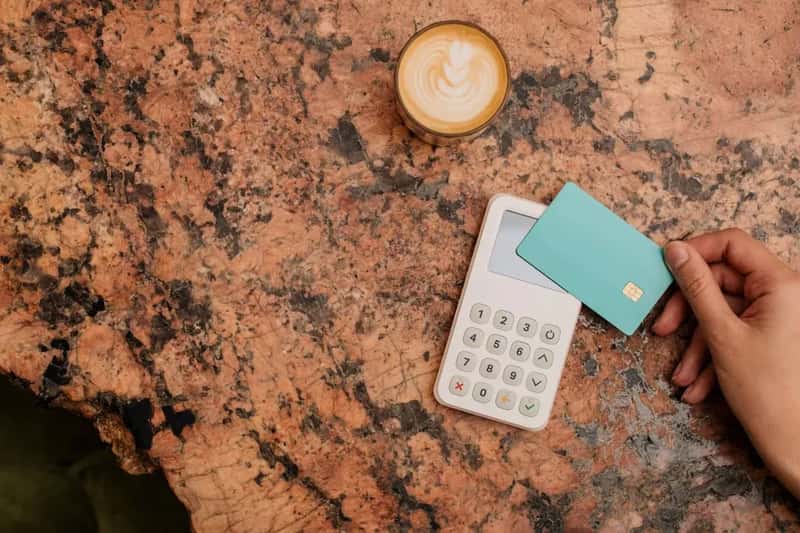
Few things flag a guest for extra scrutiny faster than getting visibly combative about a standard incidental hold. Most major hotel chains place a temporary authorization on a credit card at check-in – a hold to cover potential charges like minibar use, room service, or movie rentals. If none of those charges apply, the hold releases after checkout. It’s a universal, decades-old practice. Yet front desk workers say the reaction some guests have to hearing about it can be immediate and heated.
The problem isn’t just the inconvenience. It’s what the reaction signals. Guests who understand standard hotel policy accept the hold without drama. Guests who push back hard raise an immediate question in the agent’s mind about why. Staff will often require additional verification after a tense incidental conversation, and in some cases security is quietly notified. That flag doesn’t disappear at checkout – it follows the guest file. Arguing about a temporary hold to protect yourself is the one fight at check-in that is never worth having.
Fast Facts: How Incidental Holds Actually Work
- Budget hotels typically hold $50 per night; mid-range properties average around $100 per night; luxury and resort hotels can reach $200+ per night
- On a credit card, holds usually clear within 3–7 business days after checkout
- On a debit card, the hold can freeze real cash for up to 14 business days – your bank, not the hotel, controls the timeline
- The hold is not a charge – it only reduces your available credit temporarily
- Hilton states holds are released within 72 hours; other chains may take up to a week
#7 – Sending Someone Else to Check In Under Your Name
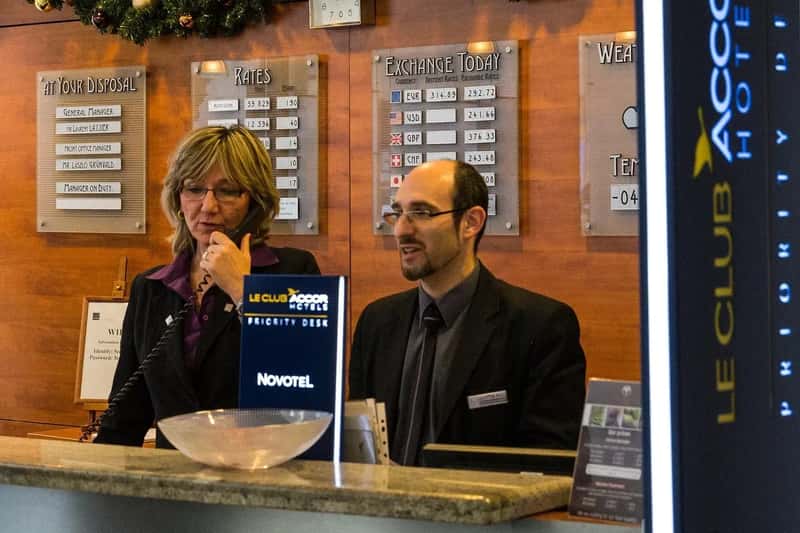
Someone’s parking the car. A spouse is grabbing bags from the cab. So the other person heads to the front desk first to “get things started” – seems logical, maybe even efficient. Front desk staff hear some version of this on nearly every shift, and the answer is always the same. The person whose name is on the reservation must be standing at the counter. A shared last name, a text message from the other person, a verbal promise – none of it counts as presence. This is a security protocol, not a procedural quirk.
Hotels are legally and operationally accountable for who occupies their rooms. Handing keys to anyone other than the confirmed reservation holder – regardless of relationship – creates liability the property cannot take on. Guests who push back on this policy, or who seem genuinely surprised by it, immediately signal that they either didn’t read the terms they agreed to or are hoping the rule doesn’t apply to them tonight. Neither impression helps. Park the car first, then check in together. It takes five extra minutes and costs nothing.
#6 – Lying About How Many Guests Are in Your Party
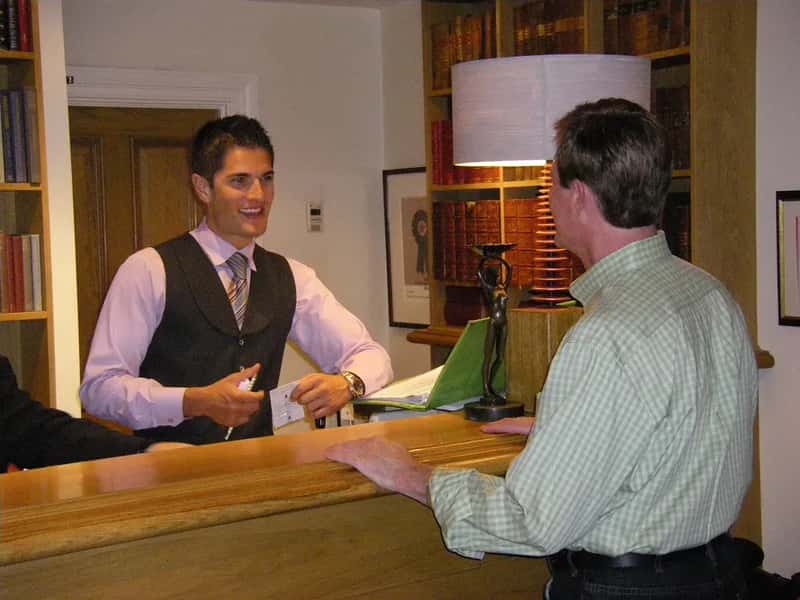
Hotels don’t ask about occupancy out of curiosity. It directly affects room capacity limits, fire safety protocols, and yes, revenue. Experienced front desk agents can read the situation almost immediately – a reservation for two, a group of five milling around the lobby, someone being strategically vague about who might be “stopping by.” The math is obvious from behind the desk, and experienced agents have seen every variation of this scenario enough times to recognize the evasion on sight.
What most guests don’t know is that front desk notes travel. Staff document guest behavior in the system, and a flag for misrepresenting occupancy can follow a guest not just through this stay but across future visits within the same hotel chain. Properties within major brands share guest profiles. Being upfront about your party size – even if it means paying a small additional fee – keeps you off a list that is genuinely difficult to get removed from once you’re on it.
#5 – Demanding an Upgrade Before Even Saying Hello

Asking about upgrade availability is a completely legitimate move – seasoned travelers do it all the time, and it works. The approach, though, is everything. Guests who march up to the counter and lead with a demand for a better room, a higher floor, or a suite before they’ve even offered a greeting send an immediate signal: this person is going to be difficult. Staff note it right away, and the mental categorization that follows – high-maintenance, entitled, unlikely to be satisfied – quietly shapes every interaction that comes after.
The real insider secret is almost embarrassingly simple: upgrade requests land when they come from someone who has been warm, patient, and genuinely human during check-in. The demand closes the door. The friendly conversation opens it. A front desk agent who likes you has real latitude to make things happen – a better view, a quieter floor, a room that wasn’t technically available five minutes ago. That latitude disappears the moment the interaction starts with entitlement.
Quick Compare: Upgrade Request That Works vs. One That Doesn’t
- Works: Warm greeting first, then a casual “Any chance there’s a nicer room available tonight?”
- Doesn’t work: Leading with “I need a better room than what I booked” before saying hello
- Works: Mentioning a special occasion naturally during conversation
- Doesn’t work: Demanding compensation for a previous stay as leverage for an upgrade
- Works: Being a loyalty member – agents prioritize upgrades for enrolled guests first
#4 – Blaming the Front Desk Agent for Things They Didn’t Cause

The front desk agent did not overbook the flight, lose the luggage, or decide to renovate the hotel during your trip. They are simply the first human face you encounter after everything that went sideways – and sometimes that’s enough to make them the target. Etiquette expert Nick Leighton puts it plainly: “Room isn’t ready? The A/C isn’t cold enough? Late check-out not available? Rarely, if ever, is any of this the fault of the person handing you the key. Burning that bridge before they’ve even printed the folio is going to set the tone for your entire stay.”
Burning that bridge before they’ve even printed the folio is going to set the tone for your entire stay.
Nick Leighton, etiquette expert
What most guests genuinely don’t know is how much influence the front desk agent has over the rest of the building. They’re the ones who flag maintenance requests as urgent or routine. They communicate with the kitchen, with housekeeping, with security. A dismissive “just give me my key” interaction can subtly affect how every one of those departments responds to you for the next three days. Kindness at check-in isn’t just good manners – it’s one of the most underrated forms of leverage a traveler has.
#3 – Brushing Off the Loyalty Program Without a Second Thought
When the front desk agent mentions the hotel’s loyalty program, most guests wave it off like a store credit card pitch they’ve heard a hundred times. That reflex is quietly costly. Hotel loyalty members represent a disproportionate share of revenue at most major chains – which is exactly why staff are trained to raise the program at check-in. It is not an upsell script. It’s a signal about the kind of guest relationship the hotel is hoping to build, and brushing it off immediately categorizes you as a one-time transactional visitor rather than someone worth investing in.
Hilton’s 2025 Trends Report found that roughly 60% of travelers consistently book with one brand or credit card to maximize loyalty benefits, with 67% of Millennials actively prioritizing their programs when planning travel. Beyond points accumulation, loyalty status quietly shapes room assignment priority, upgrade eligibility, and how staff respond to complaints. Signing up costs nothing and takes ninety seconds. The guests who skip it are usually the same ones genuinely puzzled about why they never seem to get upgraded.
Fast Facts: Hotel Loyalty Programs in 2025–2026
- Global hotel loyalty membership hit 675 million in 2025 – a 14.5% jump that outpaced room supply growth of 6.7%
- Loyal guests spend 22.4% more and stay 28% longer than non-members on average
- 84% of loyalty members say programs increase their overall sense of brand loyalty
- Enrollment is free at every major chain – Marriott Bonvoy, Hilton Honors, Hyatt, IHG One Rewards, and Wyndham Rewards
#2 – Fishing for Free Perks Through Serial Complaining

Some guests have turned complaining into a calculated system – a deliberate routine designed to extract room credits, free breakfasts, or late check-outs. The thing is, hotels know exactly who these guests are. Former employees at major chains have spoken openly about how properties track complaint history, log the compensations a guest has received, and flag patterns of behavior in guest profiles. Serial complainers – guests who manufacture grievances specifically for discounts or points – are among the most frequently identified patterns in hospitality, and the notes follow them across properties within the same brand.
According to Axonify’s 2025 frontline survey, nearly half of hospitality managers in the U.S. had to ask a guest to leave or ban a guest from returning within the past year due to disruptive behavior and poor treatment of staff. That is not a rare exception – it is a weekly reality at properties of every tier. Hotels have quietly begun “firing” their most disruptive customers, concluding that the stress and cost of managing them outweighs whatever revenue they bring. The scheme that feels clever in the moment is the one most likely to end with a permanent note in your file.
#1 – Being Rude or Condescending to Any Staff Member at Any Level

This is the one that changes everything – and the consequences are more real and far-reaching than most guests ever realize. Being dismissive to the doorman while turning on the charm for the front desk agent doesn’t fool anyone. Hotel staff communicate with each other constantly, and word about a guest who treats certain employees poorly based on their position travels fast. The bellhop, the housekeeper, the maintenance worker fixing your thermostat – how you treat those people is how the entire hotel comes to know you.
A U.S. traveler survey found that more than half of respondents identified rudeness toward hotel staff as the single most annoying guest behavior – meaning it isn’t just staff who notice. Other guests do too. Hotels function like tight-knit communities where everyone watches out for each other. The guest who is genuinely warm with the bellhop, patient with housekeeping, and decent to the overnight maintenance crew is – without exception – the guest who gets the best stay. Every veteran traveler already knows this. The two-minute check-in window is where that reputation either begins or doesn’t.
Almost none of these mistakes require money to fix. They require awareness and a willingness to treat the people behind the counter as the skilled professionals they are. That three-minute check-in shapes everything – and now you know exactly how.