There’s a certain traveler you’ve seen at the airport. Seventy-ish, calm, rolling a single carry-on bag the size of a backpack, dressed like they’re already on vacation. They breeze through security, skip baggage claim entirely, and disappear into the terminal while you’re still trying to zip your overstuffed suitcase. That’s not luck. That’s decades of hard-won packing wisdom – and most of it sounds almost insultingly simple until you realize you’ve been ignoring it for years.
Retirees who travel often and travel well earned every one of these tricks the hard way. They’ve had checked bags rerouted to Frankfurt when they were heading to Florence. They’ve paid overweight fees on a domestic flight. They’ve opened a suitcase to find a bottle of moisturizer had detonated inside it. The 13 tricks below are what they actually do differently – and what most travelers under 50 still haven’t taken seriously.
#1 – They Pack Every Medication in the Carry-On, Without Exception

This sounds obvious until you’re stuck in a delayed terminal with your blood pressure pills sitting in a checked bag that’s been rerouted to a different city. Seasoned retirees treat medications as completely non-negotiable in the carry-on – not the checked bag, not the hotel transfer bag, not “mostly” in the carry-on. Every prescription, every dose, every time. For older travelers managing chronic conditions, this isn’t just common sense – it’s the rule that can prevent a real medical emergency hundreds of miles from home.
They also carry a written list of every prescription, including dosage and frequency, tucked into a wallet or travel bag. If an emergency arises and they need care from a foreign clinic, they can hand that list to a doctor immediately instead of trying to recall the name of a drug they’ve been taking for eight years. Younger travelers rarely bother with this step. Then they’re standing at a pharmacy counter in a country where they don’t speak the language, completely stuck.
At a Glance: What Goes in the Carry-On, No Exceptions
- All prescription medications, with a written list of names, dosages, and frequency
- At least one complete outfit change
- Phone charger, backup battery, and any irreplaceable valuables
- Insurance cards, passport copy, and emergency contact info
- Glasses, hearing aids, or any medical device you can’t replace on the road
#2 – They Roll Everything, and Have Been Doing It for Decades
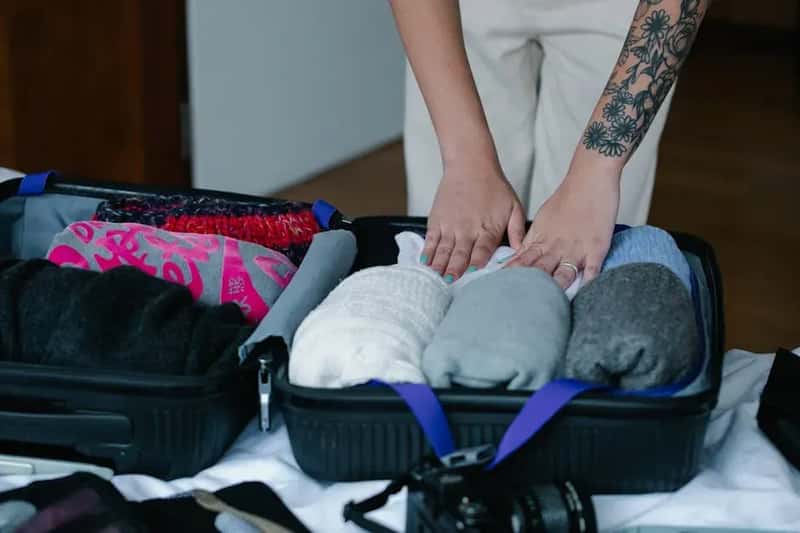
Rolling clothes instead of folding them isn’t a social media discovery – frequent travelers figured this out long before Instagram. Rolling creates tight cylinders that fill every available inch of a suitcase, and wrinkles become less of a problem because rolled fabric flexes naturally instead of creasing at hard fold lines. Retirees who’ve been doing this for 20 years will out-pack someone with a brand-new hardshell suitcase every single time.
The real insider move is combining rolling with packing cubes – rolled clothes go into the cubes vertically, like books on a shelf, so you can see everything at a glance without excavating the whole bag. Most younger travelers either fold or roll, but they almost never do both together as a deliberate system. That gap becomes obvious the moment their bag hits the bed at the hotel and the search for one specific shirt begins.
#3 – They Use Packing Cubes as a Filing System, Not Just a Gimmick
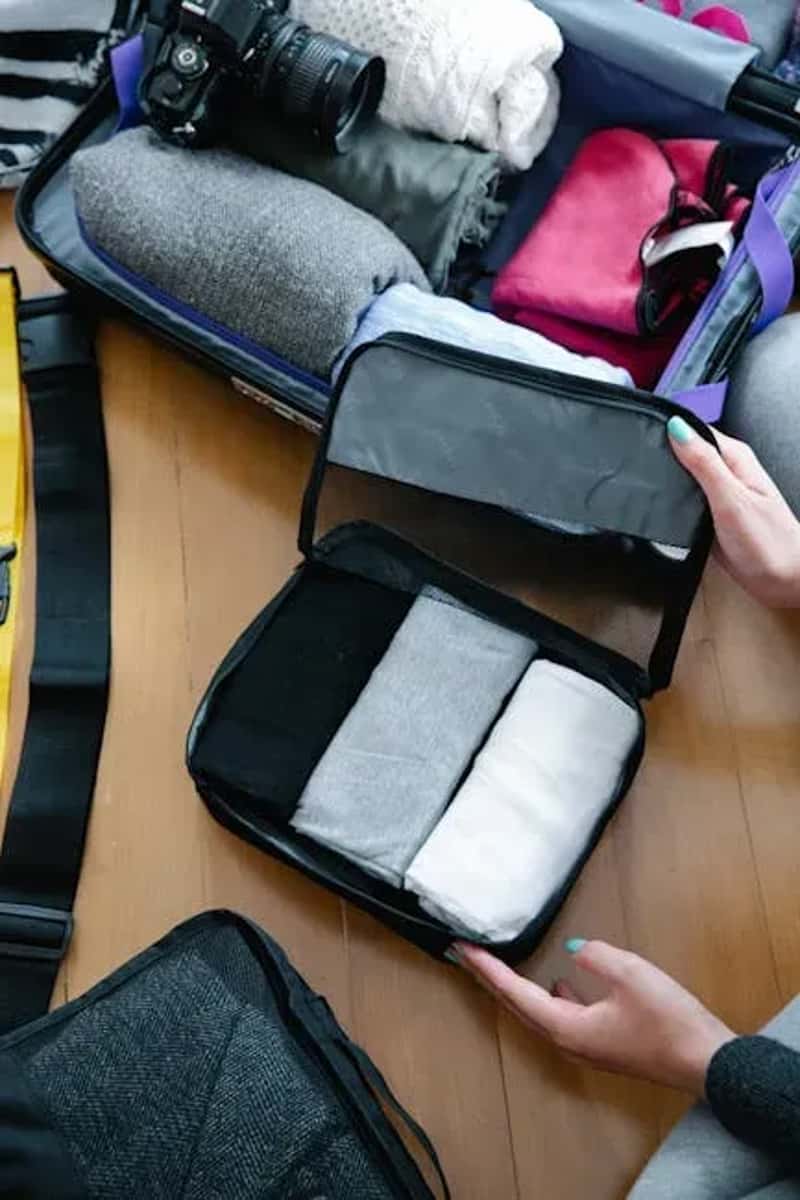
Younger travelers either skip packing cubes entirely or toss everything into one giant cube and call it organized. Retirees who’ve crisscrossed Europe and Southeast Asia use them like a filing cabinet: one cube for tops, one for pants and skirts, one for underwear, one for accessories and chargers. That’s not being fussy – that’s being able to find your phone charger at 6 a.m. without unpacking the entire bag onto the hotel bed.
Compression packing cubes can shrink clothing volume by 30 to 60 percent, depending on what you’re packing. But the bigger payoff shows up at the hotel. Moving between cities every few days? You can pull out one cube and drop it straight into a drawer – it’s essentially unpacking without really unpacking. For retirees hopping through multiple countries on a single trip, that small convenience compounds into something genuinely valuable. Most younger travelers figure this out about ten trips too late.
#4 – They Wear Their Heaviest Items on the Plane

Airlines weigh your bag. They do not weigh what you’re wearing. Experienced retirees figured this out a long time ago. Heavy boots, a thick fleece, a denim jacket – anything dense goes on the body, not in the suitcase. That simple shift can increase effective packing capacity by a meaningful margin without buying a bigger bag or paying a single extra dollar at check-in.
There’s also a double payoff here that younger travelers miss completely. Planes are notoriously cold, so wearing that heavy layer means no fumbling for a blanket and no overweight fee at the counter. Meanwhile, the younger traveler in the next row stuffed everything into the bag, paid the overage charge, and is now shivering under a thin airline blanket. The 68-year-old in the window seat wearing hiking boots and a fleece is warm, comfortable, and well ahead on the day.
#5 – They Bring a Portable Luggage Scale

This is the trick that makes younger travelers smirk every single time – until they’re at the check-in counter frantically pulling shoes out of a suitcase to redistribute weight in front of a growing line of impatient strangers. A portable luggage scale is a $10 device that pays for itself the first time you use it. You weigh at home, you know exactly where you stand, and you board with zero surprises.
Airline baggage fees have been climbing sharply in 2026. Every major U.S. carrier – Delta, United, Southwest, and JetBlue – has raised checked bag fees, with the first bag now running $45 at most major airlines and peak-period surcharges pushing some fees even higher. A third checked bag at Delta or United now hits $200. Being even one pound over costs real money, and it costs it repeatedly across a multi-flight trip. Retirees who’ve been burned by these fees once rarely let it happen twice. The scale fits in a coat pocket and weighs almost nothing, which is exactly the point.
#6 – They Pack a Foldable Tote Bag Inside Their Luggage

This is the trick that looks completely trivial and turns out to be essential about four times per trip. A lightweight foldable tote weighs a couple of ounces, compresses smaller than a paperback book, and expands into a full-sized bag the moment you need it – for groceries, a beach day, a farmers market, dirty laundry, or the olive oil you just bought and have no idea how to carry home.
The underrated payoff is the return trip. When you’ve picked up a tablecloth in Portugal and a ceramic bowl in Morocco, you need somewhere to put it all without checking a second bag or paying an overweight fee. A foldable tote solves that problem entirely for basically nothing. Younger travelers never think about this until they’re standing in a crowded train station holding a breakable bottle with both hands and no bag in sight.
#7 – They Stuff Their Shoes With Small Items
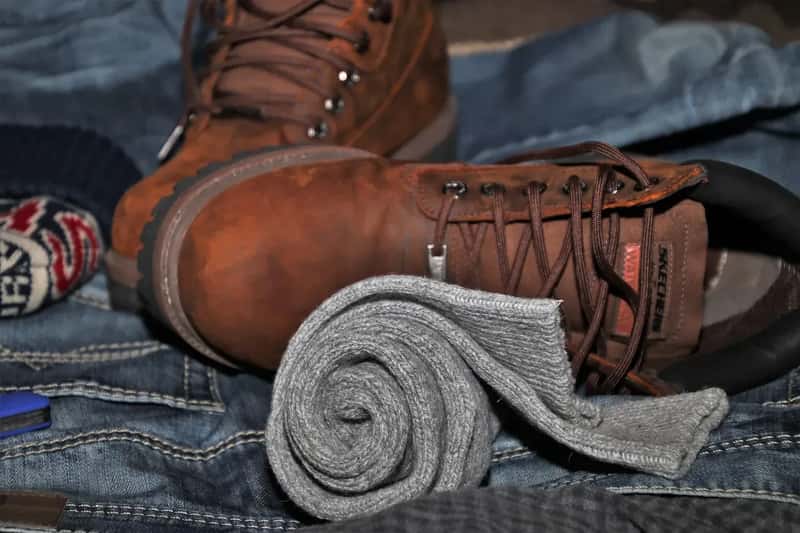
Shoes are the biggest space-wasters in any suitcase if you don’t use them strategically. Retirees who pack light have turned shoes into storage units. Socks and underwear tuck cleanly inside, which saves space and helps shoes hold their shape during transit. Jewelry, chargers, and other small accessories – placed in a small pouch first – fit easily inside larger shoes without getting tangled or lost.
Most experienced retirees also cap themselves at two or three pairs of shoes total, partly because shoes are heavy and partly because two or three stuffed pairs add the equivalent of a couple extra packing cubes’ worth of small-item storage. The rule of three works: one pair for evenings out, one for walking all day, one for the gym or trail. It sounds limiting until you realize you’ve never actually worn the fourth pair you brought anyway.
Quick Compare: The Shoe Packing Reality Check
- Most younger travelers pack: 4–5 pairs, none stuffed, filling half the suitcase
- Most retirees pack: 2–3 pairs, each stuffed with socks, underwear, or small pouches
- Weight savings: A single pair of sneakers can weigh 1.5–2 lbs – cutting two pairs frees up serious allowance
- The rule that works: One pair for walking, one for evenings, one optional for sports or trail
#8 – They Travel in Merino Wool Clothing
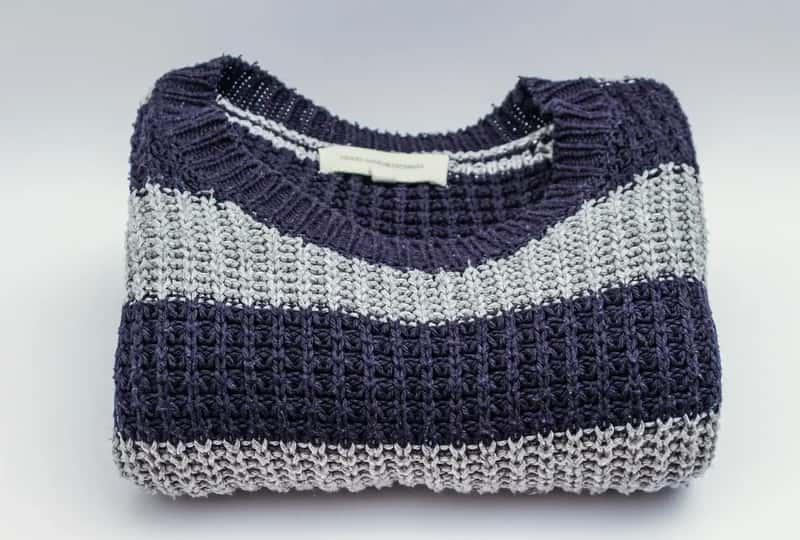
Younger travelers hear “wool” and picture itchy holiday sweaters from 1987. Retirees who’ve been packing for multi-week international trips already know the real story. Merino wool is breathable, moisture-wicking, and – most importantly – it doesn’t hold odors the way cotton or synthetics do. A quality merino wool shirt can be worn for three to five consecutive days without developing noticeable body odor. That single fact changes the entire math of how many clothes you need to pack.
If you do need to wash it on the road, a quick rinse in the hotel sink and an overnight hang in the shower is usually enough – merino dries faster than cotton and resists wrinkles without an iron. For retirees on 14- to 21-day trips, that means packing for five or six days and rotating the same pieces the whole way through. Younger travelers pack for every individual day, check a heavy bag because of it, and pay fees that a small investment in two or three merino pieces would have eliminated entirely.
#9 – They Build a Capsule Wardrobe Before Every Trip

This isn’t fashion advice – it’s math. A capsule wardrobe means a small, coordinated set of clothes where every piece works with at least three others, typically 10 to 12 items that can generate 20 or more distinct outfits. Retirees who’ve been doing this for years don’t agonize over it anymore – it’s just how they pack. Every item earns its spot or it doesn’t go.
Research consistently shows that more than half of what people pack on a typical trip never gets worn. That’s more than half the weight in the average suitcase going completely untouched. Some veteran travelers go a step further and map outfits against their actual itinerary – which night is the nicer restaurant, which day is all walking, which afternoon is the beach. It sounds methodical until you realize you’re wearing everything you brought and checking nothing at the airport.
#10 – They Keep a Complete Outfit and All Valuables in the Carry-On
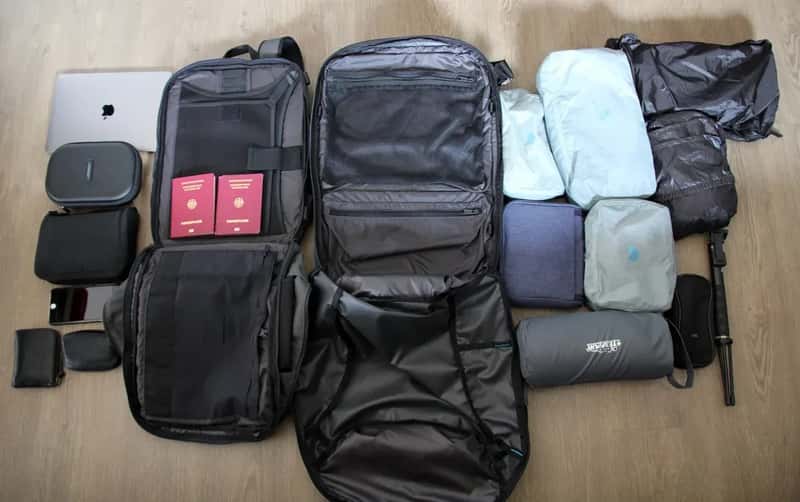
This isn’t paranoia – it’s wisdom from anyone who’s had a checked bag go missing mid-trip. Checked luggage leads its own mysterious life, sometimes arriving days after you do or not at all. Smart retirees pack medications, phone chargers, valuables, and one complete outfit change in the carry-on every time. When a bag goes missing, what could be a trip-derailing disaster becomes a manageable inconvenience.
The full carry-on-only approach is actually the secret goal of many veteran retirees. Beyond avoiding fees, carry-on-only travel means skipping baggage claim entirely, knowing exactly where your things are at all times, and never standing at a delayed carousel wondering if your stuff made the connection. Most younger travelers assume a checked bag is practically mandatory for any trip longer than a weekend. With the right system, it almost never is.
#11 – They Squeeze the Air Out of Toiletry Bottles Before Packing
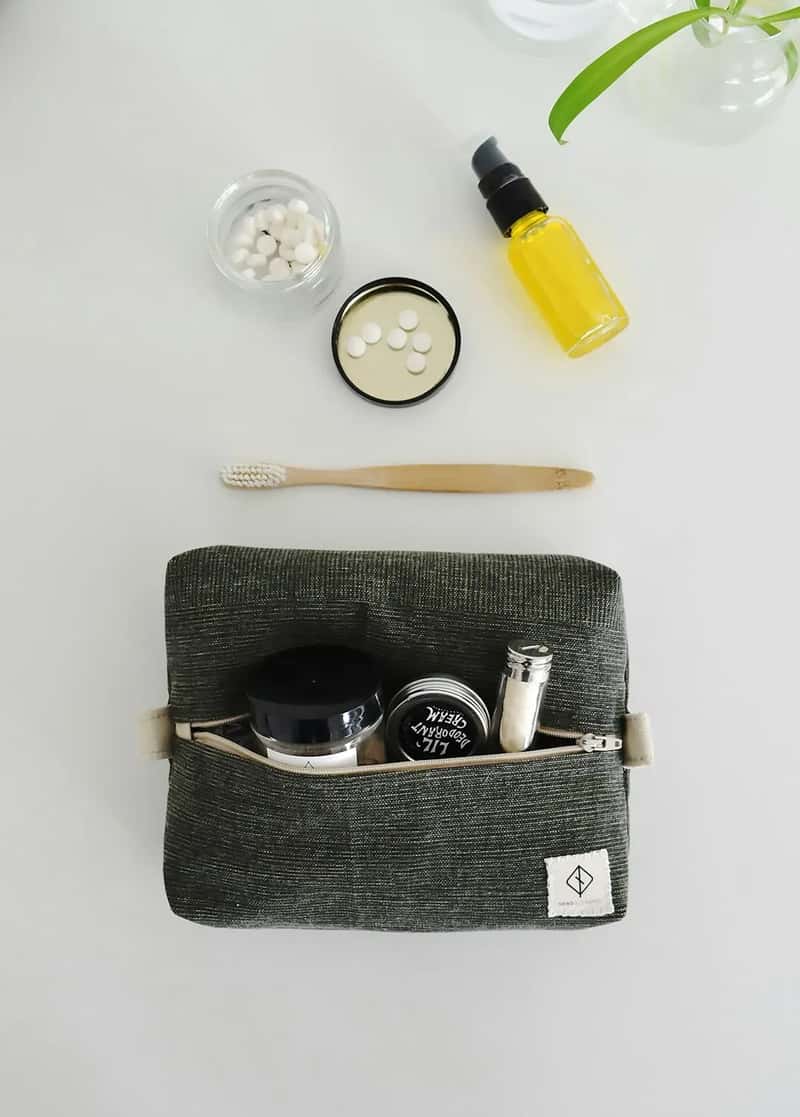
Anyone who’s opened a suitcase to find moisturizer soaked into three shirts understands exactly why this trick exists. Squeezing the air out of half-empty toiletry bottles before you pack creates a small vacuum effect that keeps lids and caps sealed tight during transit. It takes five seconds, costs nothing, and prevents a mess that can ruin clothing and waste products you paid good money for.
Experienced retirees on extended trips have refined this further by switching to solid toiletries wherever possible – shampoo bars, solid conditioner, deodorant sticks, even solid toothpaste. They’re spill-proof by definition, they pass through airport security without any liquid restrictions, and they take up dramatically less space. Younger travelers are still packing full-size bottles in zip-lock bags and stressing at the security bin. The better solution has been sitting on the drugstore shelf the entire time.
Worth Knowing: Solid Toiletry Swap Guide
- Shampoo bars – TSA-friendly, no leak risk, one bar lasts 50–80 washes
- Solid conditioner bars – same no-spill logic, widely available at drugstores
- Solid or stick deodorant – not subject to the 3.4 oz liquid rule
- Toothpaste tablets – chewable, compact, and completely spill-proof
- Solid sunscreen sticks – no pump, no mess, passes security without a bag
#12 – They Pack a Large Wrap or Pashmina Instead of a Jacket

A large pashmina or lightweight cotton wrap does the job of at least four separate items and weighs under half a pound. On the plane, it’s a blanket. At a chilly restaurant, it’s a shawl. On a warm afternoon, it drapes over the shoulders as sun protection. At a religious site that requires covered shoulders or a head covering, it handles that too. One item, packed flat, no bulk, no weight.
Most younger travelers pack a full jacket “just in case” and spend half the trip carrying it under their arm because it’s too warm to wear and too bulky to stuff anywhere. The wrap handles every in-between moment effortlessly – the cold plane, the breezy evening, the unexpected dress code – without taking up meaningful space in the bag. Retirees who’ve traveled to a dozen countries in a single year stop second-guessing this one very quickly.
#13 – They Debrief Themselves After Every Single Trip

This is the trick that sounds the least exciting and matters the most. Every veteran retiree traveler does some version of it. When they get home and start unpacking, they make a mental note – or an actual note – of everything they never touched. The dress that stayed folded the whole trip. The “just in case” shoes. The three books. That habit, repeated across dozens of trips, builds a ruthlessly accurate picture of what you actually use versus what you optimistically imagine using.
Most younger travelers just repeat the same overpacking mistakes trip after trip because they never stop to run that audit. The retiree with 25 trips under their belt has done it so many times that packing light eventually stops feeling like discipline and starts feeling like relief. They’re not sacrificing comfort – they’ve simply learned, through real experience, what comfort on the road actually requires. And it’s almost always less than they thought.
The common thread across all 13 of these tricks is the same: retirees have been burned enough times to stop guessing and start being deliberate. They don’t pack heavier to feel safer. They pack smarter because they know what “safe” actually means on the road – and it has nothing to do with how many outfits they brought. The next time you’re at baggage claim watching a 70-year-old glide past you with a single carry-on and a satisfied look on their face, you’ll know exactly how they pulled it off.