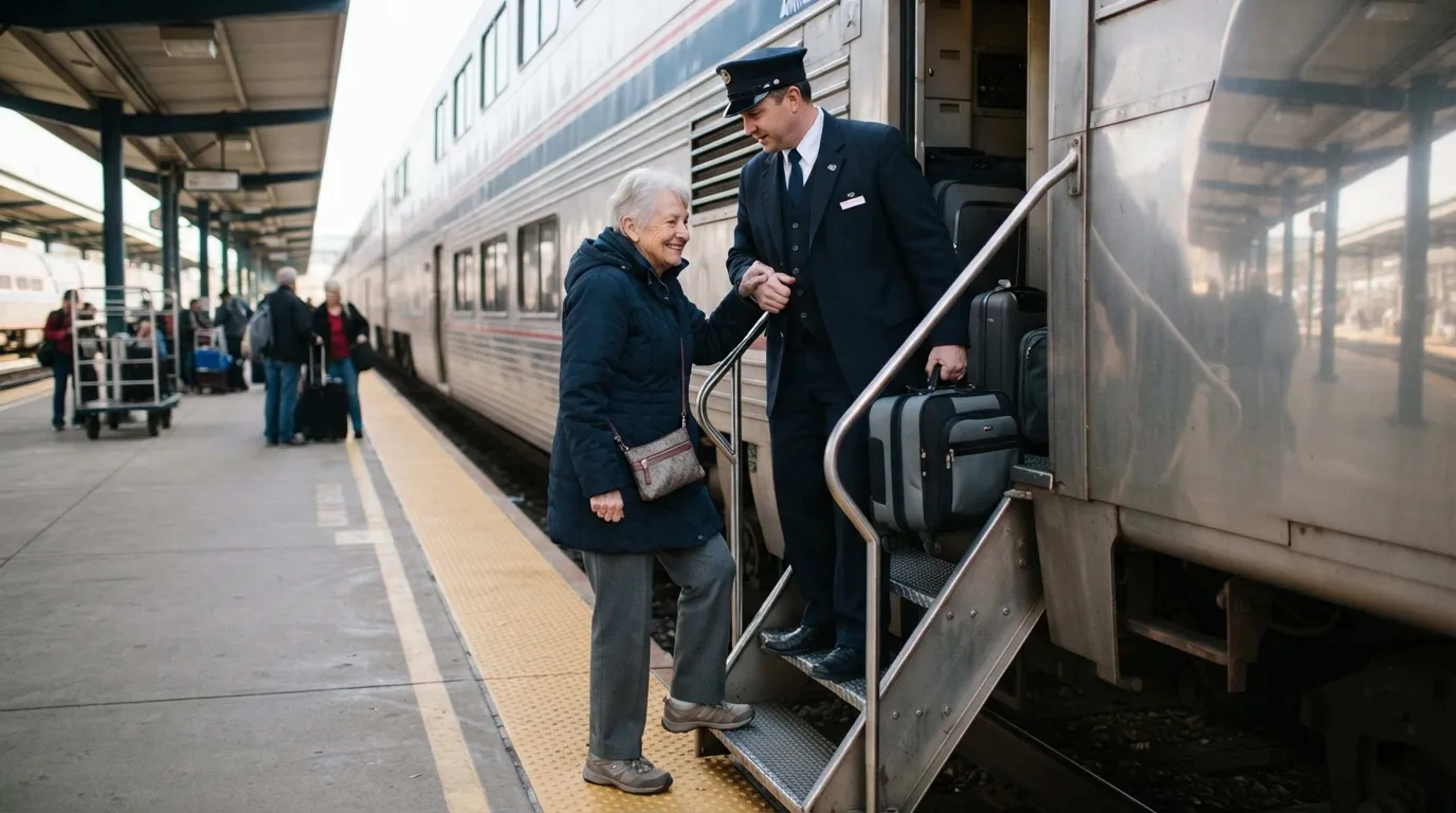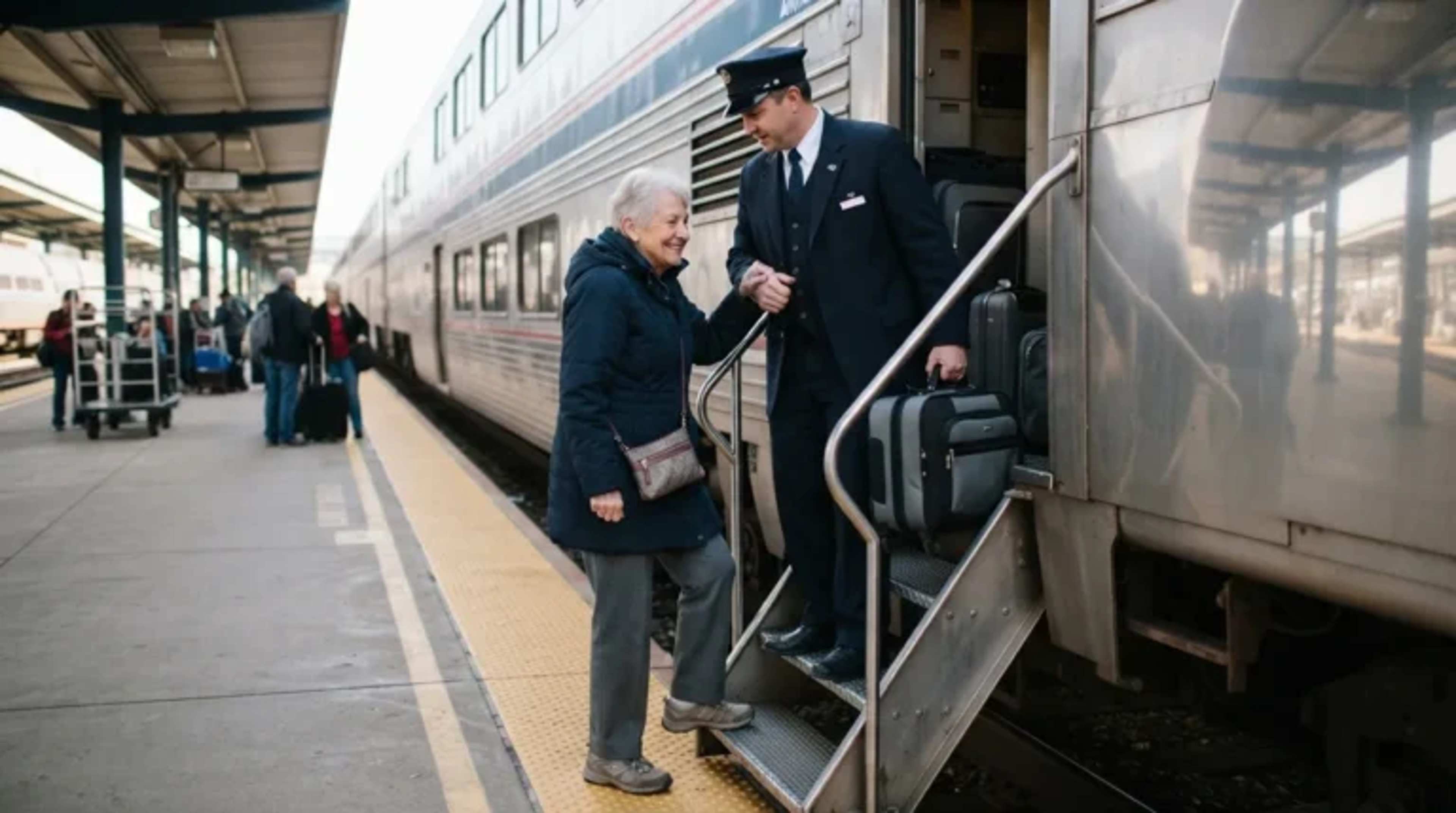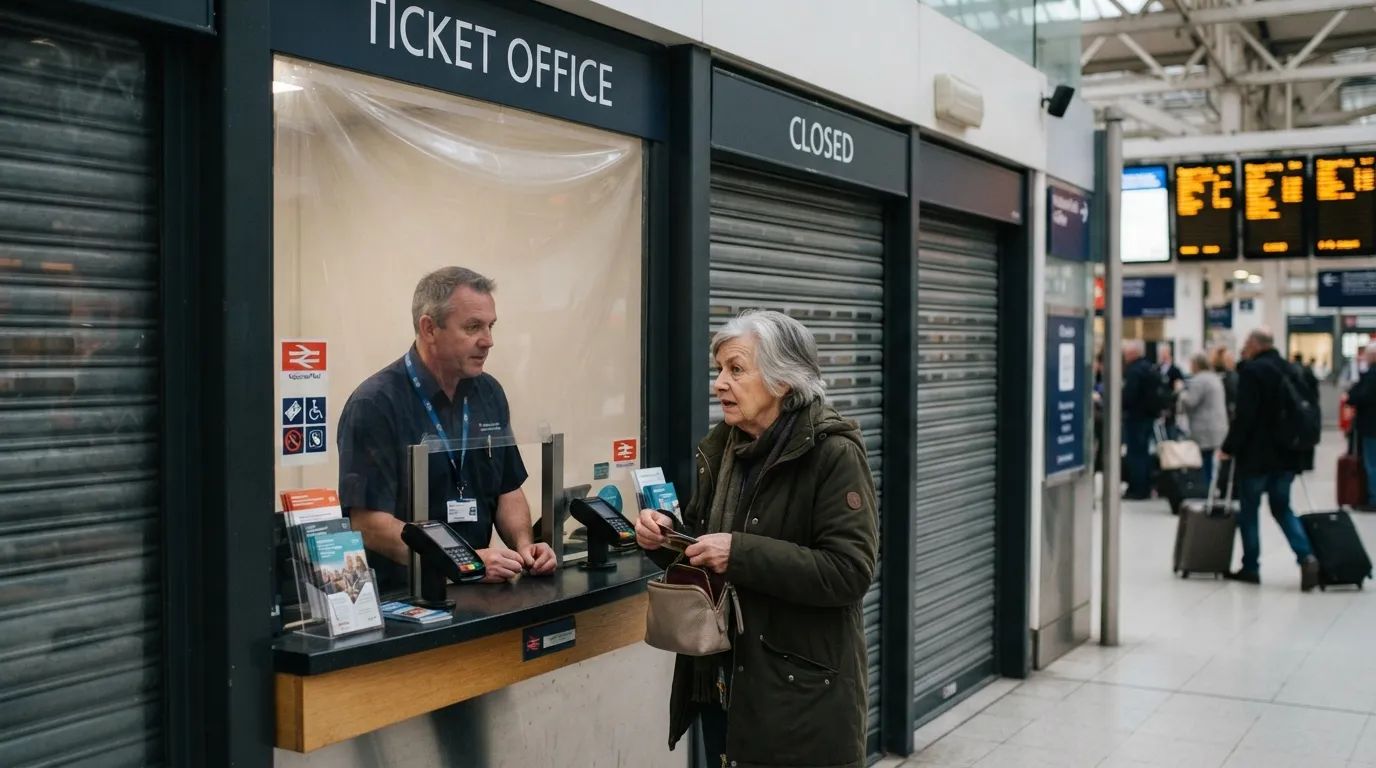
You’ve probably seen it happen. Someone over 65 stands at a turnstile or ticket machine, ticket in hand, and the system doesn’t respond the way it used to. Rail regulators and frontline staff keep describing versions of this scene, and the research behind it is more revealing than you’d expect. The confusion rarely comes from the rider. It comes from procedures that changed quietly, without anyone explaining them.
The evidence below leans on UK regulator research and New York’s MTA, so some details are local. The patterns show up on rails everywhere. Age cutoffs differ by source: some use 65, others 66. We’re counting down from #13, and the last entry is the one the research backs most strongly. It isn’t a gadget or a gate. It’s something many riders were taking for granted.
#13 – The Three-Inch Step That No App Can Fix
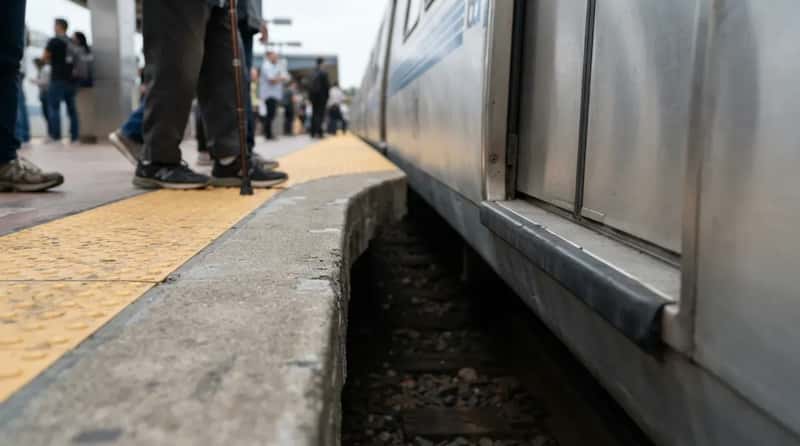
The gap between train and platform is the one procedure nobody can swipe away. BART tells riders there is a gap of roughly three inches between the train and the platform, and the ADA sets a maximum platform gap of 3 inches. But real stations don’t always match the rulebook.
One patent filing puts typical gaps at 2 to 6 inches or more, especially on curved platforms. It calls the danger especially great for elderly passengers.
Researchers have studied this exact moment. In a study of passengers with reduced mobility, not looking at the gap averaged 1.68 occurrences per journey. That isn’t carelessness. It’s what happens when a rider is also watching the crowd, the door and the bag.
But the gap is only the physical hazard. The paperwork around it trips people up more often, and #12 is where the paperwork starts.
#12 – Tap, Don’t Swipe: The Card Swap That Changed a Daily Habit
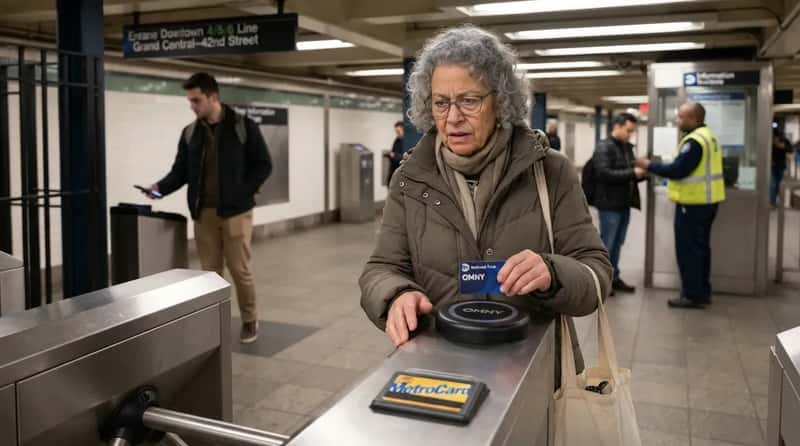
For years, New York’s seniors swiped. Now they tap. Unlike the old reduced-fare MetroCard, which you swipe at the turnstile, the OMNY card requires a tap. The reduced-fare benefit is available to seniors 65 and older and people with disabilities, and the MTA began mailing OMNY cards to more than 1.5 million enrolled Reduced-Fare customers.
Not everyone found the change smooth. Gothamist described seniors at an outreach event, where one couple, 87 and 97, waited 30 minutes to speak with an MTA worker in a van. The MTA says the new system offers more flexibility than MetroCard did.
Quick Compare
- Old MetroCard: you swipe it through the turnstile.
- OMNY card: you tap it on the reader instead.
- Who qualifies for reduced fare: seniors 65 and older and people with disabilities.
- Scale of the switch: cards were mailed to more than 1.5 million enrolled customers.
Still, a new card is a procedure change, and staff end up explaining it at the turnstile. Then there’s the deadline attached to the old card, which is #11.
#11 – The Old Card Deadline That Left Roughly 90,000 Seniors Holding Plastic
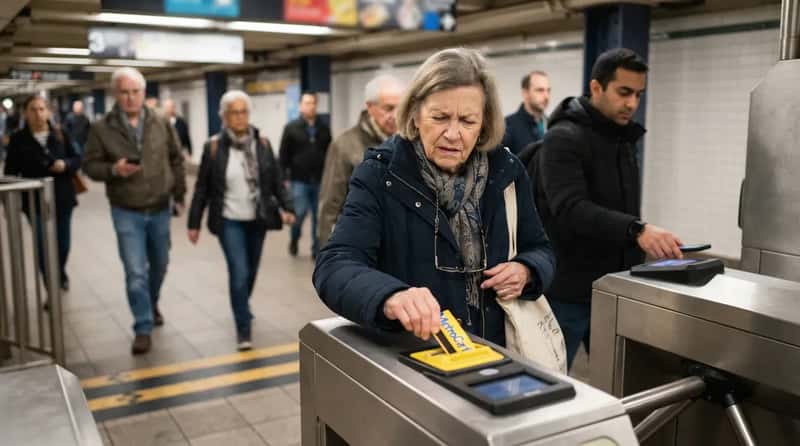
A deadline can be clear on paper and still catch people. MetroCard distribution, sales and the ability to add value ended by December 31, 2025. The MTA reported that about 90,000 of the 1.5 million New Yorkers with senior discounts were still using MetroCards. That’s a small share of the total but a very large crowd at the turnstiles.
The MTA stresses that most riders have switched. A spokesperson said 94% of reduced-fare trips are paid for with OMNY. Even so, the remaining kiosks and turnstile systems keep operating until the MTA announces a discontinuation date later in 2026.
A rider doesn’t know which gate will still read the old card. That uncertainty is its own confusion, and it gets worse once the new card is in hand, as #10 shows.
#10 – The Tap That Doesn’t Tell You What Happened
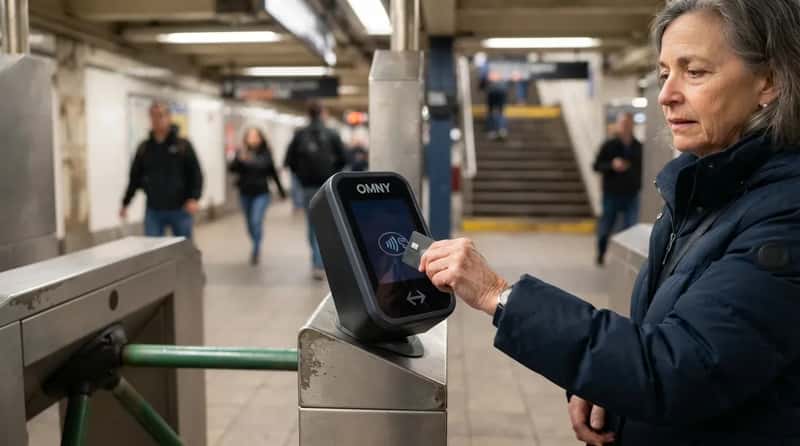
A tap that gives no feedback leaves a rider guessing. A riders’ group survey asked New Yorkers about OMNY, and 42% of respondents ran into readers not accepting their tap. Only 26% said they hadn’t encountered any issues. It was an advocacy-group survey, not a random sample, so treat the numbers as a signal rather than a verdict.
Respondents said they miss seeing their remaining balance and knowing a free transfer was honored. The MetroCard screen showed those details and the tap doesn’t. A rider who learned on the old system may read silence as failure.
Money rules like that are confusing in a second way, because they have time limits, and #9 is about that.
#9 – The Discount That Came With an Hour-Based Catch
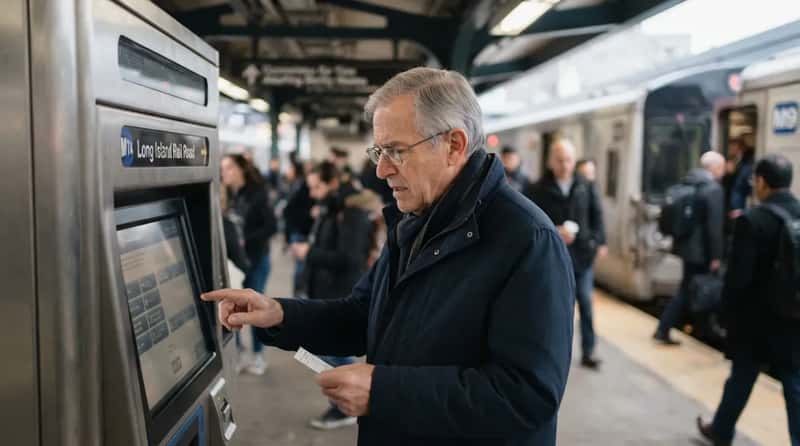
Time-of-day limits are a classic trap. As of early 2025, seniors got up to 50 percent off Long Island Rail Road and Metro-North fares, except during weekday morning peak travel to NYC. The MTA’s 2025 fare-change announcement said a reduced fare product would be available all day, every day for seniors, even in the morning peak. One rule, two versions, and plenty of riders who only heard the first.
The UK has the same issue. The regulator noted that railcard restrictions before 10am weren’t shown on the majority of ticket machines, which may contribute to confusion about whether a ticket is valid. That confusion led to passengers facing revenue protection action even when they appeared to have made genuine mistakes.
A wrong guess about the clock can be costly. Splitting a ticket at the wrong moment can be too, which is #8.
#8 – The Split Ticket That Tells You to Get Off a Train You Should Stay On
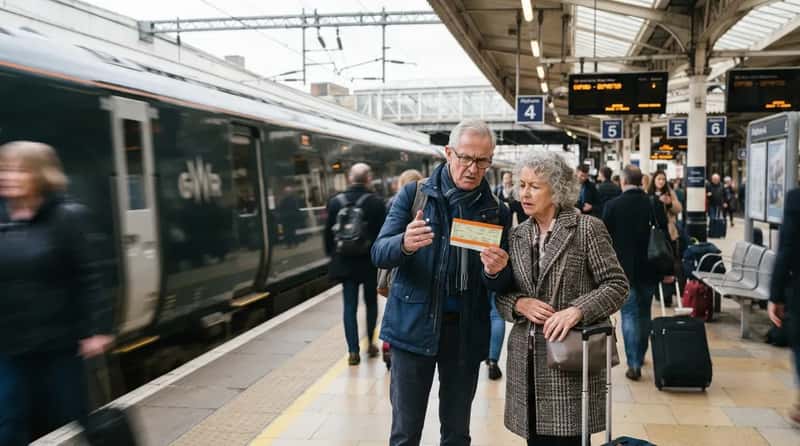
Some tickets are secretly several tickets. The regulator found passengers may not realize they hold a split ticket. They may get off at the station printed on the ticket, then board the next train, for which the ticket isn’t valid. The mistake feels logical, and that’s the whole problem.
The ticket says one station, so the rider leaves at that station. The procedure behind the ticket says stay put. It’s a UK finding, but the principle travels: when a ticket says one thing and the journey does another, the confusion lands on the passenger.
Frontline revenue protection staff told researchers that passengers often didn’t understand the ticket they had bought or hadn’t read the terms. Nobody reads the terms on a platform in the rain. And if the paper ticket is confusing, the phone version isn’t always the fix, as #7 reveals.
#7 – The Phone Ticket That Needs Signal, Battery and a Steady Thumb
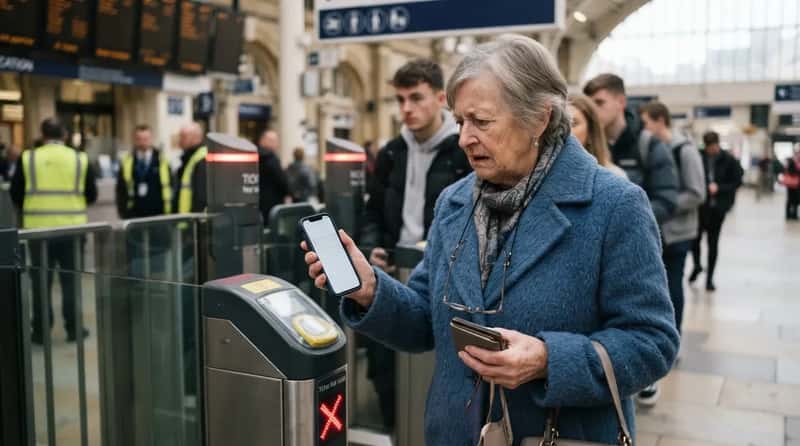
A digital ticket is only as reliable as the phone holding it. UK regulator evidence cited cases where passengers couldn’t show a digital ticket or railcard because of poor Wi-Fi, a broken app or a dead battery. A government survey found riders aged 66 and over were more likely than younger riders to report no internet access on a smartphone, cash-only payments, or health conditions affecting mobility, hearing or dexterity.
There are procedural traps too. Trainline says to activate a mobile ticket just before travel, and once activated you can’t request a refund. Where there are no gates to scan, you can show a member of staff instead.
So the phone is only half the process, and the other half is knowing when to tap. Even riders who prefer paper hit a wall sometimes, and that’s #6.
#6 – The Ticket Machine That Won’t Take Your Cash
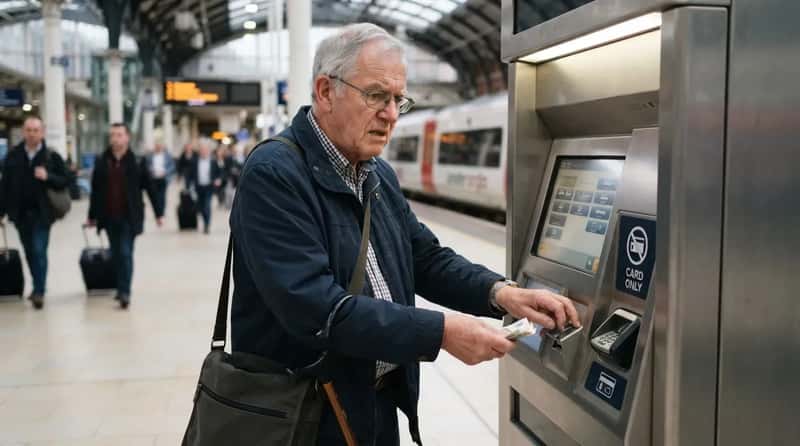
Ticket machines promise speed, but they have rules of their own. Regulator evidence flagged machines that accepted only cards when the passenger had only cash. In a survey, only 11% of respondents named ticket machines as their preferred way to buy. Machines aren’t the favorite of any age group.
There’s also the matter of choosing the right ticket. Researchers found that digitally excluded passengers generally prefer a staffed office to make sure they get the correct ticket at a reasonable price. A machine with a dozen options and no human to ask is a gamble, because the rider can’t ask whether it’s the cheapest. They can only guess.
Fast Facts
- Just 11% of survey respondents named ticket machines as their preferred way to buy.
- Some machines took only cards, which left cash-only riders stuck.
- Before-10am railcard limits weren’t shown on most UK ticket machines, per the regulator.
- Digitally excluded riders generally prefer a staffed office for picking the right ticket.
And that’s before the ticket tries to work on a different network, which is #5.
#5 – The E-Ticket That Dies at the Underground Gate
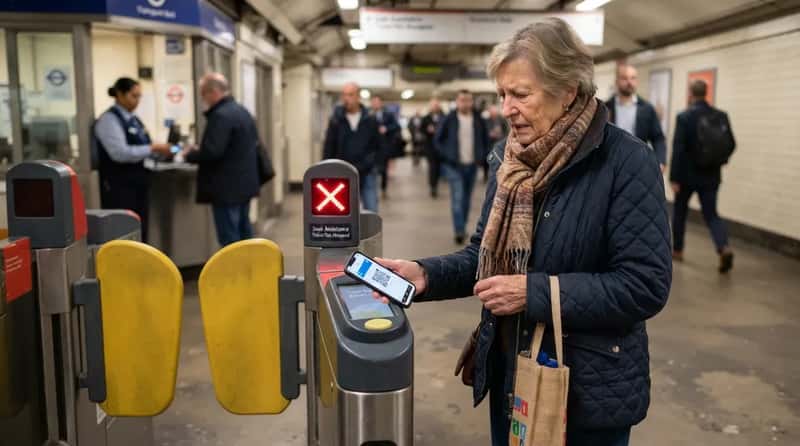
Buy a ticket for the whole trip and it may not work for all of it. UK evidence cited e-tickets that were incompatible with travel on the London Underground or Merseyrail. It also cited confusion around fulfilment, such as not validating a ticket before travel. One purchase, two systems, and no warning at the checkout.
Operators call digital ticketing the future. Plenty of older riders call it a locked door. Both can be true.
When systems don’t talk to each other, the person standing at the gate with a valid ticket looks like the problem. Sometimes the problem is simply that nobody told them. And when something goes wrong, help is supposed to be waiting, which is #4.
#4 – The Assistance Handover That Doesn’t Always Land

Older passengers who book help depend on a chain of stations passing the message along. The regulator looked at exactly that. It reviewed how stations communicate when assisting passengers, across five busy stations. Passenger satisfaction was relatively high when assistance was delivered, but provision wasn’t reliable enough.
Good when it happens, unreliable in practice. That’s a tough verdict for riders who plan trips around a ramp or a helping hand. The regulator said it wants older and disabled passengers to be confident that assistance will be available and reliable.
Until the handover is dependable, many riders reasonably double-check everything themselves. That anxiety grows when information on the platform is wrong, which brings us to #3.
#3 – The Announcement and Display Screen That Got It Wrong
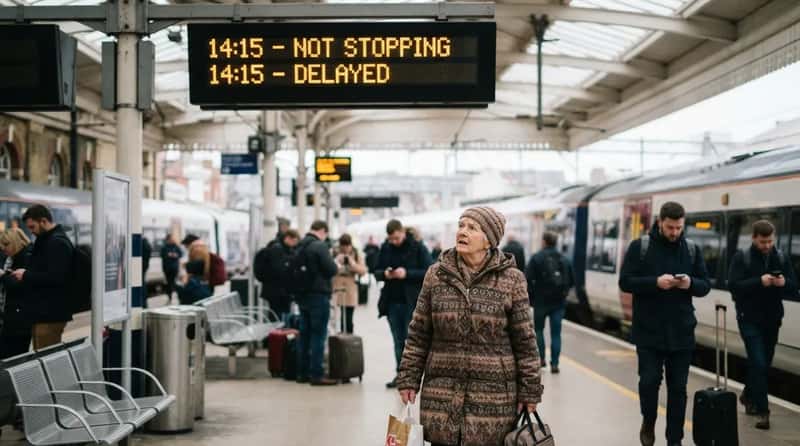
Sometimes the platform itself is the unreliable narrator. An industry write-up in Rail Engineer, summarizing a discussion with industry figures, noted that PA announcements and indicator displays are often incorrect. It also said social media can give passengers better information than local staff, because staff training on technical advances is often inadequate. Riders sometimes get better information from strangers online than from the platform itself.
The same piece listed confusion between train operators, and the threat of a penalty for being on the wrong train, among the worst fears. That fear is bigger for people who can’t quickly run to a different platform. Then there’s the phone problem. Figures cited at the session put smartphone ownership at 94% for under-60s and 84% for under-80s.
Those are UK numbers, but they show how many riders can’t rely on real-time apps.
Why It Stands Out
- The wrong-train penalty fear hits hardest for people who can’t sprint to another platform.
- Wrong screens and announcements leave riders with no reliable source to check against.
- A 10-point smartphone gap (94% vs. 84%) means real-time apps can’t be everyone’s backup.
The next entry ties all of this together, and it’s #2.
#2 – The Fine Print: Railcards, Child Ages and Time Rules
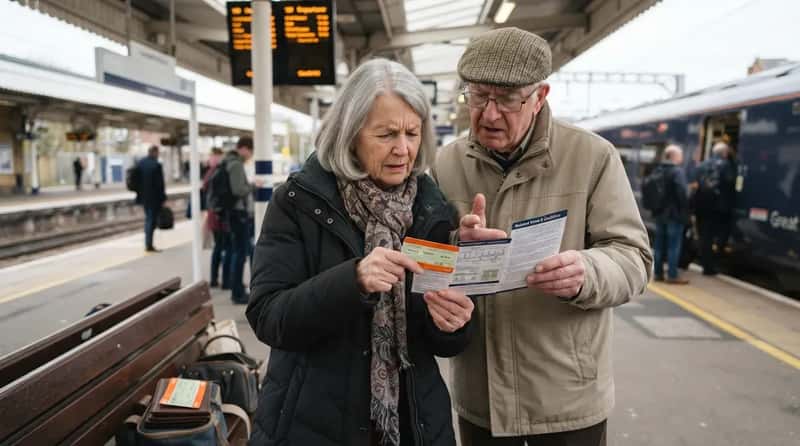
The rules behind a fare are where many mistakes begin. The regulator’s call for evidence had 70 responses on confusion around terms and conditions, including child ticket age, time restrictions, routeing, Advance conditions and pay-as-you-go boundaries. Nothing on that list is exotic. It’s ordinary ticket vocabulary that changes from operator to operator.
Staff on the front line observed that passengers didn’t understand what they’d bought. The ticket is the contract, and almost nobody reads it on the way to the train. A rider who doesn’t use the discount correctly can’t tell until someone checks.
Those problems are much easier to fix with a person across a desk, which brings us to the top spot, #1.
#1 – The Staffed Ticket Window Is Shrinking, and That’s the Real Confusion
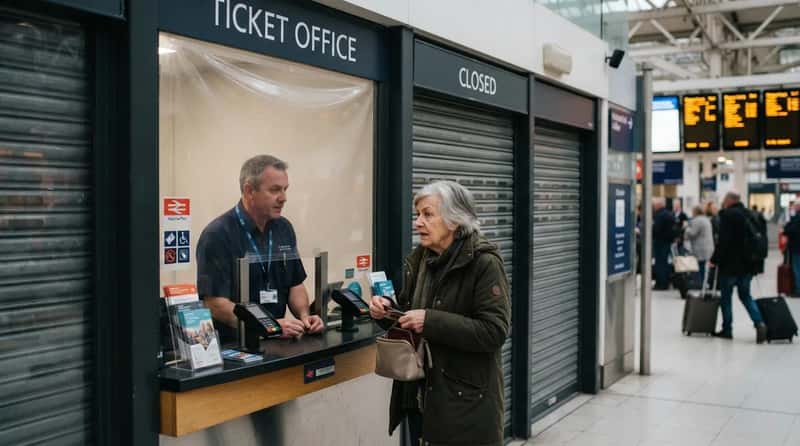
The biggest procedural change isn’t a card or an app. It’s the person you used to ask. A UK government survey found 48% of riders aged 66 and over prefer buying at a ticket office, against 12% of under-26s, 19% of 26-to-45s and 30% of 46-to-65s. Only 38% of the 66+ group preferred buying online, versus 69% of under-26s.
Researchers noted that reduced opening hours at staffed ticket offices can be a challenge for digitally excluded passengers. One participant in her late sixties said she lost paper tickets and now buys on her phone, taught by her granddaughter. That’s adaptation, not preference.
The procedures on this list aren’t impossible, just unexplained, and a staffed window was the explanation.
The Bottom Line
None of these 13 procedures is hard on its own. The gap, the tap, the deadline, the time-based discount, the split ticket and the dead battery all share one flaw: they change without anyone explaining them. The research is clearest on #1, where 48% of riders 66 and over prefer a ticket office. Staffed help is what makes the rest of the system forgiving.
So the next time you see someone squinting at a ticket machine, don’t assume they’re behind the times. The times may simply have moved without telling them.