Picture this: You’ve spent decades dreaming about retirement in sunny Florida. White sand beaches, no state income tax, and year-round golfing sound like paradise, right? Yet thousands of retirees are discovering a different reality after making the move south. The Sunshine State has long been marketed as America’s retirement haven, attracting millions seeking an escape from harsh winters and high taxes. Recent data tells a more complicated story though. Let’s be real, Florida’s appeal isn’t what it used to be.
The truth is, retiring in Florida comes with significant challenges that many people don’t anticipate until they’re already living there. From skyrocketing insurance costs to healthcare quality concerns, the state presents obstacles that can seriously impact your retirement lifestyle and budget. In recent years, some retirees have even started leaving Florida after realizing the financial strain outweighs those sunny days. What follows are thirteen critical reasons why Florida might not deliver the retirement dream you’re hoping for.
1. Homeowners Insurance Has Become Financially Crushing

Florida homeowners now face an average annual insurance cost of $4,419 with a 2% hurricane deductible, which represents one of the highest rates in the entire country. Here’s the thing: these premiums have been climbing relentlessly over recent years, with some homeowners reporting their insurance costs have tripled within just three years. Many homeowners across the state now find their property insurance costs more than their property taxes.
Retirees moving to Florida are often shocked to discover that hurricane insurance deductibles typically range from 2% to 5% of policy coverage, rather than the fixed dollar amounts they were accustomed to in northern states. For a home valued at three hundred thousand dollars, that means you’d need to cover the first six thousand to fifteen thousand dollars in hurricane-related damage out of your own pocket before insurance kicks in. Experts warn that premiums will definitely be increasing, and who provides that insurance will be changing for homeowners, especially in the most vulnerable areas.
The insurance crisis isn’t just about higher premiums either. Florida remains very much in the midst of a property insurance crisis, seeing more property insurance company failures than all other U.S. jurisdictions combined. Honestly, imagine living with the constant worry that your insurer might go bankrupt right before hurricane season hits.
2. Healthcare Quality Ranks Among the Nation’s Worst

Florida earned a D+ grade for senior healthcare and outcomes, ranking poorly among America’s top retirement destinations. This might come as a genuine shock if you assumed the state with so many retirees would naturally excel at elder care. Florida ranks 43rd in the country for long-term care services and support for older adults, falling behind most states in efforts to improve care options including affordability and access.
Florida ranked 48th for overall health care among 50 states plus the District of Columbia, and 49th for access, quality and use of health care. Think about that for a moment: nearly every other state in the nation provides better healthcare access and quality than Florida. According to some reports, getting in to see a doctor can take 6 months or longer, and often the first visit will just amount to getting information, meaning you might need multiple appointments just to begin actual treatment.
The pattern becomes even more concerning when you consider that healthcare needs typically increase with age. Only six states provide a tax credit for family caregivers’ out-of-pocket expenses, and Florida is not among them, despite family caregivers spending on average $7,242 per year.
3. The Cost of Living Has Surged Beyond Expectations

Florida is no longer the retirement haven it once was, according to a recent Bankrate survey that placed it eighth on a list of the best states to retire in the country. For all of 2025, Florida’s cost of living index was calculated to be 101.4, meaning the cost to live in Florida is 1.4% above the national average, with Florida ranking 32nd in terms of its cost of living. While that might sound manageable on paper, the devil is in the details.
The state falls short in other ways for retirees, with its high home prices, high property taxes, high sales tax and high homeowners insurance, all of which have risen dramatically in Florida in the last few years. The cost of living index in Miami stands at 74.9, indicating that living expenses are approximately 25% higher than the national average, making the southern part of the state particularly expensive.
Groceries, utilities, and everyday expenses continue climbing. The average weekly grocery bill in Florida is $287.27, slightly above the national average of $270.21. When you factor in higher sales taxes and vehicle registration fees, those seemingly small differences add up quickly for someone living on a fixed retirement income.
4. Hurricane Risk and Climate Threats Are Intensifying

Florida is subject to a lot of natural disasters, particularly hurricanes and flooding, which can be financially devastating. In September 2024, Hurricane Helene hammered Florida and the Southeast, killing more than 230 people, making it the deadliest hurricane to strike the U.S. since Hurricane Maria in 2017, with economic impact estimated as high as $200 billion.
The frequency and severity of these storms seems to be increasing. When Hurricane Ian slammed into Florida in 2022, it left behind $113 billion in insured losses, and the 2024 hurricane season brought Milton and Helene, with Milton alone causing $3.62 billion in damages. Living through these storms isn’t just financially draining; it’s emotionally exhausting too.
The physical and financial toll of preparing for storms – buying supplies, evacuating, paying storm deductibles – creates a chronic anxiety that fundamentally changes the retirement experience many people were seeking. I know it sounds dramatic, but imagine spending your golden years boarding up windows and evacuating to hotel rooms instead of enjoying beach sunsets.
5. Extreme Heat Makes Daily Life Uncomfortable and Dangerous

2024 and 2025 were the hottest years on record, and for seniors, this heat is not just uncomfortable; it is physically dangerous. The brochures promise year-round outdoor living, yet the reality is that summers in Florida can be brutally hot and humid. Many retirees find themselves trapped indoors from June through September, essentially giving up a quarter of the year to oppressive heat.
Staying safe costs money as Florida’s utility companies have secured rate hikes through 2029 to pay for grid hardening, and when you combine higher rates with the need to run air conditioning 24/7, you face a “cooling tax” that eats away at Social Security checks. For someone on a fixed income, watching your electricity bill double during summer months can be genuinely alarming.
The health risks shouldn’t be dismissed either. Heat stroke, dehydration, and other heat-related illnesses disproportionately affect older adults. Going for that morning walk becomes a carefully timed operation, and forget about afternoon activities entirely during the peak summer months.
6. The Condo Market Is in Crisis
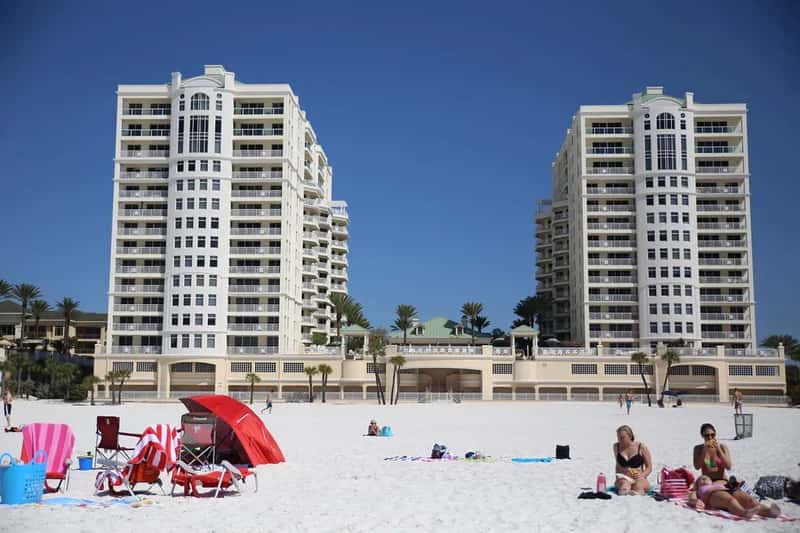
Before a law change, condo boards could vote to waive saving money for major repairs to keep monthly fees low, but that option ended on December 31, 2024, and now thousands of buildings are legally required to fully fund decades of deferred maintenance immediately. Condo HOA fees are suddenly surging, with owners waking up to special assessment bills for $50,000, $80,000, or even $100,000 per unit, due in weeks, not years.
These aren’t optional expenses for luxury upgrades. These assessments are for unsexy but mandatory things like structural waterproofing and roof replacements, and if you can’t pay, you face foreclosure. The situation has become so severe that many condo owners find themselves trapped, unable to afford the assessments but also unable to sell because buyers won’t touch units with looming financial obligations.
This has caused inventory to skyrocket by over 50% in some areas, creating a glut of “un-sellable” condos that are rapidly losing value. For retirees who viewed their condo as a stable asset, watching it become unsellable or drop dramatically in value represents a devastating financial blow.
7. Property Tax Inequity Punishes New Residents

Here’s something most people don’t realize until it’s too late. Florida has a property tax cap called “Save Our Homes” that limits how much the assessed value of a primary residence can rise each year, capped at 3%, but if you move to Florida tomorrow and buy a house for $1.5 million, your taxes reset to full market value, meaning while a long-time resident pays $10,000, you could easily pay $25,000 or more for the exact same county services.
This creates a bizarre two-tier system where neighbors living in identical houses pay wildly different amounts in property taxes. You are effectively subsidizing the retirement of the people who got here before you. For someone relocating to Florida for retirement, this means facing the full burden of current market values without the protective caps that existing residents enjoy.
First-time homebuyers and those moving into the state, who don’t have the Save Our Homes tax break, face the full brunt of rising property values and taxes, and rapid increases in property values have caused big increases in tax levies for non-homestead properties. The system essentially penalizes geographic mobility, making it financially punishing to relocate during retirement.
8. Auto Insurance Costs Are Through the Roof

Florida drivers pay 44% more than the national average due to high accident rates and rampant litigation fraud. Let me put this in perspective: some Florida residents report paying nearly five thousand dollars annually to insure two normal vehicles. Between house and car insurance, a retired couple can easily spend $1,500 a month just on premiums – that’s a mortgage payment for a house you supposedly already own.
The auto insurance situation has become so severe that it genuinely impacts quality of life. Some retirees are reducing their driving or considering giving up a second vehicle entirely just to afford the premiums. Florida’s unique no-fault insurance system combined with high fraud rates has created a perfect storm for expensive coverage.
For retirees who planned their budgets based on insurance costs from their previous state, the sticker shock upon receiving Florida quotes can be overwhelming. These aren’t small percentage increases; we’re talking about insurance costs that can be double or triple what you paid elsewhere.
9. The “Florida Move Guide” Reality Check

The state’s overall allure will likely continue attracting seniors, but we may see a shift in the types of retirees moving there, with those with larger budgets still drawn to the state, but those on fixed incomes exploring alternative locations. This observation captures an uncomfortable truth: Florida is increasingly becoming affordable only for wealthy retirees.
Many people are “half-backs” – retirees from the Northeast who moved to Florida, realized the math didn’t work, and moved halfway back, settling in states like Tennessee, North Carolina and Georgia, which offer four seasons, lower insurance risks, and a cost of living that more aligns with a fixed income. These departures aren’t random; they represent a pattern of financial disappointment.
Construction and insurance costs have led to gentrification where the change in cost is real, adding up to the fact that only well-heeled players can play now. Middle-class retirees who would have comfortably retired in Florida a decade ago are now being priced out of the market entirely.
10. Sales Tax Bites Harder Than You Think

While Florida has no state income tax, state and local taxes can take a bite out of retirement savings, with combined state and local sales tax averaging 7.00%, higher than the combined rates retirees from snowbird states like Michigan, Pennsylvania, Massachusetts and New Jersey are accustomed to paying. That “no income tax” benefit gets advertised heavily, yet the reality is more complicated.
The 6% state sales tax applies to the entire purchase price of vehicles, plus counties can tack on their own vehicle sales tax. When you’re buying a car, furniture for your new home, or any significant purchase, that higher sales tax rate adds up faster than you’d expect. For retirees making large purchases as they set up their Florida lifestyle, the tax burden can be surprisingly hefty.
The psychological impact matters too. There’s something frustrating about constantly paying higher sales taxes on everyday purchases, watching your retirement dollars stretched thinner with each transaction. Yes, you’re saving on income taxes, but you’re paying more every single time you buy something.
11. Overcrowding and Infrastructure Strain
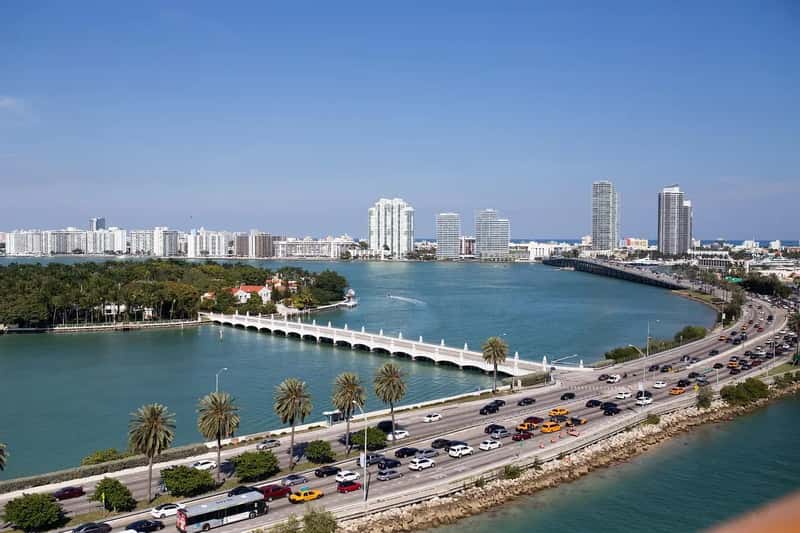
Florida was recently recognized as the #2 growth state of 2025 by U-Haul, and this continued migration into the state is keeping home prices elevated. Population growth might sound like a positive sign, but for retirees seeking peace and tranquility, it means crowded beaches, traffic congestion, and overwhelmed infrastructure.
The roads that were manageable ten years ago are now gridlocked during peak season. Doctor’s offices are overbooked for months. Popular restaurants require reservations weeks in advance. This isn’t the quiet retirement lifestyle many people envisioned. Between the extreme weather, hot humidity, rising costs, creepy critters and overcrowding, Florida is no longer the go-to state it once was.
Infrastructure hasn’t kept pace with population growth in many areas. Water resources are being strained, sewage systems are struggling, and local governments are scrambling to provide services to rapidly expanding communities. Living through this growth phase means dealing with construction, traffic, and growing pains that can seriously diminish quality of life.
12. The Hidden Water and Flood Insurance Costs
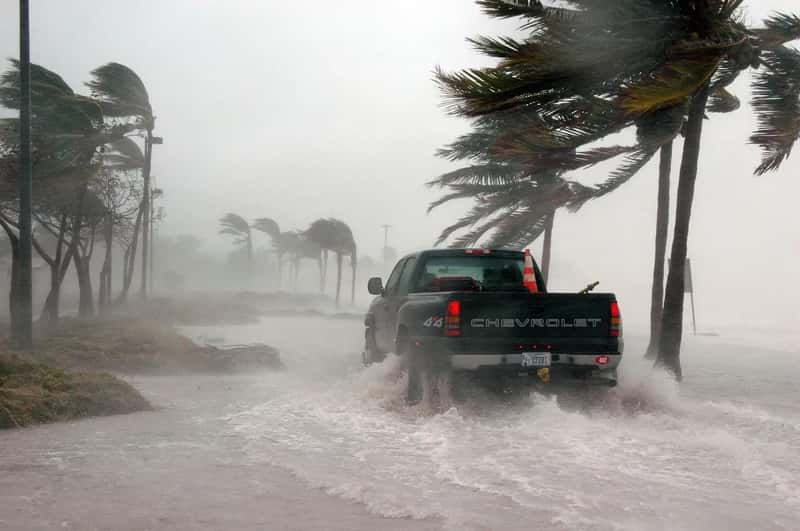
The average cost of flood insurance in Florida is $544 annually for a policy from the National Flood Insurance Program, and Floridians should also purchase flood insurance, as homeowners insurance doesn’t cover overland flooding caused by heavy rain and storm surges. Many retirees don’t realize they need separate flood insurance until they’re already committed to a property.
Rising seas and intensified rains expand flood risk across the state, and FEMA’s 2024 flood-map update “expanded flood risk” substantially, with South Florida alone adding approximately 138,800 structures to high-risk zones, forcing many more homeowners to buy costly flood coverage. If your property suddenly gets reclassified into a flood zone, you’re looking at mandatory insurance you hadn’t budgeted for.
Florida is the most flood-prone state with only roughly 12% of homes carrying flood insurance, yet floods are becoming a bigger part of the risk picture, with high-risk flood zones growing and catching inland areas off guard. Even properties that previously seemed safe from flooding are now at risk, making this an evolving threat that retirees need to monitor constantly.
13. Social Services and Community Support Are Lacking

Dozens of states experienced declines in care choices that help support families managing caregiving, with 21 states experiencing declines of 10% or more in adult day services since 2016, and 16 states having declines of 10% or more in access to home health aides since 2019. Florida’s ranking of 43rd for long-term care services reflects a genuine shortage of support systems for aging residents.
As retirees age and need more assistance, they often discover that affordable home care, adult day programs, and community support services are scarce or prohibitively expensive. Most older adults prefer home and community-based care that meets their needs, but it remains financially out of reach for many working-class families. For those without family nearby or substantial financial resources, aging in place in Florida can become incredibly challenging.
The shortage of support services means that when health declines, difficult decisions about assisted living or nursing homes come sooner than expected. The infrastructure simply hasn’t kept up with Florida’s massive retiree population, leaving many seniors struggling to find adequate, affordable care.
Florida’s sunny beaches and palm trees remain as beautiful as ever, yet the financial and practical realities have shifted dramatically in recent years. Florida isn’t as affordable as it once was for retirees, and retirees wanting to move to Florida for sunny winters, beaches and affordable health care may have to sacrifice in other areas. For those with substantial financial cushions, Florida can still deliver an enjoyable retirement. However, for middle-class retirees on fixed incomes, the math increasingly doesn’t work out.
Before making the leap, it’s worth seriously evaluating whether the no-income-tax benefit truly outweighs the crushing insurance costs, healthcare concerns, and quality-of-life trade-offs. Many retirees are discovering that other states offer better overall value, healthcare, and peace of mind. What do you think about it? Does Florida still seem like paradise, or are you reconsidering your retirement plans?