Around 2 a.m. on a long overnight flight, the cabin gets quiet and cold, and small problems start to feel bigger. A dry throat, a missing Band-Aid or a toothbrush stuck in the overhead bin can get annoying fast. Flight attendants see this on nearly every red-eye, so they know which small items make the night easier.
The nine items below come from what crew members and travel organizations have shared about overnight flying. Most are cheap and small, and many are probably already in your home. A few of them are easy to get wrong at airport security, so the details matter.
An Empty Refillable Water Bottle
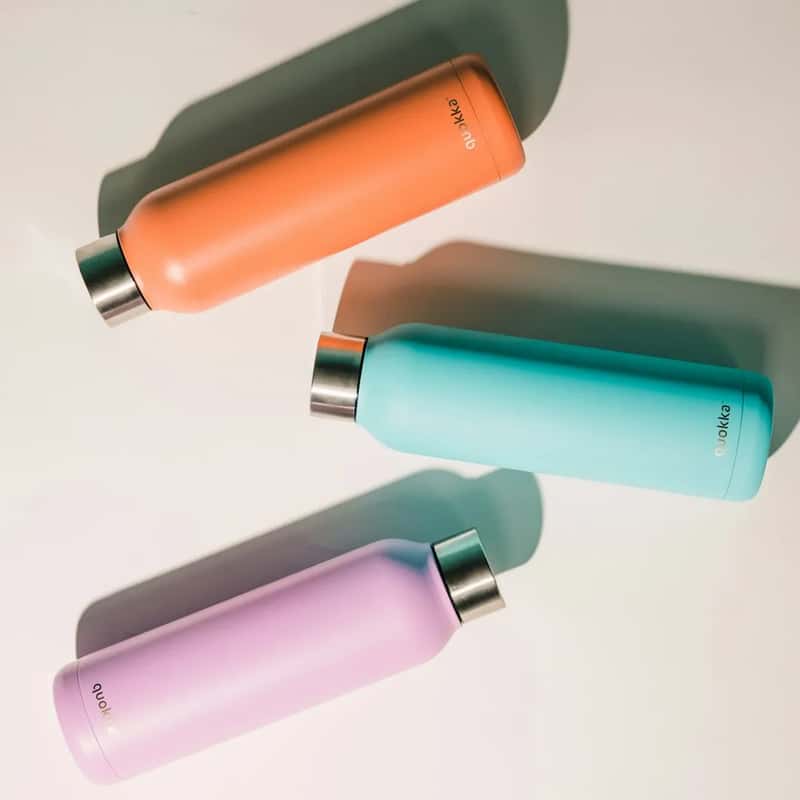
Water comes up first when you ask crew what they never board without. One flight attendant with more than 25 years in the job says crew are never without a large or refillable bottle of water so they stay hydrated.[1] Cabin air is dry, and that can leave your skin, throat and nose feeling dry.[1]
The trick is to bring the bottle empty. Carry it through security, then fill it at an airport water station before boarding.[1] It also gives you a backup, since drink service can be interrupted or eliminated on flights due to turbulence.[1]
Lip Balm, Hand Cream and Eye Drops
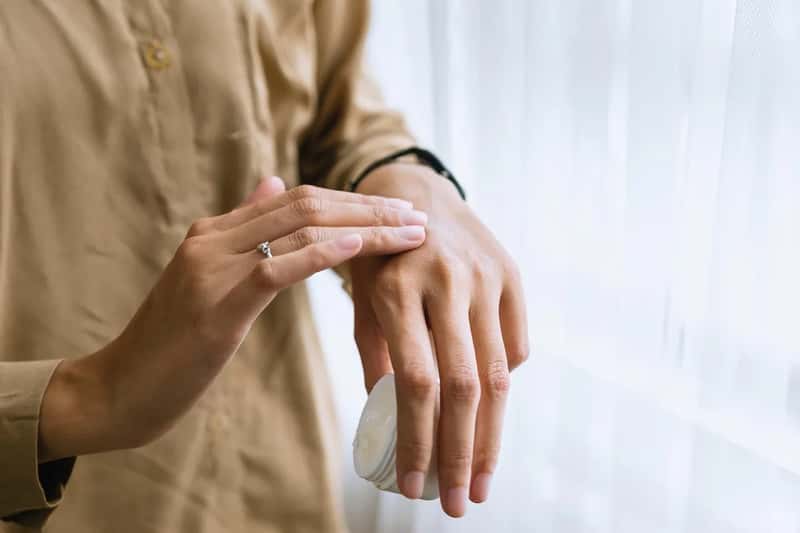
Crew treat skin and eye care as part of the job. Many keep a personal amenity kit that could include eye drops, lip balm, a facial mist, a herbal inhaler and hand cream.[2] The reason is simple, because the aircraft is often cold, with dry air, and cabin pressure can leave you feeling swollen and jet lagged.[2]
Size is the catch. One flight attendant suggests bringing your regular skin care products as long as they’re under 3.4 fluid ounces, along with body lotion and chapstick.[1] TSA judges the container size, not how much product is left inside,[3] so a half empty full size bottle still gets pulled.
A Toothbrush and Travel Size Toothpaste
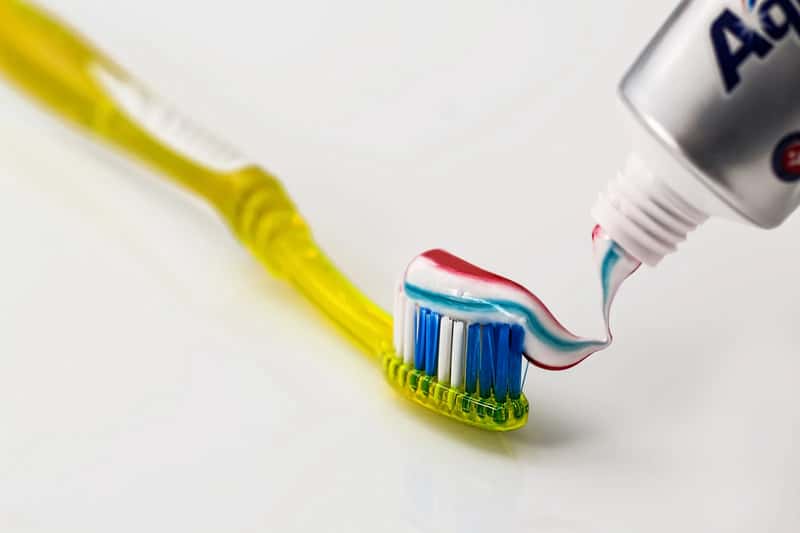
It sounds minor until you’re many hours into the flight. One American Airlines flight attendant packs toiletries like toothpaste and a toothbrush in the carry on for every single trip.[4] Brushing before landing makes a real difference if you’re heading straight to a meeting or a hotel lobby.
Keep the toothpaste tube small. Toothpaste counts as a liquid under the TSA’s 3-1-1 rule.[5] All containers must fit in one clear quart sized zip top bag, with a limit of one bag per passenger.[3]
A Spare Change of Clothes
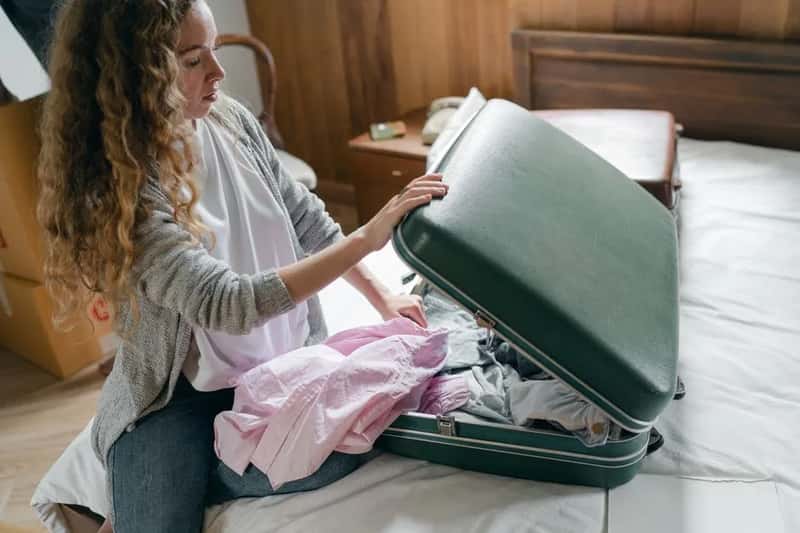
Checked bags can go astray, especially on international connections. One flight attendant who has logged decades in the air says he never travels without at least one change of clothing in his carry on, next to his toiletries and charging cords.[4] A fresh shirt and underwear can save a bad first day.
The odds of losing a bag are fairly low, though not zero. In 2023, global data showed 6.9 bags per 1,000 passengers were mishandled, down from 7.6 the year before.[6] That’s roughly seven bags for every thousand travelers, which is a small number until it’s your suitcase.
A Light Layer or Small Blanket

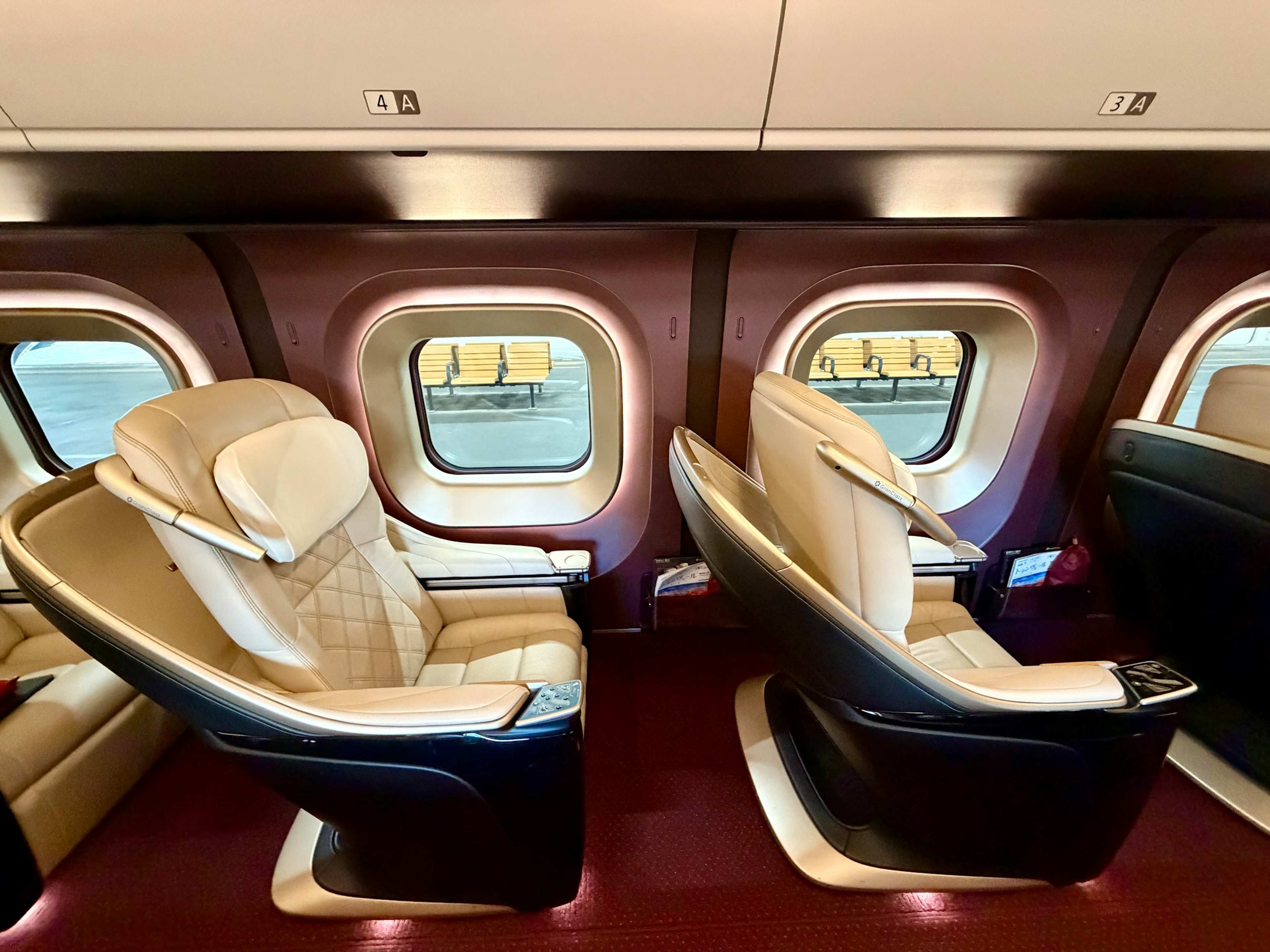
Cabins run cold overnight, and airlines don’t always help. Airlines once supplied pillows, blankets, eye masks and earplugs, but not all do so today.[7] Crew plan for this themselves, and many take a travel size pillow and a small duvet or fleece blanket for their rest quarters.[2]
You don’t need to carry a duvet. A versatile cardigan works, since it can serve as a beach cover up by day and a sweater at night.[8] Some Hawaiian Airlines crew also point to the pareo, a piece of fabric that can be a scarf, a cover up or an airplane blanket.[8]
An Eye Mask and Earplugs

Sleep is the whole point of an overnight flight, so crew protect it. Cabin lights, engine noise and chatter all work against you. An eye mask and a pair of earplugs weigh almost nothing and cost very little.
Crew name specific favorites. In one roundup, flight attendants called out Earplanes earplugs among their picks.[9] Since not every airline hands out these comforts anymore,[7] bringing your own is the safer plan.
Snacks That Won’t Make a Mess
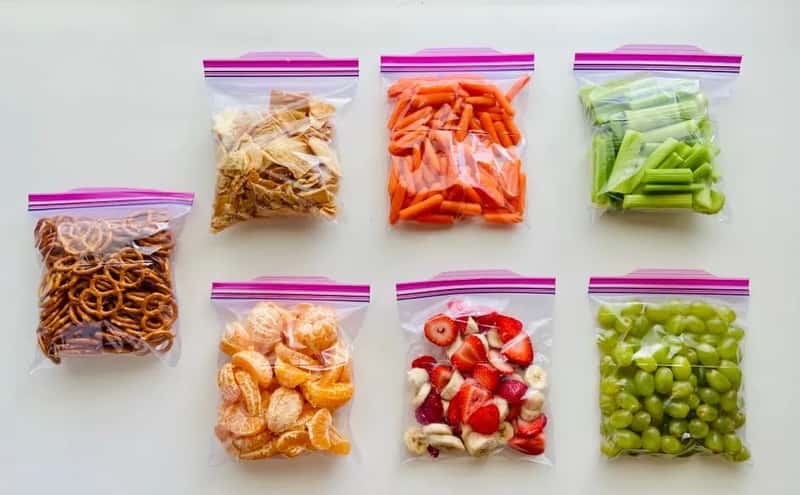
Crew are often the people fielding requests at odd hours. Flight attendants hear the calls for Band-Aids, blankets and hot water at 2 a.m. at cruising altitude.[4] A snack in your bag spares you from waiting on a meal service that may run late.
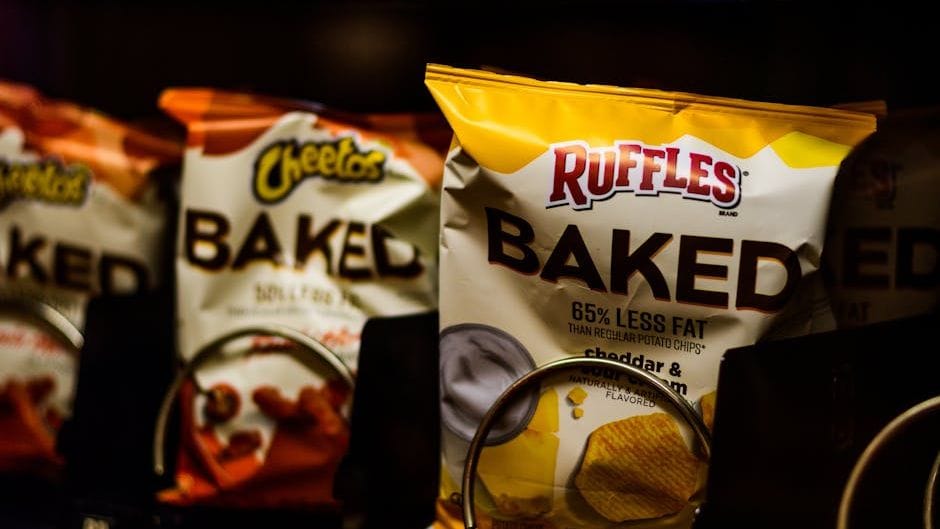
Choose with your seatmates in mind. AAA suggests high protein snacks such as nuts, trail mix or granola bars to curb hunger and keep energy steady.[1] It also advises avoiding anything that melts, crumbles or spoils easily.[1]
A Mini Medicine Pouch
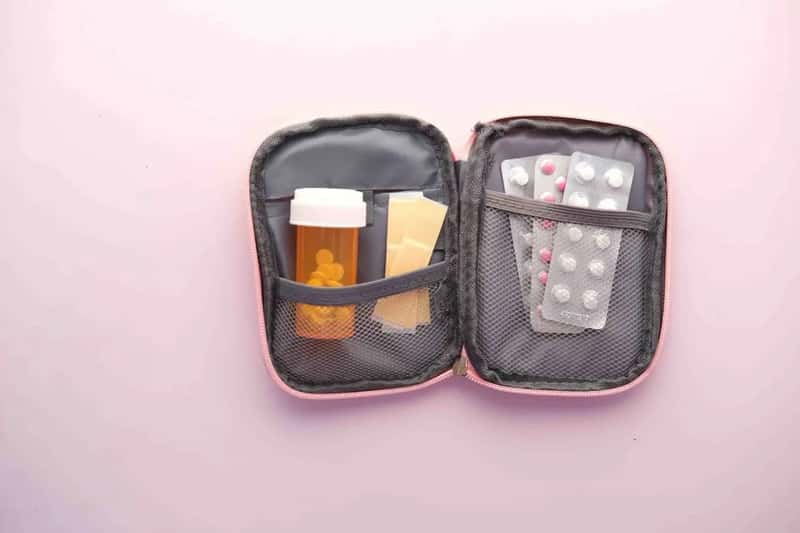
A small kit covers the common problems. Useful items include over the counter painkillers, motion sickness meds, allergy relief and antacids.[1] One flight attendant described a pouch holding Band-Aids, wipes and pills for headaches and allergies.[9]
Medication gets special treatment at security. Medications, baby formula and breast milk are exempt from the liquid limit.[10] Even so, it’s smart to declare liquid medications separately and keep them accessible.[11]
Pouches and Smart Shoes
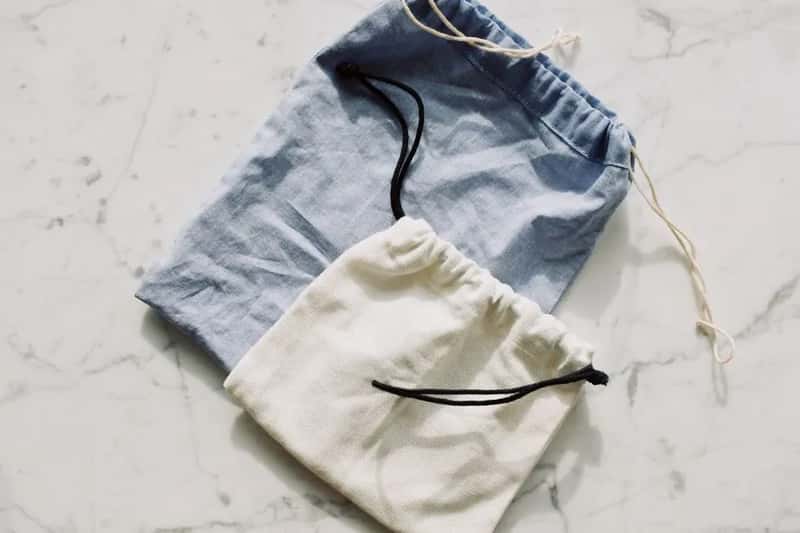
Crew are organized without being fussy. One Newark based flight attendant uses ordinary makeup pouches to keep smaller things together.[9] That means one pouch for medical items and another for everything else, so nothing needs to be dug out in the dark.
Footwear is the other trick. One Hawaiian Airlines flight attendant wears her bulkiest shoes to the airport to save bag space for lightweight sandals or slippers.[8] Security is easier on this front now, because DHS ended the shoes off requirement at checkpoints nationwide on July 8, 2025,[12] though passengers flagged for additional screening may still be asked to remove them.[12]