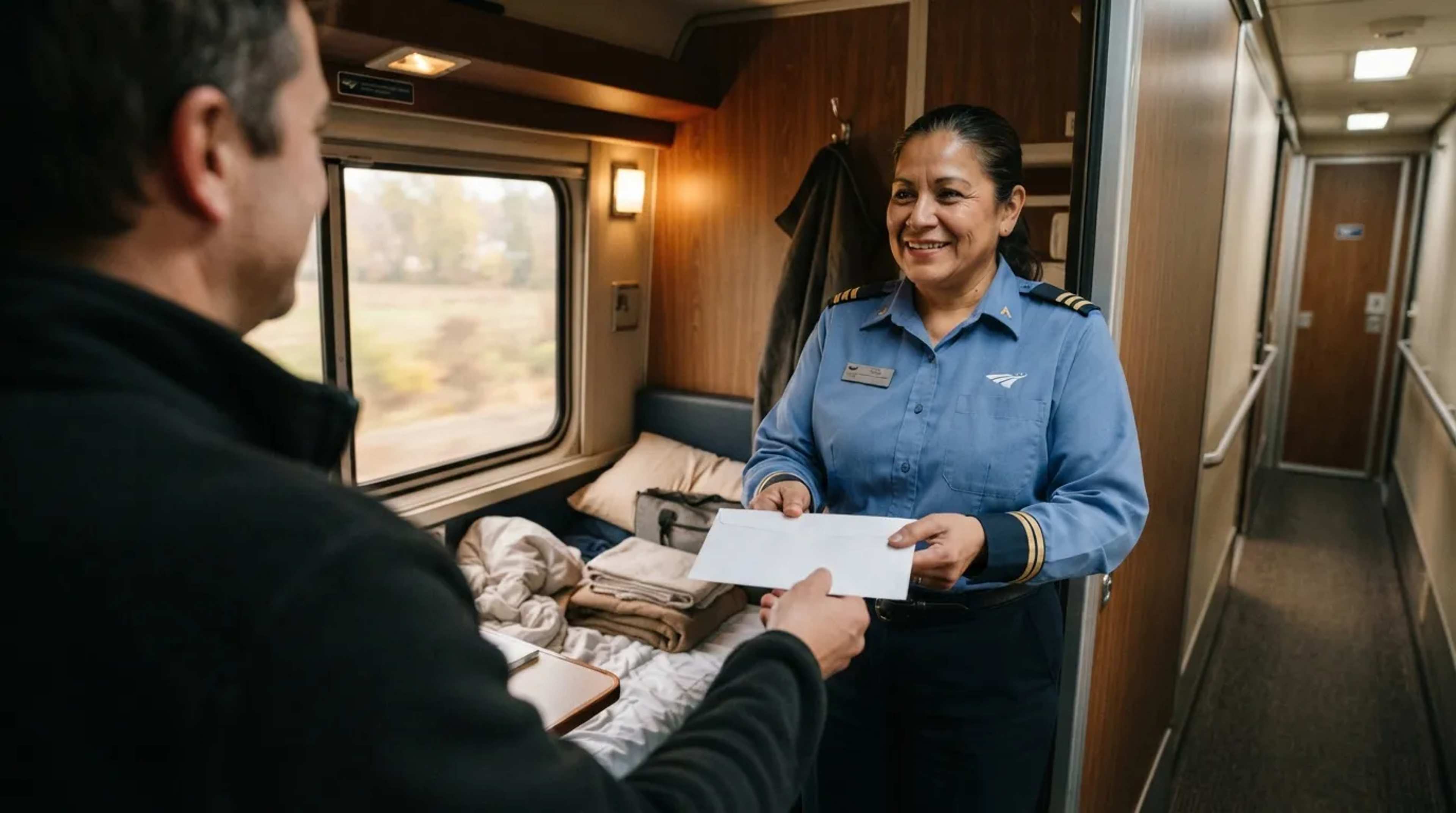
Most passengers assume a phone charger and a neck pillow cover the bases for a 10-hour flight, but cabin crew see the same painful mistakes on every single trip. The truth is, the difference between landing refreshed and landing wrecked usually comes down to five or six small items sitting in someone’s checked bag instead of their carry-on. Flight attendants notice every time, because they’re the ones fielding the requests for Band-Aids, blankets, and hot water at 2 a.m. cruising altitude.
What’s surprising is that the items crew members quietly wish you’d packed aren’t the expensive travel gadgets influencers sell you. They’re cheap, boring, and almost always forgotten in the rush to the gate. Here’s what actually matters, according to the people who fly these routes for a living.
#20 – The Spare Outfit Everyone Skips
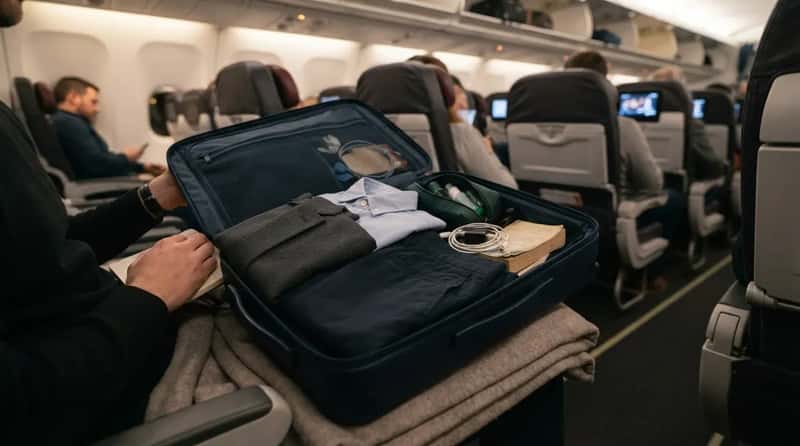
Checked bags get lost more often on long-haul international connections than most travelers realize, and crew members watch the fallout happen in real time. A flight attendant who’s logged decades in the air says he never travels without at least one change of clothing in his carry-on bag, right alongside his toiletries and charging cords.
It sounds excessive until your connection gets tight and your suitcase doesn’t make the transfer. Crew have seen passengers arrive at a wedding, a business meeting, or a cruise departure with nothing but the clothes on their back. One backup outfit folded into your personal item solves a problem that ruins entire trips.
#19 – Toothpaste That Isn’t in Your Checked Bag
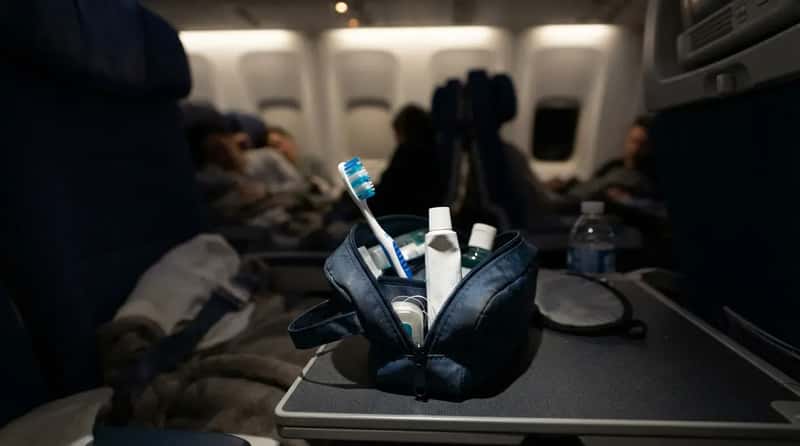
A toothbrush feels like a minor detail until you’re twelve hours into an overnight flight and your mouth feels like a carpet. Crew members treat this as non-negotiable gear, packing toiletries like toothpaste and a toothbrush in their carry-on for every single trip, according to one American Airlines flight attendant.
It’s not vanity. Landing feeling human again, ready to walk into a meeting or a hotel lobby, starts with basic hygiene you can’t get from an airplane bathroom’s tiny soap packet. Crew say passengers who skip this step are easy to spot the moment the seatbelt sign turns off.
#18 – Deodorant, the Item Nobody Admits They Forgot
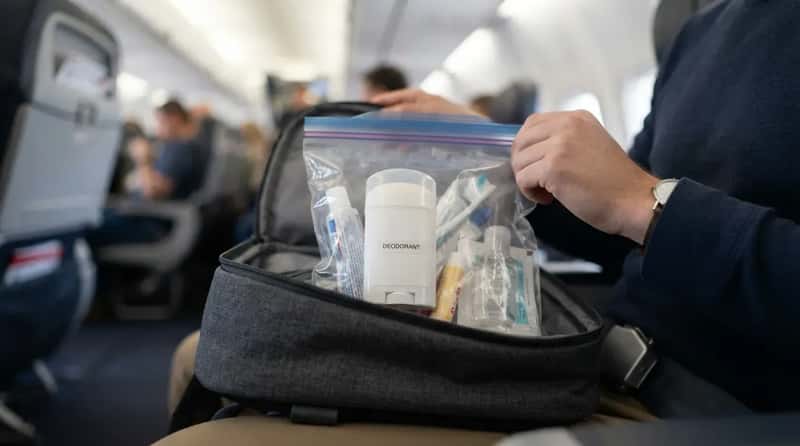
Cabin air is brutally dry, and hours of recycled air plus stress sweat is a combination nobody wants to discuss out loud. Travel writers who’ve built entire carry-on checklists around long-haul comfort put it bluntly: packing a tiny deodorant helps you feel fresh when you land, and it belongs in every essentials kit.
Crew members notice, even if they’re too polite to say anything. A single travel-size stick weighs nothing and takes up zero space, yet it’s one of the most commonly forgotten items in a rushed carry-on pack. Don’t be the passenger who realizes too late.
#17 – Slip-On Shoes for Faster Security and Comfortable Feet
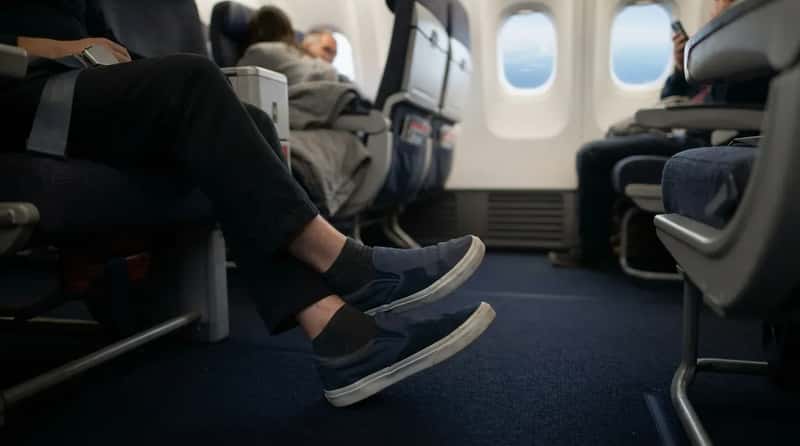
Feet swell in the air due to pressure changes and hours of immobility, and tight lace-up shoes become genuinely uncomfortable somewhere over the ocean. Packing experts specifically recommend slip-on shoes for long-haul travel, noting that this style gets you through security faster and is easy to remove on the plane.
Crew members deal with passengers awkwardly wrestling boots off mid-flight more often than you’d expect. A simple slip-on pair solves the security line and the in-flight comfort problem at the same time, no wrestling match required.
#16 – A Portable Charger That Actually Lives in Your Bag
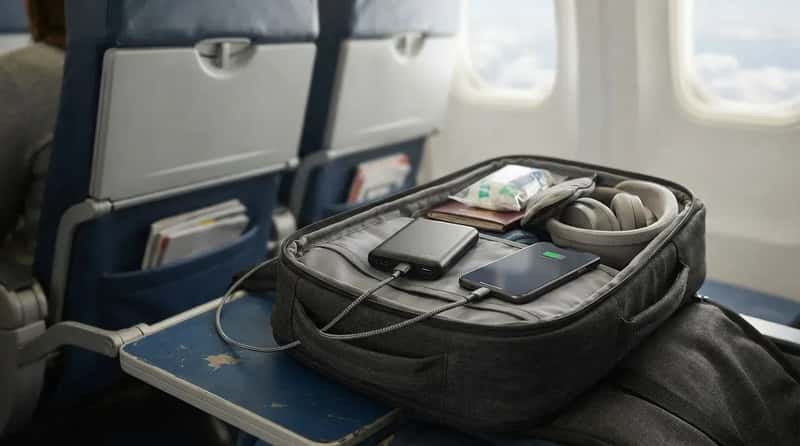
Seatback power outlets fail constantly, and there’s nothing worse than landing in an unfamiliar country with a dead phone and no way to call a ride. Long-haul packing guides are direct about this: a portable charger goes in the carry-on, always, since airlines require batteries to fly in the cabin rather than checked luggage.
Crew members who fly for a living treat this as gear, not gadgetry. One veteran flight attendant says he always makes sure he has charging cords and a portable charger packed before boarding. A six-foot cable also means you’re not stuck standing at an airport pillar holding your phone overhead for an hour.
Fast Facts
- Power banks must fly in your carry-on – TSA and the FAA ban them from checked luggage entirely.
- Most phone-sized power banks stay under the 100 watt-hour cap, so no airline approval is needed.
- Bigger batteries between 100 and 160 Wh require airline sign-off in advance and are capped at two spares per passenger.
#15 – A Luggage Tracker Crew Wish More Passengers Used
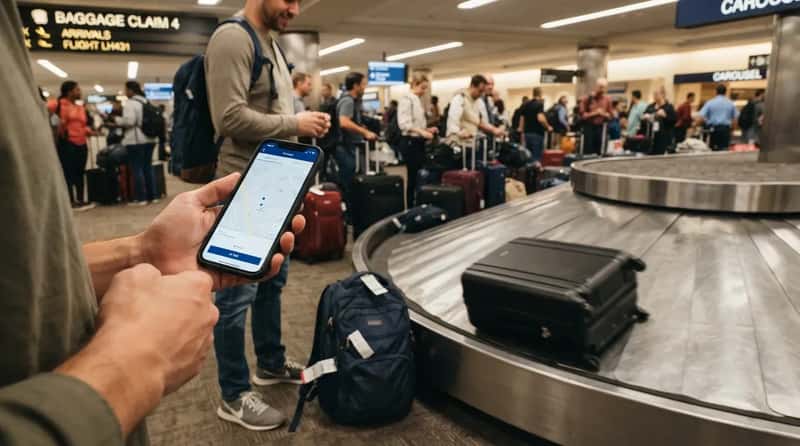
Nothing derails a long-haul trip faster than a bag that doesn’t make a tight connection, and airlines aren’t always fast with answers. Frequent flyers who’ve refined their packing over years now say one tracker in the checked bag and one in the carry-on takes the guessing game out of a missing suitcase.
Instead of waiting on hold with an airline’s baggage desk, you know exactly where your bag actually is. Crew see the panic when a connection gets tight, and a five-dollar tracker is the difference between calm troubleshooting and standing at a carousel praying.
#14 – Downloaded Entertainment Before Wi-Fi Disappears
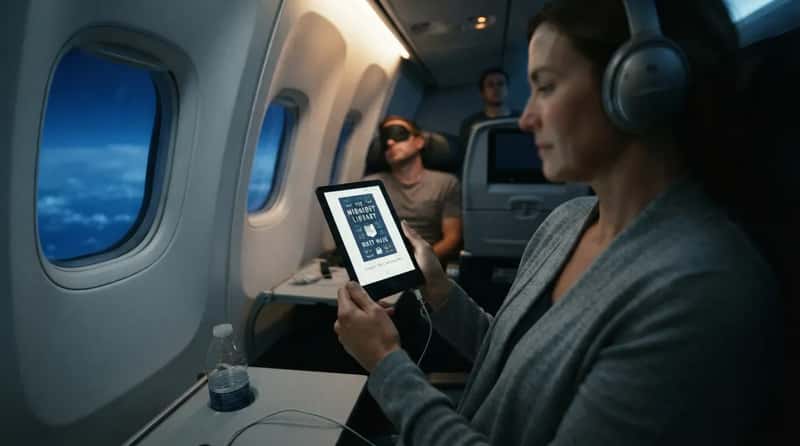
Airport and in-flight Wi-Fi fail at the worst possible moments, and crew have watched countless passengers realize too late that their movie or book needs an internet connection they no longer have. One frequent flyer’s advice is simple: download your books and shows at home, because airport Wi-Fi will betray you.
An e-reader loaded up in advance has saved plenty of travelers through delayed flights and dead connections. It sounds obvious, but crew still see passengers scrambling for a signal thirty minutes before boarding, trying to download an entire season of something.
#13 – Quiet Activities That Save Everyone’s Sanity
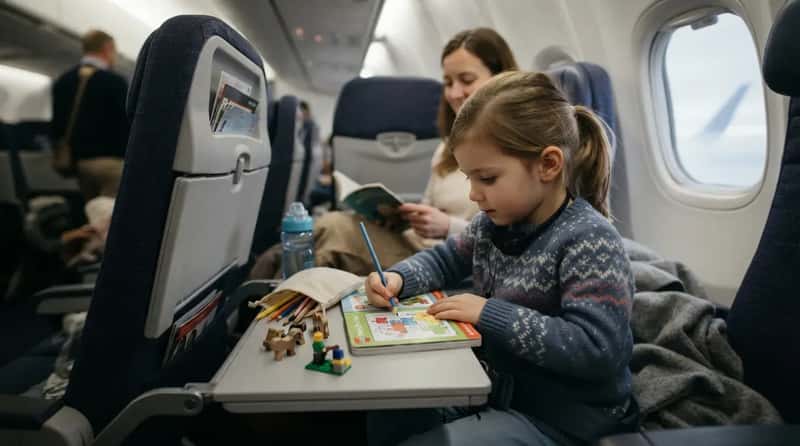
Parents flying long-haul with kids get more sympathy from crew than you’d think, but only if they’ve prepared. One flight attendant who’s especially attentive to family travel says he makes sure his family has extra snacks, quiet games, and kid-friendly movies loaded on a tablet before any trip.
It’s not just about keeping kids happy. A bored, restless child on hour six of a ten-hour flight becomes everyone’s problem, including the crew’s. A few quiet, screen-free activities packed alongside the tablet can be the difference between a manageable flight and a miserable one for three rows around you.
#12 – Snacks for the Hours Nobody Warns You About
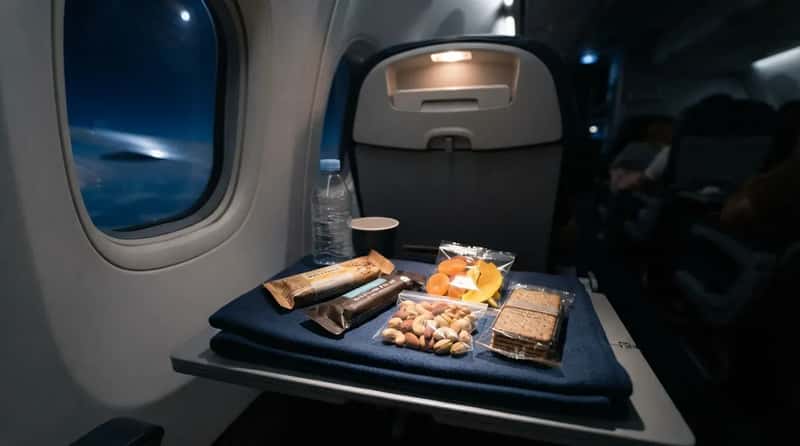
Meal service on long-haul flights doesn’t run on your stomach’s schedule, and the gap between dinner and breakfast service can stretch far longer than people expect. One flight attendant notes the risk directly: passengers run the chance of being hungry or thirsty during times when there’s no service happening at all.
Not everyone loves airline food either, and that’s fine, but arriving hungry and cranky isn’t. Protein bars and nuts travel well and don’t need refrigeration. Just skip anything with a strong smell, since you’re sharing recycled air with a few hundred strangers who didn’t sign up for your snack choices.
#11 – Your Own Tea Bag for the Hot Water Nobody Requests
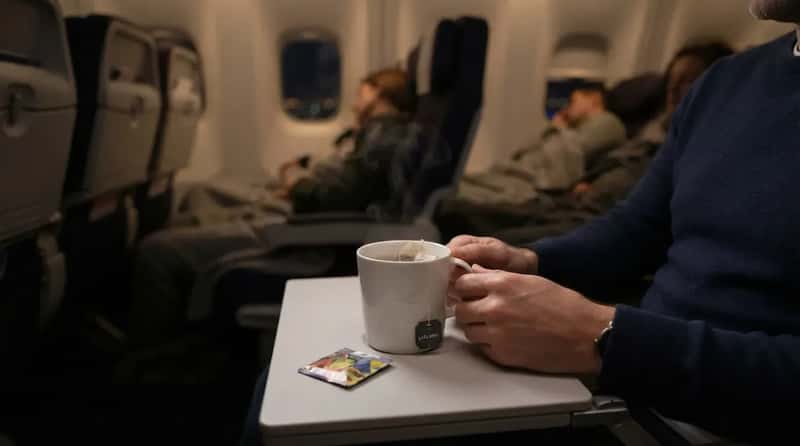
Here’s the part almost nobody knows: you can ask crew for plain hot water, and most passengers never think to. A flight attendant confirms it plainly, saying passengers can request hot water for themselves, which becomes genuinely useful if you’ve packed your own tea bag or instant oatmeal.
It’s a small off-menu perk that turns a bland economy cabin into something closer to your own kitchen at 3 a.m. body-clock time. Crew are generally happy to accommodate it, since it takes seconds and makes a noticeable difference to a tired, jet-lagged passenger.
#10 – A Collapsible Water Bottle Instead of Tiny Cups
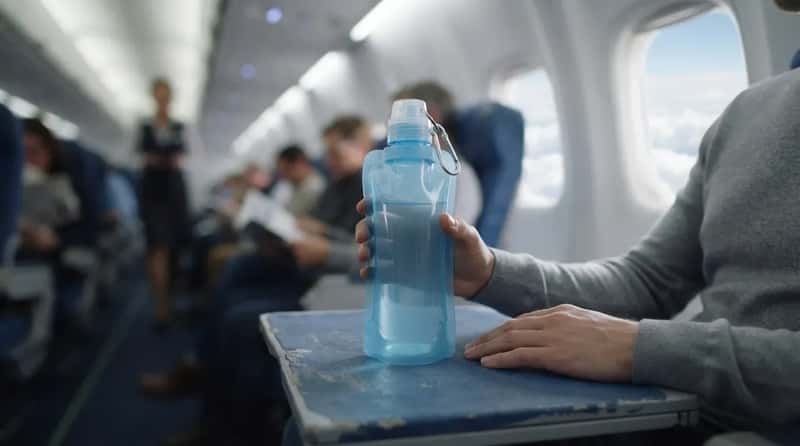
Asking a flight attendant for a fresh plastic cup of water every forty minutes isn’t hydration, it’s a losing game, and crew know it. Seasoned travelers now swear by a different approach: a collapsible water bottle packs flat through security, then holds a full liter once filled at the gate.
Cabin air runs shockingly dry, and staying properly hydrated affects everything from sleep quality to how puffy you look stepping off the plane. Fill it before boarding and again once the seatbelt sign turns off, and you’ll skip the awkward flagging-down of crew every time your mouth feels like sandpaper.
#9 – A Real Travel Pillow, Not the Airline Freebie
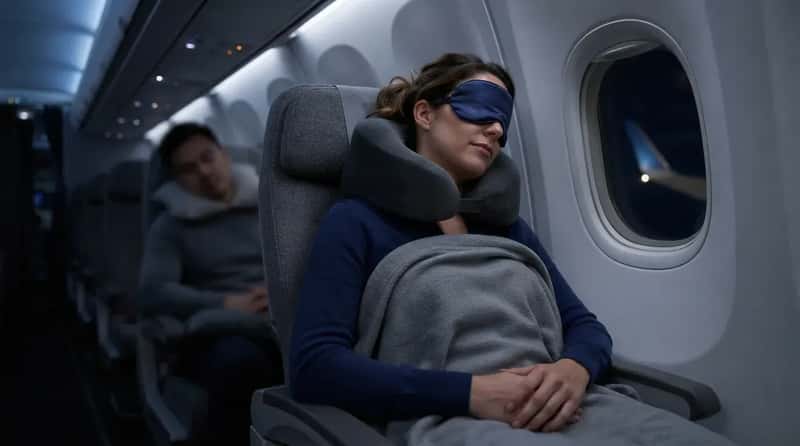
Airlines typically hand out small pillows regardless of cabin class, but crew members consistently bring their own instead. One flight attendant put it plainly: bringing your own eye mask, travel pillow, and blanket could genuinely change how well you sleep on an overnight flight.
The difference is support. A proper travel pillow keeps your neck from snapping forward every time you finally doze off, which matters enormously on flights longer than eight hours. Crew see the passengers who skip this wake up stiff, sore, and useless for their first day at the destination.
Quick Compare
- Airline pillow: Thin and flat – fine for a short doze, not built for hours of neck support.
- Your own travel pillow: Molds to your neck and keeps your head from snapping forward on longer stretches.
- Airline blanket: Works in a pinch, but supply runs out fast on a full flight.
- Your own scarf or wrap: Doubles as blanket, cushion, and eye cover, no waiting on a cart required.
#8 – Noise-Canceling Headphones for Sleep, Not Just Movies
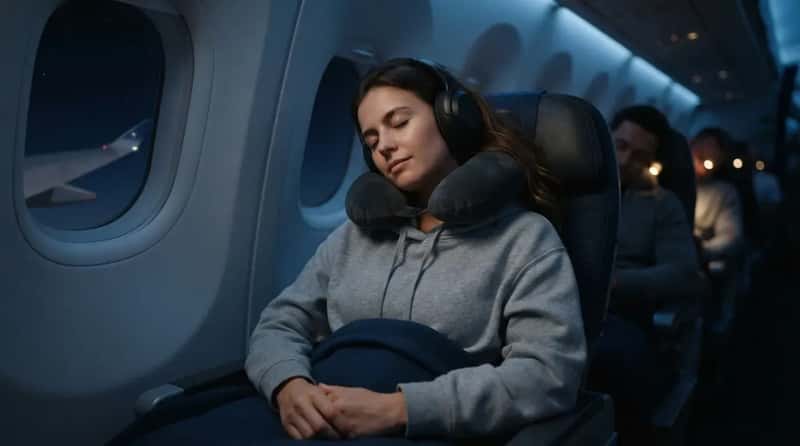
Most passengers pack headphones purely for entertainment and completely miss their second job. Crew and aviation trainers describe long-haul cabins bluntly, comparing them to trying to nap in a noisy, vibrating, overly air-conditioned tube with 300 strangers nearby.
Travel writers echo the same advice from the crew side: noise-canceling headphones are one of the most helpful sleep aids available on a long flight, right alongside a proper travel pillow. If you’re only using yours for the in-flight movie, you’re leaving half their value on the table.
#7 – An Eye Mask for the Light You Don’t Expect
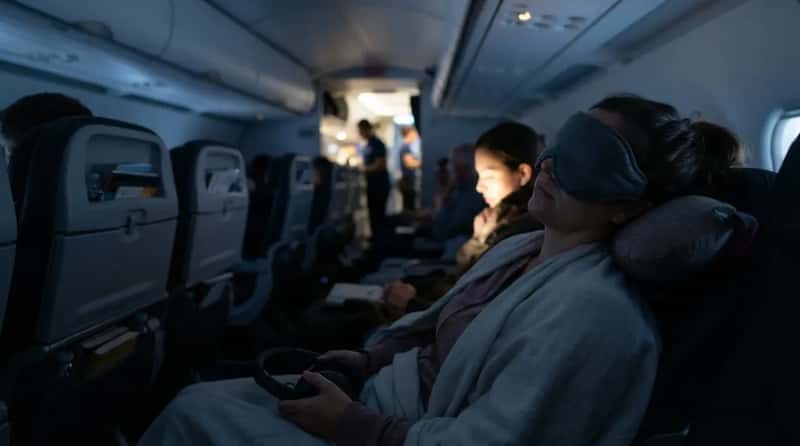
Cabin lighting doesn’t cooperate with sleep schedules, especially on flights that cross a half-dozen time zones and serve meals at what feels like 3 a.m. body time. Crew members consistently pack their own eye mask rather than rely on cabin lighting timing to line up with actual rest.
It’s a tiny item that solves a surprisingly large problem. Between reading lights, galley activity, and window shades that never quite block everything, an eye mask is often the single item standing between you and real sleep on a long-haul overnight flight.
#6 – A Blanket or Scarf Crew Actually Recommend
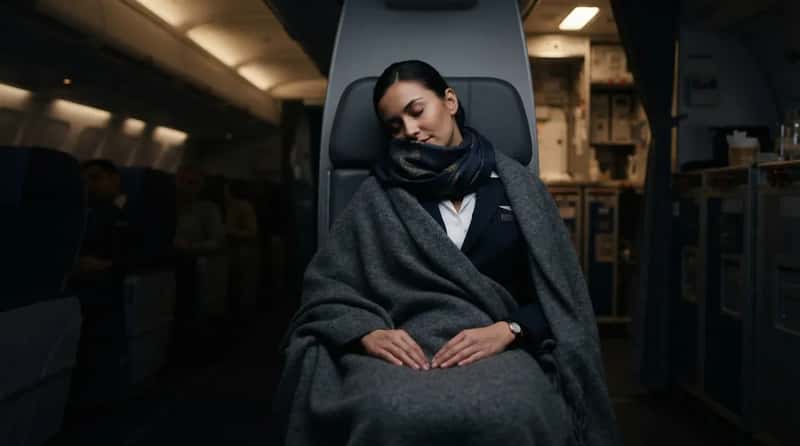
Airlines don’t always keep the cabin at a temperature everyone agrees on, and crew hear complaints about being cold constantly. Passengers can request an extra blanket on request, but crew members who fly the route regularly bring their own scarf or blanket rather than count on supply running out.
It’s a layering trick that also doubles as a light cover for sleeping without waiting on a service cart. A soft scarf works as a blanket, an eye cover, or neck support depending on the moment, which is exactly why crew treat it as one item worth three jobs.
#5 – A Mini First-Aid Kit Most Passengers Never Consider
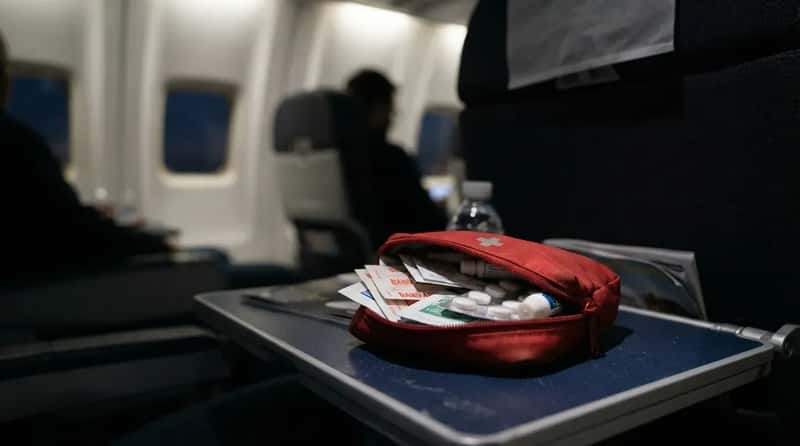
Crew members carry more than lipstick and hand cream in their personal bags. A cabin safety veteran with two decades in aviation explains that a mini first-aid kit is essential, with a basic painkiller, any necessary medication, and Band-Aids for cuts or uncomfortable shoes.
Passengers can technically ask crew for supplies like Band-Aids or over-the-counter pain relievers mid-flight, and most don’t realize that’s even an option. But relying entirely on crew stock for a headache eight hours into a flight is a gamble. A tiny personal kit removes the guesswork entirely.
#4 – Hand Sanitizer and Wipes, Still Nonnegotiable
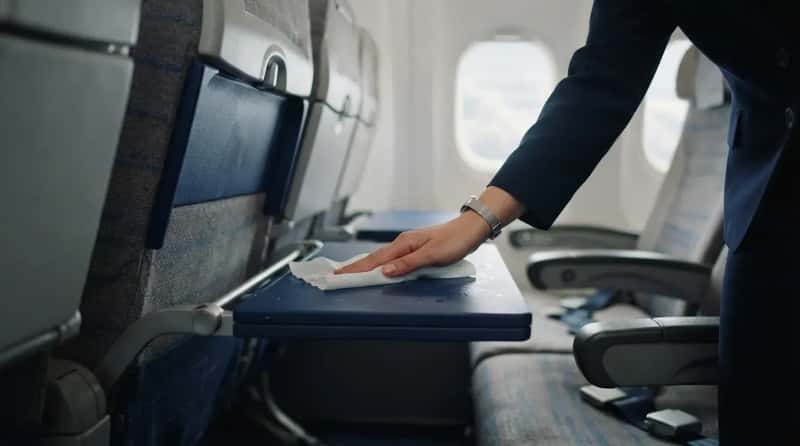
The pandemic changed what crew consider standard-issue carry-on gear, and it stuck. One veteran cabin crew member notes that antiseptic wipes and hand sanitizer have been essential items since the pandemic, right alongside the basic first-aid supplies she always packs.
Tray tables and armrests get wiped down between flights, but not always thoroughly, and hundreds of hands touch the same surfaces every single day. Crew members quietly wipe their own space down before settling in, and they wish more passengers did the same instead of assuming it’s spotless.
#3 – Eye Drops for the Air That Dries You Out Fast
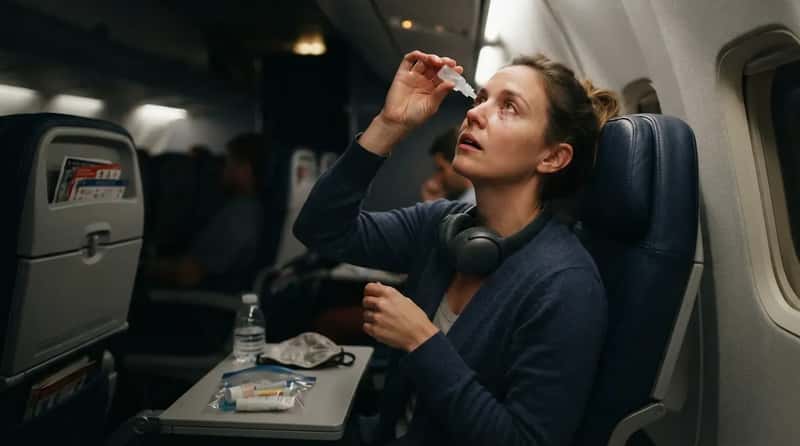
Cabin air isn’t just dry, it’s dramatically dry. One long-haul flight expert points out that airplane cabins run 10 to 20% less humidity than the Sahara Desert, which explains why eyes feel gritty and irritated somewhere around hour four.
Refreshing eye drops are an easy fix that most packing lists mention almost as an afterthought, but crew notice the difference immediately in how alert and comfortable a passenger looks landing versus one who skipped them. A small bottle under the liquid limit is worth the space it takes.
At a Glance
- Airplane cabins typically run 10 to 20% relative humidity, and some flights dip as low as 5 to 12%.
- The Sahara Desert averages around 25% humidity, often higher than a long-haul cabin at cruising altitude.
- Doctors say skin and eyes feel most comfortable between 40 and 60% humidity, far above what any flight offers.
#2 – Medication That Never Goes in the Checked Bag
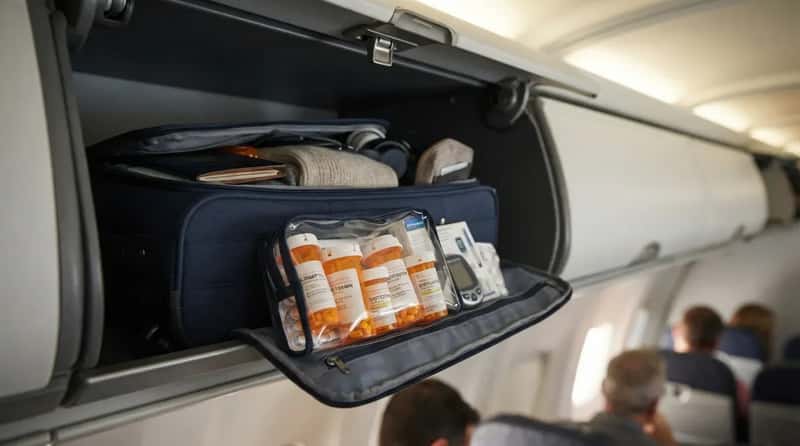
This is the mistake crew members find hardest to watch happen, because it’s completely avoidable and occasionally serious. Any prescription or essential medication needs to travel in the carry-on, full stop, since a lost or delayed checked bag can mean going without it for days on an international trip.
Crew have seen passengers land in a new country without heart medication, insulin, or basic prescriptions because it was packed in a suitcase that didn’t make the connection. It’s a small packing decision with consequences that go well beyond an inconvenience.
#1 – Compression Socks, the One Crew Bring Up Most
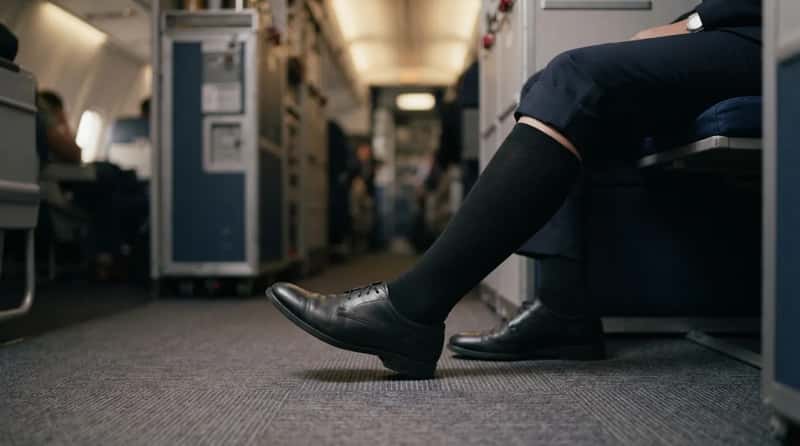
If there’s a single item cabin crew mention more than any other, it’s this one, and it’s not about comfort alone. Long-haul packing experts are specific about the threshold: for anything over 8 to 10 hours, compression socks genuinely help keep blood moving and reduce ankle swelling by landing.
Sitting still for that long in a pressurized cabin slows circulation in a way most passengers don’t think about until their ankles are visibly puffy. Crew members themselves wear them on every long rotation. One flight attendant’s advice to passengers with any circulatory concerns is simple: wiggle your toes, move when you can, and talk to your doctor before a long flight if you’re at all worried.
Why It Stands Out
- Research reviews show the risk of blood clots is 1.5 to 4 times higher on flights of four hours or longer.
- The World Health Organization estimates roughly 1 in 6,000 healthy travelers develop clot symptoms after a flight over four hours, with many more cases going unnoticed.
- Studies on graduated compression stockings show they meaningfully cut the risk of symptomless DVT on long-haul routes.
None of these twenty items are expensive or complicated, which is exactly why they get left behind so often. Crew members see the same avoidable discomfort on every long-haul flight, and almost every fix comes down to a five-dollar item sitting in the wrong bag. Pack smart once, and the next long haul feels like a completely different flight.
Which one have you learned the hard way? Drop it in the comments.