Ask a driver who’s logged forty road trips what changed between trip one and trip ten, and the answer is rarely “I got a better car.” It’s almost always money – specific dollars they simply stopped handing over once they knew better.
Drivers who’ve been doing this since gas was under a dollar a gallon, and are now well into their sixties and beyond, have quietly built a mental blacklist of costs they refuse to pay anymore. Every item on it came from a real receipt, a real regret, or a real “never again.”
Some of these habits disappear after a single bad experience. Others take three or four trips before the pattern becomes obvious enough to actually fix.
By the time you reach the last item on this list, you’ll understand why it’s the one seasoned drivers mention first when a rookie asks for advice.
13. Paying Full Price for National Park Entry
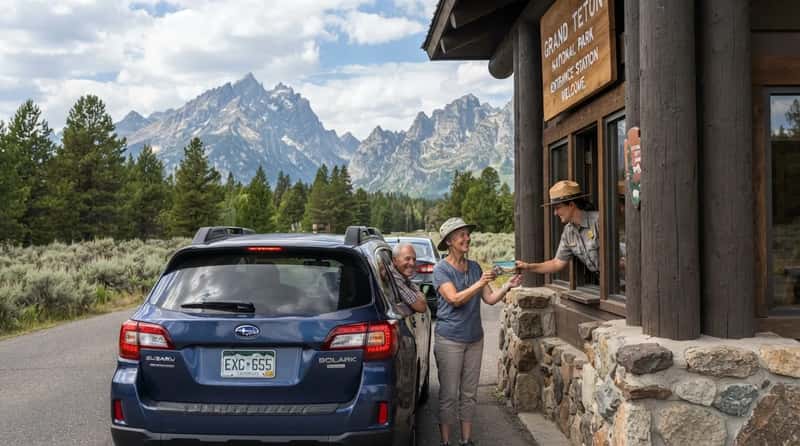
First-time road trippers pull up to a national park gate and hand over $35 per vehicle without blinking. They assume that’s simply the cost of admission.
Experienced drivers know one annual pass changes the math entirely. The America the Beautiful pass costs $80, and on one road tripper’s national parks circuit, it paid for itself by the third stop.
At a Glance
- Single park entry: often $35 per vehicle
- America the Beautiful annual pass: $80, and it covers everyone traveling in the same vehicle
- Break-even point: as few as three park visits in a single year
- Covers more than 2,000 federal recreation sites, not just the famous national parks
That pass covers entrance fees at more than 2,000 federal recreation sites. That includes national monuments, wildlife refuges, and recreation areas – not just the famous parks.
If you’re visiting more than two parks a year, the math almost always favors buying it. Drivers who take multiple trips a year grab it without hesitation; first-timers almost always skip it.
But that’s nothing compared to what experienced drivers figured out about #12 – a fee most people accept as unavoidable.
12. Buying Rental Car Insurance at the Counter

The rental agent asks the question, you feel a flicker of uncertainty, and you say yes to the collision damage waiver for $20–$30 a day. You rarely stop to ask why.
Chances are, if you have a major credit card, it already covers rental cars. That coverage is often sitting unused in your wallet the entire trip.
Rental car insurance runs $15–$30 per day if you don’t already have coverage elsewhere. On a seven-day trip, that’s $105–$210 handed over for something you likely already own.
Some personal auto policies also cover rental cars, meaning you could end up double or triple insured. A quick call before booking settles it for good.
But there’s another daily fee even more drivers accept without question. #11 will feel uncomfortable if you’ve done this recently.
11. Booking Hotel Parking Without Checking the Fee First

Most drivers book a hotel based on location and nightly rate. Then they discover at check-in that parking costs extra – sometimes a lot extra.
Parking in major cities can run $20–$40 per day. Experienced road trippers now research hotel parking fees before booking, since some properties charge $30 or more just to park overnight.
A hotel that looks $15 cheaper per night can end up costing more once a $25 parking fee is added. Parking is free at national parks and most roadside attractions, but it runs $10–$30 daily in cities like San Francisco, Los Angeles, and New York.
Skipping this check on a five-night trip in a mid-sized city can easily add $100–$150. That’s real money for a trip that was supposed to feel budget-friendly.
Wait until you see #10. It’s the cost that feels like a treat but quietly adds up more than gas.
10. Eating Every Meal at a Restaurant Instead of Packing a Cooler
Eating out is part of the experience. But most first-timers eat every single meal at restaurants, often at places chosen out of desperation rather than intention.
A drive-through stop for two people runs around $15. Do that once a day for a week, and you’ve spent over $100 on food that doesn’t sit well with your stomach or your wallet.
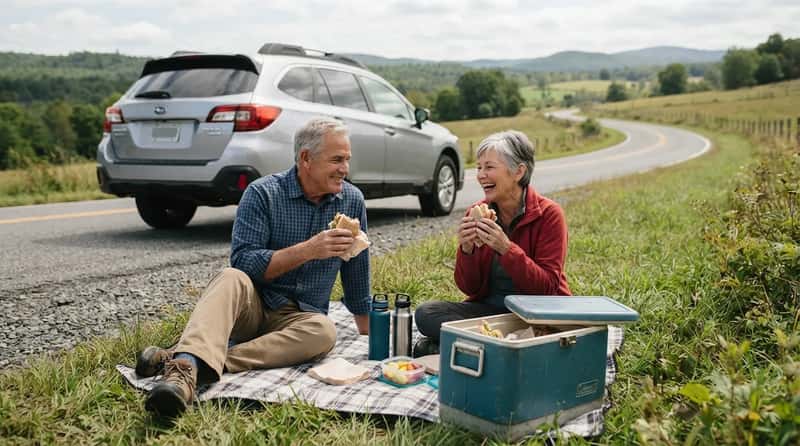
Packing a cooler with water, snacks, and sandwiches before leaving home is one of the oldest frugal-traveler tricks in the book. Skipping vending machines and drive-throughs adds up to real savings fast.
Small roadside picnics are one of the most enjoyable low-cost upgrades you can add to a trip. Experienced drivers treat restaurant meals as events, not defaults.
But food is just one drain. #9 is a spending habit that highway design has quietly encouraged for decades.
9. Fueling Up at the First Exit Station You See
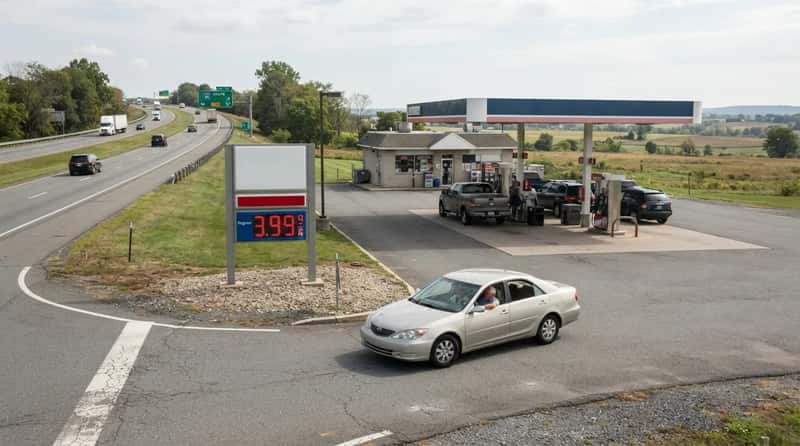
You’re running a quarter tank, the gauge is nagging you, and the first exit has a station – so you stop. That’s exactly what the pricing model is counting on.
Stations closest to interstate exits often charge more simply for the convenience of being there first. A station just a few miles into town can be noticeably cheaper.
Experienced drivers use the “one-exit rule.” Before committing to the ramp in front of them, they check the exit one before or one after on a price app.
The detour costs a couple of minutes, but on a 15-gallon fill-up, the savings can easily cover a coffee. Most drivers open these apps once at home and then forget about them the moment they’re actually driving.
You’ve probably heard that fuel advice before, even if you’ve ignored it. But #8 is the one that genuinely surprises people.
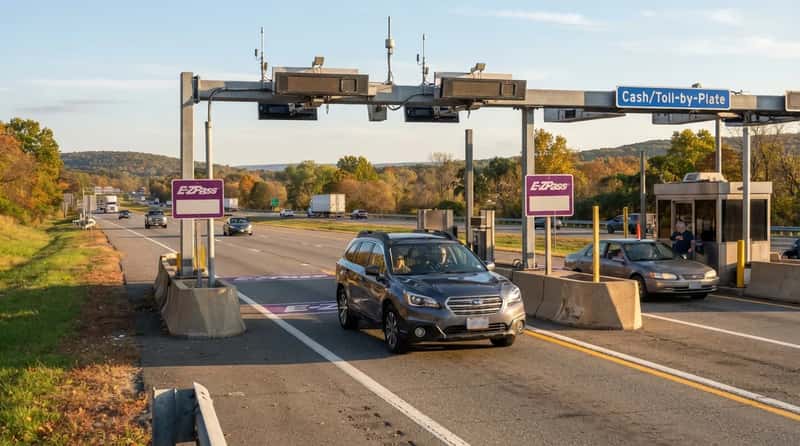
8. Paying Toll-by-Plate Rates Instead of Getting a Transponder
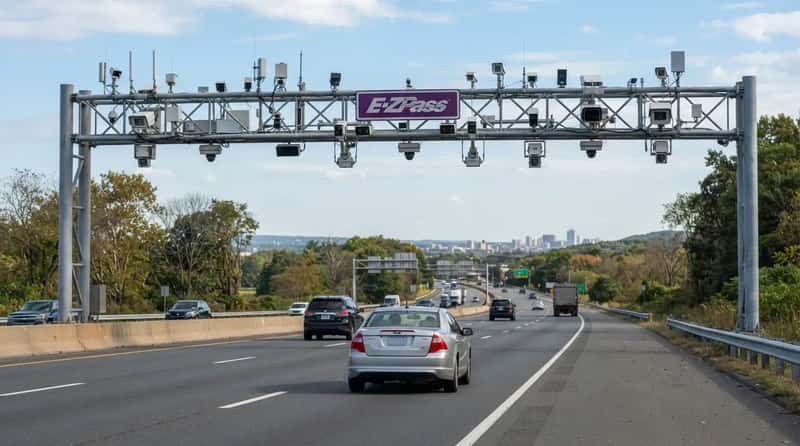
Most first-timers think tolls are tolls – a fixed fee to use a road. The reality is that how you pay changes the amount dramatically.
Maryland reports that E-ZPass users can save up to 77% compared to pay-by-mail rates. New York offers similar discount plans for frequent travelers, with EZ-Pass drivers saving up to 75% on tolls.
Toll-by-plate billing – where a camera reads your plate and a bill arrives weeks later – often carries the highest per-toll rate plus administrative fees. A transponder avoids nearly all of it.
Experienced drivers either carry a transponder or pre-plan routes using an official toll calculator before leaving. Tolls have become “app math,” not memory.
#7 is quieter than tolls and parking, but it bleeds money on every single road trip.
7. Buying Overpriced Souvenirs at Every Single Stop
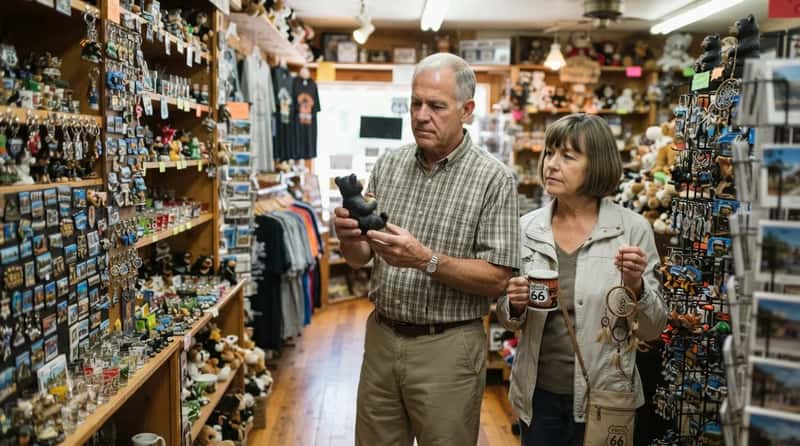
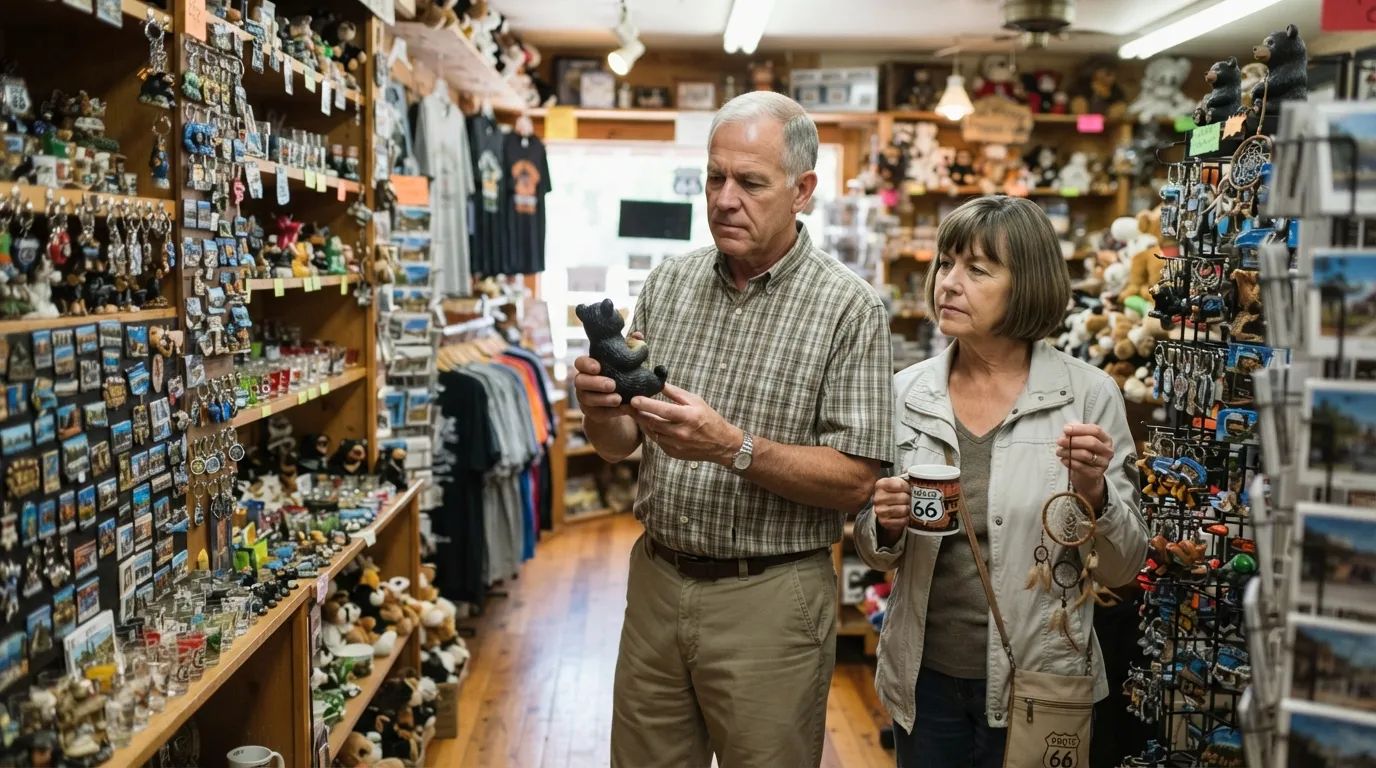
Roadside gift shops are engineered to catch you at the exact moment you feel most connected to a place. First-timers spend freely; experienced drivers have learned to pause.
Before you know it, you’ve spent $75 on items that will collect dust once you’re home. Setting a souvenir budget before departing – and sticking to it – is what repeat travelers actually do.
Tourist district shops advertise “local crafts,” but most items are imported or mass-produced. Heading to artisan markets or community co-ops instead means you support real local makers at fairer prices.
Collecting free mementos like pressed pennies or photos is a habit veteran road trippers adopt naturally. The memory is free; the refrigerator magnet costs $14.99.
Worth Knowing
- Typical roadside souvenir spending: around $75 per stop
- Tourist-district shops often sell imported, mass-produced goods labeled as “local crafts”
- Artisan markets and community co-ops usually offer authentic items at fairer prices
- Free mementos – pressed pennies, photos, postcards – cost nothing and last just as long
Now #6 – this is one most people defend as “smart planning” until they realize it isn’t.
6. Paying for Roadside Assistance Coverage You Already Have

When renting a vehicle or booking through certain platforms, you’re often offered roadside assistance as an add-on. Many drivers pay it without checking what they already carry.
Most comprehensive auto insurance policies include some form of roadside assistance. Major credit cards frequently bundle it in as well, often without the cardholder realizing it.
Experienced drivers check their existing coverage before a trip, not after they’ve already paid for duplicate protection. That habit takes five minutes and saves a recurring fee every time they rent.
Additional-driver fees on rentals run $10–$15 per day per extra driver. Companies like Enterprise and National often waive this for spouses or AAA members, but only if you ask.
#5 is a cost most drivers never even see as a cost. That’s exactly why it’s so effective.
5. Stopping at Every Billboard-Advertised Roadside Attraction
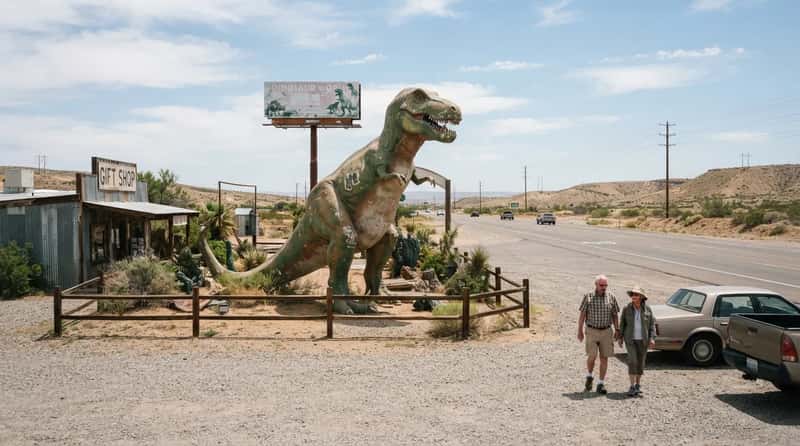
You’ve seen the signs: giant billboards counting down the miles, promising something unmissable just ahead. First-timers almost always stop. Veterans almost always don’t.
Road trips run on spontaneity, but not every heavily advertised stop lives up to the promise. In many cases, the billboard does more work than the actual attraction ever could.
These roadside stops can be a sneaky way to get you spending on tacky souvenirs or a “historic” site that’s seen better decades. The buildup rarely matches the payoff.
Researching hidden gems in advance saves money and delivers a more authentic experience. The best roadside stops are almost always the ones nobody advertised.
#4 is the one that costs the most during peak season, and experienced drivers have cracked the timing code.
4. Traveling Peak Season Without Adjusting the Budget

Summer feels like the natural time for a road trip. But that instinct is shared by millions of other drivers, and the prices reflect exactly that.
Quick Compare
- Peak summer lodging: full price, limited availability, heavier traffic
- Shoulder season (spring/fall): can run nearly half the peak-season rate
- About 91% of summer trips are taken by personal vehicle, which builds congestion
- Shifting a trip by three to four weeks can noticeably lower total hotel and fuel costs
Planning during shoulder seasons like spring and fall means avoiding crowds and paying less for gas, hotels, and attractions. In some regions, lodging can run nearly half the peak-season price.
About 91% of summer trips are taken by personal vehicle, and that concentration builds congestion. Congestion carries a real cost in fuel and time, even when it never shows up at the pump directly.
Shifting a trip by three or four weeks outside peak season routinely changes the total cost of hotels, campsites, and traffic-related fuel use. Veteran drivers chase better prices as much as better weather.
You’re close to the strongest entries on this list. #3 is the cost nobody tracks because it never shows up on a receipt.
3. Over-Planning the Itinerary and Paying for the Panic Bookings

Packing too many destinations into a road trip feels productive during the planning phase. On the road, it becomes one of the most expensive decisions a driver can make.
Trying to “see everything” means more driving, more hotels, and more last-minute extras. Doing too much comes with hidden costs, both financial and emotional.
Last-minute bookings in a city you didn’t plan to stay in are almost always priced at a premium. Building buffer days into the itinerary prevents that expensive scramble entirely.
Experienced drivers build slack into the plan on purpose. Flexibility, paradoxically, is cheaper than a rigid schedule that forces rushed decisions under time pressure.
#2 is the cost that’s somehow still catching experienced travelers off guard. And #1 is the one nobody talks about – but it’s where the real money goes.
2. Ignoring the Vehicle Costs That Show Up After You Get Home
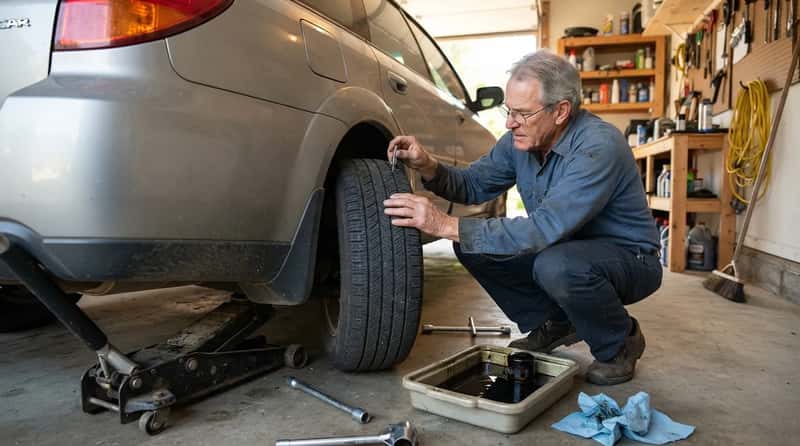
The trip ends, you pull into the driveway, and the spending feels done. For most first-timers, it’s actually not.
Budgeting for expenses that appear after you return – vehicle servicing, cleaning fees, worn equipment – is part of how experienced drivers manage the real total cost of a trip. It never sneaks up on them.
A long highway drive quietly eats through tire tread, stresses brake pads, and pushes oil-change intervals past their limit. Veteran drivers always budget a cushion for repairs before they leave, not after.
First-timers absorb these costs as surprises weeks later. Repeat drivers fold them into the original budget, so nothing sneaks up on them mid-trip.
Everything on this list has been building toward #1 – the single most consistently overpaid road trip cost, and the one hardest to see until you’ve made the mistake yourself.
1. Booking Lodging Without Comparing the Total Price

This is the one that stings most, because it looks like a great deal right up until the moment you check out. The listed rate and the real rate are rarely the same number.
The U.S. Federal Trade Commission’s Rule on Unfair or Deceptive Fees took effect May 12, 2025. It requires short-term lodging sellers to display the total price more prominently, including mandatory fees, though government taxes are still excluded.
Resort fees, destination fees, “amenity” fees, and cleaning fees can add $15 to $50 per night on top of the listed rate. Over a multi-night trip, that quietly inflates a budget that looked fine on paper.
Experienced drivers filter searches by total price, not nightly rate, and read the fee breakdown before confirming. Once you’ve been burned by a surprise $45 resort fee on a motel that wasn’t even a resort, you never skip the fine print again.
The Bottom Line
The difference between a road trip that runs over budget and one that doesn’t isn’t luck. It’s a set of specific habits that experienced drivers quietly build over their first handful of trips.
Fast Facts
- Rental insurance overlap: often already covered by a credit card or personal auto policy
- E-ZPass vs. pay-by-mail tolls: savings of up to 75–77%
- Hotel resort and destination fees: commonly $15–$50 per night on top of the listed rate
- Shoulder-season travel: can cut lodging costs by close to half compared to peak summer
Stop buying duplicate insurance at the rental counter. Get the annual park pass before your second park visit.
Use a transponder instead of paying toll-by-plate rates. Check parking fees before booking, not at check-in.
And always expand the total price on your lodging search before you book. Most of these mistakes cost between $50 and $200 each, and most first-timers make several of them on the very same trip.
Which of these did you learn the expensive way? Drop it in the comments – there might be one we missed.
Bonus: The One Pass Swap That Beats Every Tip Above
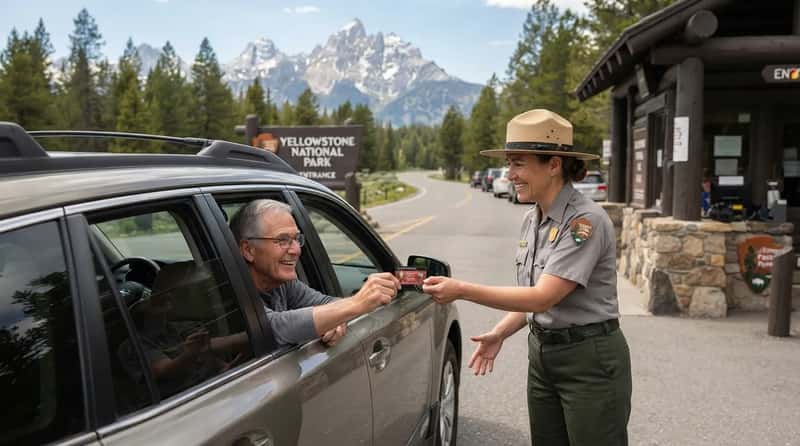
If you’re 62 or older, skip the regular $80 annual America the Beautiful pass mentioned earlier – it isn’t the best deal for you.
The National Park Service sells a separate Senior Pass exclusively to U.S. citizens and permanent residents 62 and up, and it’s the single best-value pass on this entire list.
- Senior Annual Pass: just $20 for a full year, one-quarter the price of the standard $80 annual pass
- Senior Lifetime Pass: a one-time $80 fee that never expires – pay once, and you’re covered for every road trip for the rest of your life
- Both versions cover the pass holder plus up to three additional adults at per-person sites, or everyone in the vehicle at per-vehicle sites
- Some sites also knock 50% off amenity fees like camping and boat launches for pass holders
Buy it in person at a park entrance with proof of age and residency and there’s no processing fee at all. If four annual passes are more convenient upfront, they can later be traded toward the lifetime version, so nothing you spend is wasted.
This is the one upgrade nobody at the gate volunteers to tell you about – because unlike everything else on this list, it isn’t a habit you build over several trips. It’s a five-minute swap you can make before your very next one.