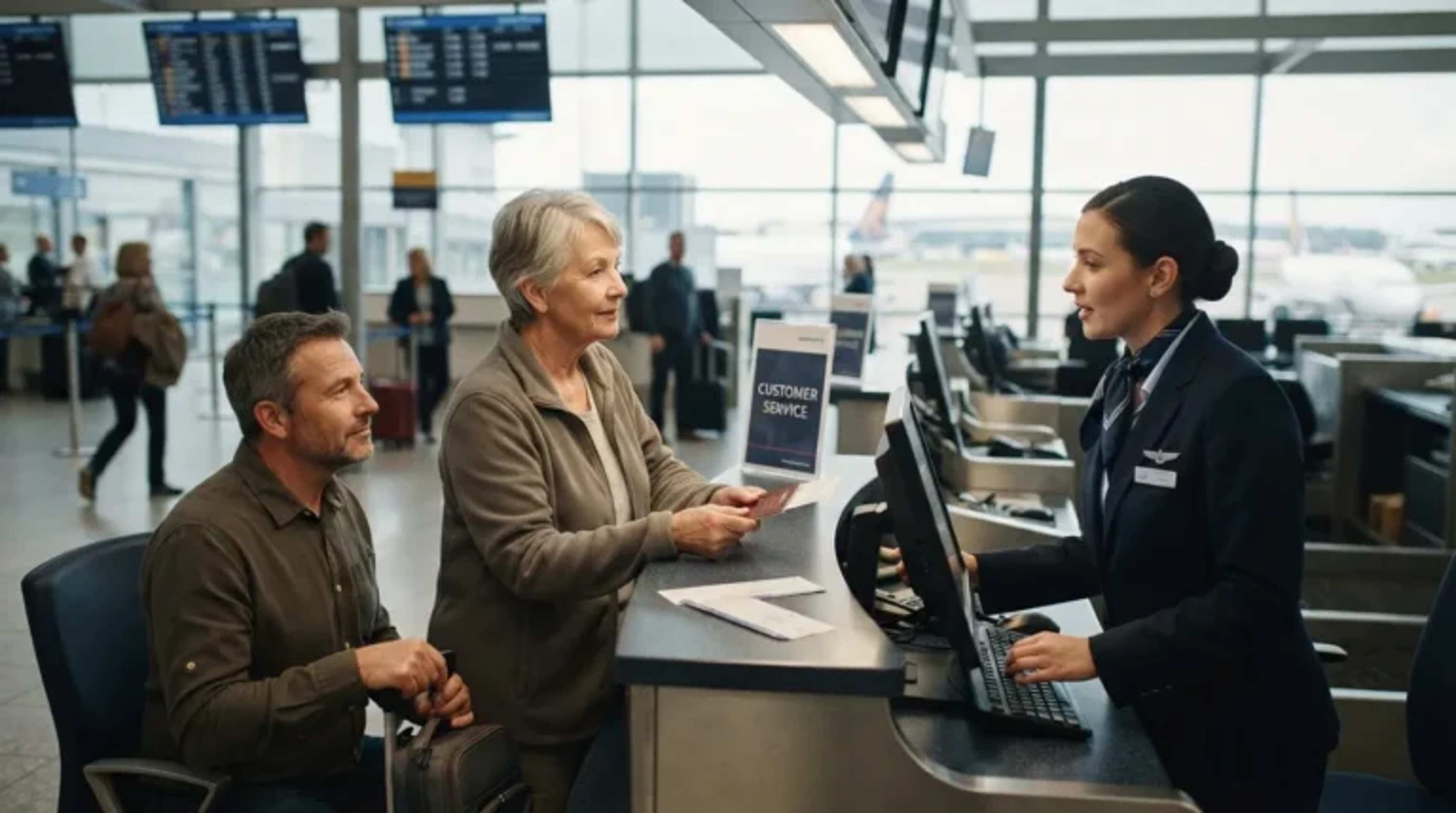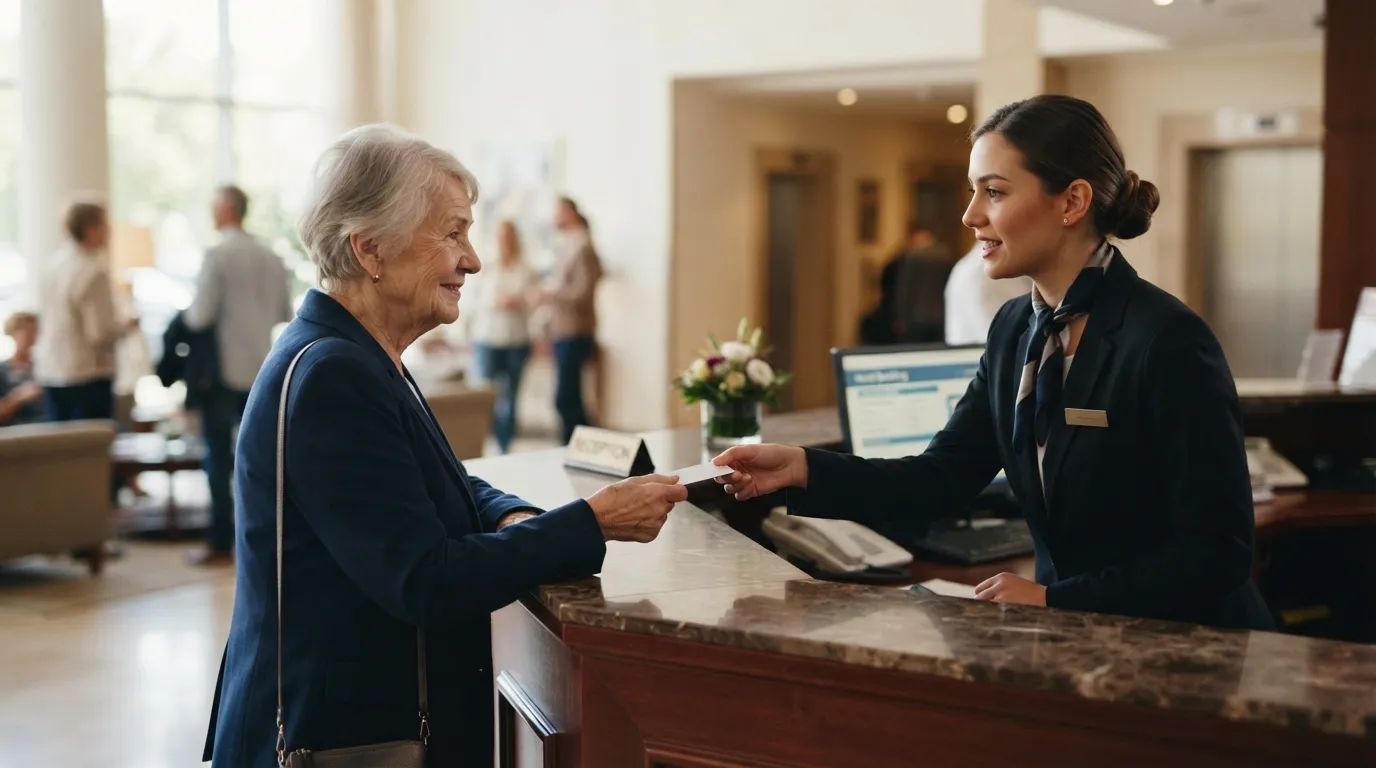
Most people picture a hotel upgrade as a bigger view or a higher floor. For guests over 70, the real upgrade is often something nobody photographs: a room that is simply easier to get through at 3 a.m. Plenty of front desk teams know this, and they quietly make these swaps the moment a guest mentions a need once.
Practices vary by property, and some of these fixes still depend on a guest speaking up. But the changes below come up again and again in accessibility rules and in what experienced hotel staff do. A couple of them will change what you think “a nice room” means. And the last one is the one most guests never think to request.
#13 – The Room Closest to the Elevator Gets Reassigned Fast
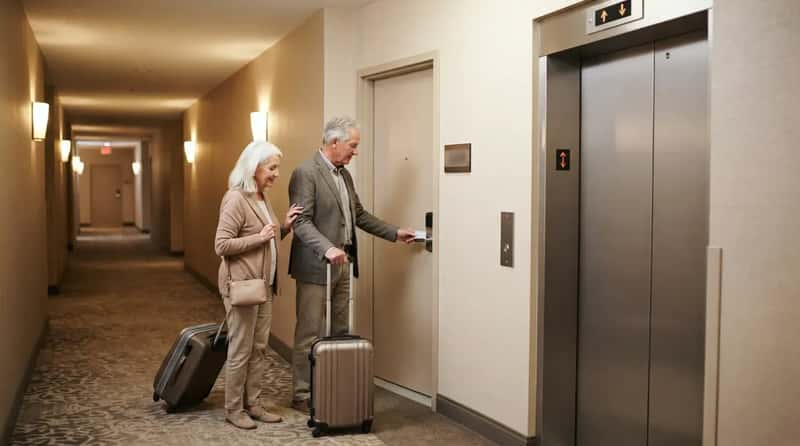
A long hallway can feel like a marathon after a full day of travel. Many front desks move older guests to a room near the elevator the moment they hear “long flight” or “bad knees.” Suddenly the distance from the lobby to the bed is the whole point of the assignment.
The reasoning is practical. Falls are the leading cause of injury among adults 65 and older, and the CDC reports that more than 1 in 4 older adults fall each year. Fewer steps with luggage means fewer chances for a stumble. There’s a catch, though: a room right beside the elevator can be noisy, so keep reading.
At a Glance
- Best for: guests with luggage, sore knees, or a long travel day behind them
- Smart ask: a room a few doors from the elevator, not directly beside it
- Trade-off: a shorter walk, but possibly more door and hallway noise
- Plot twist: this exact tension returns in entry #2
#12 – Low Floors Quietly Beat Scenic Top Floors
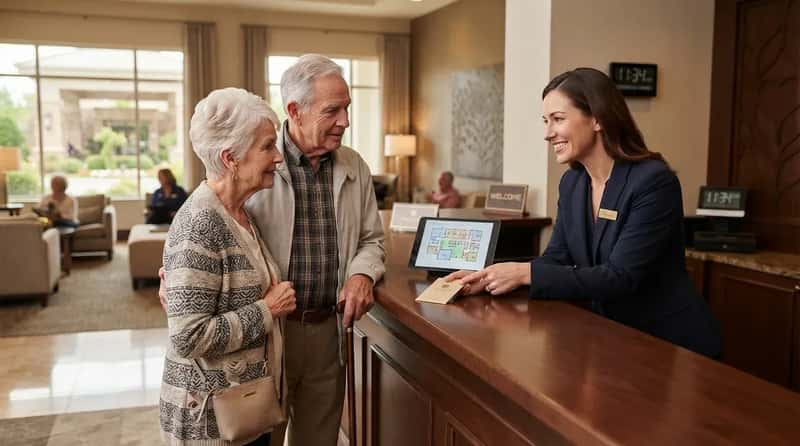
Here is an opinion that splits travelers: the corner suite on the 14th floor may be the worst choice for a guest in their seventies. Many staff lean toward lower floors for older guests who have trouble with stairs. In an emergency, a lower floor means a much shorter way out.
Standard fire safety guidance tells people not to use elevators during a fire. That makes a high floor a real consideration for anyone who can’t manage stairs quickly. Some guests argue the view is worth it, and that is fair. But a thoughtful desk agent will at least ask before handing over the penthouse key.
If a lower floor isn’t open, the next move is to ask which rooms sit closest to the exits. That conversation is far easier at the desk than in a crowded hallway at midnight. Still, the biggest hazard in many rooms isn’t the floor number. It’s what’s sitting on the floor.
#11 – That Decorative Ottoman Disappears Before the Guest Arrives
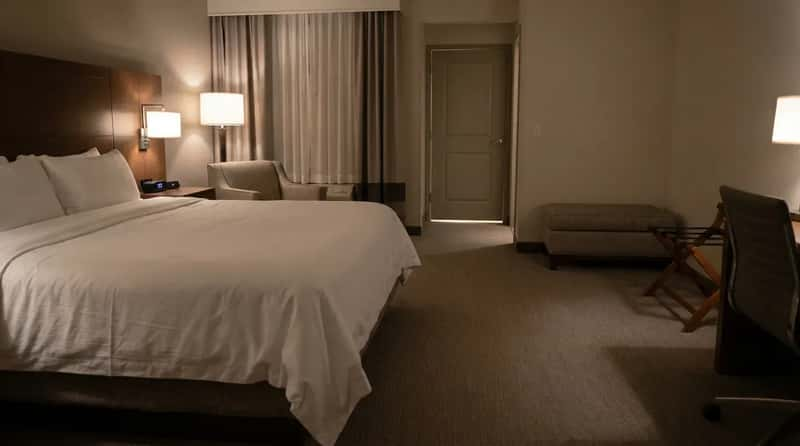
Hotel rooms are staged for photos, not for walking at 3 a.m. Low ottomans, extra luggage racks, and accent chairs can turn the path from bed to bathroom into an obstacle course. Housekeeping will often pull them out of the way on request.
This matters because many falls, at home and away, happen on the way to the bathroom at night, when people are groggy and the room is unfamiliar. A clear walking lane takes about two minutes to create. Guests rarely think to ask for it, which is why attentive teams offer it first.
- Low furniture is moved to a wall
- Loose cords are tucked away
- Rugs that curl at the edge are removed or flattened
It’s the cheapest safety upgrade in the building, and it looks like nothing happened at all. The next change is a lot easier to see.
#10 – Brighter Bulbs and Night Lights Show Up Without a Fuss
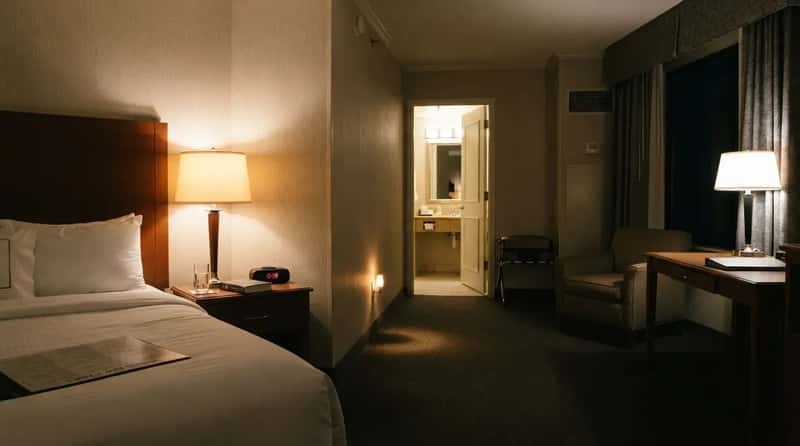
Moody lamp lighting looks great online. It is a poor match for older eyes. Many hotels keep spare night lights and higher-wattage bulbs at the desk or with housekeeping for exactly this reason.
The honest truth is that dim “ambiance” lighting is a design choice, not a safety choice. A plug-in night light along the path to the bathroom is a simple, low-cost fix. Some properties will also leave a bedside lamp on for a late check-in, so the first minutes in the room feel welcoming instead of confusing.
Good lighting also helps with reading menus, medication labels, and room keys. Next up is the bathroom, where the biggest swaps happen.
#9 – A Shower Chair Appears, and Nobody Makes It Awkward
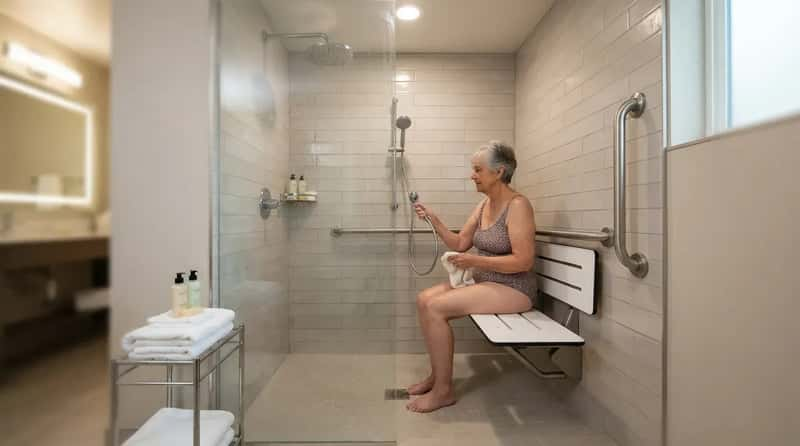
Showers are where the stakes rise fast. Wet tile, hot water, and a tired traveler make a risky mix. Hotels that follow accessibility standards can offer shower seats and grab bars, and good staff hand them over without a speech.
Under U.S. accessibility rules, accessible guest rooms include features such as grab bars in the bathroom, and many offer a fold-down or portable shower seat. A guest doesn’t have to prove a disability to ask politely for a room that works better for them, though availability depends on the property. A good agent treats the request as routine.
Desk staff also know a quiet truth: a chair is only half the fix. Sometimes the tub itself is the real problem.
#8 – The Deep Tub Room Gets Traded for a Walk-In Shower
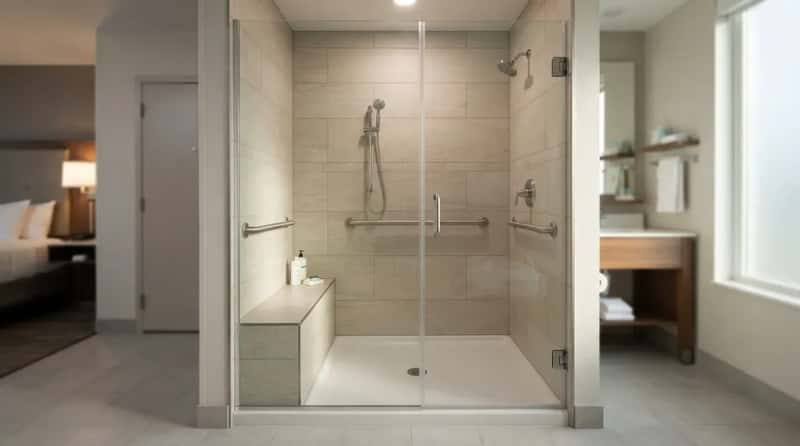
Here’s a take that bothers some travelers: the “luxury” soaking tub is a poor fit for many guests over 70. Stepping over a high tub wall onto a slippery surface is exactly the move many older adults would rather skip. So desk teams often switch them to a room with a walk-in or roll-in shower.
Accessible rooms may come with roll-in showers, which have no raised lip to step over. Some standard rooms also have low-threshold showers. The swap often costs the guest nothing if the room type is available at the same rate. When it isn’t, a good agent will explain the options honestly.
Quick Compare
- Deep soaking tub: biggest step-over and a slick surface right where you land
- Standard walk-in shower: no tub wall, though a small threshold may remain
- Roll-in shower: no raised lip at all, but limited to accessible rooms
It isn’t flashy, but it can decide whether a trip feels relaxing or stressful. And the next change has nothing to do with the bathroom. It has to do with the thermostat.
#7 – Rooms Get Warmed Up Before Check-In
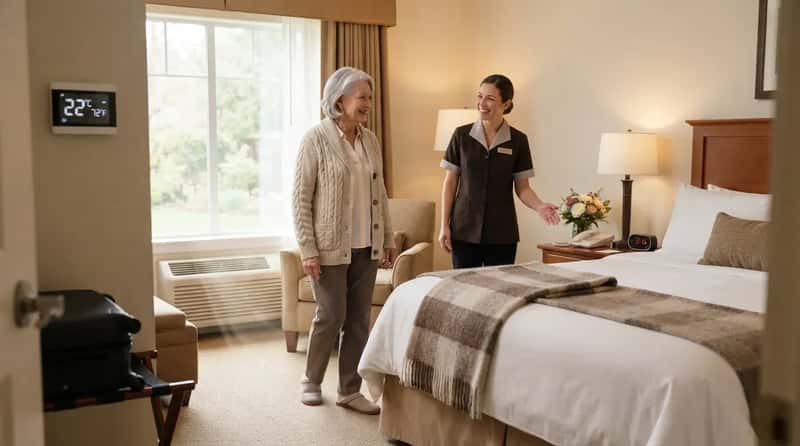
A room that feels crisp to a 30-year-old can feel icy to someone in their seventies. Some front desks will ask housekeeping to adjust the thermostat before a guest walks in. Extra blankets are another common request that is easy to grant.
The National Institute on Aging notes that older adults can lose body heat faster and may not notice they are getting cold. That’s why a chilly room is a bigger deal than it sounds. Hotel air conditioning is often set low in summer, which can leave a guest shivering by midnight.
Temperature is only one way staff can prep a room. The next one involves something many guests are shy about asking for.
#6 – A Mini-Fridge Shows Up for Medications
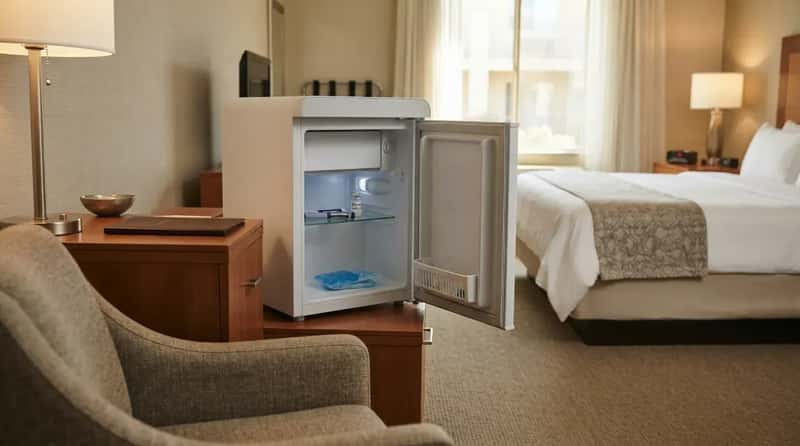
Some medications, including certain insulin products, must be kept cold. Many hotels will bring a small refrigerator to the room on request, sometimes at no charge for medical needs. Staff hear this request often, and the best teams treat it as routine.
Guests sometimes assume the minibar is their only option. It usually isn’t a good one, because many minibars use sensors that charge when an item is moved. A dedicated fridge keeps medication separate from snacks and surprise charges, and it avoids a billing mix-up at checkout.
Worth Knowing
- Ask when you book, not at 10 p.m. at the front desk
- Confirm whether there is a fee, since policies differ by property
- Check the storage temperature on your medication with your pharmacist beforehand
- Have the fridge delivered before you arrive, not after you unpack
This is one of those details a guest may not mention until they are already in the room. Smart teams offer it at check-in. The next item is about a different kind of need: power.
#5 – Outlets Near the Bed Matter More Than Anyone Admits
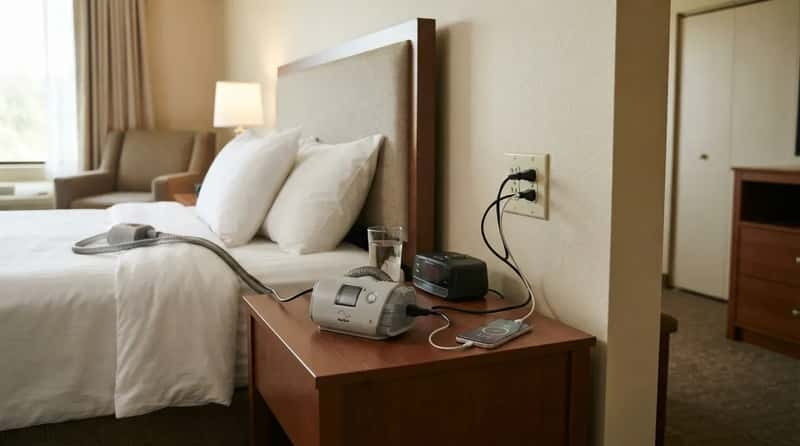
Sleep apnea machines, phone chargers, and medical devices all need power within arm’s reach. In older hotels, the only free outlet may be behind a dresser across the room. Front desks that know this will offer a room with a bedside outlet or send up an extension cord.
The problem is a safety issue as much as a convenience one. A cord stretched across a walkway is a trip hazard, and a travel CPAP that can’t reach the bed is a bad night waiting to happen. Some hotels keep power strips and extension cords at the desk for this reason.
Powering a device is one thing. Hearing the alarm that protects you is another, and that is where the next change gets serious.
#4 – The Hearing Kit Nobody Knew to Ask For
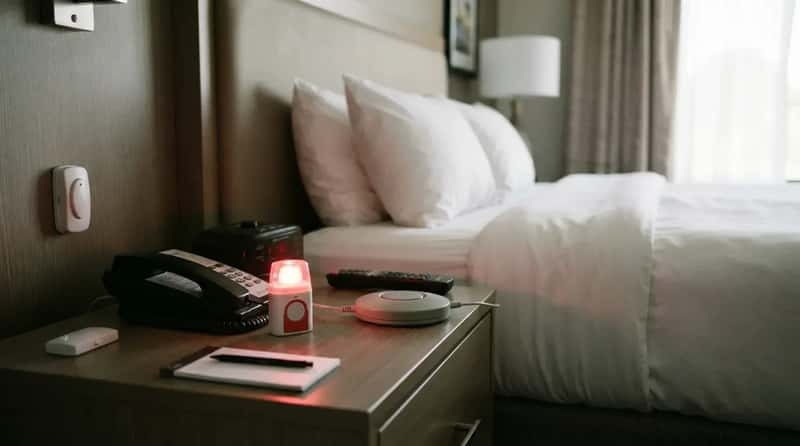
Many guests with hearing loss don’t realize hotels may have special equipment. It can include visual fire alarms, door knock alerts, and bed shakers that vibrate during an alarm. When a guest mentions trouble hearing, a good desk agent moves them to a room that has the kit installed.
Under U.S. accessibility law, hotels must be able to provide communication features for guests who are deaf or hard of hearing. Without a visual or vibrating alert, a guest who takes out their hearing aids at night might sleep through an alarm. That is exactly the scenario these kits are designed for.
Because so many guests are affected, some staff argue this should be offered at every check-in for older travelers. Not everyone agrees, but the numbers make a strong case. Next, the small comforts that make a room feel usable.
#3 – Remotes, Phones, and TVs Get a Quick Reset
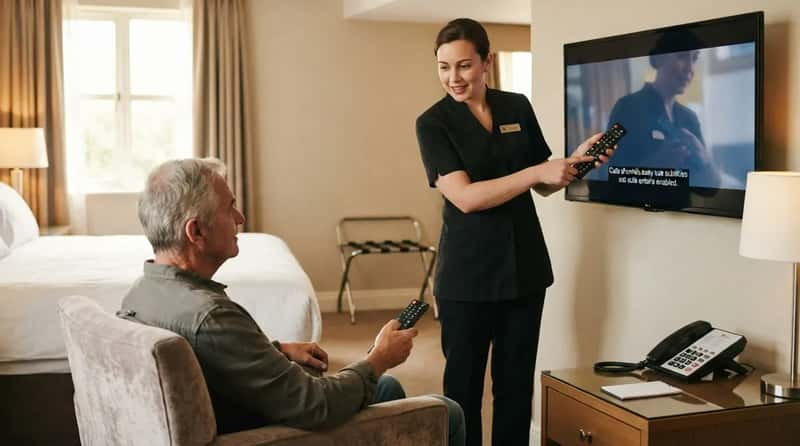
A confusing remote can ruin the first twenty minutes in a room. Staff who work with older guests often walk them through the TV, turn on captions, and set the volume before leaving. Some hotels also keep large-print guides or phones with bigger buttons on hand.
It sounds small, but it solves a real frustration. Many modern hotel TVs hide basic controls behind multiple menus and streaming screens, and the front desk is only a phone call away if the guest can work the phone. A thirty-second setup prevents a lot of late-night calls.
Fast Facts
- Captions switched on and volume set before the agent leaves
- Wake-up call confirmed in plain language
- Wi-Fi password written down, not just recited
- Room number repeated so it sticks
These steps feel like courtesy, not a special program. The next change tackles the thing guests complain about most.
#2 – The Room Away From the Ice Machine and Elevator Hum
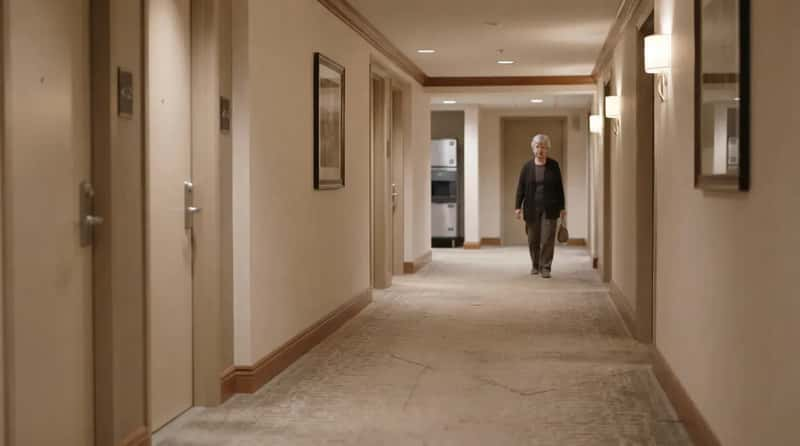
Noise is the quiet saboteur of hotel stays. Ice machines, elevator doors, and late-night hallway traffic can wreck a night’s sleep. Many agents steer older guests, who may sleep more lightly, to rooms at the end of a hall or away from those spots.
There’s a real tension here with entry #13. Close to the elevator saves steps but adds noise, and desk teams have to weigh the two. The best agents ask which matters more to the guest instead of guessing. That small question separates real service from a default room assignment.
Which brings us to the change no checklist captures, and the one that may matter most.
#1 – A Room Close to Help, With Someone Who Knows Their Name
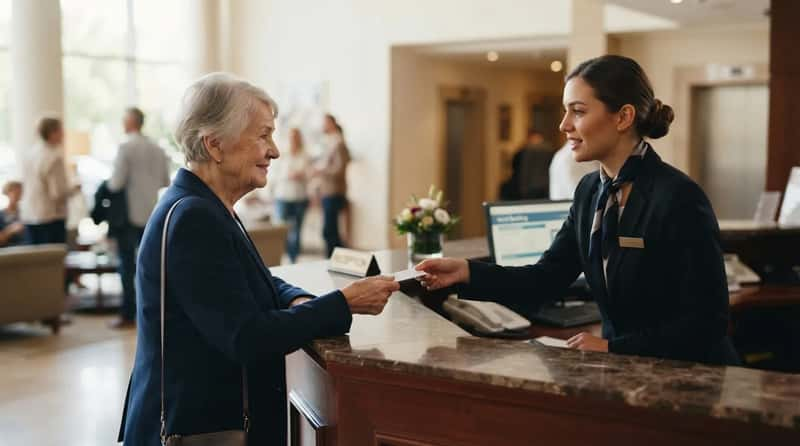
The most meaningful change is the least physical. Some front desk teams place older guests, especially those traveling alone, in rooms within easy reach of the front desk or staff areas. They also make sure the agent on shift knows who they are.
This is a judgment call, not a rule, and some guests would rather not be singled out. The best teams offer it quietly and let the guest decide. A simple “call us for anything, even small things” can change how safe a stay feels, especially for someone far from family.
That’s the real test of hospitality. It isn’t the thread count or the lobby. It’s whether someone noticed what you needed before you had to say it twice.
Not every property will do all of this, and a polite request still helps. But the next time you check in with a parent or grandparent, one question at the desk may change the whole stay.
Which of these would you have asked for first?