If you’re a U.S. citizen or permanent resident aged 62 or older, $80 once buys a Senior Pass that never expires. These 13 details decide how much that card really saves you.
Miss them and you pay real money at the gate, the campground and the boat ramp. Hold on for the last item, because it puts your $80 beside what everyone else pays.
First, the cheapest way in.
#13 – The $20 Pass That Costs Little to Try
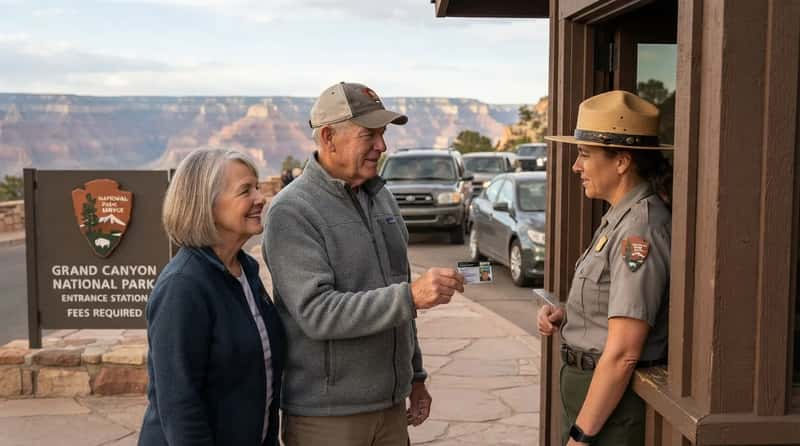
The Senior Annual Pass costs $20 for a full year, a quarter of the lifetime price.1 It carries the same entry benefits and the same expanded amenity discount.
That makes it a low-risk first buy. At per-person sites, the resident charge runs about $10 to $20 each, so two visitors can recover the $20 in a single stop.
Not sure how often you’ll go? Start here, because every annual pass you buy counts toward the lifetime one.
Those $20 passes have a second life, and it can end with a lifetime pass at no extra cost.
#12 – Four $20 Passes That Add Up to Free
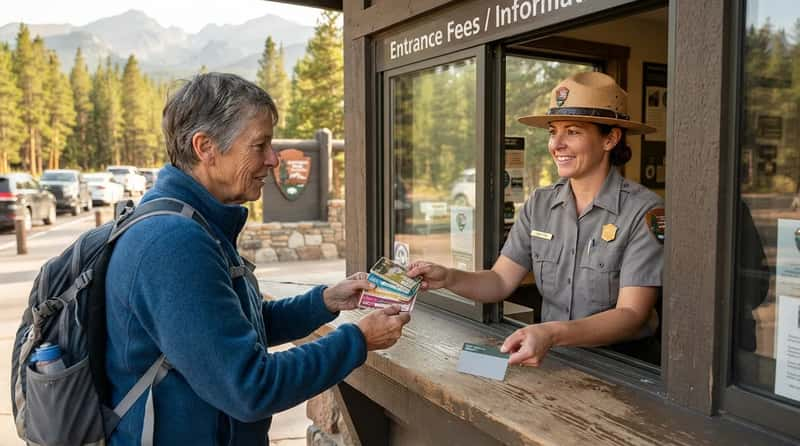
Each annual pass you turn in takes $20 off the $80 lifetime price, even if it has already expired.2 Here’s how the math runs:
- One annual pass: lifetime costs $60
- Two annual passes: $40
- Three annual passes: $20
- Four annual passes: free
You make the swap in person at any federal site that sells passes. So that $20 pass from the last item is a down payment, not a sunk cost.
Keep every expired card. Five annual purchases without a trade-in add up to $100, which is more than the lifetime pass ever costs.
Where you buy matters too, because one route quietly adds a fee that the other skips.
#11 – The $12.50 You Pay for Ordering Online
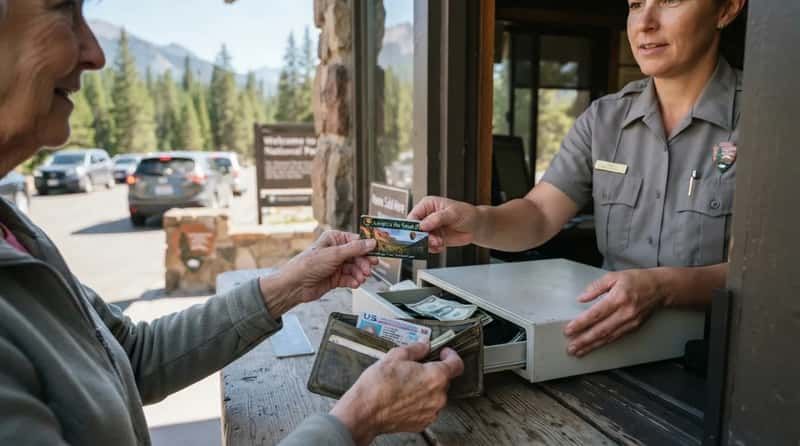
A physical card from the USGS online store adds a $5 processing fee and a $7.50 handling fee. That puts a lifetime pass at $92.50 and an annual at $32.50.2 3
Buying in person at a federal recreation site adds no fee. The extra $12.50 is more than 15 percent on the lifetime price and more than 60 percent on the annual.
Quick Compare
- Lifetime pass: $80 in person, $92.50 online
- Annual pass: $20 in person, $32.50 online
- Online surcharge: $12.50 on either pass
Bring proof of your age and your residency or citizenship, such as a driver’s license or passport.
And if you’ve held a senior card since before 2007, you may not need to buy anything at all.
#10 – The Golden Age Passport in Your Drawer
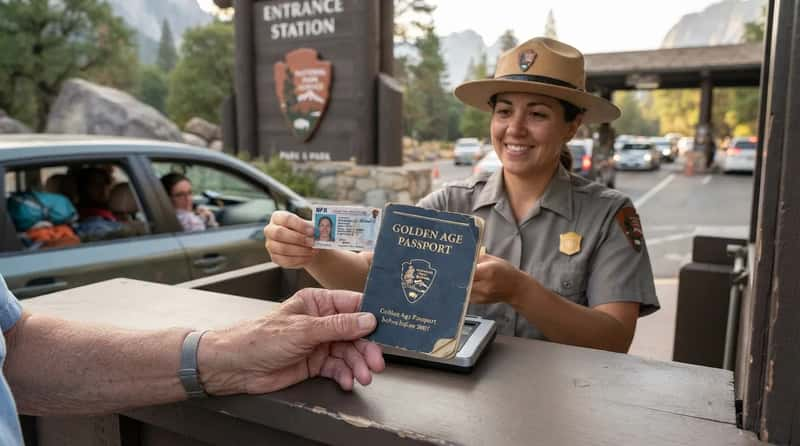
An old Golden Age Passport converts to a lifetime pass at no charge. Golden Age Passports are valid for life, so if you still own one, it still works at the gate.1
To swap it for a newer pass, go in person to a site that issues passes. Bring the old pass and a photo ID.1
The Golden Age Passport was the predecessor to today’s pass and was issued before 2007. The swap is optional, but worth doing if yours is worn.
Once you’re at the gate with a valid card, the next question is who gets in with you.
#9 – Four Adults Walk In at Per-Person Gates
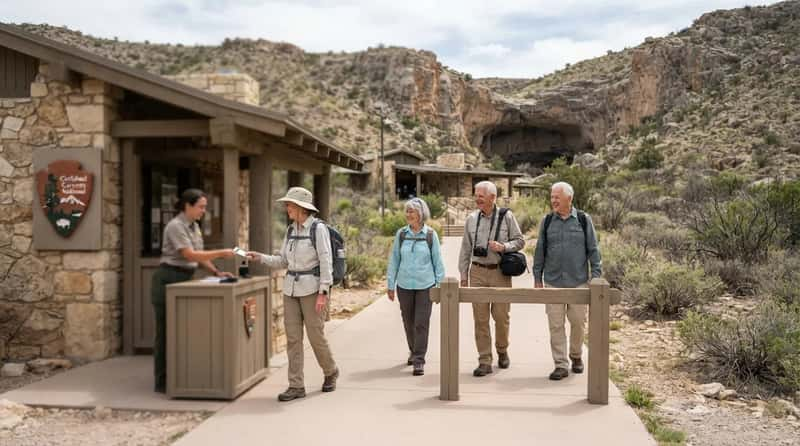
Where a site charges per person, the pass admits you plus three adults, not to exceed four adults. Children under 16 are always admitted free.
That covers you, a spouse and two adult children. A fifth adult pays the applicable fee.
The pass covers you plus three adults at per-person sites. Check how the site posts its fee before you decide who rides with whom.
Per-vehicle gates count differently, and the difference can work in a big family’s favor.
#8 – One Pass Covers the Whole Car
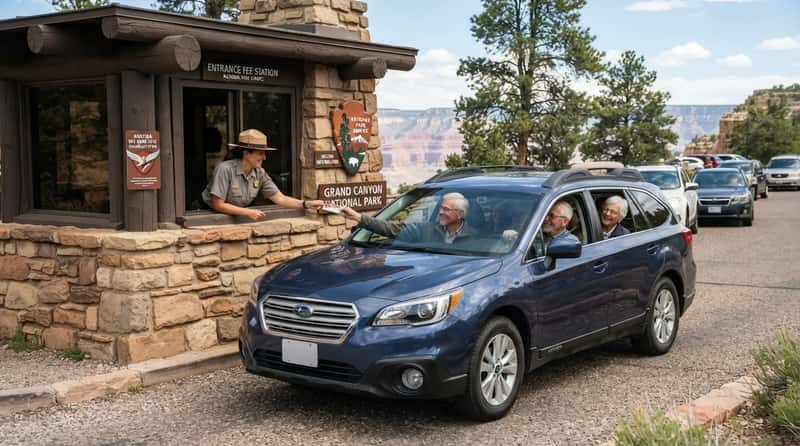
At a per-vehicle gate, headcount stops mattering. The pass admits you and your passengers in a non-commercial vehicle.
One pass covers every passenger in a private vehicle. Five adults in one car get in on a single card, while the same five at a per-person gate would include a paying fifth.
At a Glance
- Per-vehicle gate: you and your passengers in a private, non-commercial vehicle
- Per-person gate: you plus three adults, four adults maximum
- Motorcycles: the pass permits entrance for two
- Commercial tour vehicles: not covered by the rule
Now step away from the park gate, because this card works in places that have nothing to do with the Park Service.
#7 – Six Federal Agencies Honor the Same Card
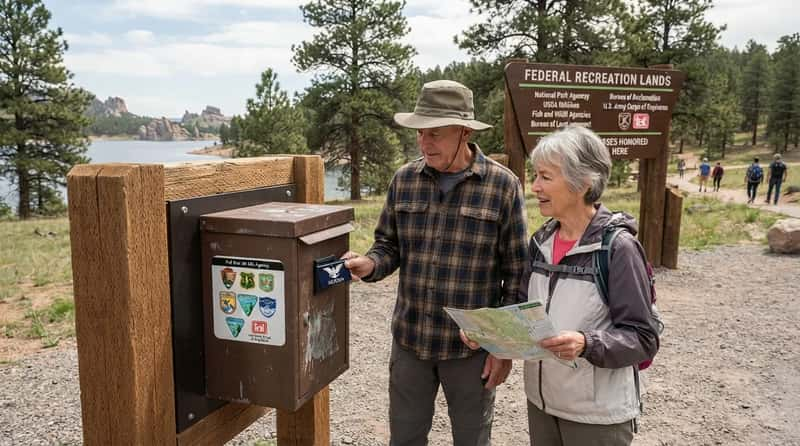
The pass covers entrance and standard day-use fees at more than 2,000 federal sites. Those sites are managed by six federal agencies, including national forests, Fish & Wildlife Service sites, Bureau of Land Management areas and national monuments.4
Only about 100 Park Service sites charge an entrance fee. So the pass earns part of its keep on land that isn’t Park Service land at all.
More than 2,000 sites, six agencies, one card. Show it at day-use areas in national forests, not just at park gates.
One agency that runs lakes and dams rather than parks takes half off the nightly camping fee.
#6 – Half-Price Camping at Federal Campgrounds
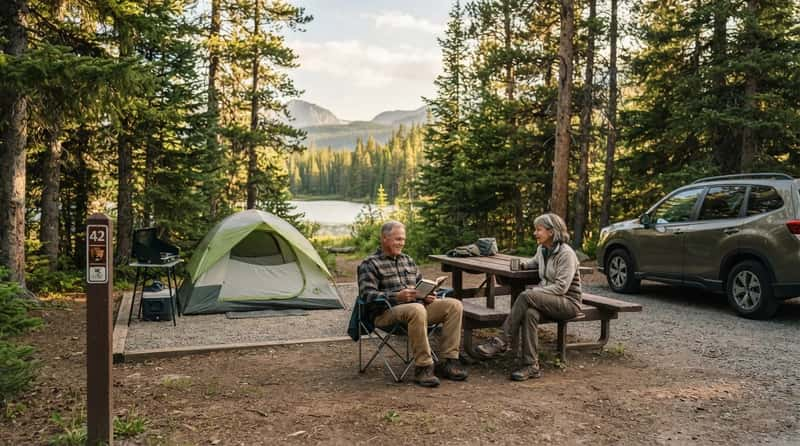
A campsite that normally costs $30 a night costs $15 with the pass. Senior Pass holders get 50% off camping fees at Corps-managed campgrounds, and the Forest Service gives Senior and Access Pass holders 50% off single family campsites.
Expect 50% off camping at many federal campgrounds. For anyone who sleeps outdoors, this can beat the gate waiver, which only matters at the roughly 100 sites that charge entry.
The boat ramp and the tour desk charge fees too, and some of those get cut as well.
#5 – Boat Ramps, Swimming and Guided Tours
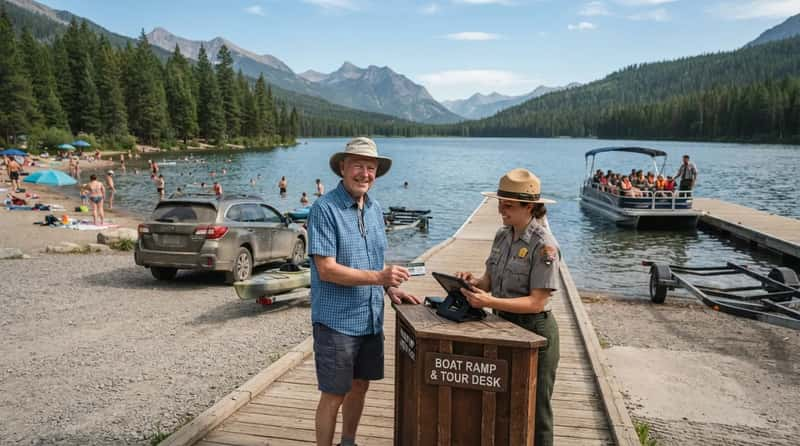
The National Park Service says the pass can take 50 percent off some amenity fees. That’s the kind of discount that never shows up on the sign.5
Fast Facts
- Swimming: may be half price at some sites
- Boat launches: included in the 50 percent discounts the NPS describes
- Guided tours: discounted at many sites, including select guided cave tours
- Where it shows up: often only when you ask at the desk
The word that matters is “some.” Ask for the pass rate at the ramp and the tour desk, and do it before you pay.
Then comes the rule that trips up groups, because the half-price rate follows one person only.
#4 – Your Friends’ Campsite Isn’t Half Price
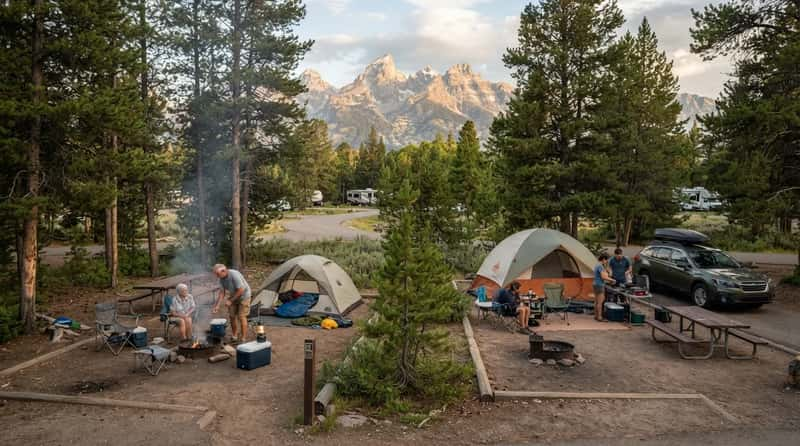
The camping discount only applies to the site the pass owner physically occupies, not to any additional sites booked by the party. So when two couples book two sites, only the pass holder’s site is cut.
The discount covers only the site you occupy. The $15 night from earlier applies to one site per card.
Even then, some places that charge you for a night’s stay never honor the card at all.
#3 – Places Where the Card Is Refused
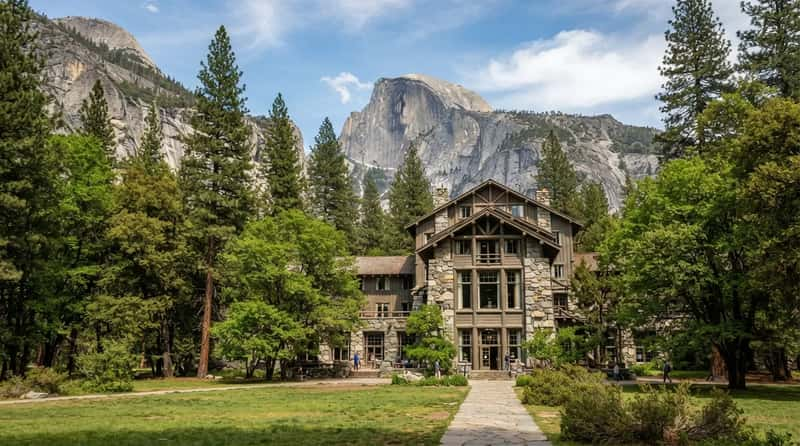
Lodge rooms in the big parks are a different business. The 50% discount doesn’t usually apply at concessionaire-run sites, such as those run by Aramark in Yosemite or Xanterra in Death Valley.
The pass also doesn’t cover special day-use or backcountry permits that may be required in popular parks. Each park manages its timed-entry, day-use and wilderness permits independently of the pass system.
The pass won’t discount concession lodging or backcountry permits. Don’t build a lodge discount into your budget, because the card doesn’t promise one.
There’s one way to lose the card’s value that no fee booth can fix, and it costs full price to learn.
#2 – What Happens If the Card Goes Missing
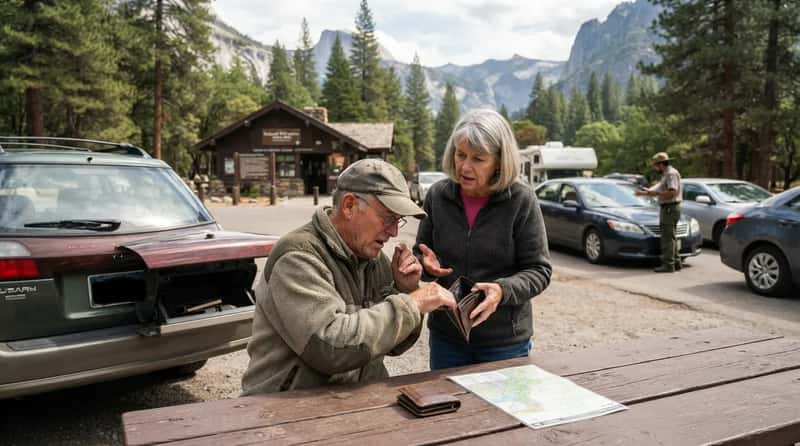
If a Senior Pass is lost or stolen, you’ll need to buy another one. For a lifetime pass, that means paying the full $80 again.
Worth Knowing
- Lost or stolen: no replacement, so you buy a new pass
- Damaged: replaceable if a portion is identifiable and you show proper identification
- Golden Age Passport: swap a worn one early
Keep the card in your wallet rather than the glove box, because a car is where cards get lost or stolen.
The last item sets your $80 beside what other visitors pay, including one group charged $250.
#1 – The Same $80 Buys Everyone Else One Year
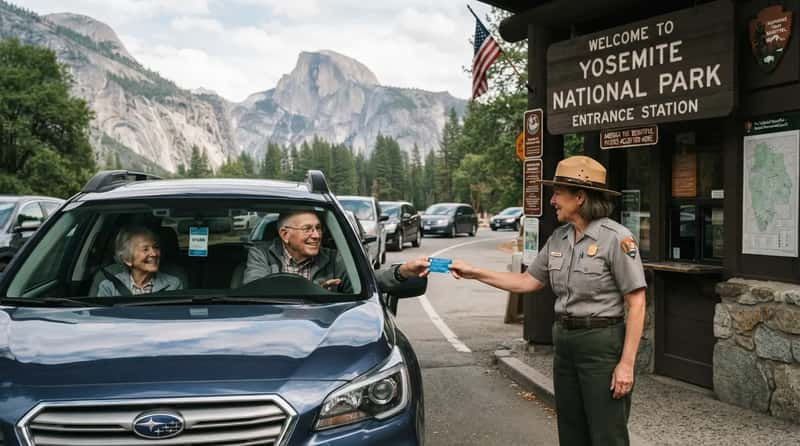
The standard annual pass for the general public costs $80, the same price as your lifetime Senior Pass. It covers entrance and standard amenity fees, but not the expanded amenity discount.1
- Senior lifetime pass: $80 once, with the camping discount
- Standard annual pass: $80 a year, without it
- Nonresident annual pass: $250, and nonresidents can’t get the Senior Pass6
Your $80 buys a lifetime of access, while everyone else’s $80 buys 12 months. Camping alone can cover the cost.
Six nights at the $15 saving from earlier return $90, more than the whole pass.
The pass doesn’t cut fees on its own. At the ramp, the tour desk and the campground office, the discount arrives only when you show the card and ask.
Make that a habit before the total is rung up. Rules vary by site and fees change, so confirm current prices on the National Park Service passes page before you apply.
On your next trip, which fee will you ask the pass to cut first: the campsite, the boat ramp or the guided tour?
#14 – The Bonus Tip Nobody Shares: Apply the Discount Before You Book
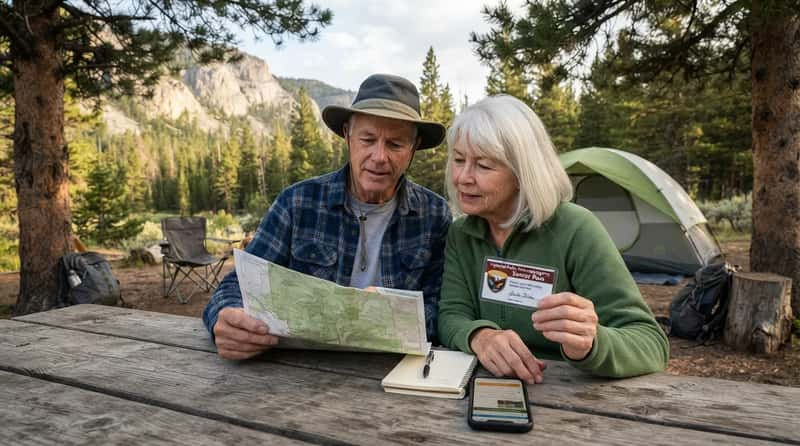
Most holders only show the card at check-in, which means they can miss the discount at the moment they pay. On Recreation.gov, you can apply your pass while you book.
- Step 1: Log in to Recreation.gov, open your account menu and choose My Passes, then Interagency Passes. Enter your pass type and number.
- Step 2: Saving the number does not automatically discount your reservations. You must choose the pass discount option on each booking, because individual facilities set their own policies.
- Step 3: Check the total before you pay. If the discount doesn’t appear, call the campground before you confirm, since not every site is eligible.
- Step 4: At check-in, show the physical card and a photo ID, and ask whether the discount applied to your site.
Do this once at home before booking season, so your pass number is ready when a popular campground’s dates open.
- NPS Entrance Passes: https://www.nps.gov/planyourvisit/passes.htm
- FedLaws Senior Pass Guide: https://fedlaws.org/america-the-beautiful-senior-pass-eligibility-cost-and-how-to-buy/
- USGS Store Pass Wizard: https://store.usgs.gov/pass-wizard
- USGS Store Senior Annual Pass: https://store.usgs.gov/senior-annual
- NPS Federal Pass Program: https://www.nps.gov/adam/planyourvisit/federal-pass-program.htm
- NPS Entrance Passes Overview: https://home.nps.gov/planyourvisit/passes.htm?os=app