Most travelers over 60 shuffle through the exact same exhausting airport routine as everyone else – the long lines, the overhead bin scramble, the boarding crowd crush – completely unaware that a single, well-phrased conversation at the gate podium could change every bit of that. There’s a wide range of accommodations buried inside airline policies and federal law that can transform senior travel from an ordeal into something genuinely comfortable. The gate agent at that podium has far more power to improve your day than you’d ever guess. But here’s what experienced travelers actually know: you have to ask.
The gap between the traveler who knows and the one who doesn’t isn’t about elite status or expensive tickets. It’s about vocabulary – knowing the right phrase, the right moment, and the right tone. Some of what’s on this list is discretionary. Some of it is federal law. And a few of these will genuinely surprise people who’ve been flying for decades. Here’s what the insiders actually do.
#13 – They Quietly Flag Your Profile So Staff at Every Gate Already Know You’re Coming

Most travelers think gate-level accommodation starts and ends at the gate. Experienced travelers over 60 know it actually starts the moment you speak to anyone in the terminal. Most major U.S. airports have a dedicated special assistance counter, and walking up to it is the single most powerful move most seniors never make – because one conversation there sets off a chain reaction of accommodations waiting at every checkpoint, every connection, and every gate on your itinerary. Staff at your connecting gate can already know your name before you arrive.
This works because gate agents coordinate with operations teams, manage oversold flights, and make real-time decisions about who gets what – and they can make notes on a traveler’s profile that follow you through the day. One polite request at check-in can ripple across your entire itinerary. Most passengers hand this advantage back without ever knowing it existed.
Fast Facts
- Special assistance notes can be added at check-in, at the gate, or ideally at the time of booking
- Notes travel with your reservation across all connecting flights on the same itinerary
- Operations staff, gate agents, and flight crew can all see flagged profiles before you arrive
- One 60-second conversation at a special assistance counter can set off a full day of accommodations
#12 – They Waive the Carry-On Tag and Let You Keep Your Bag Aboard

On full flights – especially regional jets with smaller overhead bins – gate agents routinely ask later boarding groups to gate-check their carry-ons. Seniors who pre-board sidestep this problem entirely: they’re settled in before the bin crunch ever starts. But the real move is what happens even when agents are actively tagging bags at the door.
If you have a tight connection, a medical necessity, or fragile items, you can ask the gate agent whether an exception is possible – and exceptions do get made. Gate agents have real discretion on bag calls, and phrasing your request around a medical need or a connection time crunch matters far more than most passengers realize. The boarding pass says economy. The conversation at the podium can quietly say something else.
#11 – They Arrange a Courtesy Electric Cart Without You Ever Requesting a Wheelchair
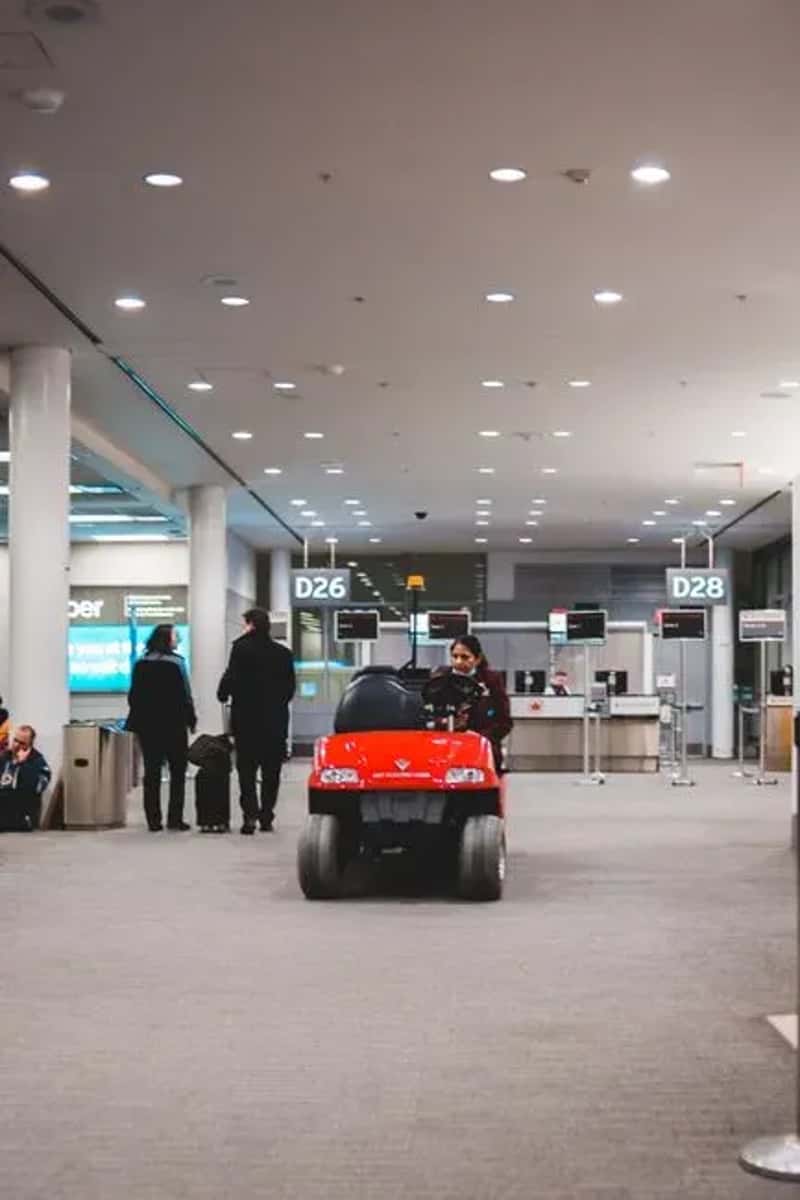
Most travelers assume airport electric carts are reserved for passengers in wheelchairs or with serious mobility problems – and that assumption costs a lot of senior travelers a lot of unnecessary walking. The reality is far more flexible. Courtesy carts run through airports nationwide for passengers who need extra help or have tight connections, and the key is simply asking – at the gate, at the service desk, or right at the terminal entrance when you arrive.
What makes this especially useful for travelers over 60 is the companion rule almost no one knows: a senior’s travel companion gets to ride along on the electric cart even if they aren’t the one requesting assistance – and both passengers get early boarding too. That’s two people who bypass the terminal walk and the boarding line with a single polite request. The experienced traveler asks before they start walking. The average traveler covers the whole terminal and wonders why they’re exhausted before takeoff.
#10 – They Honor a “Courtesy Boarding” Request That Isn’t Printed on Any Ticket
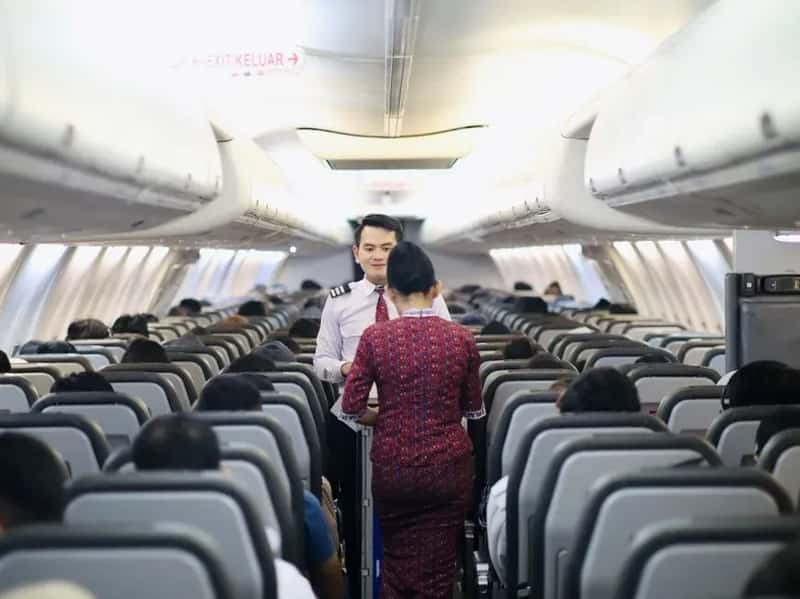
There’s a specific phrase experienced travelers over 60 have quietly added to their airport vocabulary – and it doesn’t appear on any ticket or airline website. “Courtesy boarding” is a real practice at multiple major U.S. carriers. United has a formal courtesy boarding option that includes senior travelers upon request, and Delta and Southwest follow similar practices. It’s entirely separate from disability-based pre-boarding and entirely separate from elite status. It’s discretionary hospitality, activated by asking.
Walking up to the gate agent calmly and saying “I’d like to request pre-boarding assistance due to mobility needs” means you board before the main crowd – no long lines, no overhead bin scramble, no being rushed. Agents hear hundreds of requests a day, and the ones phrased clearly and politely almost always get a yes. Vague requests get vague results. Specific, calm, polite requests almost always get results worth having.
#9 – They Move You to an Aisle or Bulkhead Seat That Was Never “Available” During Booking
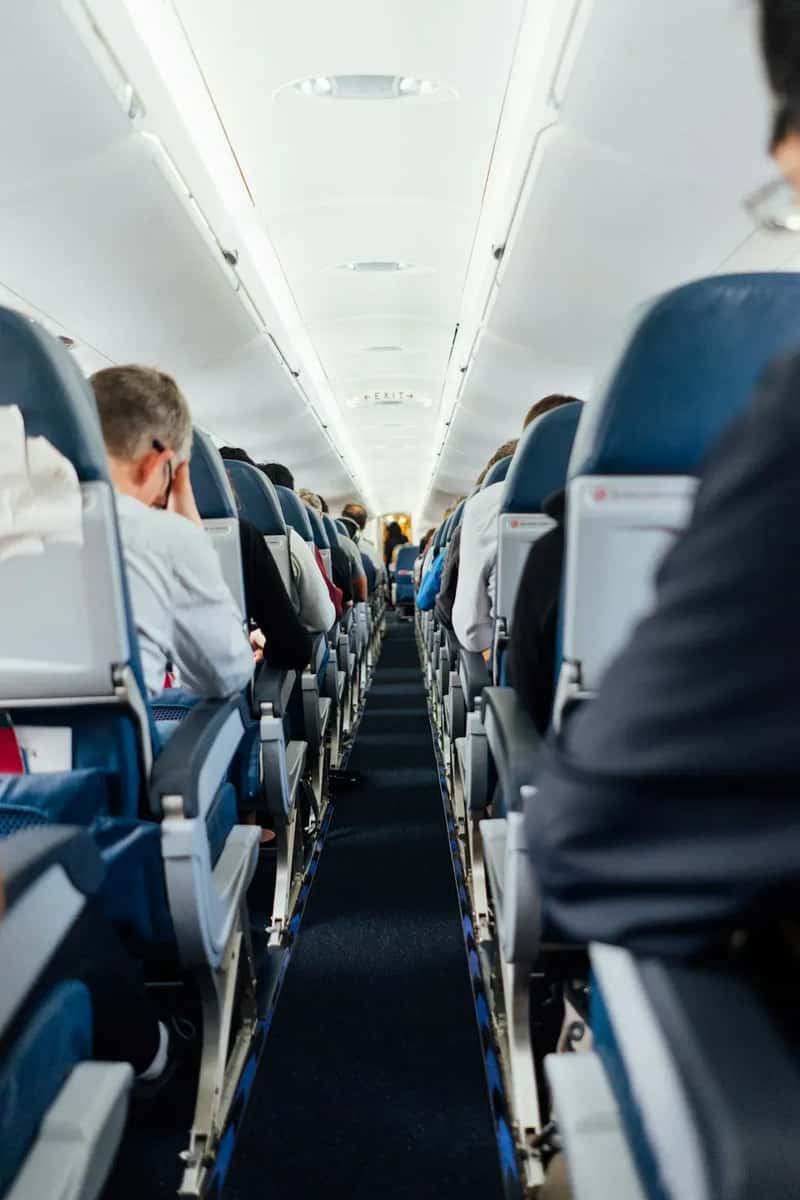
You may have tried to select an aisle seat online and found every good option grayed out or marked as a premium upgrade. What the booking screen doesn’t show you is that airlines hold a meaningful number of seats back for day-of accommodation requests – especially bulkhead rows and aisle seats near the front. Airlines generally prefer preventing in-flight discomfort over managing it mid-air, so reasonable requests for specific seating often get approved when those premium seats are still empty at the gate.
The key is in how you frame it. “I require an aisle seat due to a medical condition” or “My leg cannot bend – I need a bulkhead seat as a disability accommodation” activates federal protections. No begging, no extra fee – just claiming what the law guarantees. “I’d prefer an aisle seat” is a preference. “I need an aisle seat for a medical reason” is a protected request. Experienced travelers over 60 know the difference, and it shows on their boarding passes.
Quick Compare
- “I’d prefer an aisle seat” → treated as a preference, easily denied
- “I need an aisle seat due to a medical condition” → triggers federal seating accommodation rules
- “My leg is fused – I need a bulkhead seat” → legally mandated accommodation under 14 CFR Part 382
- “Can I get a better seat?” → no protection, no priority, no guarantee
#8 – They Quietly Extend a Pre-Boarding Pass to Your Travel Companion
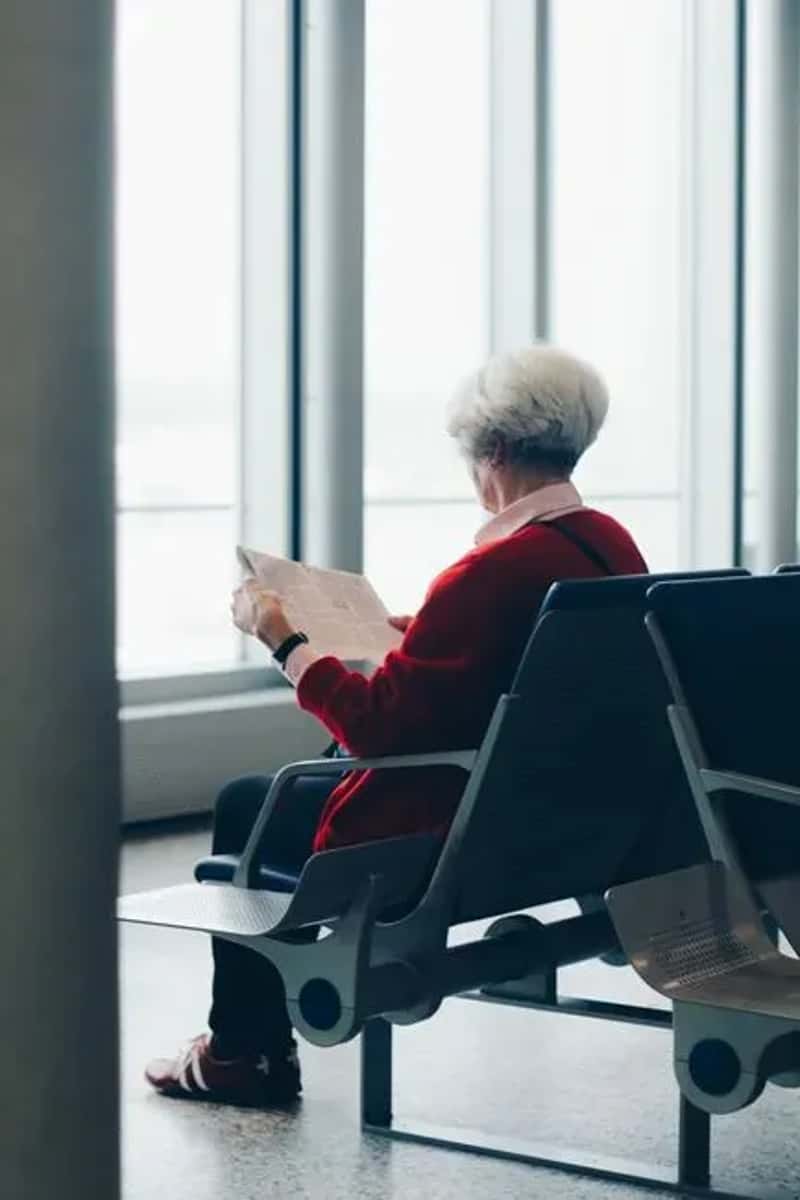
Here’s the part most people miss entirely. When a traveler over 60 successfully requests pre-boarding under the Air Carrier Access Act, that right doesn’t have to travel alone. Most airlines allow one travel companion to pre-board alongside you at no charge – and that companion perk alone is worth the 30-second conversation at the podium. Two people bypass the boarding rush, the aisle gridlock, and the overhead bin scramble – one of whom has a completely standard economy ticket with zero special status.
Pre-boarding lets you walk down the jet bridge at your own pace and settle into your seat before the aisle fills – reducing stress and lowering the risk of being jostled or rushed. The companion benefit turns a personal accommodation into a travel advantage for your whole party. Most people traveling in pairs never ask. Most experienced travelers always do.
#7 – They Process Your Special Assistance Request Before You Even Reach the Airport

Seasoned travelers over 60 have figured out a move that most people don’t think to make until they’re already at the gate: locking in accommodations at the time of booking, not the morning of the flight. Most airlines allow passengers to add mobility assistance under “special assistance” or “accessibility needs” during the booking process itself. Locking it in early means a crew member is assigned to you before you even arrive at the curb – and your reservation already carries a note that follows you through the day.
When that pre-request is in place, something important shifts: instead of you chasing help at every checkpoint, the help comes to you. The gate agent isn’t hearing your story for the first time when you approach the podium – they already know your needs, your flight, and what you’ll need to board comfortably. That’s the difference between hoping for help and engineering it before you leave the house.
At a Glance
- Request special assistance through the airline’s “Accessibility” or “Special Assistance” section at booking
- Follow up 24–48 hours before departure to confirm the note is active on your reservation
- Pre-requests apply to every leg of a connecting itinerary, not just the first flight
- A confirmed accommodation request means staff approach you – you don’t have to chase them
#6 – They Quietly Offer Last-Minute Upgrade Opportunities Before the Door Closes

This one requires timing and tone, but it works more often than most passengers would ever guess. Airlines sometimes release last-minute upgrades at the gate when premium seats remain unsold close to departure – and those opportunities are far cheaper than buying up in advance. The wrong moment to ask is during active boarding or right after a delay announcement. The right moment is 25 to 35 minutes before boarding, when the gate agent has a clear picture of what’s sitting empty.
Experienced travelers over 60 often pair the request with a genuine comfort-need framing – mentioning that extra legroom would help a back issue, for example – and that combination of sincerity and politeness lands differently than a cold upgrade request. What’s really happening is that the agent is quietly deciding who gets the last good seat. Travelers who are calm, specific, and gracious almost always rank higher in that mental calculation than travelers who say nothing at all.
#5 – They Arrange Federal Pre-Boarding Rights Without Any Paperwork or Doctor’s Note
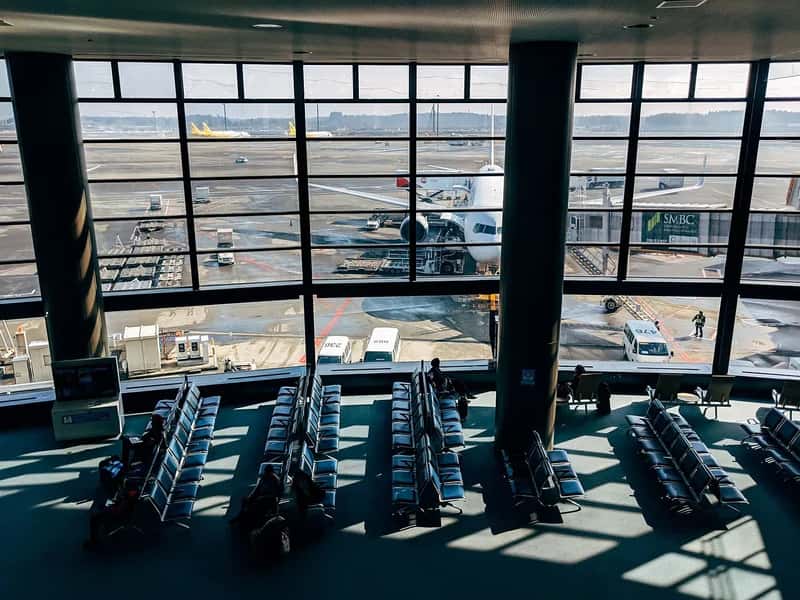
This is the one that shocks even experienced travelers when they first hear it. The Air Carrier Access Act requires airlines to offer pre-boarding to travelers who need extra time – and this includes many seniors with reduced stamina, limited vision, balance concerns, medical equipment, or discomfort in crowded boarding situations. The law doesn’t require you to prove anything. You do not need a diagnosis. You do not need paperwork. You only need to self-identify at the gate.
Under 14 CFR Part 382, carriers must offer pre-boarding to passengers with disabilities who self-identify at the gate as needing additional time – and this covers mobility concerns, joint pain, slow movement, or any need for extra boarding time, on both domestic and international flights. It takes about 30 seconds to ask, and most agents say yes without hesitation. Most people over 60 who qualify for this protection never use it – not because they can’t, but because nobody told them the law was already on their side. That single conversation boards you ahead of first class, elite members, and families with children.
Worth Knowing
- Pre-boarding rights are codified under 14 CFR §382.93 – a binding federal regulation, not a courtesy policy
- No doctor’s note, diagnosis, or documentation is required – self-identification at the gate is sufficient
- Covered needs include reduced stamina, balance concerns, joint pain, slow movement, and medical equipment
- The rule applies to all U.S. carriers and foreign carriers operating flights to or from the United States
- Pre-boarding passengers board before first class, elite status tiers, and families with young children
#4 – They Waive Checked Bag Fees When You Frame the Request Around a Medical Need
This one gets almost no public attention, but it’s real and it’s grounded in both airline policy and federal accommodation guidelines. When a traveler over 60 needs to check a bag because carrying it onboard creates a genuine safety or mobility concern, agents have documented discretion to absorb that fee. Some airlines also allow senior flyers to check an extra bag for free on long-haul international routes – and simply asking at check-in whether a senior bag allowance exists can be enough to open that door.
Airlines including Air France, Iberia, and British Airways have been known to make baggage exceptions when asked directly and politely. The pattern is consistent across every item on this list: the accommodation exists, the discretion exists, but the airline will never volunteer it. You have to ask – and the way you ask determines everything.
#3 – They Reassign Your Seat to a Bulkhead Row Under Federal Accommodation Rules
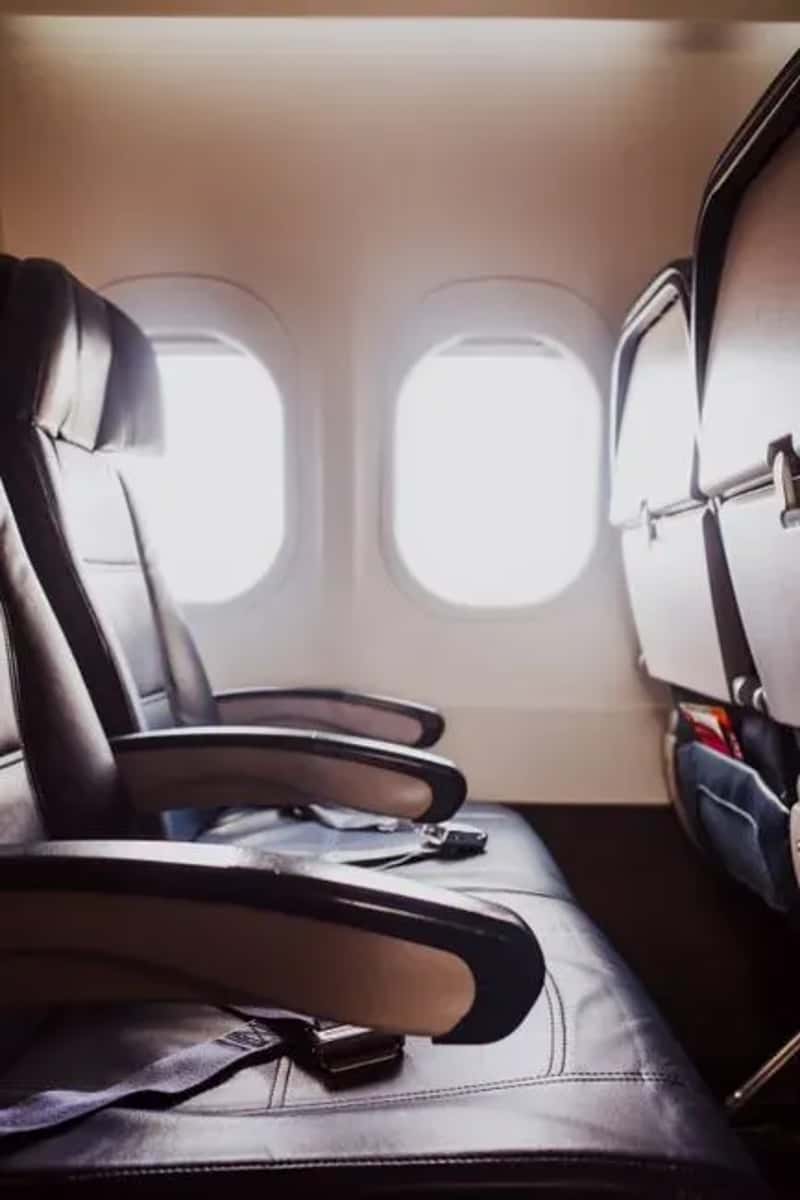
Most travelers think bulkhead seats are just premium-priced options you pay for during booking. What they don’t realize is that a meaningful number of those seats are held back from general sale specifically for passengers with medical or mobility needs – and gate agents can reassign them at the door. Under federal rules, airlines that provide advance seat assignments must either block an adequate number of bulkhead seats or designate them as priority seats for passengers with a fused leg or other qualifying need.
The phrase “I have a fixed knee and cannot bend it into a standard seat” triggers a protection. “Can I have a better seat?” does not. Experienced travelers over 60 know precisely which words open which doors – because they’ve learned from the trips where they said the wrong thing and sat cramped for six hours. Framing requests around genuine functional needs, rather than simple preferences, is the line between a yes and a polite decline.
#2 – They Arrange a Full Airport Escort That Boards You Before Everyone – Including First Class
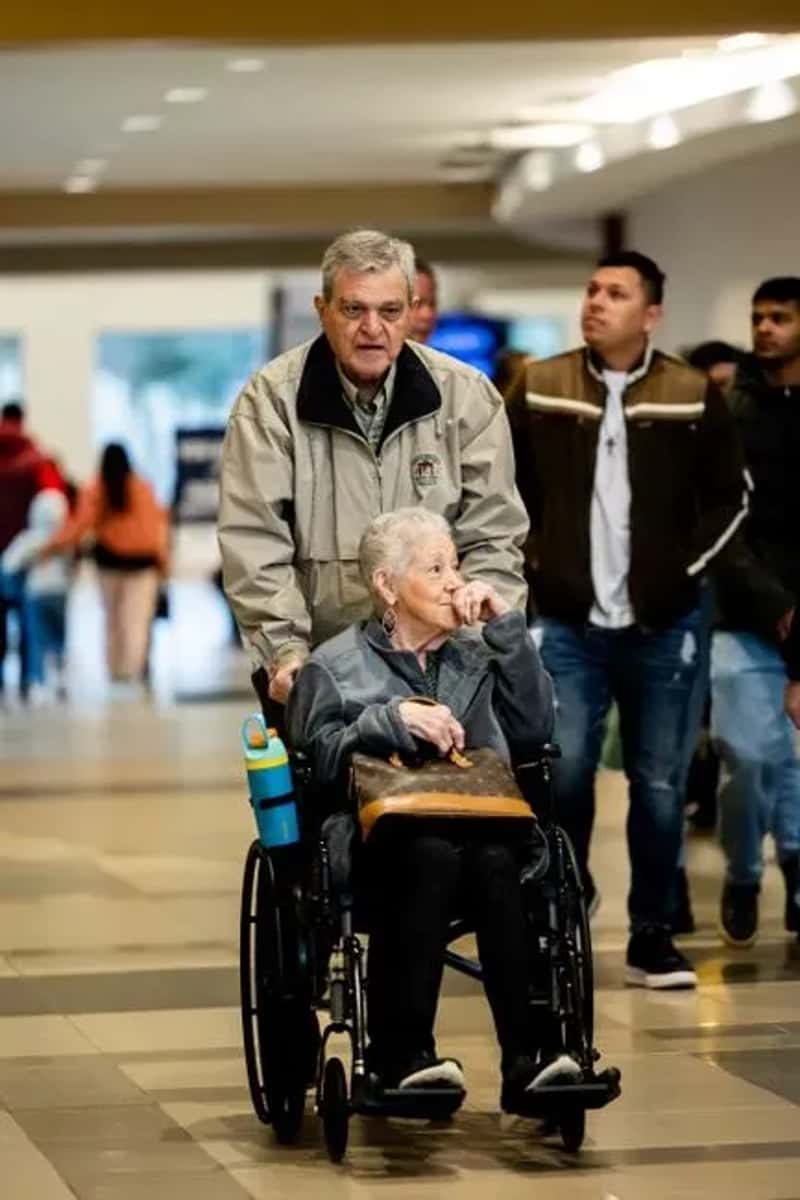
Seniors are legally entitled to free wheelchair or ambulatory assistance throughout their airport journey under the Air Carrier Access Act – regardless of visible disability. That means escort through security, help with carry-ons, expedited processing, and priority boarding. The part most travelers don’t know: ambulatory assistance passengers board before first class. Not after. Before. That’s not an airline courtesy – it’s a federal requirement under 14 CFR Part 382.
When you land, the escort meets you at the aircraft door and takes you to baggage claim or your next gate. Most travelers over 60 who could claim this service never do, because it feels like too much to ask. In reality, it’s already paid for, already staffed, and already sitting there waiting. The only thing required is saying the words – at check-in, at the gate, or ideally when you book the ticket.
Why It Stands Out
- Escort service covers the full journey: curb, check-in, security, gate, jet bridge, and deplaning
- Ambulatory assist passengers board ahead of first class and all elite status groups
- The service is free – no fee, no upgrade, no loyalty program required
- At your destination, an escort meets you at the aircraft door and delivers you to baggage claim or your connecting gate
#1 – They Board You First – No Status, No Elite Tier, No Upgrade Required – Just the Right Ask
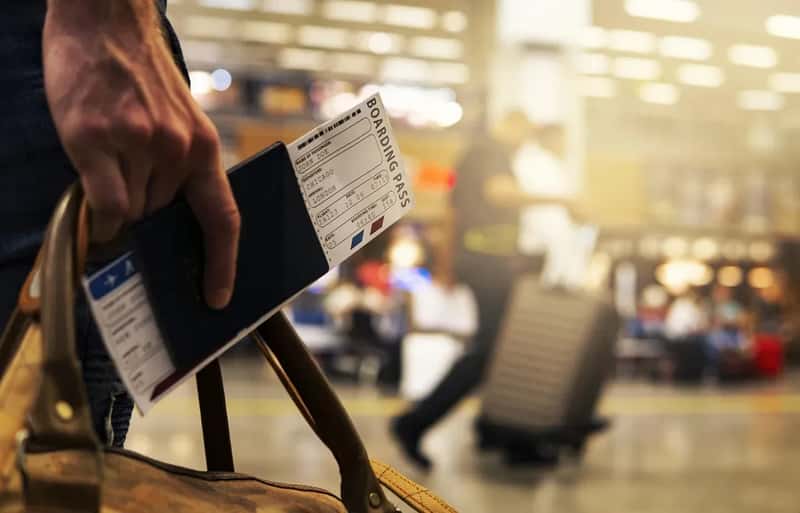
Here’s the one that changes everything and costs absolutely nothing. Many airlines quietly allow seniors to board early even without premium tickets – you just ask the gate agent if they offer early boarding for senior passengers. No loyalty program enrollment. No co-branded credit card. No elite tier built on 50,000 miles a year. Gate agents are trained to accommodate seniors requesting extra boarding time. You just have to ask.
Seniors who pre-board get the overhead bin directly above their seat, the aisle to themselves for a full two minutes, and the ability to get settled without forty people pressing in behind them. Airlines actually encourage it because it keeps the aisles less congested – everyone wins. The phrase “Do you offer early boarding for seniors?” said with a smile is often all it takes. After sixty years of figuring out how the world works, this one turns out to be the simplest lesson of all: ask the right person, the right way, and the door opens.
The through-line in all 13 of these is the same: these aren’t marketed perks. They’re quiet policies, legal requirements, and staff-discretionary benefits that most seniors never discover – not because they don’t qualify, but because nobody handed them the script. Polished, calm, and specific beats frustrated, vague, and demanding every single time. If you’ve been leaving any of these on the table, now you know exactly what to say at the podium.