Most people assume theme park staff treat every guest exactly the same: scan the ticket, buckle the harness, wave goodbye. Spend a single day at a major park with a grandparent in the group, though, and that assumption falls apart fast. Something different is happening right in front of you, and almost nobody notices it.
Trained staff pick up on cues the average visitor walks right past, then quietly adjust the entire experience without ever announcing it. Some of these moves are written into official policy, while others are split-second judgment calls made by someone who simply noticed what everyone else missed. By the time you reach #1, you’ll understand why grandparents keep coming back to tell these stories years later.
13. They Slow Down the Ride-Loading Process Without Announcing It
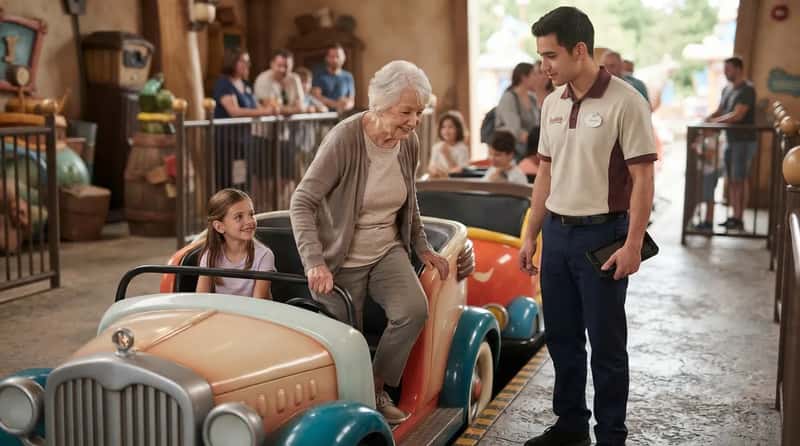
Ride operators have the ability to pause or extend the loading cycle, and at the busiest parks, many do exactly that when they spot an older guest stepping into a vehicle.
Most guests never realize the ride hasn’t started its normal countdown. The operator simply holds the dispatch a few extra seconds so the grandparent can get settled, pull the restraint across, and signal they’re comfortable – without the embarrassment of holding everyone up.
Some ride vehicles require careful loading and unloading, which can be genuinely difficult for elderly guests, and staff know to let them take their time positioning their feet and legs.
Fast Facts
- Ride dispatch can be paused briefly without slowing overall ride throughput.
- Restraint systems on some rides take longer to secure for guests with limited mobility.
- Operators are trained to watch for hesitation, not just wait for a verbal request.
- The pause is rarely longer than the time it takes to double-check a seatbelt.
That extra ten seconds costs the ride nothing in throughput but can mean the difference between a grandparent feeling welcomed and feeling like a burden. Keep reading – #12 is a queue trick that most families traveling with seniors have never heard of.
12. They Quietly Flag the Rider Switch Option Before Anyone Asks
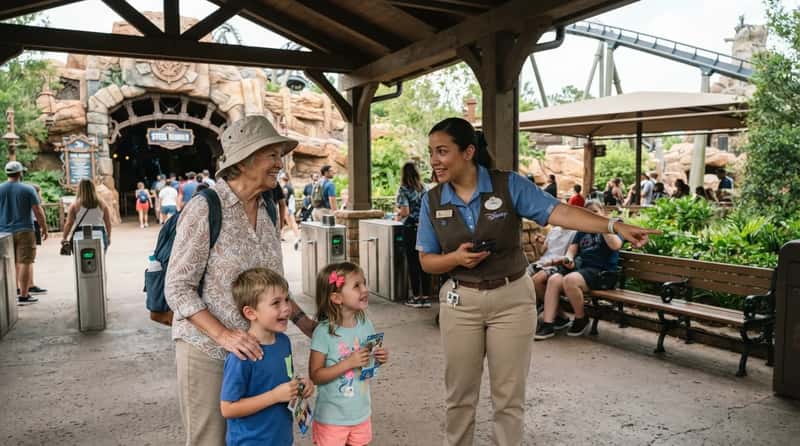
Rider Switch – sometimes called Baby Swap – is officially designed for families with children who can’t ride, but staff at well-run parks apply it far more broadly than the official description suggests.
Rider Switch is a program available to all guests which allows them to take turns waiting outside an attraction, and those who wait still get their chance to experience the ride without waiting the full length of the queue again.
A good cast member will mention this option the moment they see an older adult at the front of a line who looks unsure. They lean in and quietly explain the swap so the grandparent can sit in a shaded area while the grandkids ride, then rejoin the group.
Disney recognizes that an 80-year-old person cannot stand in a queue for sixty minutes in ninety-degree weather, and up to two people in a party can have their ticket verified and come back at a set time to join those who stood in line.
That’s one of the most underused tools in a busy park. But #11 is something staff do that requires zero technology at all – just attention.
11. They Offer End-Row or Aisle Seating at Shows Without Being Prompted
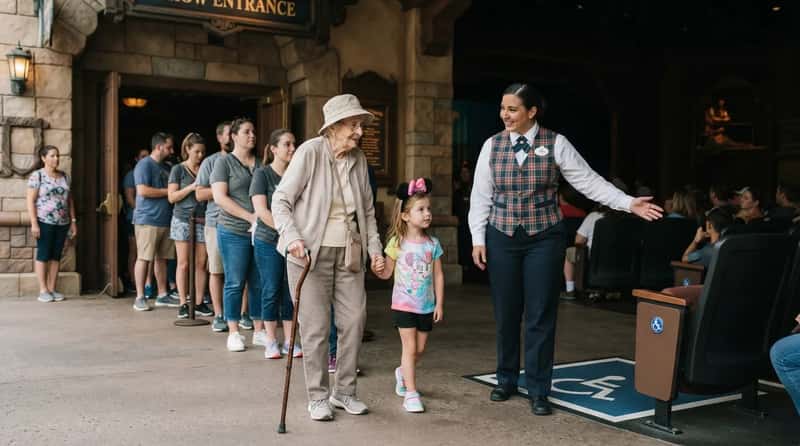
Theater-style shows, parade viewing areas, and character stage performances all have one thing in common: seating that’s hard to exit quickly if you’re dealing with joint pain or a bad hip.
Disney wants to get visitors in and out of shows quickly, so there are spaces at the end of rows specifically designed to help guests in wheelchairs and elderly visitors exit more easily. Staff working show entrances are trained to spot guests who might need this – a cane, a slow gait, or simply an older guest holding a small grandchild’s hand.
The staff member doesn’t announce it to the line. They simply step to the side and quietly guide the grandparent to an aisle position, often before the family even realizes what’s happening.
Knowing to mention it – or ask for it – can save a grandparent from being trapped in the middle of a crowded row when nature calls during a 25-minute show. #10 is a service most grandparents don’t realize they’re receiving until they look back at the day.
10. They Offer to Take the Family Photo Without Being Asked
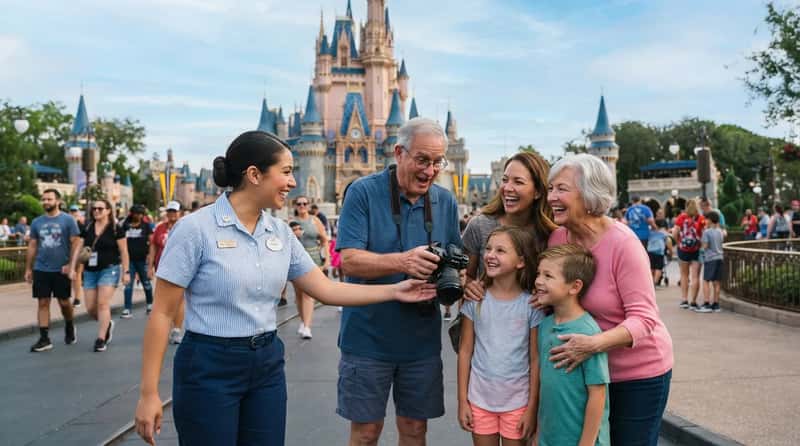
Grandparents are almost always the ones left out of the photo – because they’re the ones holding the camera, or because the grandkids don’t think to include them in the frame until it’s too late.
Cast members are trained to notice when a family member is taking a photo of the rest of the group and therefore not in the photo themselves, and in such instances they are trained to offer to take the photo for them.
The instinct to step in and offer is part of how major parks train staff from day one. For a grandparent who has traveled a long way to be in the moment with grandchildren, being included in that image matters more than almost anything else on the trip.
That moment costs the cast member thirty seconds. But #9 is something that unfolds over the entire day, quietly, in the background – and most families have no idea it’s happening.
9. They Point Out Shaded Rest Areas That Aren’t on Any Map
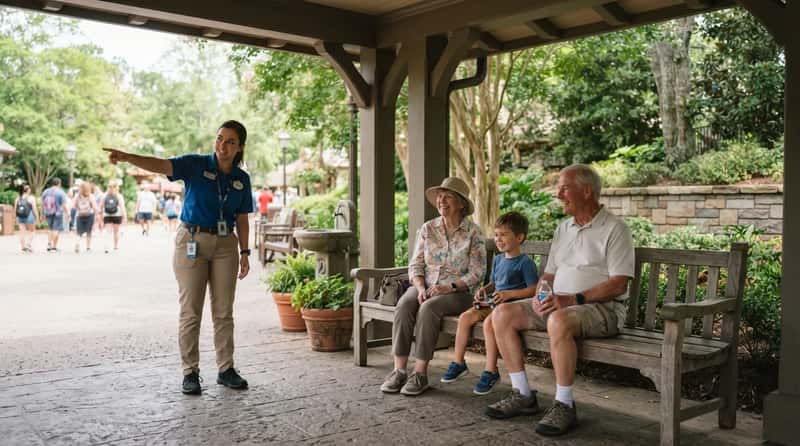
Official park maps show restaurants, restrooms, and attractions. They don’t show the benches tucked behind a pavilion, the covered breezeway that catches a cross-breeze all afternoon, or the indoor exhibit room that happens to be air-conditioned and almost always uncrowded.
Experienced staff know every single one of these spots. When they see a grandparent starting to wilt around midday, a well-trained team member will mention one of these locations unprompted – not as a scripted line, but as a genuine suggestion from someone who’s walked those paths hundreds of times.
Comfortable rest areas where adults can take a breather from the high-energy, kid-focused environment are one of the ways major parks work to encourage more multigenerational family visits. Staff are aware of where those spots are and actively steer guests toward them when it looks like someone needs a break.
Worth Knowing
- Covered breezeways between attractions often catch a steady breeze even on hot afternoons.
- Indoor exhibit rooms near dark rides are frequently air-conditioned and lightly trafficked.
- Benches tucked behind pavilions or gift shops rarely appear on printed park maps.
- A simple question to any cast member – “where’s somewhere quiet to sit?” – usually gets an instant answer.
This kind of local knowledge is worth more than any guidebook entry. Heading into #8, the gesture gets a little more personal – and a lot more specific.
8. They Alert Dining Staff About Dietary Needs Before the Table Even Sits Down
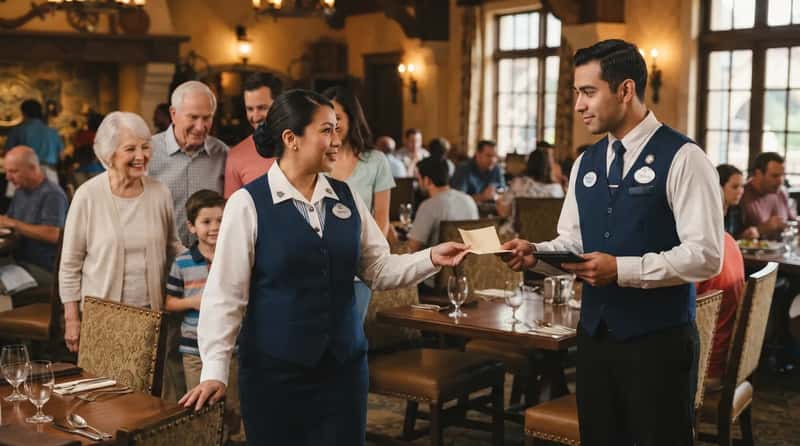
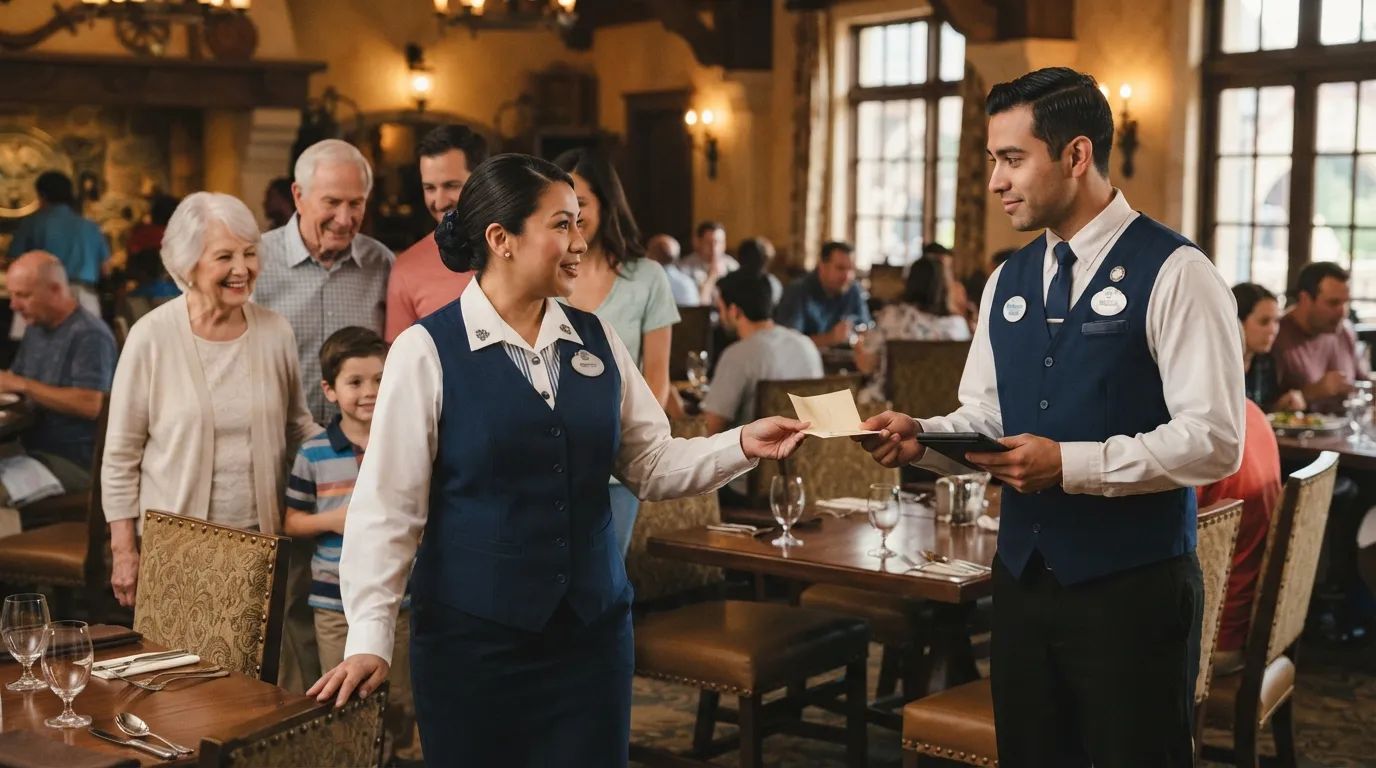
When a grandparent with a dietary restriction checks in for a table-service meal, the host who seats the group typically passes a note to the server before anyone has opened a menu. It happens fast, quietly, and almost invisibly.
All table-service and buffet spots at Disney World have a Special Diet Member on staff, and early reservations can help handle not only allergies but also accommodations like pureed meals for guests who need them.
The grandparent never has to repeat themselves to three different staff members. The information travels ahead of them through the team, so the server arrives already knowing about the low-sodium requirement or the soft-food preference – and can make a recommendation immediately.
The gap between a stressful meal and a comfortable one often comes down to that single upstream communication. But #7 is something staff do that takes place before a grandparent even gets close to a ride entrance.
7. They Steer Groups Toward Accessible Queue Entrances Without Making It Awkward
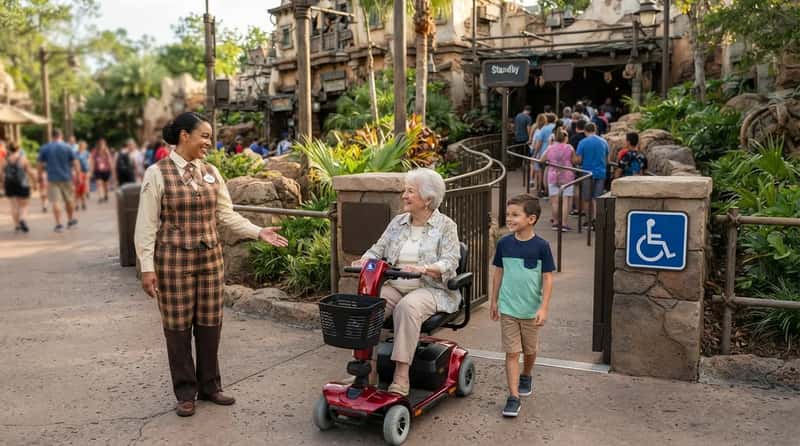
Most attraction queues at major parks have a standard entrance and a separate accessible path – often a side gate or a re-routed corridor that avoids stairs, narrow switchbacks, and extended standing areas.
One of the best accommodations provided for guests with mobility limitations is that queues throughout Walt Disney World Resort allow guests utilizing a wheelchair or ECV to remain seated in their devices throughout the entire queue experience.
Quick Compare
- Standard queue: stairs, narrow switchbacks, extended standing with no seating.
- Accessible queue: level pathways, wider turns, and space to remain in a wheelchair or ECV throughout.
- Standard queue: wait time posted only at the entrance.
- Accessible queue: guests may receive a return time and a separate entrance for waits over 30 minutes.
The key word is “quietly.” A well-trained ride attendant won’t point across a crowded line and shout directions – instead, they’ll walk over and speak directly to the grandparent at eye level, explaining the accessible path as a simple practical option, not a flag or a label.
For attractions where wait times are over 30 minutes, guests may receive a return time and be directed to an alternate entrance when necessary. That alternate entrance is almost always easier to navigate than the main queue.
It’s a small act of dignity. And #6 takes that same instinct and applies it somewhere most visitors never think to mention to staff at all.
6. They Help With Mobility Device Logistics Between Attractions
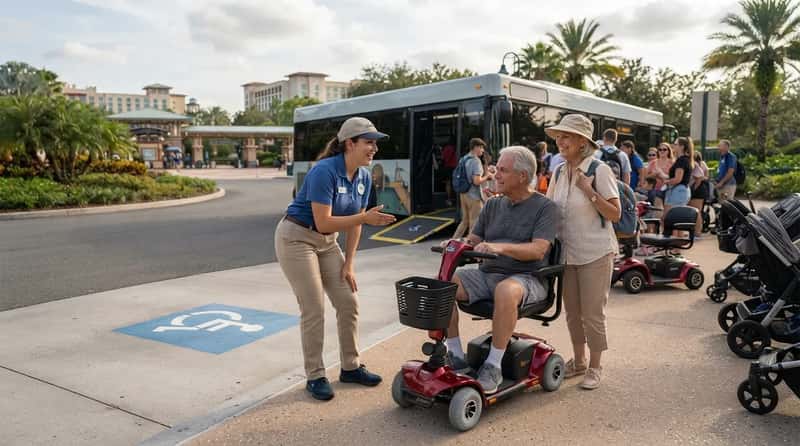
Traveling through a major theme park with a scooter or wheelchair is far more complicated than it looks on paper. Buses have limited space, certain pathways loop farther than expected, and some attraction exits drop guests in inconvenient spots.
There are only a limited number of spots for scooters on park buses, typically accommodating just two per trip, which can lead to longer wait times. Staff working transportation stops know this, and many will quietly give grandparents a heads-up about which bus is likely to be less crowded, or suggest a different route entirely.
This kind of real-time logistics advice isn’t in any brochure. It comes from a staff member who has watched dozens of mobility-device users navigate the same bottleneck and figured out which workaround actually works.
Getting around the park without a meltdown is half the battle. But #5 is about what happens when the grandkids sprint off for a thrill ride and the grandparent is left standing alone – and what staff do in that exact moment.
5. They Check In on Grandparents Who Are Waiting Solo

It happens on almost every multigenerational park visit: the grandkids bolt toward a high-intensity ride, and the grandparent settles onto a nearby bench to wait. That grandparent is now alone in a crowded place, possibly unfamiliar with the layout, possibly in the heat.
One hallmark of well-trained cast members is their commitment to guest interaction – they are trained to engage with visitors in a positive and respectful manner and are encouraged to anticipate guests’ needs, such as offering help before it is requested.
A proactive staff member will stop and check in – not in a patronizing way, but with the easy warmth of someone pointing out where the nearest water station is, or confirming how long the wait will be. It’s a 30-second exchange that tells a grandparent they haven’t been forgotten by anyone in the park.
That kind of attention costs nothing. But #4 gets into something the park structures deliberately – and it’s something grandparents can actually request at Guest Relations on the way in.
4. They Connect Guests With Guest Relations for Same-Day Accessibility Accommodations
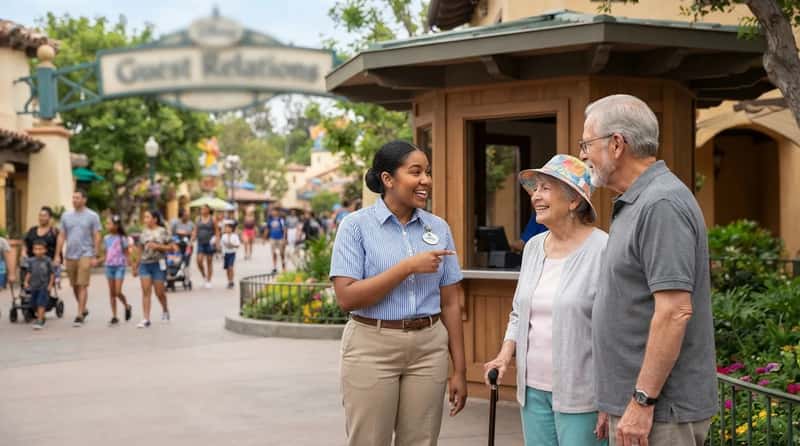
Many grandparents arrive at a theme park without a formal disability designation but are still genuinely unable to stand in hour-long queues, navigate certain terrain, or manage the sensory load of a heavily crowded attraction.
For guests who can’t wait in long lines due to their disability, Disney’s Disability Access Service (DAS) offers a structured solution. Trained staff at attraction entrances know to redirect guests who look like they’re struggling toward Guest Relations, where same-day accommodations can often be arranged.
The staff member at the ride doesn’t decide eligibility – but they do know to make the referral. That quiet direction toward Guest Relations is often the most valuable thing a grandparent receives all day, especially on a first visit when they don’t know the system exists.
That’s a system most first-time multigenerational visitors never tap into – simply because nobody told them it was there. #3 is one of the most emotionally resonant things staff do, and it happens during character interactions.
3. They Give Grandparents Extra Time During Character Meet-and-Greets
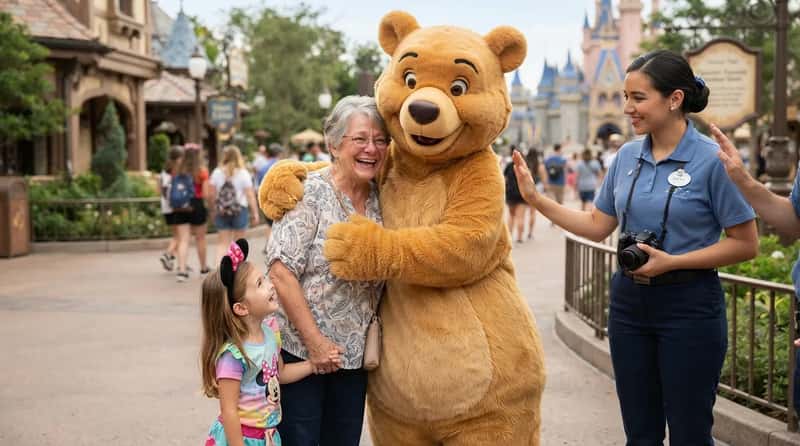
Character meet-and-greets are optimized for throughput, with families cycling through fast for photos and autographs. But experienced character attendants can – and do – slow things down when a grandparent is clearly moved by the moment.
A character will always have a staff member or two around to assist them, and these attendants help guests, maintain the flow of traffic, take photos, and enhance interaction with characters. That flow management means attendants have real control over pace – and they exercise it.
When a grandparent tears up meeting a character their grandchild loves, a good attendant will hold the line a few extra beats. They won’t rush a family photo that’s clearly going to end up framed on someone’s wall.
Why It Stands Out
- Attendants can slow the pace without stopping the line entirely.
- They rarely rush a photo that looks emotionally significant.
- Extra time is given quietly, not announced to the rest of the queue.
- The adjustment happens in seconds, but the effect lasts the whole trip.
A cast member can make a guest’s day by pointing out where to meet a specific character or which ride features that character – even when the guest didn’t ask. That proactive guidance is especially valuable for grandparents who haven’t researched the park in detail.
That’s the kind of thing you remember for years. But #2 and #1 are the ones that genuinely catch most families off guard – because they involve staff doing something most people assume is never possible.
2. They Note a Grandparent’s Celebration and Pass the Information Forward
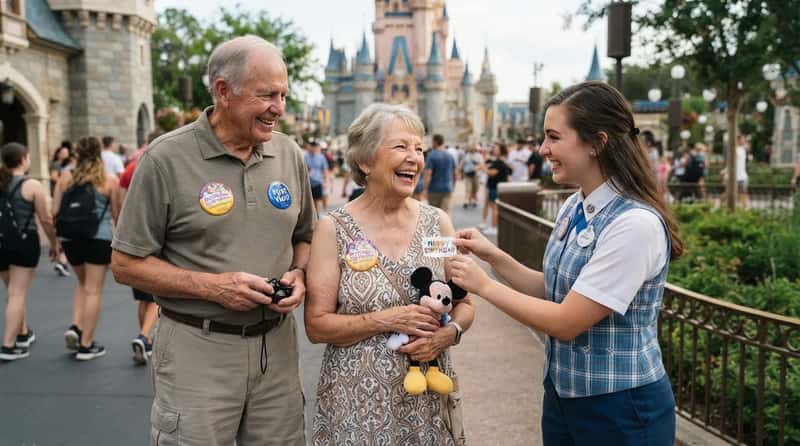
Theme parks at the level of Disney and Universal run internal communication systems that allow one cast member to flag a special occasion and have it acknowledged by staff the guest encounters later – sometimes on the other side of the park.
A grandparent celebrating a birthday, an anniversary, or a first-ever park visit with grandkids is exactly the kind of thing a sharp cast member captures and passes forward. It might start with a greeter handing out a celebration button at the gate – but it doesn’t end there.
Disney theme park cast members notice particular traits about guests within the first seconds of meeting them, and these observations play a key role in how staff serve their customers throughout the day. A birthday button on a grandparent’s shirt is a signal that flows through the entire park experience, prompting spontaneous acknowledgments from characters, servers, and ride operators the family never expected.
That’s a level of coordination most guests never see working in the background. And it brings us to #1 – the thing staff do that is simultaneously the smallest gesture and the one that grandparents talk about most long after the trip is over.
1. They Acknowledge the Grandparent as the Hero of the Trip
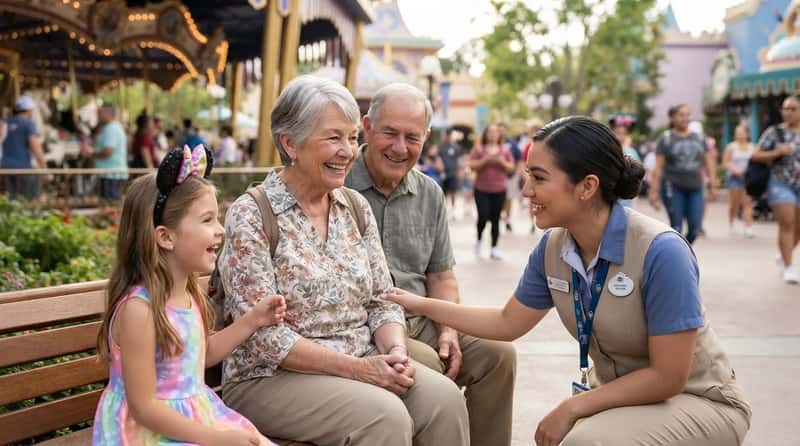
This one isn’t in any official handbook, but it is the most consistently reported behavior from grandparents who have had genuinely great theme park experiences: a staff member looked at them – not the grandkids, not the parents – and said something that made them feel like the reason the trip was happening.
“You’re giving them memories they’ll keep their whole lives” is the kind of thing a cast member says to a grandparent in passing, and it lands differently than anything else that happens all day. It costs nothing and takes four seconds, yet it reframes the entire trip for someone who may have been quietly wondering if it was all too much, too loud, or too expensive.
Watching different generations experience a place like Disney together is genuinely special, but it requires a different approach to planning than a group that can comfortably spend 12 hours running from attraction to attraction. Staff who work multigenerational crowds long enough develop a feel for who is carrying the emotional weight of the day – and grandparents almost always are.
The best theme park staff understand that the grandparent didn’t come for the rides – they came to watch a grandchild’s face light up. Acknowledging that, out loud, is the quietest and most powerful thing a cast member can do.
The Bottom Line
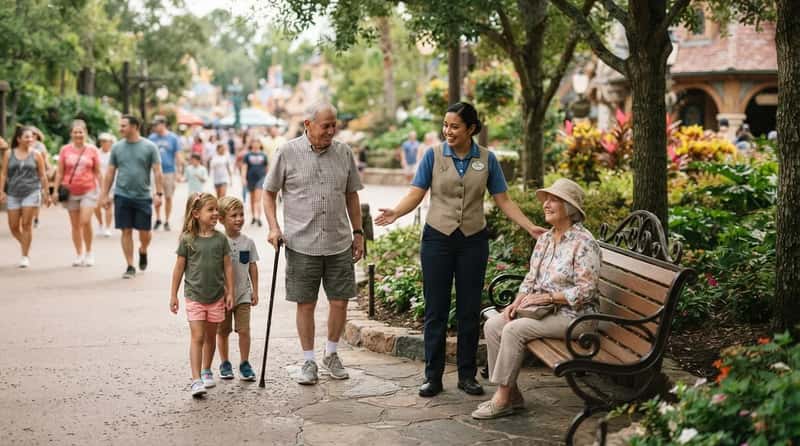
Theme park staff quietly do more for grandparents than most families ever realize – from holding a ride dispatch a few extra seconds to steering someone toward a shaded bench they’d never find on their own.
The best of these gestures share one quality: they happen without the grandparent having to ask, and without drawing attention to the fact that help was needed. That’s not an accident – it’s the result of training that teaches staff to read a crowd and act on what they see.
If you’re planning a multigenerational trip, tell a cast member early in the day that an older guest is part of your group. You’ll be surprised how much quietly shifts in your favor.
Grandparents rarely ask for special treatment, which is exactly why the staff who notice them anyway matter so much – they’re often the reason so many grandparents come home saying it was the best day of the whole trip, not just the grandkids’.
Bonus: #14 – The Advance Move That Beats Every Queue Trick on This List

Every gesture above happens once your family is already inside the gates. The single most useful move actually happens at home, days or weeks before anyone packs a suitcase.
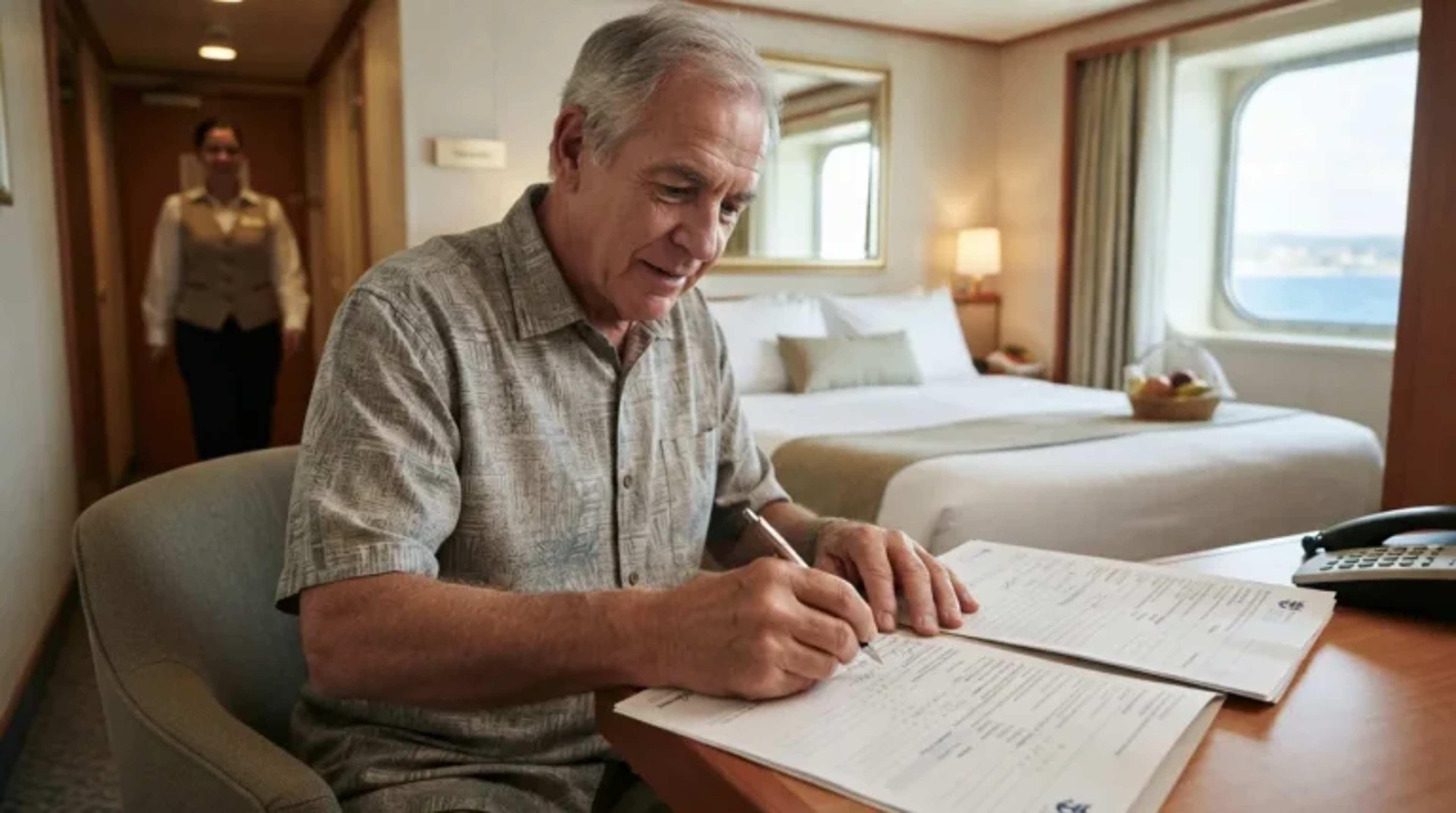
As of 2025, both Walt Disney World and Disneyland Resort have extended the DAS registration window to 60 days prior to their park visit, so grandparents don’t have to gamble on an in-person line on arrival morning.
During the pre-registration process, guests will participate in a live video chat with a Cast Member, who will determine eligibility for the program. That short call can be done from a couch at home instead of a crowded Guest Relations window.
- As soon as your travel dates are locked in, log into the family’s Disney account through a web browser and request the live video chat as close to the 60-day mark as possible.
- Make sure the grandparent is physically present on camera for the call, since the person needing the accommodation must take part personally.
- Ask the Cast Member about scheduling advance return-time selections during that same conversation, so a couple of the day’s biggest attractions are already reserved before you ever scan a ticket.
- If the window is missed, don’t panic – the same registration can still be completed the morning of the visit, it just means a longer wait before the rest of the day gets easier.
Do this one thing before the trip even starts, and a grandparent can walk through the gates already holding return windows for two headline attractions – the kind of head start that makes every other tip on this list even more effective.