Most travelers over 60 walk up to the security checkpoint exactly the way they have for two decades – shoes already coming off, belt loosened, quietly bracing for whatever comes next. What almost none of them realize is that there’s an entire layer of accommodations, exemptions, and supervisor-level adjustments sitting right behind that counter, fully available to them, and almost never announced out loud. Some are federal policy written into official TSA procedure. Others are things experienced agents apply only when a traveler looks confused, exhausted, or close to giving up. Either way, they exist – and most people who need them most have no idea.
Here’s the part that catches people off guard: you don’t need a special card, a doctor’s note, or a formal disability designation to access most of these. You mostly just need to know they exist and be willing to say something. The gap between what experienced travelers over 60 are actually entitled to at the checkpoint and what everyone else silently endures is wider than anyone talks about – and it starts with something as simple as your shoes.
#14 – The Quiet Shoe Rule That Most Seniors Still Don’t Know About
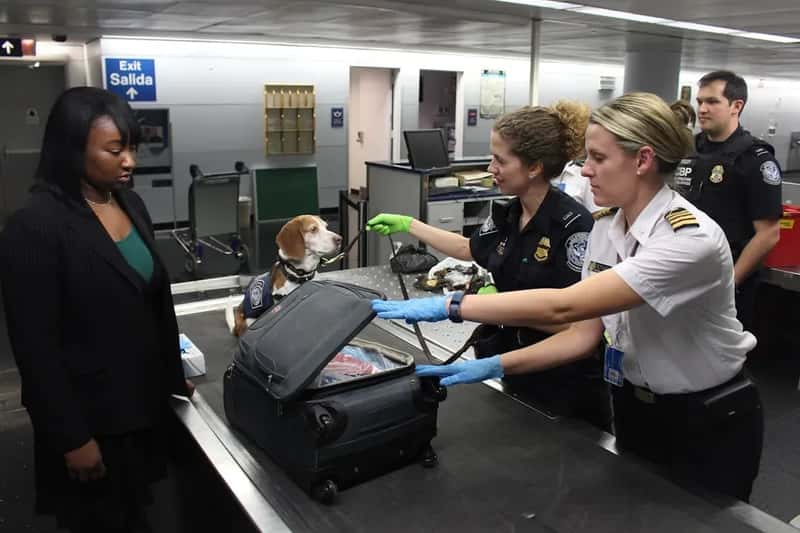
Every day, thousands of travelers over 75 dutifully remove their shoes at the checkpoint – even though they haven’t had to for years. Federal TSA policy automatically provides modified screening for travelers 75 and older: shoes stay on, light jackets stay on, belts stay on, and the process is streamlined so they move through faster. The rule exists because TSA classifies this age group as lower-risk, and keeping things moving benefits everyone in the line behind them.
If the system doesn’t flag your age automatically – and it doesn’t always – you can simply self-identify to the agent and request the expedited screening. It applies at every U.S. airport, requires no enrollment, and costs nothing. Most seniors still remove their shoes out of pure habit because nobody at the checkpoint ever told them the rule changed. One sentence stops years of unnecessary hassle.
At a Glance: What Stays On for Travelers 75+
- Shoes: No removal required at standard screening lanes
- Light jacket or sweater: Stays on unless Advanced Imaging Technology is used
- Belt: Does not need to come off
- Second chance rule: If you trigger a metal detector, you get a second pass before a pat-down is required
- Seated option: You can request to sit during any additional screening
#13 – The Passenger Support Specialist No One Introduces You To
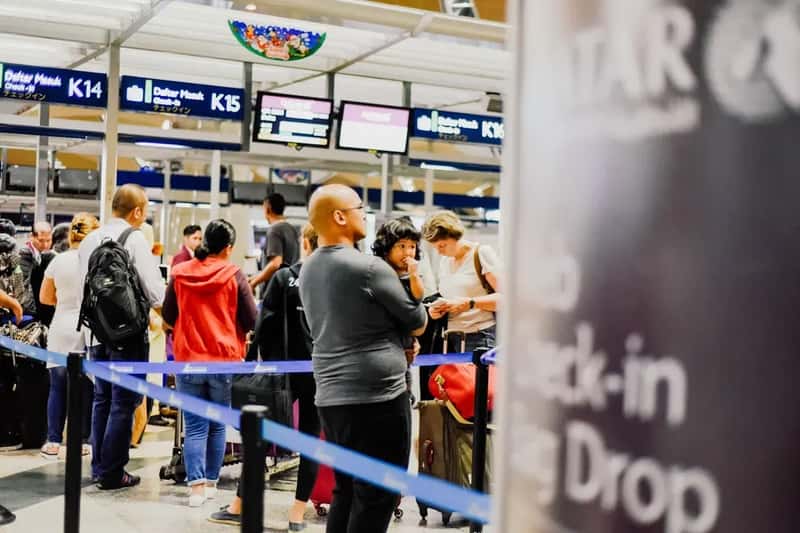
Almost nobody has heard the words “Passenger Support Specialist” at a checkpoint. They should. A TSA Passenger Support Specialist – PSS for short – is a specially trained officer who can walk alongside you through the entire security process, communicate your needs to other agents, and manage complex screening situations involving medical devices, mobility limitations, or anxiety. This isn’t an improvised act of kindness. It’s a structured federal program with real training behind it.
A PSS can essentially run interference for you from the moment you arrive at the lane to the moment you’re through. Older travelers with joint pain, hearing loss, cognitive concerns, or complicated medical equipment benefit most – and yet most of them walk straight past this option every single trip without knowing it exists. You can request one at the checkpoint, or call ahead to arrange one in advance. It’s completely free.
#12 – Calling TSA Cares Before You Even Leave the House

Here’s something almost no one uses: a dedicated federal helpline that exists specifically so your security experience can be arranged before you leave your driveway. TSA Cares is a real program – not just an information line – that coordinates on-the-ground support at your actual checkpoint in advance. You call, you explain your situation, and a Customer Service Manager at your specific departing airport gets briefed ahead of your arrival.
TSA recommends contacting TSA Cares at least 72 hours before departure by calling (855) 787-2227 or completing the TSA Cares form online. That window gives the agency time to coordinate checkpoint support with a supervisor at your specific airport. The supervisor isn’t reacting to you when you show up – they’re already expecting you. Most travelers have never heard this option exists, let alone used it.
Fast Facts: TSA Cares by the Numbers
- The TSA Cares helpline assisted 69,000 travelers with disabilities, medical conditions, and special needs in 2024 alone
- Call (855) 787-2227 or submit the online form at least 72 hours before your flight
- TSA screened over 904 million passengers in 2024 – making proactive coordination more valuable than ever
- The program is completely free and requires no pre-enrollment or documentation
#11 – The Right to Pull a Supervisor Into the Conversation at Any Point
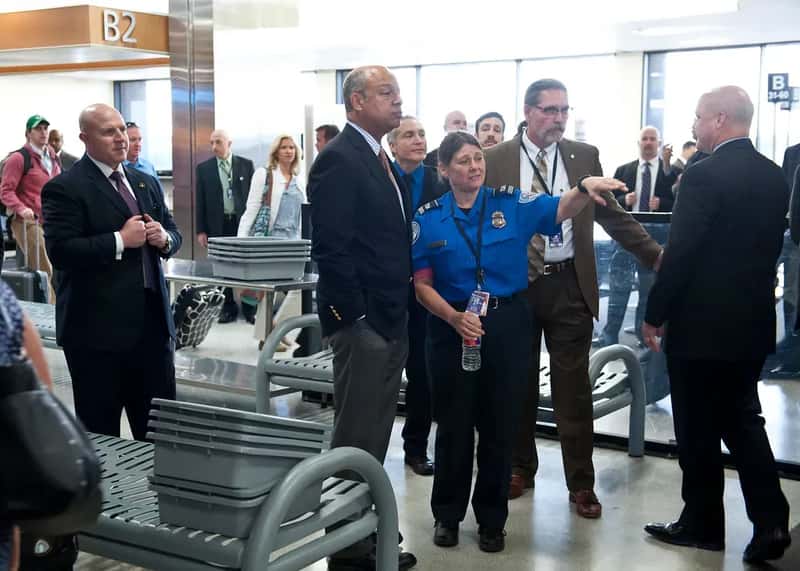
Most people assume that whatever a front-line TSA officer says is the final word. It isn’t. At any point during your screening – before it starts, in the middle of it, or after something goes wrong – you can ask to speak with a supervisor or Passenger Support Specialist. This isn’t a formal complaint process. It’s a real-time option that experienced travelers quietly use to resolve confusion, request a modified approach, or simply slow things down to a manageable pace.
Supervisors have more flexibility than line agents, and they’re trained to handle edge cases involving older travelers, medical equipment, and mobility concerns. You don’t have to be in distress to ask – and you don’t have to wait until you’re frustrated. Asking early and calmly, before the process goes sideways, is almost always the move that works best.
#10 – The Seated Pat-Down Option That Almost Nobody Uses
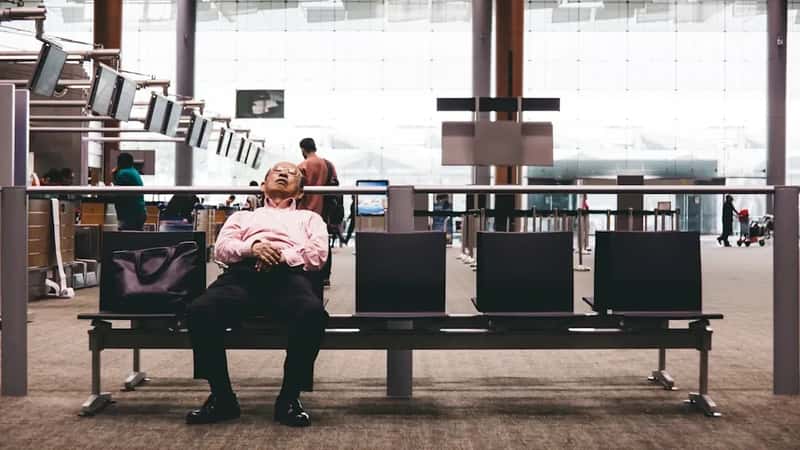
Most travelers assume a pat-down means standing at attention – arms out, feet apart – until it’s finished. That assumption is wrong, and it causes a lot of unnecessary physical discomfort every single day. You can request to be seated at any point during a pat-down, and TSA agents are trained to accommodate that. The problem is they won’t always volunteer it while the line is pressing forward behind you. You have to say the words: “Can I be seated for this?”
You can also inform the officer before the pat-down begins about any difficulty raising your arms, holding a required position, or areas of your body that are painful when touched – post-surgical sites, arthritic joints, balance issues, all of it. This is one of the most practically useful things any older traveler can know, and it costs nothing to use. Most people who would benefit from it have no idea it’s an option.
#9 – The Private Screening Room That’s Always Available If You Want It

A lot of travelers over 60 carry ostomy appliances, post-surgical hardware, or deeply personal medical equipment. Going through a public pat-down with any of those can feel genuinely humiliating – and there’s a built-in solution that nobody announces in line. At any checkpoint, at any time, you can request that your screening be moved to a private room. TSA is required to accommodate that request. It’s not a special accommodation reserved for people with documented disabilities. It’s a standard option available to every traveler.
The catch is that no agent is going to offer this proactively while managing a busy checkpoint lane. One sentence changes the entire experience: “I’d like to continue this in a private area.” That’s it. Supervisors handle these requests routinely and without drama. The only reason most travelers don’t use this option is that no one ever told them it was there.
Worth Knowing: Your Private Screening Rights
- Any traveler can request a private screening room – no disability designation required
- You can bring a companion of your choice into the private room as a witness
- You can request a same-gender officer conduct the screening
- The request cannot be denied – TSA is required by policy to honor it
#8 – The TSA Notification Card That Bypasses Awkward Explanations
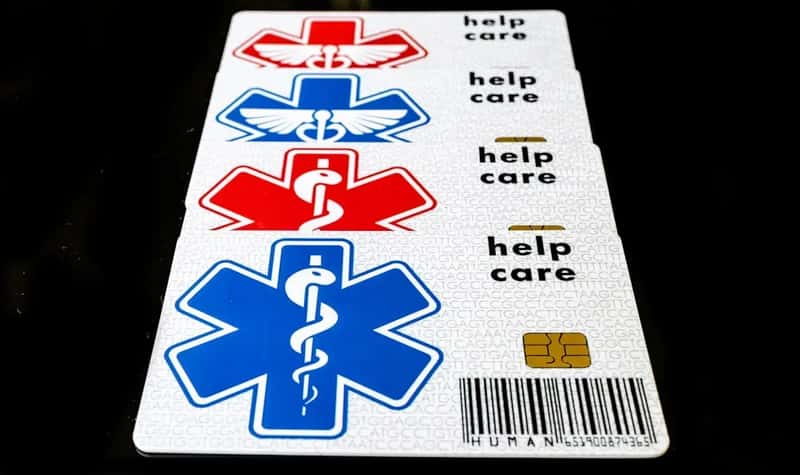
Trying to explain a complex medical condition to a TSA officer in a loud, crowded checkpoint line is stressful, incomplete, and often embarrassing. There’s a cleaner option. TSA produces an optional Disability Notification Card – free, downloadable directly from the TSA website, wallet-sized – that lets you hand a card to an officer and discreetly communicate that you have a disability, medical condition, or medical device that may affect your screening. No verbal explanation required. No repeating yourself over the noise.
The card doesn’t exempt you from screening, but it tells the officer exactly what they need to know so they can route you correctly without delay or confusion. Supervisors recognize it immediately. Travelers who use it describe the difference as dramatic – less stress, fewer questions, faster resolution. You can print one at home before your next trip. Most people who would benefit most have never heard of it.
#7 – The Medical Liquid Exemption That Blows Past the 3-1-1 Rule

The 3-1-1 rule is one of the most reliably misunderstood things in air travel – and older travelers pay for that misunderstanding constantly. Most people over 60 who travel with liquid medications, eye drops, or compounded prescriptions in quantities larger than 3.4 ounces quietly dump those bottles into checked luggage because they assume there’s no other option. There is. Medically necessary liquids, gels, and aerosols are explicitly exempt from the 3-1-1 rule, covering both prescription and over-the-counter medicines.
You do need to declare them separately at the checkpoint – pull them out, tell the officer they’re medically necessary, and let them go through additional screening if needed. That’s the entire process. A full bottle of prescription liquid, a large tube of medicated cream, a travel-size nebulizer solution – all of it can legally go in your carry-on. Most travelers who need this exemption most urgently have been checking their medications for years because nobody ever told them they didn’t have to.
Quick Compare: 3-1-1 Rule vs. Medical Liquid Exemption
- Standard 3-1-1: Max 3.4 oz per container, must fit in one quart-sized clear bag
- Medical exemption: Containers can exceed 3.4 oz – no size cap for medically necessary liquids
- What qualifies: Prescription and over-the-counter medications, nebulizer liquids, medicated creams
- What you must do: Declare items at the checkpoint and place in a separate bin for X-ray screening
- What you don’t need: A doctor’s note, prescription label, or special form – declaration is enough
#6 – The Pacemaker and Implant Routing That Protects Your Device

This one has real medical stakes, not just inconvenience. If you have a pacemaker, implantable defibrillator, or other internal cardiac device, you should not go through a standard walk-through metal detector – and you need to say so before you reach the machine, not after it alarms. Informing the officer before you enter the scanner triggers the correct alternative screening pathway and avoids a confusing, stressful situation at the detector entrance. Most travelers with these devices walk straight toward the machine before mentioning it, which creates delays and anxiety for everyone.
The same applies to bone growth stimulators and other internal medical hardware. A supervisor or PSS will walk you directly through the alternative screening path, which is smoother, faster, and specifically designed for your situation. The whole system works correctly – but only if you speak up before you step forward. Saying something early is the entire trick.
#5 – The CPAP and Nebulizer Fast Lane at the X-Ray Belt
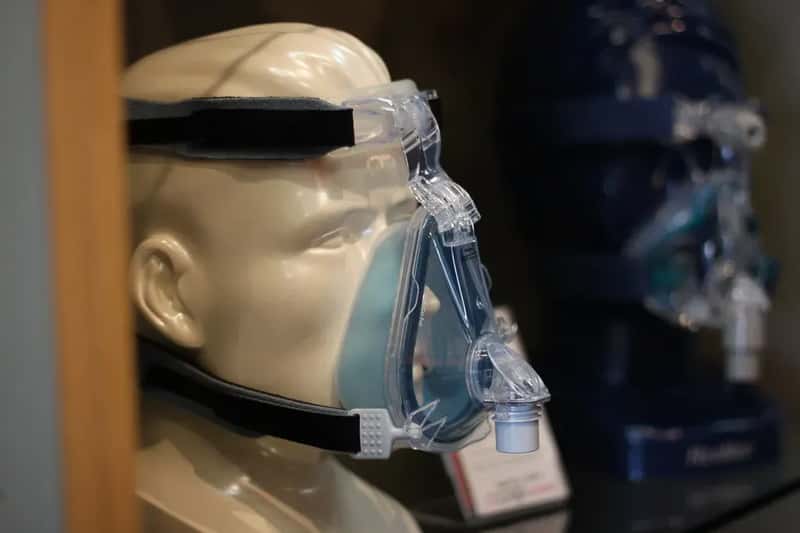
Travelers who use CPAP machines, BiPAP devices, or nebulizers create inadvertent chaos at the belt almost every time – not because the rules are complicated, but because nobody explains the protocol in advance. Supervisors know it cold. If you use one of these devices, pack it in a clear plastic bag inside its carrying case: the device goes through the X-ray screener, masks and hoses can stay in the case, and liquids used with your nebulizer are exempt from the 3-1-1 rule as long as you declare them. Portable oxygen concentrators need to be screened before the checkpoint, so alert an agent before you reach the machine.
A supervisor or PSS can walk you through this entire sequence before you reach the belt so nothing gets flagged, held, or sent through twice. Most travelers who use these devices spend extra time at the checkpoint every single trip simply because nobody ever walked them through the right order of operations. One pre-trip call to TSA Cares eliminates the problem entirely.
#4 – The Hearing Aid and Cochlear Implant Disclosure That Speeds Everything Up
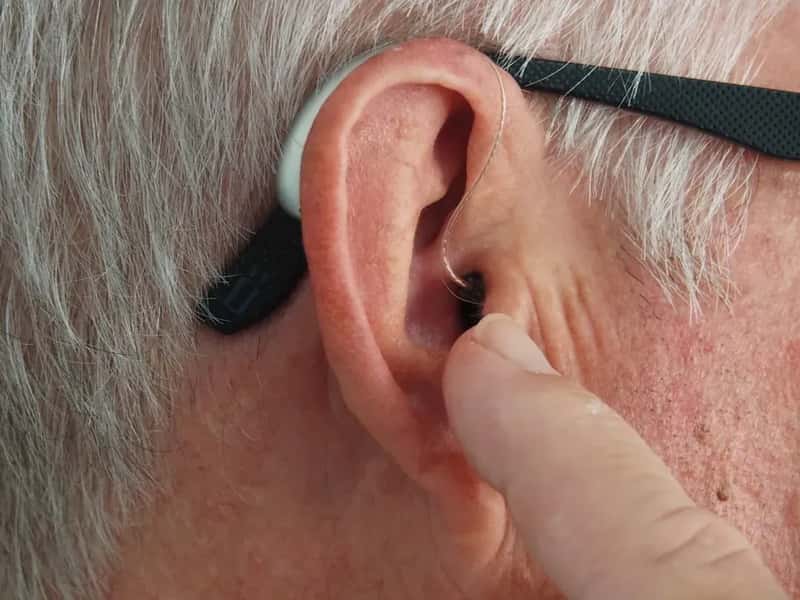
Travelers with hearing aids and cochlear implants routinely create accidental delays because they’re not sure whether to remove the device, whether it will alarm the scanner, or whether they’ll even be able to hear the agent’s instructions over checkpoint noise. The answer is simpler than most people expect: hearing aids and cochlear implants can stay on. You just need to disclose this to the agent before you step toward the scanner. That single heads-up shifts the entire approach to your screening.
When a supervisor is involved, they can position an agent who gives visual cues and face-to-face instructions rather than shouted commands across a crowded lane. You can also use the TSA Notification Card or simply tell the officer verbally before things start moving. A quiet word before you reach the scanner eliminates the most stressful part of the whole interaction – and it takes about five seconds.
#3 – The Air Carrier Access Act Escort Right That Starts Before Security
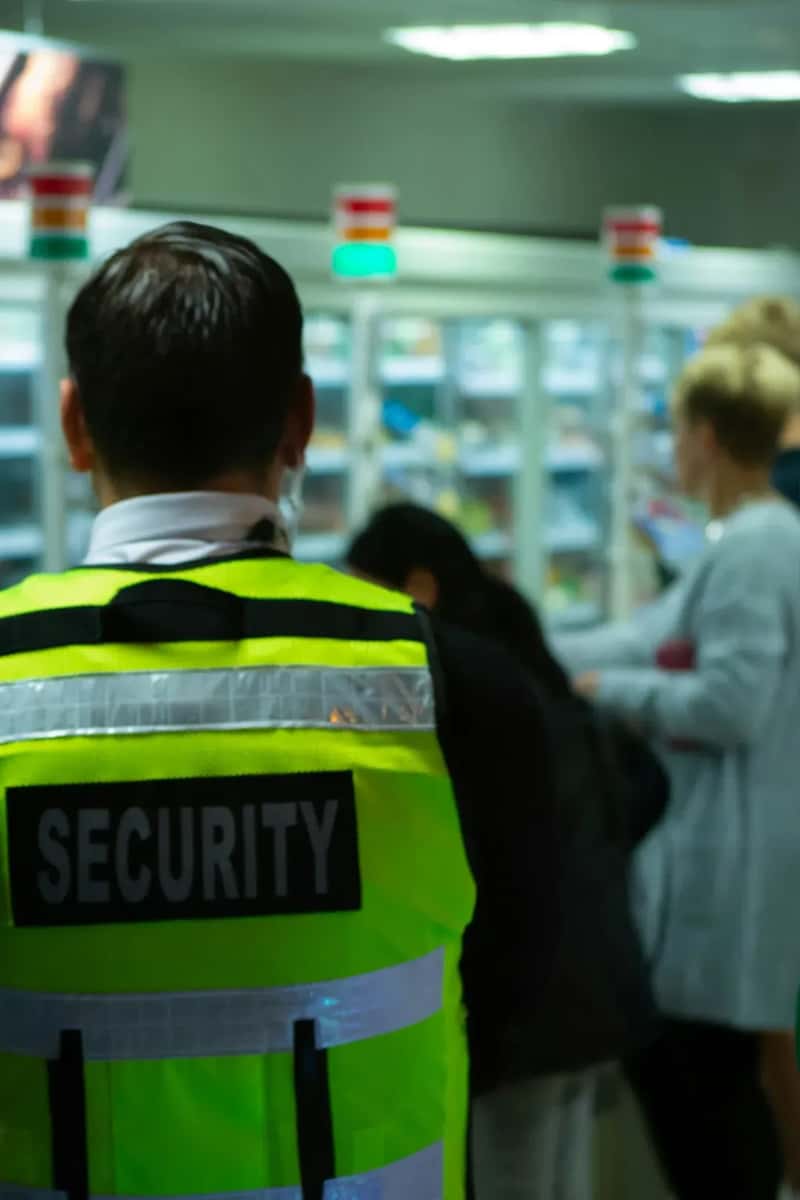
Most people think of wheelchair assistance as something you request because you genuinely can’t walk. The reality is far broader – and it kicks in much earlier than most travelers realize. Under the Air Carrier Access Act, travelers who request mobility assistance are entitled to escort through security, help with carry-ons, expedited checkpoint processing, and priority boarding. This is a federal legal protection, not an optional airline perk. The carrier is required to provide it upon request. Almost no one mentions this at check-in.
Requesting an escort doesn’t mean you’re declaring yourself unable to walk independently. It means you’re using a legal right that exists specifically to reduce the physical and logistical burden of airport travel. Security supervisors coordinate with airline escort staff routinely – which means your checkpoint experience can change from the moment you check in, not just when you reach the lane. Most travelers who would qualify and benefit never ask, because they didn’t know asking was an option.
Fast Facts: Air Carrier Access Act Updates
- The Air Carrier Access Act of 1986 prohibits airlines from discriminating against passengers with disabilities – it’s a civil rights law, not a courtesy policy
- In December 2024, the DOT issued a landmark final rule significantly expanding airline obligations for passengers with disabilities, effective January 16, 2025
- Airlines must provide assistance in a manner that is both safe and dignified – those are now legally defined standards
- You do not need a formal disability designation to request mobility escort assistance at check-in
The airport experience doesn’t have to be something you survive. It can be something that actually works for you.
TSA Passenger Support Specialist training materials
#2 – The Supervisor-Coordinated Pre-Arranged Checkpoint Walk-Through
This is the one that genuinely surprises seasoned travelers when they first hear it. When you call TSA Cares at least 72 hours before your flight, the coordination doesn’t stop at a general note in a system. It goes directly to the Customer Service Manager – a supervisor – at your specific departing airport. That person gets briefed on your situation, your needs, and your arrival time. The TSA Cares program includes expedited screening options for passengers 75 and older and full coordination support for anyone with a disability or medical condition.
At airports like Phoenix Sky Harbor, dedicated teams of Passenger Support Specialists work specifically to move passengers through security smoothly and get them to their gates with minimal stress. The supervisor who meets you isn’t reacting to a surprise – they’re already expecting you, already briefed, and already have a plan before you walk through the door. Most travelers have never made that one phone call. The ones who have describe the difference as night and day.
#1 – The Full Accommodation Stack That Experienced Travelers Layer Together
The single most powerful thing a traveler over 60 can arrange isn’t any one accommodation – it’s the combination of all of them working together in a single trip. An advance TSA Cares call gets a supervisor expecting you by name. A Passenger Support Specialist walks you through the checkpoint lane. The Disability Notification Card eliminates the awkward verbal explanation. The medical liquid exemption keeps your prescriptions in your carry-on where you need them. The seated pat-down option removes physical strain. The shoe and belt exemption keeps you moving without the usual strip-down. The Air Carrier Access Act escort right means support starts at check-in, not at the scanner.
None of these require a formal disability designation, a doctor’s letter, or a paid program. Stack two or three together and your checkpoint experience improves noticeably. Stack all of them and you have a fundamentally different trip – calmer, faster, and built around your actual needs instead of the default process designed for 35-year-olds in a hurry. The gap between what most travelers over 60 experience and what they’re genuinely entitled to is wider than almost anyone realizes.
Why It Stands Out: Your Full Checkpoint Toolkit
- TSA Cares: Call (855) 787-2227 at least 72 hours out – a supervisor gets briefed before you arrive
- Passenger Support Specialist: Request one at the checkpoint or in advance – always free
- Disability Notification Card: Free PDF download from TSA.gov – no verbal explanation needed
- Medical liquid exemption: Declare at the checkpoint – no size limit, no doctor’s note required
- Seated pat-down: Just say “Can I be seated?” – agents are trained to honor it
- Private screening room: Request it anytime – TSA is required to accommodate
- ACAA escort right: Ask at check-in – it’s a federal legal protection, not a favor
None of this is secret in the legal sense. It’s all published, documented, and freely available. What makes it invisible is that nobody announces it at the checkpoint, nobody mentions it at check-in, and the passengers who need it most are the least likely to know to ask. That changes today. Share this with someone who’s been quietly enduring the full routine for years – when they never had to.