Turning 62 really does unlock something at American parks, but the “everything drops” version of the story is only half true. The Senior Pass can waive the entrance fee for you and everyone in your car, and it can cut some tour and camping fees in half. It does not make every shuttle, ferry and guided tour disappear from your bill.
Some of the charges people expect to see “dropped” never existed in the first place. Others are halved for you alone, and a few don’t budge, even for a lifetime pass holder. The surprises start at the very first stop, and the biggest letdown is still waiting.
#15 – The Zion Canyon Shuttle Never Charged Anyone
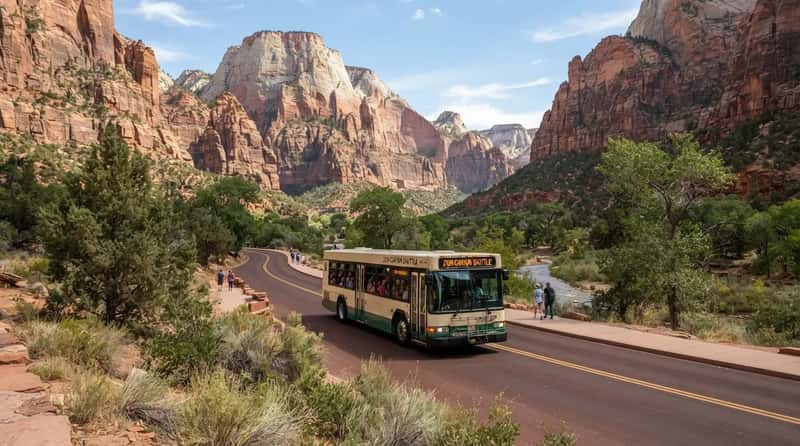
Nobody gets a senior rate on the Zion Canyon shuttle, because nobody pays for it. There are no tickets, no reservations and no extra cost beyond your park entry. During shuttle season, private vehicles are not allowed in Zion Canyon, so everyone rides.
What you do pay for is the gate. Zion’s entrance fee is the one a Senior Pass wipes out. The shuttle runs on a seasonal schedule, so check the park’s current dates before you plan your day. The ride itself was free for everyone all along.
Another free shuttle hides a quieter twist at #14…
#14 – Acadia’s Island Explorer: Free Bus, Not-Free Gate
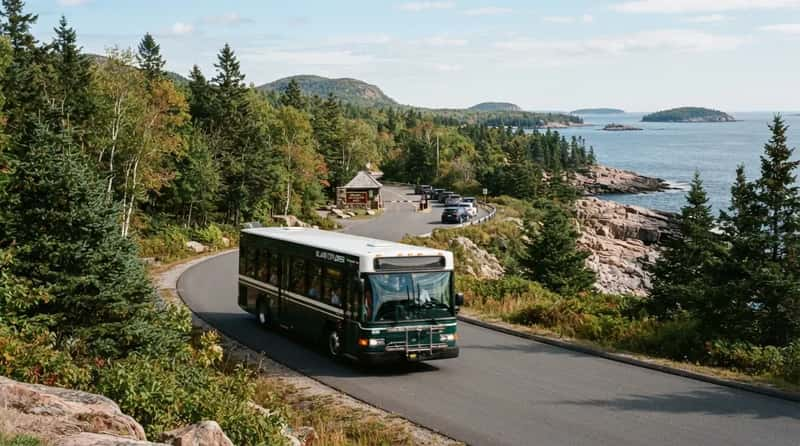
The bus that threads through Acadia has never charged a fare. The Island Explorer is a fare-free, propane-powered system that runs seasonally in and around the park, and it has been rolling since 1999. A bus service older than most smartphones has never had a senior price, because it has never had a price.
The catch is the entrance. Riding is free, but you still need a park pass to enter most areas of Acadia, and the buses don’t run year-round. Some experiences carry their own booking rules too. The Cadillac Summit Road, for example, still needs a reservation. The 62nd birthday matters at the gate, not on the bus.
Fast Facts
- Fare-free, so there is no ticket for a senior rate to discount
- Propane-powered and seasonal, not a year-round service
- Running since 1999
- A park pass is still needed to enter most areas of Acadia
- Cadillac Summit Road still requires its own reservation
The Grand Canyon has a different twist at #13…
#13 – The Grand Canyon Shuttle: Free Ride, $35 Gate
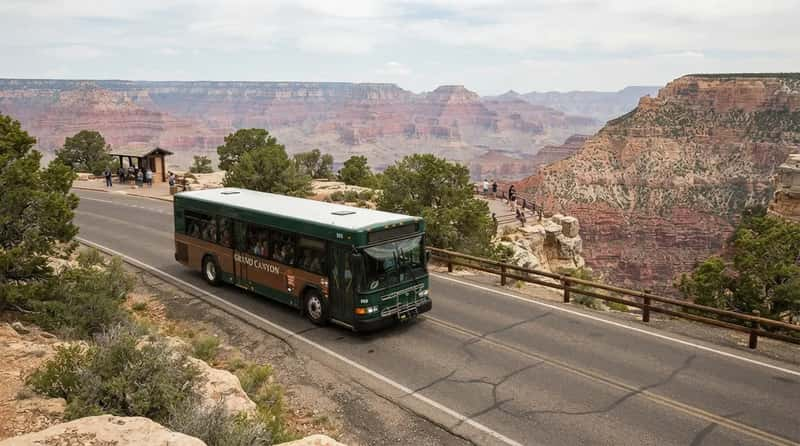
Plenty of travelers picture a pricey shuttle ticket at the Grand Canyon. There isn’t one. Park-run shuttles, like Zion’s, are free with park entry. You can drive to Mather Point, but other overlooks require the shuttle.
The real charge is at the entrance, where the Grand Canyon asks $35 per vehicle. That is the bill a Senior Pass wipes out for the whole carload. The bus that takes you to the rim was already free, so there was never a shuttle fee to “drop.”
Not every shuttle near a park is run by the park, as #12 shows…
#12 – The $7 Hotel Shuttle No Federal Pass Can Touch
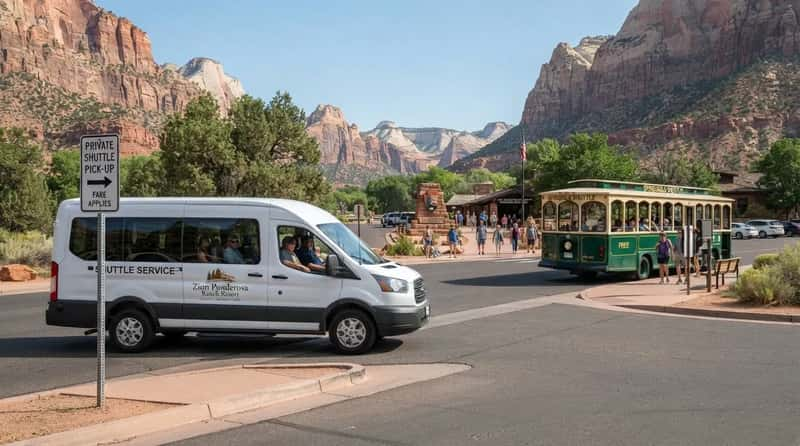
Zion Ponderosa offers a shuttle for $7 per person. That is a private business setting its own fare, and a federal pass has no say over it.
Meanwhile, the free option sits right nearby. The Springdale town shuttle is a separate free system with nine stops through the gateway town, linking hotels and restaurants to the park’s pedestrian entrance. Park anywhere along Zion Park Blvd in Springdale, hop on, and skip the in-park parking hunt. The free shuttle is often the smarter move.
But one park may really sell a separate shuttle ticket at #11…
#11 – Glacier’s Shuttle: The Bus That May Come With Its Own Ticket
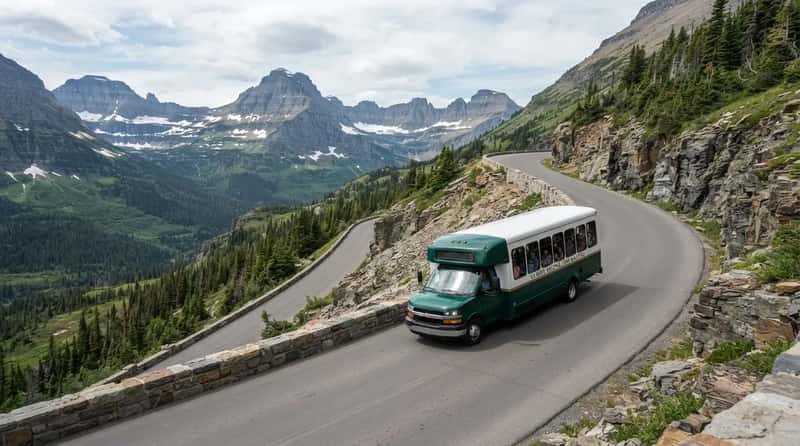
Glacier is the one name that keeps popping up as an exception to the free-shuttle rule. One 2026 fee calendar says the park charges a standard entrance fee plus a shuttle ticket for the alpine section of Going-to-the-Sun Road. Another roundup notes that certain Glacier shuttles may need a fee or an advance ticket.
Would a pass erase that ticket? Don’t count on it. One senior pass guide lists transportation fees such as shuttle buses, ferries and tours as not covered, and guides don’t all agree, so confirm with the park first. At Glacier, the gate and the shuttle can be two separate bills.
The private-operator problem gets bigger at #10…
#10 – Mount Rushmore’s Parking: A Concession Charge, Not a Park Fee
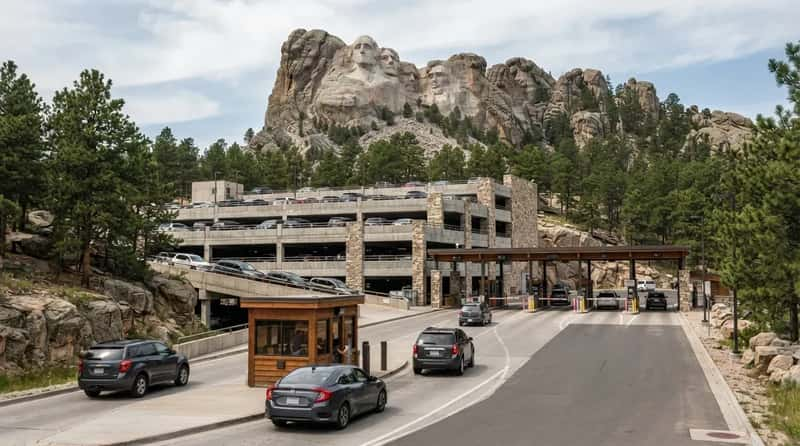
Not every charge at a famous monument comes from the government. Concessionaire fees are set by private businesses operating on federal land, covering things like shuttle services, equipment rentals or special parking areas at sites like Mount Rushmore. The sign says “park,” but the cash register belongs to a company.
The pass does not cover concessionaire fees at all. It is a discount, not a free ride to everything inside the gate. A senior can walk in free and still pay for parking.
Denali shows how fast that adds up at #9…
#9 – Denali’s Park Buses: Small Gate Fee, Bigger Ride Bill

Denali’s entrance fee looks small on paper. The National Park System fee list shows $15 per person for Denali National Park and Preserve. At per-person sites, the pass covers you plus three additional adults, for a maximum of four adults total.
The ride is another matter. Denali’s narrated bus tours are generally run by a private concessioner, and the pass does not cover fees charged by private concessioners. Check the current operator’s own senior rates before you assume anything. The cheapest part of a Denali day can be the only part the pass covers.
The same sticker shock hits at #8, where the tour looks official…
#8 – The Private Tour That Looks Official and Isn’t Covered
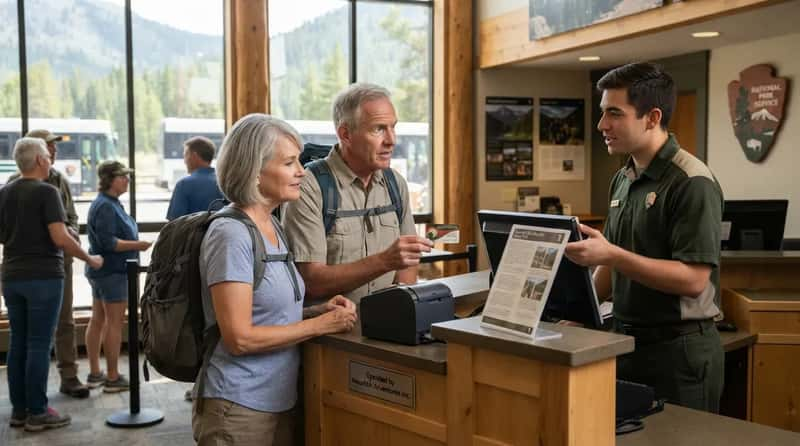
At a booking desk, a ranger-led tour and a private-company tour can look identical and be treated very differently. Concessioners are private companies running services on public land, and their fees sit outside the pass.
Even inside one forest the rules can split. Some forest campgrounds are run by private concessionaires, so the same forest can have two sets of rules at two different gates. Discounts vary by site, and concessioners can opt out. Same park, same logo, different price.
Some operators do run their own senior pricing, as #7 shows…
#7 – The Statue of Liberty Ferry Has Its Own Senior Rate
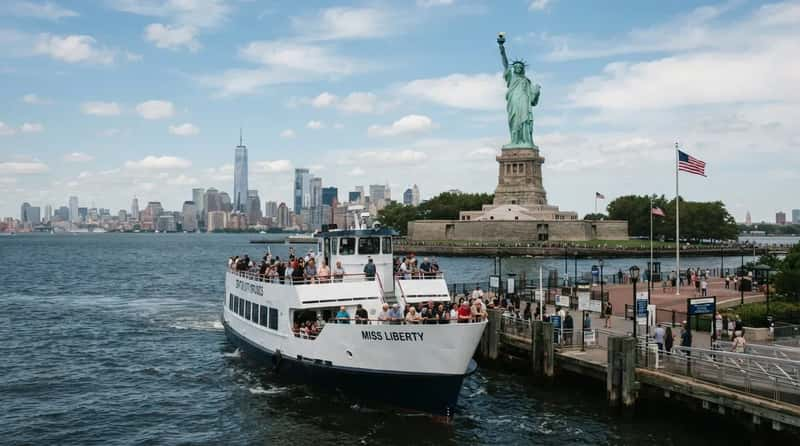
Here the savings may come from the ticket seller rather than the federal pass. A New York senior-discount roundup says seniors over 62 can get reduced prices on Statue of Liberty tickets, listing about $25 instead of about $32. That list is a few months old, so confirm current prices.
The Ellis Island Hard Hat Tour follows the same pattern, with seniors paying $75 instead of $81.50. The ferries are run by Statue City Cruises. A senior rate and a Senior Pass are not the same thing. Ask the ticket seller which one you’re getting.
Quick Compare
- Statue of Liberty ticket: about $25 for seniors versus about $32 standard
- Ellis Island Hard Hat Tour: $75 for seniors versus $81.50 standard
- Who sets the price: the ferry operator, not the federal pass
Ranger-led programs are where the pass actually steps in at #6…
#6 – Ranger-Led Programs: The Pass’s Quietest Tour Perk
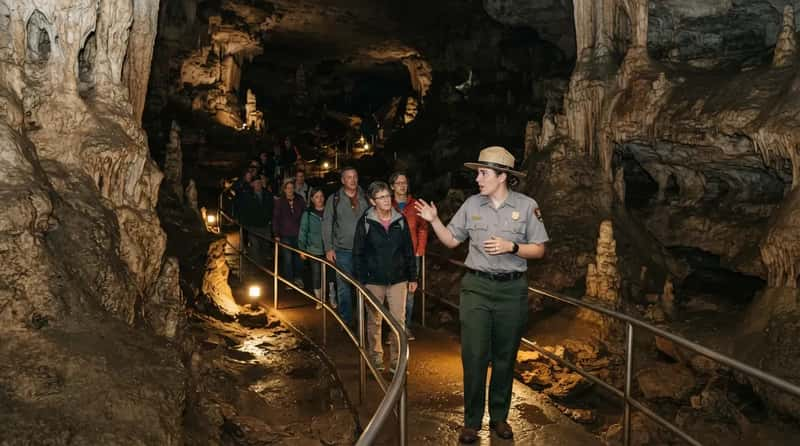
When the park itself leads the tour, the pass can help. It offers 50% off many expanded amenity fees, including single-family campsites, swimming, boat launching and specialized interpretive services. One 2026 guide points to certain ranger-guided cave tours, such as those at Mammoth Cave or Wind Cave.
But the official wording says “may,” and that matters. Each site decides whether the discount applies to its specific amenity fees. Half off is the ceiling, not the guarantee. Ask at the visitor center before you book.
Mammoth Cave is the clearest example, and it has a catch at #5…
#5 – Mammoth Cave: Half Off the Ticket, But Only for You
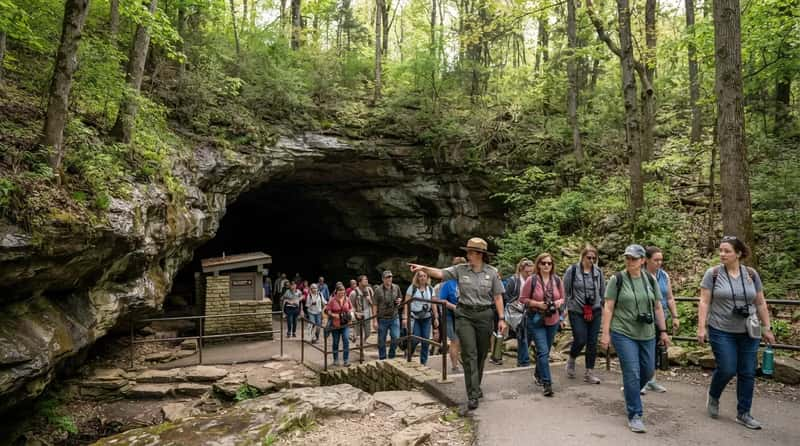
Mammoth Cave charges nothing to enter. The fees are for cave tours, camping and shelter rentals. A Senior Pass gives a 50% discount on cave tour tickets for the cardholder only. Adult examples from the fee page include Mammoth Passage at $15, Discovery at $12, Historic at $24 and Wild Cave at $79 for ages 16 and up.
Your spouse or grandchild still pays full price. Free-entry days don’t help either, because fee-free days waive entrance fees only and do not make cave tours free. The park’s booking page has said the discount is applied in person at the visitor center, with your physical card and ID, after you reserve. A passholder’s half-price tour can sit right beside a full-price ticket for the person next to them.
The water side of the park has its own version of this split at #4…
#4 – Half-Price Boat Launches, Full-Price Boat Trips
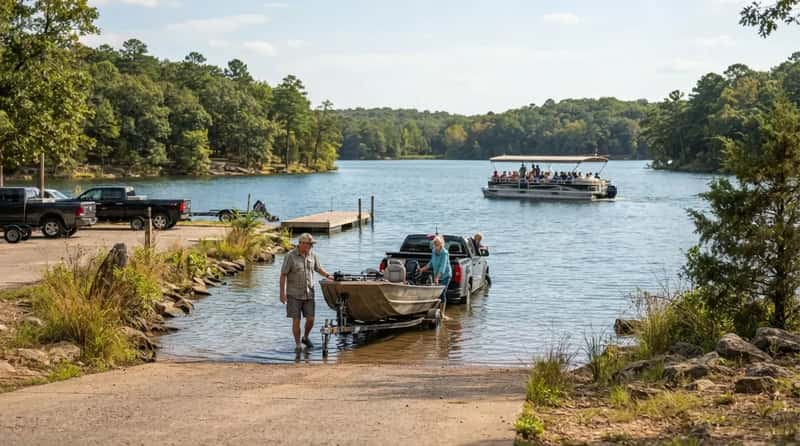
Your own boat gets a break. Someone else’s boat tour may not. The pass can take 50 percent off some amenity fees, including swimming and boat launches. At Chickasaw National Recreation Area in Oklahoma, for example, senior pass holders are eligible for 50 percent off camping fees and boat launch permits.
Boat trips run by private companies follow another playbook. Concessionaire boat trips and lodges often set their own rules. Even launch ramps vary, and some sites don’t charge a launch fee at all. Always check who is selling the boat ticket.
And at #3, there is a famous park where the pass is useless…
#3 – Alcatraz: The Ferry Where the Pass Doesn’t Work
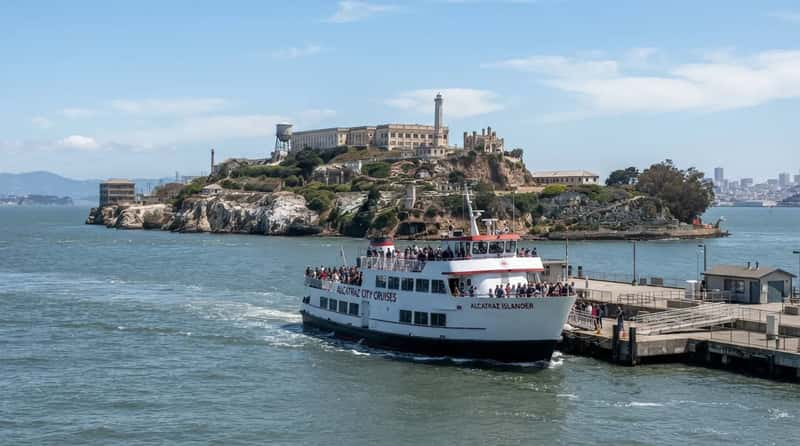
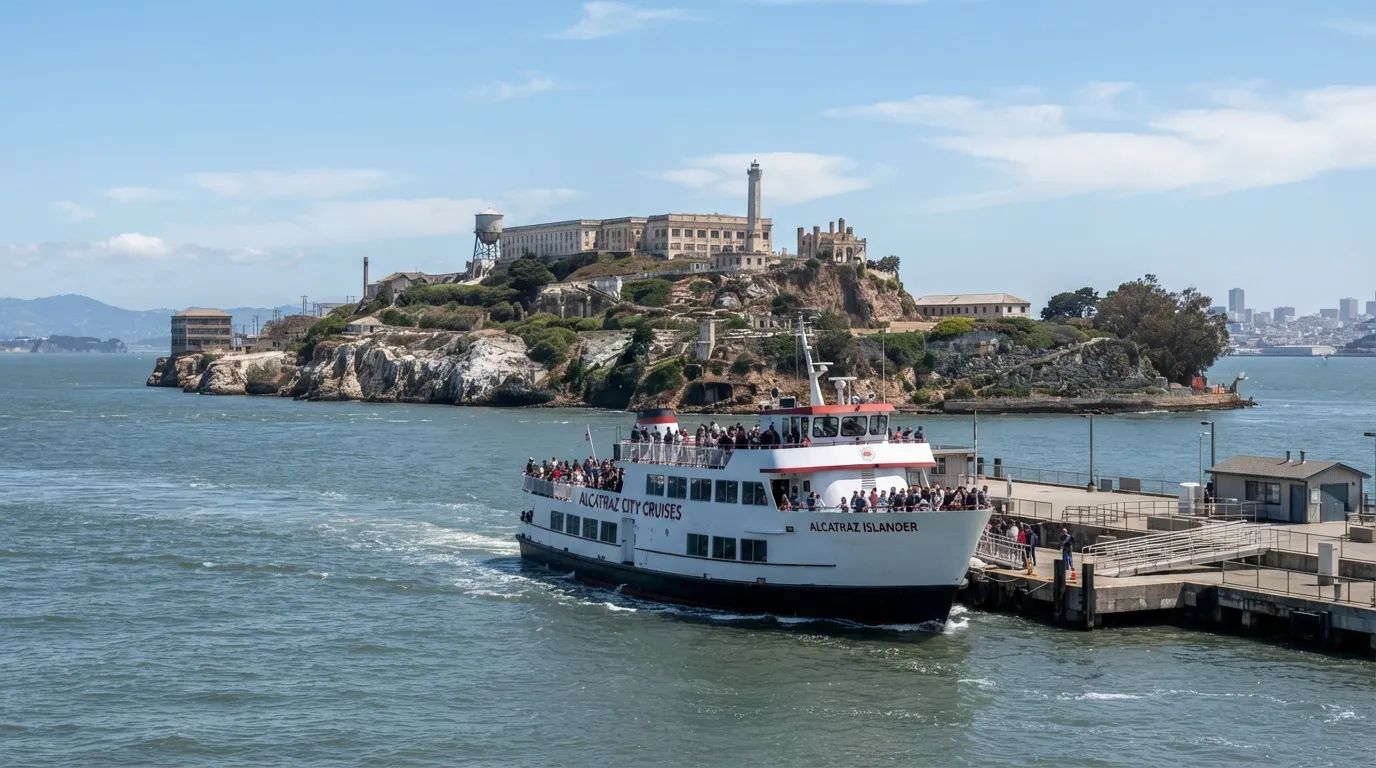
Alcatraz is the strongest argument against assuming a federal site means a federal discount. There is technically no entry fee, so you pay only for the ferry ride. Alcatraz City Cruises is the only government-authorized ferry service to the island.
That setup has a surprising result. The America the Beautiful passes can’t be used there, not even for a discount, and one 2026 price guide notes that seniors pay the standard ticket prices. A traveler with a lifetime pass pays the same as everyone else.
At a Glance
- Entry fee: technically none
- What you pay for: the ferry ride
- Who runs it: Alcatraz City Cruises, the only government-authorized ferry
- Pass discount: not accepted, even at a reduced rate
- Senior price: the standard ticket price
The twist at #2 is about who never qualifies at all…
#2 – The 62-Year-Old Visitor From Abroad Gets None of This
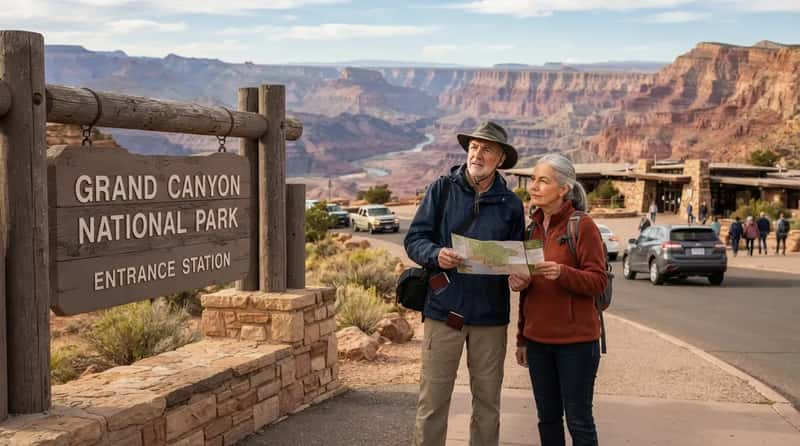
Age is only half the rule. The Senior Pass is for U.S. citizens or permanent residents aged 62 or older. A foreign traveler who turns 62 doesn’t qualify, no matter how many parks they plan to visit.
Meanwhile, costs have gone up for non-residents. Effective January 1, 2026, non-U.S. residents aged 16 and older pay an extra $100 per person on top of the standard entrance fee at 11 of the most popular parks, including Acadia, Bryce Canyon, Everglades, Glacier, Grand Canyon, Grand Teton, Rocky Mountain, Sequoia & Kings Canyon, Yellowstone, Yosemite and Zion. A $250 non-resident annual pass waives the surcharge. Fee-free days in 2026 apply to U.S. residents only.
All of this leads to the biggest myth of all at #1…
#1 – The Truth: Nothing Drops on Your 62nd Birthday
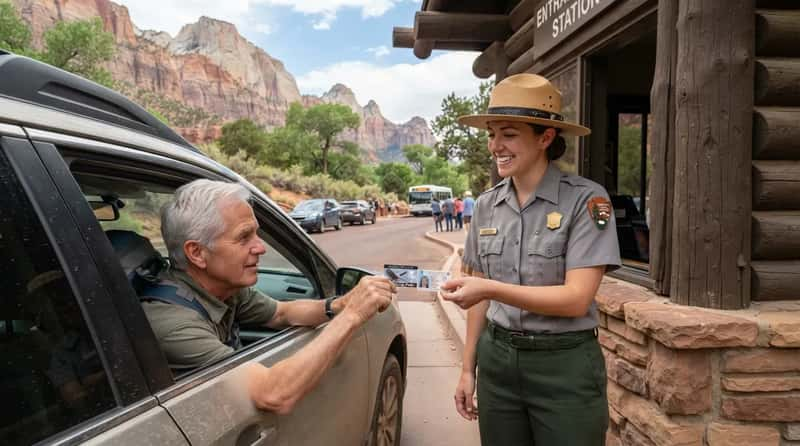
No shuttle or tour charge disappears by itself. You have to buy the pass: $20 a year or $80 for life. You must show proof of age and citizenship or residency, such as a driver’s license, passport or permanent resident card. And it was never limited to the year you turn 62.
What you get is real, just narrower than the headlines suggest. It covers entrance and standard day-use fees at more than 2,000 federal recreation sites, the whole carload at per-vehicle gates, and half off many camping, swimming, boat launch and tour fees. Four annual passes can be traded in for a lifetime pass at no extra cost.
For plenty of travelers, the camping discount may save more than the gate waiver ever does.
So the 62nd birthday opens a door, but it doesn’t erase every shuttle and tour charge. Zion, the Grand Canyon and Acadia run free shuttles for everyone. Private concessioners, parking operators and Alcatraz’s ferry sit outside the pass. Ranger-led programs may drop to half price, but at Mammoth Cave only for the cardholder.
The pass is still one of the best deals in travel. Just ask who is selling the ticket before you reach for your card at the tour desk.