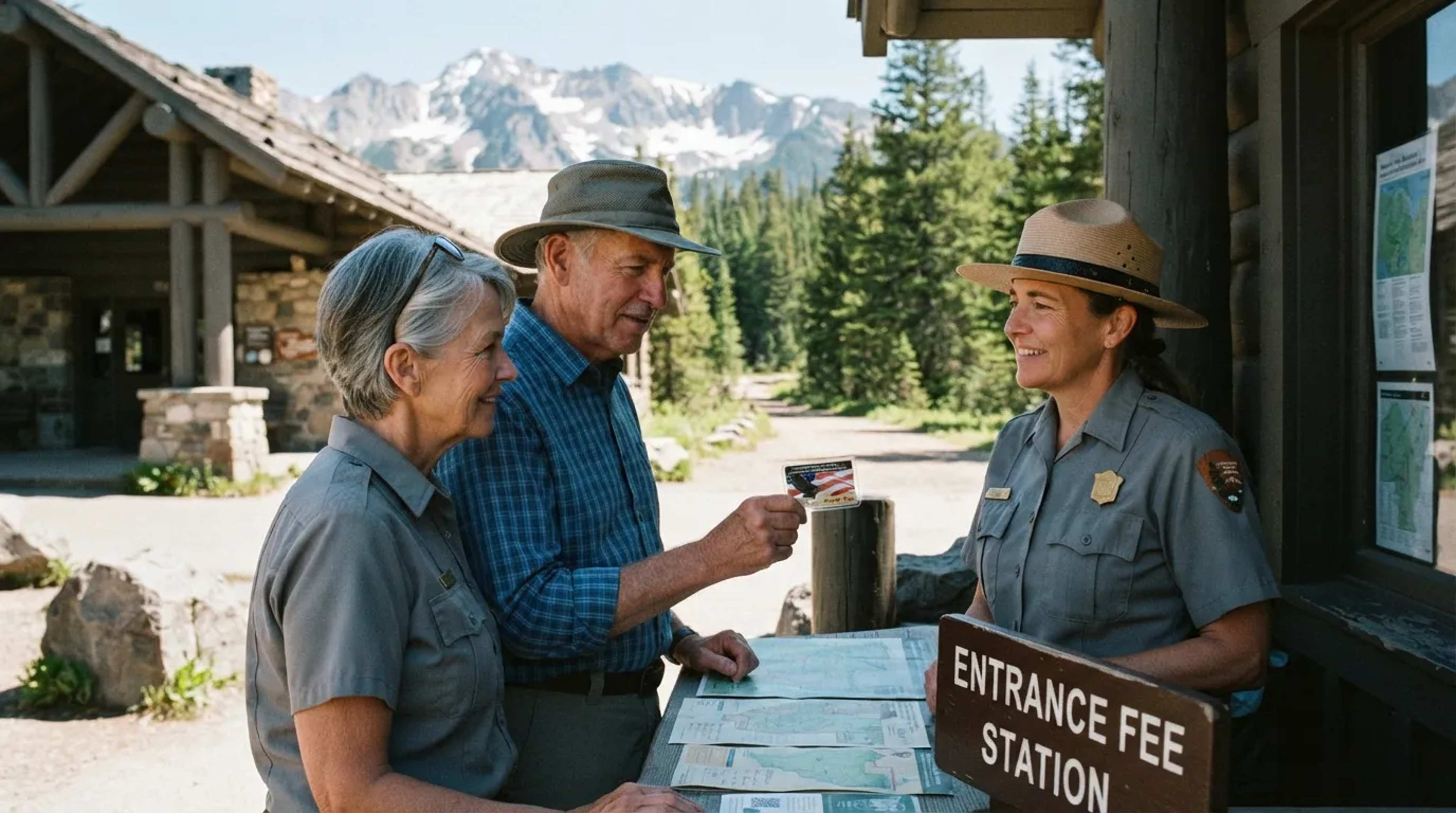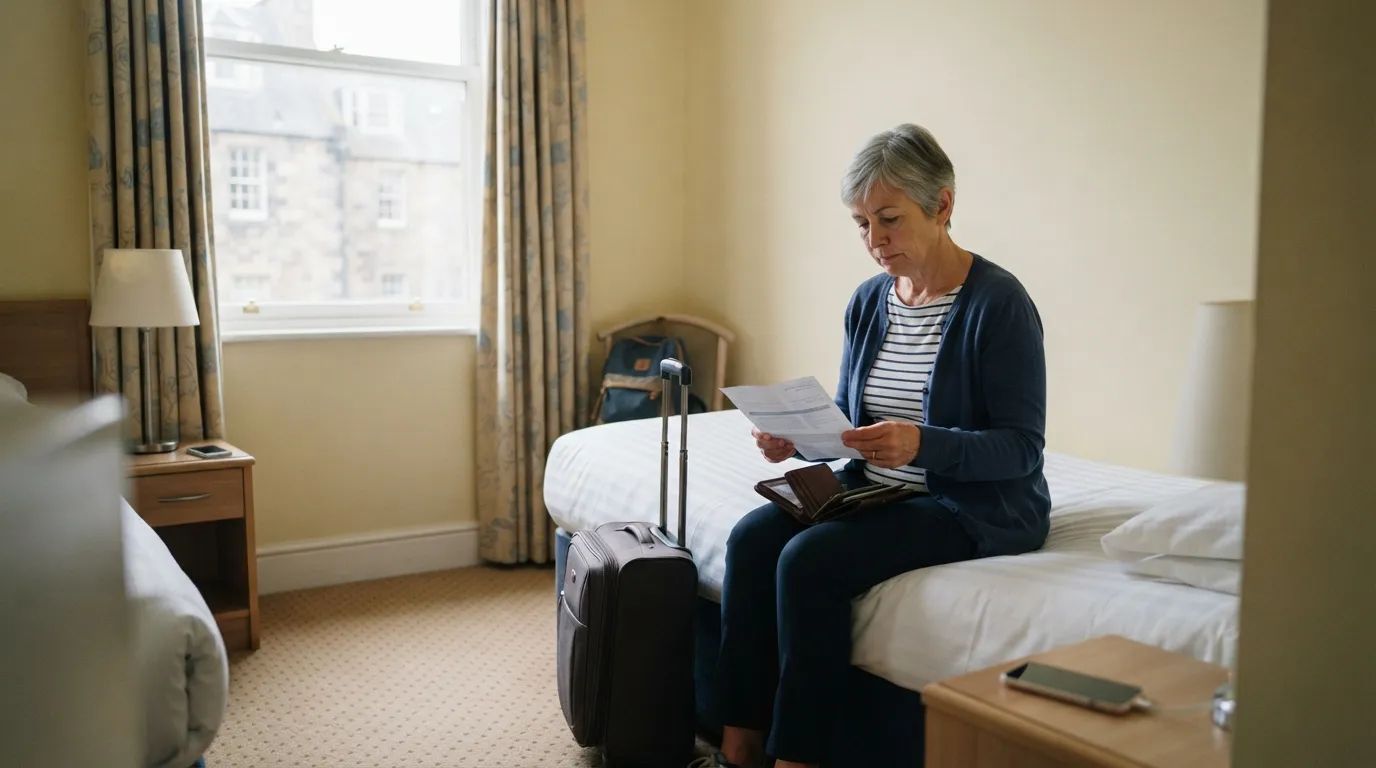
The brochure promised a relaxed way to see the world. Then came the early alarm, the suitcase on the stairs and a seat nobody warned you about. Read consumer reports, traveler forums and operator advice for older travelers, and the same regrets keep surfacing.
Some are about money. Some are about your legs. One is a charge many solo travelers say feels like a penalty for traveling alone. Here is what experienced coach travelers report, counted down from the smaller regrets to the one that stings most.
#15 – The "Bargain" Fare That Didn’t Cover Everything

The headline price looked fantastic. Then the extras arrived: optional excursions, tips, drinks and a few dinners outside the package. A first-timer often finds out on day two that "included" and "everything" are not the same word.
Operators differ a lot here. Some bundle most meals and entry fees, while others sell the sightseeing as add-ons. Compare two tours by headline price alone, and you can end up paying more for the "cheaper" one.
But the next regret starts before the coach even moves, and it involves your back.
#14 – The Suitcase That Became a Daily Workout

On a multi-stop tour, your bag is packed, loaded, unloaded and carried again and again. One buyer’s guide for over-50s notes that the relentless repacking of a coach tour is tiring, which is part of why river cruises appeal to some travelers.
Most tours cap luggage, so check the limit for your booking. Many first-timers say they brought far too much, then wore the same few favorite outfits all week anyway. Every extra pound gets dragged across hotel lobbies on the days you’re already worn out.
But that’s nothing compared to the lottery that happens on board every morning.
#13 – The Seat Lottery Nobody Explains
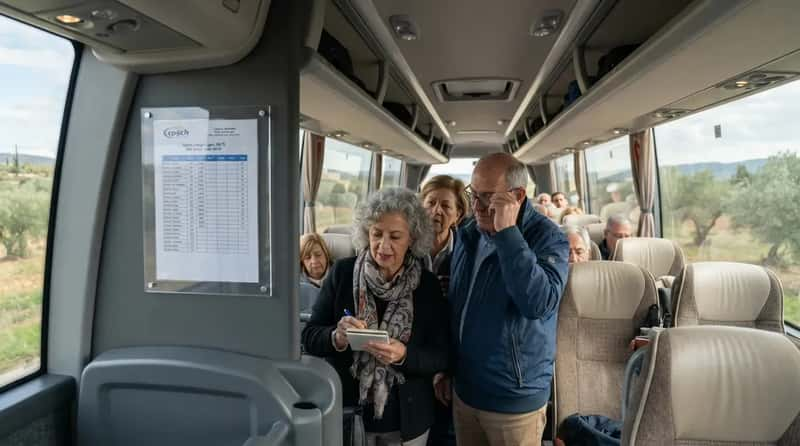
Where you sit shapes your whole day. Many large-group operators rotate seats so everyone gets a turn at the front. Others let people claim a seat on day one and keep it all week.
Travelers stuck at the back often mention more bounce and more noise. They also point out it’s the spot furthest from the door when everyone is trying to get off at a stop. The fix is simple, but plenty of people only learn to ask after a few uncomfortable days.
Quick Compare
- Rotating seats: everyone gets a turn up front, but you may lose a spot you love.
- Claimed seats: you settle in fast, but a bad pick can follow you all week.
- Best question to ask: which system does this operator use on this departure?
Still, the next regret isn’t about where you sit. It’s about when you get to stand up.
#12 – Comfort Stops Run on the Driver’s Clock

On European tours, coach stops follow legal driving rules, not your bladder. Under EU rules, a driver must take an uninterrupted break of at least 45 minutes after 4.5 hours of driving. Daily driving is capped too: 9 hours a day, extendable to 10 hours twice a week.
Those rules apply to passenger vehicles with more than 8 passenger seats, and they exist to keep tired drivers off the road. That’s a good thing. But it also explains why a stop can feel badly timed for you, and why a long transfer day can seem to stretch forever.
But the real shock for many first-timers is where the coach drops them for the night.
#11 – The Hotel That Was "Near" the City

Some tour hotels sit on the edge of town beside a ring road. The rooms may be perfectly fine, but a short evening stroll or a spontaneous coffee isn’t on the menu. Travelers who pictured wandering cobbled streets after dinner often end up in the hotel lobby instead.
Location changes the whole feel of a trip. A central hotel lets you stretch your legs on your own terms, while a distant one makes the coach your only way out. Brochures don’t always make this obvious, so it’s worth asking where each hotel actually is.
Worth Knowing
- "Near the city" can mean a short walk or a taxi ride, so ask for the walking time to the center.
- Ask whether a shuttle or an easy public transport link exists after dinner.
- Check whether any evenings are left free, since that’s when location matters most.
- Look up the hotel’s address on a map before you book, not after.
But the hotel is only half the story. What lands on the dinner plate surprises people even more.
#10 – The Set Dinner at an Hour Nobody Chose

Group dinners usually run on a fixed schedule. One guide for over-50s says coach tours are not ideal for travelers who want to linger, deviate from the route or eat dinner at 9pm. If you love a long, late meal abroad, a set menu at 6:30 can feel like a cage.
Dietary needs add another layer. Group menus are cooked in bulk, so allergies and restrictions need to be flagged well in advance. Many travelers say they wish they’d spoken up at booking, not at the table.
But that’s nothing compared to what happens before breakfast.
#9 – The 6:45 a.m. Wake-Up Call
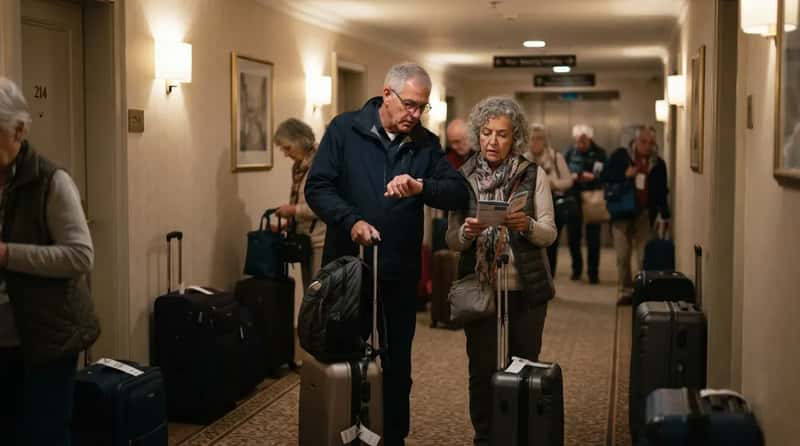
Luggage outside the door by early morning. Breakfast in a rush. Coach rolling by 8. Many tour-goers say early starts are the first thing they’d cut.
Here’s the friction point: operators often sell packed itineraries as value. Plenty of experienced travelers now argue an early start isn’t a perk. It’s the price of a schedule built to cram in more, and if you wake slowly, that rhythm can wear you down by midweek.
But the early starts are nothing compared to the voice on the microphone.
#8 – The Guide Who Never Stopped Talking (Or Never Started)

A great guide turns a pile of old stones into a story. A weak one reads from a script, or fills every quiet moment with trivia while you’re trying to watch the scenery. Travelers on both ends of that spectrum say they wish they’d checked who was leading their tour.
The difference shows up in small ways. A good guide reads the group, pauses when people are tired and knows when to say nothing. It’s the hardest thing to judge from a brochure, which is why reviews of specific departures matter more than glossy photos.
But even the best guide can’t fix what happens next on the sidewalk.
#7 – The Cobblestone Surprise
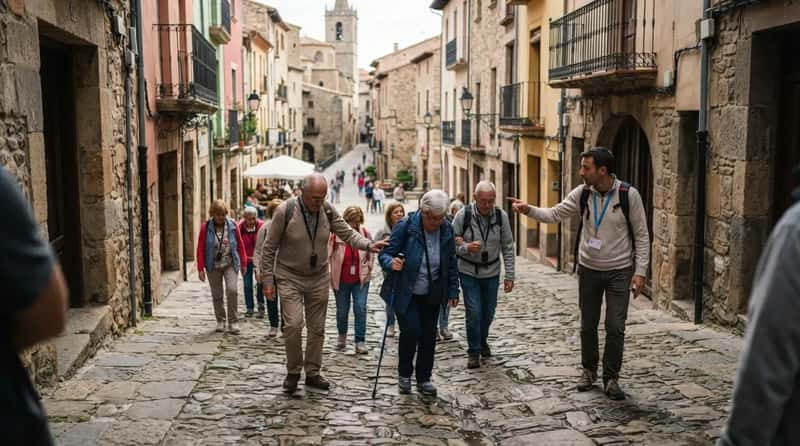
Old towns are famous for uneven stones, steep lanes and long walks from the coach drop-off. One buyer’s guide notes that coach tours suit travelers who are physically comfortable walking several kilometres a day. That’s a lot more than many first-timers pictured.
Many operators publish an activity or walking rating for each tour. Travelers who skipped that line say it was the one they should have read twice. If you’re not sure, ask how long the walks are and whether there’s a seat or a shortcut when you need one.
Fast Facts
- Several kilometres a day works out to a few miles, much of it on uneven ground.
- Look for the activity or walking rating in the tour details before you book.
- Ask how far the coach drop-off is from the main sights.
- Supportive shoes with good grip matter more than a stylish pair.
But the next regret has less to do with your feet and more to do with your paperwork.
#6 – The Insurance Fine Print Nobody Read

Travel insurance feels like a box to tick until something goes wrong. Policies generally ask you to declare existing medical conditions, and gaps there can cause real trouble at claim time. Many travelers say they wish they’d read the exclusions before paying, not after.
Medication is another quiet problem. Suitcases sit in the coach hold all day, so anything you need must stay in your day bag. It’s a small habit with a big payoff if the coach is delayed or your bag ends up at a different hotel.
But the biggest day-to-day factor might be the number of people around you.
#5 – A Group of 50 Strangers

Group size shapes everything. One guide for older solo travelers says group size and single supplement policy are the two factors that matter most. A group of 50 means longer waits at restaurants, slower boarding and less personal attention.
Smaller groups come with trade-offs too, often a higher price and fewer departures. Still, many travelers say they’d happily pay more to skip the bathroom queue at every rest stop. It’s a question worth asking before you book.
But the next one affects your health, not just your comfort.
#4 – Hours of Sitting Nobody Warned You About
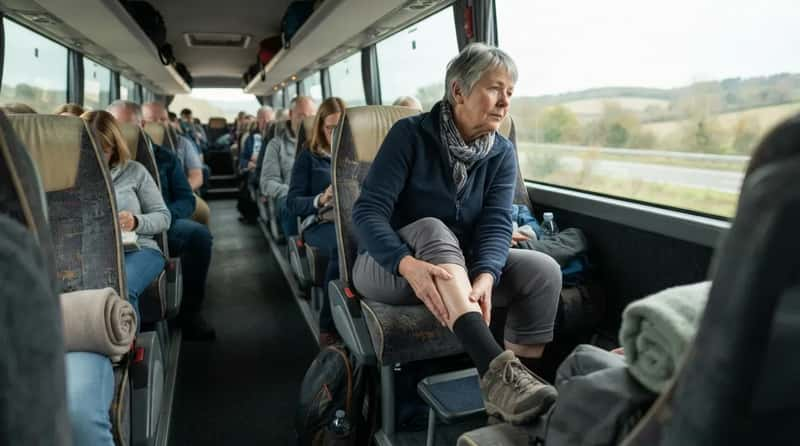
Long coach days can mean long stretches of sitting. The CDC says anyone traveling more than 4 hours, by air, car, bus or train, can be at risk for blood clots. The agency also notes the risk is generally very small, so this isn’t a reason to panic.
It is a reason to plan. Doctors suggest talking to your physician before a long trip if you have risk factors, and they point to compression socks or medication as options. An aisle seat makes it much easier to stand up and move.
But the most common complaint is about something you can’t stretch at all: your time.
#3 – The Free Afternoon That Never Came
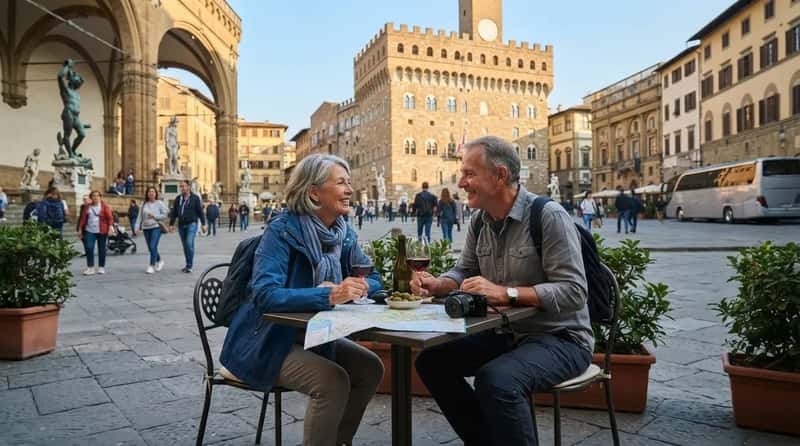
Modern older travelers want more room to explore. One tour owner interviewed in 2026 said her clients wanted more free time and more experiences with different cultures. The same article noted they don’t want to feel they’re on an old-school bus tour.
A Road Scholar survey of people aged 50 to 98, conducted in February 2025, shows how active this group is. 63% travel one to three times a year, and 32% take four to eight trips annually. Seasoned travelers like that expect room to roam, and a rigid itinerary can feel like a step backward.
But free time isn’t the only thing the schedule squeezes. The speed itself is the bigger shock.
#2 – Seven Stops in Eight Days: The Pace That Wrecks the Trip

Here’s the controversial one. Many brochures sell a packed route as better value, but plenty of experienced tour-goers now argue that a rushed trip is the biggest waste of money. One guide says the main adjustment for first-timers is accepting a fixed itinerary and a faster pace than independent travel.
Slower options exist. One Australian operator describes multi-night stops that make for an easier pace. Fewer hotel changes mean less repacking, and more mornings where nobody is standing in a lobby at dawn.
Why It Stands Out
- A multi-night stop means you unpack once and stay put.
- Fewer hotel changes mean fewer early luggage calls.
- Slower days leave room for the free time many travelers say they miss.
- The trade-off is fewer places on the map, which is exactly the point.
But the biggest frustration of all isn’t about time. It’s about money, and it shows up at the very start.
#1 – The Single Supplement That Feels Like a Penalty
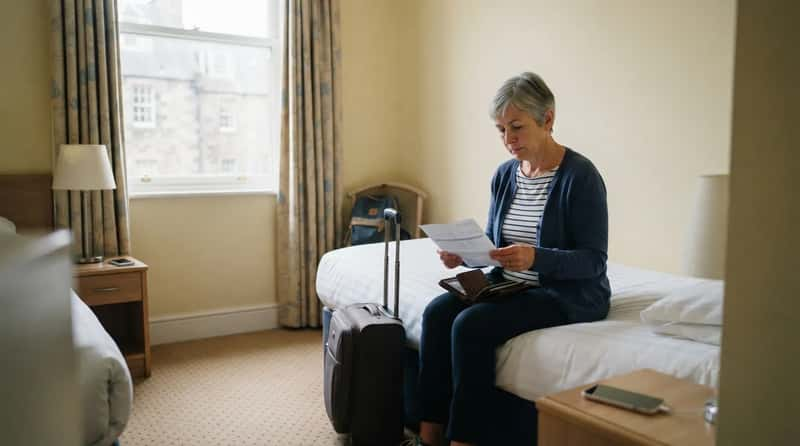
Solo travelers say this is the one that stings most. A single supplement is an extra charge for using a room alone, and most operators charge roughly 50 to 100% of the twin-share price. On a two-week European itinerary, that can add AUD 1,500 to 3,000 or more.
Consumer group Which? found that solo travellers routinely pay over the odds for package holidays, cruises and coach holidays. It also reported that some coach companies were charging the supplement for small single-bed rooms only suitable for one person. In a JourneyWoman survey of women over 50, 78 per cent said the single supplement is the number one barrier to solo travel.
The Bottom Line: Most of these regrets come down to the same thing. The brochure sells the destination, and the real experience is made of seats, stairs, schedules and small print.
The good news is that nearly every item here is fixable with a few questions before you pay. What would you change about your first one?