Most people think booking a national park lodge works like booking any other hotel: pick a date, enter a credit card, show up. It never works that way, and that gap between expectation and reality is exactly what wrecks otherwise great trips.
The insiders who keep coming back know a set of unwritten rules that never make it into the brochure – which rooms to request by name, when to call instead of click, and why the price tag tells you almost nothing about what’s actually behind the door. Here’s what rangers, concessioner staff, and repeat guests actually say about what’s waiting for you inside.
#14 – The Booking Window Opens Earlier Than You Think – And Closes Fast
Most travelers assume they can book a national park lodge a few months out, the same way they’d grab a city hotel room. That assumption will leave you shut out of the parks you want most.
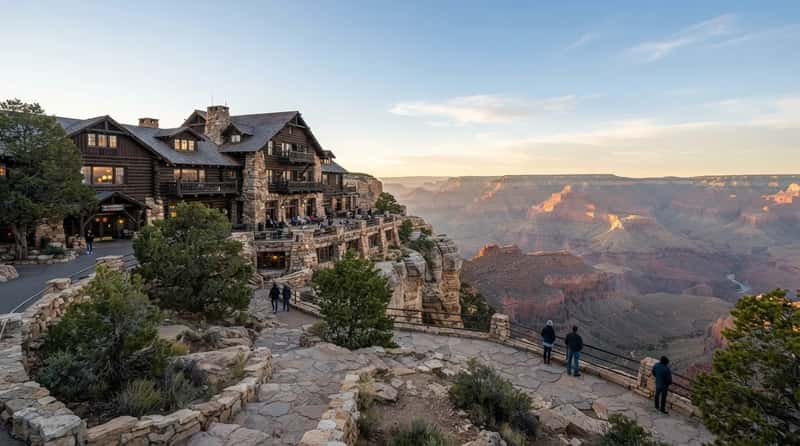
Lodges inside national parks often run at near-full capacity. Iconic properties like the El Tovar Hotel at the Grand Canyon or the Old Faithful Inn in Yellowstone can book up 13 months in advance.
Most in-park lodges are managed by concessioners like Xanterra, Aramark, or Delaware North, and each one sets its own window – anywhere from about 11 to 13 months ahead. The Yellowstone window, for example, opens on the 5th of each month for the same month the following year.
But the booking window is only the first surprise. What you’ll find inside the room is a whole different story, starting with #13…
#13 – “Luxury Lodge” Doesn’t Mean What You Think
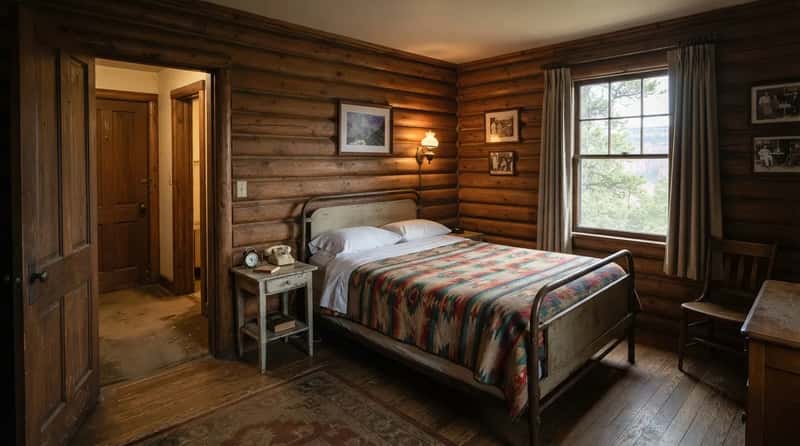
The word “lodge” conjures images of plush robes, fireplaces, and room service. At most national park properties, that mental picture needs a serious reset.
Many historic park lodges skip modern amenities like TVs, air conditioning, or strong WiFi, and some rooms have shared bathrooms down the hall. You’re paying for the experience and the location, not the pampering.
Amenities run the full spectrum, from rustic cabins with shared bathrooms to modern ADA suites with wet bars, sometimes at the same property. The mistake most first-timers make is assuming their rate reflects one consistent standard.
Always read the room description before booking. The gap between a “standard cabin” and a “lodge room” at the same address can be enormous, and the website is often the only place that distinction gets spelled out.
The amenity gap goes deeper than décor. Your phone is about to become nearly useless, and that’s actually by design…
#12 – Cell Service and WiFi Are Genuinely, Stubbornly Terrible
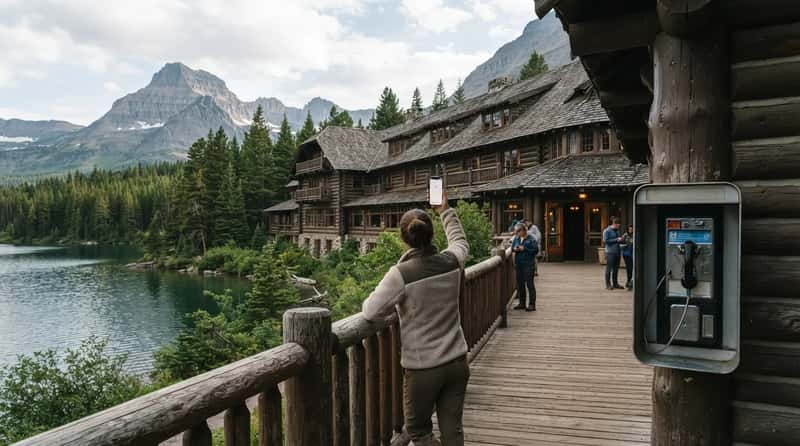
People read reviews that mention “limited WiFi” and assume that means slow Netflix. It often means no connection of any kind, anywhere near your room.
At Glacier National Park’s in-park properties, there is no cell service at all because of how remote they sit. Guests are told to plan accordingly, and public pay phones are still available at every lodge.
Where wireless internet exists, it’s usually limited to overnight guests in lobby areas, and the satellite connection can’t handle social media, photo uploads, streaming, or most news sites. Download your maps, trail guides, and entertainment before you leave the highway.
Think the price premium at least saves you driving time? That’s the next myth to bust…
#11 – Staying Inside the Park Doesn’t Always Mean You’re Closer to the Action
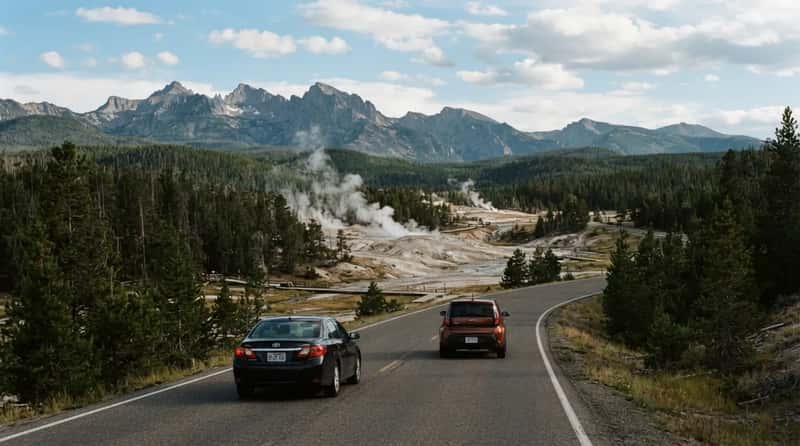
One of the biggest assumptions first-time lodge guests make is that “inside the park” automatically equals “right next to everything.” The geography of these parks will quickly prove otherwise.
Being inside the park can save driving time in some cases, but not always – some outside-the-park accommodations sit closer to certain major sights than in-park lodges do.
West Yellowstone, technically outside the park boundary, is actually closer to attractions like the Norris Geyser Basin than some lodges with an official in-park address. Distance on a map and distance in a car are two different things here.
Experienced travelers weigh the size of the park, the timing of the visit, and nearby lodging prices before deciding where to sleep. Address alone tells you almost nothing.
Quick Compare: Location vs. Address
- In-park lodge: often steps from a trailhead, but not necessarily near the park’s most famous overlook.
- Gateway town like West Yellowstone: sits outside the boundary, yet can be closer to spots like Norris Geyser Basin than some in-park lodges.
- Smart move: map drive-time to your top three must-see stops before you book, not just the property’s official address.
The price gap between inside and outside is bigger than most people expect, and that leads directly to the next thing nobody warns you about…
#10 – You’re Paying a Significant Premium – Every Single Night
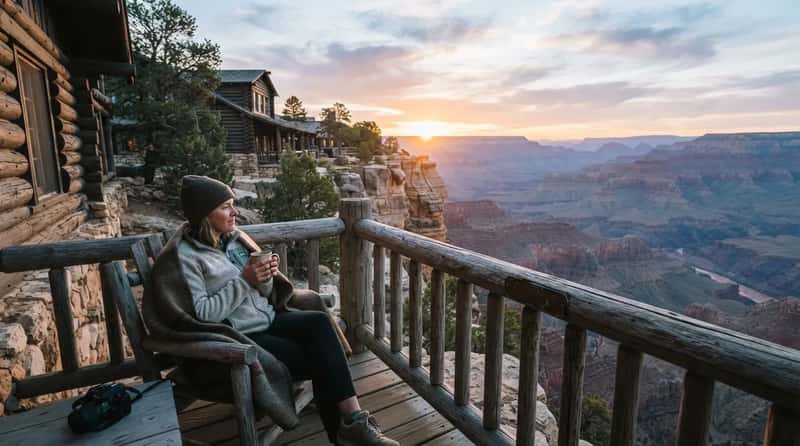
The romance of sleeping inside a national park comes with a very real surcharge that rarely makes it into the daydream.
Gateway town hotels often offer comparable or better rooms for $150–$300 a night. Staying inside the park typically adds $50–$150 more per night, and often more during peak season.
A national park lodge stay isn’t cheap, and the amenities you’d expect at that price often aren’t there. Forget pools, spas, and urban pampering – sometimes you can’t even get reliable WiFi.
That premium buys something real: proximity, atmosphere, and a sunrise view from your porch before anyone else arrives. Just walk in knowing the actual trade-off, not the one the brochure implies.
If the rates are this high and the amenities this thin, you’d expect the dining to compensate. Here’s what actually happens at the restaurant…
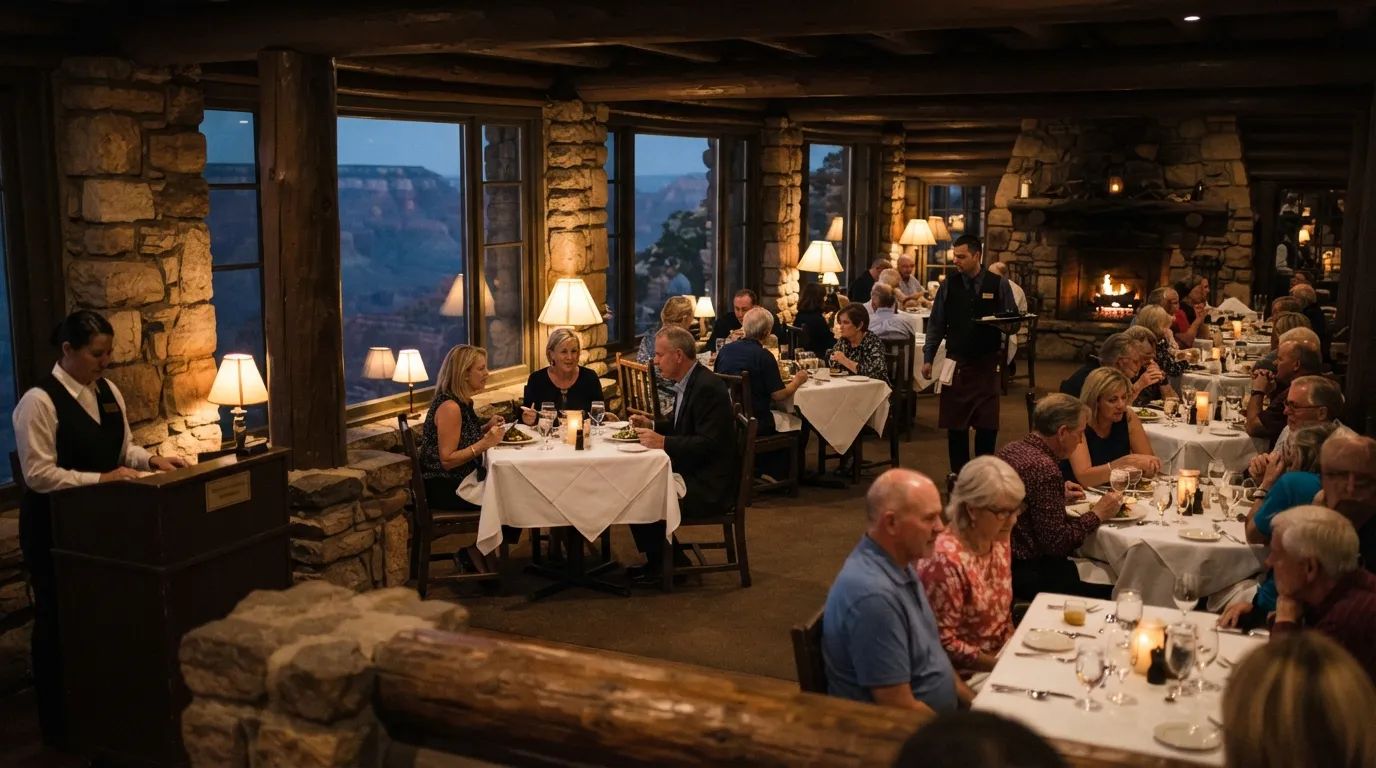
#9 – The Lodge Restaurant Requires Its Own Reservation – Book It When You Book Your Room
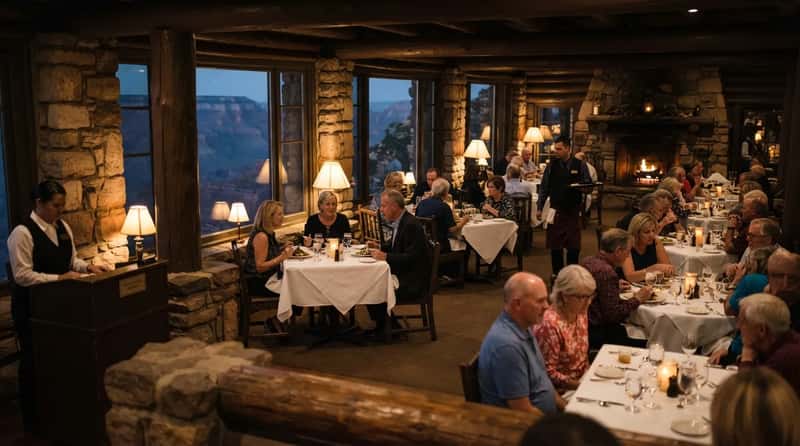
Guests who book their lodge room months in advance often forget about dinner entirely, then arrive to find the only in-park restaurant is fully booked for their whole stay.
Many national park lodges let guests with a confirmed room reserve tables far in advance too. It’s worth calling to find out exactly how far ahead dining slots open.
Guided tours and dinner reservations can fill up even faster than the rooms themselves, especially in peak months. The lodge restaurant is often the only sit-down meal for miles.
Skip the advance dining reservation, and you’re often left with convenience-store snacks and grab-and-go counters for every dinner. Not exactly the wilderness experience you paid for.
Food is sorted. Now the deeper issue: the lodge’s historic character, which sounds charming, creates a very real noise problem most guests never anticipate…
#8 – Historic Lodges Have Serious Noise and Soundproofing Problems
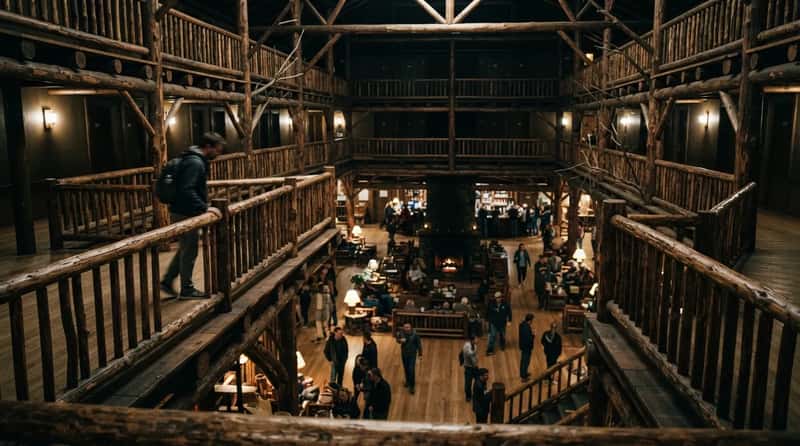
The thick timber beams and open gallery layouts that make historic park lodges so photogenic are also the reason you might hear every conversation from the floor above you at midnight.
Soundproofing a hundred-year-old lodge while adding modern amenities is a genuine engineering challenge, and management openly acknowledges it.
Guests in older, open sections frequently report hearing lounge and bar chatter well into the night, with conversations drifting outside room doors at late hours. Rooms nearest the lobby or bar are the worst offenders.
Before you check in, politely ask the front desk for a room on an upper floor or in a newer wing. Many properties have them, and staff will often accommodate the request without any fuss.
The noise issue is manageable. The next discovery, about the lodge’s actual role in the park’s ecosystem, catches almost every first-timer completely off guard…
#7 – The Lodge Is a Wildlife Corridor, Not Just a Building
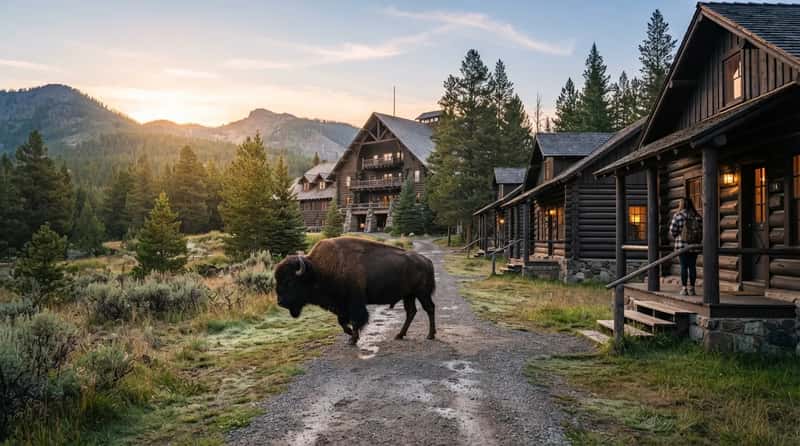
Nobody in the booking process tells you that the path between your cabin and the main lodge is also a regular route for bison, elk, bears, and other wildlife, especially at dawn and dusk.
Walking even 100 yards from your lodge and scanning your surroundings is standard practice at places like Yellowstone, where minimal light pollution makes both animal activity and the night sky extraordinary.
Rangers consistently note that the hours right after sunrise and right before sunset, exactly when most guests are eating or settling in, are peak movement times for large animals. Staying inside a park means encounters can happen steps from your door.
This is one of the genuinely thrilling parts of a lodge stay that no marketing copy captures. It also means staying alert and following posted wildlife guidance, even in the parking lot.
If the wildlife outside is unexpected, wait until you learn what lodge staff can actually do for you. Most guests never think to ask…
#6 – Rangers and Lodge Staff Know Things the Internet Doesn’t
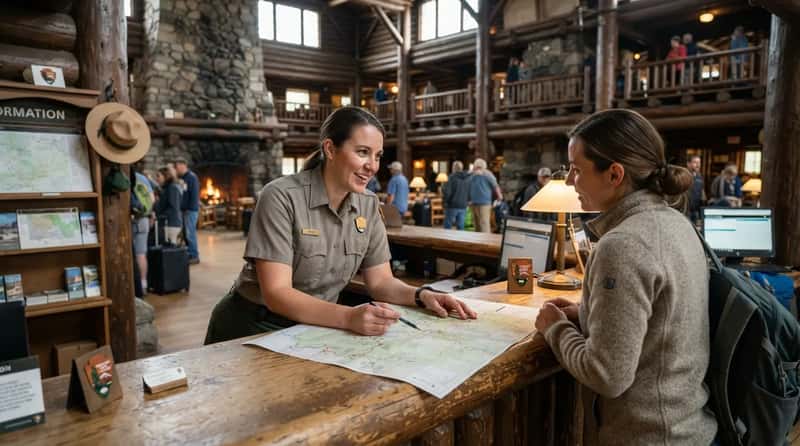
Most guests treat lodge staff like hotel staff: check-in, check-out, towels. That’s a significant missed opportunity.
Park rangers carry insider information that can make or break a trip. They know which roads are closed, which areas are under construction, and which trails are actually passable that day.
Rangers can point you toward hidden trails or the best spots to watch the sunset, local knowledge that no app or review site has ever indexed.
Concierge staff who live and work in the park for an entire season build an intimate knowledge of conditions, crowds, and timing that’s genuinely hard to find elsewhere. Guests who ask questions at the front desk consistently have better trips than those relying only on pre-downloaded itineraries.
Fast Facts: What to Ask the Front Desk
- Current road closures and construction delays inside the park
- Which trails are actually passable that specific day
- The best current sunset and wildlife-viewing spots, updated daily
- Whether any dining or tour slots have quietly reopened
The staff are an underused resource. But the concessionaire system itself has one more quirk that catches guests financially flat-footed…
#5 – Cancellation Policies Are Strict and Vary Significantly by Property
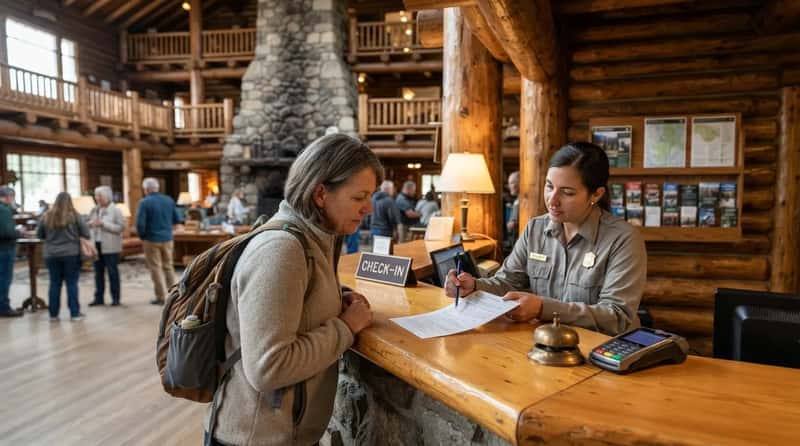
You book thirteen months out, life changes, and then you discover your “refundable” reservation comes with conditions you never expected.
Cancellation policies at most national park lodges require you to cancel 14 to 30 days before arrival to avoid a penalty. That window is narrower than most travelers assume when booking a year ahead.
Every concessioner sets its own rules, so what applies at Yellowstone doesn’t necessarily apply at Glacier or the Grand Canyon. Read the cancellation terms for the exact property at the moment you book.
Screenshot or save that policy the day you book it. Terms can be updated later, and having the original documented protects you if a dispute ever comes up.
Cancellations also create the single best opportunity for late-bookers to get in. Which brings us to something the most seasoned lodge guests do routinely, and almost nobody else does…
#4 – Cancellations Are Your Secret Weapon If You Missed the Opening Window
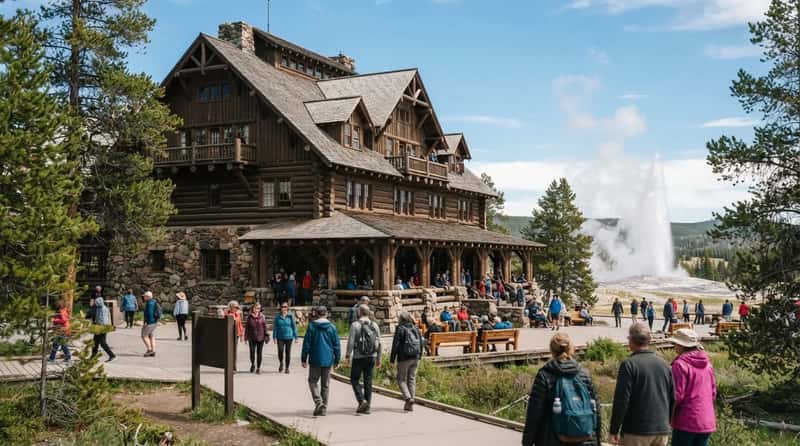
Missed the booking window by a few months? Most people give up. The guests who actually end up inside the park didn’t.
Lodges fill fast, but checking back daily for cancellations on a sold-out property is a viable strategy that regularly results in real bookings.
Some properties maintain informal waitlists you can only join by phone. If you call about a sold-out lodge, try Monday morning; weekend travelers often cancel Sunday evening, and those rooms haven’t yet filtered into the online system.
When you call, ask specifically about “held inventory,” rooms that don’t show online. Agents rarely volunteer this, but they’ll confirm it if you ask directly.
Cancellations get you in the door. But the timing of your visit determines almost everything else about the experience, and the conventional wisdom here is almost completely backwards…
#3 – Shoulder Season Stays Are Objectively Better – and Almost Nobody Chooses Them
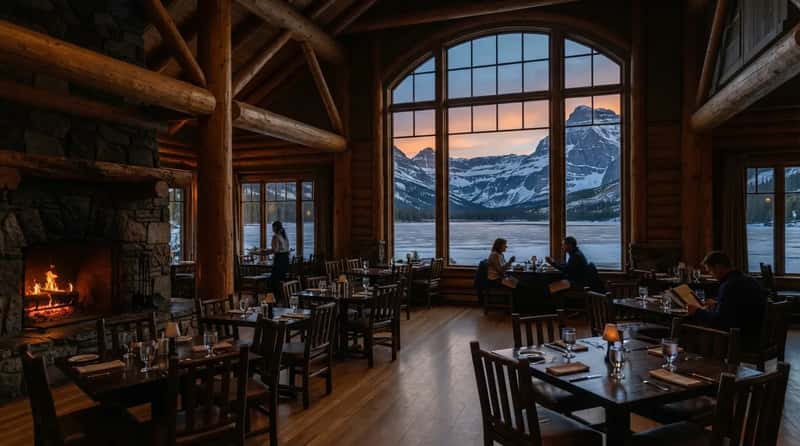
Ask most people when to visit a national park and they’ll say summer. That’s exactly why summer at a national park lodge is often the most expensive, most crowded, and most underwhelming version of the experience.
Fall and spring can actually be the better call, with smaller crowds and wildlife activity that’s often more interesting during these transitional weeks.
Staying in a grand old lodge already surrounds you with history. Visit off-peak, and the early mornings and late evenings inside the park become almost entirely yours.
Iconic viewpoints gridlocked with tour buses in July turn into genuinely peaceful places to stand and think. Rates drop, the dining room has open tables, and rangers actually have time to talk.
The timing insight is genuinely powerful. But the single most overlooked advantage of lodge stays, the one that makes repeat guests unable to stop coming back, is still ahead…
#2 – The Night Sky Is a Completely Different Experience From Inside the Park
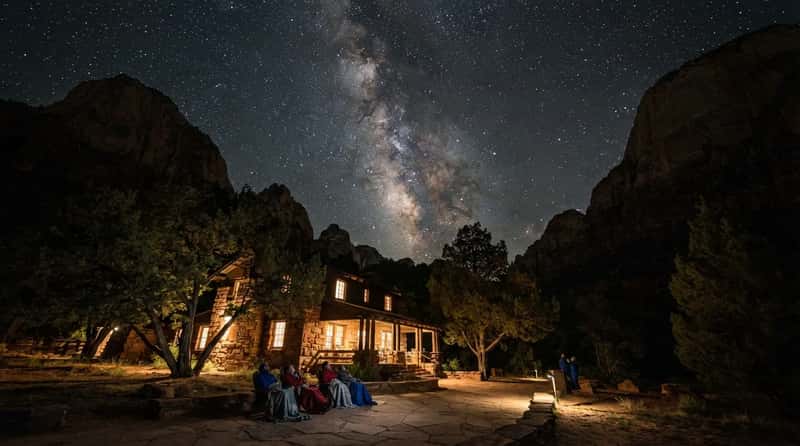
City dwellers occasionally see stars. Guests at national park lodges see something categorically different, and most of them stumble onto it by accident on the first night.
Walk just 100 yards from your lodge into open ground, and the sky without light pollution becomes a genuine wonder, the kind that practically demands a star chart.
Some lodges, like Zion Lodge, practice night-sky-friendly lighting across the entire property, keeping the sky visible even close to the buildings.
Because you’re already inside the park when darkness falls, rather than driving back to a gateway town, you can walk out at 2 a.m. when the Milky Way is directly overhead and be back in bed in ten minutes. No other lodging arrangement makes that possible, and it has converted more reluctant lodge guests into devoted repeat visitors than any other single feature of the experience.
The night sky is extraordinary. But the single thing nobody tells you, the one insight that changes how you book, what you ask for, and how you feel about every national park lodge for the rest of your life, is #1…
#1 – The Historic Lodges Are Living Architecture – and Being Inside Them Is the Point
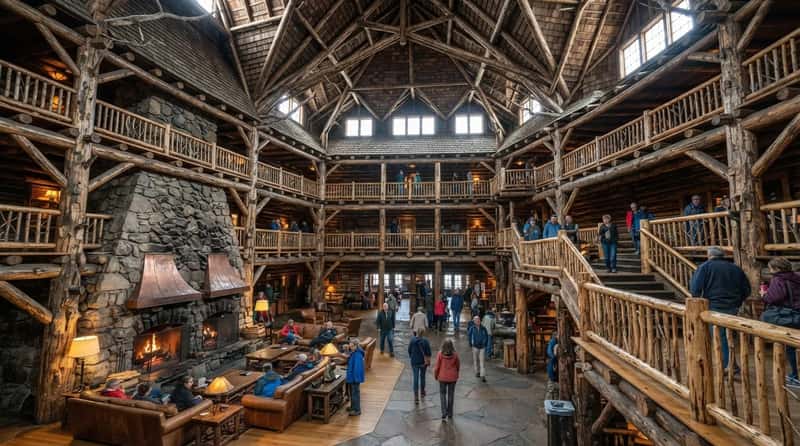
First-timers compare their lodge room to a Marriott and feel shortchanged. Repeat guests stop doing that completely, because they’ve figured out the building itself is the experience, not a container for it.
Many Western national parks feature historic hotels built at the start of the 20th century, back when train travel first made these places accessible and permanent lodging became necessary.
Properties like Old Faithful Inn and Lake Yellowstone Hotel are registered National Historic Landmarks, legally protected structures that can’t be substantially altered. The “dated” details you notice at first aren’t a maintenance failure; they’re the original building.
The lobby of Old Faithful Inn, built in 1904 from local lodgepole pine, has looked essentially the same for over a century. The people who sat in those chairs before you watched the same geyser out the same windows, and that continuity, that sense of being part of something far longer than your own trip, is what the premium is actually paying for. Nobody puts that in the booking description.
The Old Faithful Inn is more than a place to sleep – it’s a monument to what national parks meant to America at the turn of the century.
National Park Service
The Bottom Line
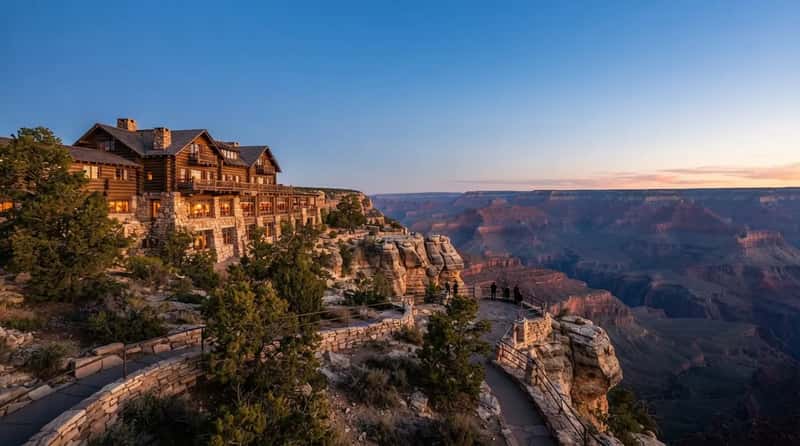
National park lodges are genuinely unlike any other hospitality category. Book them 12 to 13 months out, read every room description word for word, download everything before you lose signal, and lower your amenity expectations while raising your experiential ones.
The historic architecture, the dark skies, the wildlife at your doorstep, and the sheer advantage of already being inside the park when the gates open at dawn, these are the things the price tag is actually buying.
Skip the summer peak if you can, call the property directly to ask what the front desk would never volunteer online, and remember that a cancellation list is not a myth. The guests who understand these rules don’t just have better trips, they come back every year.
At a Glance: Before You Book
- Reserve 12 to 13 months ahead for the most iconic properties
- Screenshot the cancellation policy the same day you book
- Call to lock in your dining reservation as soon as your room is confirmed
- Check availability daily if your dates show sold out – cancellations happen constantly
Did we miss a lodge secret that changed your trip? Drop it in the comments.
Bonus: The One Call Every Lodge Insider Makes Before Giving Up
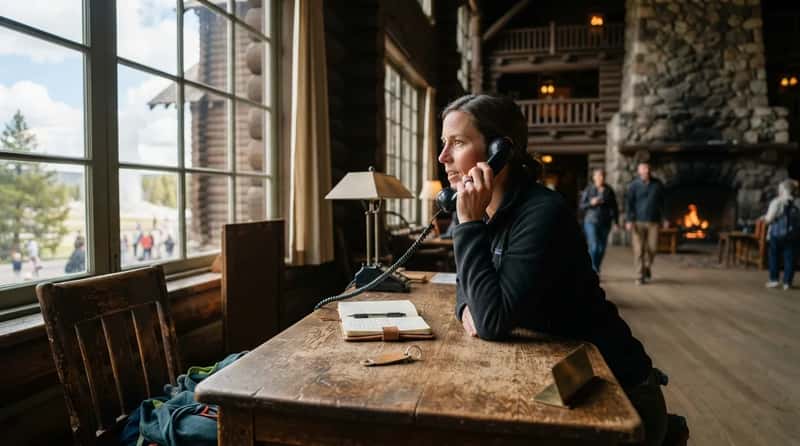
Every seasoned national park traveler eventually learns this one habit, and it works far better than refreshing a booking page for months on end.
Skip the general online booking portal and call the concessioner’s central reservations line directly, then ask to be placed on the property’s phone-only waitlist for your exact dates.
- Call Monday morning, when weekend checkout cancellations from Sunday are still being processed and haven’t yet posted online.
- Ask specifically for “held inventory” or rooms released from blocked-off allotments, not just standard cancellations – most agents won’t mention this unless you ask by name.
- Leave a callback number so staff can reach you the moment a room frees up, instead of relying on the public site to refresh.
- If nothing is available, ask the agent when the next batch of cancellations typically posts, and call back at that exact time.
This single habit, not luck, is how seasoned travelers land iconic “sold out” lodges without ever booking 13 months in advance.
Use it alongside everything above, and you’ll walk into your next park stay knowing more than most staff assume any guest ever bothers to ask.