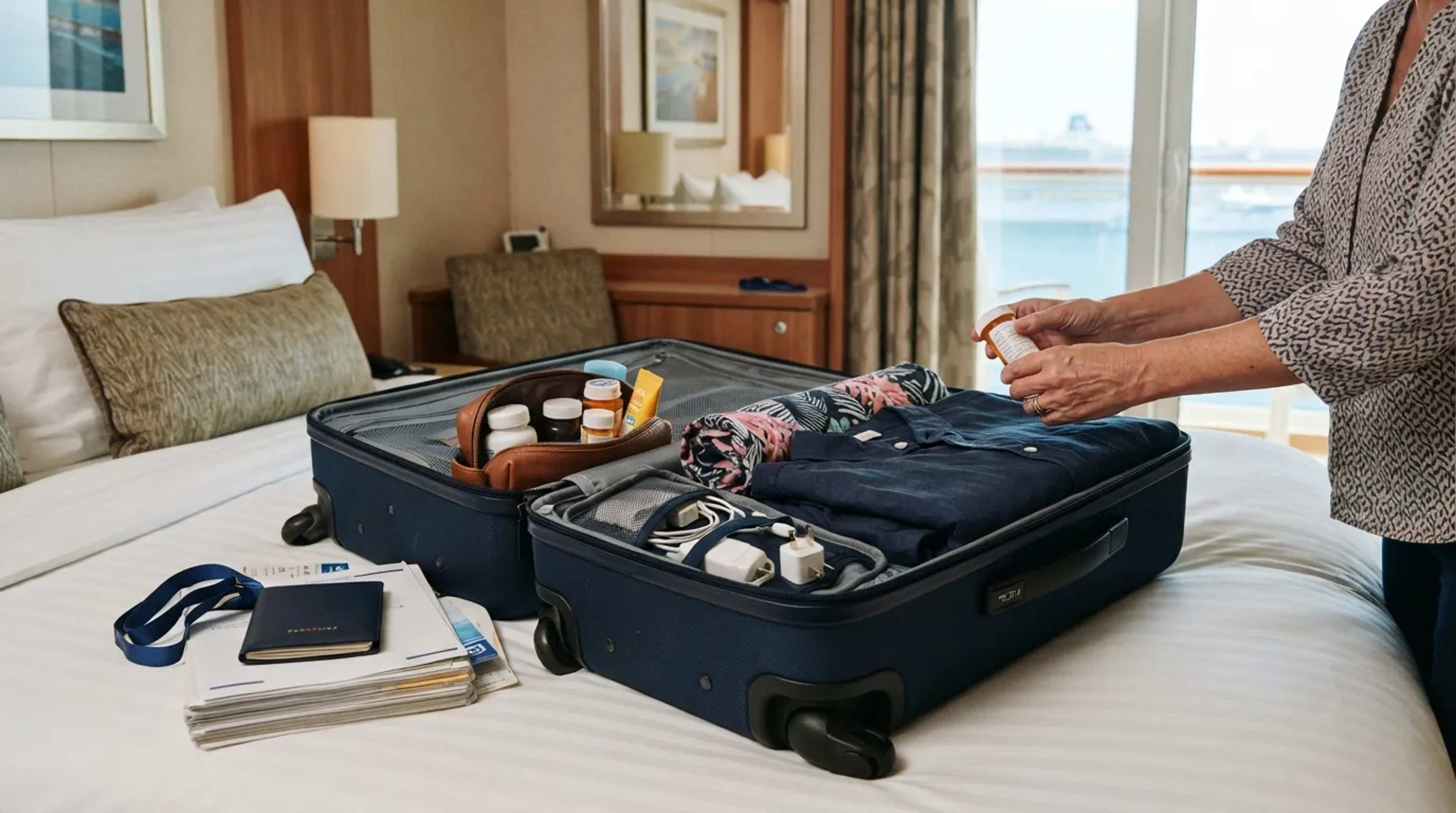
Most cruisers see an itinerary that reads 8 a.m. to 5 p.m. and picture nine hours of pure vacation. But the clock starts leaking the second you leave the gangway. The all-aboard deadline is commonly set 30 to 60 minutes before the ship departs, and tender lines, ferry crossings and cable car queues take much of what’s left.
This countdown runs from the most generous excursions to the most cruel. At one end, you step off the ship and onto a beach. At the other, one traveler spent hours getting to a world-famous monument and was allowed less than an hour and a half there. And in between, a three-minute ride can cost you more than an hour of waiting.
#15 – The Private-Island Beach Day Where the Clock Is Actually on Your Side

This is the one “excursion” where the schedule rarely fights you. At a private island with a real pier, you walk off the ship and you’re on the sand in minutes. When a ship pulls up to a pier, passengers can walk right off, and timing is faster and more predictable. There’s no small-boat shuffle and no hour-long drive. Your main job is watching the posted all-aboard time.
Not every island works that way, though. One port-day guide lists Half Moon Cay as a tendering stop, with tenders starting anywhere from 8 to 10 a.m. Some travelers argue a beach day isn’t a real excursion at all, just a lounger-and-buffet schedule with a nicer view. Either way, it gives you more usable hours than anything else here. A big European city looks nearly as generous on paper, until you see how the clock really runs at #14…
#14 – The Walk-It-Yourself Port Day With Around Ten Hours on the Clock

Docked European ports can hand you a full working day. One planning guide uses Barcelona as its example, with 10 hours ashore, and says independent travelers in accessible European ports get more time and flexibility. That’s the best raw number in a typical city call. You set the pace, and you skip the bus.
Even so, the ten hours aren’t all yours. For most ports, one timing guide advises being back in the port area at least 60 to 90 minutes before all aboard. That means your “ten-hour” day is closer to eight and a half before you’ve even sat down for lunch. Plenty of independent cruisers swear this is the smartest way to see a city. The catch is that nobody holds the ship for you.
Next comes the bus that promises a whole city in one loop, and what it really costs you at #13…
#13 – The Hop-On Hop-Off Loop That Runs on Its Own Timetable
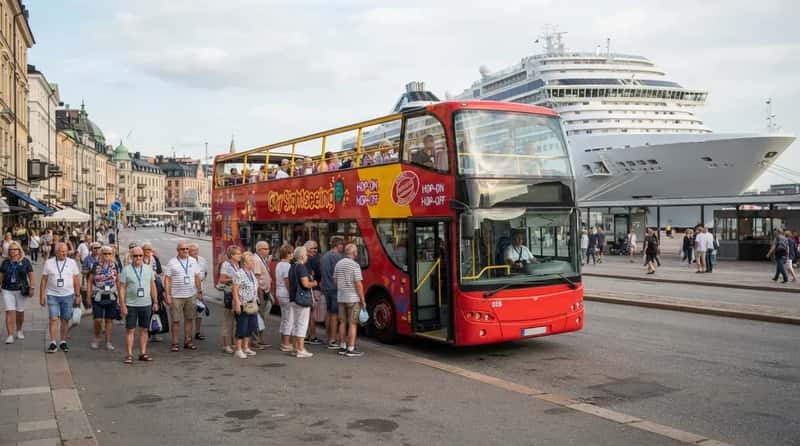
The bus feels like a shortcut, but it runs on its own schedule. A full loop can swallow a big slice of a port day before you’ve stepped inside anything. You also wait at each stop for the next bus, and that wait is dead time you never see on the brochure.
These tours are usually booked on your own, which matters for the deadline. Independent tours offer no ship-wait guarantee, so you must be back at the gangway by all-aboard time. A stalled bus or a long stop queue becomes your problem. The ship has no obligation to wait for a bus it didn’t sell you. Skeptics call it the most overrated way to see a port. Fans say it’s the lowest-effort option for tired travelers. Either way, the half-day snorkel trip at #12 plays by different rules…
Quick Compare
- Ship-booked tour: the ship may delay departure if the tour returns late, though not forever.
- Booked on your own: no ship-wait guarantee, so the gangway deadline is yours to meet.
- A stalled bus: on an independent loop, that delay lands on you, not on the cruise line.
#12 – The Snorkel or Catamaran Half-Day, Where the Ship Waits (Within Reason)

Book through the ship and you get a safety net independents don’t. If a ship-booked excursion returns late, the ship will delay departure, and one guide calls this a real and significant guarantee. That’s why boat trips, which can run late with weather and sea conditions, are often sold this way. You trade a higher price for peace of mind.
The net has holes. It’s not unconditional, and if the delay is egregious, the ship will eventually sail. If a ship delays departure by an hour, it might also arrive an hour late at its next port. Some cruisers point out that the real answer lives in the fine print of your ticket contract. So “the ship will wait” is a strong habit, not a legal promise.
But a late bus is nothing compared to what one passenger reported from a Dominican Republic waterfall tour at #11…
#11 – The Waterfall Tour That Returned With Five Minutes to Spare

Here’s what a “comfortable” return can look like. A Cruise Critic poster described a ship-sold waterfall tour in Puerto Plata. It was supposed to return almost an hour before all-aboard, but it actually returned five minutes before. That’s one passenger’s account, not a rule. It does show how a planned cushion can vanish.
The twist is where the bus dropped them off. It left them at the far end of the port, not where it had picked them up. An hour of buffer turned into a hurried walk along the pier. Stories like this are why many seasoned cruisers refuse to trust the printed return time. Waterfalls look like a full-day payoff, but the clock decides how much you get.
A tender boat can make the squeeze even worse, because tender ports hide a time cost most itineraries never mention…
#10 – The Tender-Port Stroll That Costs You an Hour Before You Start
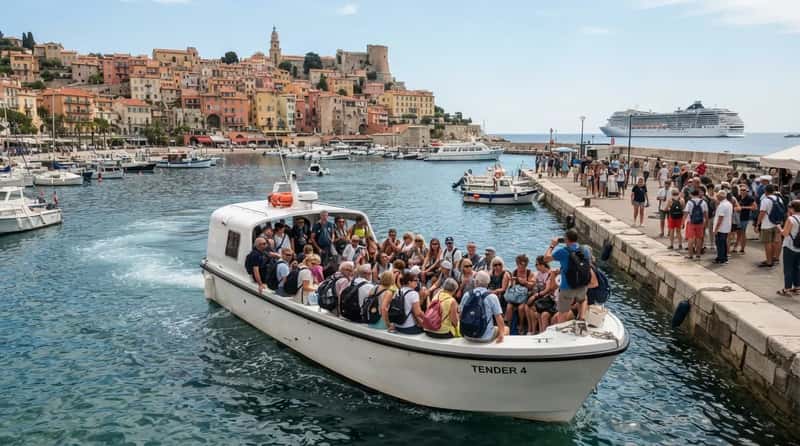
When the ship anchors offshore, small boats do the commuting. A tender port needs a small boat from the ship to shore, which adds 30 to 45 minutes each way, especially at peak return times. That’s up to an hour and a half of your day, gone to waiting and ferrying. Your town stroll is already shorter than it looks.
The return trip is the dangerous part. The final tender can leave earlier than the ship’s all-aboard time, and waits can be longer when many passengers return at once. One cruiser says the “last tender” time is usually 60 minutes before sailing. So the real cutoff can be an hour earlier than the number on your daily schedule. Some travelers say a tender port is a half-day at best. Next up is the most famous tender stop of them all…
At a Glance
- Each way: roughly 30 to 45 minutes by tender.
- Round trip: up to about 1.5 hours of your day spent in transit and lines.
- Last tender: can leave before all-aboard, often cited as about 60 minutes before sailing.
- Worst moment: the return, when many passengers head back at once.
#9 – Santorini on Your Own: Fira and Oia in “Six Usable Hours”
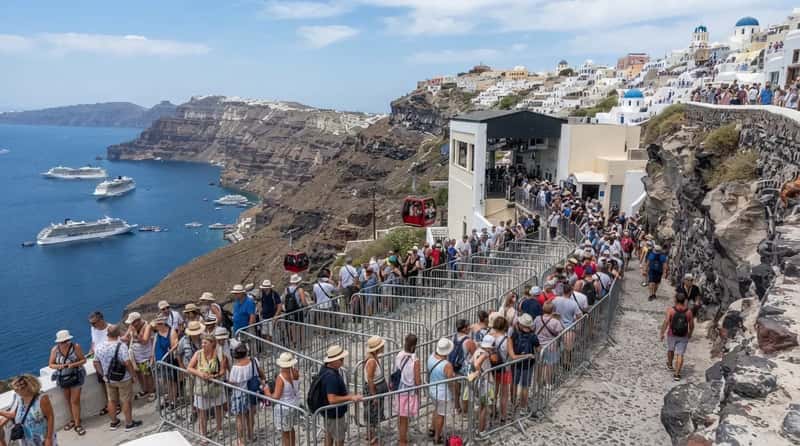
Santorini looks like a postcard and works like an obstacle course. A standard eight-hour call leaves roughly six usable hours once tender and cable-car queues are counted. That’s enough for Fira in the morning and Oia in the afternoon, if nothing goes wrong. Plenty goes wrong.
The bottleneck is a three-minute ride. The cable car is fastest when the queue is short, but queues can run 45 to 90 minutes when several ships tender together. Between eleven and four in season, Oia is extremely busy, largely with cruise passengers. The ride takes minutes, but the line can take over an hour. Authorities have tried to cap the crowds, but you still pay with your time. The rescue plan many cruisers buy only makes things stranger…
Which brings us to the trick everyone buys to skip the line, and how it can backfire at #8…
#8 – The “Skip the Cable Car” Tour That May Not Skip Much

It sounds like a cheat code. These excursions run about 3 to 5 hours and cost €45 to €500, and they’re advertised as hassle-free. You hand over money and stop worrying about the line. That’s the pitch.
One local tour company argues the reality is messier. You might watch other passengers ride the cable car straight up while your tour waits for everyone to gather, sometimes for an hour or more in low season. You can pay extra and still stand around. It also notes that avoiding the cable car line doesn’t mean avoiding the crowds. That’s one operator’s view, but it’s worth pausing before you pay.
Some travelers decide the only cure is a tour built around one promise: never miss the boat. That’s #7…
#7 – The Guaranteed-Return Tour That Builds a Buffer Into Your Day

Some independent operators sell certainty. Shore Excursions Group says it will pay you $1,000 if you miss your ship. It also says it will arrange and pay for accommodations, meals and transportation to the next port. That’s real protection, and it explains the appeal.
The price of safety is time. One Asia-focused operator plans port days with a return buffer of at least 1.5 hours before the ship’s scheduled departure. That buffer comes straight out of your sightseeing. And the ship has no obligation to wait for independent tours. You’re buying a promise from the tour company, not from the cruise line. Still, the bus-ride trap at #6 is even sneakier…
#6 – The “Do It All” Santorini Combo That Becomes a Bus Ride

Cruisers love a packed itinerary. Oia, a famous ruin, a beach and a winery in one stop sounds efficient. One local guide flatly says he wouldn’t try to combine Oia, Akrotiri, a beach, a winery and Fira in one cruise stop, because you’d spend most of your day in a vehicle.
His other point is the sharper one. Port-call lengths are not guaranteed sightseeing hours. Add up the transfers, and “five sights” can shrink to two quick photo stops. If the tender or cable car runs slow, the whole plan collapses. Many travelers say fewer stops make a better day.
Because the real danger isn’t always the long bus. Sometimes it’s the friendly stranger offering a tour on the pier at #5…
#5 – The Freelance Pier-Side Tour That Sounds Cheaper Than It Is
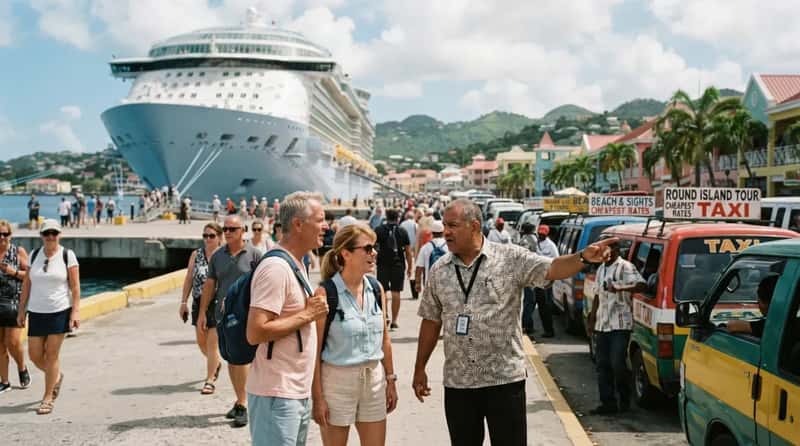
You step off the ship and the offers start. You might be barraged by independent guides, taxi drivers, jitney drivers and rickshaw operators offering to show you the town and beyond. The price is tempting. The timing is where it gets risky.
The Points Guy’s advice is blunt. Before agreeing to a tour, make sure you understand how far you’re going from the pier, and make sure your guide understands the all-aboard time. “Just an hour away” can quietly become a three-hour round trip. If an independent tour runs late, the ship will leave without you, and you’re responsible for reaching the next port on your own. Next, a trap that has nothing to do with distance at #4…
Worth Knowing
- Who approaches you: guides, taxi drivers, jitney drivers and rickshaw operators.
- Ask first: how far the stop really is from the pier.
- Say it out loud: make sure your guide knows the all-aboard time.
- If it goes wrong: the ship sails, and getting to the next port is on you.
#4 – Any Tour Where Your Phone and the Ship Disagree on the Time
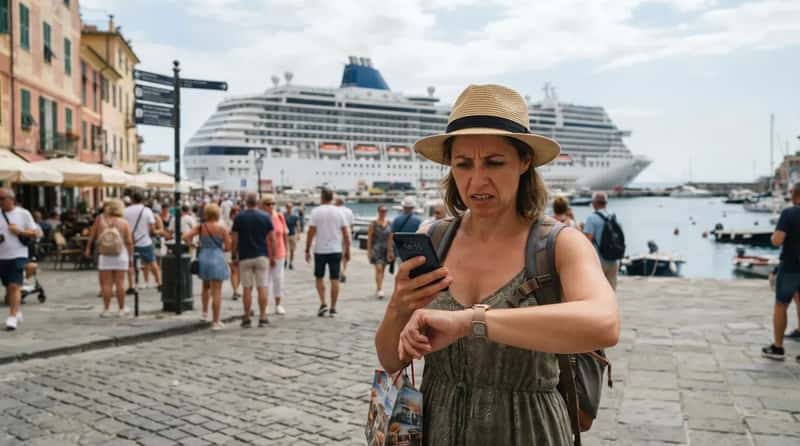
Here’s a mistake that looks harmless. Some cruises keep ship time aligned with the departure port rather than the local destination, and your phone may switch to local time on its own. That makes it surprisingly easy to misread the hour. You can lose a full hour without noticing.
The fix is simple, but most people skip it. Set an alarm using ship time, and confirm the local time with your guide at the start of the day. An hour of confusion can be the difference between a relaxed return and a sprint. This one quietly shaves time off every excursion on the list. And the next one eats a day almost whole…
Because the next excursion needs a ferry, a highway and a very early start at #3…
#3 – Chichen Itza With a Private Van: Ten Hours for a Two-Hour Visit

The famous Mayan pyramid isn’t near the cruise pier. One operator describes a two-leg journey: a 45-minute ferry from Cozumel to Playa del Carmen, then a private van 182 km northwest. That’s before you see a single stone. The distance is the real itinerary.
The same company says the day runs 10 to 11 hours pier to pier, with a two-hour ferry buffer built in. Its sample schedule puts the ruins at 11:00 a.m. to 1:00 p.m. That’s about two hours at the monument after a full day of travel. It’s a spectacular sight, but you’re mostly buying a ride. Doing it without any safety net is even tougher…
At least that tour has a plan. The do-it-yourself version makes one operator wince at #2…
#2 – Chichen Itza on Your Own: One Operator Says It’s Too Long for Most Ships

This is the one where tour companies say no. A Cozumel operator’s page states, “Sorry, this tour is too long for most cruise ship schedules.” Its standard tour runs about 14 hours. Most cruise calls are far shorter.
If you try it independently, the ferry isn’t the problem. Ultramar ferries run roughly hourly from 6:00 a.m. to 10:00 p.m. The problem is that independent tours offer no ship-wait guarantee. One delay on the mainland can mean watching your ship sail from a ferry dock. Many cruisers insist the risk isn’t worth it. The most punishing version of this trip is still ahead…
Because even the ship-sold version has a catch, and the numbers at #1 are brutal…
#1 – The Ship-Sold Chichen Itza Run: Under 90 Minutes at the Pyramid

This is the harshest time trade on the list. One traveler booked it through Royal Caribbean from the Allure of the Seas. The review says it took about 2 to 3 hours from Cozumel port to Chichen Itza, with a 45-minute ferry to Playa del Carmen. The ship waits if you’re late, which is a real comfort.
The payoff is where it hurts. The reviewer wrote that they were allowed to stay at Chichen Itza for less than 1.5 hours because they had to go back to Cozumel to catch the cruise. That’s an older review, and itineraries change. Still, by that traveler’s own numbers, hours of travel bought barely an hour and a half at the monument. It’s the clearest example of an excursion where the destination gets the leftovers.
Why It Stands Out
- The booking: sold through Royal Caribbean, sailing on Allure of the Seas.
- The trip in: about 2 to 3 hours from Cozumel port, including a 45-minute ferry.
- The payoff: less than 1.5 hours at the monument.
- The comfort: the ship waits if the tour runs late.
Look at the whole list and the pattern is hard to miss. The excursions with a pier right there give you the most time. The long hauls, where ferries, buses and queues eat the day, give you the least. Tender boats, cable car lines and a phone that quietly changes time zones take the rest.
The printed all-aboard time was never your real deadline. Your real deadline arrives earlier, and the gap between the two is where the best-planned port days quietly fall apart.
So the next time a tour promises you the whole city, the whole pyramid or the whole island, ask the one question that matters: how many of those hours will actually be yours?