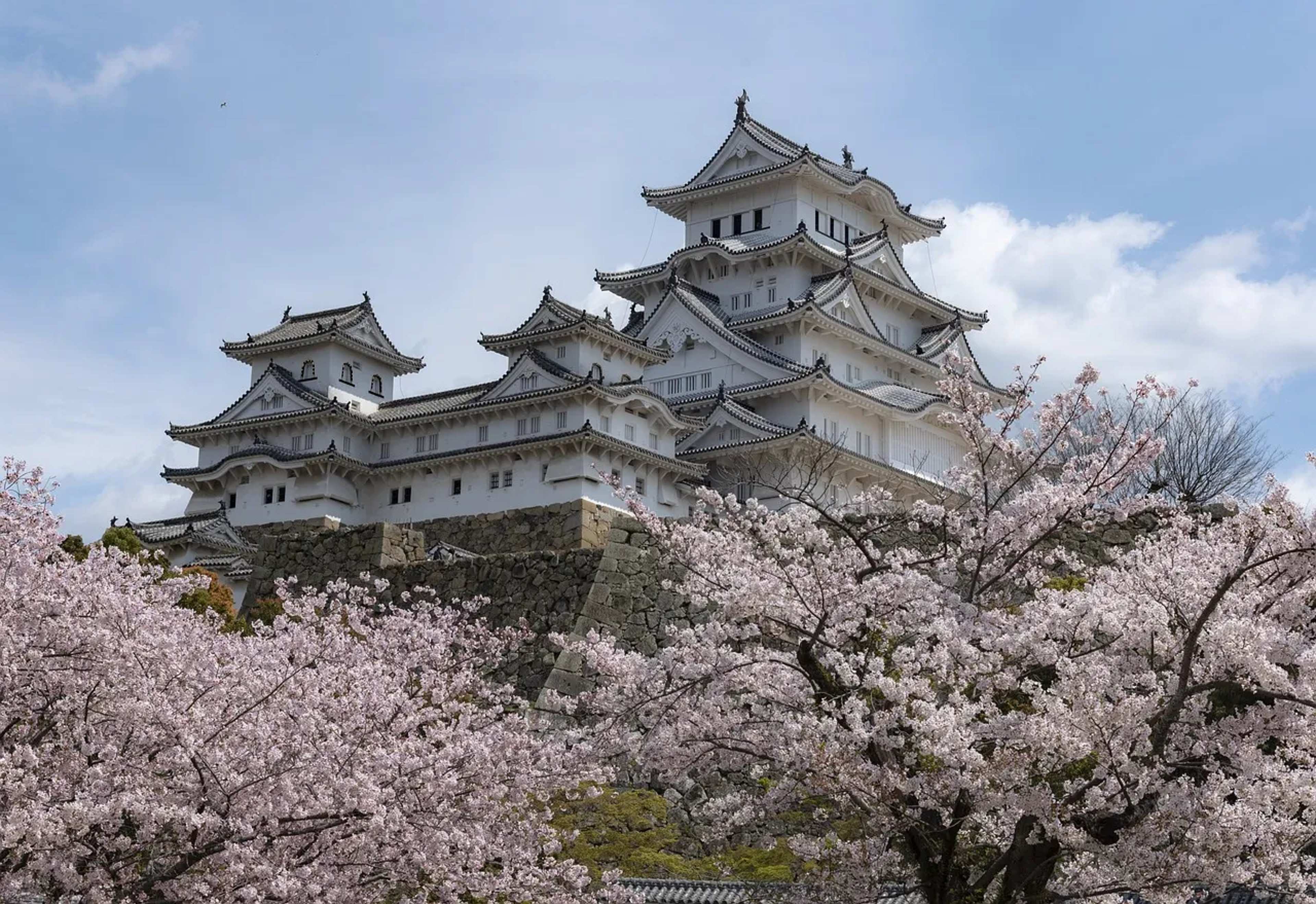
You plan for months. You book the campsite, break in the boots, and tell everyone you’re finally doing it. Then you pull into the parking lot at 9 a.m. and it’s already full. That’s the reality of America’s national parks right now. The National Park Service recorded 331.9 million recreation visits in 2024 – a 2% increase from 2023 and nearly one million more than the previous all-time record set in 2016. That’s not a travel trend. That’s a system under serious, visible pressure.
But here’s what most people get wrong: the parks that feel the most suffocating aren’t always the ones with the biggest visitor numbers. Raw attendance tells you almost nothing about what you’ll actually experience on the ground. Yellowstone spans 2.2 million acres. Bryce Canyon covers just 35,835. The size of the park, the month you arrive, and where every single person gets funneled determines whether you’re walking a peaceful trail or queuing for a shuttle at 7 a.m. Some of the names below will surprise you – especially the one at the top.
#15 – Grand Canyon: Nearly 5 Million Visitors and One Narrow Rim
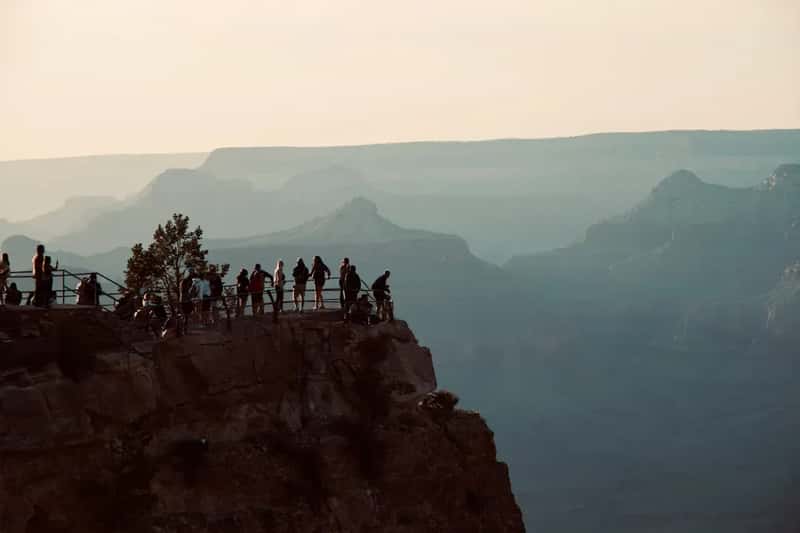
Grand Canyon’s 1.2 million acres technically dilute its 4.9 million annual visitors into something that looks manageable on paper. But the acre-per-visitor math is completely misleading, because almost nobody hikes into those 1.2 million acres. They stand at the South Rim, shoulder to shoulder, jostling for the same five overlooks. The canyon is enormous. The crowd is not.
Parking at the South Rim fills before 8 a.m. in summer. Shuttle lines back up in both directions. The surrounding gateway towns are just as packed, since Grand Canyon generates an estimated $905 million annually in visitor spending. Visit on a Tuesday in October and you might wonder what all the fuss was about. Visit on a Saturday in July and you’ll understand immediately – the bottleneck isn’t the park’s size, it’s where everyone insists on standing.
Fast Facts
- 4,919,163 visitors in 2024 – but Grand Canyon ranks just 40th in per-acre crowding density
- South Rim parking lots fill by 8 a.m. on summer weekday mornings
- Roughly 90% of visitors never leave the South Rim corridor
- Best window: weekdays in May or October, arriving before 7:30 a.m.
#14 – Olympic National Park: Three Parks in One, All of Them Packed
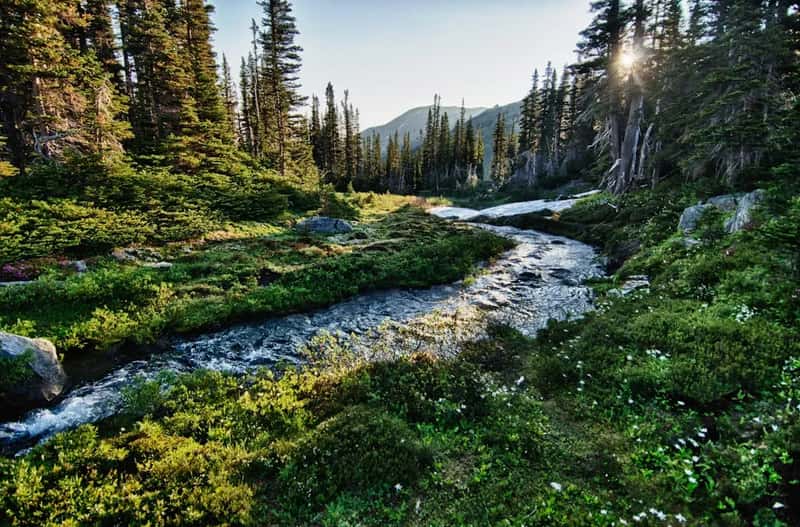
Olympic is genuinely one of the most underrated ecological wonders in the country – temperate rainforest, glacier-topped peaks, and wild Pacific coastline all inside one park boundary. Olympic recorded 3.7 million visits in 2024, but those visitors don’t spread out across its vastly different ecosystems. They pile into the Hoh Rain Forest, Hurricane Ridge Road, and Rialto Beach while whole sections of the park go completely unseen.
The Hoh Rain Forest trailhead parking lot – one of the most iconic spots in the entire park system – routinely turns visitors away by midmorning in peak season. The narrow road to Hurricane Ridge backs up for miles on summer weekends. Overcrowding here shows up as trail degradation, litter, traffic gridlock, and visitors wandering too close to wildlife. The park is worth every effort. But arriving without a plan is a gamble you’ll most likely lose.
#13 – Grand Teton: Jaw-Dropping Views, Nowhere to Park
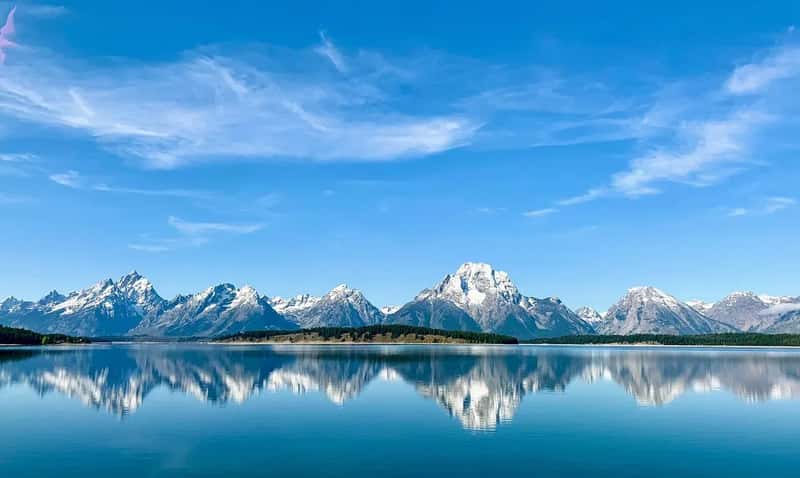
Grand Teton recorded 3.6 million visits in 2024, and the crowding hits in a particularly frustrating way. The Tetons are arguably the most photogenic mountain range in North America, which means Instagram has not been kind to the park’s infrastructure. Visitors consistently cite long entrance station lines and nonexistent trailhead parking as their biggest complaints – and those complaints are getting louder every year.
Grand Teton saw a 20% jump in May 2024 visits alone, catching many visitors off guard who assumed the summer crunch didn’t start until July. The Jenny Lake shuttle line in peak season can mean a 90-minute wait before you’ve taken a single step on trail. The surrounding town of Jackson is priced and packed to match – Grand Teton drives an estimated $808 million in annual visitor spending. Budget extra time for everything, including the drive out.
#12 – Glacier National Park: Going-to-the-Sun Road Becomes a Parking Lot
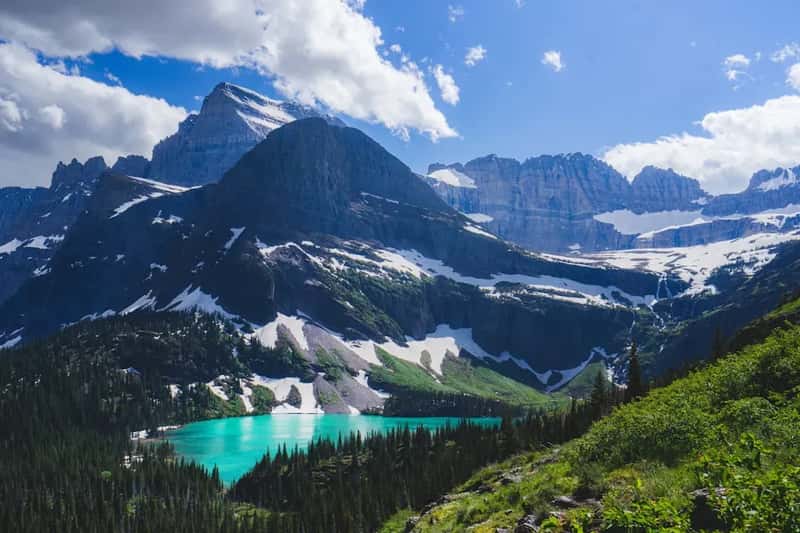
Glacier saw over 600,000 visitors in September 2024 alone – supposedly shoulder season – pushing its annual total past 3 million and marking a 9% jump from the prior year. The park’s crown jewel, Going-to-the-Sun Road, is a 50-mile alpine drive with essentially no room for error. In summer, it becomes a slow-motion convoy of RVs and rental cars, with turnouts built for five vehicles routinely holding twenty.
The vehicle reservation system for Going-to-the-Sun Road has been eliminated, replaced by parking limits and what the park calls “active management” during peak hours – which is conservation language for: good luck finding a spot. Glacier is also under scrutiny heading into 2026 because the combination of surging crowds and the visible retreat of its namesake glaciers has created a strange, urgent energy. People are racing to see something that’s disappearing. That urgency is making the crowding worse.
At a Glance: When Crowds Peak at Glacier
- July–August: Going-to-the-Sun Road at maximum congestion; turnouts overflow by 9 a.m.
- September 2024: 600,000+ visitors – a record for a supposed off-month
- Best window: Early June (before peak) or the first two weeks of October
- Key choke point: Logan Pass parking lot, which fills before 8 a.m. all summer
#11 – Shenandoah National Park: D.C.’s Backyard Is Bursting
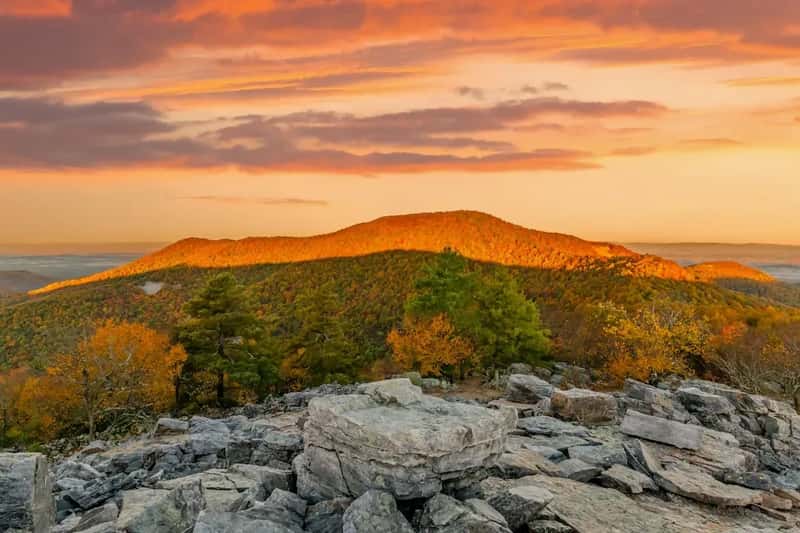
Shenandoah is the East Coast escape valve for tens of millions of people living along the I-95 corridor, and that geography is both its greatest asset and its biggest problem. Visitation is up over 20% compared to 2019, tracking perfectly with the pandemic-era surge in outdoor recreation that never fully reversed. On fall foliage weekends, Skyline Drive – the 105-mile scenic road through the park – gets so congested that rangers have documented gridlock inside the park itself.
Old Rag Mountain, the park’s most beloved hike, now requires an advance reservation during peak season. On a fall weekend, the Old Rag parking area fills by 6:30 a.m. and rangers have turned away hundreds of cars before noon. Think about that: you can drive two hours from Washington, D.C. and still not get to hike the trail you drove there for. That is what overcrowding looks like in practice – not an abstract stat, but a turned-away car and a wasted Saturday.
#10 – Great Smoky Mountains: The Most Visited Park Has No Entrance Fee
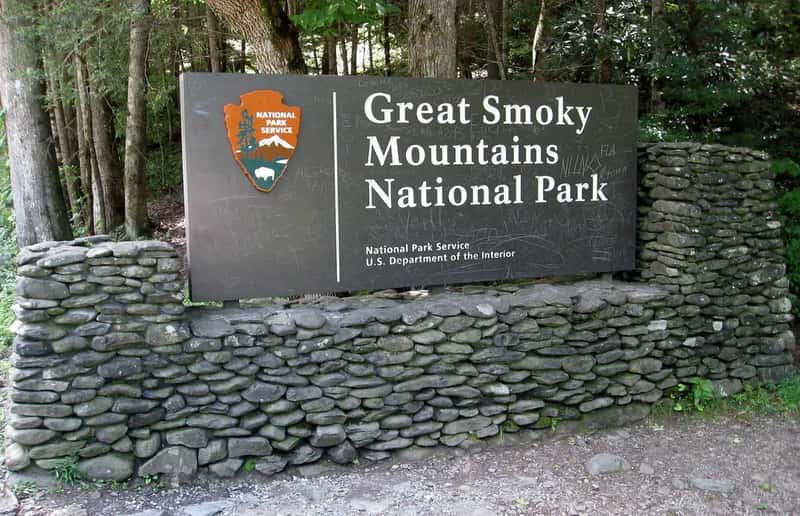
Here’s the twist that surprises nearly everyone: the most visited national park in the country doesn’t charge a single dollar to get in. Free to enter and perfectly positioned on the East Coast, Great Smoky Mountains pulled 12.19 million visitors in 2024. That is more than Yellowstone, Grand Canyon, and Yosemite combined. The number is so large it almost stops making sense.
Heavy traffic has created real safety concerns – pedestrian-car conflicts, trail congestion, and gridlock on Newfound Gap that can last for hours. Cades Cove on a fall Sunday is not a wildlife experience. It’s a traffic jam with deer. Great Smoky Mountains generates an estimated $2 billion annually in visitor spending, which tells you everything about how the surrounding towns of Gatlinburg and Pigeon Forge are priced and packed from April through November.
Worth Knowing
- 12.19 million visitors in 2024 – more than Yellowstone, Grand Canyon, and Yosemite combined
- No entrance fee: the only major national park with free, unrestricted access year-round
- Cades Cove wildlife loop road can back up for 2–3 hours on fall Sunday mornings
- Newfound Gap Road gridlock is documented as early as 10 a.m. in peak foliage season
- Best window: weekday mornings in late April or early November
#9 – Rocky Mountain National Park: Timed Entry Wasn’t Enough
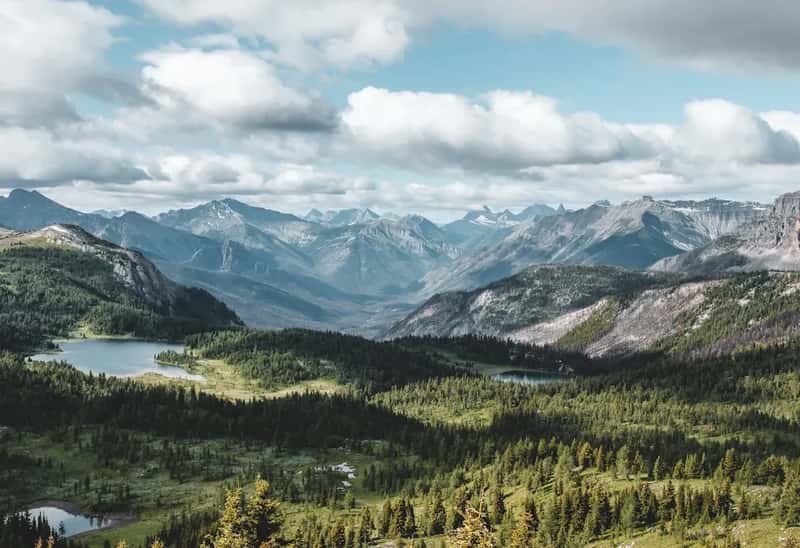
Over 4.2 million people visited Rocky Mountain National Park in 2024, making it the 5th most visited park that year. The park responded to post-pandemic overcrowding with one of the most aggressive tools in the system – a timed-entry reservation requirement during peak season. It didn’t stop the crowds. Rocky Mountain’s 2025 numbers were its highest yet, despite the reservation window running daily from late May through mid-October.
Bear Lake Road is the epicenter. The Bear Lake trailhead parking lot was documented as full before 7 a.m. on summer weekends even with the reservation system in place – meaning people were arriving before sunrise just to secure a parking spot for a 9 a.m. entry window. The demand has simply outpaced every tool the park has deployed. Visit before Memorial Day or after Labor Day, or plan to hike from alternative trailheads well off the main road corridor.
#8 – Joshua Tree National Park: Two Deserts, Zero Parking Spots
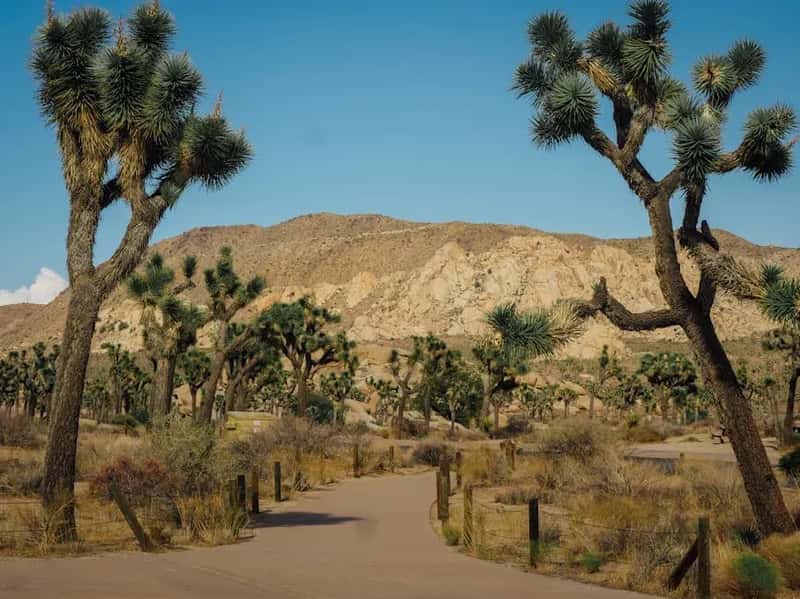
Joshua Tree sits at the junction of the Mojave and Sonoran deserts – a surreal landscape of twisted trees and stacked boulder formations that went viral on social media and never really recovered. Most visitors stick to a narrow band of paved road, compressing the crowds into a handful of spots: Skull Rock, Cholla Cactus Garden, and Barker Dam. All three can look like a weekend festival by 10 a.m. in winter, which is ironically the park’s peak season.
The consequences here are visible and worsening. Soil around the signature Joshua trees – some decades old and extremely slow to recover – is compacted from foot traffic near root systems. Boulder areas have been roped off. New signage goes up constantly to redirect visitors who wander off trail. More people also means more litter, more noise, and a higher chance of human-wildlife encounters that stress both sides. Weekday visits in early spring or mid-October are the only realistic escape from the crunch.
#7 – Acadia National Park: Maine’s Famous Island Is Running Out of Room
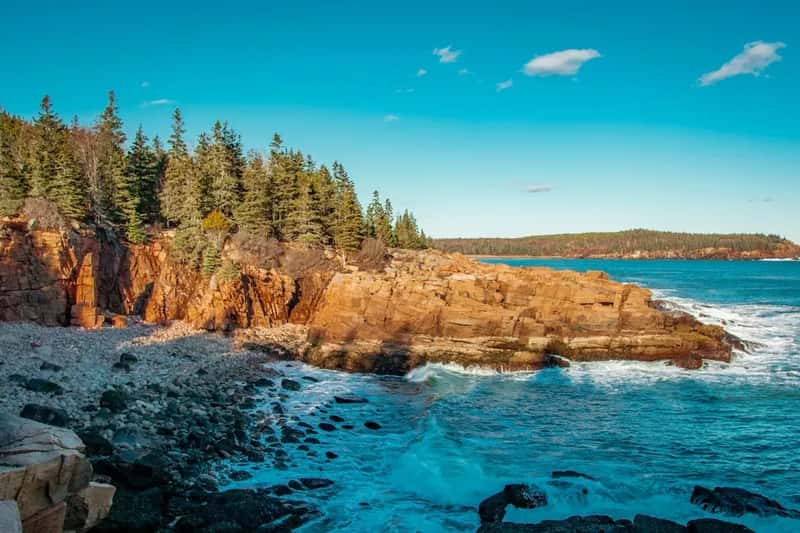
Acadia’s 49,075 acres on Mount Desert Island hosted nearly 4 million visitors in 2024. Do the math: that’s roughly 80 visitors per acre per year, on a small island off the coast of Maine with one main road looping through most of its best scenery. The park implemented a timed-entry reservation system for Cadillac Summit Road in 2021, which helped – but parking lots on the Park Loop Road still fill by 9 a.m. in July and August.
Cadillac Mountain is the big draw: it’s the first place in the continental U.S. to see the sunrise, which sounds poetic until you’re in line at 3:30 a.m. with 400 other cars waiting for a timed entry window. Bar Harbor, the gateway town, is so overwhelmed in peak season that locals have publicly debated capping tourist access to the island entirely. The open secret that regular Acadia visitors guard jealously: the second and third weeks of September, when crowds drop fast and the foliage hasn’t peaked yet. That two-week window is the best the park has to offer.
#6 – Yosemite National Park: The Park That Broke Its Own Record and Then Capped Itself
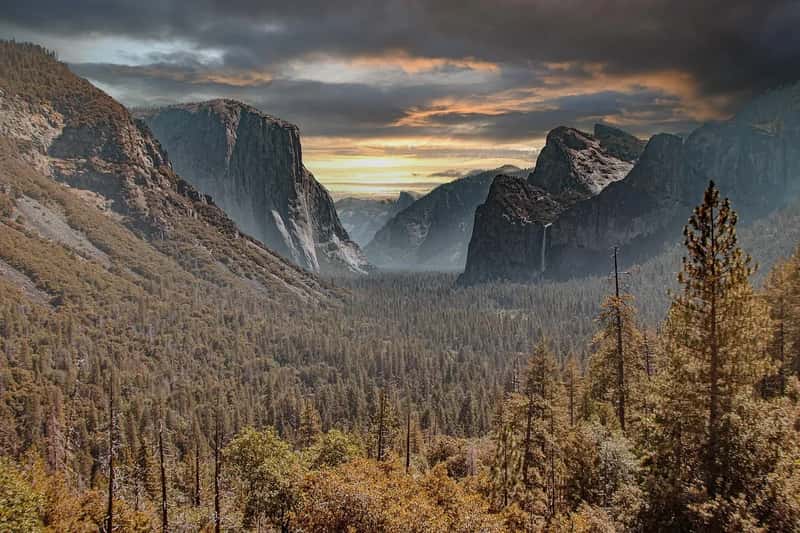
Yosemite is the park that forced the national conversation about overcrowding into the open. It recorded its peak visitation in 2016 with over 5 million visits – and has not surpassed that level since, not because interest declined, but because visitor numbers are now actively regulated. That’s a staggering admission: one of the world’s most famous natural places has been effectively at capacity for nearly a decade. After a summer of overflowing lots and waits of up to four hours to enter, Yosemite reinstated a reservation requirement for peak periods.
The damage is real and well-documented. Bridalveil Fall’s infrastructure had to be rebuilt after unprecedented boardwalk crowds. The shallow root systems of the giant sequoias were being compacted by foot traffic until the Park Service installed raised walkways. The park’s most famous viewpoint, Valley View, is now surrounded by construction barriers and signage – not exactly the wilderness experience people drove ten hours to find. Yosemite is still worth it. Just know that “wilderness” isn’t quite the word for what you’ll encounter.
Quick Compare: Yosemite Then vs. Now
- 2016: 5M+ visits – all-time record; summer gridlock triggers policy overhaul
- 2017–present: Reservation system caps peak-period access; numbers held below 2016
- Bridalveil Fall boardwalk: Rebuilt due to crowd damage; reopened 2023
- Giant sequoia groves: Raised walkways now required to protect compacted root zones
- Entry wait times: Up to 4 hours on peak summer weekends without a reservation
#5 – Zion National Park: Almost 5 Million Visitors in a Box Canyon
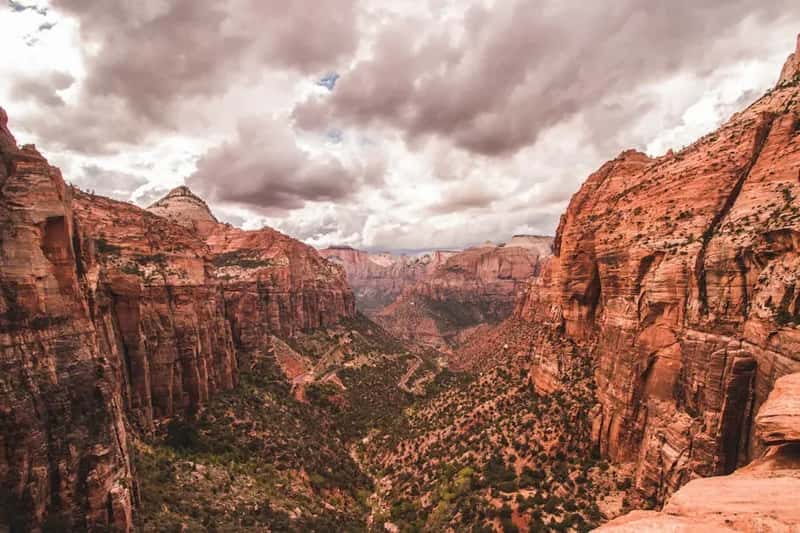
Zion welcomed more than 4.9 million visitors in 2024, surpassing Grand Canyon to become the second-most-visited national park in the country, behind only the Smokies. Here’s the critical detail: Zion Canyon, the main corridor, is essentially a narrow slot carved by the Virgin River. There is one road in, one road out, and a mandatory shuttle that is the only way most visitors move through it. In summer, that shuttle means a 45-minute wait just to board – before you’ve seen anything.
Zion has experienced a nearly 90% increase in visitation over the past decade, and the canyon is showing it – trail congestion, parking shortages, and accelerating erosion on heavily trafficked routes. Angels Landing, the park’s most iconic hike, now requires a permit obtained through a competitive lottery, and the chain section still gets packed three-wide on busy days. Zion has resisted implementing broader timed-entry reservations, a position backed by surrounding communities – but it leaves the park experience increasingly strained for the people actually inside it.
#4 – Bryce Canyon National Park: The Hoodoos Are Drowning in Tour Buses
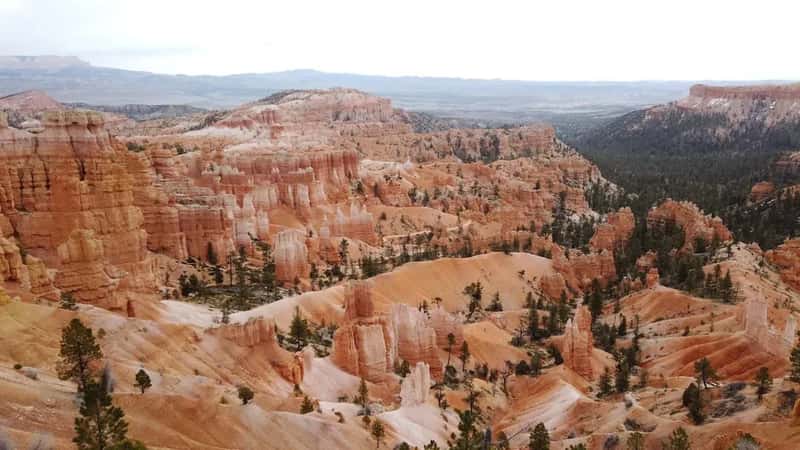
At 35,835 acres, Bryce is the second-smallest park in Utah’s “Mighty Five” – and it drew nearly 2.5 million visitors in 2024. Squeeze 2.5 million people into a park built around a single amphitheater with three main overlooks, and you’ve got a compression problem that no shuttle system fully solves. Tour buses line up before dawn. By 8 a.m., Sunrise, Sunset, and Inspiration Points feel like Times Square at altitude.
What makes Bryce’s overcrowding uniquely frustrating is the geometry of the park itself: there is almost nowhere to escape to. You came to feel small in the presence of something ancient, and instead you’re waiting for a stranger to move so you can get your photo. Many park regulars argue this makes Bryce one of the most disappointing overcrowding experiences in the system – not because the hoodoos are any less extraordinary, but because the crowd-to-escape ratio is nearly impossible to beat. Late April or early October are your best windows.
#3 – Arches National Park: A Fragile Landscape That Can’t Take Much More
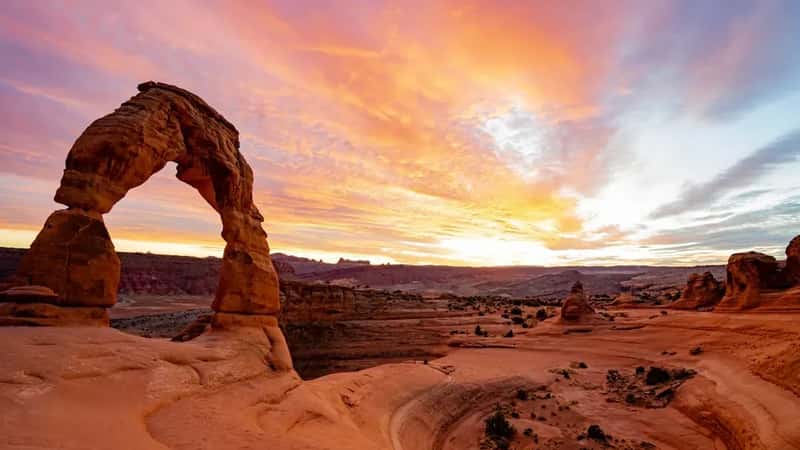
Arches draws more than 1.5 million visitors annually to just 76,000 acres – a fraction of Yellowstone’s footprint – and the iconic formations everyone comes to see are clustered along a single 18-mile road. The result is a concentrated, predictable crowd that descends on Delicate Arch, Landscape Arch, and the Windows every day from spring through fall. The Delicate Arch trailhead parking lot was regularly filling by 7 a.m. during peak months – before the sun was fully up.
The environmental stakes here are unusually high. Arches’ sandstone formations are irreplaceable on any human timescale – once damaged, they’re gone for thousands of years. Trail overuse, soil compaction, off-trail scrambling, and climbing on sensitive formations have all been documented and are accelerating. Timed-entry reservations that helped manage visitor flow in 2025 have since been removed, which conservation groups warn will push the park back toward its worst congestion levels. The window for protecting what’s left is narrowing.
“The overcrowding problem is spreading from the iconic parks to the system’s second tier – and unlike Yellowstone or Grand Canyon, these parks often lack the infrastructure to absorb the growth.”
Outwander.com National Park Overcrowding Index, February 2026
#2 – Cuyahoga Valley National Park: America’s Most Surprising Overcrowding Crisis
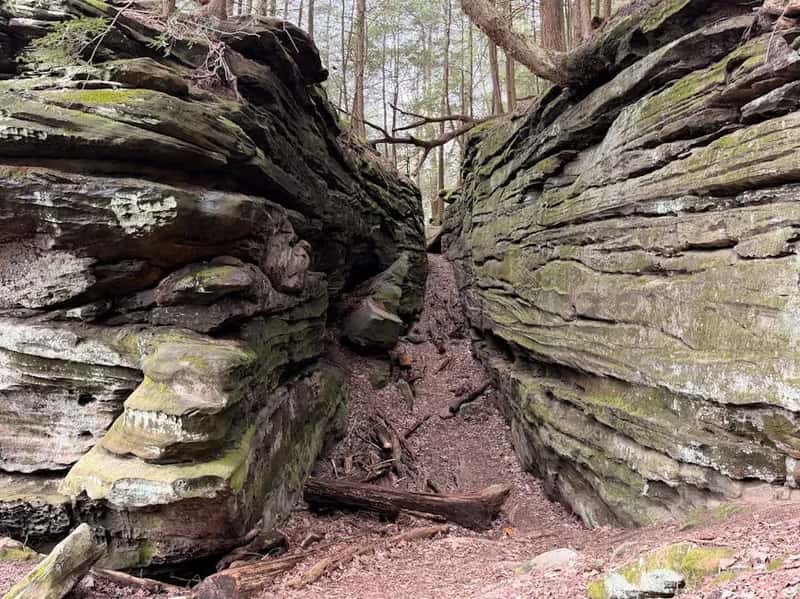
Nobody puts Cuyahoga Valley on their most-crowded list. That’s exactly the problem. This small, urban-adjacent park of 32,783 acres between Cleveland and Akron pulls nearly 3 million visitors annually to the Towpath Trail and Brandywine Falls – and most of them have no idea they’re walking into one of the densest visitor-per-acre situations in the entire national park system. Cuyahoga Valley hits approximately 12.2 visitors per acre in peak summer months, a density that dwarfs Yellowstone, Grand Canyon, and Yosemite by a significant margin.
Visitation is up over 30% compared to 2019 – one of the steepest post-pandemic increases in the system. Because the park sits between two major metro areas with no entrance fee and easy highway access, it functions less like a wilderness destination and more like an urban green space that happens to carry a federal designation. Trails are eroding, parking areas overflow onto adjacent streets, and Brandywine Falls has become perpetually elbow-to-elbow. Most visitors have no idea how strained it actually is. That unawareness is part of what makes it so strained.
Why It Stands Out
- 12.2 visitors per acre in July – one of the highest density scores in the entire 63-park system
- No entrance fee + highway access from Cleveland and Akron = a year-round pressure cooker
- Visitation up 30%+ vs. 2019, among the steepest post-pandemic surges nationally
- Almost never mentioned in national overcrowding coverage – the invisibility is part of the problem
#1 – Indiana Dunes National Park: The Fastest-Growing Overcrowding Story in the System
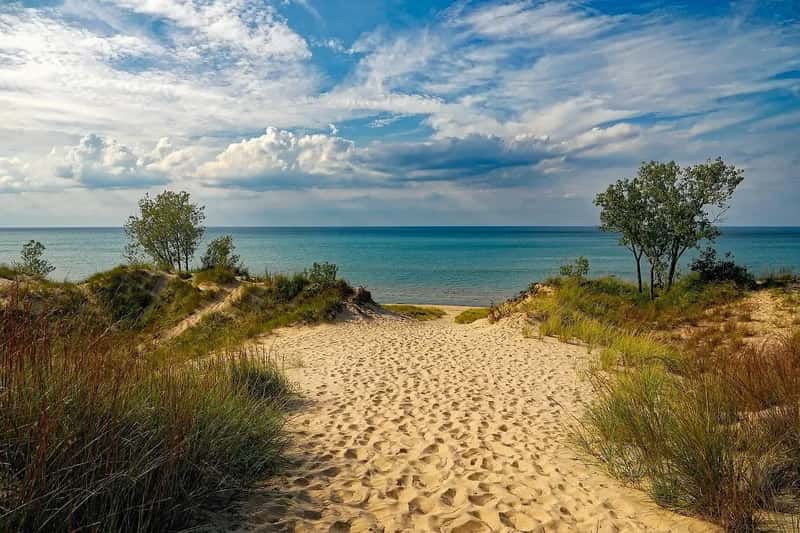
Not Yellowstone. Not Yosemite. The single most alarming overcrowding trajectory in the entire national park system belongs to a strip of sand along Lake Michigan in northwestern Indiana. Indiana Dunes – redesignated from a national lakeshore to a national park in 2019 – grew from 1.76 million visitors that year to 2.7 million in 2024, a 54% increase in five years. The park covers just 16,000 acres. That 54% surge happened on a footprint smaller than many suburban counties.
The “national park” label, combined with the park’s proximity to Chicago, fundamentally reshaped who comes and how many of them show up. The 15 miles of Lake Michigan shoreline now absorb a visitor load that rivals Yosemite’s – on a fraction of the acreage, with infrastructure that was designed for a lakeshore preserve, not a high-volume national park destination. Parking, restrooms, and trail systems were never built for what they’re now receiving. By every measurable standard, Indiana Dunes is the most explosive and least-discussed overcrowding crisis in the American national park system right now – and almost nobody outside the immediate region is talking about it.
At a Glance: Indiana Dunes by the Numbers
- 1.76M visitors in 2019 → 2.7M in 2024: a 54% surge in five years
- Just 16,000 acres – one of the smallest footprints of any national park
- 28.6 visitors per acre in June – among the top 3 densest parks in the system
- Infrastructure built for a lakeshore preserve; never upgraded for national park volumes
- Best window: weekdays in September, when beach crowds thin sharply
America’s national parks are under more pressure than at any point in their history. From Indiana Dunes’ shocking 54% surge to Yosemite’s decade-long capacity cap to Arches’ sandstone being quietly damaged by millions of boots – these aren’t just inconveniences. They’re warning signs from places that were set aside specifically because they can’t be replaced. The National Park Service carries a deferred maintenance backlog exceeding $23 billion, and the crowds keep growing. The parks belong to everyone. Which means the problem does too.