Every day at U.S. airport security, travelers watch TSA officers drop their $40 face wash, brand-new sunscreen, and barely-used shampoo straight into a trash can – no appeal, no refund, no second chances. These aren’t rule-breakers getting caught. They’re regular people who thought they understood the rules and didn’t. The gap between what travelers think the 3-1-1 rule means and what it actually means costs Americans millions of dollars worth of toiletries every single year.
Some of these mistakes are obvious in hindsight. Others will genuinely stop you mid-read because you’ve been doing them for years without consequence – until the one time you don’t. The list counts down from the most overlooked to the one mistake that causes more confiscations than all the others combined. A few of them might already be in your bag right now.
#15 – Packing a Partially Empty Oversized Bottle

This is the single most common reason people lose toiletries at the checkpoint – and almost every person it happens to insists they were following the rules. They weren’t. TSA evaluates the container size, not how much liquid is actually inside. A 6-ounce bottle with just a tablespoon of shampoo left will still be confiscated. The container itself must be 3.4 ounces or smaller, end of story.
TSA officers don’t measure or estimate fill levels – they read the printed size on the label, and if there’s no clear marking, the item gets pulled. That brand-new, mostly-gone bottle of conditioner you’ve been working through all week? Gone. The fix is painless: transfer products into properly sized travel containers before you leave home, not in a panic at the airport security bin.
Fast Facts
- TSA enforces the container size printed on the label – not the fill level inside.
- The limit is 3.4 oz (100ml) per container, a rule unchanged since 2006.
- Even a bottle that is 90% empty gets confiscated if the label reads over 3.4 oz.
- Reusable travel bottles (sold at most drugstores for under $5) solve this instantly.
#14 – Using a Bag That’s Too Big or Won’t Fully Close
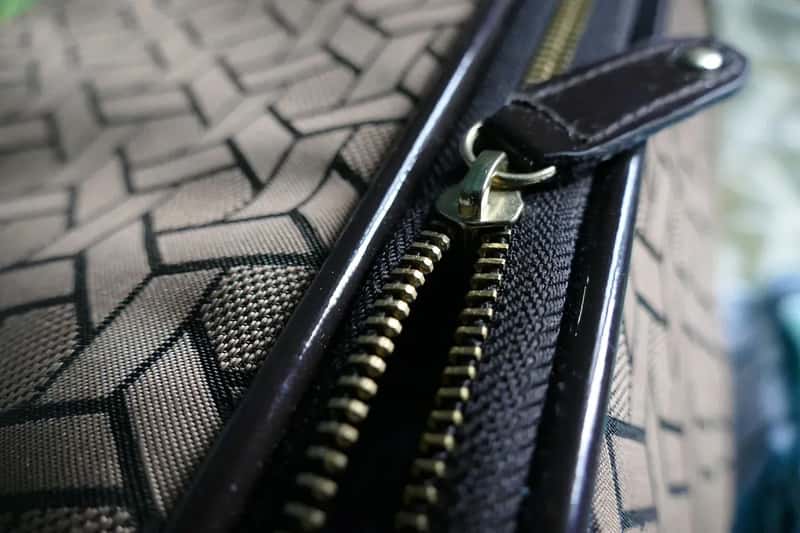
A gallon-sized freezer bag, a sandwich bag, a random zip pouch grabbed from the kitchen drawer – all of these show up at checkpoints constantly, and all of them can get you flagged. The required bag is approximately quart-sized with a zip-top closure that seals completely flat. If you’re forcing the zipper over a pile of bottles and the bag is visibly bulging, it doesn’t comply, regardless of what’s inside.
Enforcement can vary between officers and airports, which is exactly the problem – sometimes a gallon bag slides through, and sometimes it doesn’t. That inconsistency works against you when you’re running late and your toiletries are on the line. A proper quart-sized clear zip bag costs almost nothing and removes the gamble entirely.
#13 – Thinking You Can Carry Two Quart Bags
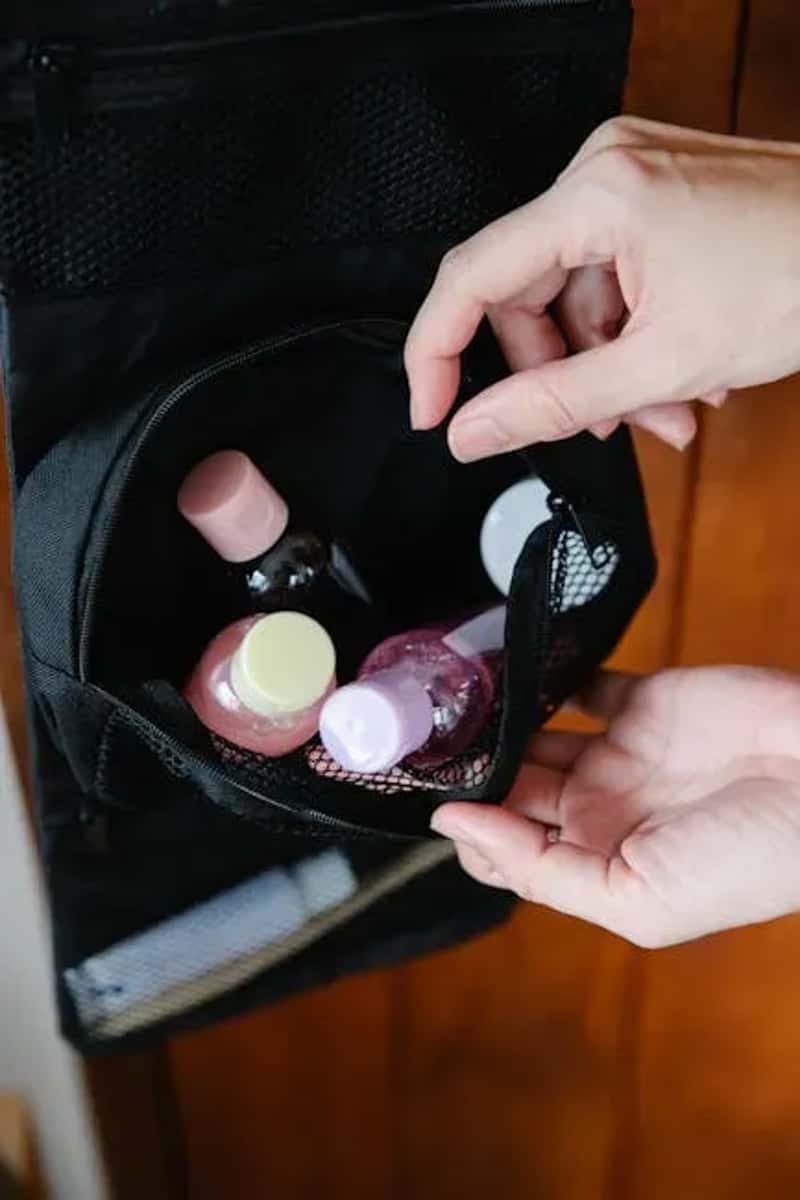
Split your toiletries between two neat, properly sized clear bags in your own carry-on – seems organized, seems reasonable. It’s still a violation. The “1” in 3-1-1 means one quart-sized bag per person, period. No matter how logically your system is arranged, all your liquid containers must fit inside a single resealable bag. One bag. One person.
In practice, a standard quart bag fits around six to nine travel-size bottles depending on shape – that is your entire liquid allowance for carry-on. If your product list runs longer than that, it’s time to consolidate, switch a few items to solid alternatives, or move the overflow to checked baggage. A second pouch tucked in a side pocket won’t get waved through just because it looks tidy.
#12 – Keeping Your Liquids Bag Buried in Your Carry-On
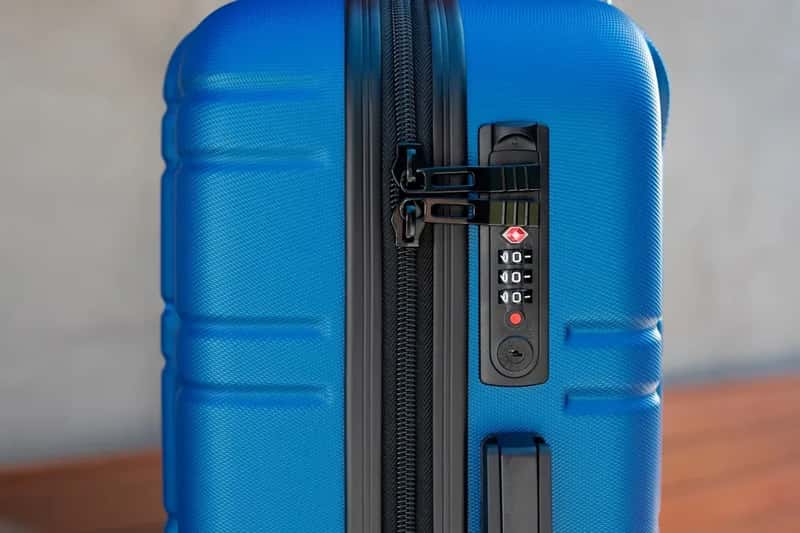
You followed every rule – everything under 3.4 oz, proper quart bag, fully sealed. Then you buried it between your jeans and your laptop, and now you’re the person holding up the entire security line while you excavate your carry-on in front of everyone. At a standard TSA checkpoint, the quart-sized bag comes out and goes into a bin by itself for separate X-ray screening. That step is not optional.
Airports rolling out newer CT scanning technology are starting to change this – at upgraded checkpoints, the 3D imaging gives officers a clear enough view without pulling the bag out. By early 2026, over 90% of major U.S. hubs have replaced traditional X-ray machines with 3D CT scanners, but the 3.4 oz rule still applies everywhere. Until you know your airport has CT scanners, pack your liquids bag at the very top of your carry-on so it’s the first thing your hand touches when you reach in.
#11 – Forgetting That Toothpaste Is a Liquid
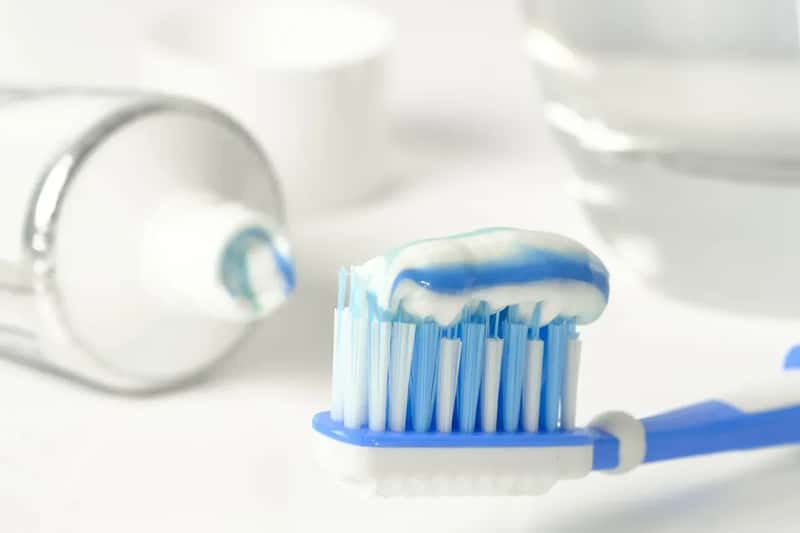
Toothpaste doesn’t pour. It doesn’t spray. It comes in a tube you squeeze. And yet TSA classifies it as a paste – firmly under the liquids rule – which means the standard family-sized tube sitting on your bathroom sink is going straight into the trash at the checkpoint. Most regular drugstore tubes run 4 to 6 ounces, comfortably over the 3.4-ounce limit, regardless of how much is left inside.
This catches people because toothpaste feels solid, familiar, and harmless. But the same rule applies to mouthwash, shampoo, conditioner, and lotion – the autopilot items people have packed for years without thinking. A travel-sized tube of toothpaste costs about a dollar at any pharmacy. That’s a much easier loss than standing at a bin watching your full tube get tossed before a long flight.
Worth Knowing
- Toothpaste, shaving cream, and lip gloss are all classified as liquids or pastes by TSA.
- Powdered toothpaste and solid toiletry alternatives skip the 3-1-1 rule entirely.
- Mouthwash is one of the most-confiscated items – standard bottles run 16 to 33 oz.
- Mascara, liquid foundation, and serums also count – even when they feel “too small to matter.”
#10 – Packing Aerosol Dry Shampoo as If It Were a Solid
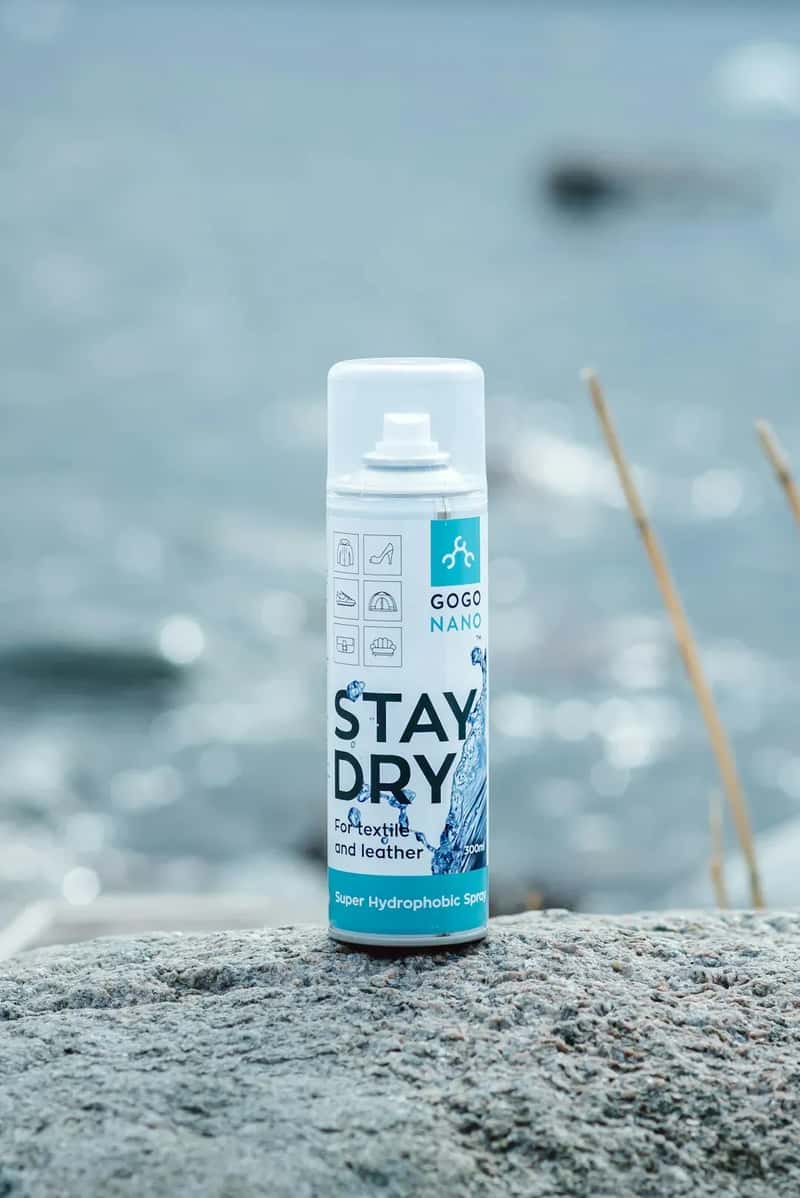
The reasoning almost makes sense: it’s dry shampoo, so it can’t be a liquid. Except it absolutely is – aerosol beauty products including dry shampoo, hairspray, setting spray, and spray deodorant all fall under TSA’s liquids, aerosols, and gels framework. In carry-on luggage, they follow the standard 3-1-1 rule: 3.4 ounces or less, inside your single quart-sized clear bag. The standard cans sold in most stores are 6 to 7 ounces – nearly double the limit.
This one stings because dry shampoo is a travel staple, and the full-size can feels like a necessity on a long trip. The fix is a travel-size aerosol can, which does exist, or switching to a loose powder dry shampoo formula – powder is not subject to the liquids rule at all and can go straight into your carry-on without any restriction. That second option is genuinely one of the best packing switches a frequent traveler can make.
#9 – Assuming Gel Deodorant Is Fine Because It’s Deodorant
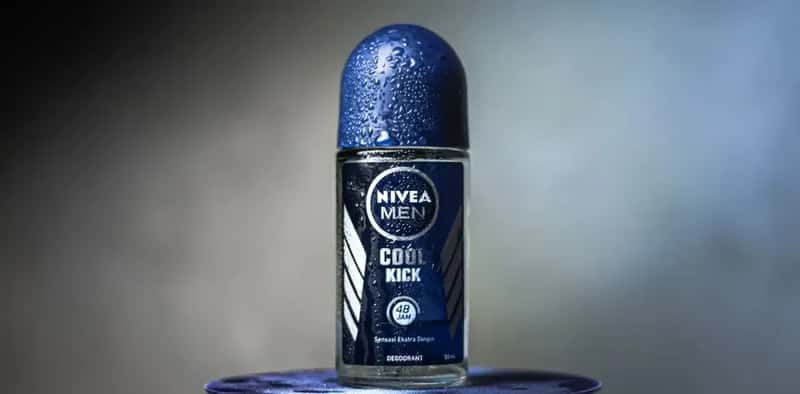
Solid stick deodorant is completely unrestricted – any size, no bag required, pack as many as you want. But a huge number of travelers use gel, spray, roll-on, or cream deodorant, and those are an entirely different situation at the checkpoint. Gel, spray, roll-on, and cream deodorants are classified as liquids. They must be 3.4 ounces or less and fit inside your quart-sized bag. The format is everything – same product category, completely different rules depending on texture.
Full-size gel deodorant containers are almost always over 3.4 ounces, and most people never check the label because deodorant feels like a non-issue. On top of the TSA rule, cabin pressure can cause gel and spray containers to expand and leak into your bag – a solid stick sidesteps that problem entirely. Switching to a solid before a trip is one of the easiest calls on this whole list, and somehow one of the least made.
Quick Compare
- Solid stick deodorant – any size, no bag needed, zero restrictions ✅
- Gel or roll-on deodorant – must be 3.4 oz or under, inside quart bag ⚠️
- Spray deodorant (aerosol) – same 3.4 oz rule, counts toward your bag’s space ⚠️
- Cream deodorant – classified as a paste, same 3.4 oz limit applies ⚠️
#8 – Bringing Full-Size Perfume or Cologne
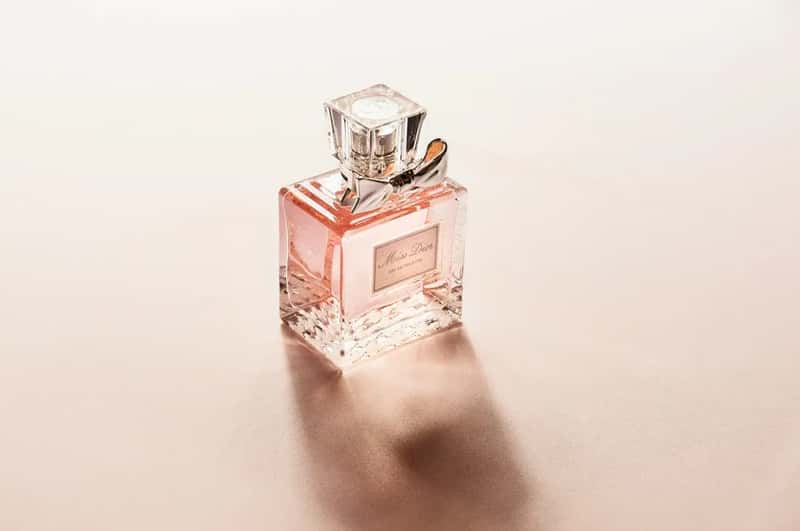
Losing an expensive fragrance at security is one of the most genuinely painful confiscations on this list – and it happens constantly. Many perfume and cologne bottles sold at department stores are 50ml, 75ml, or 100ml-plus, putting them squarely over the limit. The critical detail that catches people: TSA measures the container size, not the fill level. A 150ml bottle that is three-quarters empty still violates the rule because the container itself exceeds 100 milliliters.
The smartest workaround is a dedicated travel atomizer – a small refillable spray bottle you fill from your full bottle at home – as long as the atomizer itself is under 3.4 oz. Solid perfume formats bypass the 3-1-1 rule entirely. And if your signature scent only comes in large bottles, it goes in checked luggage. No fragrance is worth the moment of watching it disappear into a TSA trash bin at the gate.
#7 – Treating Mascara and Lip Gloss Like Regular Makeup

Solid lipstick travels freely – no size limit, no bag needed, carry as many shades as you want. The moment you switch to lip gloss, liquid lipstick, or liquid foundation, you’ve crossed into liquid territory and your clear bag is required. Mascara, liquid foundation, cream blush, lip gloss, and serums all fall under the 3-1-1 rule in carry-on. Most are small enough to comply on size – the problem is that people toss them into a makeup bag without separating out the liquids.
When TSA X-rays your bag and the machine picks up liquid signatures scattered throughout instead of consolidated in a clear bag, you’re getting a manual bag check – and potentially losing items that were actually within the size limit. The products themselves are often fine. The failure to put them in the designated bag is what creates the problem. One quart bag, all your liquid makeup inside it, pulled out for screening. That’s the whole system.
#6 – Not Labeling Unlabeled or Refilled Containers
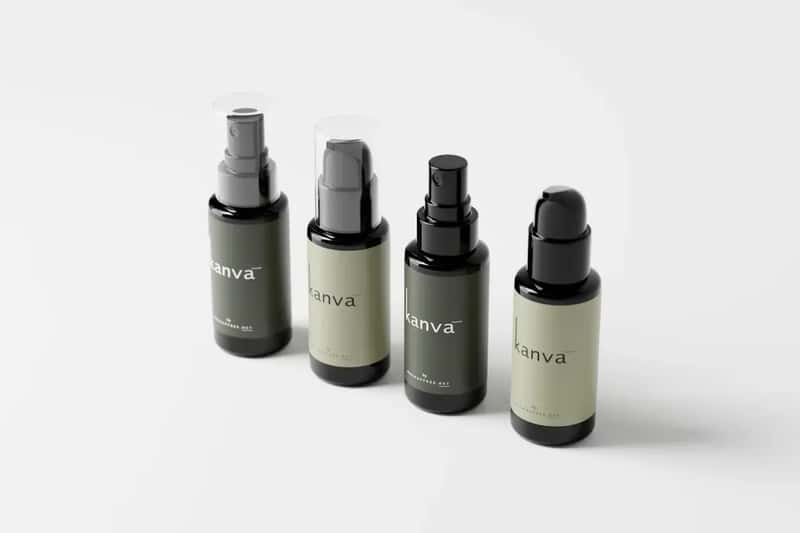
Decanting products into sleek reusable travel bottles is genuinely smart packing. But when those bottles have no label and a TSA officer can’t identify what’s inside, a clear liquid in an unmarked container is exactly the kind of thing that triggers additional screening – and it can mean everything in that bag gets examined. Security can’t identify mysterious liquids, and they won’t just wave them through on trust.
This isn’t TSA being difficult – it’s the screening process working exactly as designed. Any liquid that can’t be quickly identified requires extra steps, and extra steps mean delays and a higher chance of losing items. A strip of masking tape and a marker takes thirty seconds at home. Label every decanted container with its contents before you leave, and secondary screening becomes a non-issue instead of a coin flip.
#5 – Overstuffing the Quart Bag So It Won’t Seal
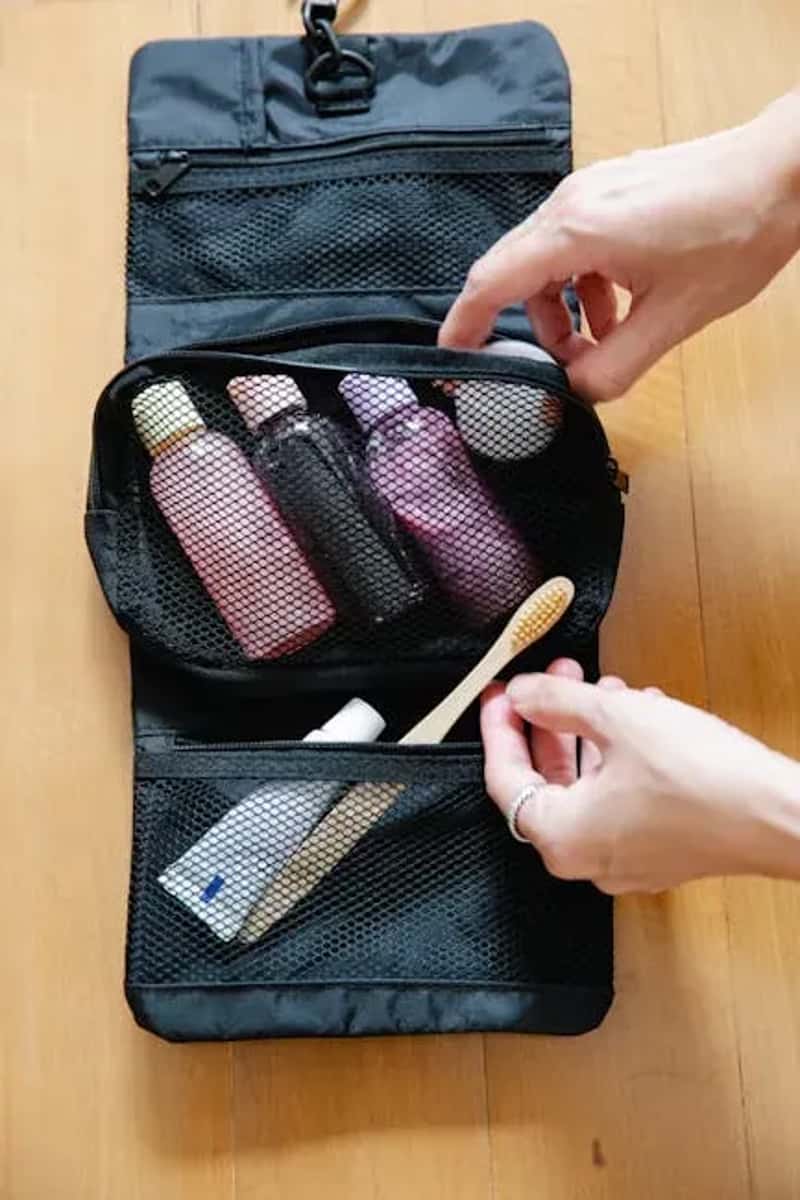
The bag is squeezed to capacity, visibly straining, bottles pressing against the zipper from the inside – and somehow travelers present this at the checkpoint expecting it to pass. It won’t. The bag must close completely, and all items inside must be 3.4 ounces or less. A bag that doesn’t fully seal isn’t compliant regardless of what’s in it. This is one of the most commonly flagged issues at checkpoints, and it’s almost always a sign that someone is trying to pack more than their quart bag can actually hold.
The real solution isn’t a bigger bag – it’s fewer liquids. Solid toiletries are the frequent traveler’s best-kept secret: shampoo bars, solid conditioner bars, solid sunscreen sticks, bar soap, and solid deodorant sticks don’t count as liquids and can go straight into your carry-on with zero size restrictions. Making even one or two of those swaps frees up real space in your quart bag and removes the overstuffing problem at the source.
“A good rule of thumb is that if you can spill it, spray it, spread it, pump it, or pour it, then it’s a liquid, gel, or aerosol.”
Former TSA Spokesperson Lisa Farbstein
#4 – Hiding Liquids Outside the Clear Bag
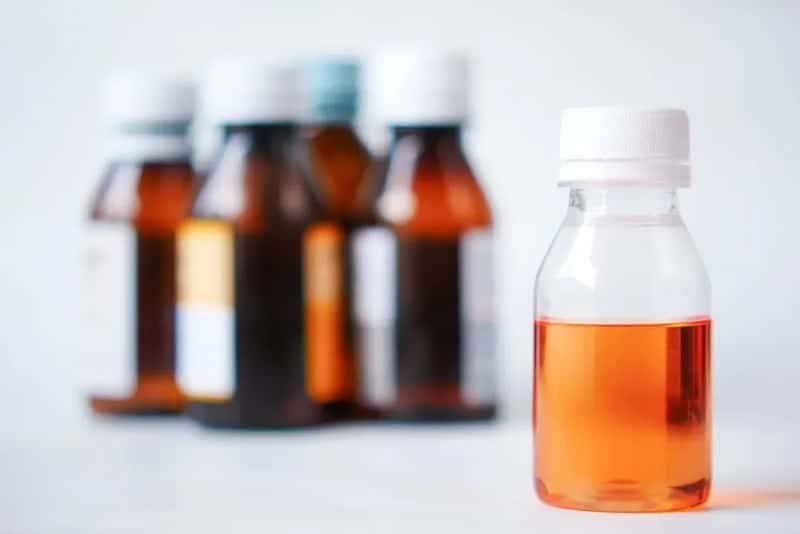
Some travelers skip the quart bag entirely and just tuck liquids into various pockets and compartments, betting the X-ray machine won’t catch it. Others pack a proper quart bag and then throw a few extra bottles in loose anyway, figuring a small overflow won’t matter. The X-ray machine sees all of it. Liquids scattered throughout a bag without a designated clear bag for screening will get the whole carry-on pulled for a manual check.
When that manual check happens, everything that’s oversized or not properly presented becomes a candidate for confiscation – including items that might have sailed through if they’d been correctly packed. The quart bag isn’t just about limiting your liquids; it’s about making the screening process fast and legible for officers. When you make that job harder, the consequences fall on your toiletries.
#3 – Not Knowing That Shaving Cream Counts as a Liquid
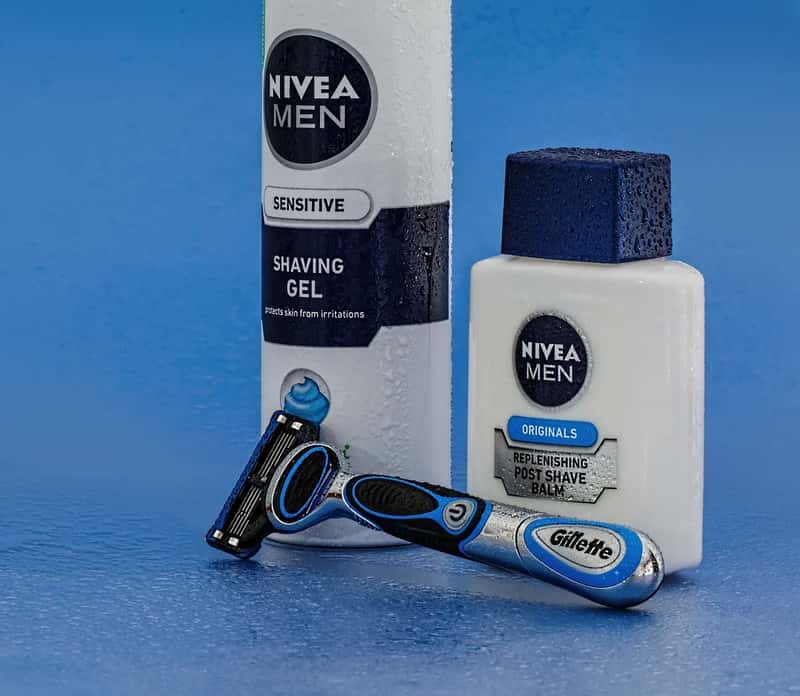
Ask most travelers if shaving cream is a liquid and they’ll say no – it comes out as foam, it doesn’t pour, it doesn’t slosh around. TSA says otherwise, and they’re the ones at the checkpoint. Shaving cream, shaving gel, and aftershave balm are all classified as liquids or aerosols and must comply with 3-1-1. The average can of shaving cream at any drugstore runs 7 to 11 ounces – massively over the limit. This is one of the more quietly consistent confiscations in the system.
The TSA’s working definition covers anything that flows, spreads, squeezes, smears, sprays, or pours – gels, creams, pastes, aerosols, and plenty of items that don’t feel like liquids in everyday life. A small travel-size can works if you can find one, but a solid shaving soap bar is the cleanest solution for carry-on-only trips. Most travelers don’t think to make this switch until after the first time they lose a full can at a bin.
At a Glance: Solid Swaps That Beat the 3-1-1 Rule
- Shaving soap bar replaces shaving cream or gel – no size limit
- Shampoo bar replaces liquid shampoo – goes straight into your carry-on
- Solid conditioner bar replaces bottled conditioner
- Solid sunscreen stick replaces lotion sunscreen – unlimited size in carry-on
- Solid perfume replaces bottled fragrance – bypasses 3-1-1 completely
#2 – Misunderstanding the Duty-Free Liquid Exception
You bought a $90 bottle of perfume at the duty-free shop past the security checkpoint on your international departure. You’re connecting through a U.S. airport on the way home. You feel completely safe. And then a TSA officer takes it anyway – because the duty-free exception is far narrower than almost anyone realizes. The exception applies only to internationally purchased liquids that remain sealed in their original tamper-evident retail bag with proof of purchase showing they were bought after the security checkpoint, within 48 hours of the flight.
If you opened the tamper-evident bag for any reason – to show a travel companion what you bought, to check the bottle, to wrap it differently – the exception is void. The rules do not bend for good intentions. This exception also does not apply to domestic duty-free purchases. If there is any doubt about whether your duty-free item qualifies, pack it in checked luggage before your connection. A $90 bottle is not worth the gamble.
#1 – Not Knowing What Actually Counts as a “Liquid”
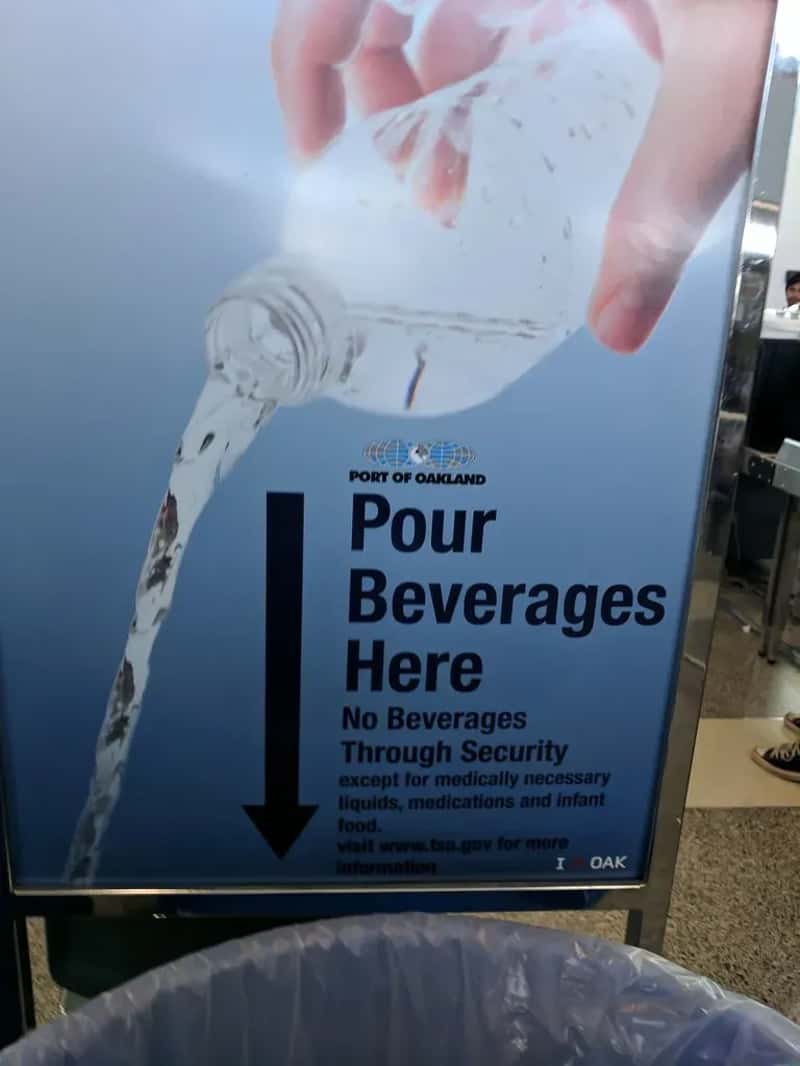
This is the mistake underneath almost every other mistake on this list – because it isn’t one wrong item, it’s a fundamentally too-narrow understanding of the word “liquid.” Mascara is a liquid. Sunscreen lotion is a liquid. Hummus is a liquid. Peanut butter is a liquid. TSA defines a liquid as any substance that can be poured, pumped, squeezed, spread, or sprayed. That definition covers gels, creams, pastes, aerosols, and spreadable foods right alongside the obvious stuff like water and perfume. If a substance does not hold a completely solid form at room temperature, it falls under 3-1-1.
Among the most surprising repeat confiscations at TSA checkpoints are peanut butter, hummus, and jams – snacks, not toiletries – taken because travelers didn’t know spreadable foods obey the same rule as shampoo. The TSA’s own shorthand is worth memorizing: “If you can spill it, spread it, spray it, pump it, or pour it, and it’s larger than 3.4 ounces, it goes in checked baggage.” Run every single item in your carry-on through that test before you zip the bag. The rule isn’t complicated once you know the real definition – it’s just that most people were never told what “liquid” actually means at a checkpoint.
Fast Facts: Surprising Things TSA Treats as Liquids
- 🥜 Peanut butter – spreadable = liquid, any jar over 3.4 oz gets pulled
- 🫙 Hummus, jam, and yogurt – among the most-confiscated food items at U.S. checkpoints
- 💄 Lip gloss and liquid lipstick – solid lipstick is fine; gloss requires the quart bag
- 🧴 Sunscreen lotion – lotion format is a liquid; solid sunscreen stick is not
- 🪒 Shaving cream and aftershave balm – foam or not, both count as aerosols or gels
Every mistake on this list comes back to the same two blind spots: the definition of “liquid” is wider than most travelers expect, and TSA enforces the container size without exception or negotiation. None of this is bad luck. It’s predictable, repeatable, and entirely avoidable once you know the pattern. Pack your clear bag last, label everything you’ve decanted, run your items through the spill-spread-spray test, and you’ll walk through security without losing a single thing. If one of these already cost you something at a checkpoint, drop it in the comments – you’re almost certainly not alone.