Picture a back-to-back cruise and you probably see one long, lazy vacation with no packing, no airport and no goodbye. Then turnaround day arrives, and the ship may ask you to walk off, scan out, sit through a safety drill again and maybe move to a different room.
And that’s just the visible part, because the costliest surprises are hiding in your cabin assignment, your pharmacy bag and one coverage gap we saved for last. Here’s what the cruise lines’ own instructions and official guidance actually say.
#15 – Yes, Everyone Gets Off the Ship
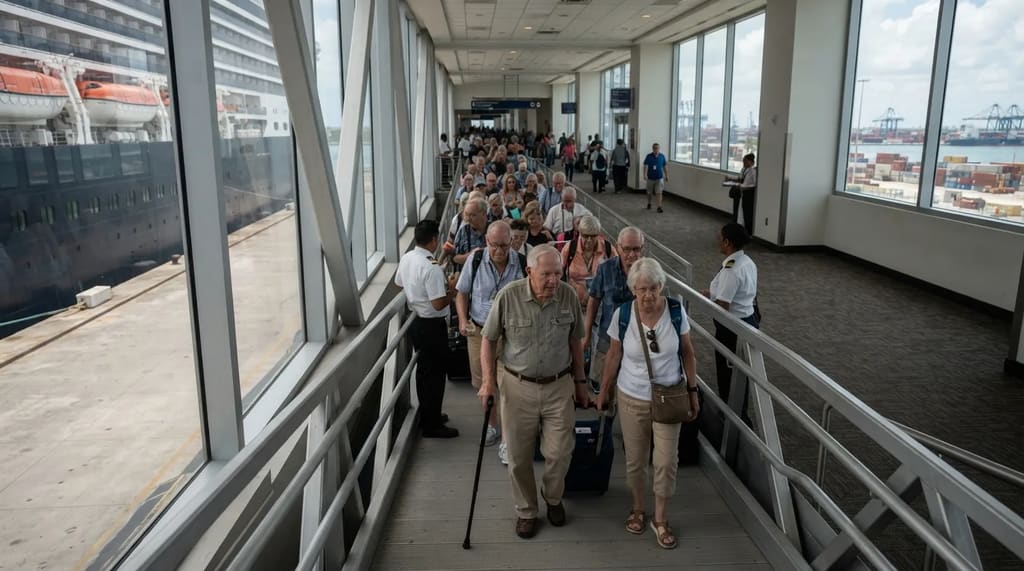
Staying aboard between voyages does not always mean staying aboard.
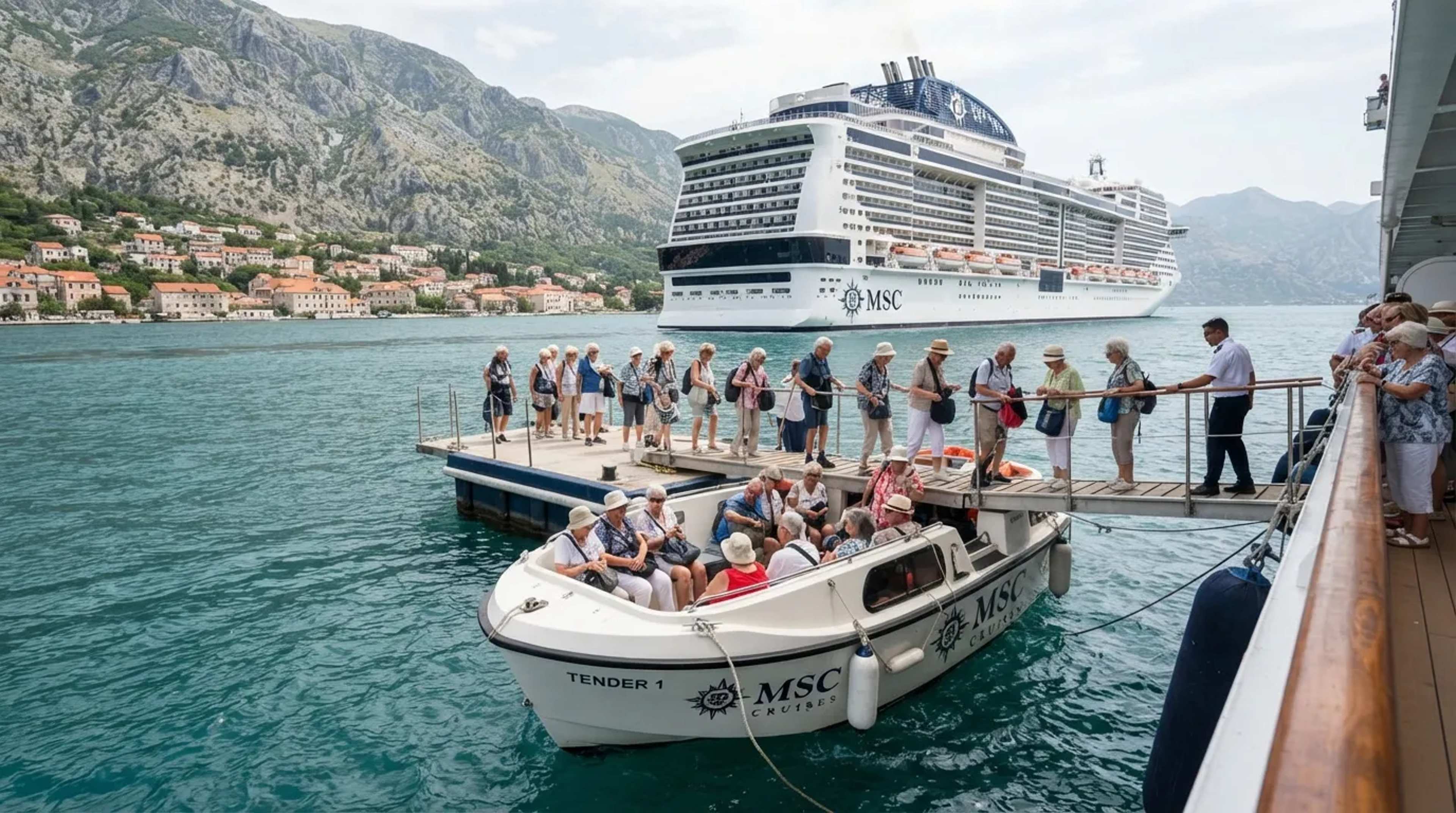
At many ports, every passenger leaves the ship on turnaround day, back-to-back guests included. In the United States, the ship usually has to reach “zero count” before new guests can board, which means the ship has to be cleared of guests first.
The rule is not the same on every line. Other guides say guests are often given the choice to stay aboard or go ashore, just as on any port day.
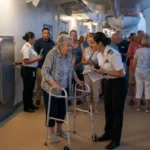
In some ports, consecutive cruisers are walked off the ship and into the terminal before they return. If walking or standing is hard for you, ask in advance how far the walk is and whether there is seating along the way.
At a Glance
- U.S. ports usually require a “zero count” before new guests board.
- Some lines let you stay aboard, while others send everyone ashore.
- Some ports walk you through the terminal before you return.
- Ask ahead about walking distance and seating.
And that’s before you learn about the letter that decides whether you’re even on the list, which is #14.
#14 – A Letter Arrives, and a List Decides Your Fate
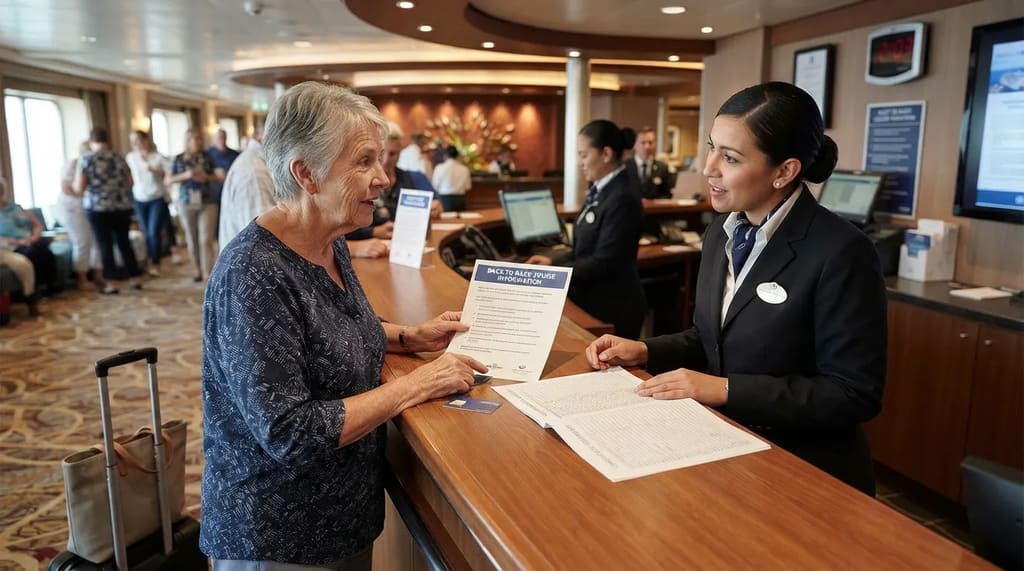
The paperwork matters more than the packing.
Near the end of the first sailing, a letter appears in your stateroom explaining what to do on turnaround day. It tells you where to report, at what time, and what to bring with you.
If you aren’t on the consecutive cruiser list, the ship may expect you to leave. One guide advises stopping by Guest Relations during the first cruise to confirm you’re on it.1
Cruise Critic gives the same advice: tell the front desk early that you’re a back-to-back passenger.2 Don’t wait for the last evening, when the desk is at its busiest and the lines are longest.
But the way you are processed on the gangway is stranger still, and we get to it in #13.
#13 – You Become an “In-Transit Guest”
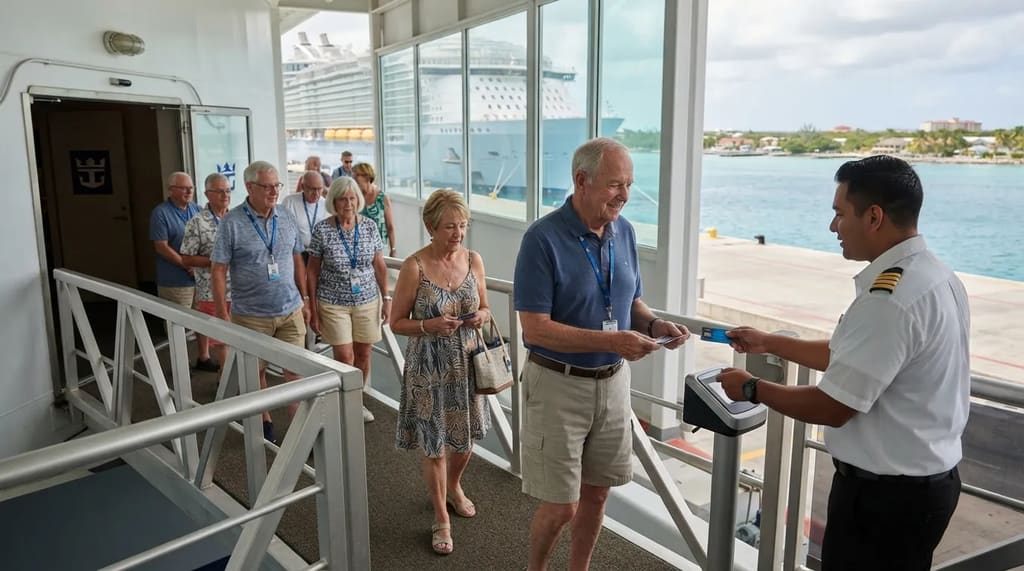
On turnaround day you get a new title.
Back-to-back guests are referred to as “in-transit guests.” They are usually processed as a group, which is why the step tends to move quickly.
You are usually the last passenger off and the first one back on. On Royal Caribbean, you scan your old SeaPass card at the gangway and are handed a new one to begin the next sailing.
You’re also given instructions for getting back aboard, usually with an all-aboard time later in the day. Treat that time as firm, because a ship on a tight schedule will not wait for one more shopper.
Yet one line’s policy about leaving the ship surprises even seasoned cruisers, and it’s #12.
#12 – The “Quick” Terminal Check Isn’t Always Quick
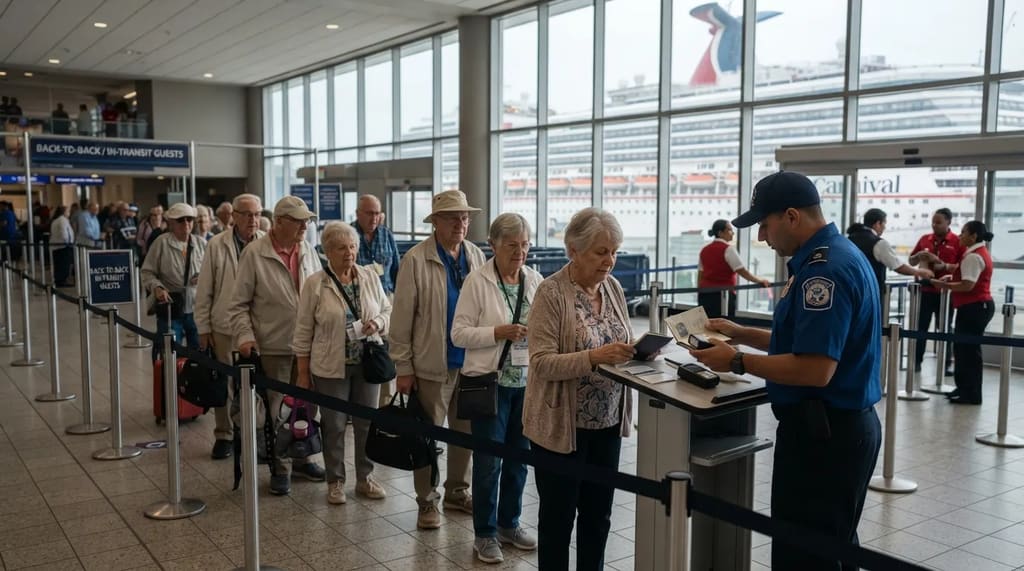
The few minutes on shore can feel longer than they sound.
Carnival’s policy requires passengers to leave the ship for immigration purposes, but the time is escorted and kept as short as possible.3 One guide puts it at roughly 15 to 30 minutes.
Expect a passport check before you’re escorted back aboard. That’s what one back-to-back guide describes for the return.
The State Department strongly recommends all cruise passengers carry a passport book, even when the cruise line doesn’t require one.4 Keep it on you, not locked in the cabin safe you may have just emptied.
Once you’re back on board, though, the ship isn’t quite the one you remember, as #11 shows.
#11 – The Quiet Ship Comes With Closed Doors
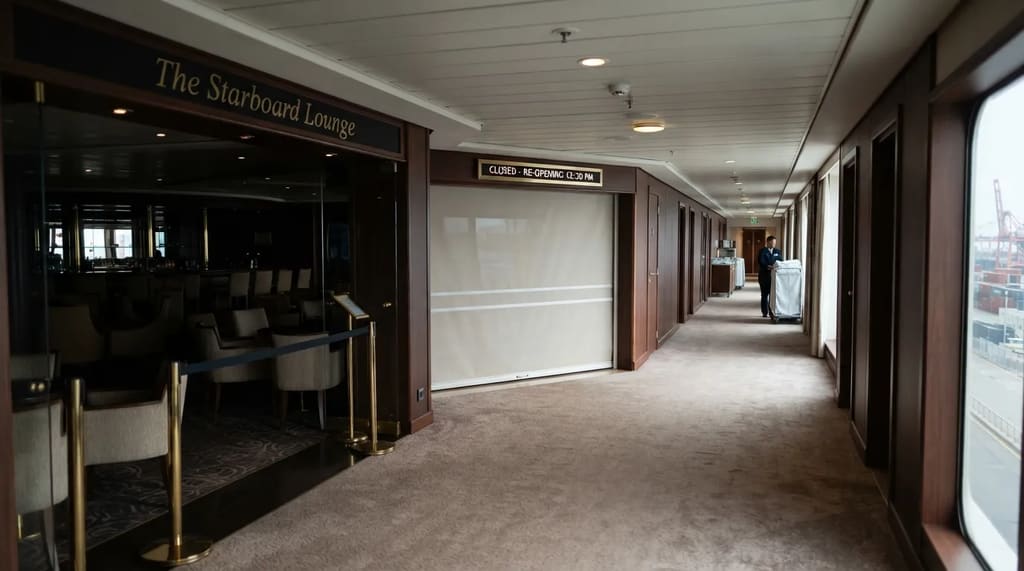
The empty ship sounds like a bonus, and partly it is.
You are welcome to stay aboard and enjoy the hush of an almost empty ship. But on some ships, the pools may be open while bars and food venues stay closed until embarkation begins.
Some lines may limit where you can go or eat for a few hours. Forbes notes there may be restrictions on dining and moving about the ship during the changeover.
Some lines offer a special lunch or special excursions for back-to-back guests. Not everything opens right away, because the ship is still in turnover mode and the crew is racing the clock.
Then comes a moment many guests quietly miss, and it’s #10.
#10 – There’s No “Welcome Aboard” the Second Time
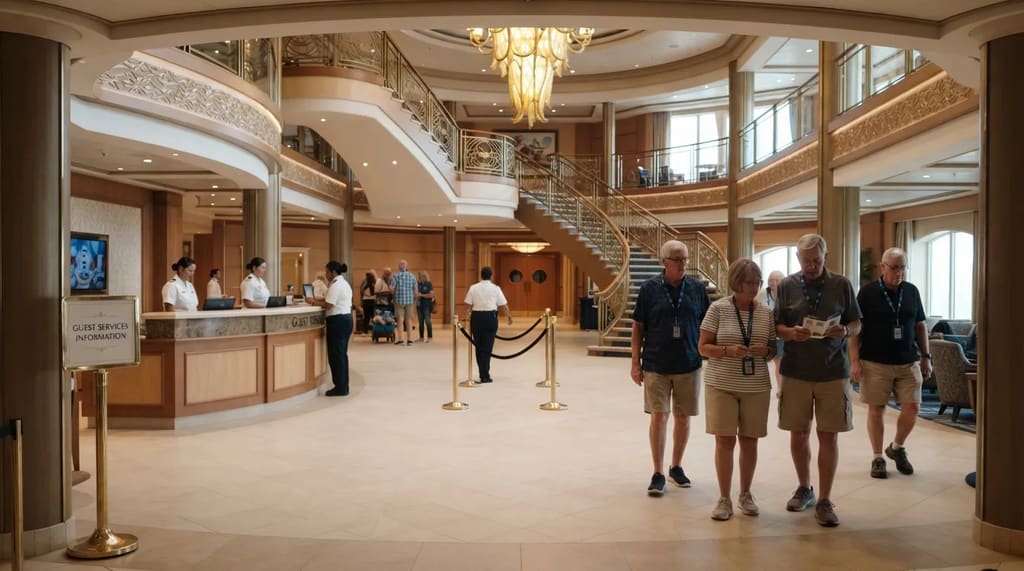
The greeting that opens a cruise doesn’t repeat itself.
One Disney guest noted there was no “Welcome Aboard!” greeting when they stepped back into the atrium. It’s a highlight for many guests, so returning without it can feel oddly flat.
The entertainment can repeat too. Shows are often repeated, and onboard musicians usually stay the same.
That’s why guests disagree about whether back-to-back is a good idea. Some say the repeats are the biggest drawback, while others say not feeling pressured to see a show every night is the whole point.
Quick Compare
- The drawback: repeated shows, the same musicians and no second “Welcome Aboard.”
- The upside: no pressure to catch a show every night.
- The takeaway: decide which camp you’re in before you book.
Next comes a decision that shapes your whole second week, and many guests make it too late, which is #9.
#9 – The Same Cabin Is Not Guaranteed
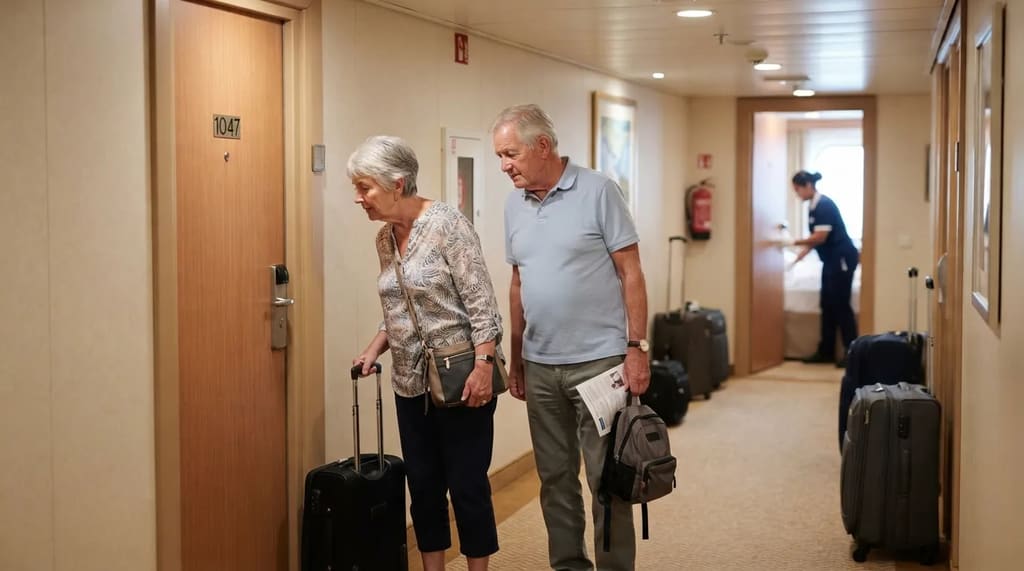
The single biggest comfort factor is the one you can’t count on.
In most cases, though not always, you’ll have to switch rooms. You can keep the same stateroom if it’s available for both legs at the time of booking.
Book late and the odds drop. Closer to sailing, it’s often hard or impossible to get the same cabin, and one guide says Royal Caribbean won’t ask another guest to move for you.
With the same cabin, you can leave your belongings in place and even get into the room while others are being changed. Cruise Critic says early booking improves your odds.
If you lose the cabin lottery, the next thing you face has a deadline, and it’s #8.
#8 – Moving Cabins Has a Deadline
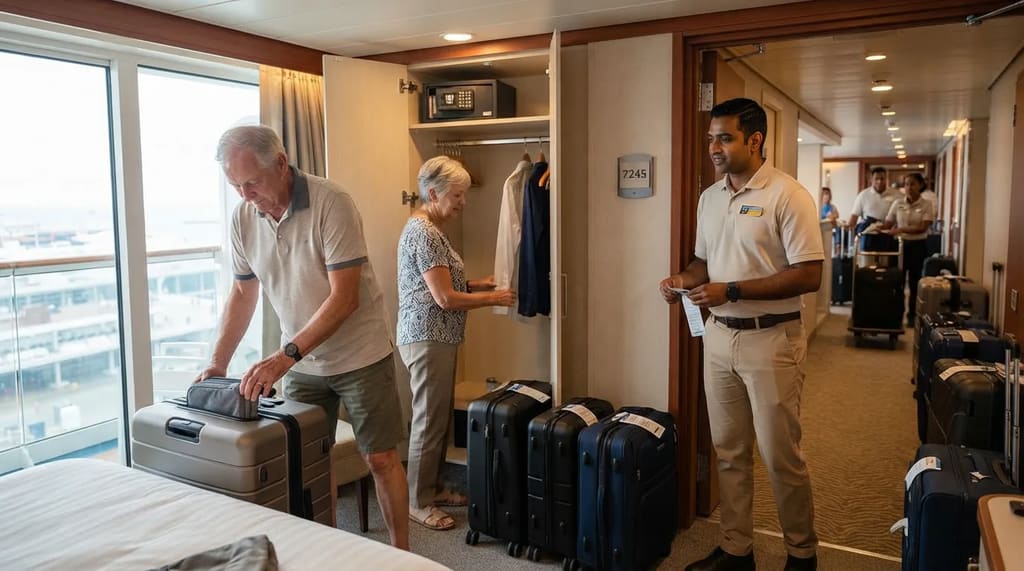
A cabin change turns turnaround day into a schedule.
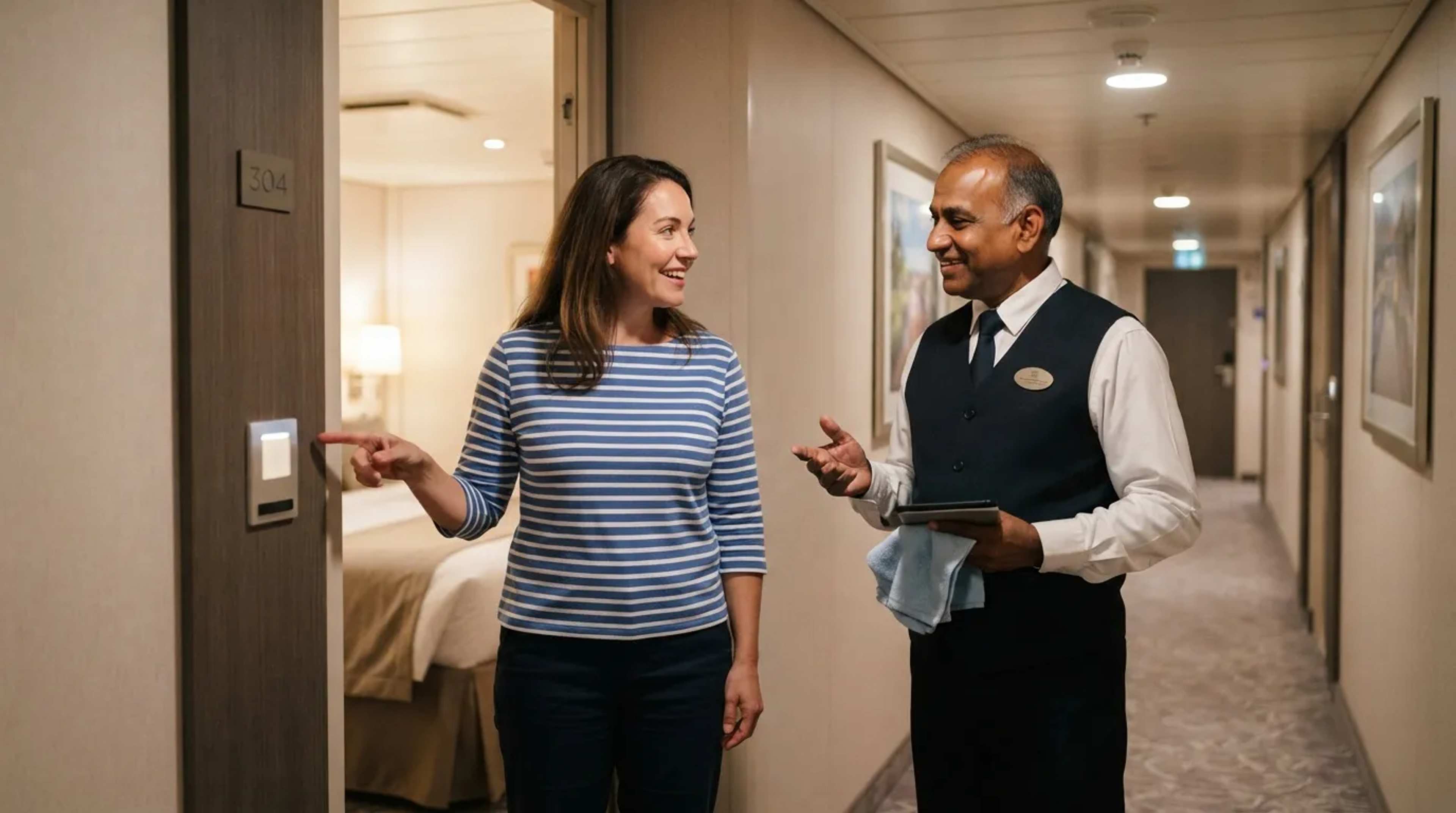
In one Royal Caribbean example, guests had to have luggage packed before 8:00 a.m. and give their stateroom attendant the new room number. They were also told to leave the safe door open when vacating.
Sometimes the crew moves your things for you. Royal Caribbean indicated crew would help transfer luggage to the new cabin, and one guide says to leave clothes hanging and belongings in drawers so your steward can move them.
Sources don’t agree on the details, and Cruise Critic says guests in a different cabin must relocate their luggage. Sometimes a line offers a free upgrade to make the move easier.
But even a perfect cabin plan won’t excuse you from the next requirement, which is #7.
#7 – The Safety Drill Happens Again
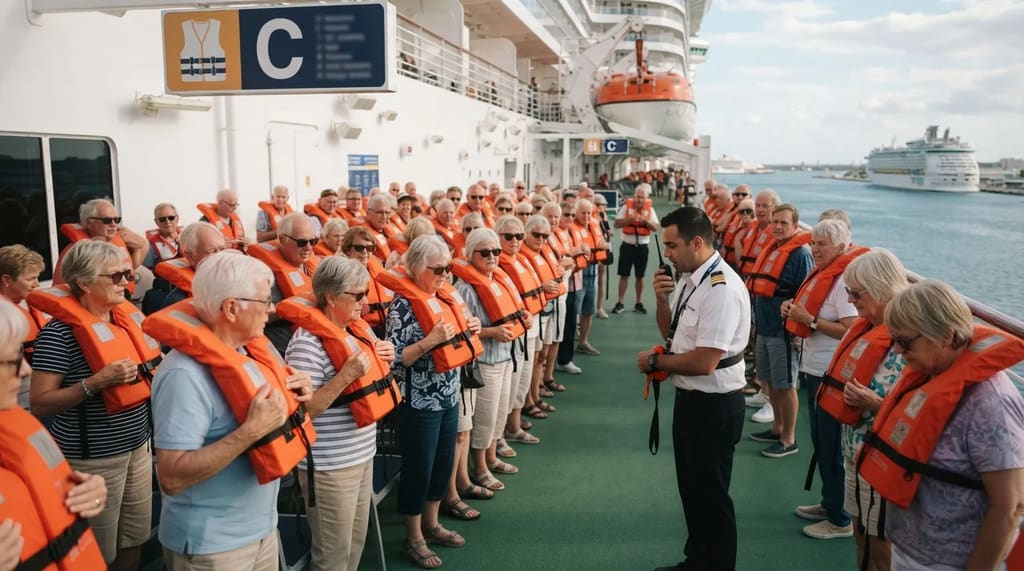
You can’t skip the drill just because you did it last week.
Maritime rules require every passenger to take part in the mandatory safety drill. Each cruise is a separate sailing, and the Coast Guard makes no exception for repeat guests.1
Royal Caribbean says consecutive cruisers must take part too.5 In one example, guests could watch the video in the app or on their stateroom TV, then check in at their muster station before 2:00 p.m.
One back-to-back passenger said a safety officer told them they’d be marked present after departure. They later received a letter saying their record showed a missed drill.
The next surprise is in your wallet, and it’s #6.
#6 – New Key Card, New Bill
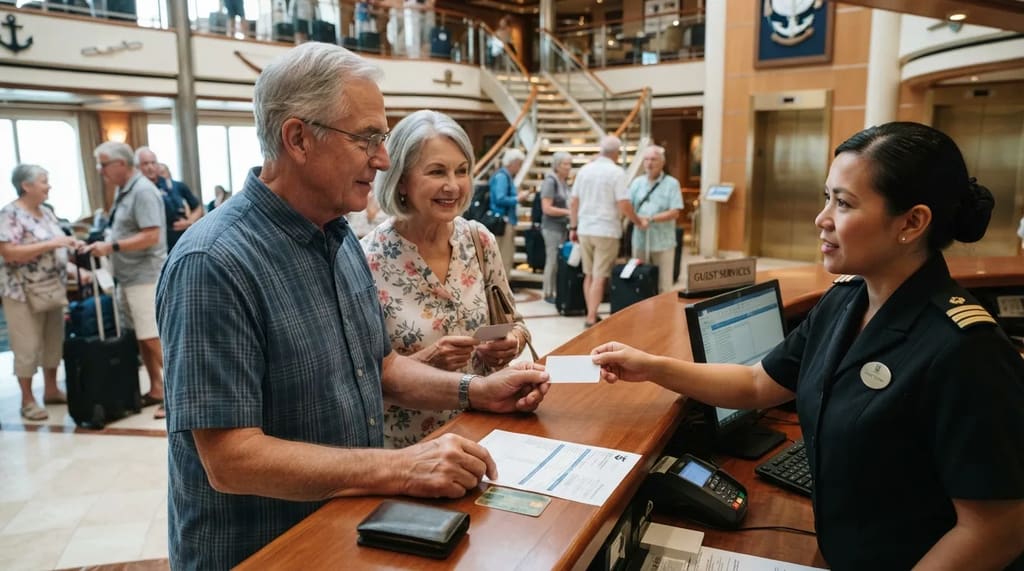
Your first cruise ends on paper even if you never really leave.
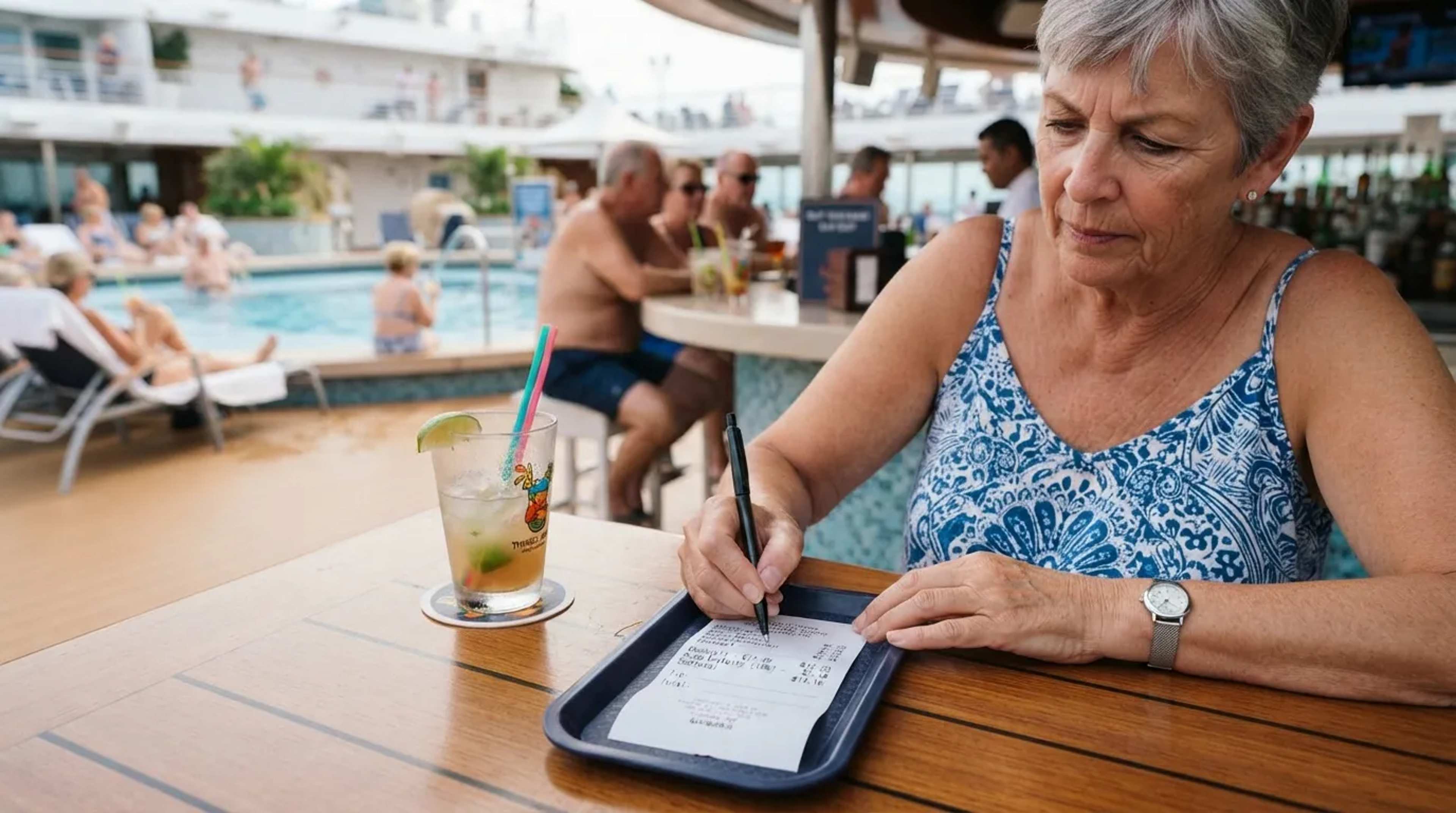
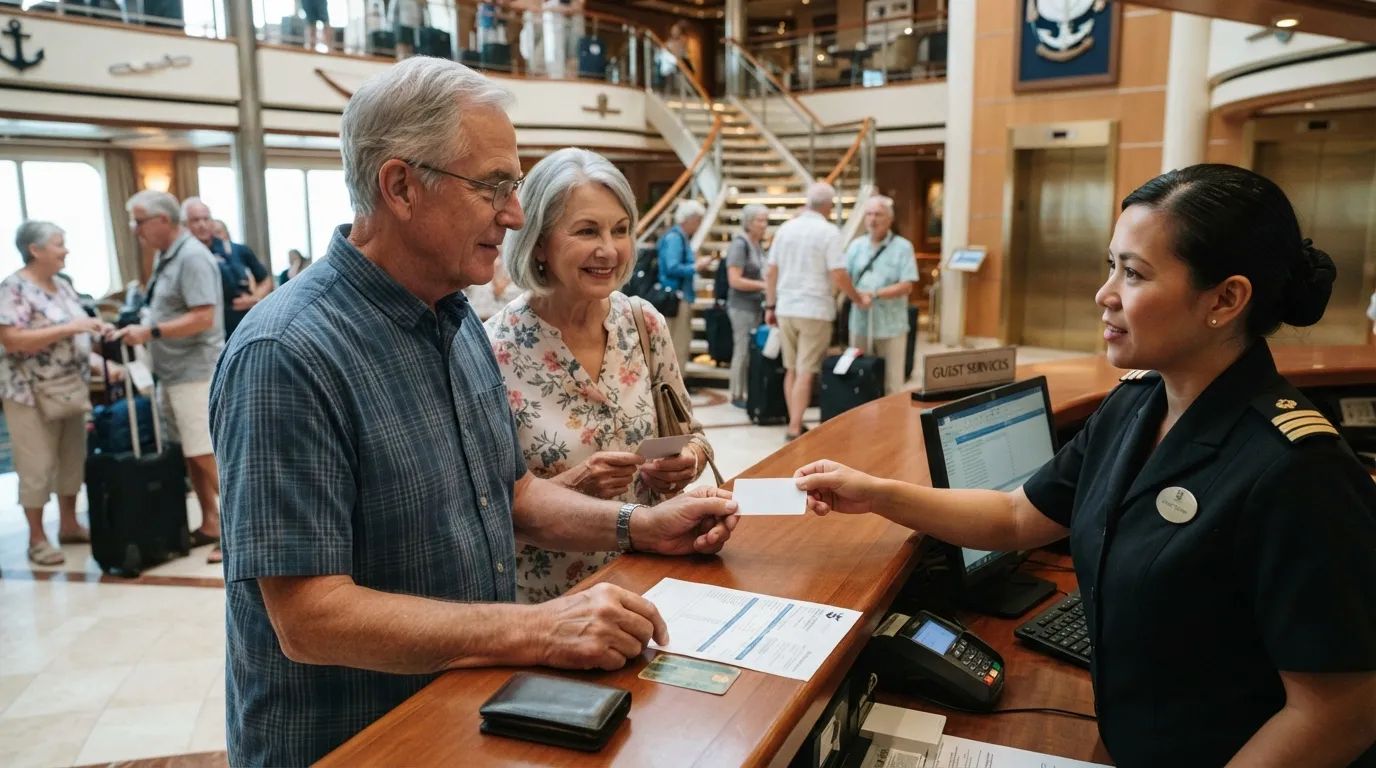
Two back-to-back sailings count as separate cruises, so you settle the first onboard account and open a second.3 Some lines send the new key card to your cabin, while others make you visit the front desk.
Your perks may not carry over the way you expect. The key card may change, the account may reset, and packages, benefits or onboard credit may apply differently on the second sailing.
Another guide says the cruise line may deliver the new card straight to your stateroom if you notify them in advance. If a drink or Wi-Fi package matters to you, ask how it works for leg two before you pay.
Now for the money question everybody asks, and the answer in #5 isn’t what you’d hope.
#5 – There’s Usually No “Back-to-Back Discount”
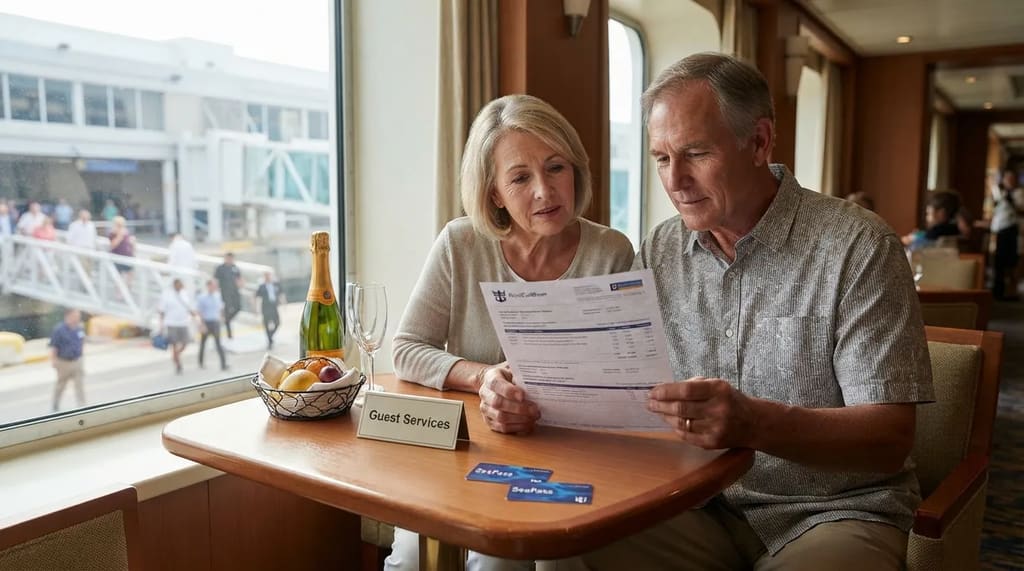
Two sailings in a row do not automatically mean a lower price.
Royal Caribbean treats a back-to-back as two separate reservations that happen to follow each other.1 That means you shouldn’t assume the second leg is priced as a bundle.
Deals do exist, but they aren’t automatic. Another guide says Royal Caribbean is a major provider of back-to-back deals and encourages the practice.
Some guests book back-to-backs for the extra loyalty nights. One guide reports Carnival gives back-to-back guests a fruit basket and champagne on the first day of the second leg.
Fast Facts
- Royal Caribbean books two sailings as two separate reservations.
- Back-to-back deals exist, but they are not automatic.
- Extra loyalty nights are a common reason guests book two in a row.
- One guide reports a Carnival fruit basket and champagne for leg two.
Compare the two prices yourself, because it’s the surest way to know. And the people who make the second week feel familiar may not stay the same, as #4 shows.
#4 – Your Steward and Dining Table May Change
The crew you’ve come to know are not guaranteed to stay.
If you’re staying in the same cabin, check that you’ll keep the same attendant. Crew changes do happen, and crew members sometimes leave for vacation even mid-cruise.
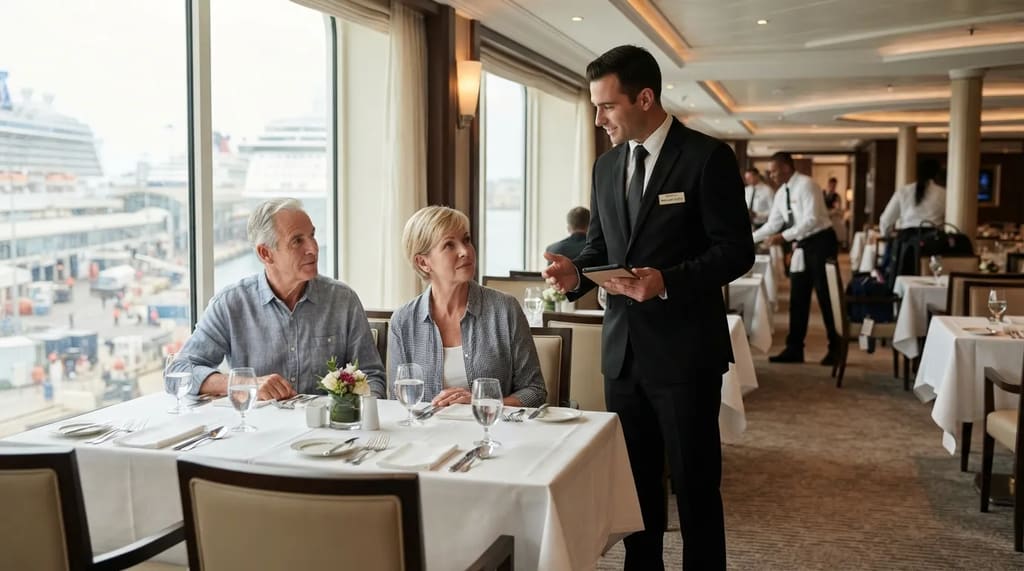
You can ask for the same dining table and waiters. One guide says to tell the head waiter in the main dining room sometime during the first leg.
Forbes points out that by the second itinerary you will have built relationships with the crew. Those relationships are worth protecting when you need a small favor.
The final two items matter most, and the first, #3, starts with your pills.
Related Stories From Travelbinger


#3 – The Ship’s Pharmacy Is Not Your Pharmacy

The medical center is built for emergencies, not for refills.
Carnival says its onboard medical centers carry a wide range of medications, but the formulary is limited. Most cruise lines don’t publish their full inventory.
Specialty, chronic and controlled medications are the ones most likely to be missing. One guide says if your drug isn’t in stock, the ship can’t refill it.
A physician-written guide says common items can cost 5 to 10 times retail. You usually pay through your onboard account, then use the invoice and visit record to file the claim yourself.
But the real trouble with medication starts before you board, and it’s #2.
#2 – Your Refill Clock Doesn’t Stop at Turnaround

A long trip uses up your supply faster than a short one.
The State Department says to bring enough prescription medication to last beyond your trip dates in case of delays.6 Another guide suggests at least three to five extra days.
Your insurer may let you override a refill limit only once a year. Most insurers allow one vacation override per prescription per year, and some define “year” as the calendar year, others as 365 days.
That detail matters most if you’re planning back-to-back trips. Carnival says to keep medication in your hand luggage, in its original packaging, with a copy of the prescription and a letter from your doctor.
Yet nothing compares to the gap waiting in #1, and it has nothing to do with pills.
#1 – Medicare Probably Isn’t Coming With You

The costliest surprise of all can’t be fixed on turnaround day.
Medicare typically does not cover medical expenses incurred aboard cruise ships. There is a narrow exception, which depends on how far the ship is from a U.S. port and on the doctor being legally allowed to provide care.7 8
Medical evacuation by air ambulance can cost more than $100,000 internationally. One insurer says Medicare doesn’t guarantee coverage for evacuation, even within the U.S.7
Worth Knowing
- Some Medigap plans cover 80% of emergency care abroad after a $250 deductible.
- That Medigap benefit has a $50,000 lifetime maximum.
- Many experts suggest at least $100,000 in medical coverage.
- They also suggest $250,000 to $500,000 for evacuation.
The State Department recommends medical and evacuation insurance for cruise travel.4 Many of these figures come from insurers, so check your own plan with Medicare or your insurer.
One guide notes that buying insurance early helps seniors secure pre-existing condition coverage. With a back-to-back, also confirm the policy covers the full length of both sailings.
The Bottom Line

A back-to-back cruise isn’t one long trip. It’s two separate cruises joined by a transition day that can include leaving the ship, new key cards, a repeat safety drill and a possible cabin move.
The biggest gap is the one nobody mentions: Medicare typically won’t cover care at sea. Add a limited ship pharmacy and refill rules that don’t bend, and the planning matters more than the itinerary.
Have you done a back-to-back sailing? Tell us what nobody warned you about on turnaround day.
- Royal Caribbean Blog Back-to-Back Guide: https://www.royalcaribbeanblog.com/2021/12/17/back-back-cruises-tips-and-advice
- Cruise Critic Back-to-Back Expectations: https://www.cruisecritic.com/articles/back-to-back-cruises-what-to-expect
- Carnival Back to Back Cruises: https://help.carnival.com/app/answers/detail/a_id/4529/kw/cruises
- State Department Cruise Ship Safety: https://travel.state.gov/en/international-travel/planning/safety-tips/cruise-ships.html
- Royal Caribbean Consecutive Cruiser Guide: https://cruiseprism.com/royal-caribbean-back-to-back-cruise-guide/
- State Department Cruise Travel Tips: https://travel.state.gov/content/dam/NEWTravelAssets/pdfs/Cruise%20Ship%20Rack%20Card_2018.pdf
- General Travel Insurance Medicare Guide: https://www.generalitravelinsurance.com/travel-resources/medicare.html
- Medicare Coverage Outside U.S.: https://www.govinfo.gov/content/pkg/GOVPUB-HE22-PURL-gpo58206/pdf/GOVPUB-HE22-PURL-gpo58206.pdf