For generations, the diamond has been the default answer to what an engagement ring should look like. That expectation is loosening. A lifestyle report on the trend describes gemstone rings as a way couples are ([1])redefining how they express commitment in 2027, with color and personal meaning taking the place of a clear stone. The move raises a practical question for anyone shopping for a ring: what, exactly, is being traded away?
A Stone Chosen for Color and Meaning
The appeal rests on variety. A diamond offers a classic look, but gemstones offer a wider spectrum of hues, histories and symbolism. Many buyers now want a ring that feels individual, and a sapphire or emerald can carry a story that a colorless stone rarely does.
Public figures have helped make the idea familiar. When well-known people wear colorful engagement rings, the choice looks less unusual and more like an option worth considering. Younger buyers in particular tend to match a stone to a partner’s favorite color, birth month or even eye color, and the result often stands out in photos and conversations.
The Stones Leading the Shift
Several gemstones keep appearing at the top of the conversation. The report points to the following options as the most frequently discussed:
- Sapphires, which come in deep blues, pinks and yellows and are hard enough for daily wear
- Moissanite, which offers strong brilliance at a lower price and is nearly as durable as a diamond
- Emeralds, which give a rich green look but need more careful handling because they are softer
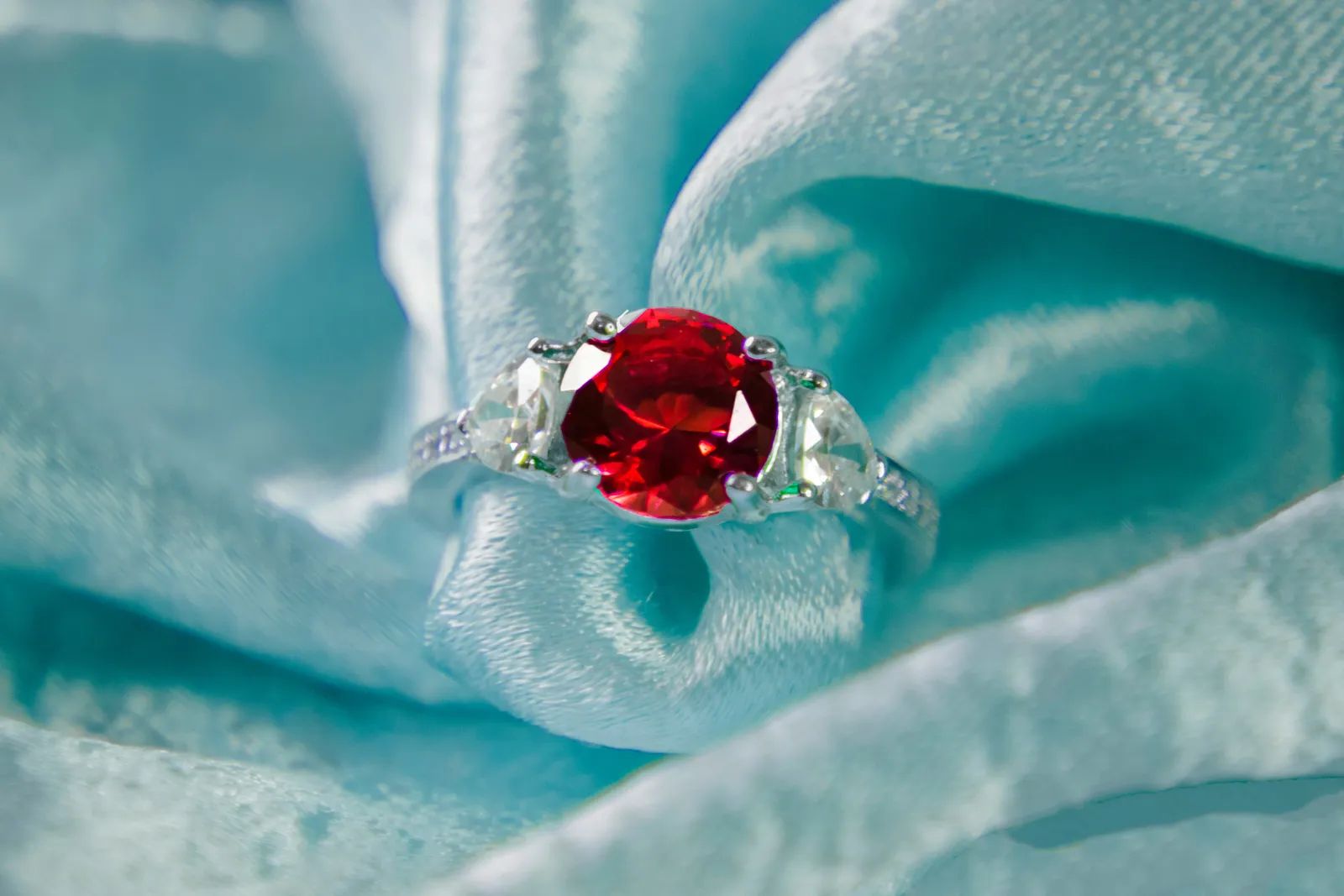
- Rubies, whose intense red tones suit bolder personalities
Lab-grown gemstones are also drawing interest. According to the report, they match mined stones in appearance while carrying a smaller environmental footprint and a lower cost. Birthstone rings round out the picture, adding a personal detail that is difficult to replicate.
Diamond or Gemstone, Side by Side
The comparison often comes down to what a couple values most. The table below summarizes how the report describes sapphires and diamonds across three areas.
| Factor | Sapphire | Diamond |
|---|---|---|
| Color range | Deep blues, pinks and yellows | Traditionally clear |
| Price per carat | Often better | Generally higher |
| Brilliance and hardness | Hard enough for daily wear | Superior brilliance and unmatched hardness |
The report stresses that neither option is wrong. A couple that values tradition may still choose a diamond, while one that prizes individuality may lean toward color. Some pair the two, setting a colored center stone inside a diamond halo.
Settings, Metals and Everyday Care
The setting shapes how a gemstone looks. A halo of small diamonds can make a sapphire or ruby appear larger and more vivid, while a solitaire setting keeps the focus on the stone alone. Three-stone designs are often associated with the past, present and future, and a bezel setting offers protection along with a modern edge.
Metal choice matters as well. White gold and platinum tend to suit the cool tones of sapphires and emeralds, yellow gold warms rubies and yellow stones, and rose gold pairs well with pink sapphires.
Care also differs from diamond care. Sapphires and moissanite can generally handle ultrasonic cleaners, while emeralds call for gentler methods such as warm water and mild soap. The report advises storing the ring apart from other jewelry, removing it during heavy activity or cleaning, and having a jeweler check the prongs and settings regularly.
Related Stories From Travelbinger



Buying With Confidence
Where a ring is purchased can be as important as the stone itself. Online sellers typically offer a wider selection, but buyers cannot inspect the stone in person. Clear return policies, detailed photos and gemstone certification are worth looking for, along with customer reviews.
In-store shopping allows a buyer to see the ring under different lighting and try it on. Local jewelers can also create custom designs, which may suit a couple with a specific vision. Whichever route is chosen, asking about warranties and aftercare is a reasonable step before committing.
The gemstone trend suggests that engagement rings are becoming a more personal statement than a standard purchase. A stone chosen for its color, its history or the month it represents can say something a diamond alone may not. For couples willing to look beyond tradition, the range of options has rarely been wider.