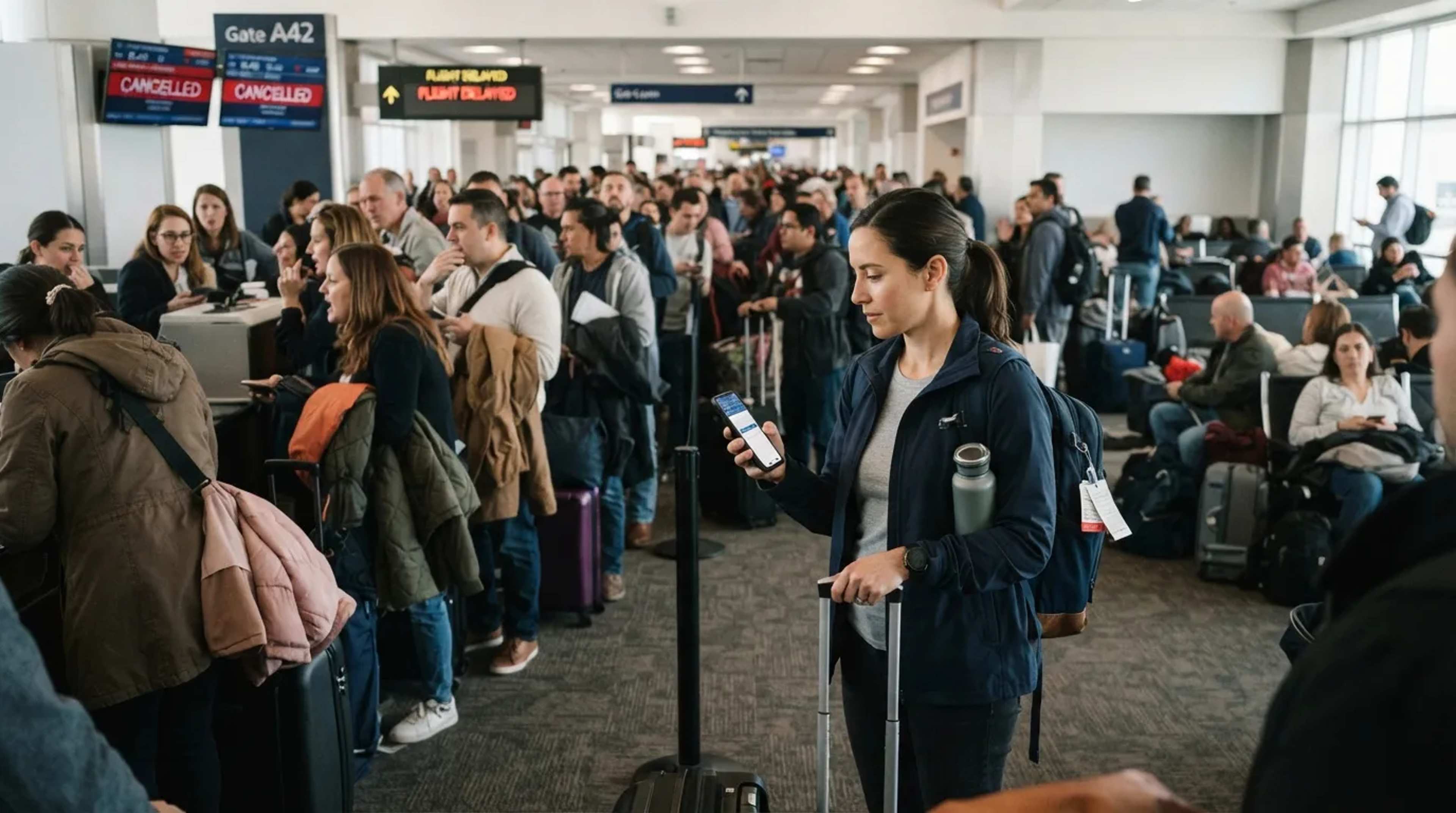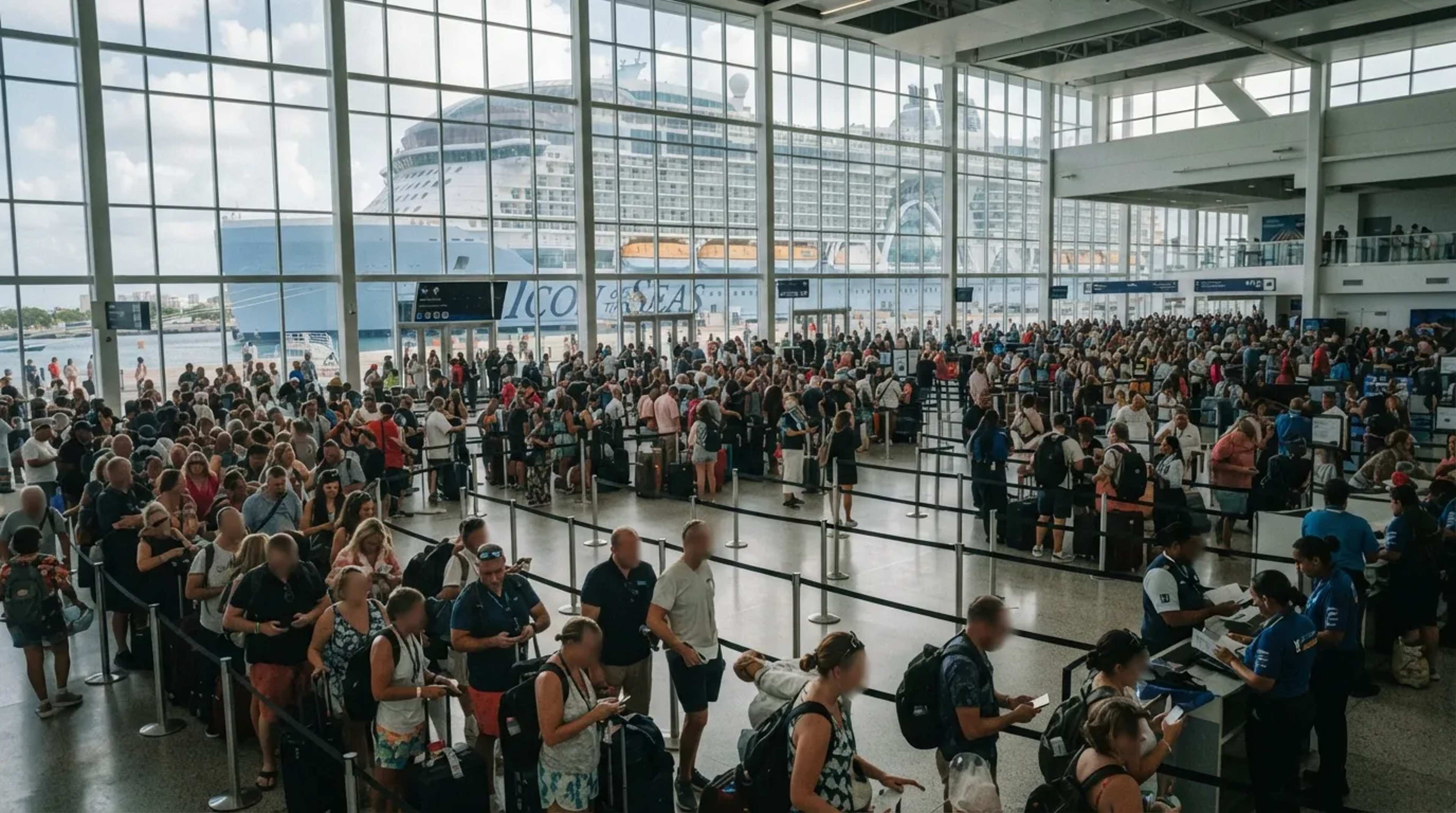
Your bag probably didn’t vanish into thin air, and it may not be “lost” at all. The real story behind a missing suitcase is stranger, messier, and a lot more in your favor than the baggage counter lets on. You get a form, a reference number, and a polite “we’ll find it.” What you don’t get is the fine print.
Some of that fine print involves a refund clock that starts ticking the moment your plane reaches the gate. Some involves a payout cap that shrinks when you fly overseas. And the final entry follows a suitcase to a place most travelers never imagine.
#15 – Your Bag Probably Isn’t “Lost” at All
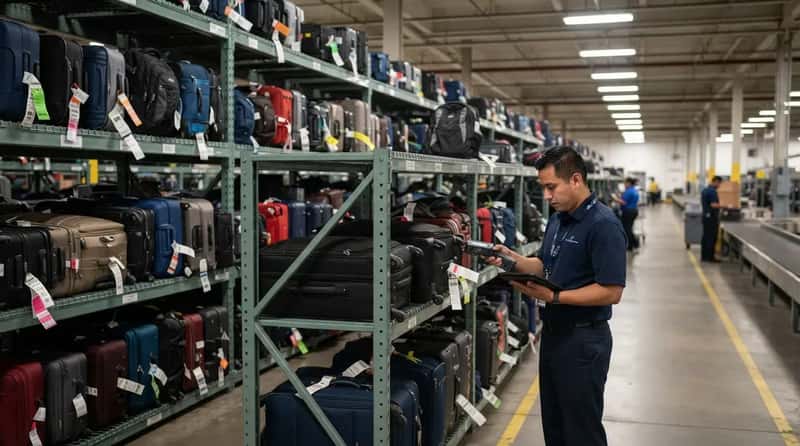
The word “lost” is mostly a misnomer. In SITA’s 2025 report, delayed bags made up 74% of mishandled baggage in 2024. Lost or stolen bags were 8%, and damaged or pilfered bags were 18%. The industry lumps all of it under one catch-all label: “mishandled.”
That means about three out of four troubled bags are simply late, not gone. It’s why the first agent you meet sounds so calm. They’ve seen this movie before. But calm isn’t the same as knowing where your bag is, and the reason it went astray usually starts at a very specific moment in your trip.
#14 – The Connection Is Where Most Bags Actually Disappear
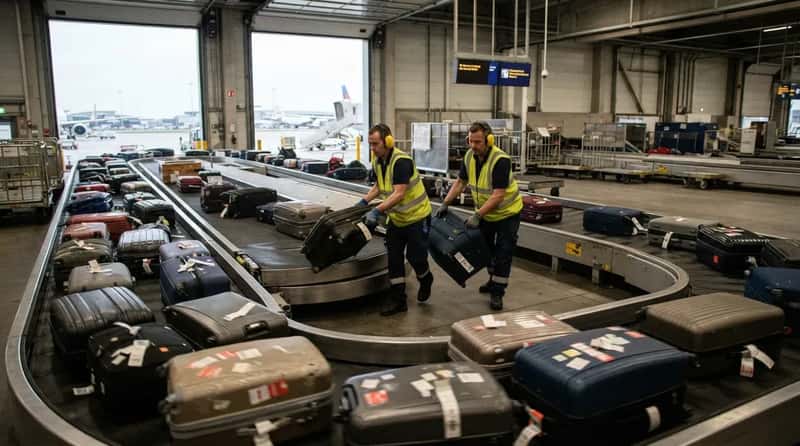
If your bag vanished, odds are you changed planes. Transfer mishandling was the biggest single cause in 2024, at 41% of cases. SITA says transfers still caused 39% of mishandling in 2025.
Think about what happens while you sprint to your next gate. Your suitcase has to be pulled off one aircraft, sorted, and loaded onto another, often in a tight window and through more than one set of hands. A tight layover that feels like a gamble for you is also a gamble for your suitcase. Few agents will say it out loud, but the route you book matters. And the gap between flight types is bigger than most people guess.
#13 – Flying Abroad Multiplies Your Odds of Trouble

Nobody mentions this when you book a cheap itinerary with a long connection. In 2025, global figures were 9.12 mishandled bags per 1,000 passengers on international routes, versus 1.65 on domestic routes.
That’s more than five times the rate. International trips usually mean more handlers, more systems, and more chances for a bag to miss its plane. Some travelers swear a nonstop is worth paying extra for. Others call that overkill when the odds are still low. Either way, the gap is real, even though the overall picture has just improved in a way that rarely makes headlines.
Quick Compare
- International routes: 9.12 mishandled bags per 1,000 passengers
- Domestic routes: 1.65 mishandled bags per 1,000 passengers
- The gap: international trips run more than five times higher
#12 – The Industry Just Hit a Record Low, and Nobody Is Bragging
You’d think airlines would shout this one from the rooftops. SITA says mishandling hit its lowest level on record in 2025, at 4.9 bags per 1,000 passengers, down 23% year on year. The report credits wider use of AI-assisted routing, real-time data sharing, and biometric bag drop.
Even so, about 24 million bags were still mishandled out of 5 billion passengers. The rate is tiny, but 24 million is still a lot of stranded suitcases. The odds favor you. They just don’t protect you. If you land in that unlucky group, the next rule decides what you’re owed, and counter agents rarely bring it up unless you ask.
#11 – A 12-Hour Clock Is Quietly Ticking on Your Bag Fee
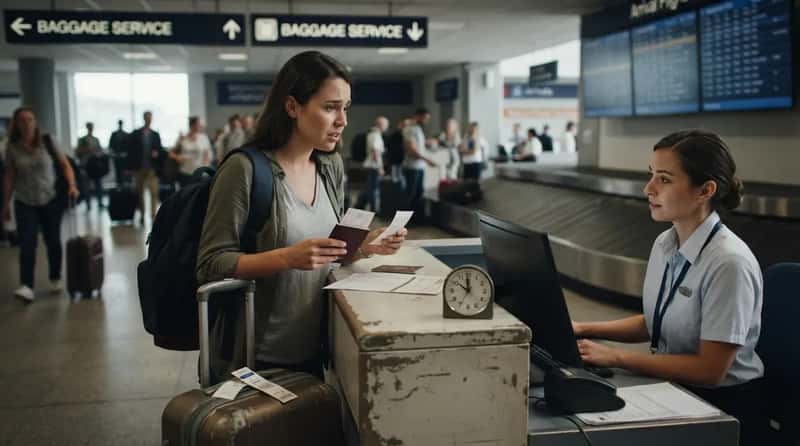
Since late 2024, the U.S. has had a bag-delay refund rule. If a passenger files a mishandled baggage report, they’re entitled to a checked bag fee refund when the bag isn’t delivered within 12 hours of a domestic flight arriving at the gate. The rule has been in force since October 28, 2024.
For international trips, the clock runs longer. It’s 15 hours when the U.S.-to-foreign nonstop segment lasts 12 hours or less, and 30 hours when it’s longer. Here’s the catch: it’s a refund of the bag fee, not a payment for your trouble. Many travelers expect more. And the refund comes with a string attached, which is the next entry.
#10 – “Automatic” Refunds Still Start With Your Paperwork
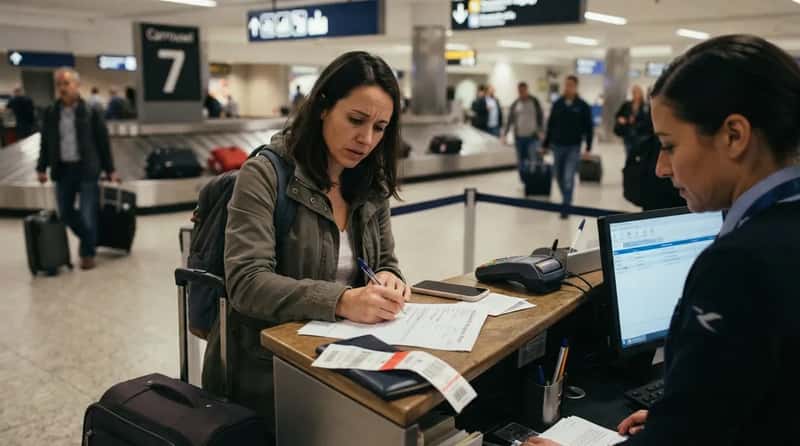
Here’s the part that trips people up. Checked bag fees should be refunded when luggage doesn’t arrive on time, but the passenger still needs to file a mishandled baggage report. No report, no paper trail.
The report goes to the operating airline. That matters on codeshare trips, where the name on your ticket may not be the airline that actually flew you. Walk out without filing, and you may have handed the airline a reason to say nothing. It’s the kind of detail that only feels obvious afterward. The next entry is about what you can spend while you wait.
#9 – The “$50 a Day” Limit Isn’t Actually Federal Law
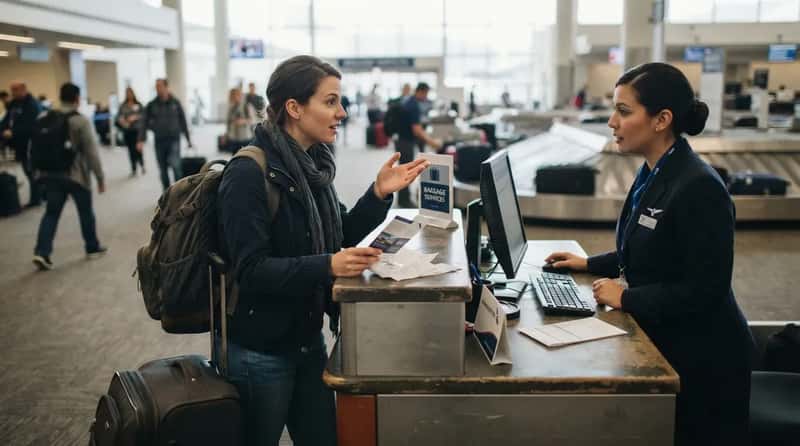
Many airlines offer a daily allowance and make it sound official. DOT guidance says airlines must reimburse reasonable incidental expenses like toiletries and a change of clothing. No fixed daily amount appears in federal regulation. Many airlines set internal limits somewhere between $50 and $200 a day, but that’s airline policy, not federal law.
The standard is “reasonable,” and receipts are what make your expenses believable. So the cap you’re quoted at the counter may be a company preference, not a legal ceiling. Travelers have long argued that airlines should post that distinction plainly. Until they do, you’ll have to ask. A harder deadline is coming up fast.
#8 – A 21-Day Deadline Can Quietly Close Your Claim
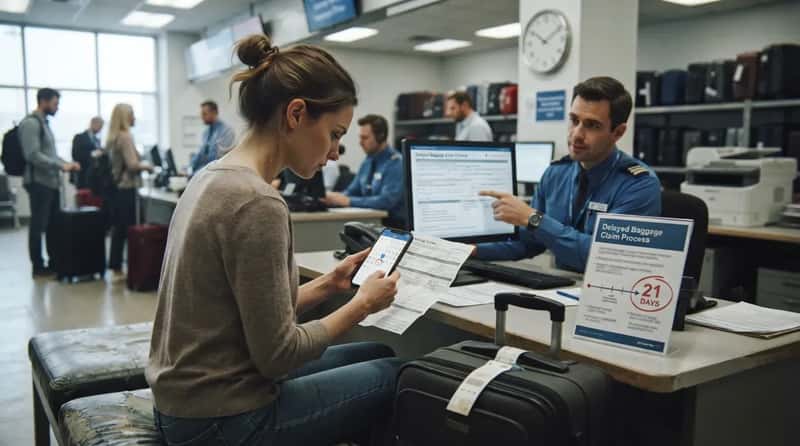
Time limits are the most overlooked part of the process. One guide says you must put a written claim to the airline within 21 days of receiving a delayed bag, and that any court action must start within two years.
Separately, if a bag isn’t reunited with its owner within 21 days, it’s generally classified as truly lost, and the airline processes a claim payment. Three weeks sounds generous until a bag turns up on day 19 and the paperwork slips your mind. Check your airline’s own rules too, since carriers can differ on the details. Then comes the question everyone really wants answered: how much money is actually on the table?
#7 – The $4,700 Number Is a Ceiling, Not a Promise
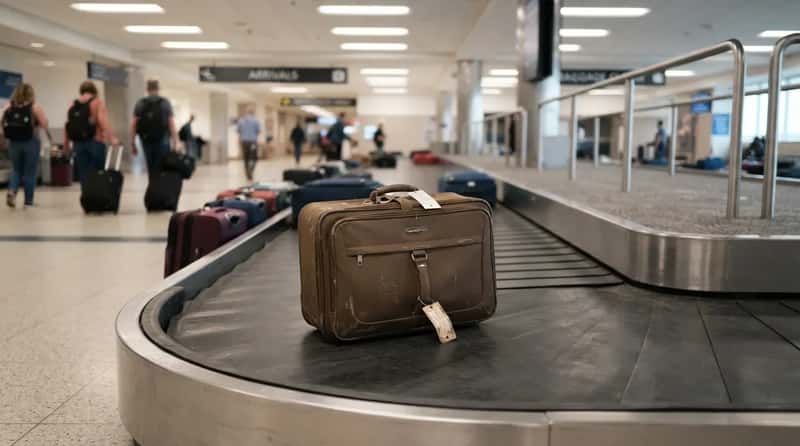
On U.S. domestic flights, the headline figure sounds huge. Airlines can’t limit liability for provable damages from a bag’s disappearance, damage, or delay to less than $4,700 per passenger. That figure was last updated on January 22, 2025, up from $3,800.
Read the fine print, though. It covers the depreciated value of your bag and its contents, not what it costs to replace them, so a three-year-old laptop gets valued as a three-year-old laptop. And it’s per passenger, even if you checked several bags. That “up to $4,700” is a limit, not a check. The international version is even less generous.
At a Glance
- Domestic limit: $4,700 per passenger
- Last updated: January 22, 2025, up from $3,800
- What’s counted: depreciated value, not replacement cost
- How it’s applied: per passenger, not per bag
#6 – Fly Overseas and the Payout Cap Drops
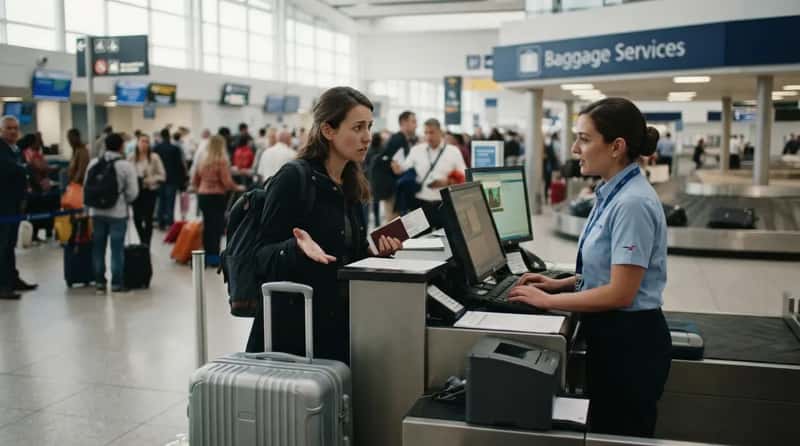
This one surprises almost everyone. The Montreal Convention caps international liability at 1,519 SDR, roughly $2,000, so the domestic DOT limit is actually higher. You may be able to recover more for a lost bag on a domestic trip than on an international one.
Is there a way around it? Yes, but only if you declared excess value at check-in, and airlines charge an extra fee for that. Most people don’t discover that option until their bag is already gone. It’s worth knowing before the expensive stuff goes in the suitcase. But money is only half of why airlines sweat over every missing bag.
#5 – One Missing Bag Can Wipe Out the Profit on 30 Seats
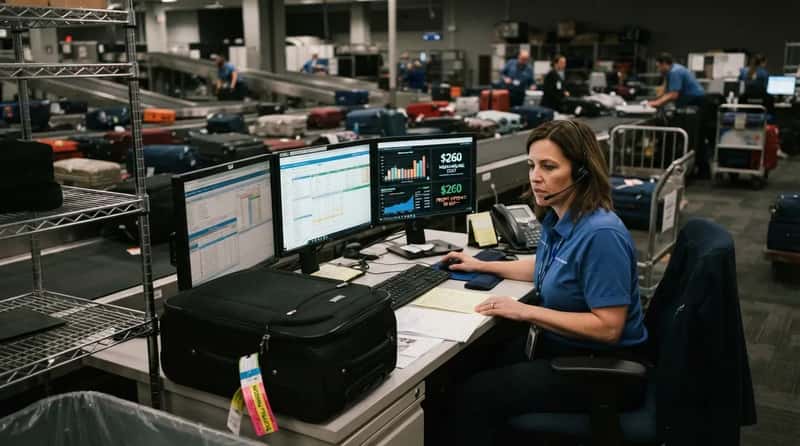
Baggage teams work under more pressure than you’d think. SITA says mishandling still costs the industry $6.3 billion annually, averaging $260 per bag. That’s far more than a lonely suitcase on a carousel suggests.
The profit math is brutal. With net profit averaging just $8 per passenger, one mishandled bag wipes out the profit from more than 30 seats sold. Your single missing suitcase can undo a surprising chunk of a flight’s margins. That’s the real reason behind the new tech rollouts, and some of that tech is already in your pocket.
#4 – Your Own Phone Can Now Talk to the Airline’s System
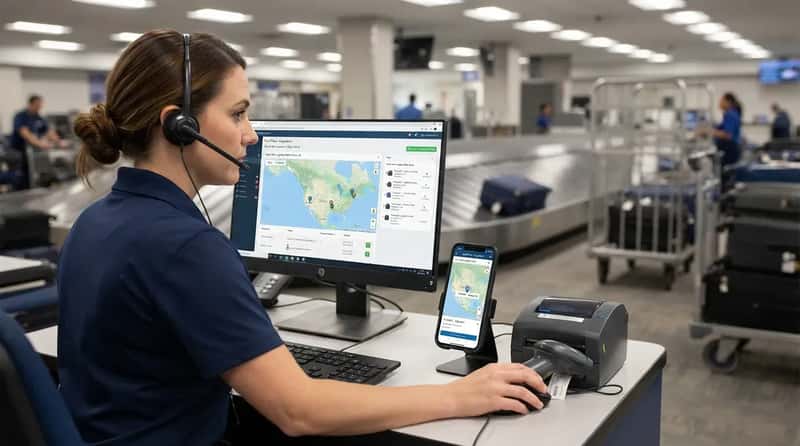
The tracker in your suitcase isn’t just a gadget anymore. Apple’s Share Item Location feature was integrated with SITA WorldTracer, the system airlines use to trace bags. SITA says the integration cut permanently lost luggage by 90% in its first year and shortened delayed-bag recovery by 26%.
It’s not just Apple. SITA has also integrated Google’s Find Hub share item location feature into WorldTracer. That means location data from your own tag can now reach the people actually hunting for your bag. Whether tracking tags should be mandatory is a hot debate among travelers. What’s not up for debate is how long some bags take to resurface.
#3 – More Than 11 Million Bags Missed the Two-Day Window
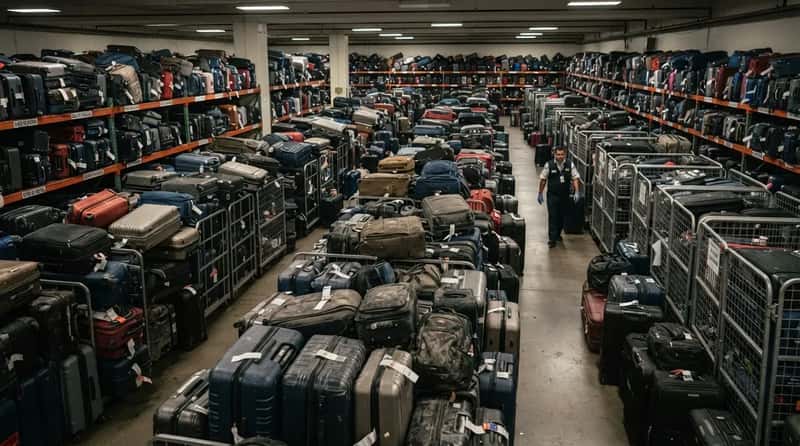
“It’ll be back by tomorrow” is common, and often true. Of 33.4 million mishandled bags in 2024, over 66% (22 million) were resolved and closed in WorldTracer within 48 hours. Of those, 25% were closed within 12 hours.
Do the math, though. That leaves more than 11 million bags that didn’t close out within two days. That’s a long time to live out of a carry-on and a borrowed phone charger. The comforting average hides a very uncomfortable tail. And what happens to the bags nobody ever claims is stranger still.
Fast Facts
- 33.4 million: mishandled bags in 2024
- 22 million: closed within 48 hours, over 66% of the total
- 25%: closed within the first 12 hours
- 11 million-plus: still open after two days
#2 – Your Missing Bag Is on a Countdown You Never See
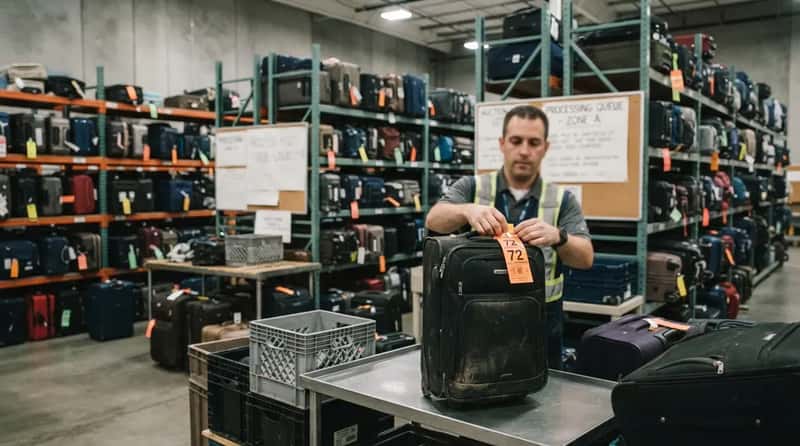
Behind the scenes, a bag with no owner follows a clock. Airlines usually keep unclaimed luggage near the terminal for about five days before shipping it to a central warehouse. After about 60 days, carriers donate or sell the bags to salvage.
Other sources describe a longer search. After 90 days of trying to reunite passenger and parcel, most airlines sell the bags. The exact timeline varies by carrier. Either way, your suitcase doesn’t wait forever. And where it goes next is the part that stops people cold.
#1 – Your Packed Life Can End Up on a Shelf in Alabama
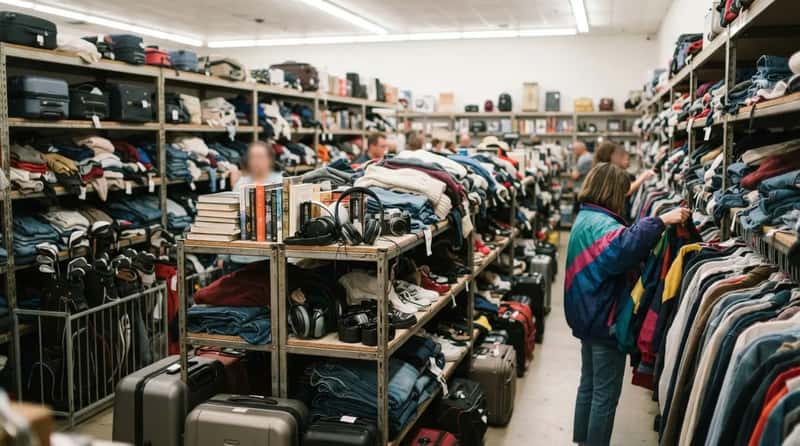
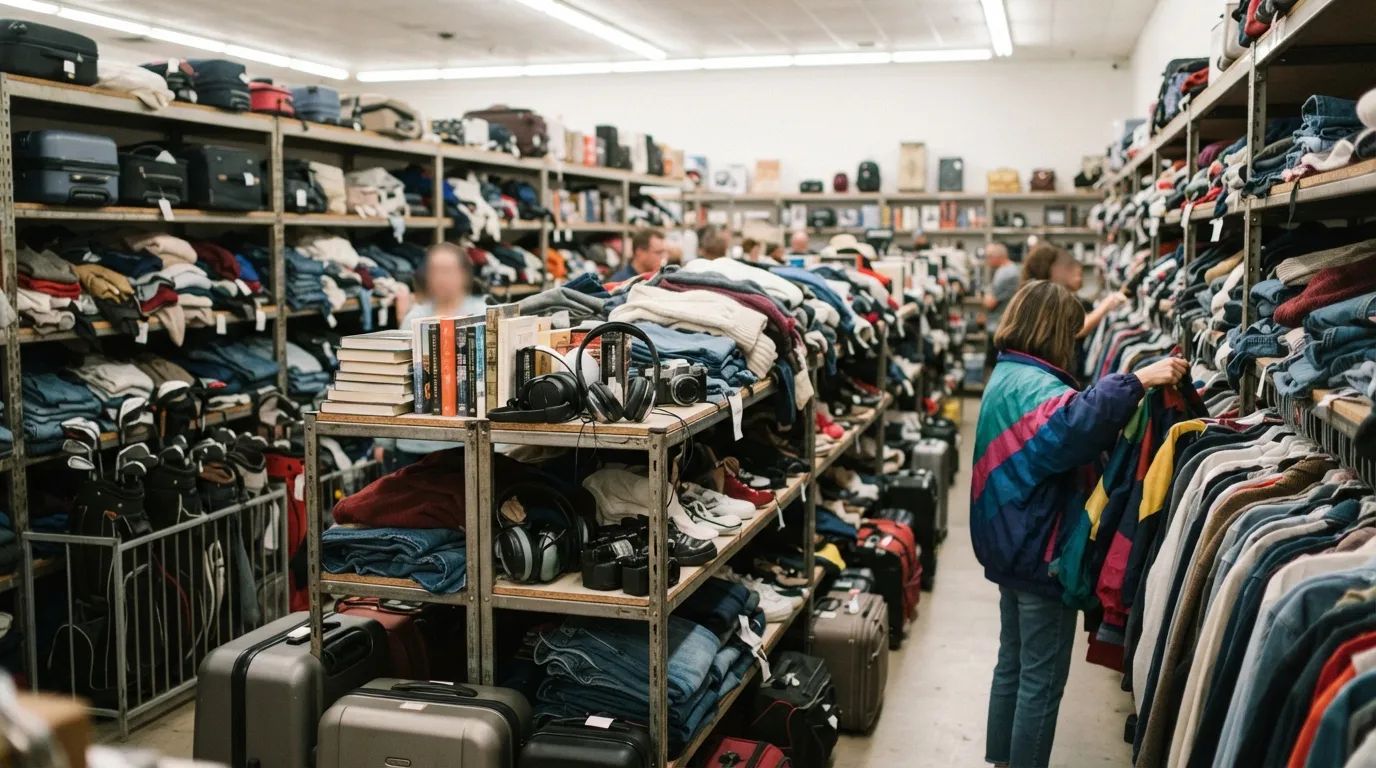
Here’s the one nobody brings up at the desk. The Unclaimed Baggage Center has been buying lost luggage from airlines and selling the contents since 1970. Each day, the store puts out 7,000 new items, including sweaters, jeans, golf clubs, books, and noise-canceling headphones.
Clothing makes up about 60 percent of the items passing through. Finds have even included Egyptian artifacts and a space shuttle camera. By the time the contents hit the shelves, the airline has usually already paid the passenger. Somewhere in Scottsboro, a stranger is trying on someone’s favorite jacket.
Why It Stands Out
- Long history: buying airline-lost luggage since 1970
- Constant restocking: about 7,000 new items every day
- Mostly everyday stuff: roughly 60 percent of items are clothing
- Surprise finds: Egyptian artifacts and a space shuttle camera
Most “lost” bags are just late, and the rules around them are more generous than the counter suggests. A bag fee refund, reimbursed essentials, and a domestic payout of up to $4,700 are all real, but only if the report gets filed and the deadlines get met.
The bags that never come home don’t simply vanish. They get a second life on a shelf, and that may be the strangest thing about them. So which of these did your baggage agent never mention?