Most travelers assume gate agents barely notice anyone until boarding starts, but that’s not how it works at all. The moment someone walks up two hours before departure, the entire gate team quietly clocks it, and a mental file starts building before a single word is exchanged.
What happens next might surprise you, because it has almost nothing to do with anxiety or bad time management. Gate crews say the early arrivers give off a very specific set of signals, and once you know what those are, you’ll never look at the boarding area the same way again.
#15 – They Already Know Their Seat Number Cold
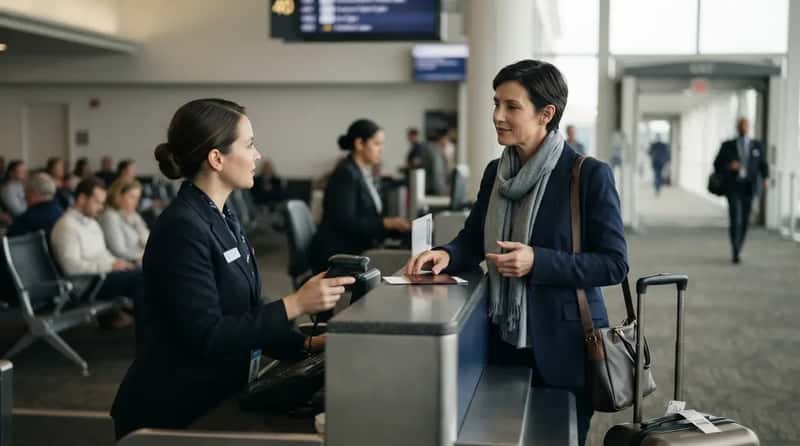
Early arrivers rarely pull out their phone to check a seat assignment because they memorized it the moment they checked in. Gate agents say this small habit is one of the fastest tells that someone travels often and plans ahead instead of scrambling last minute.
It sounds minor, but it saves real time during boarding calls. When an agent asks a quick question at the counter, the early crowd answers instantly, while later arrivals fumble through apps or crumpled printouts trying to find the same information everyone else already has memorized.
#14 – They Carry a Dedicated “Boarding Kit”
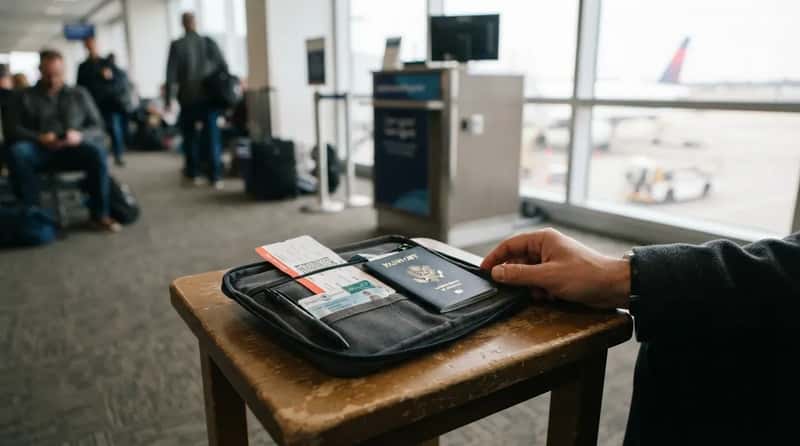
Frequent early birds often keep a small pouch or front pocket dedicated only to travel documents, separate from their main bag. Gate staff notice this immediately because it means passport, boarding pass, and ID come out in one smooth motion instead of a frantic dig through three different compartments.
This habit isn’t about looking fancy or overprepared for show. It’s a practical system built from experience, usually by someone who’s been stuck at a security line or gate podium fumbling for a document while a full line of annoyed passengers waited behind them.
Fast Facts
- Passport or government-issued ID
- Boarding pass, printed or screenshotted
- TSA PreCheck or Global Entry card
- A pen for customs or landing forms
- Hand sanitizer or wipes tucked in the same pocket
#13 – They Stake Out the Best Seat Near the Podium
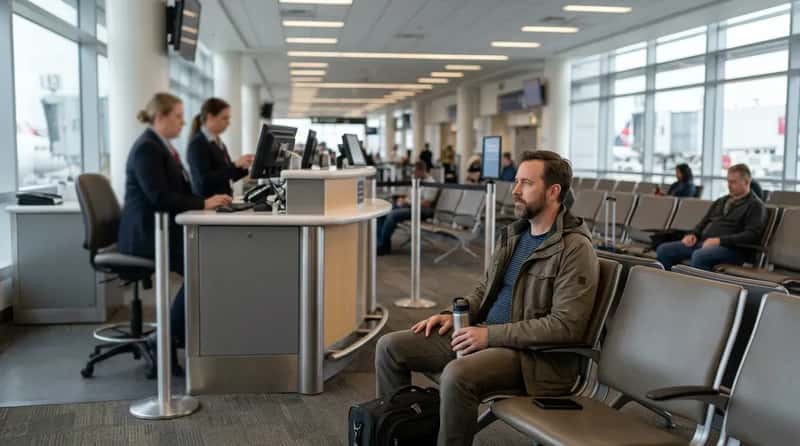
Long before boarding announcements begin, early arrivers tend to claim a seat with a clear sightline to the gate podium. Agents say this isn’t random; it’s a learned behavior from travelers who’ve missed group calls before because they were distracted, on the phone, or seated too far away to hear.
That podium-adjacent seat also gives them first access to information. They’re the ones who catch a murmured comment between agents about a delay or an aircraft swap minutes before it’s ever announced over the speaker to everyone else.
#12 – They Catch Gate Changes Before the Screens Do
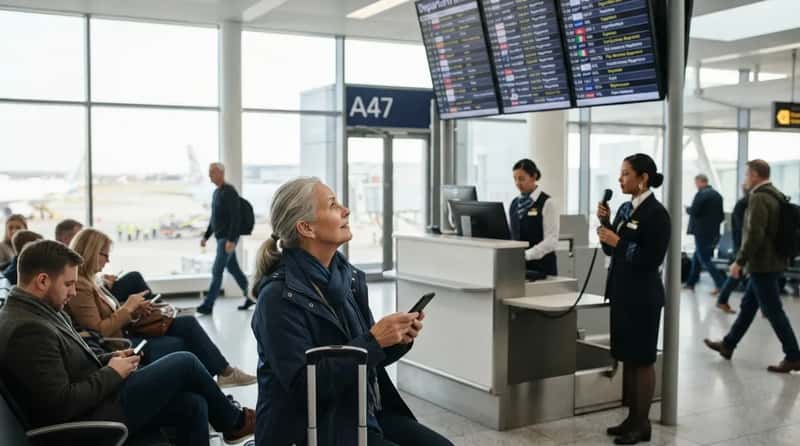
Because they’re paying attention early and often, these travelers frequently notice gate changes before the departure boards even refresh. Gate crews say early arrivers will politely ask, “Did this move?” moments before an official announcement goes out over the intercom.
It’s a small moment, but it reveals a bigger pattern. People who show up early tend to stay mentally engaged with their surroundings instead of checking out completely, which means they catch subtle shifts that distracted, headphones-in travelers miss entirely.
#11 – Their Outfit Is Built for a Delay, Not a Photo
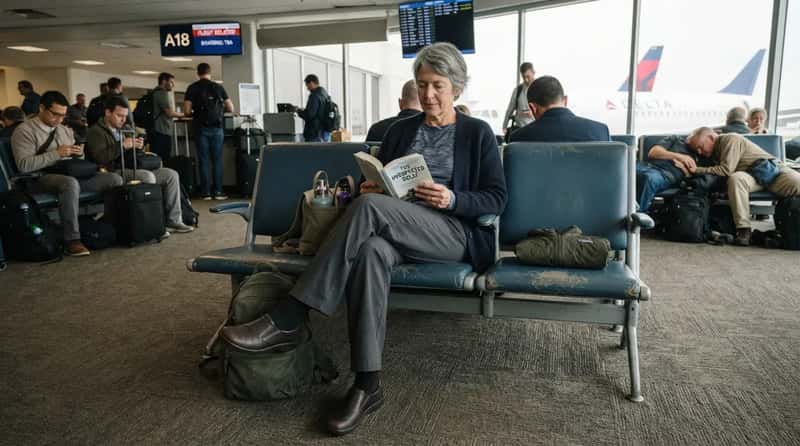
Gate agents notice a clear style pattern among early arrivers: layers, slip-on shoes, and clothing built for sitting comfortably for long stretches. It’s a practical choice made by people who know a delay or a long taxi wait is always a real possibility, not just a worst-case scenario.
This isn’t laziness, it’s strategy. Comfortable early birds are usually the same travelers who can handle an unexpected two-hour delay without falling apart, because their entire setup was designed for exactly that kind of uncertainty from the start.
At a Glance
- Slip-on shoes instead of laces or buckles
- Layers that peel off if the terminal runs warm
- A packable jacket for chilly jet bridges
- Stretchy, wrinkle-resistant fabrics built for sitting, not standing
#10 – Their Boarding Pass Is Already Screenshotted
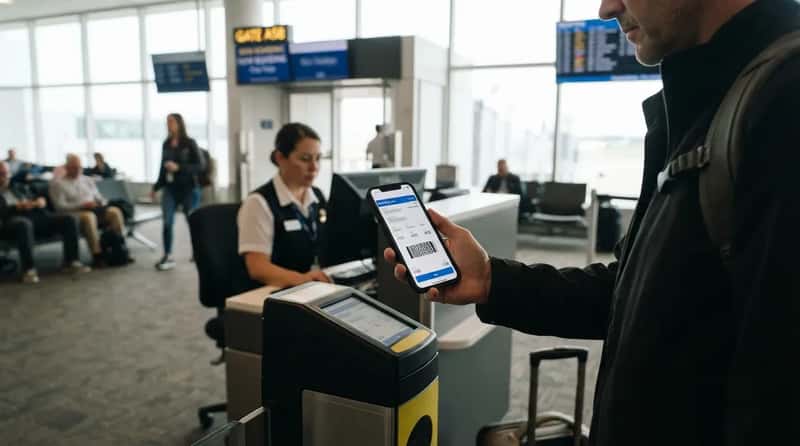
Even when the airline app is working fine, early arrivers often have their boarding pass saved as a screenshot before they ever reach the gate. Gate crews say this single habit prevents more delays than almost anything else, since spotty airport WiFi has ruined plenty of mobile boarding passes at exactly the wrong moment.
It’s a tiny redundancy that reveals real travel experience. These passengers have likely learned the hard way that apps freeze or crash right as the line starts moving, and they’d rather not find that out in front of a hundred impatient strangers.
#9 – They Know the Crew Members By Name
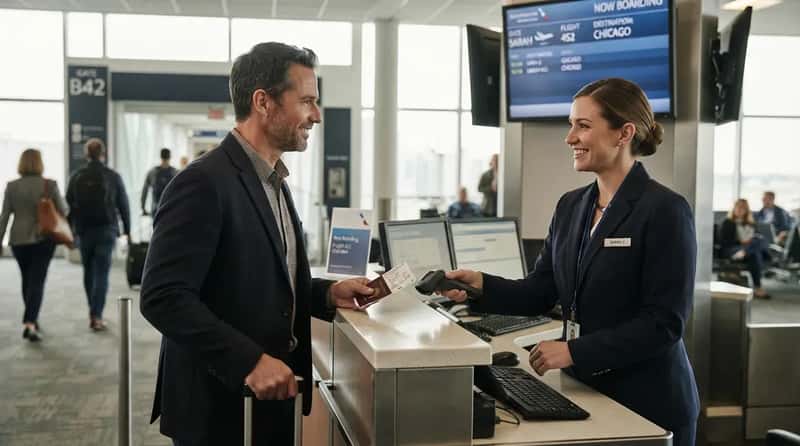
Regular early arrivers, especially on routes they fly often, tend to greet gate agents by name instead of treating them like faceless uniforms. Staff say this single detail changes the entire tone of an interaction, because it signals someone who sees the crew as people, not just gatekeepers standing between them and a seat.
That familiarity tends to pay off in quiet ways. Agents are naturally more willing to bend a little for travelers who’ve treated them with basic respect in the past, especially when something unexpected comes up during boarding.
#8 – They Stay Eerily Calm When Delays Get Announced
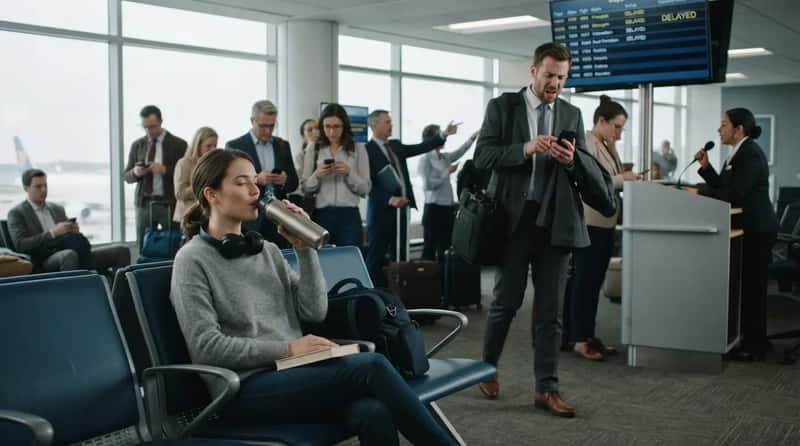
When a delay gets announced over the speaker, gate crews say the early arrivers are almost always the calmest people in the room. They’ve built in buffer time on purpose, so a forty-minute delay barely registers as a problem worth reacting to.
Meanwhile, the rushed, last-minute crowd tends to react with visible frustration because their tight timeline just collapsed in front of them. Gate agents say this contrast is one of the most consistent patterns they see, flight after flight, gate after gate.
Quick Compare
- Early arriver: Shrugs, pulls out a snack or book, barely looks up from the seat.
- Last-minute traveler: Sighs loudly, refreshes the app every thirty seconds, paces near the podium.
- Early arriver: Already has a backup connection or rebooking plan in mind.
- Last-minute traveler: Scrambles to rebook on the spot, sometimes with a raised voice.
#7 – They Never Trust the Airport for Food
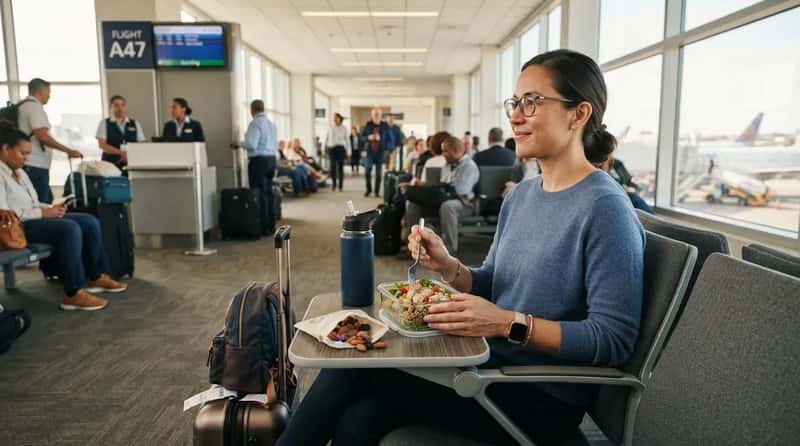
Early arrivers rarely rely on the terminal for food, and gate staff notice the pattern of reusable water bottles and snack bags pulled out well before boarding even starts. It’s a habit built from knowing that gate-side food options are often overpriced, closed, or picked completely clean by the time boarding rolls around.
This small preparation step also keeps people calmer during long waits. A hungry, thirsty passenger is far more likely to get irritable when a delay hits, while a prepared one barely notices the extra hour has even passed.
#6 – They Watch the Tarmac, Not Their Phones
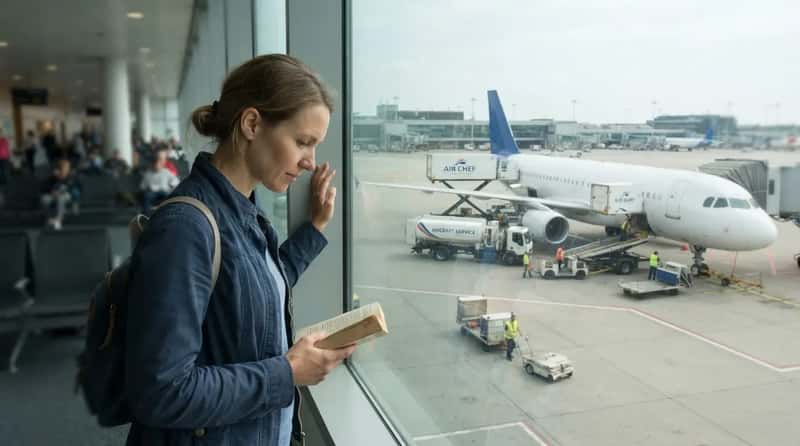
Gate agents say early arrivers are more likely to glance out the window at the aircraft itself, tracking fueling trucks, catering carts, or crew changes happening on the ground. It’s a small habit, but it means they often notice mechanical delays or crew swaps developing well before any announcement is made.
This pattern also reveals something else: early arrivers tend to be more present in the moment rather than fully absorbed in a screen. That awareness occasionally lets them ask smart, well-timed questions that catch agents genuinely off guard.
#5 – They’re Almost Always Solo Flyers or Road Warriors
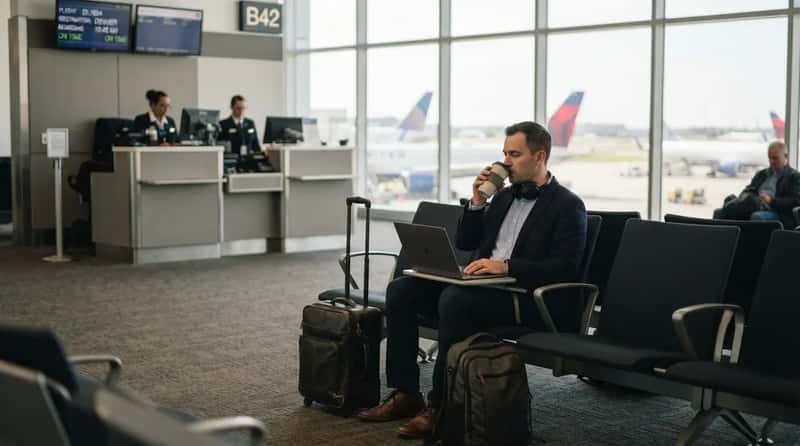
According to gate crews, the earliest arrivals skew heavily toward solo business travelers and frequent flyer program members. These are the passengers who’ve flown enough routes to know exactly how airport timing tends to go wrong, and they’ve stopped leaving it to chance.
Families and groups, by contrast, tend to arrive closer to boarding time because coordinating multiple people naturally eats up buffer time. The solo early arriver has already learned that flying alone means no one else to blame when things get cut close.
#4 – They Ask the Kind of Questions That Actually Get Answered
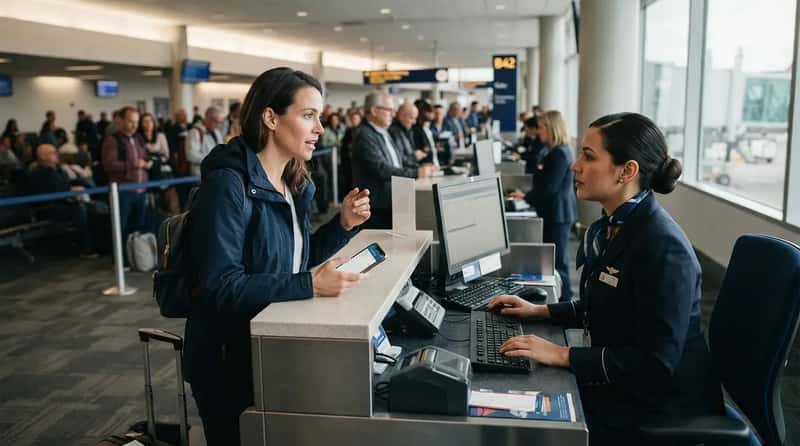
Rather than vague complaints, early arrivers tend to ask precise questions, like whether a specific seat is still open or if a connecting gate has changed since check-in. Gate agents say these questions are easier and faster to answer, which almost always means a quicker resolution for everyone involved.
This habit isn’t accidental. Travelers who’ve dealt with missed connections or seating mix-ups before have learned that specific questions get specific answers, while vague ones tend to get vague, unhelpful shrugs in return.
Worth Knowing
- “Is 14C still open?” gets answered faster than “Can I change my seat?”
- “Did gate B12 change to B14?” beats “Is something wrong with this flight?”
- Naming a confirmation number or seat letter speeds up almost any request
- Vague complaints often get passed along instead of resolved on the spot
#3 – They’ve Already Handled Every Small Errand
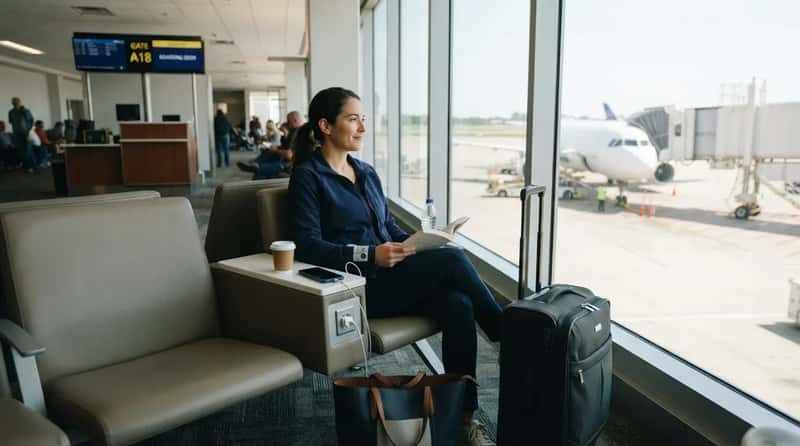
Small but telling: gate crews notice that early arrivers have usually handled restroom breaks, charged their devices, and settled into a seat long before boarding is even called. It sounds obvious, but it prevents the last-minute scramble that trips up so many other travelers right at the worst possible time.
This kind of preparation means fewer people darting away just as their boarding group gets announced. Agents say it’s one of the clearest signs of someone who has run this exact routine dozens of times before and refuses to repeat old mistakes.
#2 – They’re the First to Flag a Problem Before It Snowballs
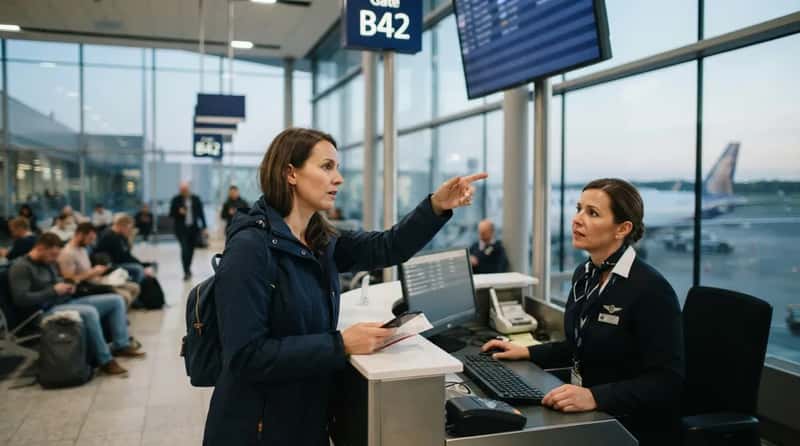
Here’s something most people don’t expect: early arrivers are often the first to alert gate staff about a real issue, like a mislabeled gate number or an overhead announcement that didn’t match the screen. Gate crews say these quiet tips sometimes catch mistakes before they snowball into bigger delays for the entire flight.
Aviation runs on redundancy. The passengers who show up early and pay attention are, without knowing it, one more layer of that redundancy.
Patrick Smith, airline pilot and author of Cockpit Confidential
It happens simply because early arrivers are present in the space for longer, watching and listening while everyone else is buried in a phone. That extra set of eyes occasionally becomes genuinely useful to the crew running the gate.
#1 – They’re the First to Help a Stranger, No Questions Asked
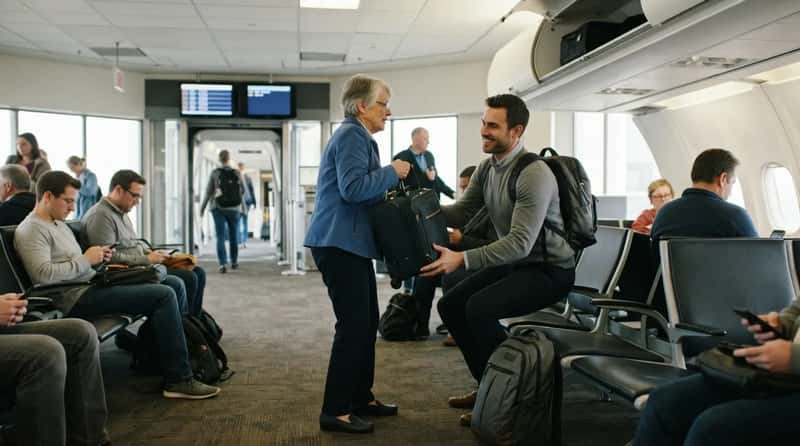
The single most consistent thing gate crews mention is this: early arrivers are usually the ones who help a struggling stranger with an overhead bag, offer directions to a lost traveler, or calmly walk a first-time flyer through the boarding process. It’s a quiet kindness that plays out at gates across the country every single day, mostly unnoticed by anyone but the crew.
Agents say this pattern shows up so often it barely surprises them anymore. Passengers who give themselves extra time also seem to give themselves the mental space to notice other people, something the rushed, last-minute crowd almost never has room for in their day.
None of these habits are flashy, and none of them require insider access or elite status to pull off. They’re simply the small, repeatable choices that separate a stressed-out gate experience from a smooth, almost effortless one.
Next time you’re at the airport early, watch the room a little closer. You might start noticing these same fifteen patterns yourself, playing out in real time at the gate next to you. Which one describes you best?