Everyone treats a rest stop like it’s just a pit stop for the bathroom and a bag of chips – pull in, rush around, pull out. But the drivers who’ve logged thousands of miles know something the rest of us don’t: half the things people rush to do at a rest stop don’t matter at all, and a few of the things everyone skips are exactly what keep a road trip from turning into a disaster.
The gap between a smooth stop and a stressful one usually isn’t about how fast you move. It’s about which five minutes you actually spend wisely. Here’s the real, unglamorous breakdown that truckers, road-trip veterans, and highway regulars have quietly figured out – and it’s not what most people assume.
1. Do Top Off the Tank Before the Needle Scares You
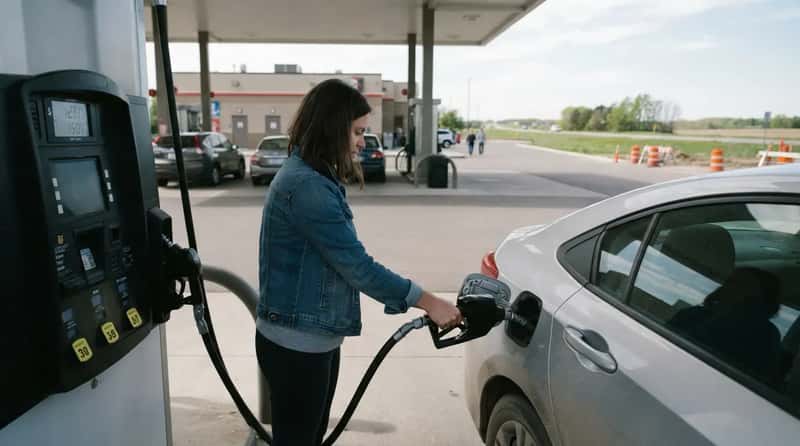
Waiting until the fuel light comes on is one of the riskiest habits on a long drive, and most people don’t realize how far apart gas stations actually get once you leave the interstate corridor. Rural stretches between exits can run 30 miles or more with nothing but farmland and construction cones. Add a surprise detour to that math and “I’ll fill up at the next one” turns into a genuine emergency.
Topping off at every rest stop that has fuel, even sitting at half a tank, removes the guesswork completely. It also kills the mental math of “can I make it to the next town” that quietly stresses out every driver on a long haul. Drivers who fuel up early rarely think about gas again until the next stop – it’s a boring habit that prevents one of the most common roadside emergencies in the country.
2. Never Bother Buying a “Meal” From the Vending Machine
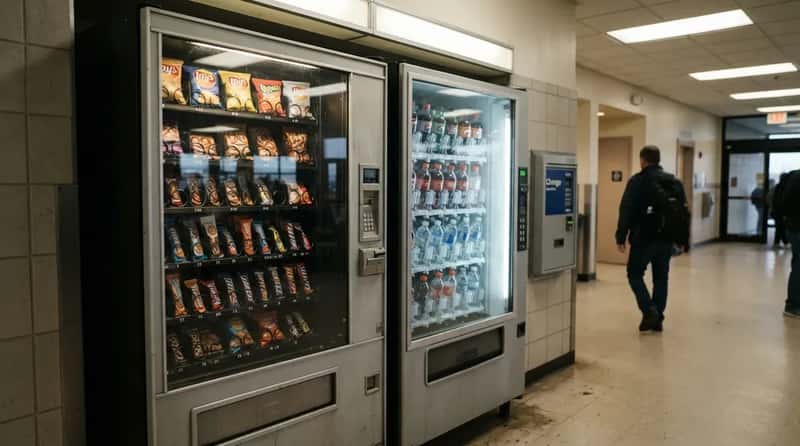
Vending machines at rest stops are built for one thing: convenience at a markup. You’re paying premium prices for stale chips and candy bars that have been baking under fluorescent lights for who knows how long. Experienced travelers learn this fast and start packing a cooler instead, because the machine never actually satisfies anything.
The truth is vending food doesn’t fix hunger – it just postpones it by twenty minutes and leaves you sluggish. A real meal from a packed cooler, or a short detour into the next town, almost always wins in the end. Skipping the machine saves your money and spares you the sugar crash that hits right as you’re merging back onto the highway.
Worth Knowing
- Vending snacks are almost always priced higher than the same item at a nearby convenience store.
- Machines aren’t restocked daily, so some items sit on the rack far longer than shoppers assume.
- A small cooler with drinks and sandwiches can pay for itself within a single day of driving.
- Fresh fruit and protein bars travel well without refrigeration and beat vending options every time.
3. Do Use the Real Pet Area, Not the Grass Near Parking
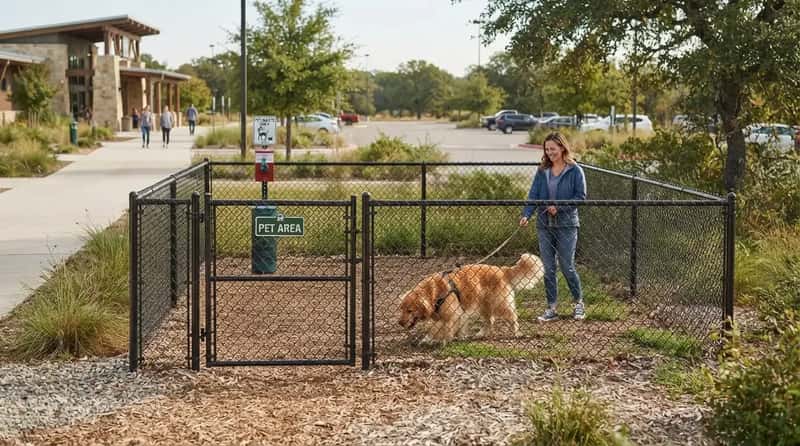
Most modern rest stops have a designated pet relief area, usually fenced off and tucked away from foot traffic near the entrance. Using it instead of the patchy grass by the parking spots keeps waste away from where people are eating lunch and walking their kids to the bathroom. It’s also almost always quieter, which dogs notice immediately after being cooped up in a car for hours.
Skipping the designated spot might feel faster in the moment, but it usually means walking your dog straight through exhaust fumes and rushing pedestrians near the main doors. The real pet area is calmer, cleaner, and honestly less awkward for everyone involved. It’s a two-minute detour that makes the whole stop noticeably less stressful for you and the dog.
4. Skip the “Quick Nap” That Eats Your Whole Afternoon
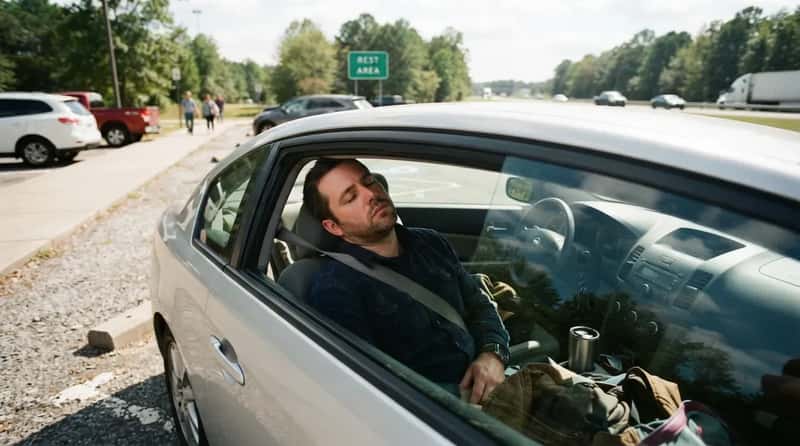
Rest stop naps have a reputation for being restorative, but most drivers wildly underestimate how easy it is to oversleep. Without an alarm or a hard stop time, a “ten-minute nap” quietly turns into 45 minutes of grogginess and a missed exit’s worth of lost daylight. That lost time snowballs fast on a tight schedule.
Sleep researchers generally point to 15 to 20 minutes as the sweet spot before deep sleep kicks in and grogginess sets in with it, but almost nobody sets a timer in the car. Skipping the nap entirely and instead stepping outside for fresh air and a short walk often works better for staying alert. It’s less relaxing in the moment, but it keeps you far sharper for the next stretch of highway.
5. Do Grab the Free Coffee – Some States Actually Give It Away
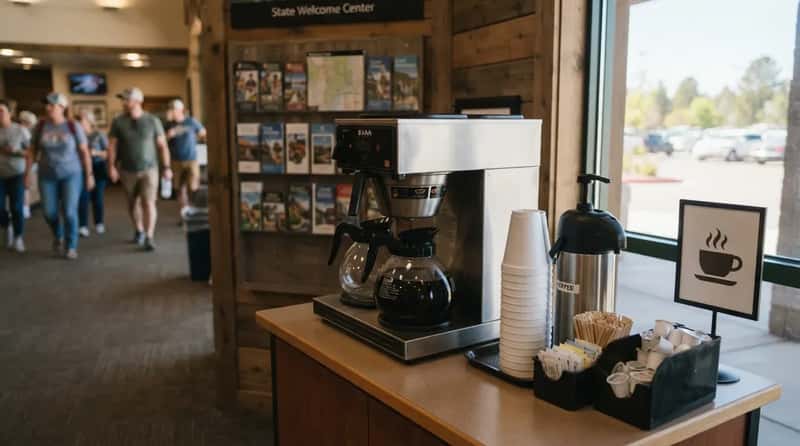
Several state welcome centers have long offered complimentary coffee to travelers, a small tourism gesture meant to keep drivers alert on long, monotonous stretches. It’s one of the last genuinely free perks left on American roads, and most people have no idea it exists. The pot is usually sitting right there in plain sight, completely ignored.
The catch is that it’s typically only at official state welcome centers, not standard rest areas or gas station stops along the way. Checking the signage as you pull in takes seconds and can save you a separate coffee run later in the day. It’s a small win, and surprisingly few road trippers ever bother to take advantage of it.
6. Never Bother Waiting in Line at the First Restroom You See
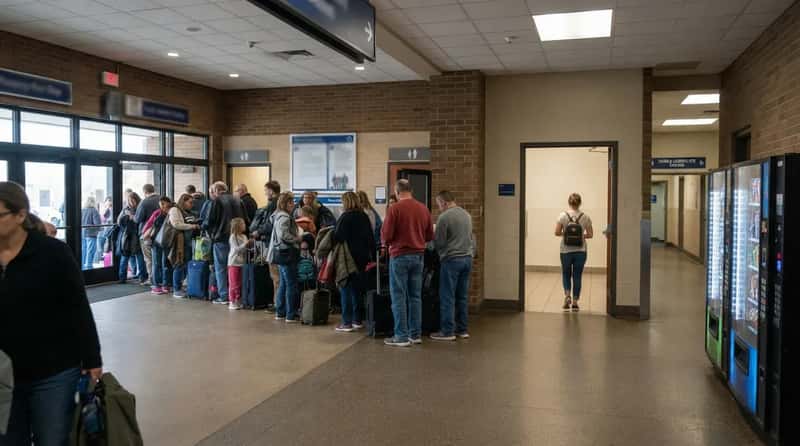
The restroom closest to the parking lot entrance is almost always the busiest one, simply because it’s the first door people spot when they walk in. Walking an extra 20 or 30 feet to a secondary restroom, if the building has one, often means skipping the line entirely. Most travelers never think to check if a second option even exists.
Larger rest stops frequently tuck a second, less obvious restroom near the vending machines or the family/accessible section, and it stays noticeably emptier all day. It’s not glamorous information, but on a busy holiday weekend it saves real, aggravating minutes. Standing in a line that didn’t need to happen is one of the most avoidable frustrations of any road trip.
7. Do Check the Posted Hours Before Assuming 24/7 Access
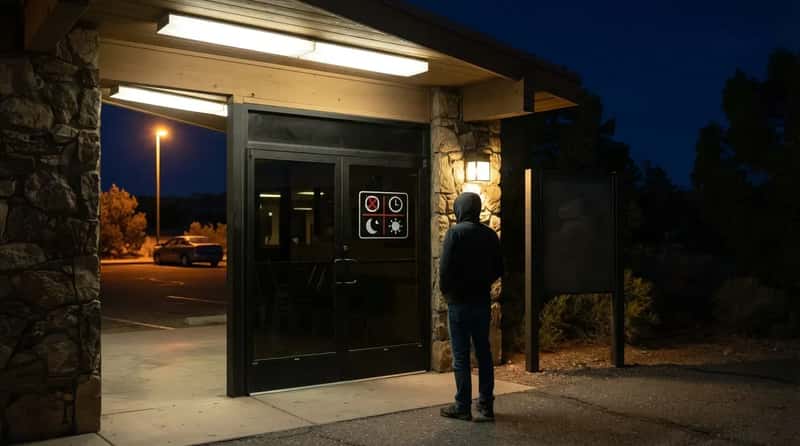
Not every rest stop building stays open around the clock, especially the smaller or more rural ones tucked between towns. Some close the indoor facilities overnight while leaving the parking lot open, which catches late-night drivers completely off guard. A quick glance at the posted hours when you arrive prevents that unpleasant surprise.
This matters most on overnight drives through sparsely populated states, where stops can be spaced far apart and options are already limited. Assuming every location works the same way is one of the most common mistakes first-time long-distance drivers make. Checking hours takes seconds and prevents a genuinely frustrating discovery at 2 a.m. with a full bladder and no other options for miles.
Fast Facts
- Most rest area hours are posted right on a sign at the entrance, not buried in an app somewhere.
- Rural and mountain-region stops are more likely to lock the indoor building overnight.
- Parking lots typically stay accessible around the clock even when the restrooms inside close.
- State-run welcome centers tend to keep longer, more consistent hours than small local rest areas.
8. Never Bother Leaving the Engine Running to “Just Run In”
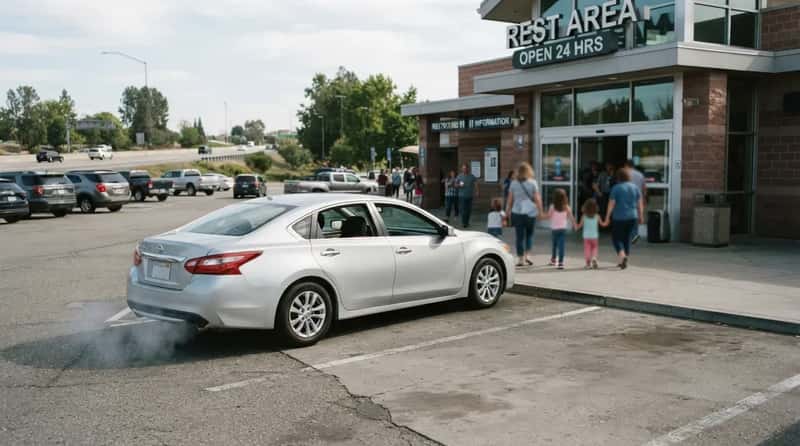
Leaving the car running while you dash inside feels efficient, but it carries real, well-documented risk. Vehicles left idling and unattended are a common target for opportunistic theft, and it only takes a few unwatched seconds for someone to hop in and drive off. Beyond that, idling in a crowded or enclosed lot adds unnecessary exhaust exposure for the people walking past your car.
Turning the engine off, even for a fast bathroom break, is one of those habits that feels like it costs time but actually costs almost nothing. The peace of mind is worth far more than the ten seconds it takes to restart the car. Most theft-prevention advice from law enforcement circles right back to this exact point.
9. Do Grab the Free Paper Maps at Welcome Centers
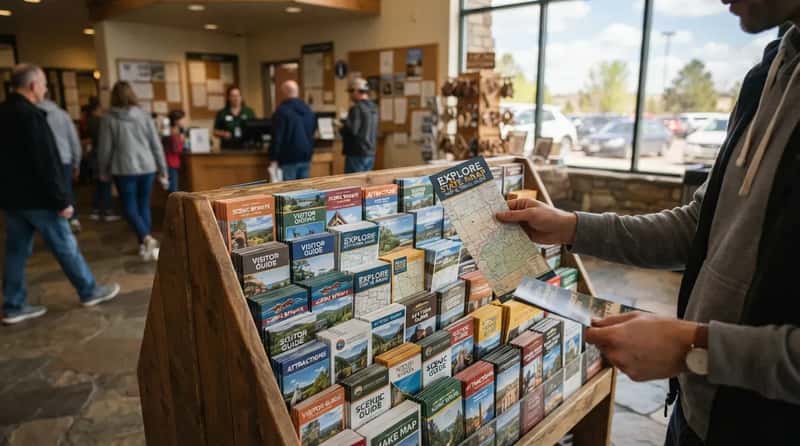
Welcome centers still stock free state maps and travel brochures, and they’re far more useful than most people expect, especially in areas where cell service disappears without warning. Digital navigation fails the moment the signal drops, but a paper map never needs a signal. Grabbing one costs nothing and takes less than a minute out of your stop.
These maps often highlight scenic routes, historic sites, and local detours that a GPS app has zero interest in prioritizing. Plenty of memorable road-trip stops have been discovered simply because someone flipped through a free brochure while waiting in line for coffee. It’s an old-school habit that quietly still pays off decades later.
10. Skip the Overpriced Souvenir Rack by the Register
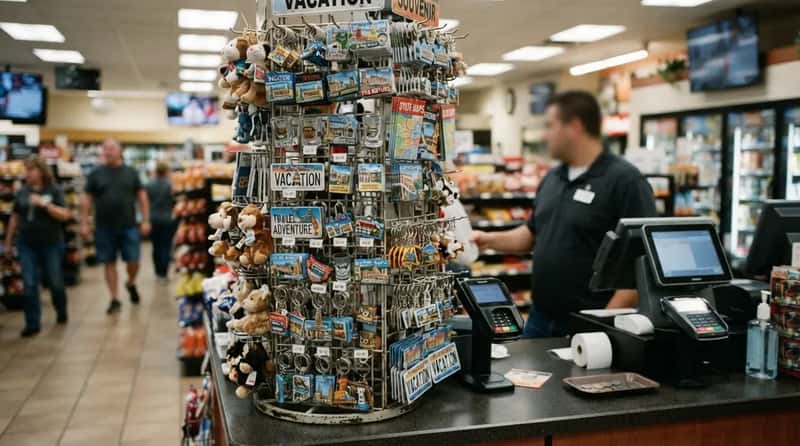
Rest stop souvenir shops mark up novelty items significantly compared to what you’d pay at an actual destination or online later. A magnet, shot glass, or keychain that looks charming in the moment usually costs double what it would sell for anywhere else. It’s a classic impulse-buy trap built specifically around travel fatigue and boredom.
Most people who buy these items admit afterward that they wish they’d just waited. If a souvenir genuinely matters to you, it’s almost always cheaper and more meaningful bought at the actual destination you’re heading toward. Skipping the rack near the register is an easy, painless way to protect a road-trip budget.
11. Do Use the Picnic Tables Instead of Eating in the Car
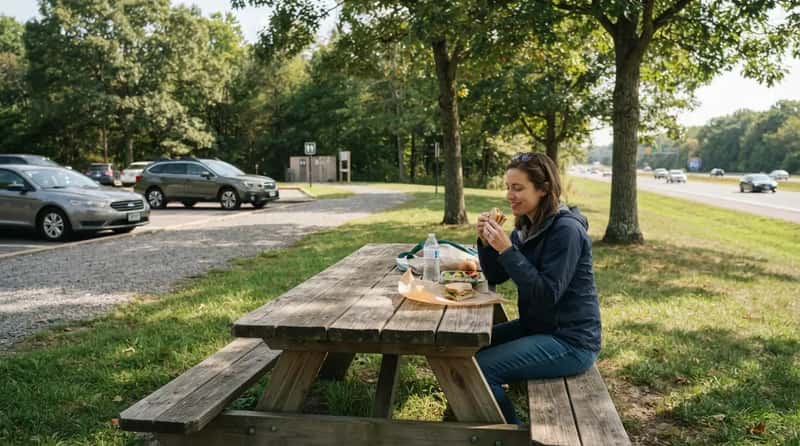
Most rest stops include outdoor picnic areas that sit almost entirely empty, even on beautiful days. Eating outside for ten minutes gives your body a break from sitting and your eyes a break from the dashboard glare and windshield reflections. It’s a small physical reset that makes the next stretch of driving noticeably easier to handle.
Eating in the car keeps crumbs and food smells trapped inside for the rest of the trip, which adds up fast on multi-day drives. Stepping outside, even briefly, tends to leave drivers more alert than staying seated in the same spot the whole stop. It costs nothing and takes almost the same amount of time as eating with the doors closed.
Why It Stands Out
- Picnic areas sit away from idling engines and exhaust, unlike the inside of a parked car.
- Sunlight and fresh air reset alertness better than sitting still in the same seat.
- Tables are almost always free to use, even during busy holiday travel weekends.
- Eating outside keeps food smells from lingering in the car for the rest of a multi-day trip.
12. Never Bother Hunting for a Charging Outlet in the Lobby
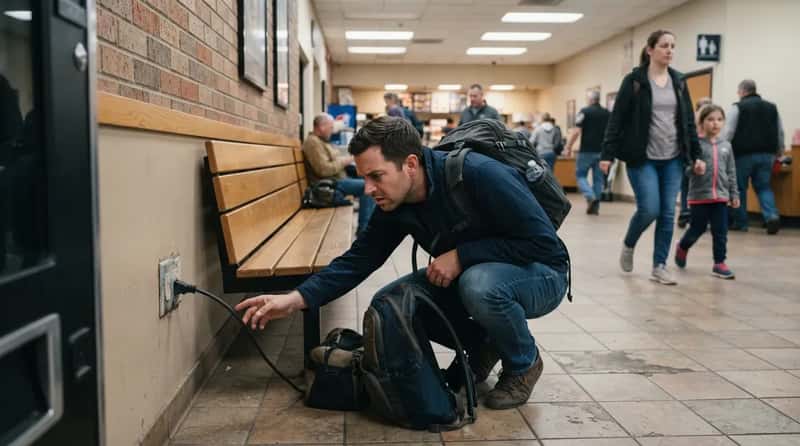
Rest stop lobbies rarely have reliable public charging outlets, and the few that exist are usually already claimed or quietly broken. Searching for one wastes time that could be spent stretching your legs or grabbing food instead. A car charger or a portable power bank solves this far more reliably than hoping a stranger’s outlet is free.
Relying on a rest stop outlet as a backup plan is one of the more common mistakes long-distance drivers make on unfamiliar routes. It’s simply not built into most facilities the way people casually assume it will be. Bringing your own charging solution from the start avoids the disappointment entirely.
13. Do Stretch for Five Real Minutes, Not a Half-Hearted Shoulder Roll
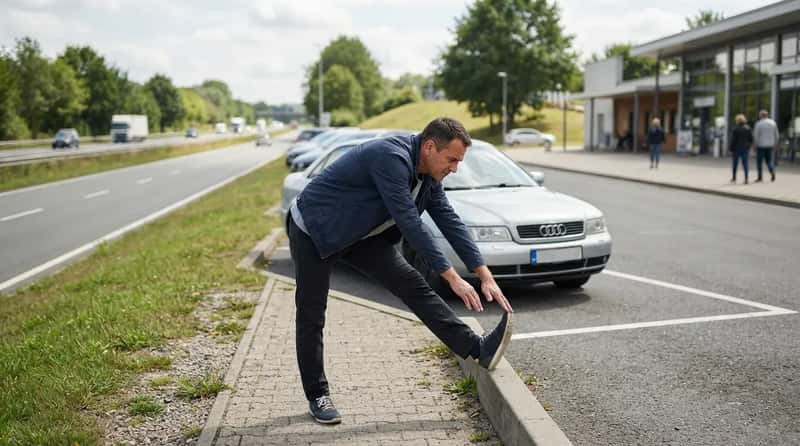
A quick roll of the shoulders doesn’t do much after hours of sitting in the exact same position behind the wheel. Health experts consistently point to prolonged sitting as a contributor to stiffness, poor circulation, and the kind of driver fatigue that sneaks up on you around hour three. A real five-minute stretch that includes your legs and lower back makes a noticeable, almost immediate difference.
Most drivers rush through this step because it doesn’t feel productive compared to grabbing food or checking a phone. But the payoff shows up an hour later, in the form of sharper focus and far less physical discomfort in your neck and back. It’s one of the most underrated habits at any stop, and one of the cheapest.
14. Skip Letting Pets Off-Leash, Even “Just for a Second”
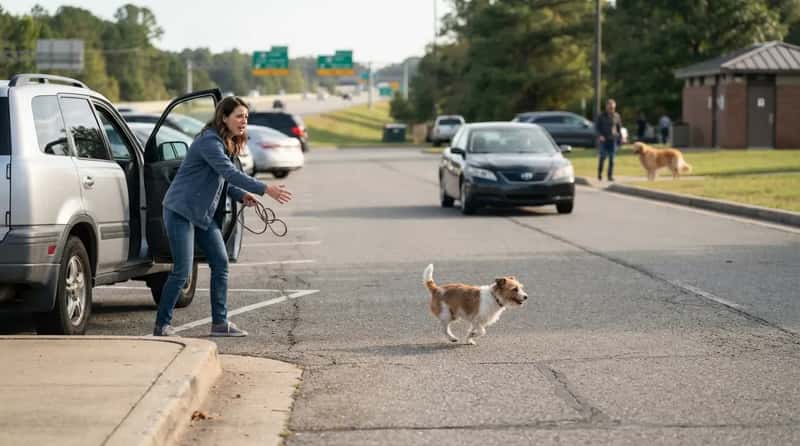
Rest stop parking lots are unpredictable, with cars pulling in and out constantly and unfamiliar dogs wandering nearby. Letting a pet off-leash, even briefly, introduces real risk in an environment that’s built for vehicles, not animals. Most rest areas explicitly require leashes at all times, and that rule exists for exactly this reason.
A startled or curious dog can dart toward a moving car in seconds, and that risk simply isn’t worth the convenience of skipping the leash for a moment. Keeping pets secured the entire time they’re outside the vehicle is one of the simplest safety habits at any stop. It takes no extra time and prevents a situation that can turn tragic in an instant.
15. Do Lock the Car – Even for a Two-Minute Bathroom Break
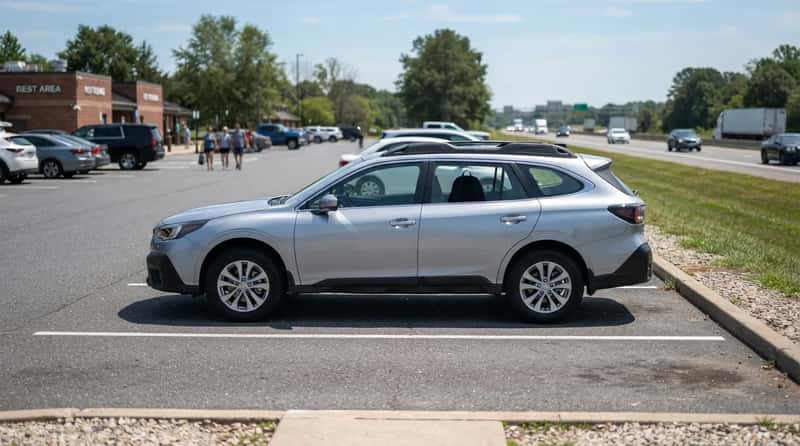
Locking the car for a fast bathroom run feels unnecessary, but rest stops are exactly the kind of high-traffic, low-supervision environment where opportunistic theft happens fastest. Bags, electronics, and even spare keys left visible on a seat are common targets for someone walking through the lot. The habit takes two seconds and quietly removes an entire category of risk from your trip.
Most people who’ve had something taken from their car admit afterward that they thought the stop would be too quick for anything to happen. That exact assumption is what makes rest stops appealing to opportunists in the first place. Locking up every single time, without exception, is one of the cheapest insurance habits on the entire road.
Fast Facts
- Unlocked doors and visible valuables are consistently cited by law enforcement as top opportunity-theft factors.
- Rest stops combine short dwell times with heavy foot traffic – exactly the mix opportunists look for.
- Locking up takes about two seconds, far less time than replacing a stolen bag or device.
- Spare keys left in plain sight on a seat are one of the most overlooked risks travelers create for themselves.
None of these habits require extra planning or extra money – just a slightly different instinct than the one most drivers default to without thinking. The stops that go smoothly aren’t the ones where people move the fastest; they’re the ones where a few small decisions get made on purpose instead of on autopilot. Next time you pull off the highway, it’s worth asking which half of your routine is actually working for you, and which half is just habit wearing the costume of common sense.