Most travelers assume airline fees are locked in the second they hit “purchase,” a permanent tax for the crime of flying. But agents at the counter, on the phone, and even at the gate have far more room to bend than any website admits, and a calm, specific question is often all it takes to unlock it.
The catch is that almost none of these reversals are advertised. They live in internal guidelines, buried policy pages, or an agent’s own discretion, which means the passengers who benefit are usually the ones who simply knew to ask.
#16 – The Wi-Fi Charge Nobody Realizes Is Refundable
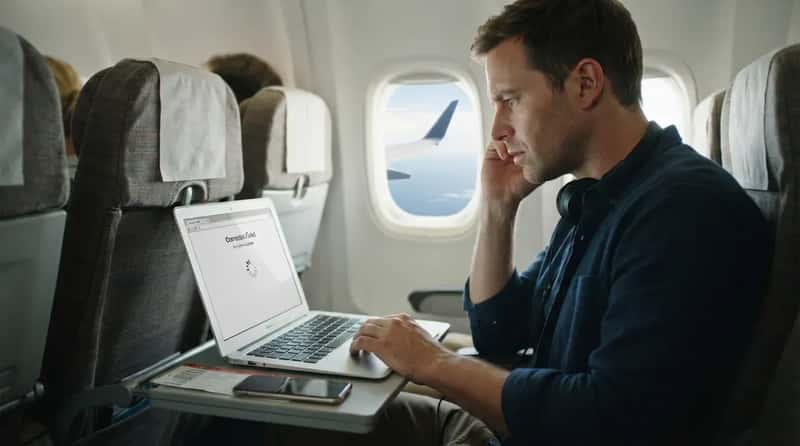
Paying for in-flight Wi-Fi that never actually connects used to just be bad luck. Under current federal rules, that’s no longer true. Passengers are entitled to a refund for the fee they paid for an extra service like Wi-Fi if the airline fails to actually provide it.
The problem is that airlines don’t proactively hand this money back. You have to notice the outage, save your boarding pass, and ask. Agents are trained to process these refunds quickly once a passenger flags a broken connection, but most flyers just shrug and close the laptop instead of requesting their money back.
#15 – The Broken Entertainment Screen Refund
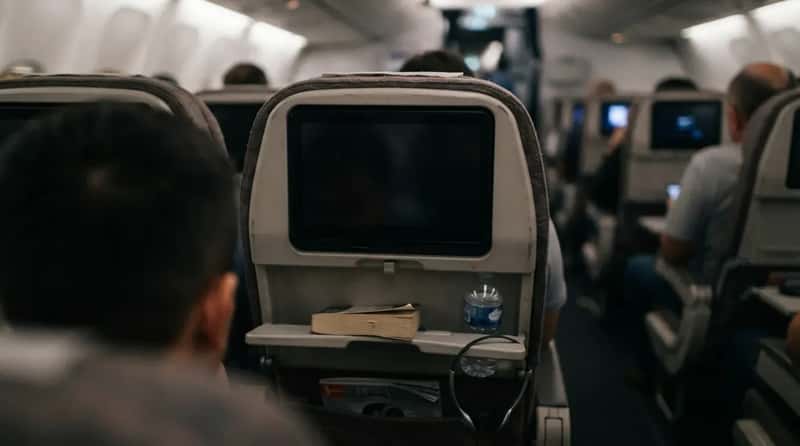
A dead seatback screen on a long-haul flight feels like a minor annoyance, but it’s technically a paid service you didn’t receive. The same federal protection covering Wi-Fi also applies to inflight entertainment when the airline fails to deliver it.
Few passengers connect a broken screen to an actual refund request, which is exactly why airlines rarely bring it up first. Mentioning it calmly to a flight attendant or filing a quick note afterward is usually enough. It’s a small amount of money, but it adds up fast for a family of four flying internationally.
#14 – The Seat Selection Fee You Never Had to Pay
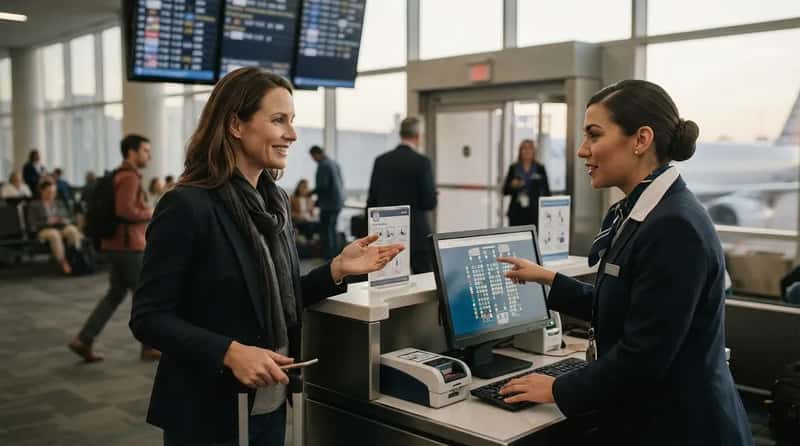
Airlines make seat selection look mandatory during checkout, but it isn’t. New federal rules require carriers to say so directly: airlines and ticket agents must tell consumers that a seat is included in their fare and that they are not required to purchase a seat assignment to travel.
Beyond the legal disclosure, gate agents often have leeway to reseat travelers for free once check-in opens. The seat map often shifts in the final hours before departure, and a polite question at the counter can land you an aisle seat you thought you’d have to pay for.
Fast Facts
- The DOT’s automatic refund rule took effect October 28, 2024, covering fees for services never delivered.
- Airlines must issue eligible refunds without waiting for a customer to formally request one.
- Card refunds must be processed within 7 business days; other payment methods within 20 calendar days.
- Carriers are now required to clearly disclose that a seat is included in the fare before charging extra for one.
#13 – The Priority Boarding Fee That Skips Itself
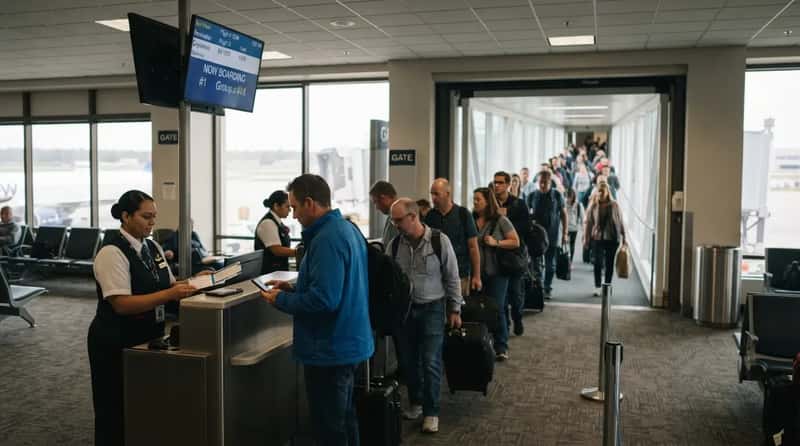
Priority boarding is one of the easiest upsells airlines push, but it’s rarely necessary. Most airlines cycle through boarding groups quickly, and arriving at the gate early often means you’ll land in an early group anyway without paying a dime extra.
Gate agents also sometimes wave general boarding groups forward together when a flight is running behind, effectively erasing the priority distinction entirely. This isn’t a formal refund, but it’s a quiet way the fee becomes pointless if you time your arrival right. The people who pay for priority often board at almost the same moment as everyone else.
#12 – The Unaccompanied Minor Fee That Shrinks for Military Families
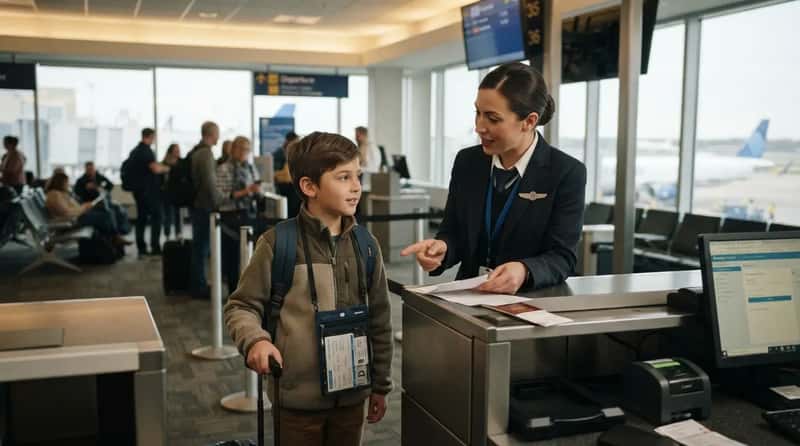
Sending a child to fly solo comes with a flat fee regardless of distance, and most parents assume it’s non-negotiable. It usually isn’t fixed for everyone. Military and government-connected families sometimes see it reduced or bundled into broader baggage and fare waivers tied to official orders, though policies vary a lot by carrier and route.
The trick is combining requests into a single call instead of treating them as separate transactions. Bundling the request with an active-orders discount call often shaves the fee down, but most parents book the unaccompanied minor service separately and never realize the waivers could be combined. That single phone call habit is quietly costing families money they didn’t need to spend.
#11 – The Overweight Bag Fee an Agent Chooses Not to Charge
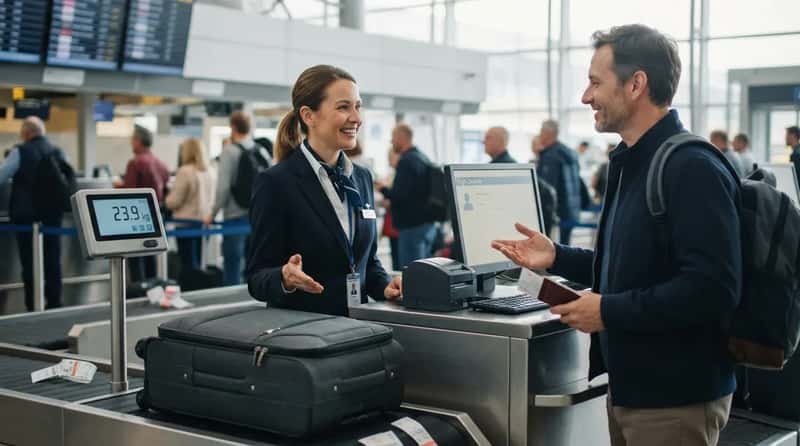
Overweight and oversized baggage fees look rigid on paper, but check-in agents have more discretion than the fee chart suggests. A calm explanation, especially when the bag is only a pound or two over, often gets waved through without a second scale check.
This isn’t a guaranteed reversal, and confrontational passengers rarely get anywhere. Treating an airline employee with kindness rather than a demanding attitude tends to get better results, since customer service agents have real power to make your day. The difference between paying a hundred dollars and paying nothing often comes down entirely to tone, not the number on the scale.
#10 – The Baggage Fee You Were Never Supposed to Pay
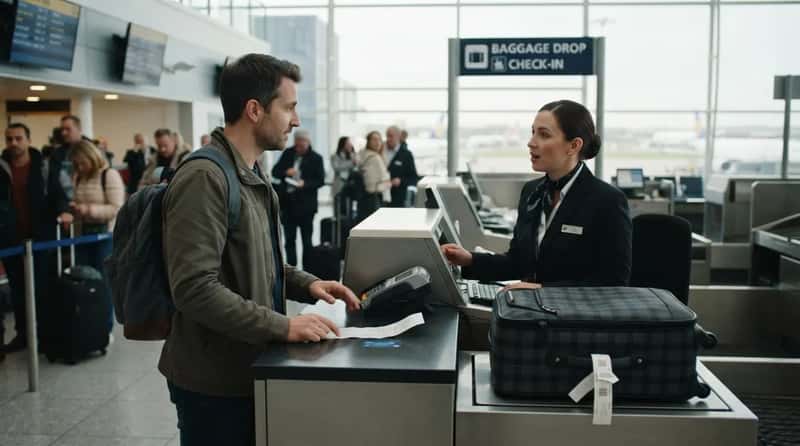
Sometimes a checked bag fee shouldn’t have been charged at all, and airlines have had to pay for that mistake before. Passengers alleged they were forced to pay bag fees at the airport counter even though the tickets they’d purchased online included free checked bags, a claim serious enough that American Airlines settled for millions.
The settlement money went toward refunding customers who paid checked baggage fees between 2013 and 2021. It’s a reminder to double-check your fare’s included baggage before paying at the counter. A card benefit or fare perk you forgot about can turn a “mandatory” fee into a mistake the airline has to fix.
#9 – The Delayed Bag Fee Refund Almost Nobody Files For
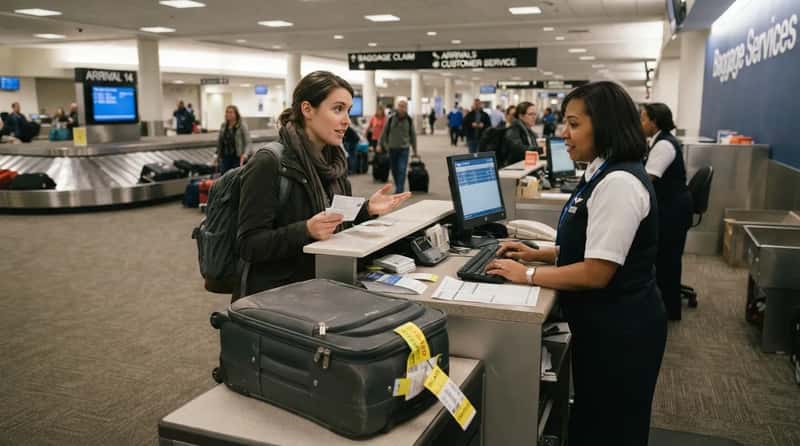
If your checked bag doesn’t show up on time, the fee you paid for it isn’t just wasted money you have to accept. Passengers who file a mishandled baggage report are entitled to a refund of their checked bag fee if it isn’t delivered within 12 hours of their domestic flight arriving at the gate.
The rule exists, but it requires you to actually file the report and follow up. A consumer is entitled to a refund if they paid a baggage fee and their bag has been declared lost or significantly delayed. Most delayed-bag passengers never realize the fee itself is refundable, since they’re focused only on getting the suitcase back.
At a Glance
- Domestic flights: the refund right kicks in after a 12-hour delay past gate arrival.
- International flights: the window stretches to 30 hours before the same right applies.
- A mishandled baggage report is required to start the clock on your claim.
- The refund covers only the checked-bag fee itself, not the value of anything inside it.
#8 – The Family Seating Fee Some Airlines Now Waive Automatically
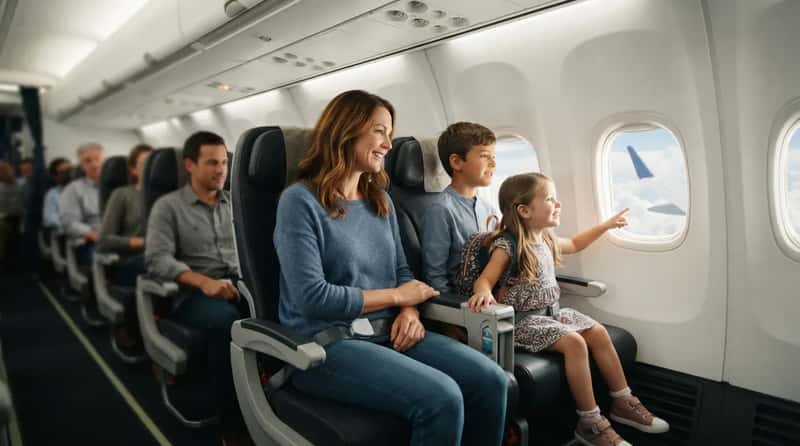
Paying extra just to sit next to your own child used to be standard practice industry-wide. That’s shifted more than most travelers realize. Before regulators pressed the issue, no airline committed to guaranteeing fee-free family seating; now several major carriers do.
If you’re not flying one of those airlines, asking directly at check-in can still get the fee dropped, especially on lighter loads. Regulators have also proposed banning family seating junk fees entirely and guaranteeing fee-free seating for parents traveling with young children. A fee that was industry-standard just a few years ago is quietly becoming the exception, not the rule.
Quick Compare
- Before the pressure campaign: zero major U.S. airlines guaranteed free family seating.
- Today: several major carriers guarantee it at no extra cost when seats are available.
- Proposed federal rule: guaranteed adjacent seating within 48 hours of booking, including basic economy.
- Potential family savings: as much as $200 per round trip for a family of four if seat fees run $25 each.
#7 – The No-Show Fee That Disappears With One Phone Call
Missing a flight without warning can trigger a steep penalty, especially on award tickets. No-show penalties can run up to $200 per passenger on some award bookings, with first class no-shows commonly charged that top rate and other cabins closer to $100.
Timing matters enormously here. Calling before departure works far better than explaining after a missed flight, and jury duty notices or documented emergencies are commonly accepted excuses. A five-minute call before wheels-up can be the difference between a $200 penalty and none at all, yet most passengers only call after they’ve already missed the flight.
#6 – The 24-Hour Cancellation Grace Period People Forget They Have
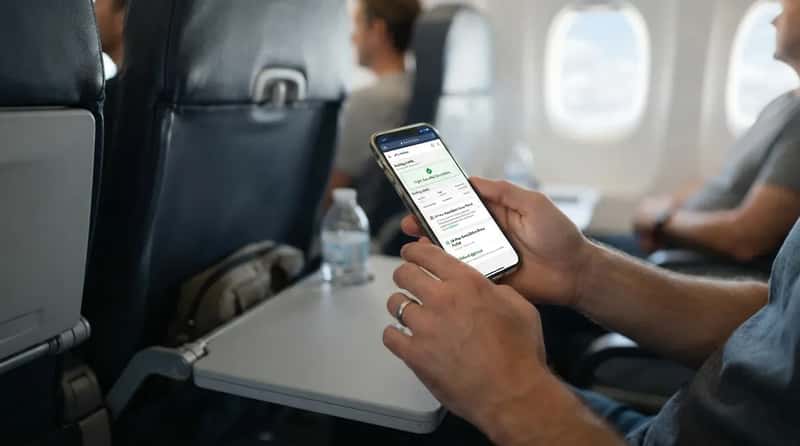
Federal rules give nearly every U.S. traveler a short, penalty-free window right after booking, but plenty of passengers pay change fees they never needed to. Airline fees are generally non-refundable unless the flight is canceled, but if you cancel within 24 hours of booking, many airlines will refund fees as part of their standard policy.
This applies even to basic economy tickets in most cases, which surprises people who assume those fares are locked the second they’re purchased. A single-day grace window quietly protects even the cheapest, most restrictive tickets on the market, and it costs nothing to use.
#5 – The Change Fee Waived for Jury Duty and Bereavement
Life emergencies are one of the most reliable ways to get a change fee erased, even on fares that technically don’t allow changes. There’s no getting out of jury duty, but most airlines will be willing to work with you, and a death in the family or a severe illness could well be covered by airline policy too.
Documentation matters here more than in most categories. Having proof or supporting paperwork ready when the airline asks for it speeds the process considerably. Airlines that publicly market “no flexibility” fares will still bend for a death certificate or jury summons, they just won’t say so on the booking page.
#4 – The Weather Waiver That Opens Before Anyone Announces It
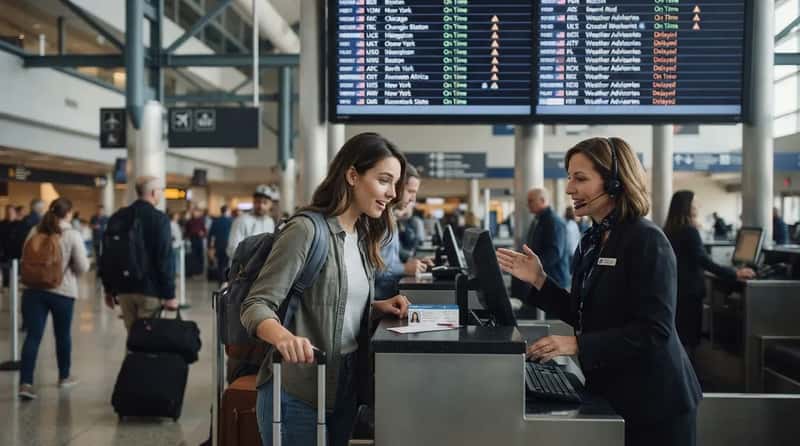
Storm-related fee waivers don’t wait for headlines. They often exist quietly, days before the public even hears a storm is coming. When bad weather is forecast, airlines routinely open a fee-free rebooking window before anyone official has announced anything.
This isn’t rare or small-scale. U.S. carriers waived fare differences and change fees for more than a dozen airports ahead of an incoming coastal storm in October 2025, and JetBlue and other airlines have waived change and cancel fees, often fare differences too, for travelers affected by storms. These waivers usually sit on a buried “travel alerts” page far from the normal booking flow, which is exactly why most travelers pay full price instead.
#3 – The Change Fee an Airline Owes You for Its Own Schedule Shift
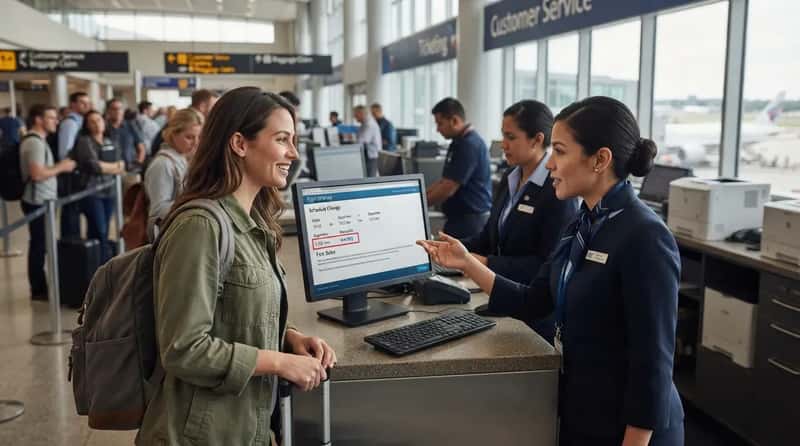
If the airline moves your flight time, you may not be the one who owes a fee. Knowing the airline’s schedule change policy matters, because if your departure or arrival time shifts, you might be eligible for a free change or a full cancellation.
Some travelers even use this deliberately. If there’s a chance of a schedule change, it can be worth waiting until the deadline to cancel so you can cite that shift instead of paying a fee outright. A shift of just a few minutes on the airline’s end can unlock a waiver most passengers never think to ask for.
#2 – The Basic Economy “No Changes” Rule That Bent for an Entire Country
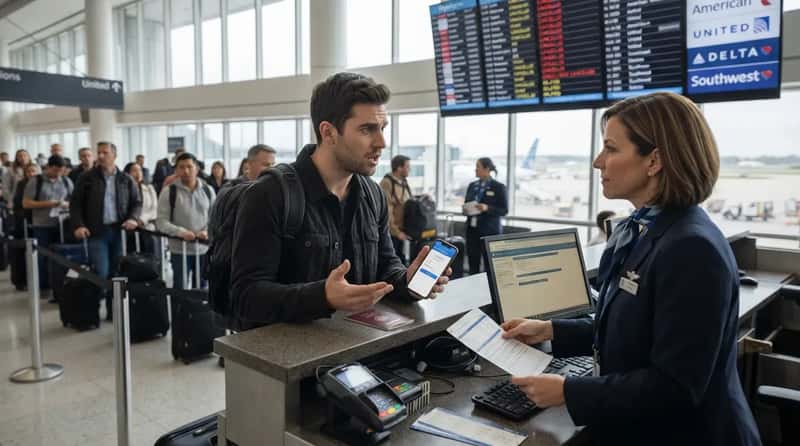
Basic economy tickets are marketed as rigid, non-negotiable, take-it-or-leave-it fares. During the 2025 government shutdown, that reputation cracked wide open. After the FAA ordered flight cuts at major hubs, United, American, Delta, and Southwest were among the airlines offering a refund or travel waiver to customers.
What made it unusual was who qualified. Airlines offered refunds or waivers to customers with trips planned in the coming days who simply chose not to travel, whether or not their own flight was actually affected. Restricted tickets got the same treatment as flexible fares, with several major airlines letting basic economy holders claim a refund even when their flight never got canceled. Most travelers who technically qualified never even asked.
Worth Knowing
- United, American, Delta, and Southwest all offered refunds or waivers during the disruption.
- Eligibility didn’t require your own flight to be cancelled, just a trip planned in the affected window.
- Basic economy, normally the most restrictive fare class, was treated the same as flexible fares.
- Waivers like this tend to surface on quiet “travel alerts” pages rather than in headline press releases.
#1 – The Basic Economy Cancellation That Wasn’t Actually Final
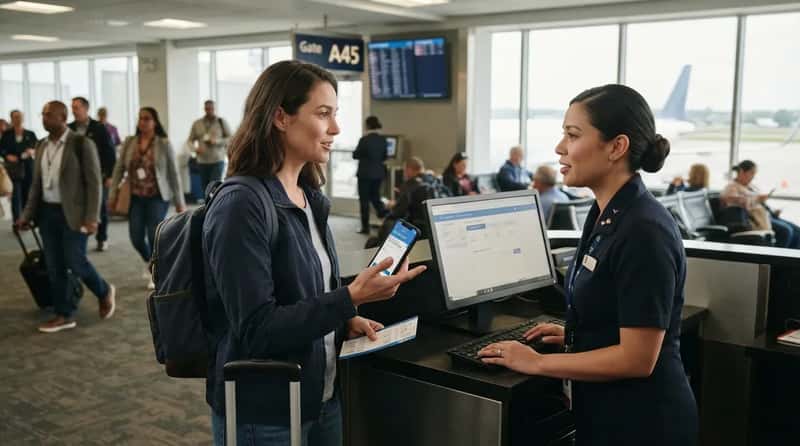
Of every charge on this list, none surprises passengers more than discovering their supposedly locked-in basic economy ticket had an exit door all along. Buying the cheapest fare class usually feels like signing away every option the second you click purchase. Basic economy sounds like a one-way door, buy it and you’re stuck, at least according to how it’s marketed at checkout.
But when disruptions, oversold flights, or shifting schedules enter the picture, that “final” policy softens fast. Agents can sometimes extend a one-time courtesy waiver even to non-elite passengers, especially if the original flight is delayed or oversold, and a calm, specific request still beats a vague one every time. The single fare type advertised as having zero flexibility is, in practice, one phone call away from becoming flexible, which is exactly why it tops this list.
None of these reversals show up in a pop-up ad or a checkout screen, and that’s precisely the point. Airlines aren’t hiding these policies out of malice; they’re simply not obligated to advertise the exceptions built into their own systems. The passengers who benefit are the ones who ask a specific question, stay calm, and treat the agent like a person who can actually help rather than an obstacle.
Have you ever gotten a fee reversed just by asking nicely? Tell us which charge disappeared for you in the comments.