

Golden arches seem to turn up everywhere, from airport terminals to remote highway stops. Some places have no McDonald’s at all, though, and the reasons vary a lot more than most travelers expect.
The word “banned” also needs care. Only one place on this list has a real legal ban, while the rest lost their chains through economics, culture, or politics. Here are six destinations where the usual burger stop isn’t an option, and what fills the gap.
Bermuda: A Law Against Foreign Chains
Bermuda is a British territory in the North Atlantic, and in 1977 it passed a law banning chains from other countries from opening franchises.[1] The law was meant to protect local businesses and help the island keep its uniqueness.[1] One business group proposed a McDonald’s in the 1990s, and the government answered with the Prohibited Restaurants Act of 1997.[1]
There’s one famous exception. A KFC on Queen Street in Hamilton still exists, because it was set up in 1970, before the act came into force.[2] A McDonald’s also opened on the U.S. naval air station in 1985 to serve military personnel and their families, with limited access for the public.[3] That ended when the base closed in 1995.[4]
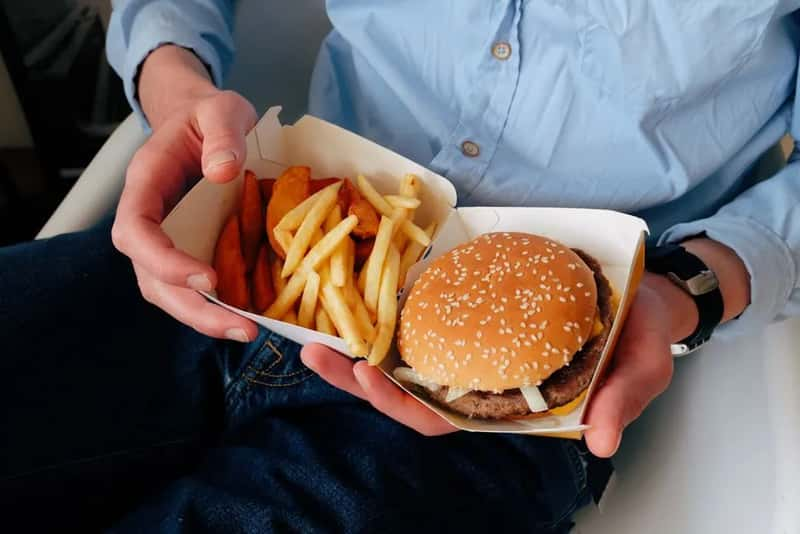
What does that mean at mealtime? The law targets chains, not cuisines, so Bermuda still has plenty of restaurants serving international fare.[1] Fast food outlets there are run by locals, and most sell takeout items like sandwiches, wraps, and salads.[2]
Iceland: When the Krona Collapsed
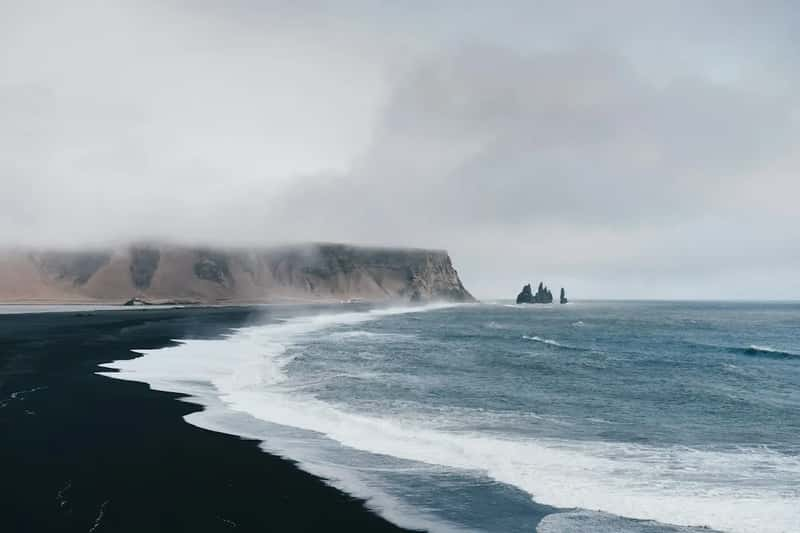
McDonald’s opened in Iceland in 1993.[5] In October 2009, the chain announced it would close, giving less than a week’s notice.[5] The exit followed the 2008 to 2011 Icelandic financial crisis and high tariffs on imported ingredients.[6]
Money was the sticking point. By late 2009, a Big Mac meal in Reykjavík had become one of the most expensive in the world, at roughly 650 krónur.[7] Local favorite Hambórgarabúllan also gave the chain steep competition.[8]
The old restaurants didn’t sit empty for long. The burger chain Metro took over the former McDonald’s stores.[9] The last McDonald’s burger sold in Iceland is now on display at Snotra House in Þykkvibær, in South Iceland.[10] The absence of McDonald’s today actually helps brand Iceland as a more authentic destination.[9]
Bolivia: The Country That Said No Thanks
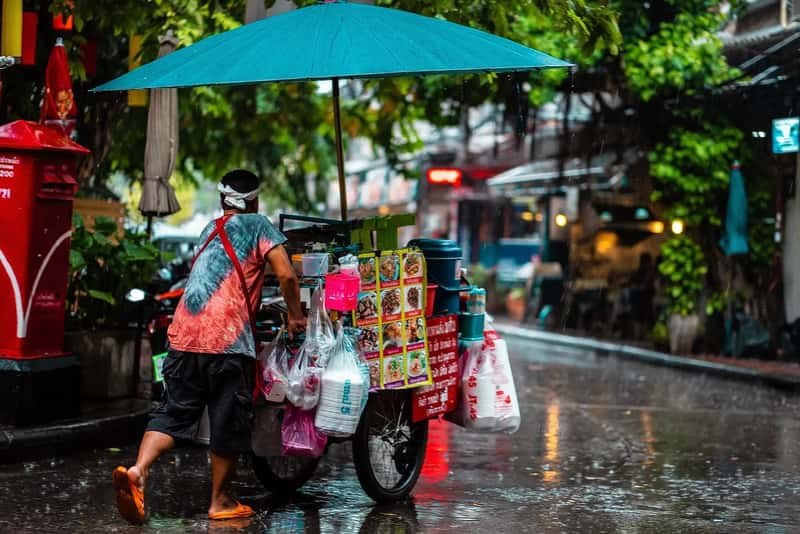
McDonald’s added the traditional llajwa sauce to its patties, but Bolivians weren’t convinced. After five years, it closed its eight branches and left in 2002.[11] No law was involved. In Bolivia, McDonald’s wasn’t forced out by legislation, because it simply failed to compete.[12]
Culture seems to have mattered more than price. A 2011 documentary by Fernando Martínez examines the closure.[13] The film’s interviews suggest Bolivians aren’t against hamburgers themselves, only against the fast food concept.[14]
Cost may have played a part too. A Reuters journalist living in Bolivia told Marketplace that local food can cost as little as a third of a McDonald’s meal.[15] That makes street stalls and market counters a very sensible lunch, with saltenas, the baked Bolivian pastries, a common choice.
North Macedonia: A Sudden Closure in 2013
After a 15 year run, all seven McDonald’s outlets in North Macedonia were abruptly closed in 2013.[12] The cause wasn’t a government ban or a boycott. The company running the franchises unexpectedly lost its licence, and they all closed without explanation.[16]
Visitors who land in the capital, Skopje, now eat what the locals always did. Locals love kebabs, cabbage rolls, and moussaka.[16] Those are hearty, affordable dishes that fill the gap a drive thru once covered.
Nigeria: Local Chains Fill the Gap
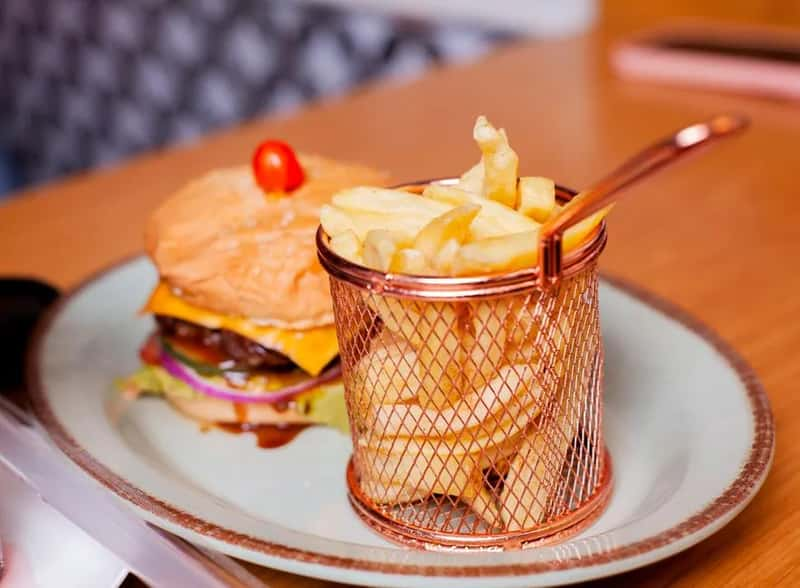
Nigeria has no McDonald’s, but it hardly lacks quick meals. Nigerians still enjoy fast food establishments, many of them local chains that resemble popular Western franchises.[17] The picture across the continent is similar.
The menus tell the real story. One chain’s logo echoes McDonald’s red and yellow, yet its rice dishes and meat pies look nothing like American fast food.[17] Explicit bans, local hostility, and infrastructure challenges have kept McDonald’s out of many countries, Nigeria among them.[17] The result is a fast food scene that runs on jollof style rice and pastries, not burgers.
Russia: Western Brands Out, Homegrown Options In
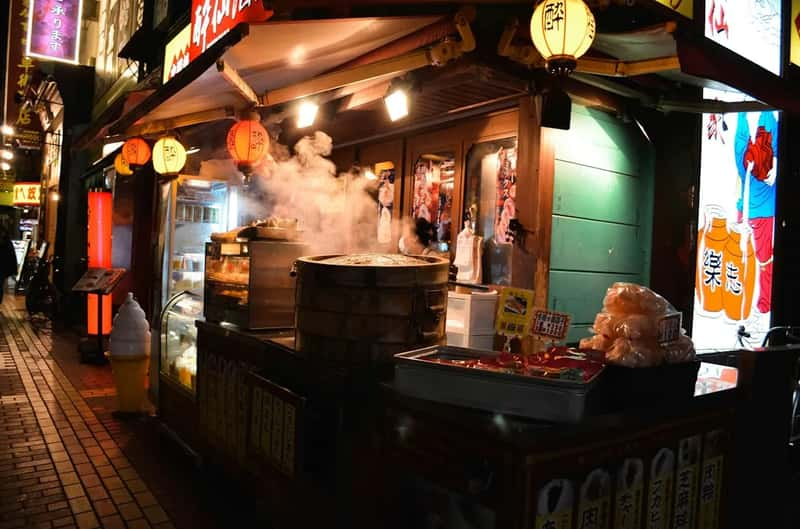
After three decades of operation, McDonald’s shuttered all 850 of its Russian locations in 2022 following the invasion of Ukraine.[12] Many Western companies withdrew from the country at that point.[16] Russia belongs on this list for political reasons, not cultural ones.
Not every Western chain disappeared. Burger King, for instance, continues to operate in Russia without corporate support.[18] Travelers looking for a local meal can turn to Russian staples such as blini, pirozhki, and soups, which were never dependent on a global brand.
What Banned Really Means Here
Only Bermuda has an actual legal ban on foreign restaurant chains, and even it allows one grandfathered KFC. That KFC opened before 1977 and is the only foreign chain remaining on the island.[19]
The other five countries lost McDonald’s through financial crises, cultural resistance, a lost licence, or political decisions. Some other chains still operate in a few of them.