A sleeper train sounds like the easy way to travel: board at sunset, close your eyes, wake up somewhere new. Then the real night begins. You get a room the size of a walk-in closet, a bed that unfolds out of a seat, and a meal schedule you didn’t pick. People who ride these trains again and again have learned to dodge most of the headaches, and these are the 16 habits they keep every single trip.
None of them are glamorous, and a few sound almost too small to matter. But together they separate a trip people brag about from one they swear off. One saves money, one saves your sleep, and one could save your whole itinerary. The habit at #1 has nothing to do with gear, and it’s the one veterans say they’d never give up.
#16 – The Big Suitcase Goes Downstairs, and Veterans Don’t Even Blink
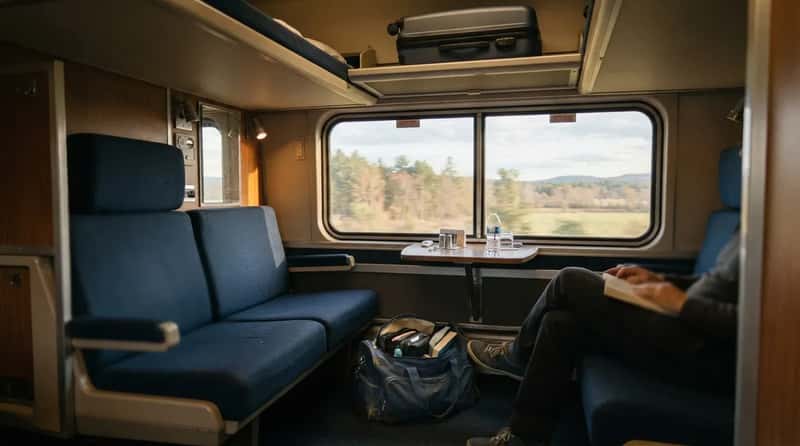
Most first-timers haul their whole suitcase into a room built for two people and folding furniture. Veterans pack one small overnight bag for the cabin and leave the big luggage in the stowage area. Amtrak Vacations suggests this for roomettes, saying it leaves more space inside. The little bag holds toiletries, a charger, medication and tomorrow’s clothes.
Here’s the part that surprises people: the bigger bedroom isn’t automatically the smarter buy. A roomette has two seats that convert into upper and lower berths, plus outlets and climate controls. That’s plenty if you travel light. Veterans see the cabin as a place to sleep, not a place to store a closet.
#15 – They Ask Which Kind of Dining Car They’re Getting
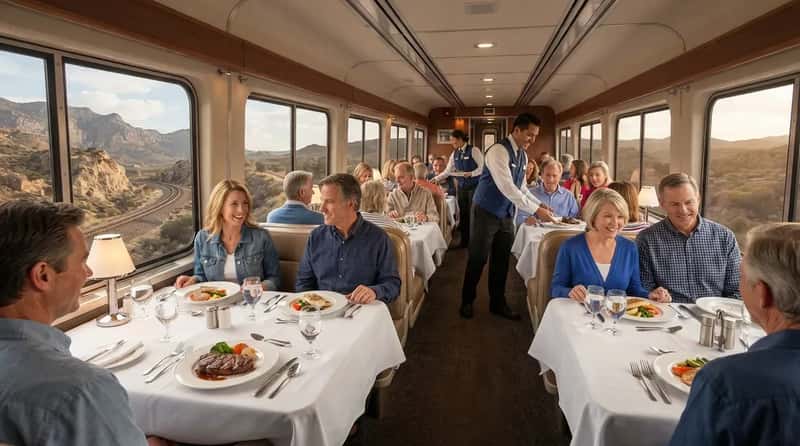
Not every long-distance train runs its dining the same way. Amtrak has Traditional and Flexible dining, and your attendant will tell you which one your train uses and help with reservations. Veterans ask that first, before they plan a single meal.
Quick Compare
- Traditional Dining: chef-prepared meals served in a dining car, with a reservation time.
- Flexible Dining: a smaller menu of prepackaged hot and cold food, heated onboard.
- Where you’ll find it: Traditional runs on trains like the California Zephyr and Empire Builder. Flexible runs on eastern overnight routes like the Cardinal and Crescent.
The difference matters. On traditional routes, a staff member comes through the train taking lunch and dinner reservations and assigns you a time slot, and meal times are announced over the PA system. First-timers wander off during their slot and come back to find the best entrées gone. So who is the one person who really runs your trip?
#14 – They Introduce Themselves to the Attendant Before Departure
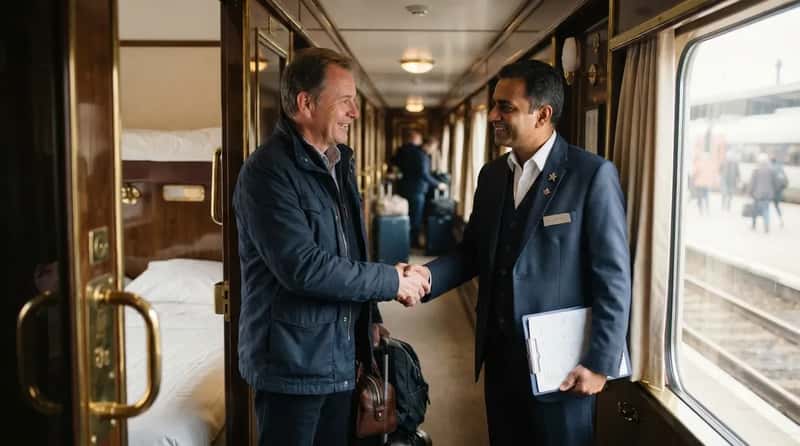
The sleeping car attendant is the quiet engine of the whole trip. With any sleeper reservation, your attendant books your meal reservations, makes and takes down your bed, and tells you when your stop is coming up. Veterans know a friendly hello in the first ten minutes sets the tone for the whole ride.
They also ask the questions that never show up in a booking confirmation. When are the long station stops? When does breakfast start? Can dinner come to the room? Five minutes of asking beats five hours of guessing, and veterans know it.
#13 – They Bring Their Own Snacks, Because Hunger Ignores the Meal Schedule
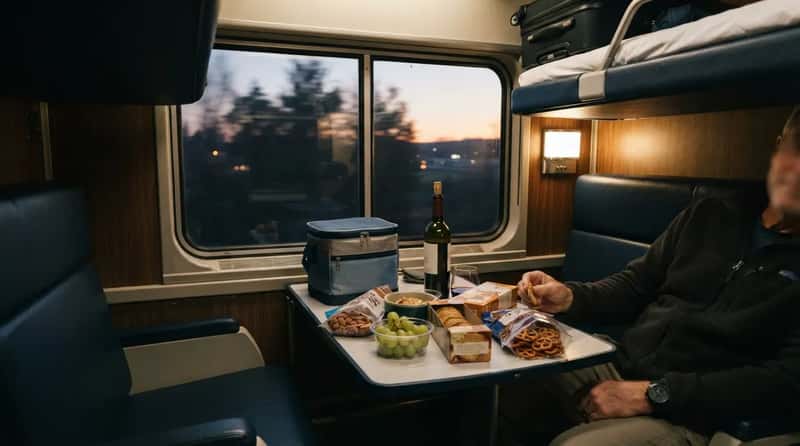
Meals may be included, but cravings don’t wait for your reservation time. Amtrak lets you bring your own food and drinks to eat in your private sleeping accommodation. Seasoned riders stock fruit, nuts, crackers and something salty for the 11 p.m. stomach growl.
One food guide adds a detail many travelers miss. Sleeper passengers can bring alcohol, but it’s meant to be consumed in the private room only. The same guide suggests a small collapsible cooler for longer trips. Veterans treat the snack bag as insurance, because the train won’t pull over for a convenience store.
#12 – They Carry Cash for Tips, Because Included Meals Don’t Mean Included Gratuity
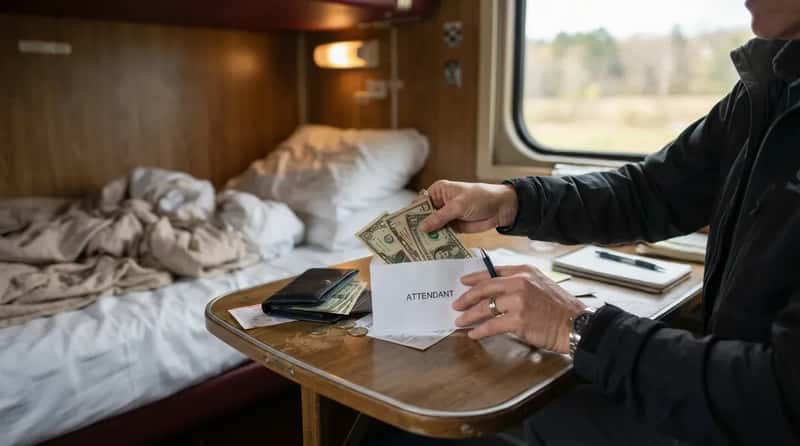
Sleeper tickets feel all-inclusive, and that’s the trap. Food and one cocktail at dinner are part of your ticket, but cash for tips is still recommended. Both your attendant and your dining car servers are usually tipped.
Amounts vary and tipping is optional, so these are habits, not rules. One travel writer tips the server per meal and the attendant per day or at the end of the trip. Riders on forums trade their own numbers, and they rarely agree. Still, veterans show up prepared instead of scrambling for bills at the last minute.
#11 – They Arrive Early to Use the Station Lounge
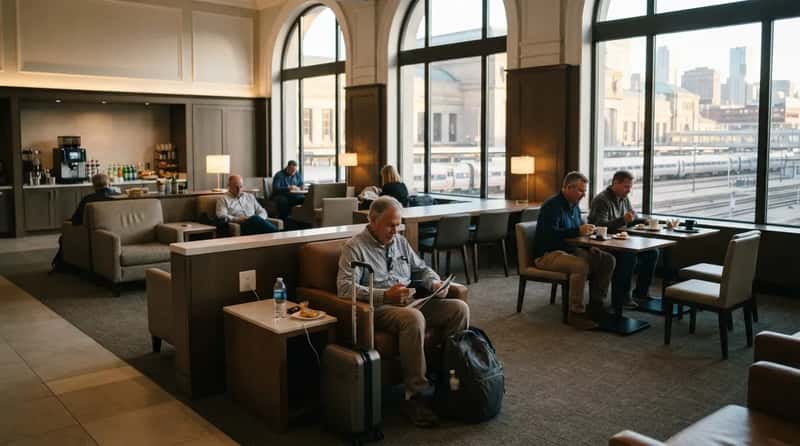
For veterans, the trip often starts in a better place than the platform. Sleeper passengers can use first-class lounges at stations where they’re available. Those lounges offer quiet seating, free non-alcoholic drinks, snacks and internet access.
Fast Facts
- Lounge access comes with a sleeper reservation at stations that have one.
- Several big hubs, including Chicago, Washington and New York, have lounges.
- Quiet seating, snacks, soft drinks and internet are the usual perks.
- Luggage rules vary by lounge, so ask before you wander off to explore.
Veterans use that time to charge devices, sort their bags and wait without the platform scrum. Many also check the lounge’s luggage policy so they can step out and explore the city before boarding. The catch is that not every station has a lounge, so they check before they count on it.
#10 – They Download Everything Before the Wi-Fi Fades
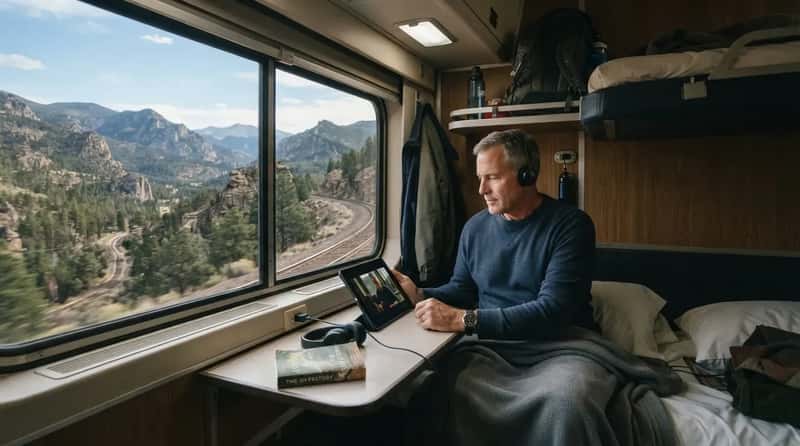
Long-distance routes cross wide stretches of mountains, desert and farmland where phone signal can come and go. Experienced riders don’t gamble on streaming. They download shows, podcasts, maps and books before departure, and they treat patchy connectivity as the default.
The cabin helps. Roomettes include electrical outlets, so a dead battery is an easy fix. Smart riders also bring a short charging cable, since the outlet may sit in an awkward spot.
#9 – Earplugs and an Eye Mask Come Out Before the Lights Do
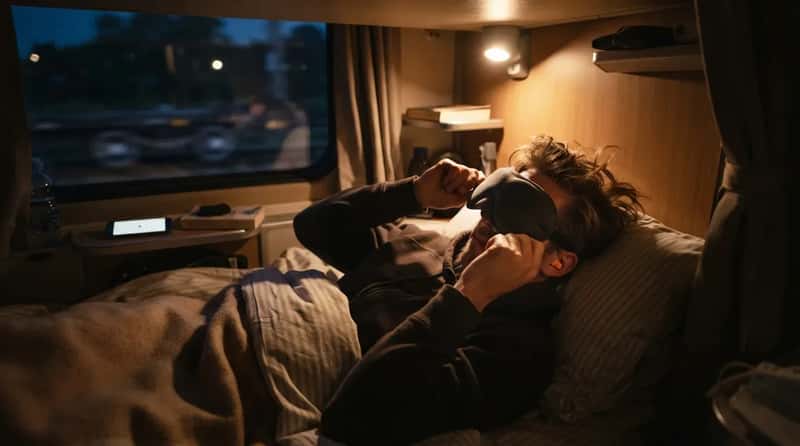
Sleeper trains aren’t silent. There’s the rumble of the wheels, horn blasts at crossings, announcements, and the clunks and lurches of stops. Veterans pack earplugs and an eye mask for every trip, whatever the route. Some also bring a white-noise app, saved offline.
Here’s the twist: the train’s steady motion bothers many people less than the sudden changes do. A smooth hum is easy to sleep through. A sudden bang at 3 a.m. is not.
#8 – They Build a Little “Night Kit” Within Arm’s Reach
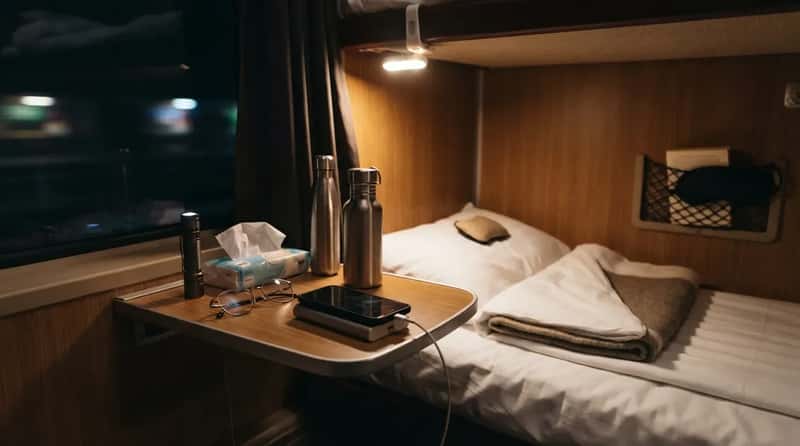
A compartment is small, and it gets very dark at 2 a.m. Veterans set up a tiny kit before they lie down. A small flashlight or phone light, glasses, a charger, tissues and a water bottle all go in a pocket or on the shelf. That way they can reach everything without climbing down or flipping on the overhead light.
The cabin supplies some basics. Sleeper amenities include blankets, small pillows, bottled water, linens and a coffee station. But the personal stuff, like glasses and medication, is on you. Putting these items in the same spot every night means nobody is hunting for them half asleep.
At a Glance
- Already in the room: blankets, small pillows, linens and bottled water.
- Down the hall: a coffee station for the early riser.
- Strictly on you: glasses, medication, charger and a small light.
- Veteran move: everything goes in the same spot every night.
#7 – They Plan Their Shower Like a Mission
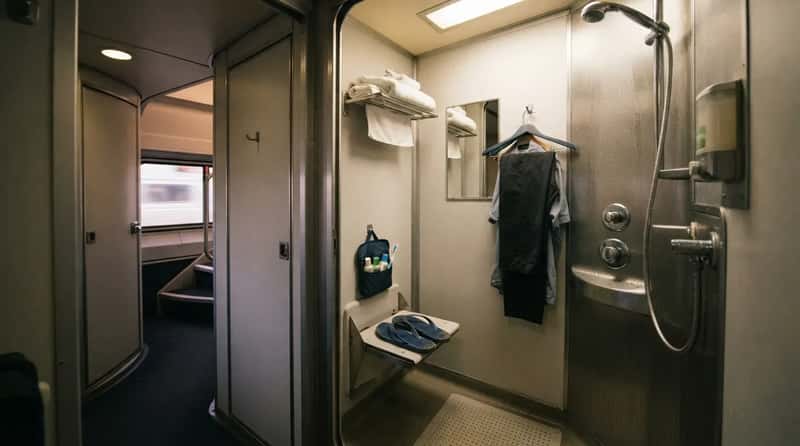
Many sleeper trains have a shower, but it isn’t a spa. In one Empire Builder review, the shower on the lower level of the sleeping car was small but clean, with surprisingly good water pressure. It had a changing space, and soap, shampoo and towels were provided.
Veterans shower when they have time to spare, not right before a stop. They also stick to the sleeper’s own bathrooms. The same reviewer found that many toilets elsewhere on the train stopped working at some point, which is a good reason to stay close to home base.
#6 – They Dress in Layers, Even When the Cabin Has a Thermostat
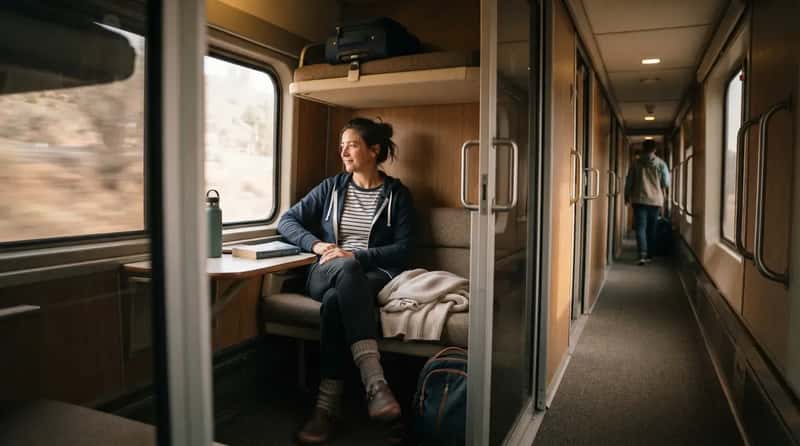
It sounds odd, but a sleeper train can swing from warm to chilly in a single afternoon. A roomette has its own climate controls, yet the hallways, stairwells and dining car are a different story. Experienced riders wear layers so they can adapt in seconds without a trip back to the room.
A light sweater, comfortable socks and slip-on shoes cover most situations. At night, many change into loose clothes that work for sleeping and for the shuffle down the hall. Overpacking a wardrobe is a rookie move, since the room has nowhere to put it.
#5 – They Actually Go to the Dining Car, and They Sit With Strangers
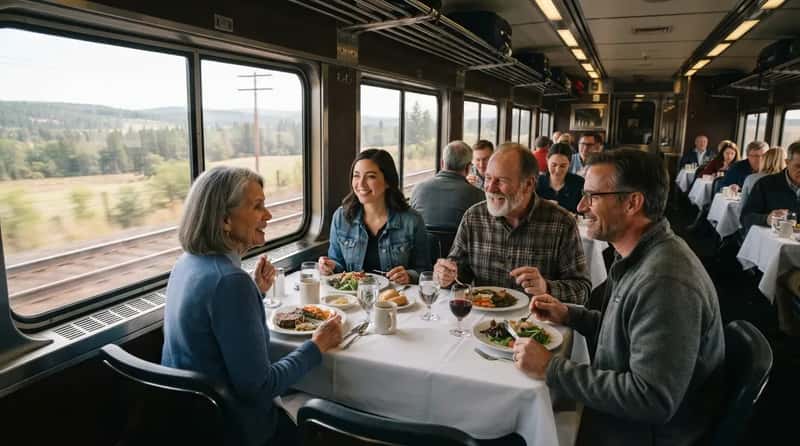
Some sleeper passengers skip the dining car and eat in their room all trip. Veterans disagree, at least for a meal or two. The dining car can offer communal seating, which means eating with fellow riders. That’s where the best stories on the train get told.
Here’s the controversial opinion: eating every meal in your room is overrated. It’s convenient, sure, but you miss the retired rail fan, the first-time cross-country traveler and the local who knows the route by heart. One writer enjoyed breakfast with desert views and friendly fellow passengers. That’s the part you can’t book.
#4 – They Tell the Attendant Exactly When They Want Their Bed Made
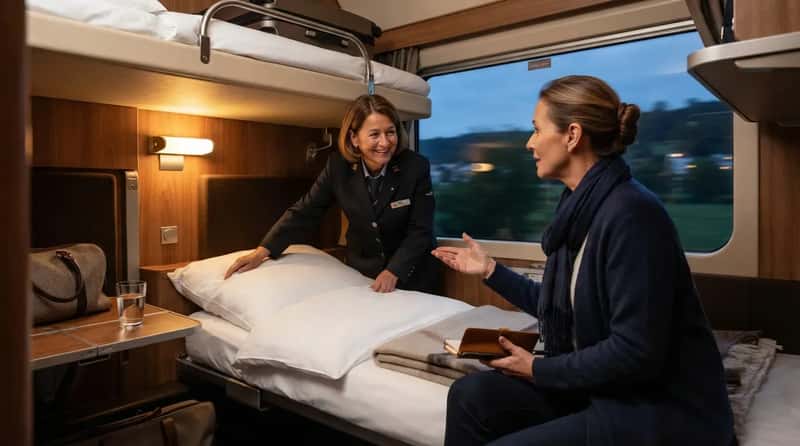
Experienced riders treat the bed schedule as a request, not a mystery. On one trip, the attendant set up the beds each night and put them away during breakfast each morning. Veterans simply say what time they want to turn in, and they ask whether they can stay up in the seat configuration a little longer.
The same goes for mornings. Some sleeper services include coffee or juice brought to the cabin each morning, and veterans plan around it. If they want to eat in the room, they tell the attendant in advance. Control over the schedule is the real luxury.
Worth Knowing
- The attendant converts your seats into berths, so you set the bedtime.
- Beds are often put away during breakfast, so plan your morning around it.
- Some services bring morning coffee or juice to the room.
- Room meals work best when you mention them ahead of time.
#3 – They Set an Alarm for the Best Stretch of Scenery
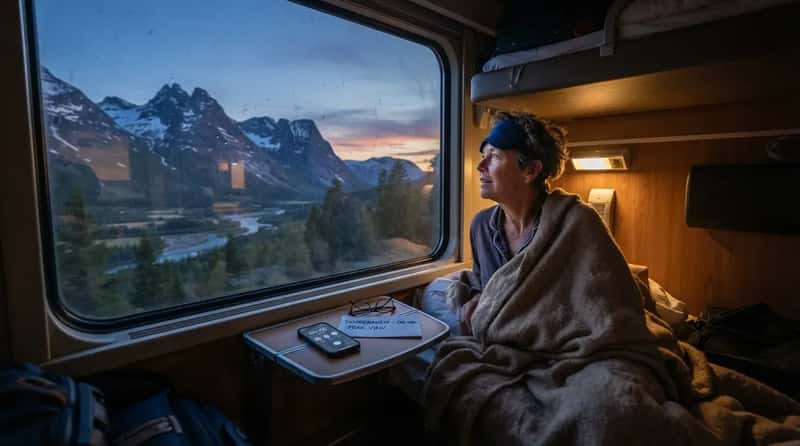
The scenery on a long-distance route isn’t evenly spread. A mountain pass, a canyon or a coastline may flash by at an hour when everyone’s asleep. Veterans look up the timetable and plan their sleep around it. Then they set an alarm for the part they came for.
The veterans’ secret is that a sleeper isn’t just a bed with wheels. It’s a window that moves, and the sleeping is the side effect. They’ll also ask the attendant which stretch is worth waking up for.
#2 – They Never Book a Tight Connection
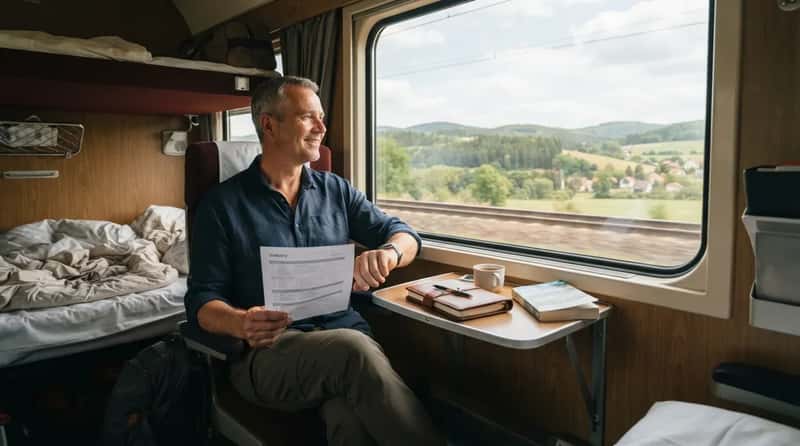
Here’s the truth most newcomers learn the hard way. Long-distance trains can run late, sometimes by hours, because they share track with freight and cross huge distances. Veterans build in a buffer. They don’t book a flight, a wedding or a meeting for the same day they arrive.
That’s why they favor trips with a free day on arrival, and why they check the train’s status before leaving for the station. The cost of the mistake is concrete: a missed flight, a lost hotel night, a ruined plan. Veterans shrug at a late arrival because they planned for one.
#1 – They Put the Phone Down and Just Watch the Window
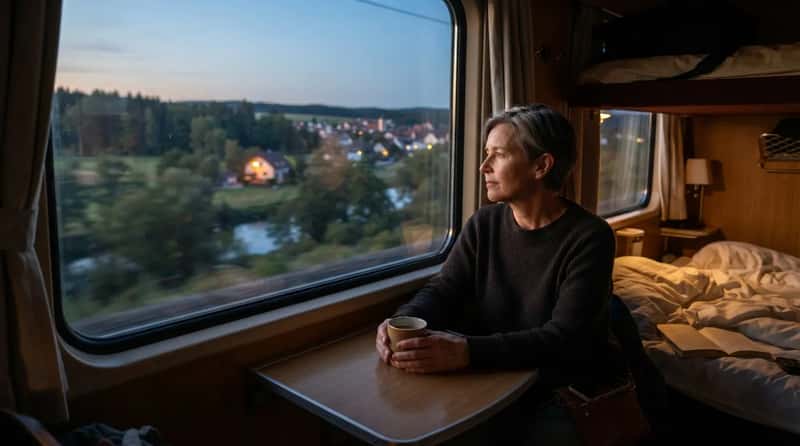
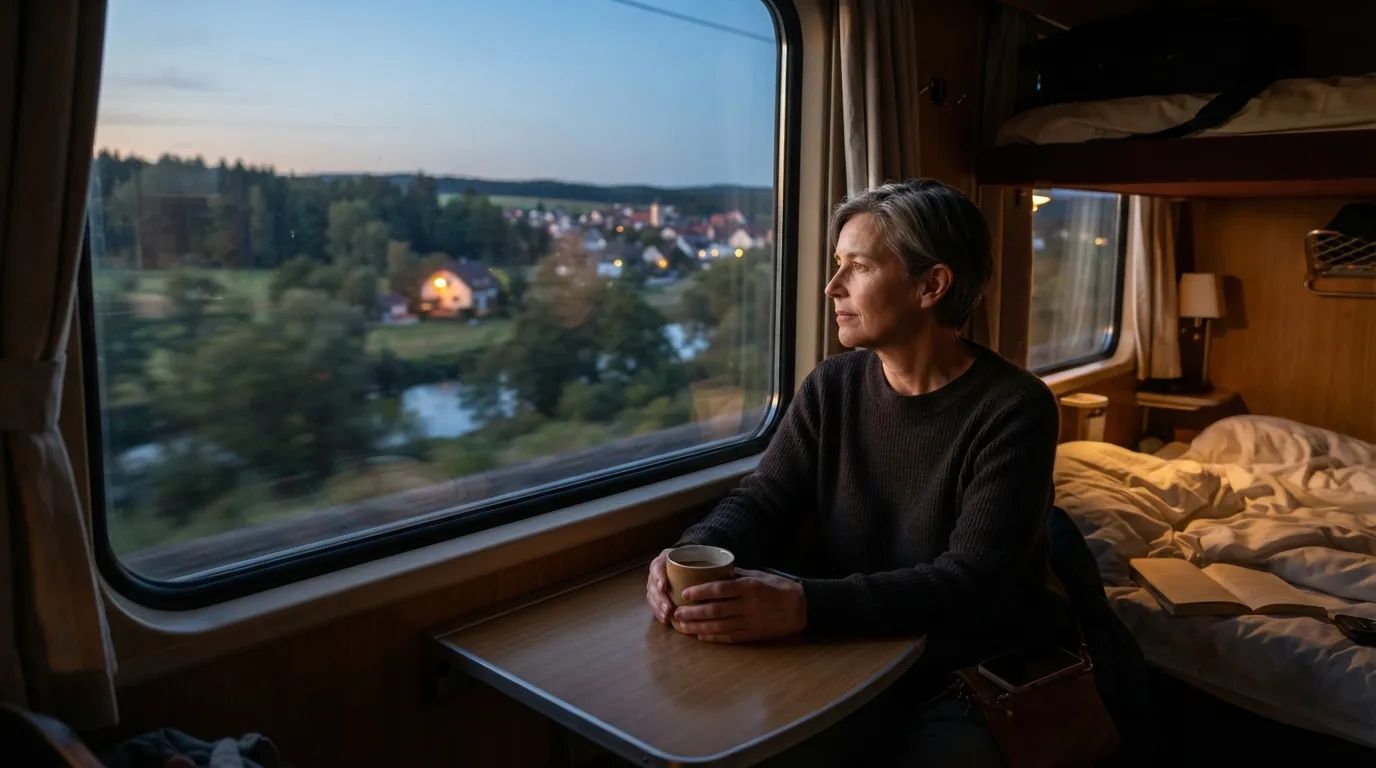
Ask long-time riders why they keep coming back, and it’s rarely the bed. It’s the hours of looking out the window at towns, fields and rivers sliding by at the speed of a conversation. Somewhere around dusk, the screen goes in the bag, and the world gets slower.
They’ll tell you the best moment is a small one. A cup of coffee, a quiet cabin, and a town you’ll never visit passing in the dark with a single porch light on. It’s not an upgrade you can buy, and it’s the reason they book again.
In the end, veterans aren’t really chasing a bed. They’re chasing the slow version of the country, the one that only shows up in a window at dusk.
Pack light, tip well, set the alarm, and leave the phone in the bag long enough to see it.