Most people picture the same thing when someone mentions a “coach tour”: matching lanyards, a rushed photo stop, and a guide reading facts off a laminated card. That stereotype isn’t entirely wrong, which is exactly why the good tours stand out so sharply once you know what to look for. The best ones don’t announce themselves with flashy marketing brochures – they show it in small, almost boring details buried in the fine print.
Here’s the part nobody tells you before you book: the difference between a trip you’ll talk about for years and one you’ll quietly regret usually shows up weeks before departure, not on the road itself. It’s hiding in the itinerary wording, the reviews, even the way the company answers the phone. Below are the quiet tells that separate a coach tour worth every dollar from one that just looks good in a brochure.
1. The Itinerary Admits How Long You’ll Actually Sit
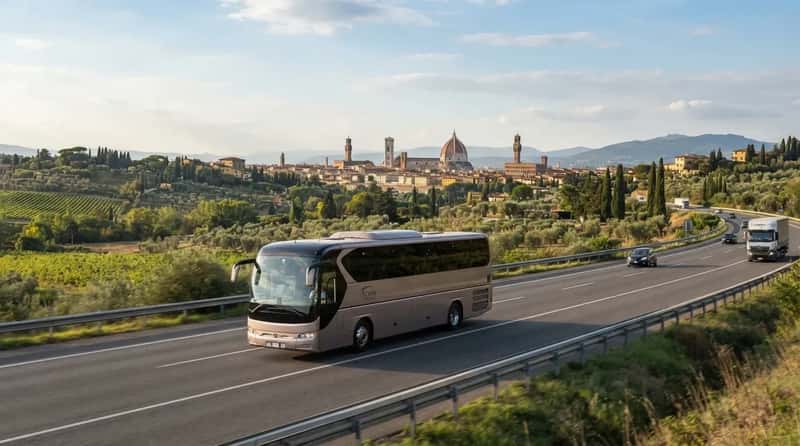
A trustworthy itinerary tells you the truth about drive times instead of burying them. If a company lists “Rome to Florence” without mentioning it’s a three-hour ride, that’s a red flag disguised as simplicity. The best operators print approximate hours on the road for each leg, because they know travelers who understand the pace ahead of time complain less and enjoy more.
This kind of transparency also signals a company that isn’t trying to cram too many stops into too few days. Itineraries that hide travel time are often the same ones that overpack the schedule. When a tour is honest about the miles, it’s usually honest about everything else too.
2. The Group Size Cap Is Printed, Not Just Promised

Anyone can say “small, intimate groups” in a sales pitch. What actually matters is whether a maximum headcount is written into the trip details, not just implied in glossy marketing copy. Interest in smaller, more customized group trips has been growing steadily across the travel industry, with sustainability and genuinely meaningful experiences becoming bigger priorities than sheer volume.
Operators leaning into this shift tend to get specific instead of vague. Some coach companies now advertise a hard cap – say, eighteen travelers per bus – and design the pace of the trip around that smaller number. That’s the kind of detail you want spelled out in writing, not just hinted at in a sales call.
Quick Compare
- Small group (under 20): faster boarding, easier restaurant seating, more one-on-one time with the guide
- Mid-size group (20-35): still manageable at museums and border stops, moderate pricing
- Large motorcoach group (40+): lowest price per seat, but longer waits at nearly every stop
3. The Guide Gets Paid Whether You Tip or Not

This one almost never gets asked, and it should. A tour guide’s paycheck structure quietly shapes your entire trip, because guides who rely heavily on commissions have a financial incentive to steer you toward certain shops, restaurants, and “optional” add-ons. That pressure doesn’t always look obvious in the moment, but it shapes the itinerary long before you ever board the bus.
A salaried guide operates differently. Without a commission riding on every gift-shop stop, that guide can focus on giving you a genuinely good day instead of a profitable one for the company. Ask this one question before booking, and you’ll learn more about your trip than any brochure will ever tell you.
4. The Price You Signed Up For Is the Price You Pay

Some coach companies quietly reserve the right to raise your fare after your deposit clears, tying the final cost to how many other people book or to currency swings. It’s rarely advertised up front, but it’s real, and it can turn a carefully budgeted trip into a surprise bill weeks before departure.
A company confident enough to lock your price in from the moment you book is usually confident in its own math. Choosing an operator that guarantees the price won’t move is one of the simplest ways to protect yourself, and that confidence tends to show up everywhere else on the trip too – from the buses to the hotels.
5. The Hotel Is a Walk From Something, Not Just the Highway
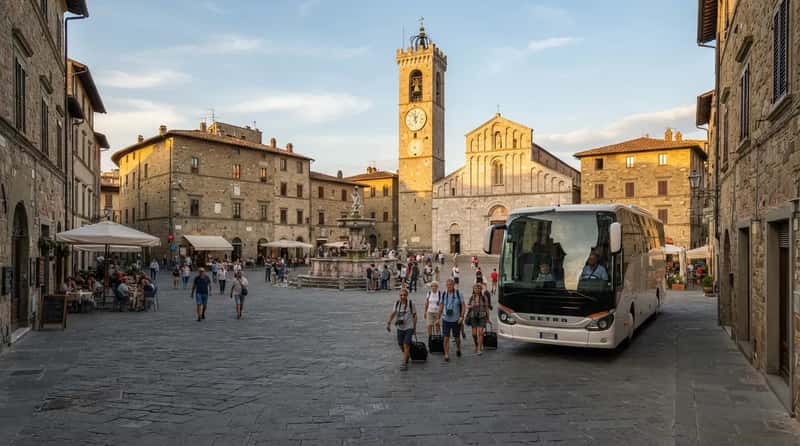
Big tour operators often own or block-book massive hotel chains, and the trade-off is location. Rooms may be spacious and reliable, but they’re frequently stranded on the edge of town where land was cheap and parking was easy for a fifty-foot bus. That convenience is built for the coach, not for you.
These hotels often meet American-style expectations – big rooms, dependable plumbing, familiar chains – but sit miles from the historic center everyone actually came to see. A tour that puts you within walking distance of an actual town square, even a smaller one, is quietly prioritizing your experience over its own logistics.
6. The Reviews Span Every Season, Not Just One Golden Trip

One glowing five-star write-up doesn’t tell you much on its own. What actually matters is consistency across dozens of departures, guides, and seasons. A company that performs well in July heat and November rain is proving something a single perfect review never can.
Seasoned travelers use a simple benchmark here: look for an overall approval rating well above 85 percent, or roughly 4 out of 5 stars, across a large volume of recent reviews. A pile of varied, current reviews matters far more than a handful of glowing ones from three years ago.
Fast Facts
- Favor companies with a large volume of recent reviews, not just a handful from years back
- Check whether the company actually responds to negative reviews or simply ignores them
- A rating holding steady near 4 out of 5 stars across seasons is a strong signal
- Reviews clustered in one narrow date range can hint at incentivized posting
7. Skipping the Extra Excursion Doesn’t Get You the Side-Eye

Plenty of coach tours pad their income with “optional” add-ons – a folklore dinner here, a factory shopping stop there. The base tour price often stays low specifically because these extras are expected to sell. That’s not automatically shady, but it becomes a problem the moment guides pressure the group or make skippers feel like outsiders.
A worthwhile tour treats optional as genuinely optional. Nobody gets a lecture, a cold shoulder, or a rushed itinerary for declining an upsell. If every “optional” activity feels mandatory in practice, that’s the company quietly telling you where its real profit margin lives.
8. The “Included Dinner” Has an Actual Name and Address

Vague menu language is one of the easiest ways to spot a corner-cutting itinerary. “Traditional local dinner” could mean a beloved family-run trattoria, or it could mean a cafeteria-style buffet built to feed two hundred tourists an hour. The gap between those two experiences is enormous, and good operators aren’t shy about naming names.
Look for itineraries that mention specific restaurants, regional specialties, or the exact style of cuisine tied to that particular town. Vague meal descriptions are often a polite way of describing food nobody would order twice. Specificity, on the other hand, usually means the company actually scouted the place in person.
9. The Coach Itself Looks Newer Than the Brochure Photos
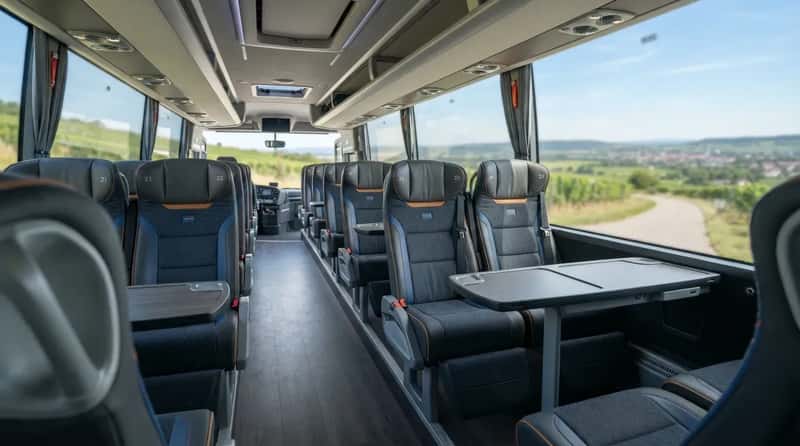
Coach tourism is going through a genuine equipment upgrade right now, and it’s worth asking which side of that shift your operator falls on. Fleet age affects everything from legroom to WiFi reliability to how smooth the ride feels on an eight-hour travel day between cities.
More operators are investing in newer buses with real-time passenger information, better climate control, and smarter route scheduling to cut down on dead time. A company willing to spend money upgrading equipment nobody sees in the brochure is usually investing in the rest of the trip too, from the hotels to the guides.
10. One Guide Rides With You From Day One to the Last Mile

Some multi-day tours swap guides at every city border, handing you off to a new local expert who knows the destination but knows nothing about your group’s quirks, pace, or inside jokes. Others keep one tour director with you for the entire journey. The second model tends to produce a noticeably warmer, more personal trip.
A single consistent guide learns who needs a slower pace, who’s celebrating an anniversary, and who missed breakfast and needs a snack stashed for later. That kind of continuity rarely gets advertised as a selling point, but travelers who’ve experienced both formats almost always prefer sticking with one familiar face for the whole route.
Why It Stands Out
- Learns dietary needs, mobility limits, and pace preferences within the first day or two
- Remembers who’s celebrating a birthday or anniversary along the route
- Builds a rapport that makes long travel days feel noticeably shorter
- Cuts down on repeated safety briefings and paperwork at every border
11. There’s Empty Time Built Into the Schedule

The itineraries that look most impressive on paper – five cities in four days – are frequently the ones that leave you exhausted and resentful by day three. A tour confident in its own value doesn’t need to cram every waking hour with programming just to feel worth the price.
Look for deliberate blank space on the schedule: an afternoon marked “free time” or “at leisure.” More trips are shifting toward flexible itineraries because travelers increasingly want immersive moments instead of rushed, jam-packed days. A little unstructured time is often the clearest sign the company respects your energy, not just your itinerary photos.
12. A Real Human Answers Before You’ve Paid a Dime

Test this before you book anything: call the company with a specific, slightly odd question – a dietary restriction, a mobility concern, a request to join a few days late. Companies worth your money answer quickly and specifically, even to a stranger who hasn’t paid them a cent yet.
Chatbots, three-day email delays, or a generic “someone will follow up” response are quiet warnings about what customer service looks like once something actually goes wrong mid-trip. The pre-sale experience is almost always a preview of the post-sale one, and good operators know it, because every inquiry is a future customer.
13. The Cancellation Policy Fits on One Page

Complicated, tiered cancellation language scattered across multiple documents is rarely an accident. Trustworthy operators write refund and transfer policies in plain terms, because they’re not counting on confusion to keep your deposit if plans change.
Reading the fine print on cancellations, transfers, and refunds before you book reveals more about a company’s character than its homepage ever will. If a company needs a lawyer to explain its own refund terms, that’s the tell worth paying attention to – not the destination photos surrounding it.
14. The Stops Were Chosen for Meaning, Not Parking
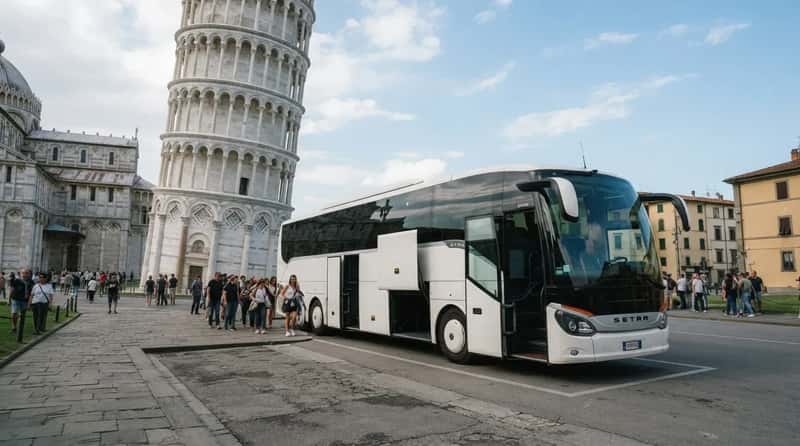
Not every “must-see” stop on a coach itinerary earned its spot through genuine significance. Some exist purely because a parking lot happens to fit a fifty-foot bus. One well-known example: certain famous monuments in small European towns get built into every itinerary less for their beauty and more because they sit right off a road wide enough for a coach to pull up and idle.
Meanwhile, more demanding, more meaningful sights sometimes get skipped entirely because they require timed tickets, mandatory reservations, or a longer walk from the parking area. A company willing to fight through that extra logistical hassle for a genuinely important sight is signaling it cares about substance over convenience – and that’s worth noticing when two similar-sounding itineraries are competing for your money.
Worth Knowing
- Bus-friendly stops often sit near wide roads, large lots, or highway exits
- Genuinely meaningful sights may require timed-entry tickets or a longer walk from parking
- Ask directly whether a stop was chosen for the view or for vehicle access
- Itineraries naming specific reservation times for a sight are usually the real deal
15. The Company Has Run This Exact Route for Years
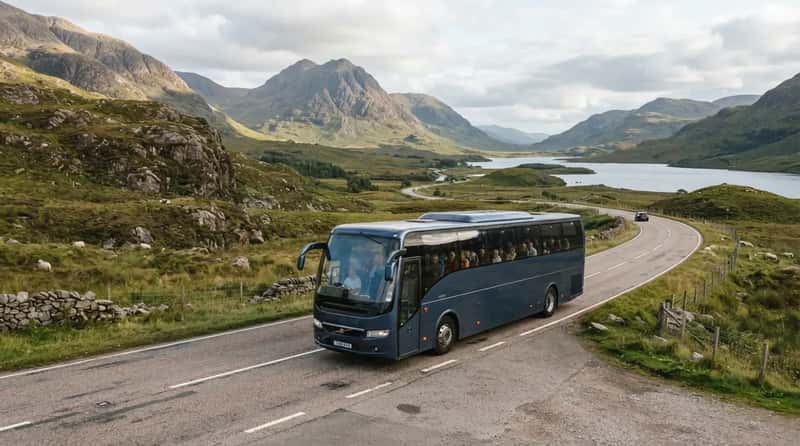
Brand-new itineraries can be exciting, but they’re also unproven. A route a company has run for a decade has had time to fix its weak links – the restaurant that once disappointed guests, the hotel that overbooked, the border crossing that always ran long on a Friday.
Group travel spending has been climbing steadily in recent years, and the operators thriving in that growth tend to be the ones with track records, not just fresh marketing campaigns. Longevity on a specific route is a quiet form of proof that the kinks have already been worked out, often at some other traveler’s expense years before yours.
16. Half the Bus Has Traveled With Them Before

The single strongest sign of all rarely shows up in any brochure: repeat travelers. Ask a tour director casually how many people on this trip have booked with the company before, and pay close attention to the answer. A high repeat-customer rate is nearly impossible to fake and almost always means the experience delivers well past what the marketing promises.
Long-running operators with tens of thousands of reviews and consistently strong ratings tend to earn exactly this kind of loyalty over time. A strong average rating across many thousands of reviews doesn’t happen by accident – it happens because a meaningful share of those travelers came back for a second, third, or tenth trip.
A satisfied traveler tells three friends. A disappointed one tells everyone on the bus home.
Travel industry saying
When strangers on the coach start comparing notes about their fourth or fifth tour with the same company, that’s the loudest quiet sign there is.
None of these sixteen signs show up in a glossy ad. They’re buried in fine print, phone calls, and the fourth paragraph of an itinerary PDF most people skim past on their way to the price. But together, they explain why two coach tours priced almost identically can produce completely different memories – one forgettable, one worth telling people about for years.
The next time you’re comparing options, skip the highlight reel and go looking for these quieter details instead. The best trip won’t always be the one with the flashiest photos – it’ll be the one that got the small, boring things right first.