Picture the stereotype: a slow check-in, a pile of questions, a guest who wants everything explained twice. Now ask the people actually standing behind the front desk. Many front desk agents, housekeepers and bellhops describe their guests over 70 very differently, and their reasons are surprisingly specific.
None of it comes down to being low-maintenance. It’s a handful of small habits that most younger travelers never think about, and a few of them quietly change how an entire stay goes. Some are about money, some are about manners, and one is about being remembered years later. Start at #16 and keep scrolling, because the best ones are saved for last.
#16 – They Call Ahead About What They Need

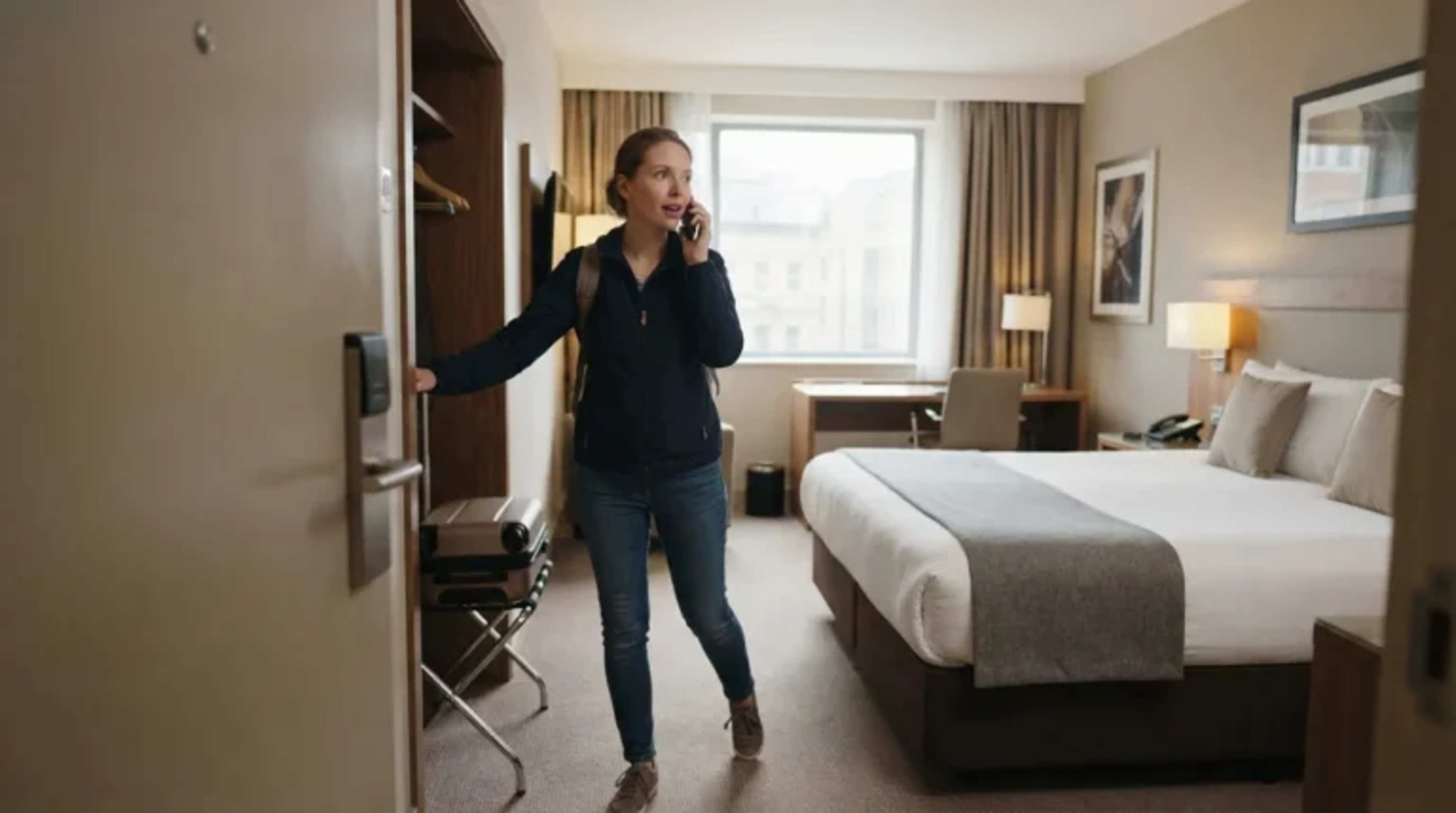
A short phone call before arrival can change the whole stay. Guests who mention their needs in advance give the hotel time to act on them. That might be a ground-floor room, a spot near the elevator, or a walk-in shower instead of a tub.
Most people don’t realize how hard a room can be to swap once the hotel fills up. Staff say a heads-up beats a surprise at the desk at 9 p.m., when every option is already taken. Advance notice lets them match the guest with the right room instead of scrambling.
- Ask about accessible features by name.
- Confirm the request again at check-in.
That’s a good start, but the next habit comes from an unexpected place: the phone itself.
#15 – They Pick Up the Phone Instead of Fighting an App

Some of the best customer service still happens on a landline. Many older travelers simply call the hotel to book, change dates, or ask a question. Staff say a real conversation clears up confusion faster than a chain of emails.
There’s a trade-off, of course. Apps and third-party sites can turn up lower prices, and plenty of travelers swear by them. But when something goes sideways, a reservation agent on the phone can often see details that never show up on a booking site, and the call usually wins on clarity.
And that’s before the line at the front desk even gets involved.
#14 – They Arrive With ID and Card Already in Hand

It sounds tiny, but it saves everyone minutes. Check-in usually requires a photo ID and a payment card. Guests who have both ready, along with their confirmation, keep the line moving.
A busy desk can face a whole tour bus arriving at once, and every fumbled purse or buried wallet adds up. Staff say the guests who stand out are the organized ones. They aren’t rushing, they’re just prepared, and the agent can spend the saved minutes on the good stuff, like local recommendations.
Fast Facts
- Hotels typically ask for a photo ID and a payment card at check-in.
- Many hotels place a temporary hold on the card to cover incidentals.
- Keep ID and card together in one easy-to-reach pocket.
- Write the confirmation number down, not just on a phone.
Next up is a habit that splits opinion, and housekeepers are quietly watching.
#13 – They Tip Housekeepers in Cash, Every Day
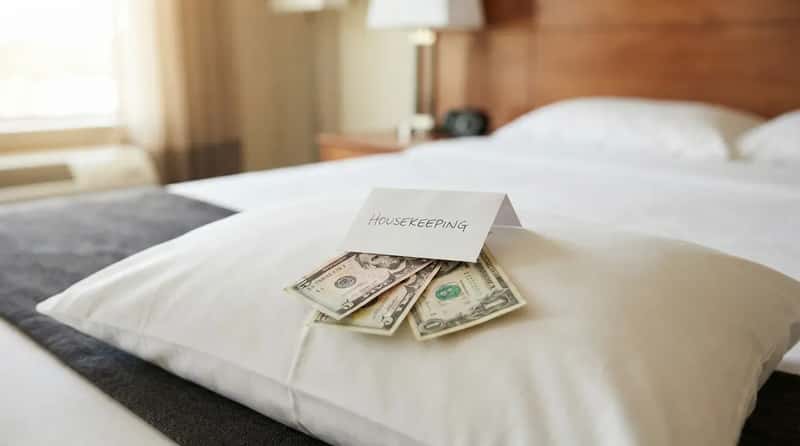
Housekeeping is hard, physical work, and it is often underpaid. The hotel industry group AHLA has backed campaigns encouraging guests to tip housekeepers. Yet many guests still never think about it.
Here’s the catch. Different housekeepers can clean your room on different days, so a lump sum at checkout may not reach the person who did the work. That’s why many veteran travelers leave a few dollars each morning instead. Until tipping is built into room rates, a daily tip is the most direct thank-you there is.
But the cash is only half of the story. The other half fits on a scrap of paper.
#12 – They Leave a Note That Says “Thank You”
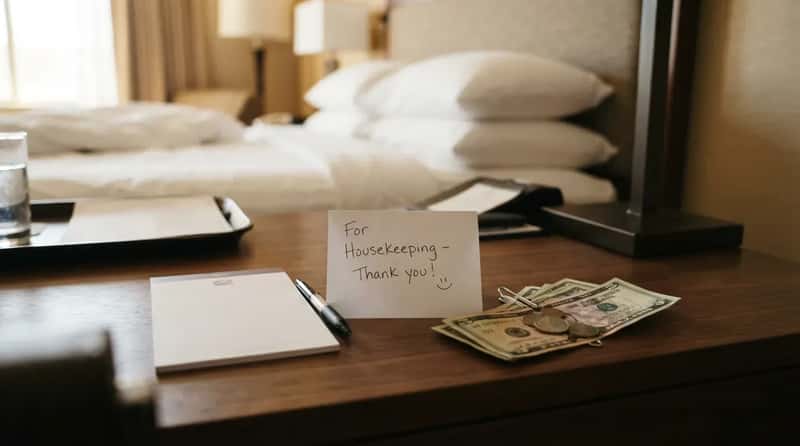
A scrap of hotel notepad can make a housekeeper’s whole shift. Guests who write “for housekeeping, thank you” next to the tip remove all doubt. Without a note, workers are often told not to touch anything left behind, so cash on a nightstand is ambiguous.
A note is not. It also does something money can’t, which is to say that someone noticed the work. Housekeepers say it costs the guest nothing and gets remembered long after the room is turned over.
Speaking of being seen, the next habit starts with a name tag.
#11 – They Learn Staff Names and Actually Use Them

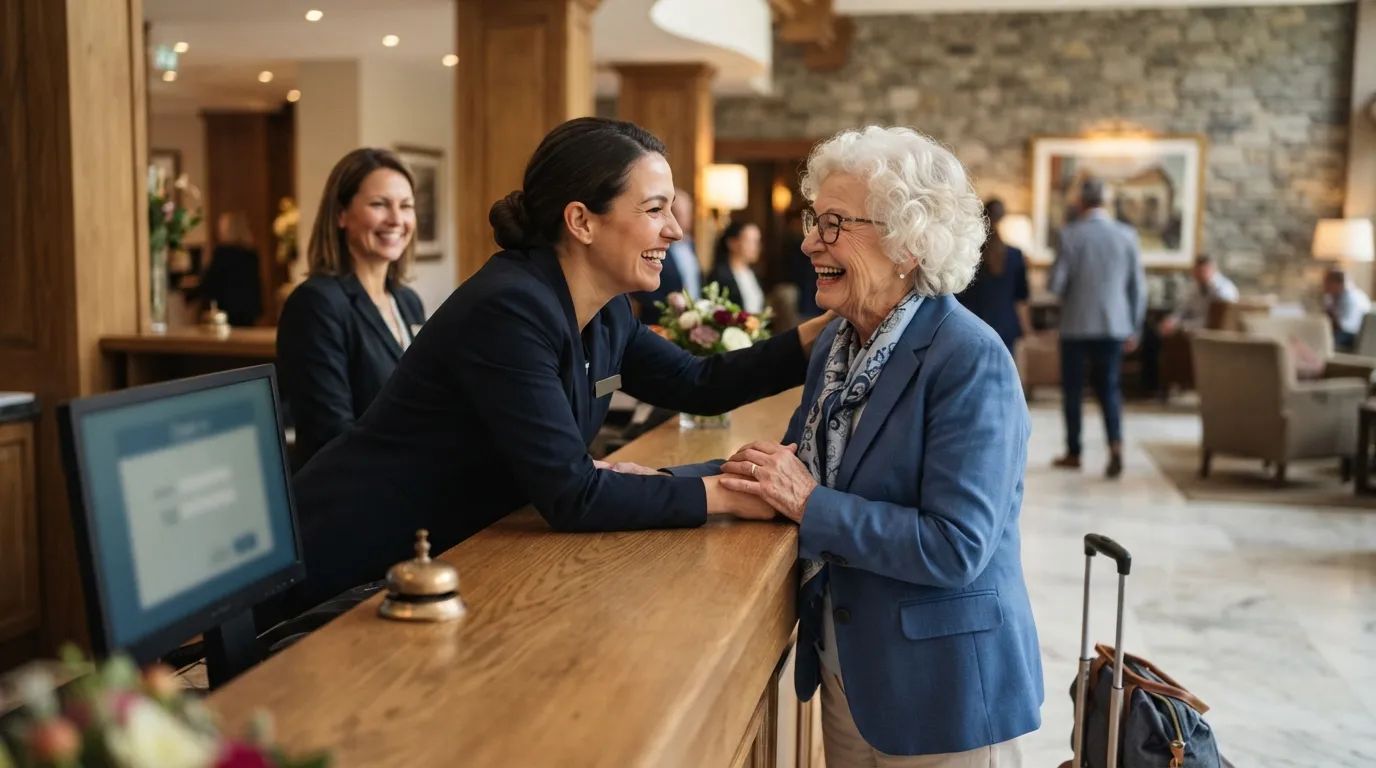
Names change the temperature of a whole lobby. Front desk agents and doormen wear name tags for a reason. Guests who read them and say “Thanks, Marcus” turn a transaction into a conversation.
Workers say that small moment is often what they remember at the end of a long shift. Many older guests grew up when this was standard politeness, and it still works. Staff say friendly guests like these are often the ones they go the extra mile for, whether that’s a better room if one opens up or an extra towel without being asked twice.
- Use the name once, naturally.
- Say it again when you leave.
Of course, not every moment at a hotel is warm and fuzzy. Sometimes the heater is broken.
#10 – They Report Problems Early and Calmly
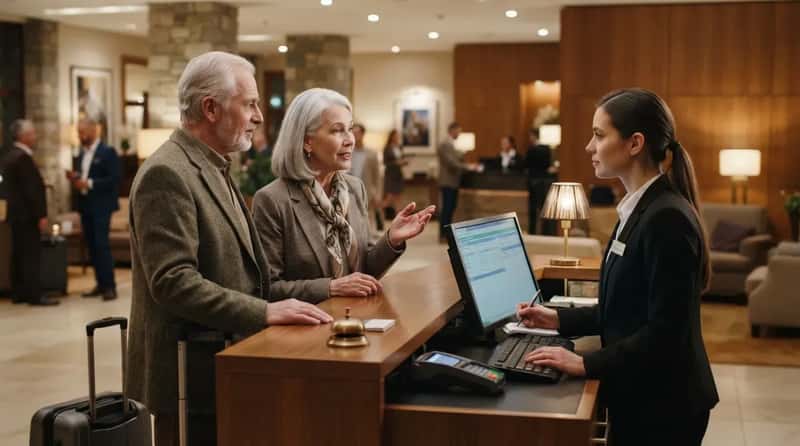
The best complaint is the one made at 8 p.m., not at checkout. A broken heater or a noisy neighbor is easiest to fix right away. Staff say the hardest complaints are the ones that surface on the final morning, when nothing can be done.
Tone matters just as much. Workers say a calm “here’s what I’m seeing” gets faster results than anger. They also remember who stayed polite, and that often shows in what they offer next.
Even a request for peace and quiet has a right way and a wrong way to be asked.
#9 – They Ask for a Quieter Room Instead of Demanding One

Phrasing is secretly everything at a front desk. Many older travelers sleep lighter or need real rest after a long day of travel. Asking “Is there a quieter room, away from the elevator or ice machine?” gives staff something specific to check.
Rooms near ice machines and elevators are a known source of noise complaints, so agents know exactly which ones to avoid. They say a polite question gets their best effort, while a demand tends to get the bare minimum. It’s the same request, but one wording makes the agent want to help.
Quick Compare
- The demand: “I need a different room now.” Gives the agent a problem but no direction.
- The ask: “Is there anything on a high floor, away from the elevator?” Gives the agent a specific search to run.
- The timing: Ask at booking and again at check-in, so the request is on file before the hotel fills up.
Now for a habit that most guests skip entirely, and workers never forget.
#8 – They Write to the Manager When Someone Does Great Work

A compliment sent upward can outlast any tip. Many hotels track guest feedback, and at many properties written praise can end up in an employee’s record. Staff say a named compliment to a manager can mean more than cash when it comes to recognition.
Most guests only write when something goes wrong. Older guests are often the ones who put praise on paper or send a real letter. Workers say they keep those notes, and some pin them up in break rooms for the hard days.
The next one is about what happens behind the door, and a sign hanging on its handle.
#7 – They Tell Housekeeping When They Don’t Need Service
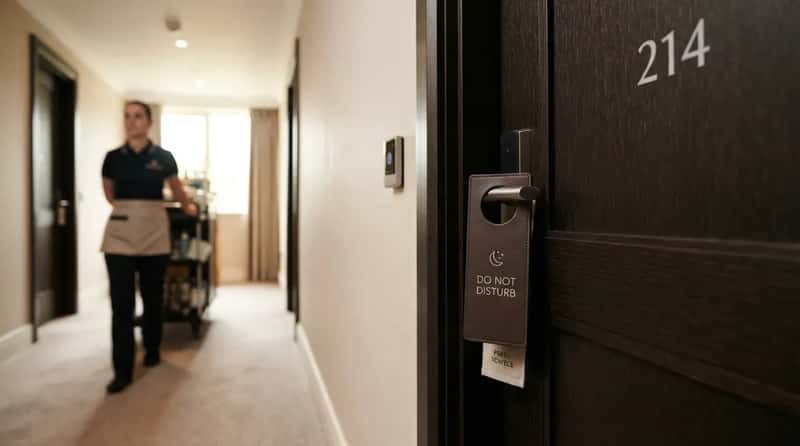
Skipping a clean is actually a gift when it’s communicated. Many hotels now offer reduced daily cleaning, and a clear sign on the door makes the day easier to plan. Housekeepers work through long room lists, and every clear signal saves minutes.
A vague sign leads to guesswork or an awkward knock. Guests who say “no service today, but fresh towels please” make the job simple. Staff also appreciate guests who are out of the room when the cart arrives, or who answer the door politely if they’re not.
Schedules matter at the other end of the stay too, because checkout time is the tightest deadline in the building.
#6 – They Respect Checkout Time, or Ask Kindly for More

Rooms often need to be turned over before afternoon arrivals. A late checkout can leave the next guest waiting in the lobby with their bags and a long face. Staff say guests who leave on time are remembered for it.
When more time is truly needed, the smart move is a polite request the evening before. Agents say they’ll often say yes when the hotel isn’t full. A courteous ask beats showing up at noon and expecting it.
- Ask the night before, not the morning of.
- Offer to store luggage if the room can’t be held.
After checkout, one last thing can still change a worker’s week: what you write online.
#5 – They Leave Reviews That Name Actual People

Vague reviews help nobody, but specific ones can change careers. Online reviews influence how hotels are judged and how managers see their teams. A review that names the bellhop who carried your bags is something his manager can actually see and act on.
“Great stay” disappears into the pile, but “Dana at the desk solved our problem” does not. Staff say they also appreciate fair, detailed critical reviews that describe what happened rather than just venting. Workers can learn from facts, but they can’t learn from rage.
Now we’re getting into the habits that hotel workers bring up the most, starting with the state of the room itself.
#4 – They Leave the Room Tidy, Not Trashed
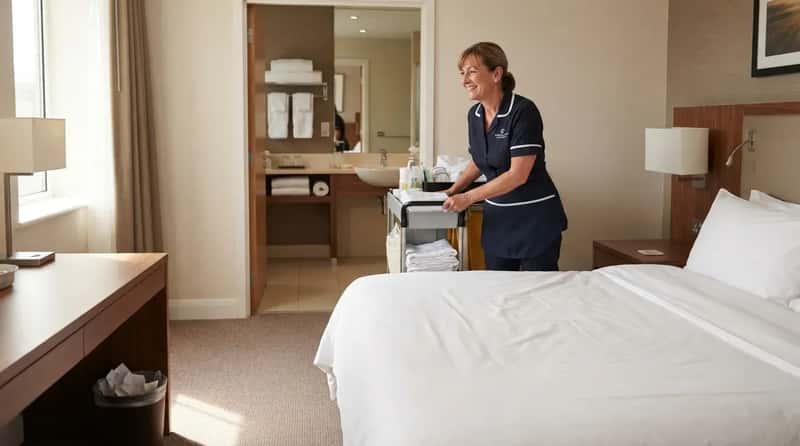
Here’s an unpopular opinion: “That’s what housekeeping is for” is one of the biggest mistakes guests make. Many hotel workers say there’s a world of difference between a lived-in room and a disaster. Housekeepers often have a strict time limit per room, so every extra mess eats into it.
Trash in the bin and wet towels in one spot make a real difference. Older guests tend to leave things the way they found them, and staff notice. It isn’t about being perfect. It’s about treating someone else’s workplace with basic respect.
- Gather used towels in the bathroom.
- Put trash in the can, not on the floor.
And then there’s the gadget problem, which has humbled just about everyone.
#3 – They Ask for Tech Help Without Apology or Anger

Digital keys, QR menus and TV remotes have confused everyone at some point. Staff say guests who simply ask “Can you show me how this works?” are a pleasure to help. Many front desk workers would rather explain something once than watch a guest struggle in silence.
The key is the tone. Frustration at the technology is fine, but frustration aimed at the person is not. Workers say a patient guest who says thank you after a Wi-Fi fix is the kind they remember.
Two habits left, and they’re the ones staff get a little emotional about.
#2 – They Actually Chat, and It Means More Than You Think

Hotel work can be lonely, even in a busy lobby. Night auditors, doormen and breakfast attendants spend hours on their feet. A two-minute conversation can be the best part of a quiet shift.
Many older guests take that time naturally, asking about the town or the worker’s day. It isn’t small talk for show. Staff say those chats often turn into real recommendations: the local diner, the shortcut, the sunset spot tourists miss.
But nothing prepares you for what staff say about #1…
#1 – They Come Back, and They Remember Everyone

This is the habit that hotel staff talk about the longest. Loyal guests return to the same property year after year. They ask for the same housekeeper, the same bartender, the same desk agent.
Some staff say returning guests even ask about their kids by name. In an industry with constant turnover, being remembered means something. A returning guest who sends a holiday card or asks “How’s your mother?” turns a job into a relationship.
Why It Stands Out
- It costs the guest nothing but attention.
- It builds on every habit above, from names to notes to patience.
- Staff often remember loyal guests long after the stay ends.
- It turns a stay at a building into a visit with familiar faces.
Hotel workers rarely ask for much. Clear communication, a daily tip with a note, an early and calm complaint, and a little genuine kindness cover most of it. None of it is expensive, and most of it is old-fashioned courtesy, which turns out to be exactly what busy hotels are short on.
The most surprising part is that the biggest reward isn’t cash. It’s being remembered. Somewhere behind a front desk right now, someone is still thinking about the guest who learned their name.