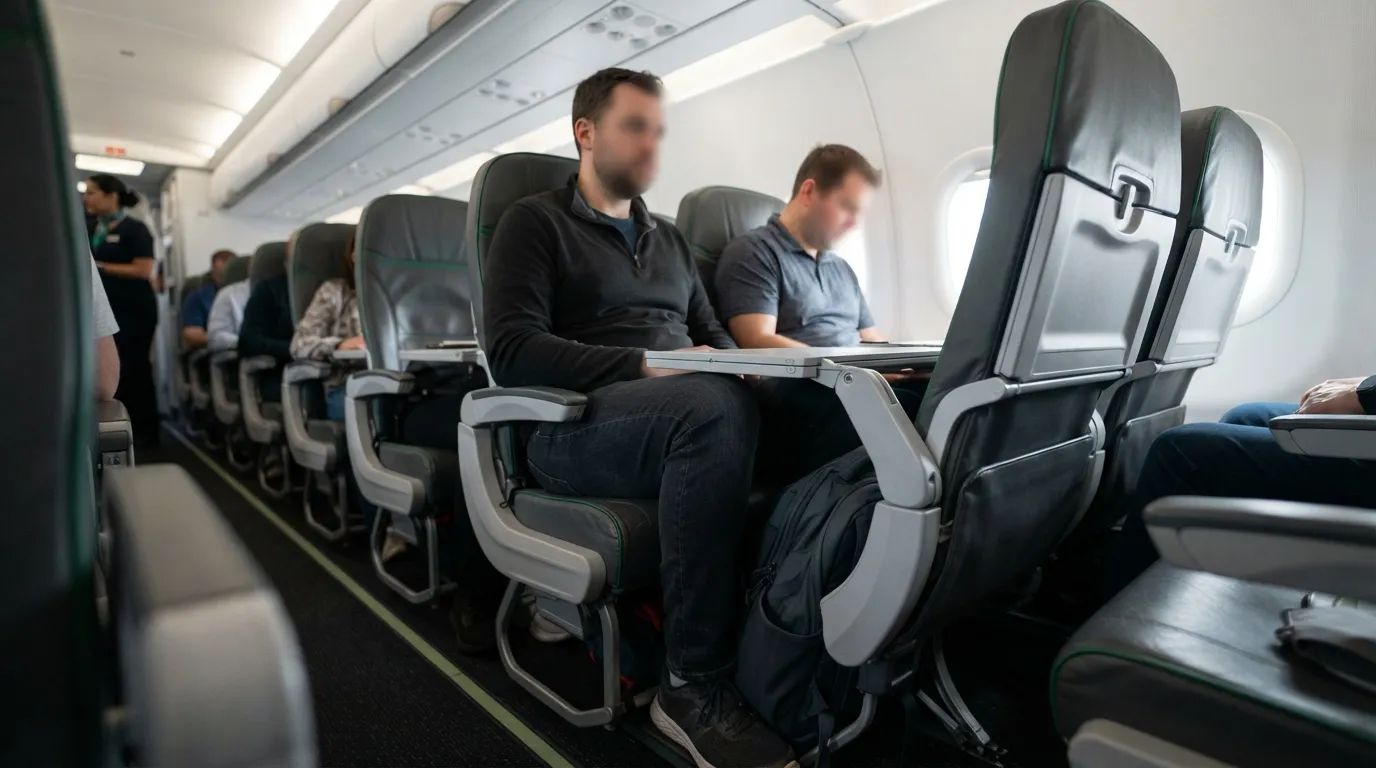
You’re not imagining it. Standard economy seat pitch has shrunk from roughly 35 inches in the 1970s to about 31 inches today, and some budget carriers go as low as 28. That’s the squeeze your knees have been complaining about, and it arrived one inch at a time.
But the biggest losses aren’t always the ones you’d guess. Some were hidden inside thinner seatbacks, some came from one extra row slipped into the cabin, and some were turned into an upgrade you now pay for. Here’s where the space actually went, from the sneaky small cuts to the one that started it all.
#17 – Southwest’s Standard Seat: The “Generous” One That Lost an Inch
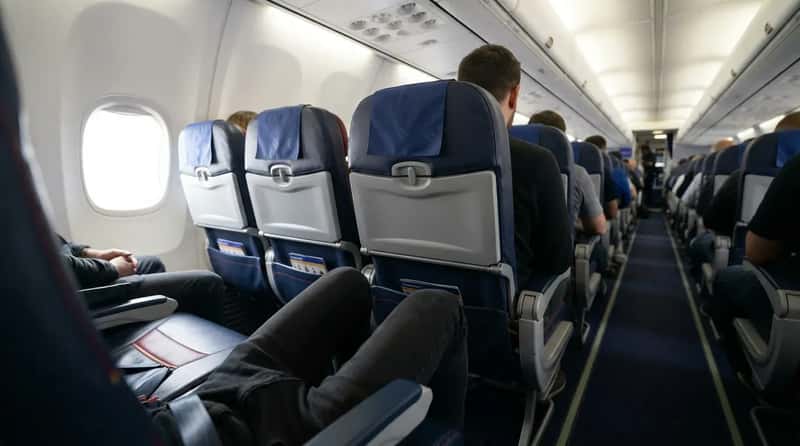
Southwest is still one of the roomier choices in economy, and that’s the catch. Its standard seats now offer about 31 inches of pitch, after the airline trimmed its 737-800 and 737 MAX 8 cabins from 32 inches during retrofits. Most passengers never got a notice about it.
That is still about an inch more than the roughly 30 inches common in American and United main cabins. The space comes with the standard fare, though Southwest now also sells dedicated Extra Legroom seats with several more inches of pitch. Even the “good” seat isn’t the seat it used to be.
#16 – American’s 737 MAX: The Two-Inch Cut That Customers Helped Block
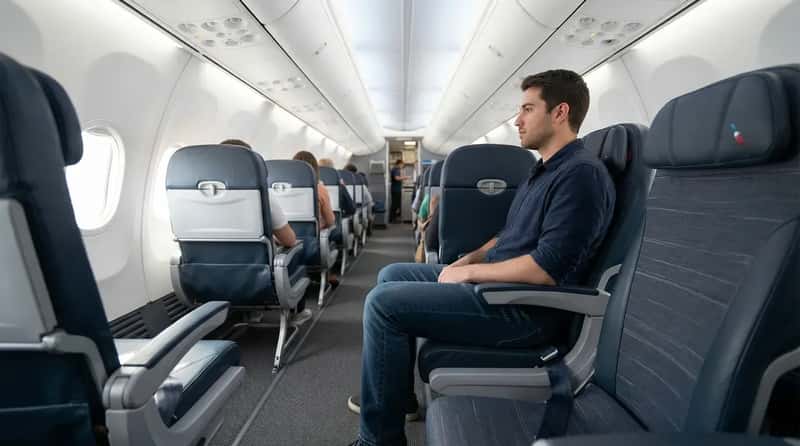
American once planned a legroom cut that drew a wave of backlash. In 2017 it said its new 737 MAX jets would drop pitch from 31 inches to 29 on three rows, and to 30 on the rest. The plan was part of a push to pack in more seats.
American planned more than 170 seats on the MAX, against 160 on its 737-800s. After criticism from employees and customers, the airline dropped the 29-inch rows. The 30-inch standard stayed. Complaints can move an airline, though only so far.
Fast Facts
- Original plan: 31 inches down to 29 on three rows
- Rest of the cabin: 30 inches
- Seat count: more than 170 on the MAX, versus 160 on the 737-800
- Result: the 29-inch rows were dropped after the backlash
#15 – United’s Main Cabin: One to Two Inches Gone Since the 1990s
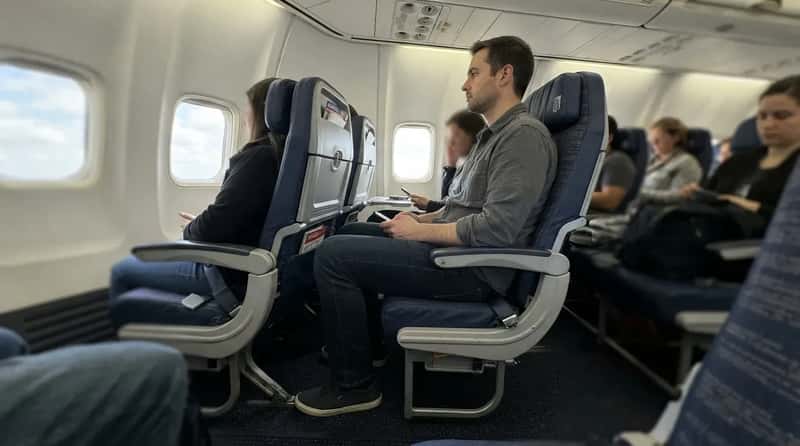
United’s economy seat looks fine on paper, until you compare it with the 1990s. A USA Today analysis found that average economy pitch among major U.S. airlines fell from a minimum of 31 to 32 inches in the 1990s to as little as 30 inches today. United lists its standard economy at 30 to 31 inches.
That sounds tiny. But one or two inches is the difference between your knees touching the seat ahead or not, especially if you’re tall. The gap shows up on the longest flights first.
#14 – Delta’s Main Cabin: Roughly Two Inches Below the 1985 Standard
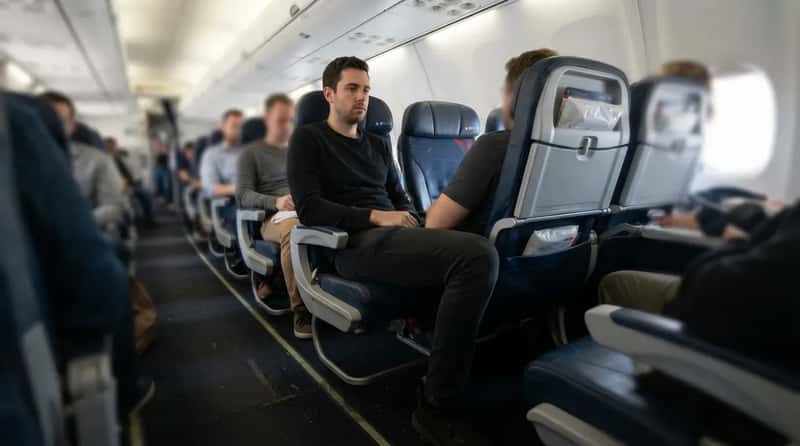
Delta is often called a step above its rivals, but the baseline has moved. By 1985, American, Delta and United had already shrunk standard pitch to around 33 inches. Delta’s main cabin today is close to 31.
Put those two numbers side by side and about two inches are gone in four decades. That’s with the so-called premium legacy carrier. Delta now sells extra room under the name Comfort+, so the squeeze comes with a built-in sales pitch.
#13 – Hawaiian Airlines: 29 Inches and a Reputation That Hides It
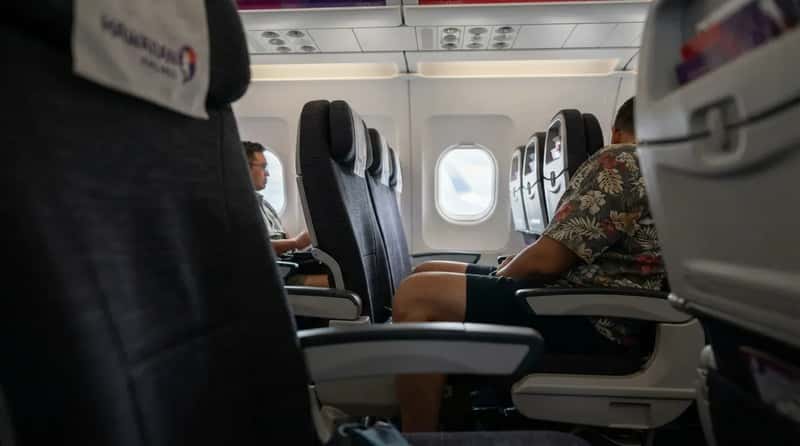
Hawaiian wins fans for its service, not its seat map. Its economy pitch is often cited at around 29 inches, which leaves a noticeable gap next to carriers like JetBlue. Over a five- or six-hour flight, even a few inches matter, yet most island-bound travelers never check the number before booking.
Hospitality, entertainment and destination excitement can offset a tight row. That may be the whole trick: a warm welcome distracts you from the squeeze. Some travelers say a good flight attendant is worth it. Others disagree, loudly, once the fifth hour hits.
#12 – JetBlue’s Core Seat: The Legroom Leader That’s Reportedly Slipping
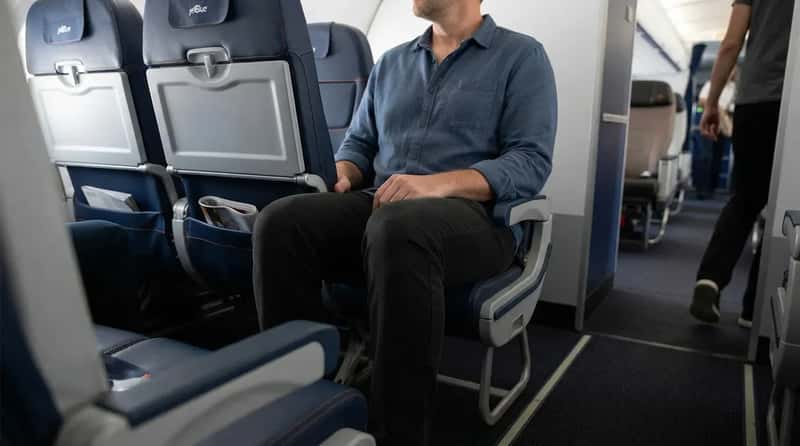
JetBlue made its name on space. Core seats historically offered about 32 to 34 inches of pitch, depending on the aircraft. That edge is now reported to be shrinking.
The airline is adding First Class seats to its Airbus A320s and is reported to be cutting Core pitch on those jets to around 30 inches. That could mean a loss of two to four inches on those planes. Fans of the old JetBlue call it the end of an era, while some analysts call it simple economics.
#11 – The Slimline Seat: Legroom Hidden in Thinner Seatbacks
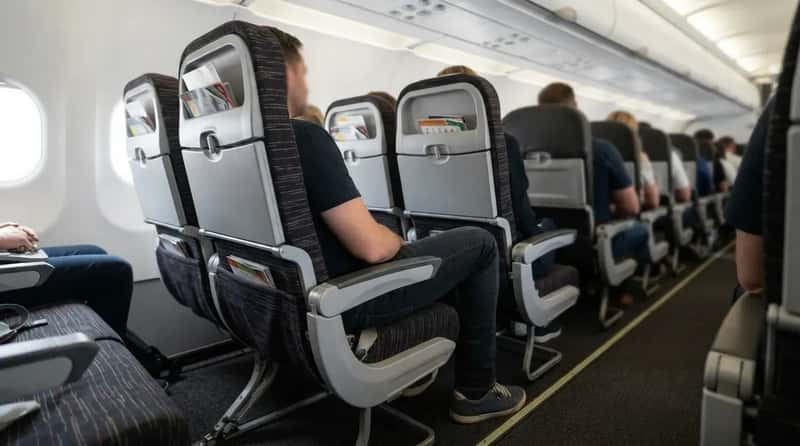
Some of the space airlines promise is a trick of geometry. Seatbacks are often thinner now, and these slimline seats help airlines fit more revenue-generating seats per aircraft. The seat is slimmer, so the row can be tighter.
Airlines have also placed magazine pockets higher and shrunk tray tables to create more personal space. Critics say this lets airlines claim the same above-the-knee room, even if the seats sit closer together below the knee. It’s a clever fix, and your knees never got a vote.
#10 – Economy Plus: The Legroom You Now Rent
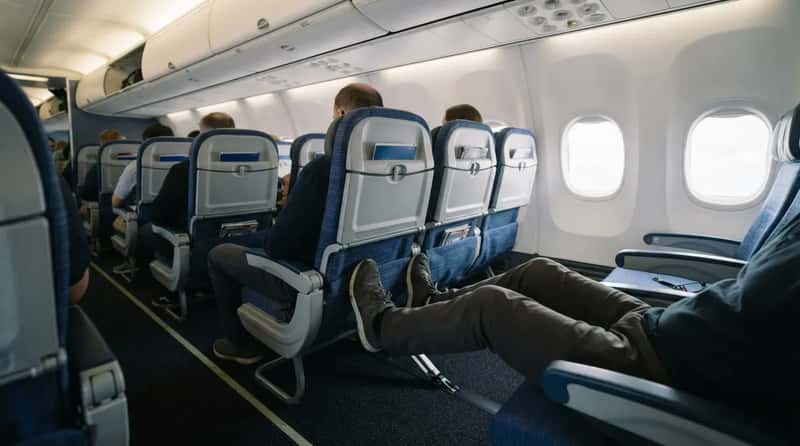
The space didn’t vanish from the plane. It moved to the upsell. United’s standard economy runs 30 to 31 inches, while its Economy Plus seats offer 33 to 38 inches, depending on the aircraft.
One review put the upgrade at anywhere from $30 to $250 or more per seat, depending on supply and demand. United’s Relax Row, which turns three economy seats into a lie-flat space, is set to debut on 787 and 777 widebodies in 2027. Many frequent flyers argue the upgrade is really the old standard seat with a new price tag.
#9 – The Seat That Won’t Recline: A Quiet Loss Under 30 Inches
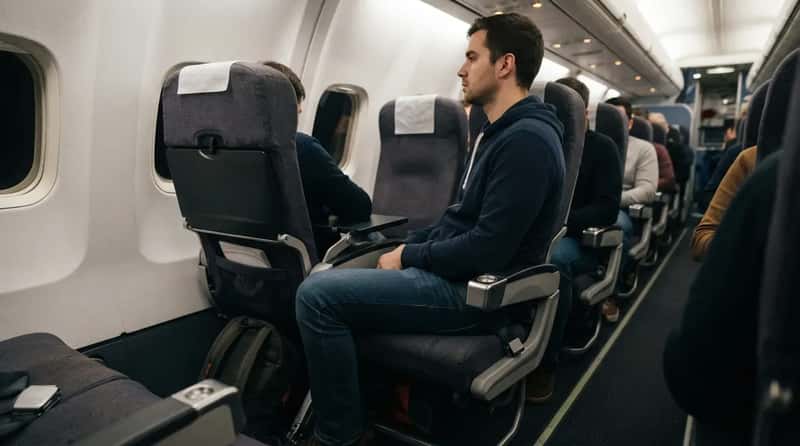
Legroom isn’t only about distance. It’s also about how much you can lean back. United’s standard economy seats recline 2 to 3 inches, and Economy Plus seats recline 3 to 5.
Neither Frontier nor Spirit offers reclining seats. Some travelers call that a relief, since nobody’s seat comes into their lap. Others call it the final insult on top of a 28-inch row. Either way, the trade-off is built in: no recline for the person ahead also means none for you.
Quick Compare
- United standard economy: 2 to 3 inches of recline
- United Economy Plus: 3 to 5 inches of recline
- Frontier and Spirit: no recline at all
#8 – The 16-Inch-Wide Seat: Width Shrank Alongside Legroom
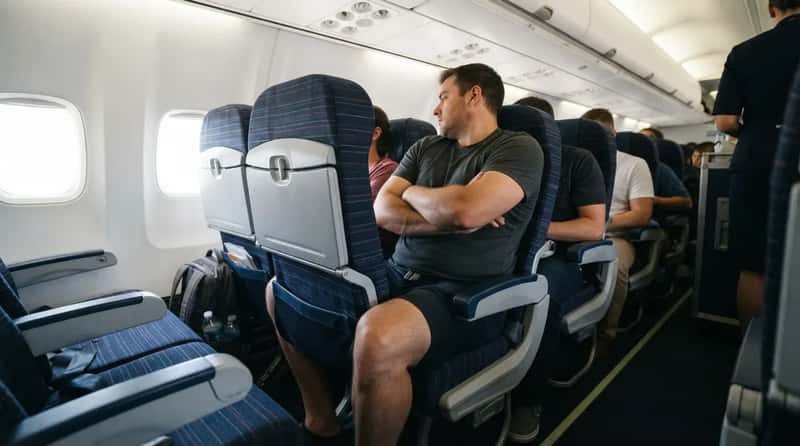
Pitch isn’t the only dimension that got squeezed. Fortune reported that the average airline seat width shriveled from 18 inches to about 16½. A 2022 Senate letter put it at 19 inches down to as little as 16.
A 2025 National Academies review of FAA research notes that 16-inch-wide seats are known to be in service. Taken together, you lose space on every side. The airlines say it keeps fares affordable, and passenger advocates say it keeps profits high.
#7 – The Extra Row: Where Your Legroom Actually Went
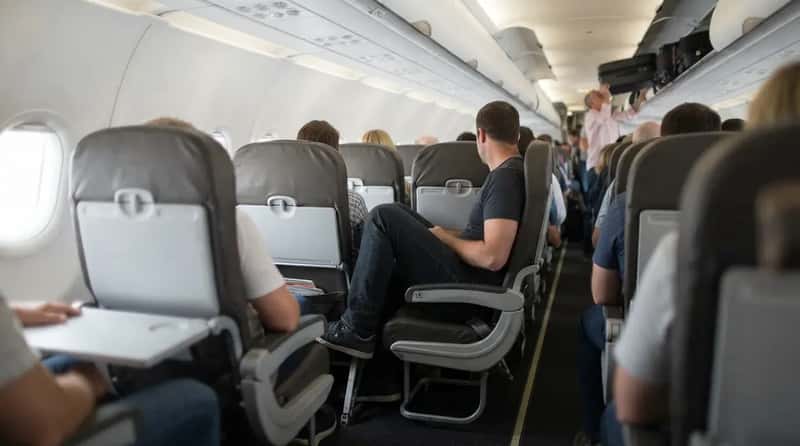
The answer to “where did my legroom go?” is a row of seats. Shrinking pitch has let airlines install additional rows on most aircraft, boosting profitability at the cost of personal space. Your inches were turned into tickets.
Aircraft ownership, fuel, maintenance and labor costs stay largely fixed, so more seats spread those costs across more travelers. The squeeze has also let airlines add fees for preferred seats and for the privilege of picking one at all. The legroom wasn’t lost. It was sold.
#6 – The 27-Inch Seat: What the FAA Reportedly Considers Safe
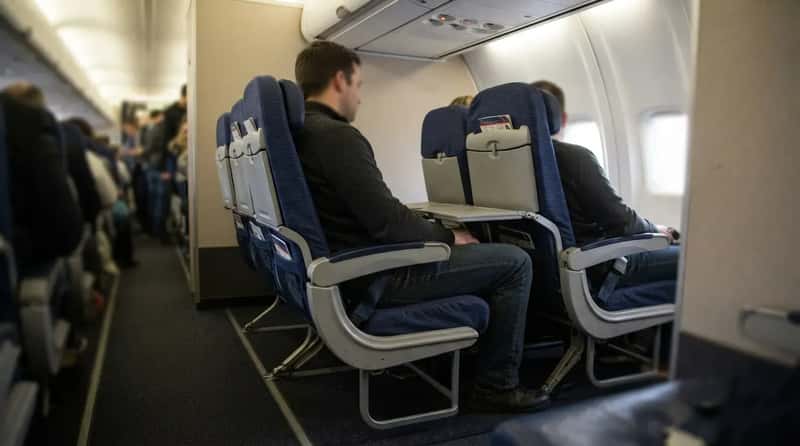
Here’s the part that makes advocates nervous. According to a flight attendants’ union summary, the FAA told one petitioner that seat pitch has no impact on evacuation and that seats are designed to collapse safely at pitch as low as 27 inches.
Advocates worry the FAA could set a requirement as low as 27 or 28 inches. The agency’s job here is safety, not comfort. A legal floor could sit below what any airline sells today.
#5 – The Seat With No Rulebook: Congress Asked, Nothing Happened
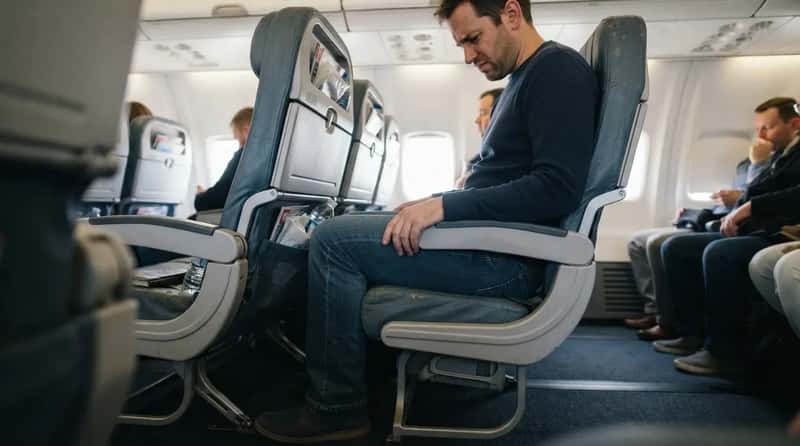
Congress told the FAA to act years ago. In 2018 it gave the agency one year to set minimum seat dimensions necessary for passenger safety. By Oct. 19, 2022, more than 13,000 people had commented, many complaining of narrow rows and little legroom.
A federal appeals court later said FlyersRights couldn’t force the FAA to adopt seating rules, because it wasn’t “clear and indisputable” that tight seating was dangerous. Official sources still don’t show a general federal minimum for width or pitch. So the seat you sit in is governed by airline choice.
#4 – The “Average” Economy Seat: Four Inches Down, and Still Falling
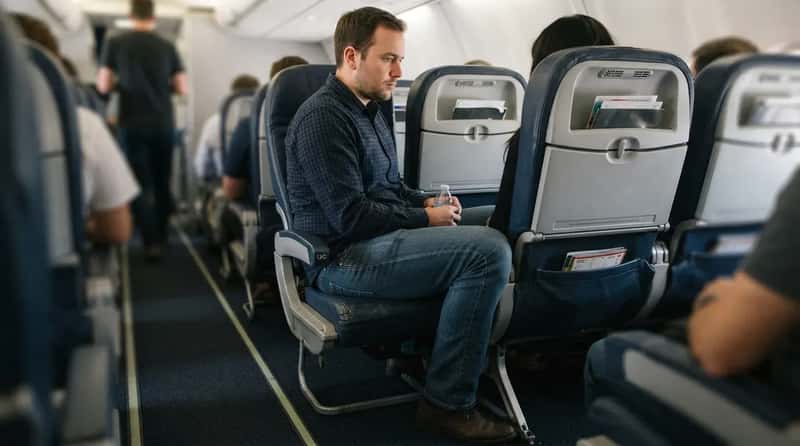
The average economy seat has lost about four inches since airline deregulation. Fortune reported that average pitch dropped from 35 inches before deregulation in the 1970s to about 31 inches. Meanwhile, airplane seats have shrunk as Americans, on average, have gotten larger.
That average hides a wide spread. Major airlines cluster at 30 to 32 inches, while ultra-low-cost options drop to 28. Most people don’t realize they’ve been flying at the lower end of that range for years.
At a Glance
- 1970s average pitch: about 35 inches
- Today’s average: about 31 inches
- Major airlines: roughly 30 to 32 inches
- Ultra-low-cost carriers: as low as 28 inches
#3 – Frontier’s Stretch Seat: Buying Back What Was Once Free
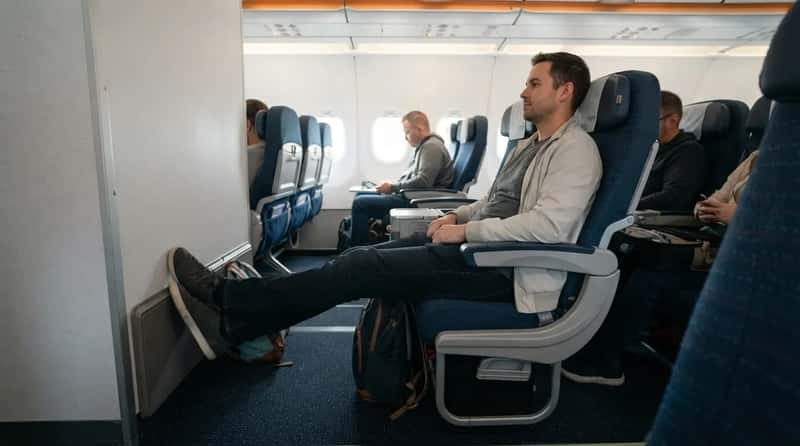
The cheap fare starts at 28 inches, and the fix costs extra. Frontier’s Stretch seats typically provide 5 to 8 additional inches of pitch, for a total of roughly 33 to 38 inches depending on aircraft and location. That’s a spread of up to ten inches inside one airline.
Frontier also offers a blocked middle seat in the first two rows on some routes, but it is expected to be gradually replaced by First Class seating. The space is there if you pay for it. Defenders call that honest pricing, and critics say it makes the basic seat deliberately worse.
#2 – Frontier’s Standard Economy: The Tightest Row in America
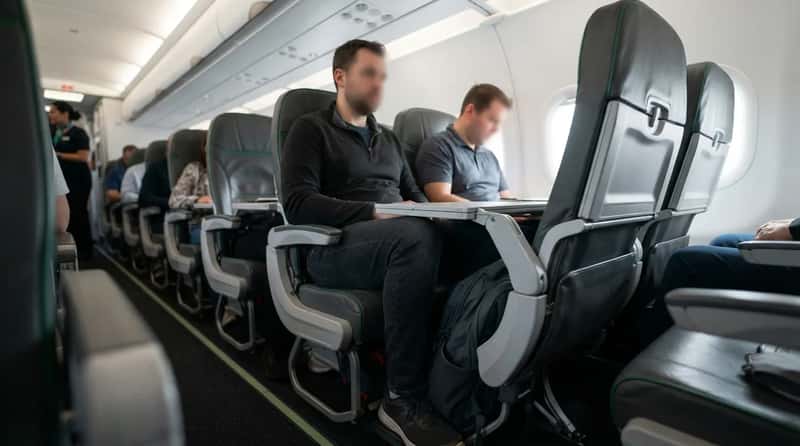
At the bottom of the market sits the seat nobody forgets. Frontier averages just 28 inches of seat pitch, the tightest configuration among major US airlines in 2026. That is roughly four inches less than the leaders in legroom.
The business model rests on the lowest possible base fares, with extra fees for nearly everything, and denser seating spreads costs across more passengers. For flights under two hours, one comparison guide says most passengers find the seats tolerable. Past that, it becomes a different story.
Why It Stands Out
- 28 inches of pitch, the tightest among major U.S. airlines in 2026
- Roughly four inches less than the legroom leaders
- No recline, so there’s no way to adjust the squeeze
- Stretch seats at 33 to 38 inches sit just a few rows away
#1 – The 35-Inch Seat of the 1970s: Seven Inches Gone at the Extreme
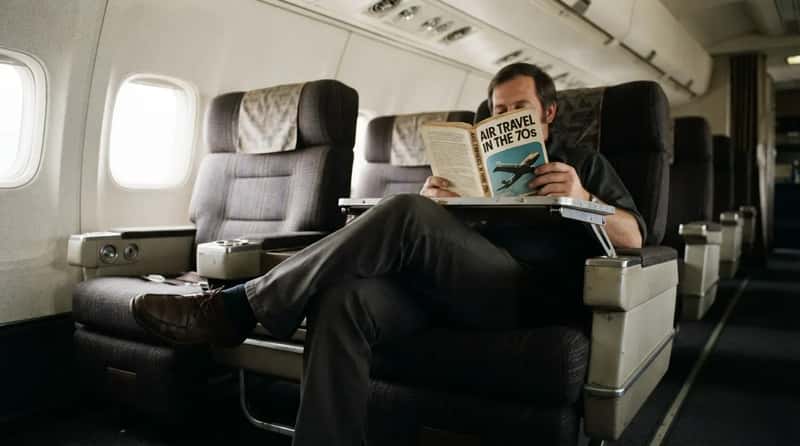
Before deregulation, economy had a different feel. Average pitch was about 35 inches in the 1970s, and Popular Science traces the shift to 1978. Compare 35 inches with the 28 inches at the tightest airlines today, and that’s seven inches gone.
Seven inches is about the width of a paperback. It turned a seat where you could cross your legs into one where you angle your knees to the side. Nobody announced it. It just happened, and that’s exactly why it went unnoticed.
The biggest legroom loss was never one dramatic cut. It was decades of small ones: from about 35 inches to about 31 on average, with 28 at the tightest carrier, plus seats that are thinner, narrower and sometimes fixed in place. Meanwhile, the space has become a product to buy, and there’s still no general federal minimum.
So the next time your knees touch the seat ahead, you’ll know it’s not just in your head. Which seat do you think lost the most, and where did you feel it first?