Everyone sells the same dream: retire, find your beach, and exhale for the rest of your life. The brochures promise sunsets, quiet mornings, and zero deadlines. But talk to retirees who actually took those “dream” beach trips, and a very different story starts to emerge – one involving parking nightmares, relentless heat, aggressive vendors, rip currents, crowds so thick you can’t find a chair, and vacation costs that quietly ransacked a fixed income.
The gap between a beach vacation in your imagination and one in real life can be enormous. Some of these destinations come loaded with specific, underreported problems that hit retirees harder than most – and a few of the entries on this list will genuinely surprise you. Here’s what the people who actually went there say happened.
#17 – Cancún, Mexico: The “Paradise” That Topped the World’s Most Disappointing List
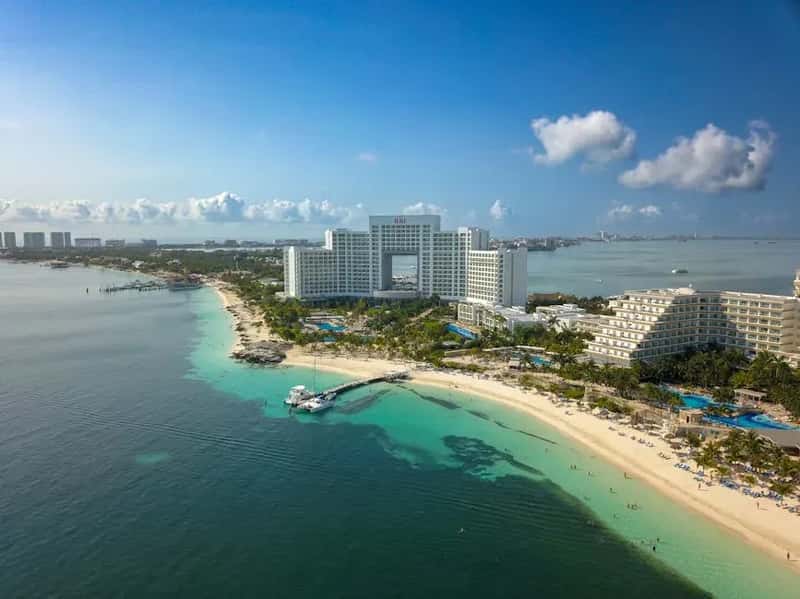
Most retirees heading to Cancún expect turquoise water, fresh seafood, and calm resort life. What many actually encountered was something closer to a commercialized theme park with a beach attached. Cancún topped the 2025 ranking of the world’s most disappointing tourist destinations, compiled by international platform Radical Storage, which analyzed nearly 100,000 Google reviews across 100 of the world’s most visited cities. Radical Storage found that 14.2% of Cancún’s reviews were negative – the highest of any city analyzed, beating second-place Antalya, Turkey, by two full percentage points.
Visitors consistently reported inflated prices, scams, aggressive salespeople, and a nagging sense of artificiality – a feeling that what was advertised simply doesn’t match reality. The most frequent complaints pointed to excessive noise, lack of safety, unpleasant odors, and what one local hotel association president called a “Disneyland” experience completely removed from the real city. For retirees who planned a quiet, low-key retreat, the relentless hustle of resort-strip vendors and package-deal pressure made it anything but restful. And that’s just #17.
Fast Facts: Cancún’s Reality Check
- Beats second-place Antalya, Turkey, by 2 full percentage points
- Top complaints: excessive prices, scams, aggressive vendors, lack of authenticity
- Hotel Zone described by visitors as having “close to zero glimpse of actual Mexico”
- Spring break season (March–April) is peak chaos; late April through May is significantly calmer
#16 – Waikiki Beach, Hawaii: A Perfect Score – for All the Wrong Reasons
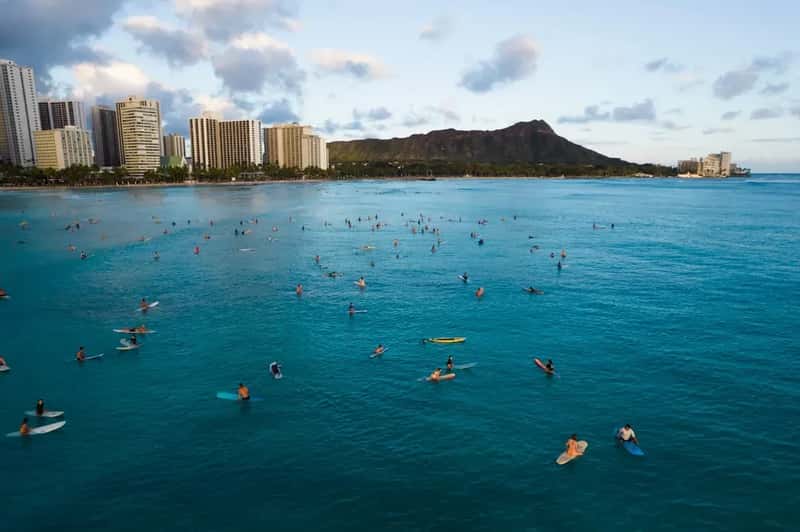
Waikiki is the most iconic beach address in the United States. It’s also, according to a massive analysis of real traveler complaints, one of the most stressful to actually visit. Cloudwards analyzed TripAdvisor reviews across 200 beaches worldwide and assigned each a “Complaint Score” out of 100, covering dirtiness, overcrowding, long lines, and noise. Waikiki’s combined complaint score hit a perfect 100 – no other beach on the list scored that high. Nearly seven in ten negative reviews cited overcrowding as the primary problem, while others flagged litter, noise, and a shrinking shoreline that at high tide leaves almost no sand to stand on.
The wall-to-wall development of chain hotels, fast-food outlets, and big-name retail stores has stripped the area of whatever local charm it once had. Retirees who spent serious money flying to Hawaii expecting a taste of real island culture instead found a tourist corridor that felt indistinguishable from any other overbuilt resort town. The water is still gorgeous. Everything surrounding it is not.
#15 – Venice Beach, California: The Boardwalk That Turned Into a Headache
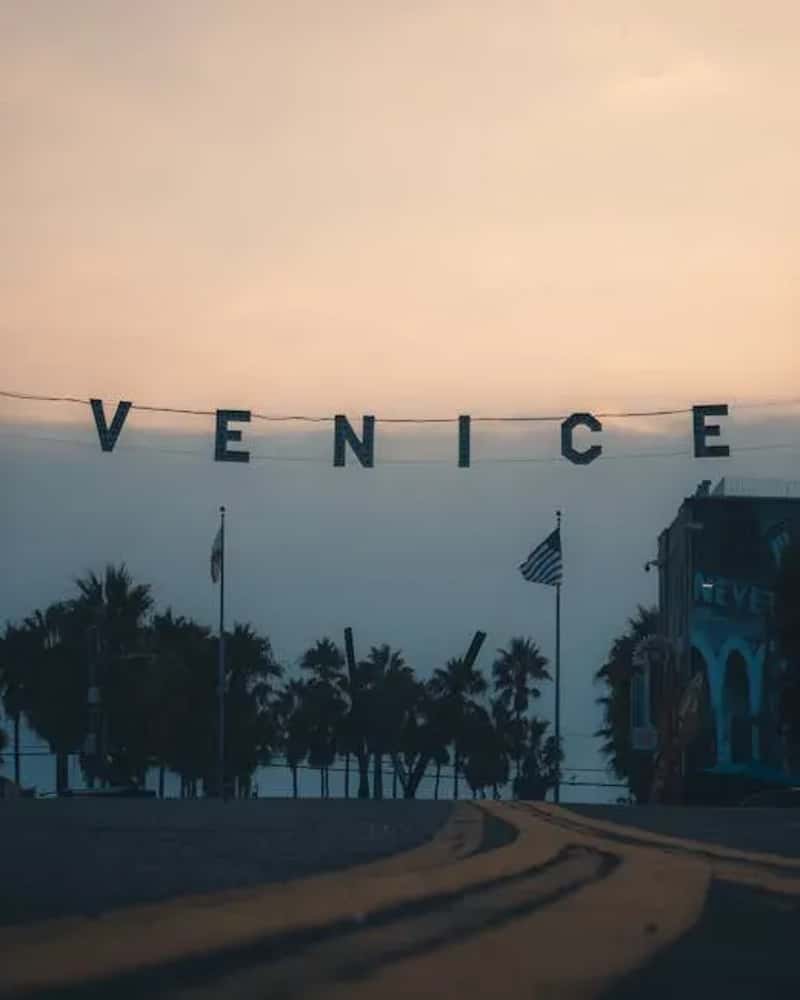
Venice Beach has a mythology that still draws millions – bodybuilders, street artists, rollerbladers, the whole California dream. But the reality retirees are actually encountering now is something significantly harder to take. What was once eccentrically charming has become a gritty mix of overcrowded sidewalks, persistent vendors, and a homelessness crisis that local officials still struggle to manage. For older travelers who remember a different Venice, the gap between expectation and reality can be deeply jarring.
In the Cloudwards global beach complaint analysis, Venice Beach ranked second in the world with a complaint score of 89.7 out of 100 – with over 60% of negative reviews zeroing in on cleanliness issues, including trash-strewn sands and murky water. Parking is a persistent battle, the beach gets brutally packed in summer, and the cost of everything in Los Angeles – food, lodging, transportation – hits hard on a fixed retirement income. Most retirees who visited say they left feeling unsettled rather than refreshed, which is about as far from the goal as a beach vacation can get.
#14 – Myrtle Beach, South Carolina: “Dirty Myrtle” Lives Up to the Name
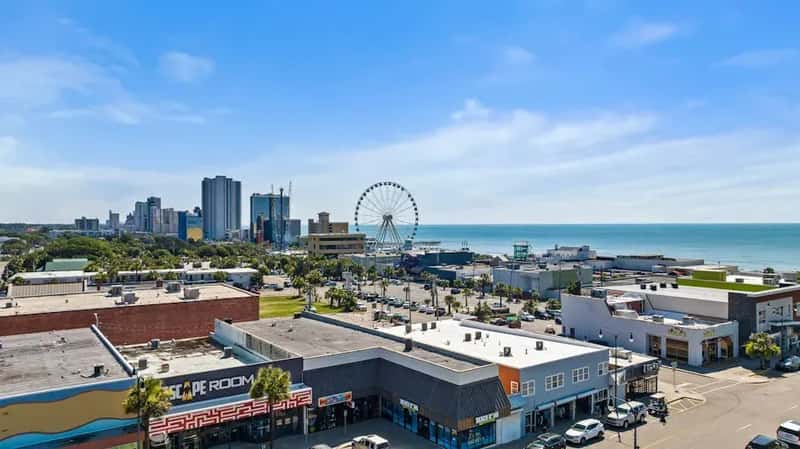
Myrtle Beach is currently one of the fastest-growing retirement destinations in the U.S. for seniors, and the sunny pitch is hard to resist. But retirees who visited during peak summer season often report something far less idyllic. The nickname “Dirty Myrtle” didn’t come from nowhere – it grew from the city’s reputation for loud nightlife and a party scene that brings overcrowding, littering, and rowdy behavior that clashes hard with what most retirees are actually looking for.
Myrtle Beach has recorded 15 surf zone fatalities, 9 reported shark attacks, and has been impacted by 31 hurricanes – contributing to an overall danger score of 6.61 out of 10. Summer transforms it into a gridlocked mass of noise and traffic, while winter brings shuttered businesses and reduced hours. Retirees who expected a breezy coastal town found nonstop crowds, loud bars next to their hotel, and a commute to the beach that felt like a chore before they ever touched sand.
#13 – Clearwater Beach, Florida: The Gulf Escape That Evaporates on Arrival
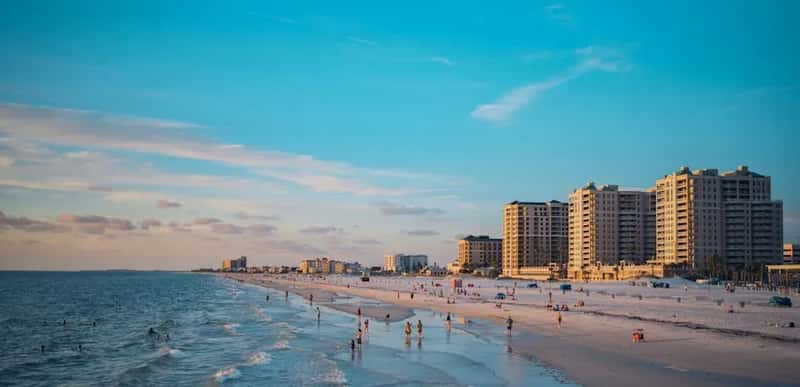
Clearwater Beach consistently ranks as one of the most searched and most visited beach destinations in the entire United States – which is precisely the problem. In the Cloudwards global analysis, Clearwater earned a complaint score of 65.5 out of 100, with overcrowding accounting for 64.6% of all complaints and cleanliness issues making up another 18.6%. Retirees who booked early based on its sterling reputation arrived to find a beach that felt more like a summer fairground than a retreat.
Hotel prices in peak season are eye-watering, parking is near impossible without arriving at dawn, and the beaches are packed so tight that the “peaceful Gulf escape” fantasy evaporates within about ten minutes. The legendary calm Gulf waters are still there – they’re just increasingly hard to enjoy when you’re shoulder to shoulder with thousands of other visitors and paying resort-level prices for a basic room. Many retirees say the logistical stress alone outweighed the pleasure.
#12 – Miami Beach, Florida: The Heat, the Crowds, and the Bill
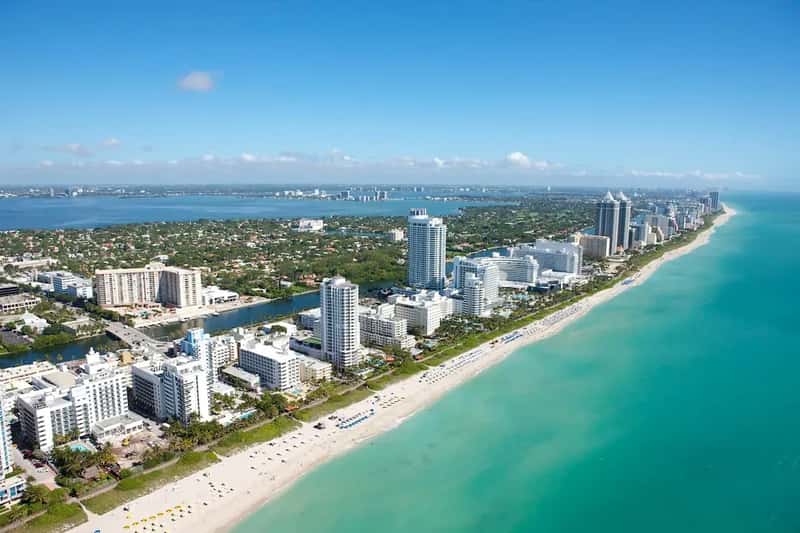
Miami Beach has always been a place that dazzles in photos and exhausts in person, but for retirees specifically, the combination of factors can tip it from merely busy into genuinely unpleasant. AARP has flagged the high tourist density in popular areas like Miami Beach and specifically noted that the destination carries greater heat and humidity because of its southern location. That heat isn’t just uncomfortable – for older travelers, extreme humidity and high temperatures carry real health risks, including heat exhaustion and heatstroke.
Add to that one of the highest costs of living in Florida, a nightlife culture that keeps neighborhoods loud well past midnight, and a tourism machine so large that even finding a quiet restaurant requires advance planning – and Miami Beach stops feeling like a vacation fast. Most retirees who went expecting a glamorous escape say the same thing: they needed a vacation from their vacation by the time they got home.
Quick Compare: Florida’s Big Three Beach Headaches
- Miami Beach: Heat, humidity, sky-high costs, nightlife noise until 2 a.m.
- Clearwater Beach: Complaint score 65.5/100; overcrowding dominates 64.6% of reviews
- Myrtle Beach (SC): Hurricane risk, shark attacks, party-town energy fighting retirement calm
#11 – New Smyrna Beach, Florida: The Shark Bite Capital of the World
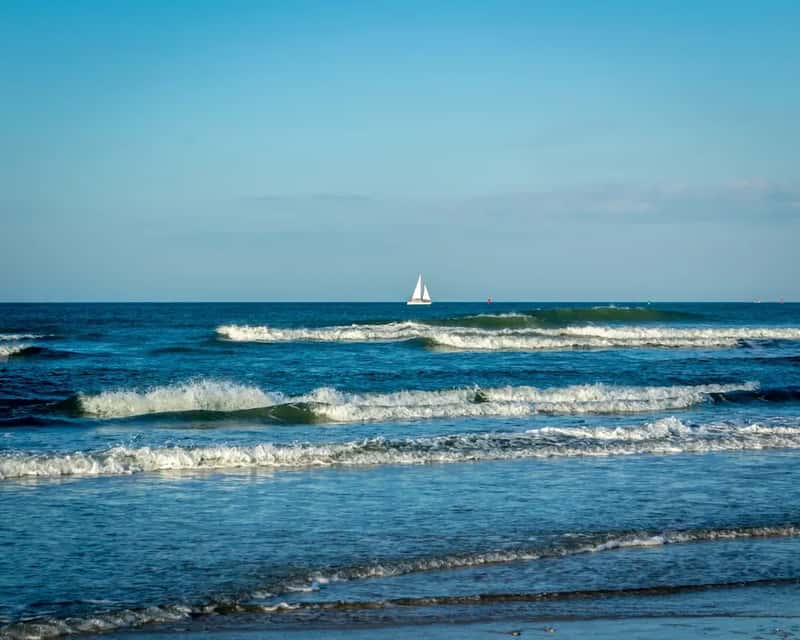
New Smyrna Beach looks absolutely gorgeous on paper – 17 miles of Atlantic coastline, charming downtown shops, a relaxed small-town vibe that draws retirees by the thousands. Then the stats hit you. Volusia County, where New Smyrna Beach sits, records nine unprovoked shark attacks per year according to the International Shark Attack File – more than anywhere else on earth. In 2024 alone, Volusia County accounted for 17 of Florida’s 28 unprovoked shark bites. It didn’t earn the nickname “Shark Bite Capital of the World” by accident.
According to the International Shark Attack File, anyone who has swum at New Smyrna Beach has statistically been within ten feet of a shark. The chances of a bite here are ten times greater than anywhere else in the country. For retirees who simply wanted to wade and float in the warm Atlantic, that knowledge proved deeply stressful – several said they spent more time watching the water nervously than actually enjoying it. A beautiful beach has a way of losing its charm when you’re scanning the surf instead of relaxing in it.
#10 – Outer Banks, North Carolina: Beautiful Until the Summer Crowds Arrive
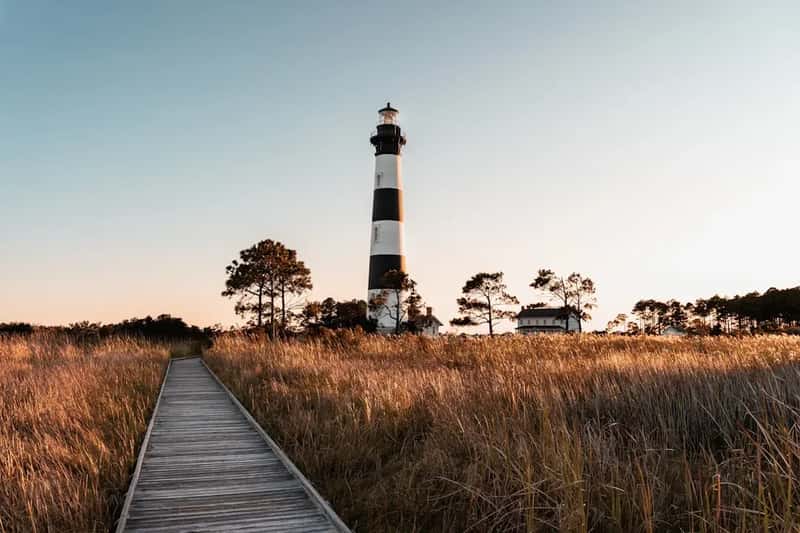
The Outer Banks of North Carolina is one of the most genuinely stunning stretches of coastline on the East Coast – wild dunes, historic lighthouses, a real sense of isolation. Except in summer, when the opposite is entirely true. The narrow barrier islands have limited road access, and during peak season, traffic on the single main highway (NC-12) can back up for hours. Retirees who drove from the Midwest or mid-Atlantic expecting a breezy arrival often spent a meaningful chunk of their vacation sitting in a car, not walking on a beach.
The OBX also sits in a prime hurricane corridor, and vacation rental prices have exploded in recent years – with many retirees arriving to properties that looked considerably better in the listing photos. Couples who settled near the North Carolina coast have reported being evacuated multiple times in a single year, with one hurricane causing serious property damage – a deeply stressful experience for anyone on a fixed income. The gap between the OBX dream and the OBX reality has never been wider.
#9 – Bar Harbor, Maine: Postcard Town, Cruise Ship Chaos
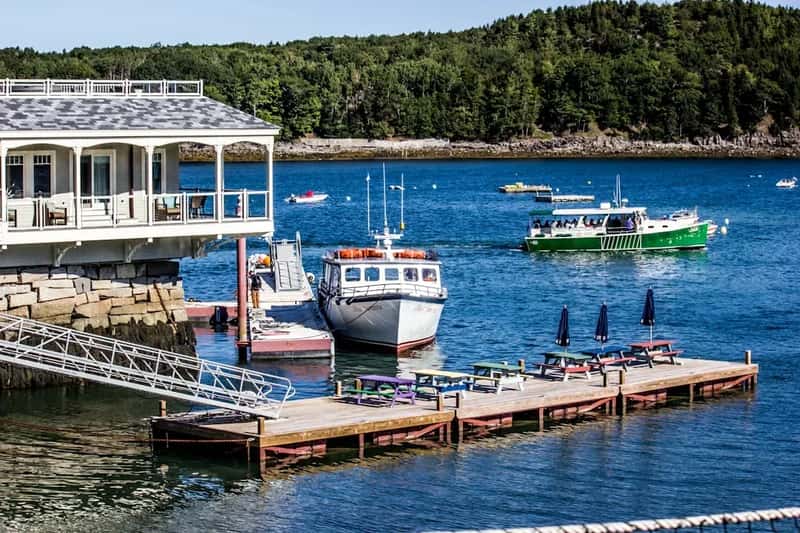
Bar Harbor is genuinely one of the most beautiful small towns in America – lobster rolls, Acadia National Park right next door, crisp Atlantic air. Retirees love the idea of it. But the execution has become a logistical nightmare, especially in peak summer and fall foliage season. Bar Harbor’s full-time population sits around 5,500, yet the town receives up to 4 million tourist visits annually – a ratio so lopsided that residents voted to cap daily cruise ship passenger arrivals at 1,000 during peak season just to keep the place functional.
When visitor numbers exceed what a small town can absorb, it strains waste management, public transport, and emergency response in ways that are genuinely felt on the ground. Retirees who arrived hoping to wander quiet harbor streets found narrow sidewalks jammed with day-trippers, restaurant waits stretching two hours or more, and parking that required arriving before 7 a.m. to secure a spot. The scenery remains extraordinary. The experience, increasingly, does not match it.
#8 – Kuta Beach, Bali, Indonesia: The Instagram Paradise That Became a Waste Crisis
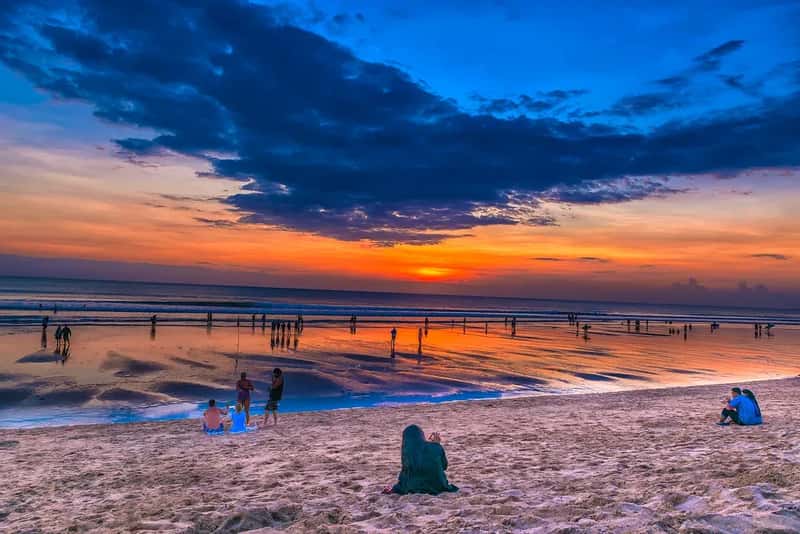
Bali has spent decades sitting at the top of retiree bucket lists, and Kuta Beach was the original gateway. The problem is that mass tourism has fundamentally transformed what Kuta actually is. Once-pristine beaches are now buried under piles of trash, with local waste management systems struggling to keep pace. The Bali Partnership estimates the island generates 1.6 million tons of waste annually, with plastic waste alone comprising nearly 303,000 tons – and much of it ends up on the shoreline. Bali has also implemented a tourist tax of IDR 150,000 (around $9) in an effort to manage visitor volume, but critics say the measure has done little to improve the on-the-ground experience.
Kuta is now synonymous with cheap party tourism and opportunistic scams. The once-spiritual, once-quiet beach town is today dominated by aggressive vendors, loud bars, and tourist density that makes genuine relaxation difficult. Retirees who saved for a lifetime trip to Bali and landed in Kuta specifically report coming home feeling ripped off and exhausted. The real Bali still exists – but Kuta Beach isn’t where you’ll find it anymore.
#7 – Maho Beach, St. Maarten: Relaxation Directly Under a Jet Engine
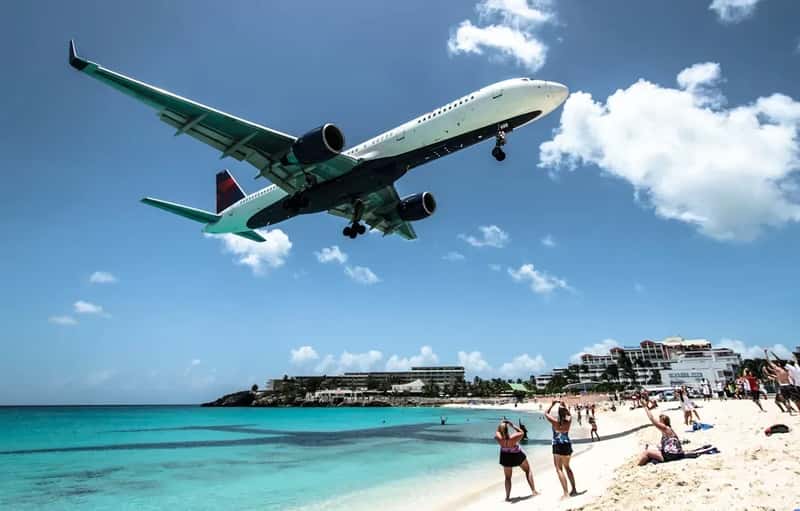
Maho Beach looks incredible in photos – brilliant turquoise water, white sand, the kind of Caribbean perfection that ends up as a desktop wallpaper. There is one detail the photos consistently leave out: the beach sits directly at the end of the runway for Princess Juliana International Airport. Planes take off and land directly over sunbathers, close enough to blast sand, fumes, and a wall of engine noise across anyone trying to relax below. In the Cloudwards global complaint analysis, Maho Beach ranks tenth worldwide – and scores the highest noise complaint rate of any beach analyzed globally.
One reviewer described the experience as “sickening” due to jet fuel smells and the physical force of departing planes. Retirees with hearing sensitivities or respiratory issues found it genuinely distressing rather than novel. The low-flying plane gimmick wears off fast – by the fourth or fifth pass overhead, the long flight home is all you can think about.
Worth Knowing: The Beaches That Made the Global Top 10 Complaint List
- #1 Waikiki Beach, Hawaii – Complaint Score: 100/100 (overcrowding, noise, shrinking sand)
- #2 Venice Beach, California – Score: 89.7 (cleanliness dominates 60%+ of reviews)
- #4 Clearwater Beach, Florida – Score: 65.5 (overcrowding + cleanliness)
- #10 Maho Beach, St. Maarten – Highest noise complaint rate of any beach worldwide
- Four of the top 10 most-complained-about beaches in the world are in the United States
#6 – Sardinia’s La Pelosa Beach, Italy: The Most Overcrowded Beach on Earth
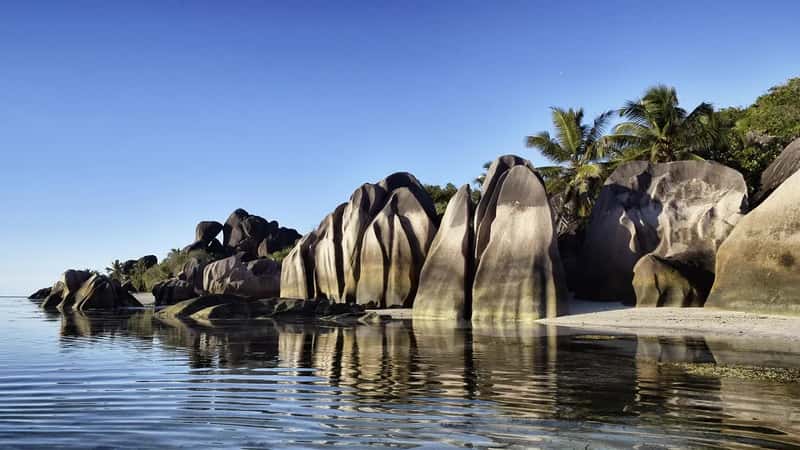
La Pelosa in Sardinia is legitimately one of the most beautiful beaches in the world – turquoise shallows, fine white sand, a medieval watchtower framing the horizon. It is also, according to published research and visitor data, a victim of its own fame. Authorities now cap daily visitors at just 1,500 people and require advance reservations through a dedicated app – yet the booking portal still records over 10,000 daily requests every year during peak season. Ordinary towels are banned outright; visitors must bring a straw mat or face a €100 fine, because decades of towels trapping sand have measurably eroded the beach.
Retirees who spent significant money flying to Italy for a quiet Mediterranean escape found themselves queuing for entry, paying a booking fee just to get through the gate, and standing shoulder-to-shoulder with hundreds of strangers even within the capped limit. The beauty of La Pelosa is completely real. The peace is not.
#5 – Palm Beach, Florida: Stunning, Exclusive, and Wildly Expensive
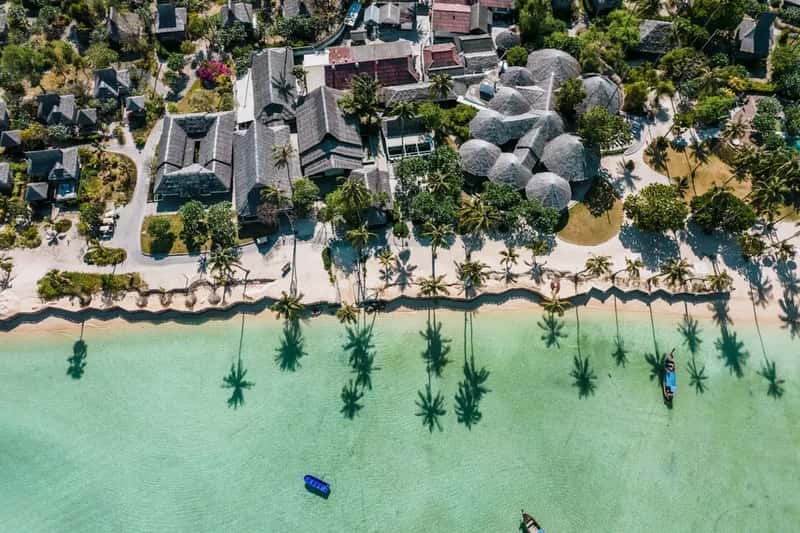
Palm Beach is genuinely gorgeous – manicured, warm, and draped in a kind of old-money elegance that photographs beautifully. The problem is that it comes with a price tag that quietly devastates even well-prepared retirees. According to FinanceBuzz, even accounting for Florida’s lack of retirement income taxes, the cost of living in Palm Beach is far higher than what the average retiree can comfortably justify. A single week’s stay can consume an entire month’s Social Security check before you’ve ordered one dinner out.
Florida’s hurricane exposure means home insurance premiums have spiked dramatically in recent years – and beach towns carry the highest premiums of all. The summer months bring swarms of tourists, while winter can feel isolating for anyone without deep local roots or a deep wallet. Retirees drawn in by Palm Beach’s elegance often leave with financial regret and the nagging sense that the destination was designed for a different tax bracket entirely.
#4 – Playa del Carmen, Mexico: Scam Fatigue on a Beautiful Shore

Playa del Carmen sits just south of Cancún and carries serious appeal for American retirees – lower prices than Cancún’s hotel zone, a walkable pedestrian strip, access to spectacular Caribbean water. But the experience on the ground tells a more complicated story. In the same Radical Storage study that named Cancún the world’s most disappointing destination, Playa del Carmen ranked among the top ten globally – with visitors criticizing overpricing, crime, and aggressive timeshare sellers who target visitors from the moment they step off transportation.
Retirees who made it past the timeshare gauntlet still had to navigate inconsistent water safety, unreliable infrastructure, and resort zones that felt completely disconnected from any authentic version of Mexico they had imagined. Overcrowding, litter, restaurant waits, and traffic gridlock in the streets round out the picture. Relaxing in Playa required constant vigilance – which is, of course, the opposite of relaxing.
#3 – Cala Comte, Ibiza, Spain: Picture-Perfect and Absolutely Packed
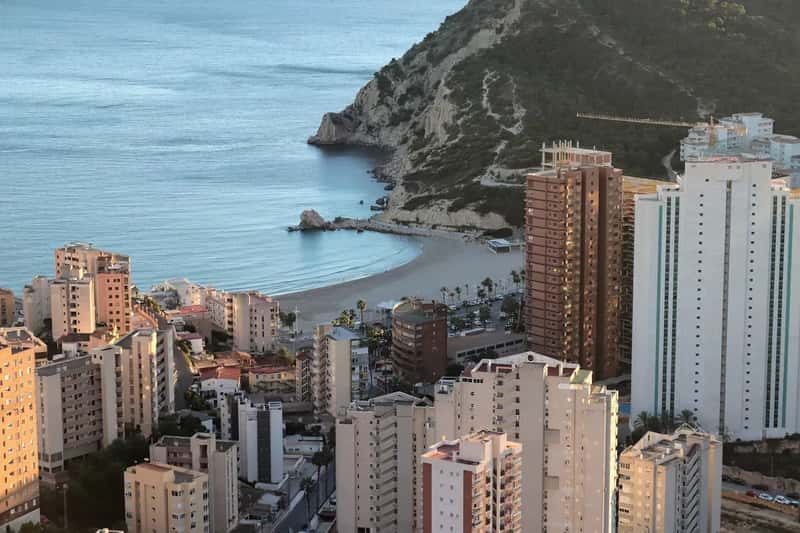
Ibiza has a reputation as a party island, but Cala Comte is supposed to be the exception – a secluded cove with crystal-clear, multi-hued water that looks more like the Maldives than a club destination. Retirees who specifically sought it out to escape Ibiza’s nightclub reputation discovered the secret got out a long time ago. Despite its paradise-like setting, Cala Comte is now frequently cited for overcrowding so severe that it dominates the experience, overriding the beauty that drew visitors in the first place.
Getting there requires either renting a car and navigating narrow island roads or paying for expensive boat transfers – only to arrive and find dozens of other groups with the exact same plan already occupying the limited sand. Local authorities have begun considering visitor number caps during peak season, but the damage to the experience is already done. Retirees who timed an entire European trip around Cala Comte called it their single biggest travel letdown.
#2 – Florida’s Gulf Coast (Post-Hurricane Zones): When the Dream Becomes a Disaster
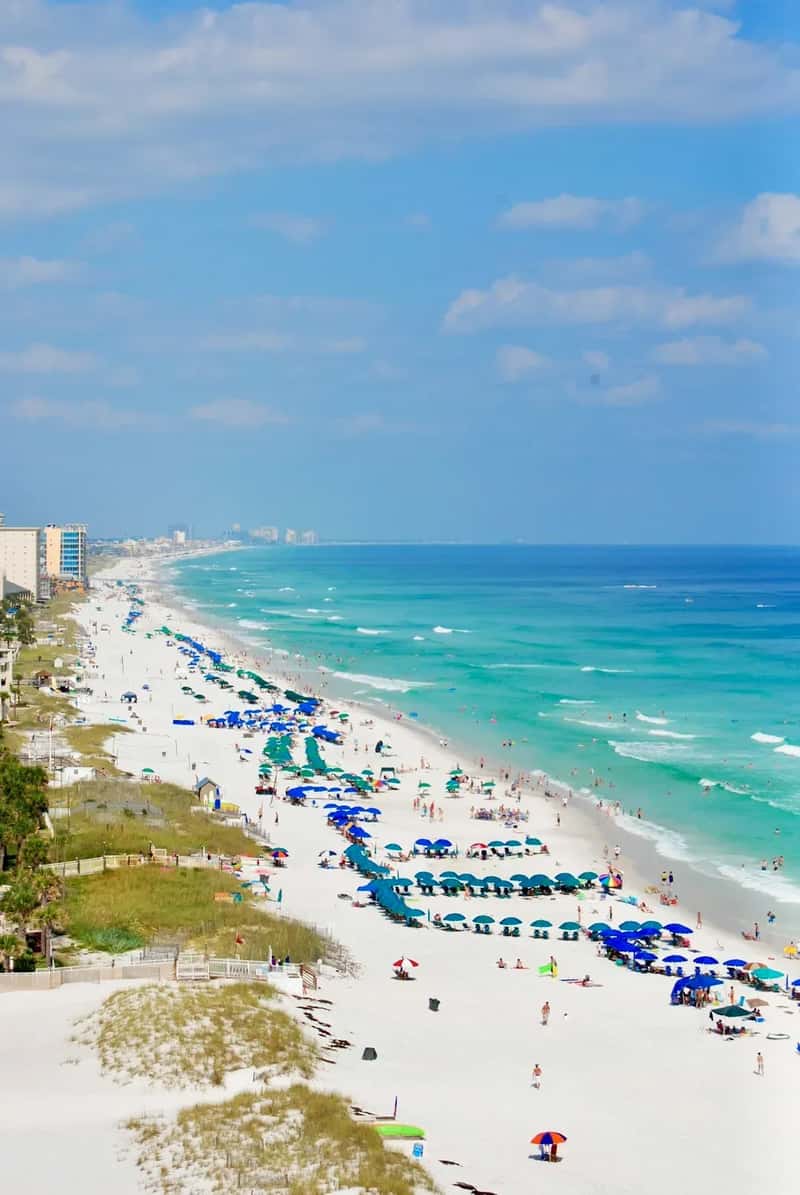
The Gulf Coast of Florida – from Naples up through Fort Myers, Sarasota, and Clearwater – is retirement paradise in the brochure. In reality, the 2024 hurricane season delivered a gut punch that retirees in the region are still processing. Hurricanes Helene and Milton tore through the area in fall 2024, and elderly couples who had built their retirement lives along that coastline described the experience to AARP as some of the most prolonged, grinding stress of their lives. Storm surges can raise water levels by 20 or more feet, destroying property and critical infrastructure – roads, bridges, power grids – in a matter of hours.
What was supposed to be a new life of peaceful relaxation became a source of annual dread, with a single bad storm capable of wiping out a beach property entirely. The Guardian noted that homeowners frequently found insurance claims denied because policies covered wind damage but not flooding – leaving retirees with destroyed homes and no financial path to rebuild or relocate. Dozens who vacationed along the Gulf Coast in fall 2024 returned to find their rental properties damaged, or their vacation replaced entirely by evacuation routes. But the #1 entry is the one that surprises almost everyone.
#1 – Any “Dream Beach” Booked Without Research: The Stress No One Warns You About
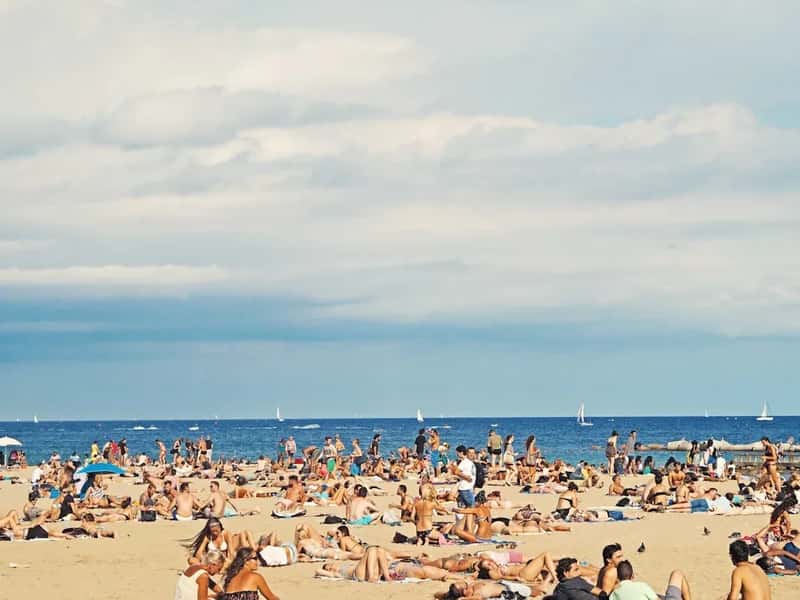
The most stressful beach vacation of all isn’t tied to one specific destination – it’s the one booked entirely on vibes, Instagram posts, and decade-old memories of a place that no longer exists. Retirees consistently report that the steepest gap between expectation and reality comes not from any particular beach’s flaw, but from the collision of fixed budgets, physical realities, and the modern tourism machine. What looks like paradise on a phone screen can turn out to be a genuinely exhausting, expensive disappointment when the flight lands and the dream meets the ground.
The retirees who came home most frustrated weren’t simply unlucky. They were underprepared for how dramatically the experience of a famous beach can diverge from its reputation – and how quickly fixed-income math collides with peak-season pricing, overcrowding, and destinations that have been running on fumes of their former glory for years. Every beach on this list is still beautiful in the right light, at the right time, with the right expectations. The ones who enjoyed them knew exactly what they were walking into. The ones who didn’t are still talking about it.
At a Glance: The Warning Signs That Cut Across Every Entry on This List
- Overcrowding – The single most common complaint across every global beach analysis reviewed
- Expectation mismatch – Social media and decade-old reviews set impossible standards for real destinations
- Peak-season pricing – Fixed retirement incomes collide hard with summer resort rates
- Hidden safety factors – Sharks, storm surge, extreme heat, and water quality rarely appear in brochures
- Vendor and scam pressure – Cancún, Playa del Carmen, Kuta, and Maho all share aggressive tourism ecosystems
- Physical access barriers – Parking battles, long walks, early-morning arrivals just to claim a spot
The common thread running through all 17 of these experiences is the gap between what was sold and what was delivered. From Cancún’s scam-heavy resort strip to Waikiki’s perfect-but-wrong complaint score, from Bar Harbor’s cruise ship crush to New Smyrna’s sharks lurking in knee-deep water – the beaches themselves are often still beautiful. What’s changed is everything around them. Knowing which destinations carry which specific problems puts you in a far stronger position to either avoid them or plan around them entirely. Which one surprised you most?