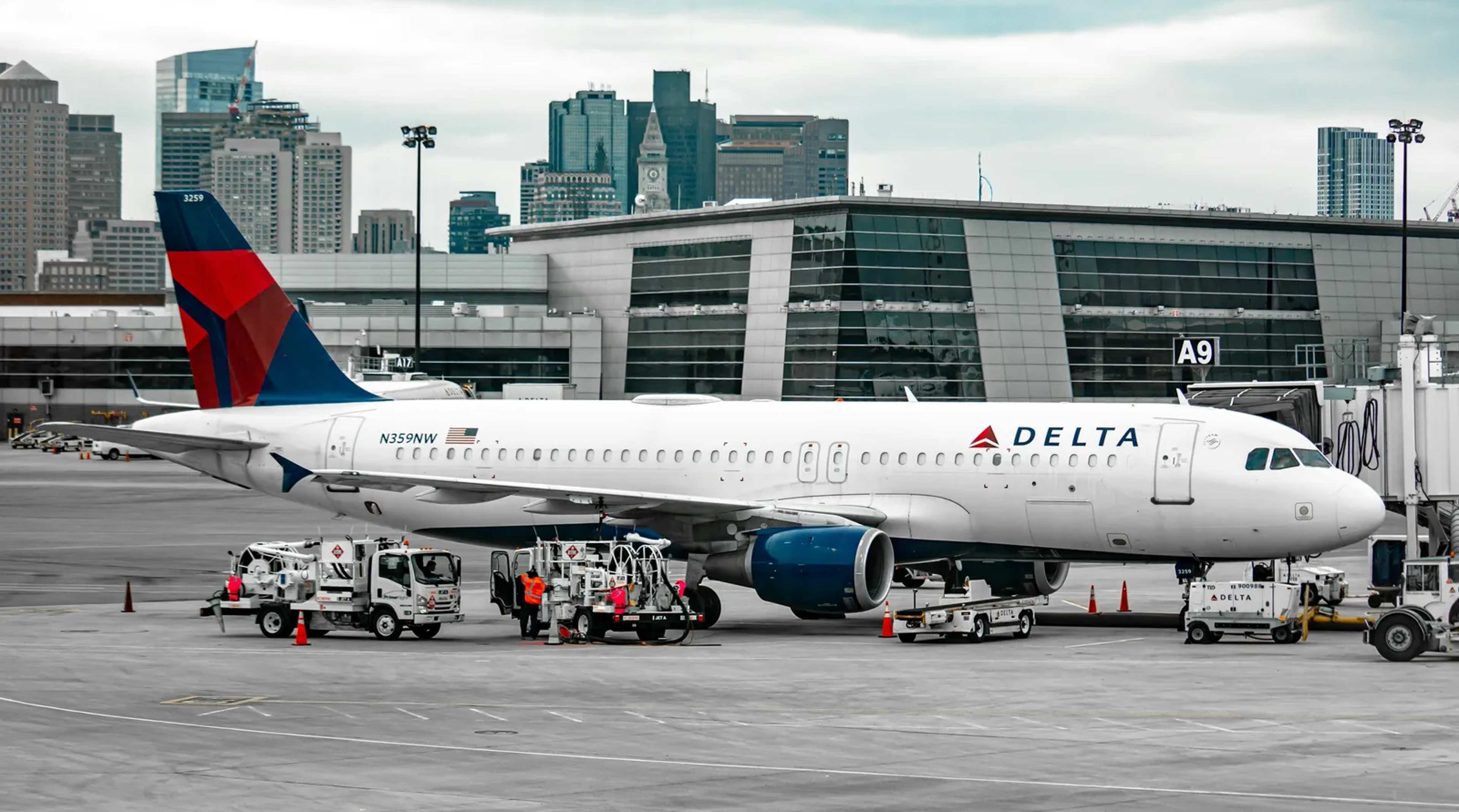
Most people treat their carry-on like an afterthought – shove it in, zip it up, and hope for the best at the gate. But the travelers who fly every single week know something the rest of us don’t: your carry-on strategy determines your entire trip before the plane ever leaves the ground. The difference between breezing through security and getting pulled aside, between confidently boarding and scrambling for the last sliver of overhead bin space, almost always comes down to a handful of rules that experienced flyers never skip.
The wild part? None of this is posted on a sign anywhere. Airlines and TSA have their official regulations, but the real playbook lives in the heads of people who’ve learned these lessons the hard way – at the checkpoint, at the gate, or standing in a baggage claim waiting on a bag that never shows up. Here are the 17 rules they actually follow, counting down to the one that changes everything.
#17 – Know That Airline Size Rules and TSA Rules Are Two Completely Different Things

Here’s the mistake rookies make constantly: they assume TSA and their airline are working from the same rulebook. They’re not. TSA controls what goes inside your bag, while the airline controls how big that bag can be – and those are two entirely separate systems with two separate sets of consequences. You can sail through TSA with a perfectly packed bag and then get stopped cold at the gate because it’s a half-inch too wide for that carrier’s overhead bin policy.
Most major domestic airlines allow a carry-on up to 22 x 14 x 9 inches including wheels and handles, but the exceptions are real. Southwest allows up to 24 x 16 x 10, while some budget carriers are stricter on dimensions or add weight limits that U.S. travelers rarely expect. If you’re shopping for a new bag, sizing down to the 22 x 14 x 9 standard is the safest move across almost every domestic carrier. Check your specific airline’s website before every trip – these rules shift more than people realize.
Quick Compare
- American, Delta, United, JetBlue, Alaska: 22 x 14 x 9 in. (no domestic weight limit)
- Southwest: 24 x 16 x 10 in. (most generous among major U.S. carriers)
- Frontier & Spirit: Overhead carry-on requires an added fee; free personal item ≈ 18 x 14 x 8 in.
- United Basic Economy (domestic): Personal item only – no overhead carry-on included
- International carriers: Similar dimensions but typically add a 15–22 lb weight cap
#16 – Understand the 3-1-1 Rule at a Deeper Level Than “Small Bottles”

Every traveler has heard of the 3-1-1 rule. Most only half-understand it. The rule requires that all liquids, gels, aerosols, creams, and pastes in your carry-on be in containers of 3.4 ounces (100 milliliters) or less, all fitting inside a single quart-sized clear zip-top bag – one bag per passenger. That means your dry shampoo counts. Your peanut butter counts. Gel shoe insoles technically count. Anything that can be squished or spread gets caught in this net.
Where people really go wrong is assuming a mostly-empty large container is fine because it has less than 3.4 oz of product left inside. It isn’t. TSA judges the container size, not the fill level. The other classic mistake: jamming a bulging quart bag with items that won’t all lie flat. Anything that alarms during screening gets pulled for additional inspection, and a disorganized bag slows that down considerably. Keep the bag at the top of your carry-on – not buried at the bottom – so you can hand it over without unpacking everything you own.
Worth Knowing
- Toothpaste, mascara, concealer, and foundation all count as liquids under TSA rules
- Lipstick and solid powder makeup (blush, bronzer) do not fall under the 3-1-1 rule
- Duty-free liquids over 3.4 oz are allowed if sealed in a tamper-evident bag from the retailer
- Some airports with advanced CT scanners (ATL, JFK, LAX) have begun piloting liquids exemptions – but most U.S. airports still enforce the full 3-1-1 rule
- TSA’s free MyTSA app lets you check any item before you pack it
#15 – Your Power Bank Cannot Go in Checked Luggage. Period.
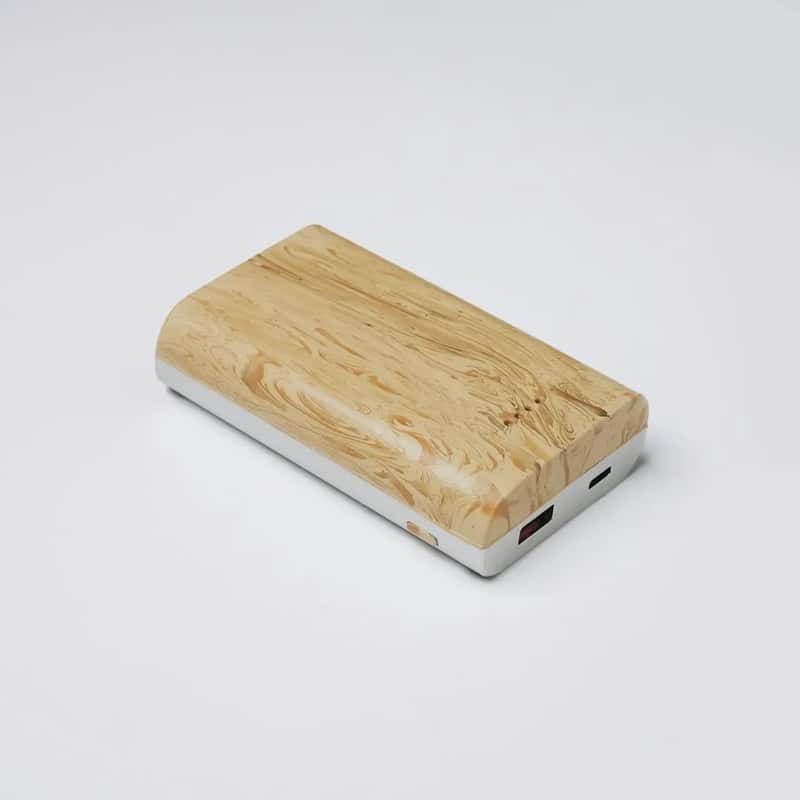
This one catches travelers off-guard at gates constantly, especially since the rules tightened. Lithium-powered portable chargers – power banks – are no longer allowed in checked luggage as of March 2025, full stop. They must travel in your carry-on and stay within easy reach during the flight. The reason is fire safety: lithium batteries can develop thermal runaway events, and flight crews need to be able to respond immediately if something goes wrong in the cabin.
The same logic applies to laptops, tablets, e-readers, and e-cigarettes – all devices with lithium-ion batteries must go in your carry-on, not your checked bag. For power banks specifically, TSA currently allows consumer-sized units up to 100 watt-hours without any special approval, which covers most standard phone-charging banks. Larger units between 101 and 160 watt-hours are limited to two per person in carry-on with airline approval. When in doubt, check the mAh rating: anything under 27,000 mAh typically falls within the standard allowance.
#14 – Pack Electronics in a Clean Layer, Not Scattered Throughout the Bag
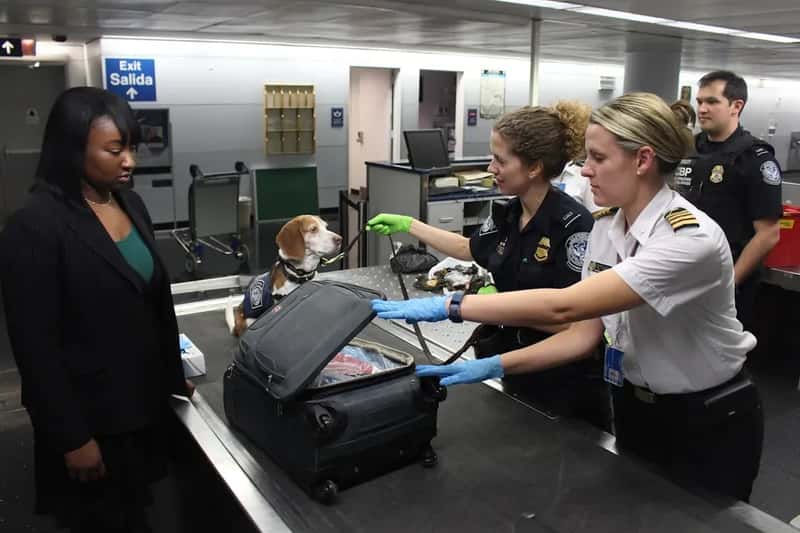
Frequent flyers don’t just throw their laptop in wherever it fits. TSA explicitly recommends placing large electronics on the top layer of your carry-on for X-ray accessibility, and officers will ask you to remove personal electronic devices larger than a cell phone – including laptops, tablets, e-readers, and handheld game consoles – and place them in a separate bin with nothing on top or underneath. A bag where the laptop is buried under clothes and toiletries creates immediate friction at the checkpoint and can get your whole bag flagged for secondary screening.
The smartest move is to treat your bag like it has zones. Electronics on top, in one clean, predictable layer. If a TSA officer can read the X-ray image without confusion, you move faster. A cluttered, jam-packed bag takes significantly longer to screen because officers have to rule out anything that might be hiding in the visual noise. Organized packing isn’t just about fitting more stuff in – it’s about actively saving time at the one moment in travel when every second counts.
#13 – Medications Get Special Rules That Most People Never Use

Here’s one that trips up even experienced travelers: liquid medication is actually exempt from the 3-1-1 rule. Medication in liquid form is allowed in carry-on bags in excess of 3.4 ounces in reasonable quantities needed for the flight, and it does not need to go in a quart-size zip-top bag. Pills and solid medications can be brought in unlimited amounts as long as they go through screening. You do need to declare medically necessary liquids to the TSA officer at the start of the checkpoint, and they may ask to open the container – but you won’t be forced to leave your medication behind.
TSA also does not require medications to be in their original prescription bottles, though some states have separate laws about prescription labeling that are worth checking depending on your destination. The bigger practical rule: always keep your medications in your carry-on, never in checked luggage. If your checked bag gets lost or delayed, you’re stuck without them. Frequent flyers treat medications as non-negotiables in the cabin, no matter what. Medical equipment like insulin pumps and glucose monitors also travel with you – just expect additional screening steps at the checkpoint.
At a Glance: Medication Rules at TSA
- Liquid medication: exempt from 3-1-1, allowed in reasonable quantities – declare it at the start of the checkpoint
- Pill and solid medications: unlimited amounts, must be screened
- Original prescription bottle: not required by TSA (but check your destination state’s laws)
- Insulin pumps and glucose monitors: travel with you in the cabin – expect additional screening
- Juice boxes or medical liquids over 3.4 oz: allowed with medical need, subject to additional screening
#12 – Powder Over 12 Ounces Will Slow You Down at Security

This is a rule that sneaks up on people who pack protein powder, dry shampoo, face powder, or similar products in quantity. TSA recommends placing powder-like substances over 12 ounces (350 milliliters) in checked bags, because powders in carry-ons over that amount may require secondary screening – and if a TSA officer can’t resolve the image, they can prohibit the substance from entering the cabin entirely. That’s a real and frustrating consequence that most travelers have zero idea about until it happens to them at the worst possible moment.
Frequent flyers traveling with larger amounts of powder products almost always pack them in checked luggage specifically to avoid checkpoint delays. If you absolutely must bring powder in your carry-on, keep it under 12 oz and place it in an easily accessible outer pocket so the officer can examine it quickly without unpacking your entire bag. Baby formula and certain medicinal powders have their own exemptions, but for everyday toiletries and supplements, the 12-ounce threshold is one of the most overlooked friction points in the entire security system.
#11 – Wrap Gifts After You Land, Not Before You Fly

Every holiday season, TSA has to unwrap thousands of carefully packaged presents because wrapped boxes can conceal prohibited items from X-ray imaging. TSA recommends carrying gifts unwrapped if they may trigger alarms, and wrapped boxes can be opened and inspected at the checkpoint – meaning that beautiful presentation you spent an hour on gets torn apart by a stranger in the security line. It happens far more often than most travelers expect, and it’s completely avoidable.
The fix is easy: pack gifts unwrapped and bring folded wrapping paper flat in the bag, or use a gift bag that can be opened and re-closed without damage. You can also ship gifts directly to your destination in advance, which sidesteps the whole issue and protects against loss if your bag gets gate-checked unexpectedly. Frequent flyers treat holiday travel as its own planning category – airports are busier, lines are longer, and any small checkpoint complication compounds into a major delay when you’re racing to a gate.
#10 – Soft-Sided Bags Are Secretly Better for Overhead Bins on Most Flights
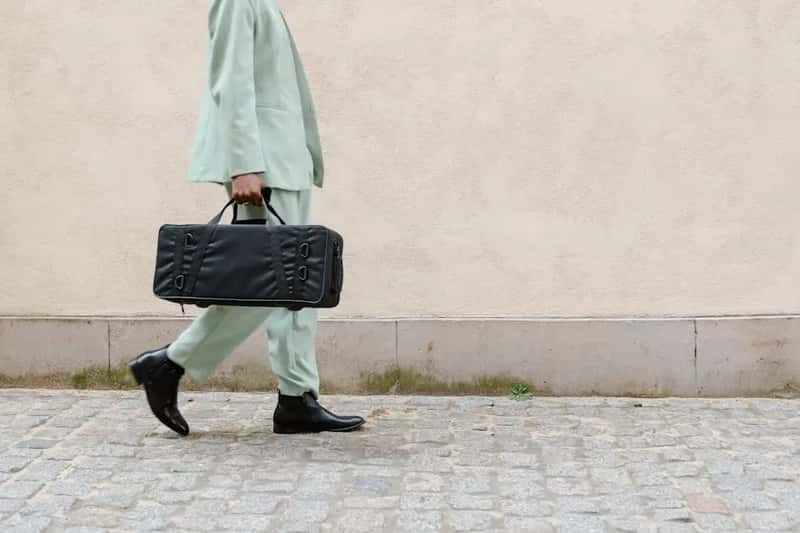
Hard-shell suitcases look sleek in the airport, but frequent flyers often quietly prefer soft-sided bags for one very practical reason: soft-sided bags are easier to squeeze into overhead bins, especially on regional jets where bin dimensions can be as narrow as 22 inches. On those smaller aircraft, even passengers with good boarding positions can get asked to gate-check standard roll-aboards. A soft bag that compresses even slightly can be the difference between keeping your bag overhead or watching it disappear into the cargo hold.
Soft-sided bags also tend to run lighter, which matters when you’re lifting overhead repeatedly through a long travel day. The hard-shell obsession is largely aesthetic. If you’re flying regional routes, connecting through smaller airports, or traveling on budget carriers with stricter size enforcement, a high-quality soft-sided carry-on gives you more real-world flexibility than its rigid counterpart – and it’s the kind of advantage that pays off every single time you board a crowded connector flight.
Fast Facts
- Airlines measure your bag’s total exterior dimensions – wheels, handles, and any protruding side pockets count
- Many roller bags have expansion zippers that add 1–2 inches of depth; gate agents are trained to spot overstuffed bags quickly
- Some airlines are testing automated bag scanners at gates that flag oversized bags instantly – no negotiating
- Gate-check fees on budget carriers run $75–99 if paid at the gate vs. a lower pre-purchase price online
- Soft-sided bags can compress slightly to fit a tight bin; hard-shell bags cannot
#9 – Board As Early As You Legitimately Can
Frequent flyers aren’t anxiously hovering at the gate because they’re impatient. They’re there because overhead bin space is genuinely first-come, first-served, and the data backs this up. Roughly 70% of Delta flights now check bags at the gate during boarding, meaning passengers in later boarding groups increasingly find no overhead space waiting for them. On crowded Friday afternoon departures packed with business travelers, bins can be completely full before the last two or three boarding groups even step onto the jet bridge.
The most cost-effective approach without elite status is a co-branded airline credit card – with Delta, American, and United, most co-branded cards include some form of earlier boarding that gets you on the plane before the bins fill. Priority boarding upgrades are another option; United offers them starting around $24 per person. If spending money isn’t on the table, choose seats closer to the front of the aircraft and check in the moment the 24-hour window opens. Even a few rows forward makes a real difference when space runs out.
#8 – Know Your Airline’s Personal Item Dimensions Cold

The distinction between a carry-on and a personal item is exactly where budget airline fees get sneaky. A personal item must fit under the seat in front of you – think purses, small backpacks, laptop bags, and briefcases. On many budget carriers including Frontier and Spirit, a full-sized carry-on that goes in the overhead bin carries an additional fee, while the personal item under the seat remains free. Travelers who don’t read the fine print show up at the gate with a rolling carry-on and a bill they weren’t expecting.
Personal item dimensions vary slightly by carrier but generally fall around 18 x 14 x 8 inches. Frequent flyers on budget airlines often travel with a single large personal item – a well-packed backpack or structured tote – that meets the under-seat requirement and sidesteps the carry-on fee entirely. It’s not glamorous, but on a $60 fare it’s a meaningful savings. Before every trip, look up your specific airline’s current personal item policy – these rules shift, and assuming they haven’t changed is exactly how you end up paying $80 at the gate.
#7 – Wear Your Bulkiest Items Through the Airport
This is arguably the most-used secret among people who travel carry-on only. Frequent flyers avoid gate-checking bags by wearing their heaviest, bulkiest clothing items onto the plane rather than packing them – coats, heavy boots, thick sweaters, and layered tops all count toward your body weight, not your bag’s. Airlines check bag dimensions and sometimes weight, but nobody is weighing your outfit at the gate. This one move alone can free up substantial space in your carry-on for things that actually need to be inside it.
The approach works best when you think in layers rather than bulk. A T-shirt under a long-sleeve under a light fleece occupies almost no bag space when worn but takes up a significant chunk of a carry-on when folded. Stuffing pockets with phone chargers and other small accessories extends the same logic. The trick isn’t to look ridiculous – it’s to be strategic about what travels on you versus in your bag. On return trips loaded with souvenirs, this habit can be what keeps your carry-on closeable at all.
#6 – Use Packing Cubes to Beat the Overhead Bin Game
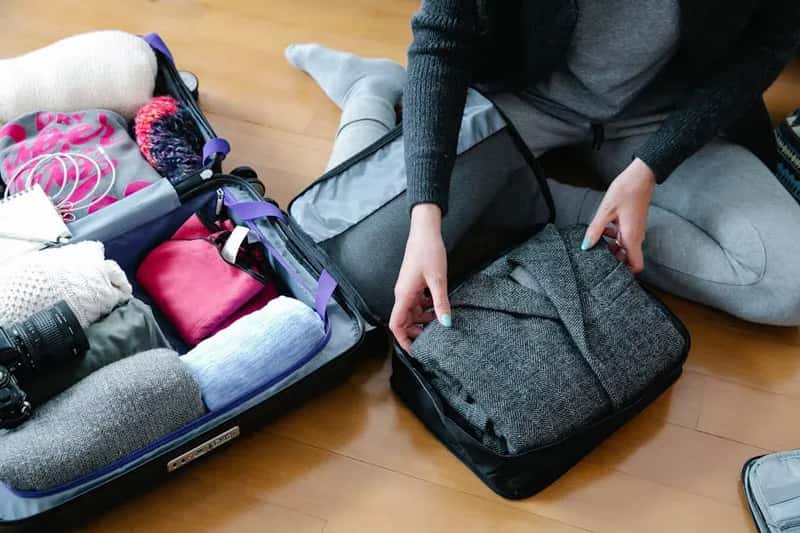
Packing cubes aren’t just a Pinterest trend – they have a real functional impact on how efficiently your bag fits into an overhead bin and how fast you move through your trip. Compression-style packing cubes can meaningfully reduce the volume of soft goods in your carry-on, which means your standard bag might fit where it otherwise wouldn’t when bins are already partially loaded. They also prevent the dreaded bag avalanche when you open your carry-on mid-flight and everything that shifted in transit tumbles into the aisle.
The advantage frequent flyers actually talk about is speed – at the security checkpoint and at your destination. Layered packing with cubes means you can keep electronics, clothes, and toiletries in clearly defined zones, making it easy to pull out what TSA needs without disrupting your entire bag. And when you arrive, unpacking a cubed bag takes minutes instead of the usual rummage. Think of packing cubes as the organizational infrastructure of carry-on-only travel – not a luxury add-on, but a real system that saves time at every single step.
Why It Stands Out
- Compression cubes reduce clothing volume so a standard bag fits tighter bins on regional jets
- Defined zones (clothes / electronics / toiletries) mean faster X-ray clearance – no digging
- Cubed packing prevents mid-flight avalanches when the overhead bin pops open
- Return trips with souvenirs stay manageable when everything has an assigned space
#5 – Bring an Empty Water Bottle and Fill It After Security

This sounds minor until you’ve paid $6 for a bottle of airport water on your fifth trip of the year. An empty reusable water bottle passes through TSA with zero issues and can be filled for free at water refill stations found near gates at most major U.S. airports. Frequent flyers treat this as non-negotiable – hydration on flights genuinely affects how you feel when you land, and paying airport retail prices for water on every leg of every trip is simply money left on the table for no reason.
The rule is simple: the bottle must be completely empty when it goes through the security checkpoint. Water counts as a liquid, so a filled bottle triggers the 3-1-1 rule and gets confiscated regardless of size. Once you’re past security, fill it before you board. Beyond cost savings, carrying your own water means you’re not dependent on the in-flight beverage cart for hydration on shorter flights where service can be limited or skipped entirely. It sounds like a small habit, but it compounds into real comfort over a full travel day.
#4 – Keep Your Liquids Bag at the Top and Ready Before You Reach the Conveyor Belt

The single most common cause of carry-on delays at security is the 3-1-1 bag being buried inside the carry-on rather than sitting at the top where it can be pulled out in one second. TSA requires you to remove the quart-sized liquids bag and place it in the screening bin separately from your carry-on. If you have to dig for it at the conveyor belt, you hold up the entire line behind you – and a stressed TSA officer staring at a disorganized bag under the X-ray is more likely to flag it for additional screening.
Experienced travelers develop a pre-security ritual: liquids bag moved to the top-most accessible pocket before they even join the line. Some go further and use a carry-on with a dedicated exterior slot specifically for the quart bag. The same logic applies to your laptop and other large electronics – have them ready to come out instantly rather than hunting for them at the belt. A clean, layered bag image on the X-ray monitor means the officer can clear you quickly. A chaotic image means everyone waits while they figure out what they’re looking at.
#3 – Know What Regional Jets Do to Even Perfectly Legal Carry-On Bags
This is the carry-on fact that shocks otherwise well-prepared travelers most. You can have a bag that meets every single airline size requirement – and still be forced to gate-check it on a regional jet. Smaller regional aircraft have tighter overhead bins, and even passengers with good boarding positions on these flights can be asked to valet-check standard roll-aboards before they even step onto the jet bridge. Regional jets are incredibly common on connector routes, and many travelers don’t realize they’re on one until they’re standing at the door of a much smaller plane than expected.
The workaround is knowing your route before you pack. If your itinerary includes a connecting flight on a regional carrier, check the aircraft type in your booking – anything operated by a regional partner like SkyWest, Envoy, or Republic Airlines is more likely to have bin constraints. If you’re on one of these routes and you can’t risk gate-checking your bag, bring a carry-on that fits under the seat rather than in the bin. Frequent flyers on heavy connector schedules often keep a smaller, under-seat bag specifically for regional legs to avoid the valet-check scramble entirely.
Fast Facts: Regional Jet Carry-On Traps
- Regional jets operated by SkyWest, Envoy, and Republic Airlines are among the most common on U.S. connector routes
- Even a fully compliant 22 x 14 x 9 in. bag can be gate-checked on smaller regional aircraft
- On legacy carriers, valet gate-checking is typically free and the bag is returned at the jet bridge
- Check your booking’s aircraft type before departure – look for codes like CRJ, ERJ, or E175
- Under-seat bags (≈ 17–18 x 13–14 x 8 in.) are the safest option on any regional leg
#2 – Your Carry-On Devices Have to Be Able to Power On at Security (Sometimes)
Almost nobody tells first-time travelers this, and it catches people off guard in a bad way. TSA officers can ask you to power up any electronic device – including your phone – during screening, and devices that cannot be powered on will not be permitted on board the aircraft. This isn’t a routine check on every domestic flight, but it happens on certain international routes and during enhanced screening, and a dead device with no explanation creates a serious problem at exactly the wrong moment.
The practical rule: keep your phone and laptop charged enough to power on before you leave for the airport. If your devices routinely die on long travel days, carry your power bank in an accessible outer pocket so you can top off quickly before reaching the checkpoint if needed – or charge at the gate before you board. On international flights into the U.S. from last-point-of-departure airports, you’re statistically more likely to encounter enhanced screening that includes electronics checks. This is one rule where being caught unprepared doesn’t just mean a delay – it means your device doesn’t get on the plane at all.
#1 – Treat Your Carry-On as Your Insurance Policy, Not Just a Bag
Every seasoned frequent flyer operates under one non-negotiable principle: anything you absolutely cannot lose, replace, or go without at your destination lives in your carry-on – never in checked luggage. Medications, passports, irreplaceable documents, expensive electronics, jewelry, and the clothes you need for day one all belong in the cabin with you. Checked bags get delayed, misdirected, and occasionally lost – and when that happens, whatever was inside is gone until the airline tracks it down, which can take days you don’t have.
This rule is also why frequent flyers are so disciplined about carry-on space and weight – they’re not packing light for the aesthetic. They’re packing light because every non-essential item in the carry-on is displacing something that actually matters. TSA reinforces this thinking directly, specifically recommending that medications travel in carry-on bags so you have immediate access. Think of your carry-on as a survival kit first and a convenience bag second. Rookies treat it as overflow from their checked bag. Frequent flyers treat it as the bag that actually matters – and check everything else.
At a Glance: Never Check These Items
- Prescription medications and medical devices
- Passports, visas, and any irreplaceable travel documents
- Laptops, cameras, and electronics with lithium batteries (required by regulation)
- Jewelry, cash, and valuables with no easy replacement path
- The outfit you need on day one – delays happen, and checked bags don’t always arrive on time
None of these rules are classified information. They’re just habits that most people never build until they’ve already paid for ignoring them – at the checkpoint, at the gate, or in a baggage claim at midnight waiting on a bag that contains everything they needed for tomorrow. Know your airline’s dimensions. Keep your liquids bag ready. Board early. Put whatever you can’t lose in the cabin with you, always. The gap between knowing these rules and actually doing them every single time is exactly what separates the traveler who glides through the airport from the one frantically negotiating at the gate. Which one of these have you been skipping?