Most people think frequent flyers are just lucky – the right upgrades fall into their laps, security breezes by, and flights somehow never blow up in their face. Turns out, none of that is luck. It’s a set of small, repeatable habits, refined over hundreds of trips, that seasoned flyers follow almost on autopilot.
Casual travelers hit the same friction every single trip. Seasoned flyers quietly killed that friction years ago and never looked back. Here’s exactly what they do differently, ranked from smart all the way up to genuinely game-changing.
#17 – They Book the First Flight of the Day
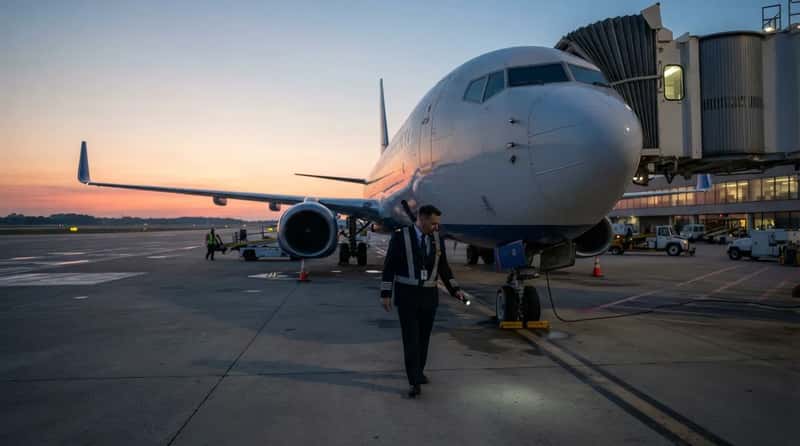
The early bird doesn’t just get the worm – it gets to its destination on time.
Delays stack up as the day goes on, since aircraft and crews fall further behind schedule with every hour. An early morning flight rarely inherits someone else’s problem from earlier in the network.
The plane flying the 6 a.m. slot probably sat at the gate all night, with no cascading delays from a previous sector. Most travelers book what’s convenient. Seasoned flyers book what’s reliable.
But that’s nothing compared to the move they make the moment they choose their seat.
#16 – They Check a Seat Map Before Anyone Else Does
Picking a seat at random is a rookie mistake that costs hours of comfort.
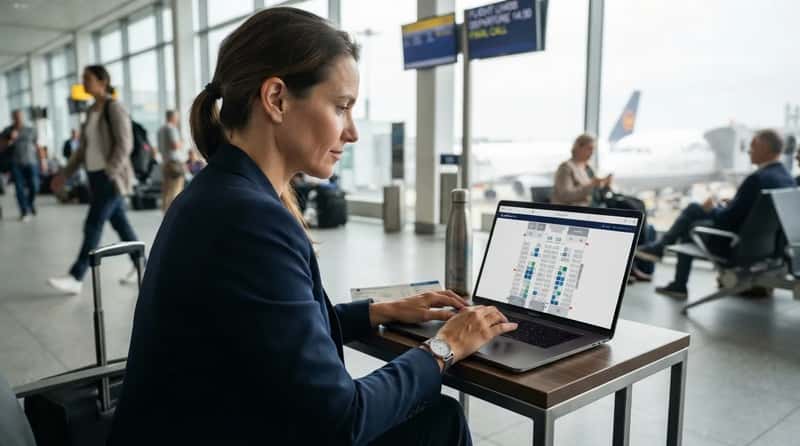
Airlines release seat maps up to 330 days before departure, and the good seats vanish within hours of that window opening. Exit rows, bulkheads, and front-cabin economy get claimed almost instantly.
Experienced flyers treat the seat map like a battlefield map – studied before entering, not after. Tools like SeatGuru show exactly where to sit to dodge the lavatory line or land near an exit row worth paying for.
If a good seat isn’t available at booking, they check back 24 to 48 hours before departure, when airlines release previously blocked seats.
But that’s nothing compared to what we found about the one security move that saves hundreds of hours a year.
#15 – They Have TSA PreCheck or Global Entry, Full Stop
This is the single habit with the highest return on investment in all of travel.
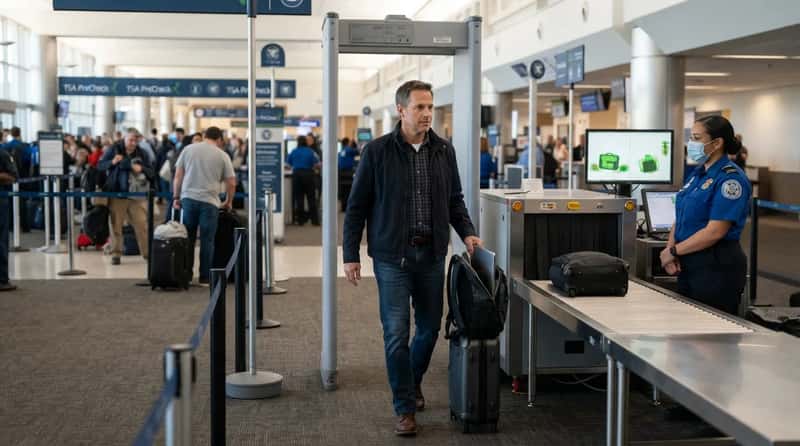
TSA PreCheck costs about $85 for five years and lets you skip removing shoes, jackets, laptops, and liquids at the checkpoint. Global Entry runs around $120 for five years and adds fast customs processing on top of PreCheck.
A background check completed once, months in advance, buys years of shorter lines. Occasional flyers debate whether it’s “worth it.” Seasoned flyers stopped having that debate a long time ago.
Fast Facts
- A new five-year PreCheck membership runs $76.75 to $85, depending on the enrollment provider.
- PreCheck lanes now operate at more than 200 U.S. airports.
- About 99% of PreCheck travelers clear the checkpoint in under 10 minutes.
- Global Entry stacks every PreCheck benefit with expedited customs on the way back into the country.
But that’s nothing compared to how they physically walk through security.
#14 – They’re Undressed for Security Before They Hit the Belt
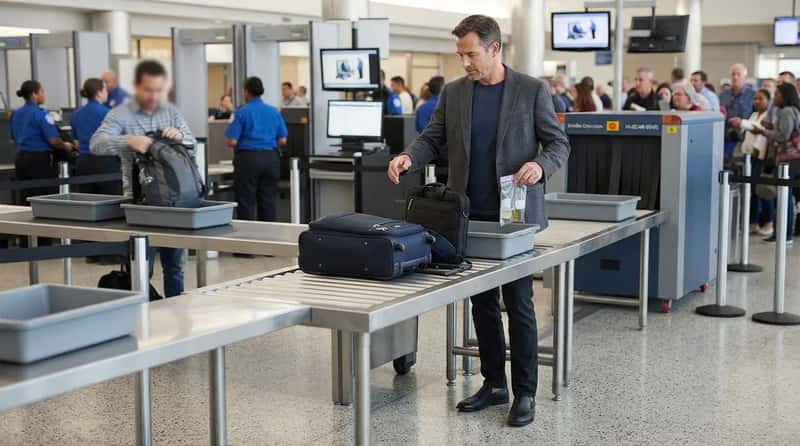
Casual travelers wait until they’re standing at the bins, patting themselves down like they’ve lost their keys. That thirty-second scramble, multiplied across hundreds of people, is exactly why lines back up.
Frequent flyers treat the wait itself as prep time, not dead time. Four free moves cut checkpoint time: slip-on shoes, pockets emptied early, liquids and laptop already within reach, and a farther or left-side lane.
That’s the entire formula, and almost nobody copies it. Checkpoints farther from the entrance are usually quieter, simply because most people take the first line they see.
But that’s nothing compared to what they pack, and more importantly, what they don’t.
#13 – They Default to Carry-On Only
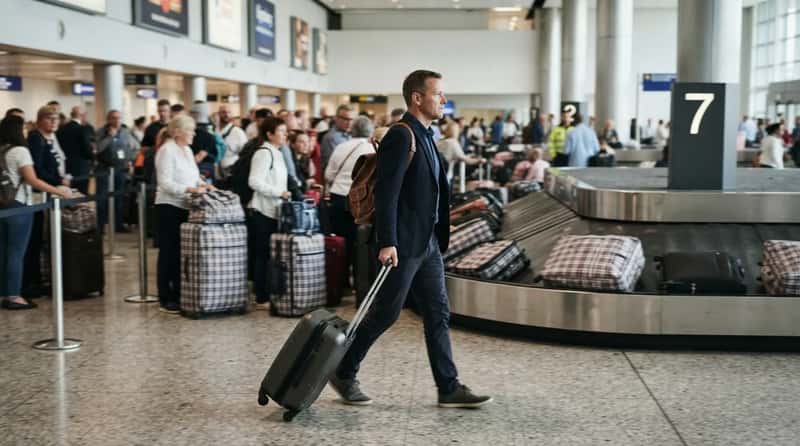
Checked luggage is the single biggest time tax in modern travel.
Experienced travelers treat a checked bag as a last resort, not a default choice. No check-in line, no baggage claim wait, no risk of a lost bag derailing the whole trip.
Checked bag fees now average around $45 to $50 for a first bag on most major U.S. carriers, and overweight fees can tack on another $100 or more. Seasoned flyers do the math, then they pack accordingly.
When a checked bag genuinely is unavoidable, they shift straight into the next habit.
#12 – They Weigh Their Bag at Home
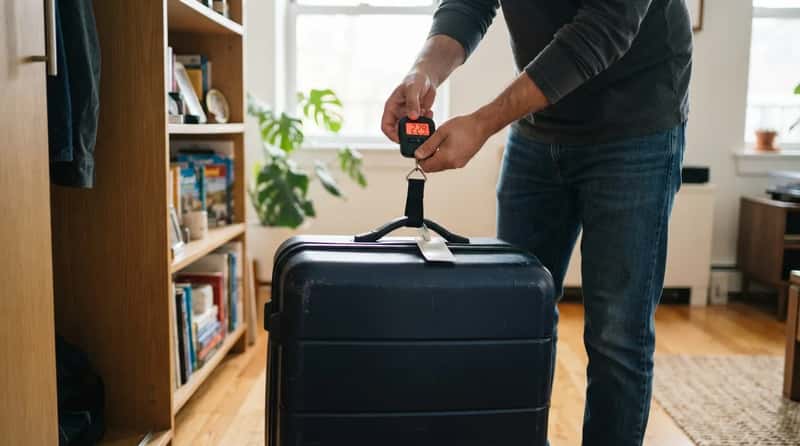
It takes 30 seconds and prevents a $100 moment of public embarrassment.
Occasional flyers eyeball their bag and hope for the best. Frequent flyers weigh it every single time, no exceptions, using a cheap luggage scale that costs under $15.
A $12 luggage scale is the highest-ROI travel purchase most people still haven’t made. Seasoned flyers bought one after the first time they got hit at the counter, and they never got hit again.
But the smart packing habit doesn’t stop at weight – it’s about what’s organized inside the bag.
#11 – They Pack a Dedicated “Within-Reach” Kit
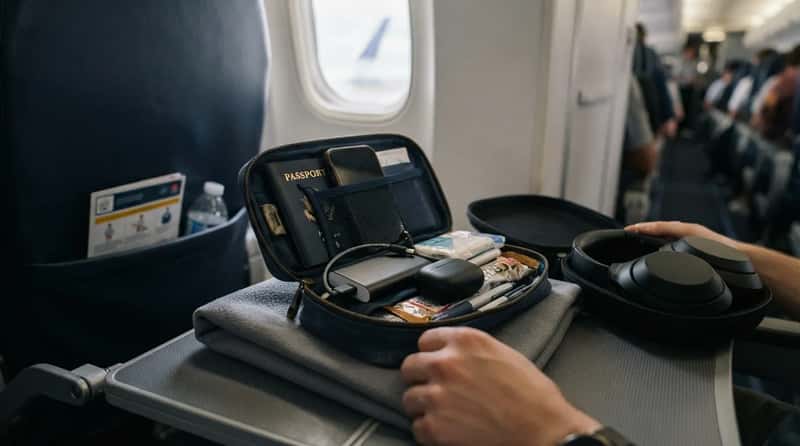
Digging through a full bag mid-flight or at the security belt is how amateurs travel.
Seasoned travelers pack a smaller “day bag” inside their carry-on holding chargers, documents, and snacks. That means moving through security and settling into a seat without ever digging through the whole suitcase.
The kit doesn’t change between trips – it stays packed. It’s not reorganized each time; it just lives in the bag, permanently ready.
But there’s one device they guard more closely than any document.
#10 – They Always Have a Charged Portable Battery
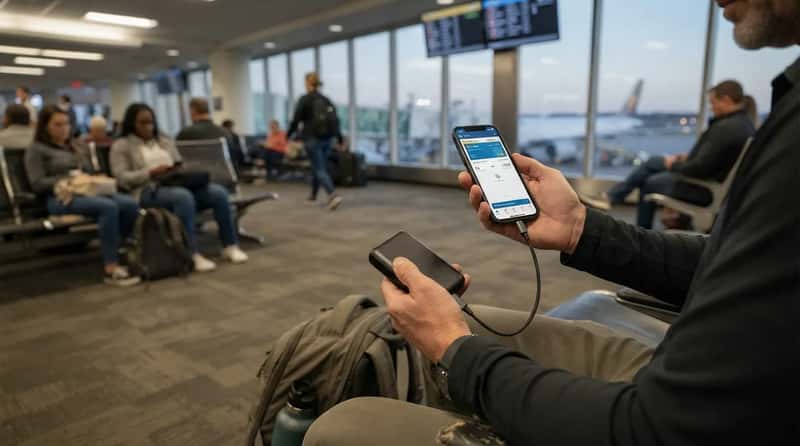
A dead phone at the gate is not a minor inconvenience. It’s a crisis.
Airport outlets are notoriously scarce and usually already taken. A dead phone during a gate change or delay turns a small hiccup into a real problem.
Gate changes, boarding passes, flight tracking, rebooking calls – everything runs through that phone. It’s the one item seasoned flyers never leave home without, yet it’s still the one thing most people forget to charge.
The next habit is about how they track that gate change before it even happens.
#9 – They Turn On Flight Alerts the Moment They Book

Seasoned flyers never discover a delay at the airport. They knew about it an hour ago.
Real-time alerts for gate changes, delays, and boarding calls let a traveler wander away from the gate without worrying they’ll miss the announcement. That matters most at big airports, where restaurants and lounges can be a long walk from the actual gate.
The traveler who gets a gate-change alert while eating 10 gates away is always a frequent flyer. The one sprinting because they heard a muffled PA announcement? First trip in a while.
But the way they move through the terminal itself is a whole separate skill.
#8 – They Know Their Airport’s Rhythm
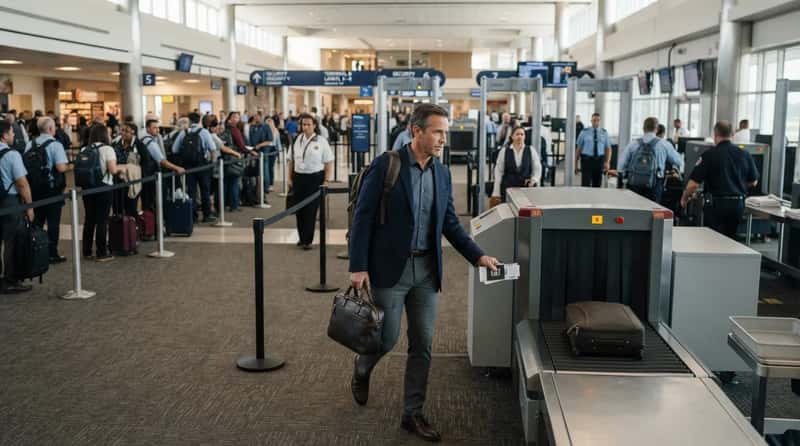
Not all security lanes, terminals, or checkpoints are equal, and seasoned flyers know exactly which ones to use at their home airport.
They know which checkpoints run CT scanners, which entrances bottleneck at 7 to 9 a.m., and which lanes actually move. That calibration comes from tracking real wait times across dozens of trips, not guessing.
This institutional knowledge is invisible to the occasional traveler, and invaluable to the frequent one. No app shows it. You earn it by paying attention.
But all that airport knowledge means nothing if you book the wrong connection.
#7 – They Never Book a Connection That’s “Technically Possible”
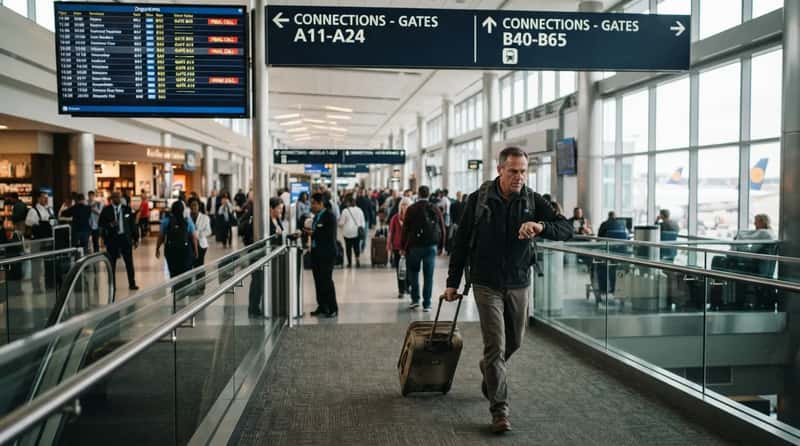
Airlines will happily sell you a 35-minute connection. Seasoned flyers won’t buy it.
Airports that require a train or shuttle between terminals deserve a much bigger buffer than the schedule suggests. A tight connection listed as technically possible isn’t always realistic in practice.
The “minimum connection time” airlines list is a legal floor, not a comfortable reality. Frequent flyers add a buffer on top of whatever the airline calls the minimum, every single time, with zero debate. The traveler who’s missed a connection once never books tight again.
Quick Compare
- Same-terminal connection: technically fine at the minimum, but add 15 to 20 minutes anyway.
- Different-terminal connection: add at least 45 to 60 minutes beyond the posted minimum.
- International-to-domestic connection: budget extra time for immigration and re-screening, not just the walk.
- Train-or-shuttle connection: treat the listed minimum as the absolute floor, never the target.
There’s another post-landing decision seasoned flyers get right that almost everyone else gets wrong.
#6 – They Never Book Anything Tight Right After Landing

The airport doesn’t care about your dinner reservation.
Seasoned travelers rarely book a tour, a train, or a dinner reservation right after landing, because they’ve learned airports rarely run exactly on schedule. That extra hour or two isn’t wasted time – it’s insurance against ordinary chaos.
Even experienced travelers protect the inbound flight connection but then book a hotel check-in or rental car pickup the moment they land. Buffer thinking applies to everything on the ground too, not just the flights. Seasoned flyers build slack into the entire day.
Now here’s a move most travelers flat-out ignore – the loyalty play.
#5 – They Stick to One Airline Ecosystem

Chasing the cheapest ticket on a different carrier every trip is costing you more than you think.
Once you fly regularly, loyalty starts to matter more than price. Staying within one alliance unlocks upgrades, priority boarding, lounge access, and faster check-in – benefits that quietly outweigh small fare differences over time.
Business travelers focused on efficiency stick to one airline to climb elite status faster, for perks like premium lounges and priority rebooking. Priority rebooking during a disruption is worth more than any price difference on any single ticket. Seasoned flyers figured that out early.
But the way they use those loyalty miles has completely changed.
#4 – They Know Exactly What Their Miles Are Worth Right Now

Miles aren’t magic. They’re a currency, and that currency’s rules just changed.
Every major U.S. airline handles upgrades differently, and the rules shifted again in 2025: American and United scrapped their published upgrade charts, so pricing is now set flight by flight, the way Delta has done it for years. The cheapest fare bucket is built to be restrictive, with no upgrades of any kind, miles or cash, at American, Delta, or United.
Seasoned flyers check the current upgrade rules before they book, not after they’re already ticketed. Occasional flyers let miles expire. Frequent flyers treat them like cash.
At a Glance
- Delta has priced upgrades flight by flight for years, not off a public chart.
- American and United dropped their published upgrade charts in 2025 and now do the same.
- The cheapest “basic” fare bucket blocks upgrades entirely, cash or miles, on all three carriers.
- Checking the current upgrade path before booking can mean paying dramatically less for the same seat.
The next decision is one of the most underrated moves in all of travel.
#3 – They’re Strategically Nice to Gate Agents
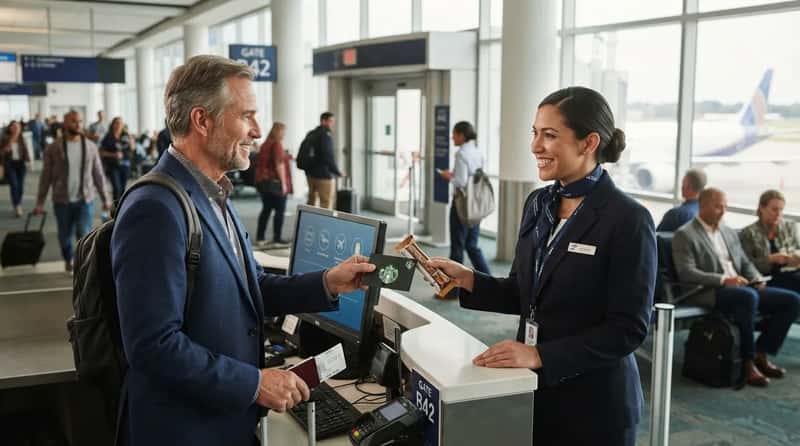
This one might be the most controversial thing on this list, and also the most effective.
Gate agents hear complaints all day, so approaching one with genuine kindness tends to get surprising reciprocity. Seasoned flyers know these agents hold enormous discretionary power over seat upgrades, standby priority, and rebooking during cancellations.
Several frequent flyers at The Points Guy recommend bringing small treats for flight attendants and gate agents, with one regular traveler saying they always bring Starbucks gift cards and protein bars to hand out. The traveler being short-tempered at the gate is the last one to get helped when things go wrong. The polite one with a snack? Often the first.
Now the second most powerful decision a seasoned flyer makes, and it happens months before the trip.
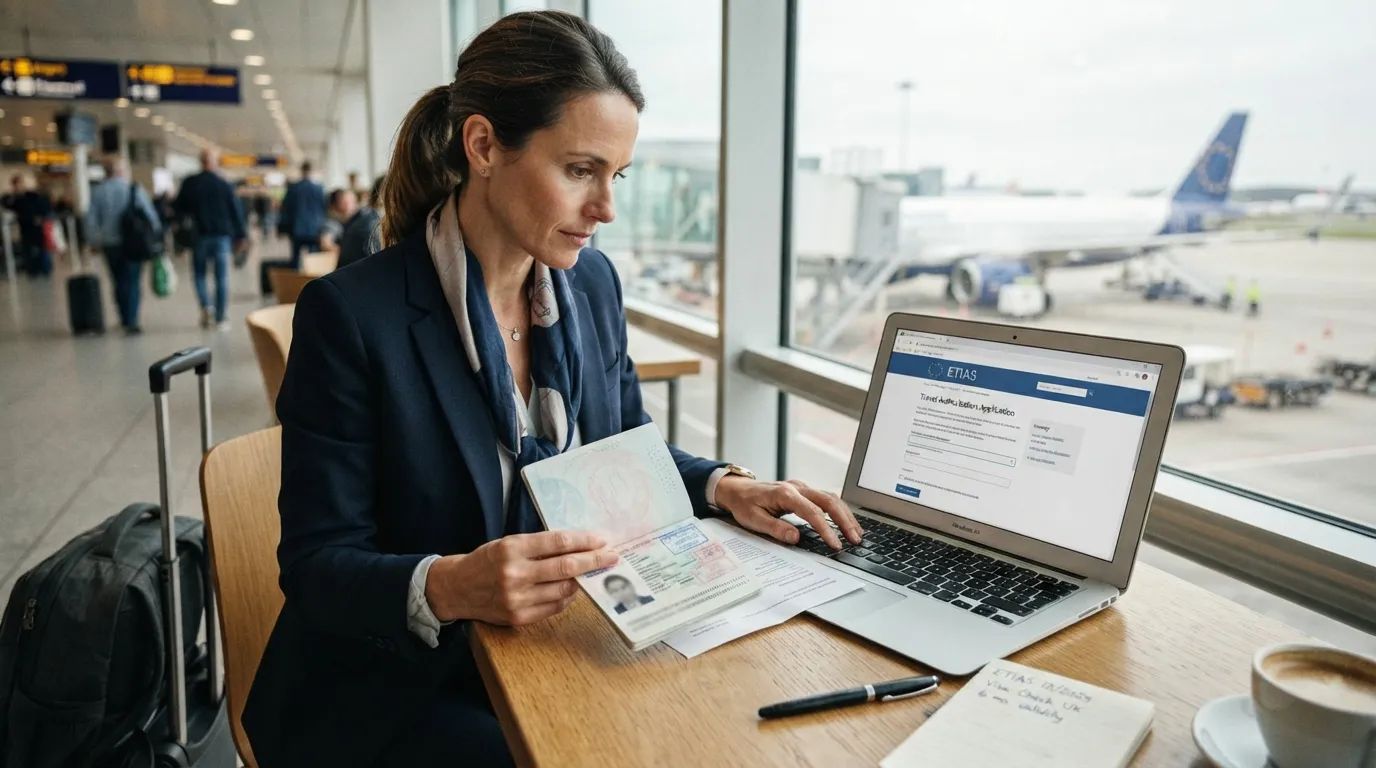
#2 – They Research Entry Requirements Far in Advance

This is the mistake that ends trips before they begin, and it’s entirely preventable.
Visa rules, transit permissions, and passport validity requirements shift more often than most travelers realize. Frequent flyers check rather than assume, since many countries require passports valid for at least six months beyond travel dates.
Digital entry systems have expanded fast too, with the EU’s ETIAS system expected to require pre-travel authorization for visa-exempt visitors once it becomes mandatory. Seasoned flyers treat entry requirements like a pre-flight checklist – verified, not assumed. A failed document check at the counter is the most avoidable crisis in travel, and the road warriors never experience it twice.
Worth Knowing
- ETIAS has slipped multiple times, with a 2027 start now viewed as the realistic timeline.
- Even after it launches, a transition window of roughly six months means travelers won’t be turned away for lacking one right away.
- Most countries still require a passport valid at least six months beyond your travel dates.
- Entry rules can shift with little warning, so seasoned flyers recheck close to departure, not just at booking.
And the single biggest decision that separates the seasoned flyer from everyone else? It’s not what most people expect.
#1 – They Treat the Entire Journey as One Continuous Sequence
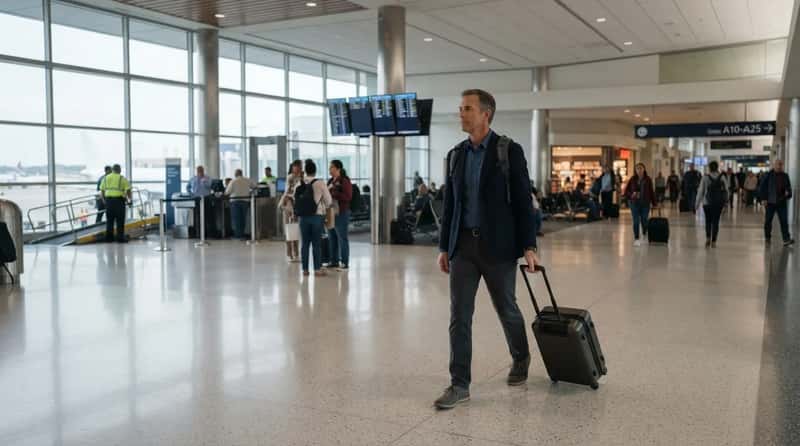
This is the master habit. Everything else flows from it.
The biggest habit isn’t any single trick – it’s a mindset. Frequent flyers plan the parking, the security line, the walk to the gate, and boarding as one continuous sequence instead of a string of separate problems.
It’s a dozen micro-decisions made early, so they can stay unhurried where everyone else is tense: at the belt, at the gate, at the jet bridge. The seasoned flyer has already solved tomorrow’s airport before they’ve gone to bed tonight. Every item is in place, every app is loaded, every alert is set – the morning of the flight is just execution.
It’s a set of habits repeated until the airport feels less like a maze and more like a commute. That’s the real destination most people are trying to reach, and now you have the map.
The Bottom Line
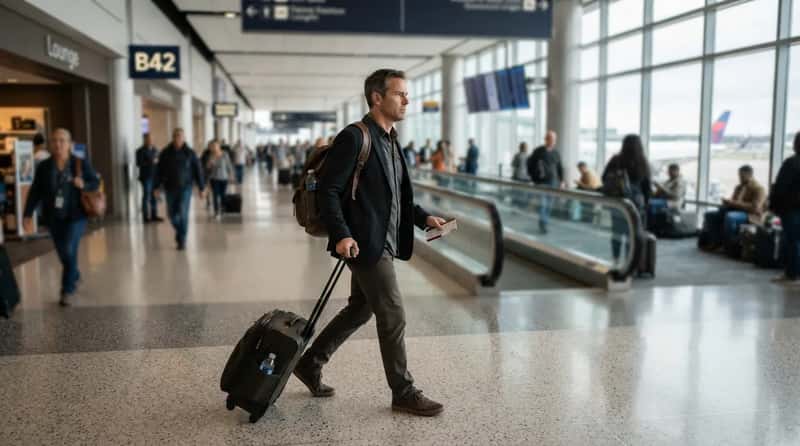
Most of what separates a seasoned flyer from a stressed one has nothing to do with money or status. It’s a sequence of quiet, pre-emptive decisions: book the first flight, pick the seat early, carry-on only, protect your battery, know your airport, buffer every connection, stay loyal, and treat the journey as one system instead of a series of surprises.
None of these habits are secret. They’re just rarely practiced all at once. Start with two or three, and the airport will start to feel completely different within a few trips.
Which of these do you already do, and which one are you going to try first? Drop it in the comments.