Most people assume packing gets harder as you get older. More medications, more “just in case” items, more stress at the airport. But the travelers over 60 who actually seem to breeze through trips – rolling through terminals without a fuss, always knowing exactly where everything is – aren’t packing more. They’re packing smarter. There’s a quiet confidence you see in seasoned travelers, and it shows up most clearly in how they pack before they ever leave the house.
The habits on this list aren’t about slowing down or playing it safe. They’re about cutting the specific friction that ruins otherwise great trips – the overweight bag that gets you fined at the gate, the checked luggage that vanishes with your medication inside, the shoes that destroy your feet on day two. Some of the most impactful changes cost almost nothing. A few of them will feel obvious in hindsight. At least one will genuinely surprise you.
#17 – They Always Weigh Their Bag Before Leaving the House
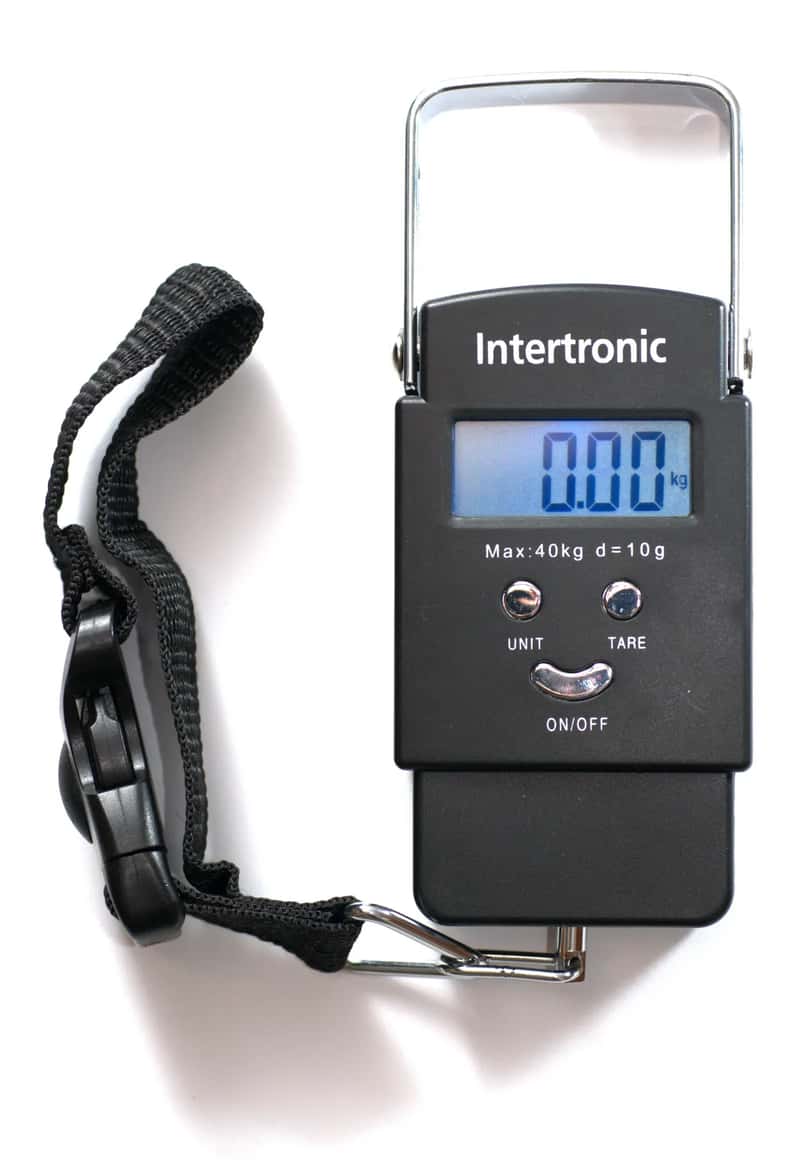
You can blow past airline weight limits without realizing it until you’re standing at the check-in counter, yanking things out of your suitcase while a line forms behind you. A handheld luggage scale costs around $10, fits in any drawer, and takes thirty seconds to use. Yet the number of travelers who skip this step – and pay $50 to $100 in overweight fees as a result – is staggering. Those fees are pure money burned on something entirely preventable.
The habit matters even more on trips with multiple flights or destinations. A bag that squeezes under the limit on a major U.S. carrier might blow past the limits on a regional connector or an international leg. Weigh at home, check the specific limits for every carrier on your itinerary, and make it a ritual – not something you do when you remember. It takes less time than finding parking at the airport, and it eliminates one of the most common stressors of the entire travel day.
Fast Facts
- Most major U.S. airlines enforce a carry-on size limit of 22 x 14 x 9 inches, including wheels and handles.
- International carriers – especially in Europe and Asia – commonly enforce carry-on weight limits of 15 to 22 pounds that U.S. domestic flights typically skip.
- Budget carriers like Spirit and Frontier use physical sizer bins at the gate, and gate fees can reach $75 to $99.
- A $10 handheld luggage scale can prevent fees that routinely run $50 to $100 per overweight bag.
- Southwest allows a slightly larger carry-on at 24 x 16 x 10 inches – worth knowing if you fly them regularly.
#16 – They Use a Carry-On Whenever Humanly Possible
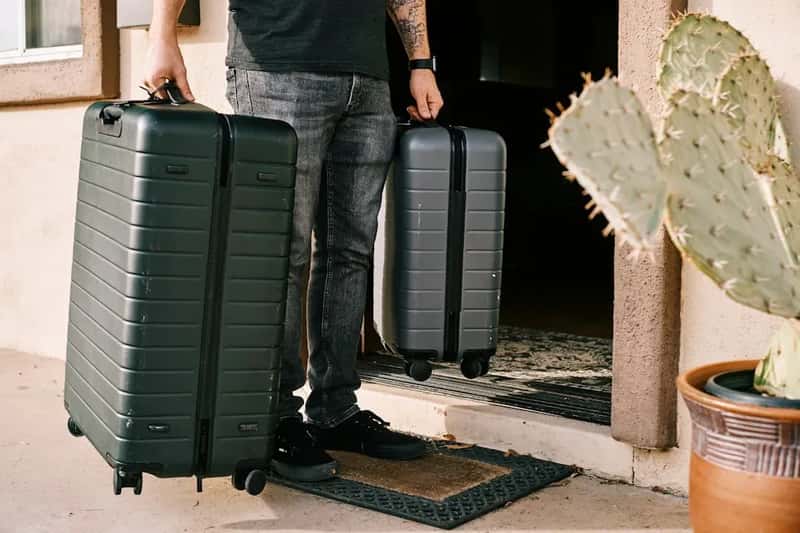
Most airlines now charge for checked luggage, and those fees add up fast on multi-leg trips. Switching to a carry-on saves money, cuts your airport exit time dramatically, and reduces the chance your belongings end up in a different city than you do. Travelers who make the switch often say it feels like they shaved years off the experience – lighter, faster, and far less stressful from the moment they leave home.
Standard U.S. carry-on limits run about 22 x 14 x 9 inches, and knowing those dimensions saves you from getting gate-checked at the last second. The key mental shift is accepting that you don’t need every outfit option – you need the right ones. Heavy luggage strains your back, slows you through terminals, and gives you one more thing to worry about. Once you feel what it’s like to move through an airport with just one manageable bag, folding that massive suitcase back out for the next trip starts to feel like a step backward.
#15 – They Pack a Scarf That Does Five Different Jobs

A single lightweight scarf might be the most underrated packing item on the planet, and travelers who’ve been doing this for decades know it cold. Use it as a neck wrap on a cool evening, a blanket on the plane, or a head covering when visiting religious sites. On sweltering days it becomes a shade shield. In freezing hotel rooms it’s a fifth layer. That’s five distinct uses from one item that weighs almost nothing and compresses to the size of a fist.
Experienced travelers also pack scarves as wardrobe extenders – a few scarves and simple jewelry can make the same black pants and blouse look completely different across five evenings out. The scarf adds outfit variety without adding weight or bulk, which is the holy grail of smart packing. It also makes you look intentional and put-together rather than like someone who grabbed whatever fit. A neutral-toned travel scarf earns more real use per ounce than almost any other item you’ll bring.
#14 – They Switch to Solid Toiletries and Never Look Back

Most travelers still pack liquid shampoo, liquid conditioner, liquid lotion – then spend ten minutes at security pulling it all out into a quart-sized bag and reorganizing on the other side. Solid shampoo bars, solid moisturizers, and solid deodorants are lighter, smaller, and exempt from the TSA liquid rule entirely. The security line moves noticeably faster when you don’t have to touch your toiletries bag at all.
Brands like Lush, Ethique, and HiBar have made solid hair and body products that genuinely rival their liquid counterparts – this isn’t a compromise anymore. Beyond that, it’s worth checking what your hotel provides before you pack anything: most properties supply shampoo, conditioner, and lotion, and in a pinch you can buy basics almost anywhere. Between hotel amenities, solid bars, and buying locally, most travelers over 60 find their toiletries bag shrinks to a fraction of what they used to carry – and the TSA line moves five times faster.
At a Glance: Solid vs. Liquid Toiletries for Travel
- Solid bars: TSA-exempt, no quart bag needed, no spill risk, lighter overall weight.
- Liquid bottles: Must be 3.4 oz or under, pulled out at security, heavier, and prone to leaking mid-flight.
- Hotel amenities: Free and widely available – always check before packing duplicates.
- Buying locally: Works as a backup strategy and frees up even more packing space at departure.
#13 – They Pack Backup Documents in a Completely Separate Bag
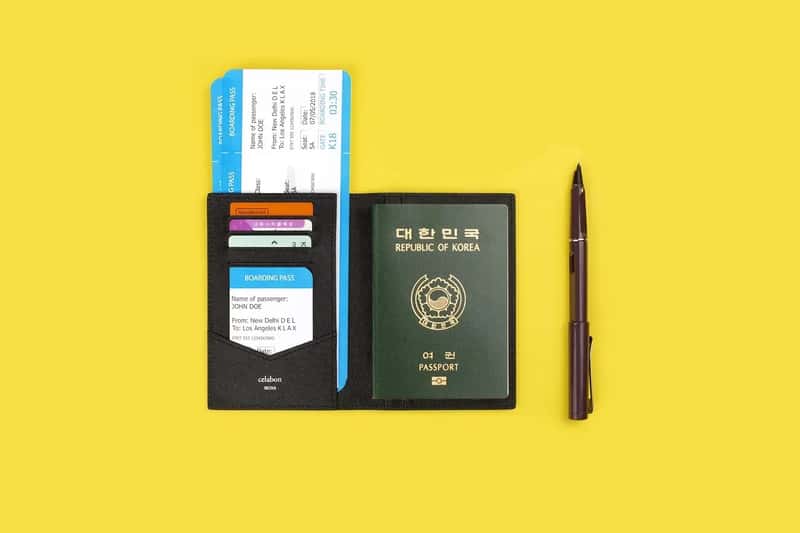
This habit feels like overkill – until the exact moment you need it, when it feels like the smartest thing you ever did. Printed duplicates of your passport, tickets, insurance card, and itinerary stored in a different bag from your originals means losing one bag doesn’t mean losing everything. Experts advise putting your name, email, and phone number on luggage tags both inside and outside the bag – but skipping the home address on the outside, since it advertises that your house is empty.
Smart travelers also photograph every document before departure – passport, prescriptions, insurance cards – and store those photos in a cloud folder accessible from any device. You might remember your passport but overlook your travel insurance paperwork. Having coverage details immediately accessible matters most during a medical emergency or a missed connection, when you’re already stressed and short on time. The paper backup and the digital backup together take about fifteen minutes to set up and can save an entire trip.
#12 – They Apply for TSA PreCheck and Actually Use It

Airport security is one of the most physically draining parts of travel for anyone over 60 – removing shoes, lifting bags onto belts, standing in long lines, then collecting scattered items on the other side in a hurry. TSA PreCheck eliminates most of that friction in a single move. Travelers 75 and older already qualify for expedited screening and can keep their shoes and light jackets on; PreCheck brings similar benefits to everyone else.
TSA PreCheck costs up to $85 for five years – roughly $16 a year – for dramatically faster, lower-stress security at more than 200 U.S. airports. With PreCheck, about 99% of passengers wait less than 10 minutes at security. You keep your shoes on, keep your laptop in your bag, and use a dedicated shorter lane. Many premium travel credit cards also reimburse the enrollment fee entirely. For anyone who flies even twice a year, it pays for itself almost immediately in saved time and avoided physical strain.
Quick Compare: TSA PreCheck vs. Global Entry
- TSA PreCheck: Up to $85 for 5 years – covers expedited domestic airport security at 200+ airports across 90+ airlines.
- Global Entry: $120 for 5 years – includes PreCheck benefits plus faster customs re-entry when returning from international trips.
- Best for domestic travel: PreCheck is the faster, cheaper starting point.
- Best for international travel: Global Entry pays off if you travel abroad four or more times a year.
- Credit card perk: Many travel cards reimburse the full enrollment fee – check your card’s benefits before paying out of pocket.
#11 – They Roll Their Clothes Instead of Folding Them
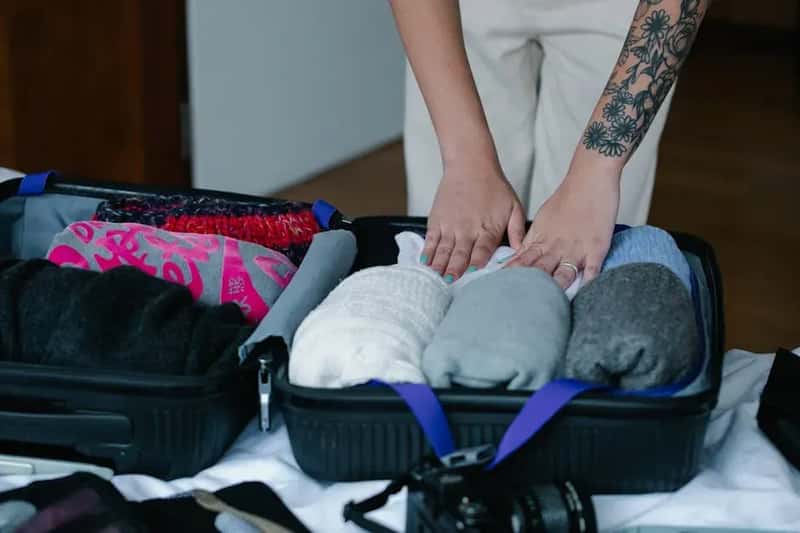
This tip gets repeated so often that people tune it out – and that’s a mistake, because the difference between rolling and folding inside a packed suitcase is genuinely dramatic. Rolling clothes saves meaningful space, and for anyone trying to fit a week into a carry-on, that saved space is the difference between making it work and checking a bag. Rolling also reduces wrinkles on most fabrics, so you arrive looking like someone who planned ahead rather than someone who slept in their suitcase.
The technique works best combined with a coordinated wardrobe. Pack pieces in compatible colors, roll everything you can, and stand the rolls upright so you can see the entire contents at a glance instead of digging through layers. Tightly rolled items stay in place better too – less shifting during transit means less chaos when you open the bag at your destination. Once you start rolling, folding on a trip feels like a step backward you’ll never willingly take again.
#10 – They Limit Themselves to Two Pairs of Shoes, Maximum

Shoes are the single heaviest, bulkiest category in almost every suitcase – and the category where overpacking is most common and least necessary. Most experienced travelers land on the same formula: one pair of supportive, broken-in walking shoes worn onto the plane, and one additional pair for a different situation – a sandal, a dressier flat, or flip-flops. Two pairs. That’s the ceiling, and almost no trip actually needs more.
The critical word there is broken-in. Never pack new shoes for a trip – blisters on day two turn a dream itinerary into a miserable limp through museums. Think about your specific itinerary and choose shoes that work across multiple activities: a quality pair of comfortable walking shoes handles exploring, shopping, and most dining out without issue. Protect your feet with good socks, leave the fashion experiments at home, and you’ll enjoy the destination instead of dreading every step.
Worth Knowing: The Two-Shoe Rule in Practice
- Wear your bulkiest pair to the airport – it counts against your body weight, not your bag’s.
- Choose a second pair that covers a different occasion: dressier dinner, beach, or water activities.
- Stuff socks inside shoes to reclaim dead space in your bag.
- New shoes = blisters by day two. Only pack footwear you’ve already broken in.
- One versatile walking shoe can handle 80% of most itineraries on its own.
#9 – They Pack Packing Cubes and Use Them Every Single Trip
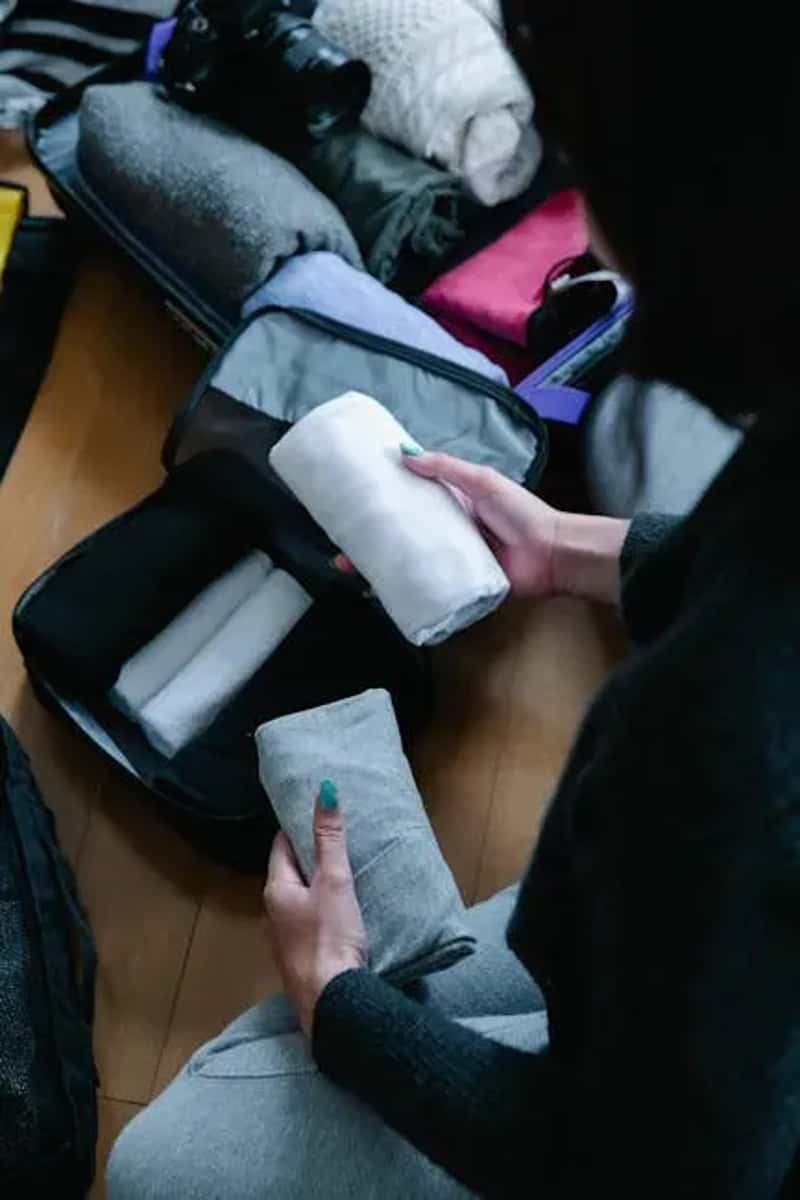
Packing cubes sound like something invented to sell travelers a product they don’t need. Turns out they’re one of the most genuinely impactful packing changes you can make – especially after 60, when hauling a heavy, disorganized bag becomes physically exhausting. Small, zippable, often compressible fabric pouches organize your luggage’s main compartment so that everything has a place and you stop digging through chaos to find a single sock.
One underappreciated benefit: you can pack all your cubes first, then carry them to your suitcase by the door rather than dragging a half-packed heavy bag around your bedroom. If your bag is overweight at the airport, you calmly transfer one cube to your carry-on instead of rifling through the entire suitcase in public. The compression feature effectively shrinks your clothing and can mean the difference between a carry-on that closes and one that doesn’t. That calm, organized feeling at the airport starts the trip on a completely different note.
#8 – They Pack a Packable Rain Shell, Not an Umbrella

Almost every seasoned traveler over 60 carries rain protection. The ones who’ve been caught in a downpour far from their hotel – soaked through, no cab in sight – are the most religious about this habit. The distinction between a rain shell and an umbrella matters more than it sounds. An umbrella leaves your clothing wet from the waist down, becomes useless in any wind, and requires a hand to hold it. A packable rain shell keeps you completely dry and leaves both hands free.
The kind that stuffs into its own pocket and weighs just a few ounces fits in any day bag side pocket. A rain poncho that covers you and your backpack and dries quickly enough to repack costs around $18 on Amazon. The best travel days aren’t the ones with perfect weather – they’re the ones where you were ready either way. That one small item in the bottom of your bag is what separates a ruined afternoon from one you barely remember noticing the rain.
#7 – They Build a Capsule Wardrobe Instead of Packing Full Outfits

Packing specific outfits – a particular top matched to a particular bottom for each specific day – is a trap. It removes all flexibility when weather changes or plans shift, and it means you need everything to go exactly as planned. Experienced travelers over 60 think in capsules instead: a tight set of pieces in compatible neutral colors that mix, match, and layer into far more combinations than the piece count suggests. Three bottoms and five tops in coordinating colors create fifteen distinct combinations before you add a scarf.
Focus on wrinkle-resistant fabrics that work for both day and evening, pack one slightly nicer piece for dinners out, and you have everything you need without the weight. The capsule approach also makes repacking for the return trip effortless since everything goes with everything – no sorting, no puzzling over what matches. Travelers who commit to this habit typically report packing 30 to 40 percent less than before, and almost none of them go back.
Why It Stands Out: Capsule Wardrobe vs. Outfit-by-Outfit Packing
- Capsule: 3 bottoms + 5 tops = 15+ combinations. Flexibility built in from day one.
- Outfit-by-outfit: Rigid, weather-dependent, and leaves no room if plans change.
- Neutral colors (navy, black, white, tan) mix and match without clashing.
- One dressier piece covers dinner; layering handles temperature swings.
- Travelers who switch typically pack 30 to 40% less – and report missing nothing.
#6 – They Ditch the Laptop and Travel With a Phone or Tablet Only
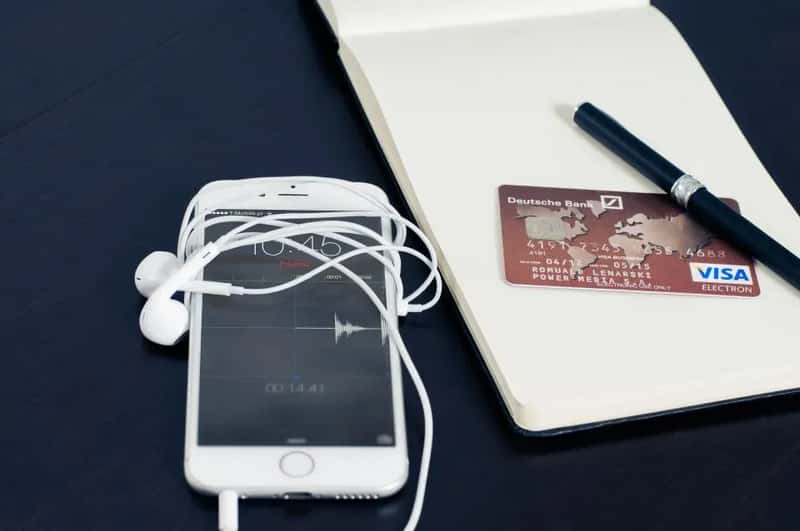
Laptops are heavy, they drain battery fast, and for most travel situations they’re completely unnecessary – yet plenty of travelers over 60 still pack one by default, out of habit more than actual need. A smartphone handles navigation, hotel check-in, boarding passes, translation, banking, and communication without adding laptop-level weight to your bag. For a slightly larger screen for reading or video calls, a tablet splits the difference without the bulk.
An e-reader like a Kindle goes even further: hundreds of books on a device that adds just a few ounces, replacing a stack of paperbacks that can add real pounds to your luggage. Cutting the laptop from your packing list typically removes three to five pounds in a single move – often the difference between a bag that passes the weight check and one that doesn’t. One main device and a compact power bank is genuinely all most trips require. Everything else is habit masquerading as necessity.
#5 – They Always Pack a Full Day’s Essentials in Their Personal Item
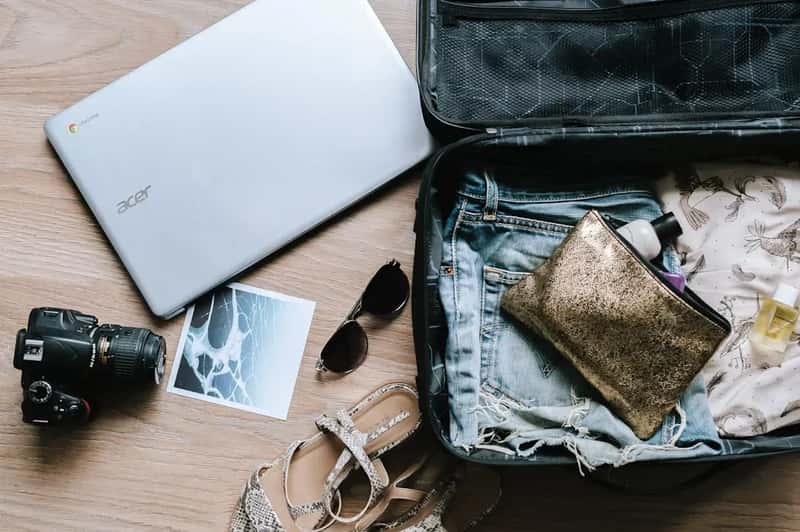
One of the hardest lessons in travel is learning it from a lost bag. Your checked luggage goes one way; you go another. It happens more than airlines like to admit, and it almost always happens at the worst possible moment – end of a long international flight, late at night, when all you want is a shower and clean clothes. The habit that protects you is simple: one change of clothes, medications, charger, snacks, and essential toiletries in a bag that never leaves your side.
Smart travelers treat their personal item – the smaller bag that goes under the seat – as a self-contained 24-hour survival kit. Keep snacks and chargers in accessible outer pockets for easy access during layovers and delays. If your checked bag disappears, this bag means you can still function normally: show up to commitments, sleep comfortably, take your medications on schedule. The travelers who’ve never had a bag delayed think this is excessive. The ones who have lived it do this automatically, every single time, without having to think about it.
#4 – They Keep All Medications in the Carry-On. Always.
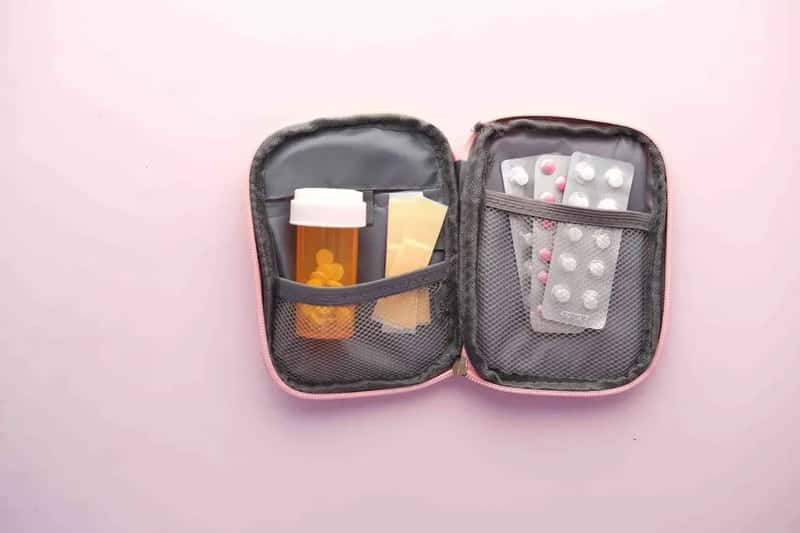
This is a non-negotiable for any traveler who takes prescription medication – which after 60 is most people. Checked bags get lost, delayed, and sometimes opened. None of those outcomes are acceptable when your medications are inside. Travel medicine guidelines consistently recommend keeping prescriptions in your carry-on in case checked luggage is delayed or misplaced. This isn’t a suggestion – it’s a hard rule that every experienced traveler eventually adopts after one close call or one near-miss.
Keep medications in their original labeled containers, pack enough for the full trip plus at least three to five extra days, and carry a copy of each prescription or a brief letter from your doctor – especially for controlled or injectable medications. For international travel this matters even more: medication laws vary significantly by country, and failing to comply can mean confiscation, delays, or worse. Missing even one day of certain medications can derail an entire trip. The carry-on habit prevents all of it, every time.
#3 – They Wear Their Bulkiest Items on Travel Days

Here’s the oldest trick in the smart packer’s playbook – and it works every single time. Your heaviest jacket, your thickest sweater, your sturdiest boots: wear them to the airport instead of packing them. The plane is cold anyway. The number of travelers who dutifully stuff a heavy coat into an already-full suitcase while wearing a light shirt to the gate is remarkable – and every one of them is leaving free carrying capacity on the table.
This habit pairs powerfully with the capsule wardrobe approach. When your bulkiest items are already on your body, your bag suddenly has room for everything else – and it’s measurably lighter at the scale. Some travelers take this further on the return trip, wearing an extra layer or two to free up space for souvenirs. There’s no rule about what you wear to the gate. Nobody checks. Your bag is two pounds lighter, and that’s all that matters.
#2 – They Build a Master Packing List and Refine It After Every Trip

Every seasoned traveler eventually arrives at the same realization: the best packing is systematic, not improvised. A master packing list – genuinely customized to your own travel patterns, updated after every trip, and consulted before every departure – is what separates the travelers who always feel prepared from the ones who always forget something critical. Make the list before you pack, not while you pack. Don’t put anything in the bag you aren’t certain you’ll need. And never pack at the last minute – stress is how things get forgotten.
The key word is “refine.” After each trip, note what you never touched – cut it next time. Note what you wished you’d brought – add it permanently. Within a few trips, you’ll have a list calibrated almost perfectly to your actual habits. The master list is how you bottle hard-won travel experience and access it on every departure day, no matter how rushed or distracted you are. It takes ten minutes to build and saves far more than that, every single trip.
#1 – They Pack Medications With Extra Days’ Supply, Original Containers, and Full Documentation

Nothing ends a trip faster – or more expensively – than running out of medication in an unfamiliar city. Seasoned travelers over 60 treat their medications not as something to pack, but as the most mission-critical element in their entire luggage system. Always pack more than you think you’ll need. Most experienced travelers build in a buffer of five to seven extra days’ worth – enough to absorb a flight cancellation, a surprise extension, or a slow journey home without any real stress or scrambling.
The documentation side is what most people skip – and what causes the most serious problems when something goes wrong. Keep medications in their original prescription bottles, carry a doctor’s summary letter especially for large quantities or controlled substances, and alert TSA agents as you go through screening. For international travel, research the specific medication laws of your destination before you leave: rules vary widely, and ignorance isn’t a defense. A printed copy of every prescription, a brief doctor’s letter, and original labeled containers is the combination that travels the world without incident. Get this one habit right, and almost everything else becomes manageable.
Medication Packing: Your Pre-Departure Checklist
- Pack all medications in your carry-on only – never in checked luggage.
- Bring a 5 to 7 day buffer beyond your trip length to cover delays or cancellations.
- Keep prescriptions in original labeled bottles – repackaging into pill organizers alone can cause issues at international borders.
- Carry a brief doctor’s letter for controlled substances, injectables, or large quantities.
- Research destination-specific medication laws before departure – rules vary widely by country.
The gap between a stressful trip and an effortless one almost always comes down to what happened before you left the house. These 17 habits aren’t about being cautious – they’re about removing the small frictions that quietly compound into ruined days. The travelers who’ve internalized them are the ones gliding through airports, arriving rested, and actually enjoying the destination instead of recovering from the journey. Start with two or three that fit your situation. The improvement is immediate, and it only builds from there.