Most people assume experienced drivers grind through discomfort, fatigue, and distraction without blinking. Turns out that’s exactly backward.
The drivers with the most miles behind them are the ones most likely to pull over before anything goes wrong at all. They’ve learned – sometimes the hard way – that catching the warning signs early is the entire skill, and what makes them stop might surprise you.
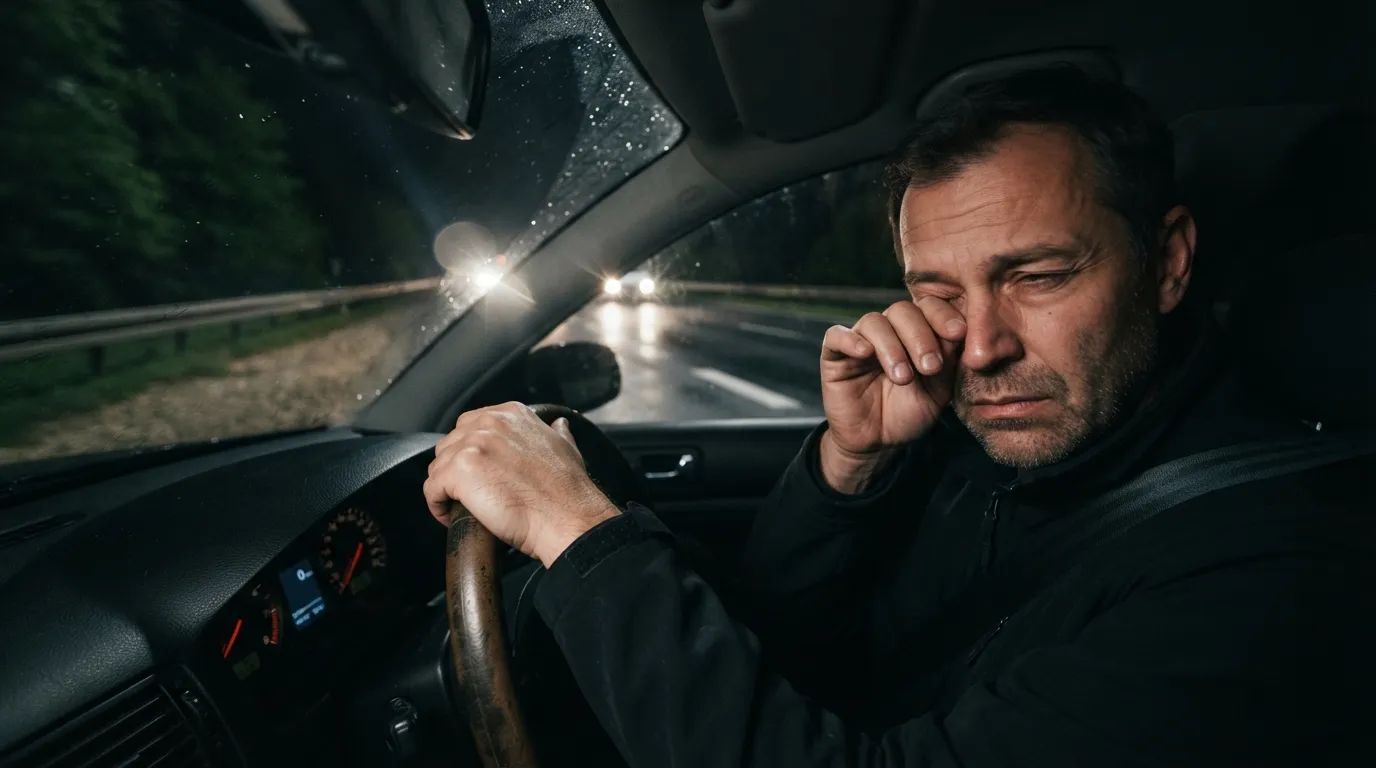
#17 – They Know Drowsiness Is Non-Negotiable

Experienced drivers don’t negotiate with fatigue. They’ve accepted what the science already proved a long time ago.
Drowsy driving is linked to roughly 1.5 million U.S. crashes a year, and over 8,000 deaths annually. That’s not a footnote – that’s a slow-motion catastrophe hiding in plain sight.
Going too long without sleep can impair driving the same way heavy drinking does. Experienced drivers treat that comparison as fact, not exaggeration.
Drowsy driving is impaired driving.
NHTSA
So instead of cranking the radio or rolling down a window, they pull over. A 15–20 minute nap at a rest stop actually works – loud music and cold air do not.
But drowsiness isn’t the only invisible threat waiting on the road.
#16 – They Recognize the “Microsleep” Window
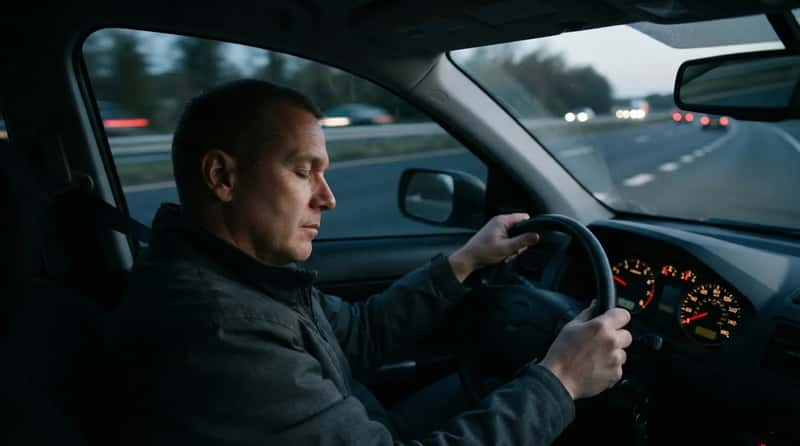
Here’s something most drivers have never heard of: microsleep. It’s the moment your brain briefly shuts off without warning, sometimes for just 2–3 seconds.
Harvard Medical School’s Division of Sleep Medicine estimates 250,000 drivers fall asleep at the wheel every single day in the U.S. Most never see it coming.
At 60 mph, a 3-second microsleep means you’ve traveled blind for the length of a football field. Reaction time, judgment, and attentiveness all collapse in that window.
Fast Facts
- Microsleep episodes can last 2–3 seconds without any warning.
- Roughly 250,000 U.S. drivers fall asleep at the wheel every day.
- At 60 mph, that’s the length of a football field driven blind.
Experienced drivers learn to catch the early warning signs before microsleep hits. The next reason they stop is one most drivers would never think to consider.
#15 – They Pull Over for Urgent Texts and Calls
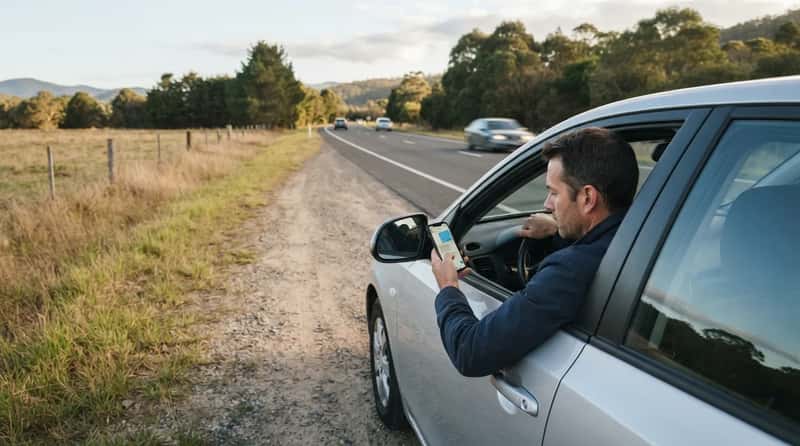
This sounds obvious. The data says most drivers don’t actually do it.
Texting while driving is roughly six times more dangerous than driving drunk, according to the National Safety Council. Six times – let that sit for a second.
At 55 mph, the average text pulls your eyes off the road for the length of a football field. Experienced drivers don’t trust themselves to “just glance.”
They pull over, deal with the message, and drive on. Ignoring critical signals is a habit – and the next one even safety-conscious drivers overlook.
#14 – They Stop When Emotions Are Running High
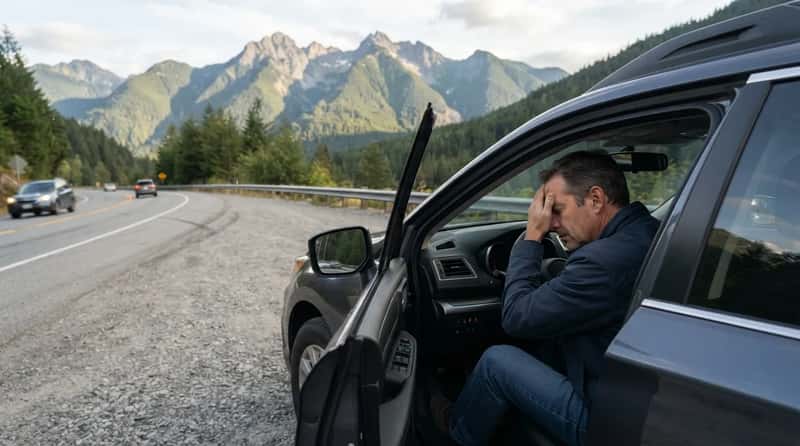
Road rage isn’t just a temper problem. It’s a full-blown impairment behind the wheel.
Most drivers get behind the wheel upset anyway, every day, without a second thought. Brake-checking, cut-offs, and sudden speeding all start here.
Emotional arousal narrows attention exactly when you need it widest. A few minutes parked to breathe and reset beats trying to drive through a mental storm.
Experienced drivers know that trade-off by heart. The next reason surprises almost everyone who hears it.
#13 – They Handle Navigation Changes Off the Road
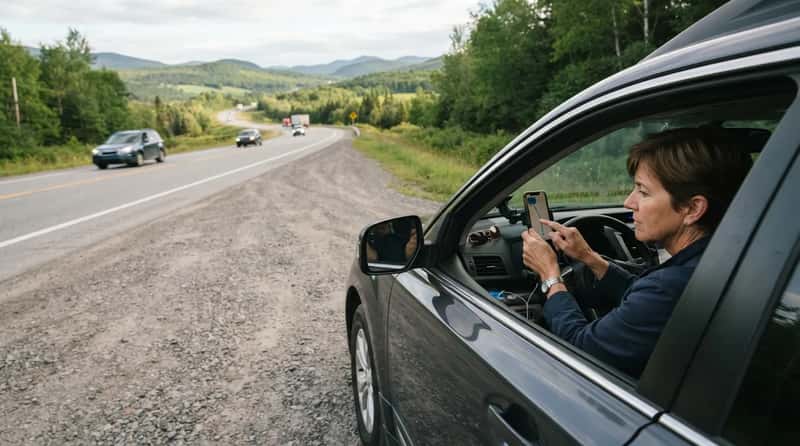
Reaching for a phone to re-enter a route while moving feels innocent. Experienced drivers treat it as anything but.
The rule is simple: set your route before the trip starts. If something changes mid-journey, pull over or hand the phone to a passenger.
Navigation apps, intense conversations, grooming, videos, radio fiddling – every one of those distractions has contributed to a real crash.
Recalculating from the shoulder takes 60 seconds and costs nothing. The next reason to stop is something the weather makes impossible to ignore.
#12 – They Treat Bad Weather as a Reason to Stop, Not Slow Down
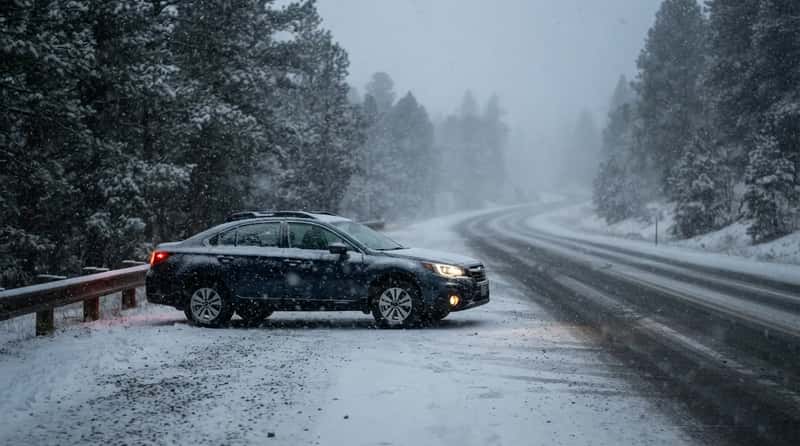
Most drivers think slowing down in bad weather is enough. Experienced drivers know sometimes the only right move is to stop completely.
Snow, ice, and flash flooding can change conditions in minutes. Sometimes the smartest decision is to not be on the road at all.
Visibility below a certain threshold makes every other driving skill irrelevant. Even perfect reflexes can’t save you from a hazard you can’t see until it’s ten feet away.
Worth Knowing
- Low visibility can make skill and experience irrelevant.
- Conditions can shift from manageable to dangerous within minutes.
- Shoulders, rest areas, and parking lots beat pushing through a storm.
Experienced drivers read the sky as closely as the road. They find a shoulder, a rest area, or a parking lot – and they wait it out.
#11 – They Stop to Check Unfamiliar Noises
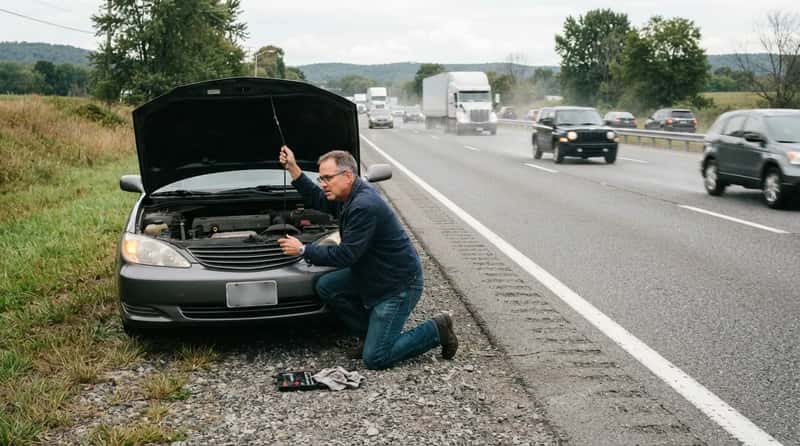
An odd engine sound, a new vibration, a squeal from the brakes – inexperienced drivers turn up the radio. Experienced drivers pull over.
Mechanical failures rarely appear out of nowhere. They announce themselves first, sometimes with only minutes of warning.
A flat tire can shred completely within seconds, killing steering control at highway speed. Experienced drivers treat strange sounds as emergencies until proven otherwise.
The reason coming up catches even careful drivers off guard.
#10 – They Recognize When Medication Has Kicked In
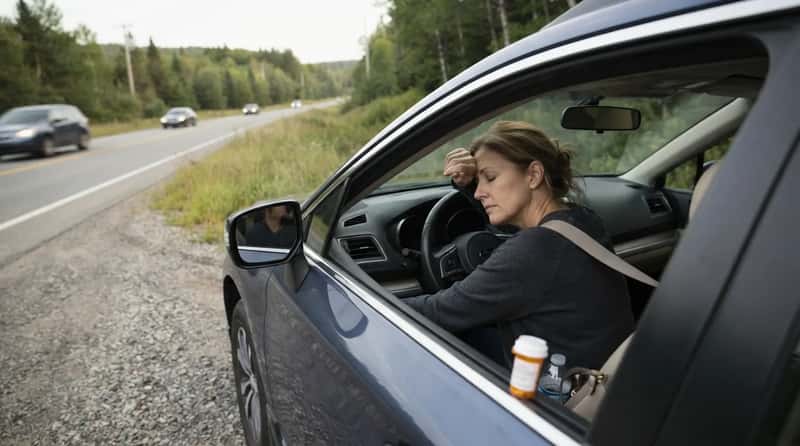
Prescription, over-the-counter, even “harmless” medications can quietly affect driving skill. Most drivers assume it won’t hit them that hard.
Experienced drivers don’t take that gamble. Any label warning about drowsiness or “operating machinery” gets taken literally.
The lag between taking medication and feeling its full effect can be 30–60 minutes. A driver can feel fine at the start of a trip and dangerously impaired twenty miles in.
That’s exactly the moment experienced drivers choose to stop. The next reason is one most people only think about in hindsight.
#9 – They Stop After a Near-Miss
A near-miss isn’t a win. It’s a warning shot.
Most people’s instinct after a close call is adrenaline and momentum – heart pounding, foot still on the gas. Experienced drivers know that adrenaline masks shock.
Focus, decision-making, and reaction time stay compromised for several minutes after. Pulling over for 5–10 minutes isn’t weakness – it’s one of the smartest moves a driver can make.
It gives the nervous system time to reset. What comes next on this list is a reason almost nobody talks about.
#8 – They Stop When the Road Gets Monotonous
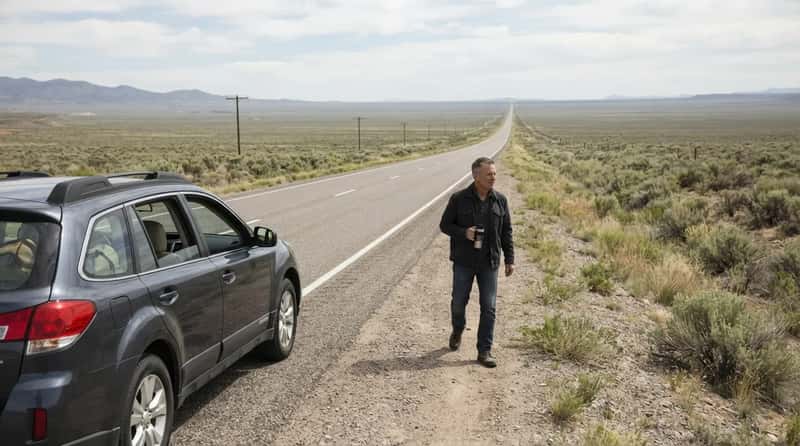
Highway hypnosis is real, documented, and badly underestimated. Long, featureless stretches of road can drop the brain into a low-attention autopilot state without any warning.
Longer driving time and higher speeds both raise the risk – especially on roads that never change. The brain checks out before the driver even notices.
Experienced drivers schedule stops every two hours on long trips, not when they feel tired but on a fixed clock. Breaking every two hours or 100 miles is a core drowsy-driving prevention strategy.
The next reason experienced drivers pull over is one that ego-driven drivers actively resist.
#7 – They Stop When They’re Running Late
Counterintuitive? Absolutely. But the logic holds up.
Speeding is the second biggest cause of car accidents, and running late is the most common reason people do it. Roughly 39 percent of drivers admit to speeding by up to 10 mph in the past month alone.
Experienced drivers know arriving five minutes late isn’t a problem. Arriving in an ambulance is.
For over two decades, speeding has contributed to roughly one-third of all fatal crashes, according to NHTSA.
Quick Compare
- 5 minutes late: forgotten by lunchtime.
- Speeding to avoid it: nearly 4 in 10 drivers admit to it.
- The cost: tied to a third of all fatal crashes for over 20 years.
The next reason is purely physiological – and most drivers don’t even know it’s happening to them.
#6 – They Stop When Their Vision Starts to Blur
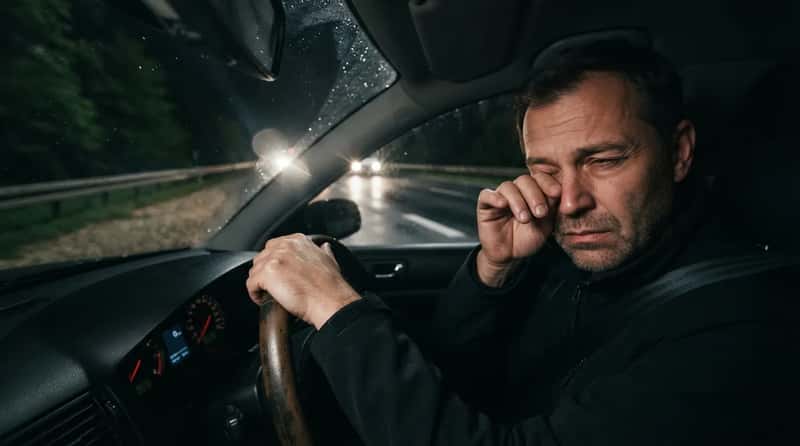
Eye fatigue is real. After 2–3 hours behind the wheel, especially at night or in glare, visual acuity and depth perception quietly degrade – even with perfect eyesight.
Most drivers push through it. Experienced drivers know the tells: trouble focusing on signs, extra blinking, a slight trailing effect on headlights ahead.
Those signals mean the eyes need a real break, not a few blinks. Fatigue-related crashes spike hardest between midnight and 6 a.m., exactly when eye strain and circadian dips collide.
The next reason hits closer to home for anyone who drives with passengers.
#5 – They Stop to Manage Passenger Disruption
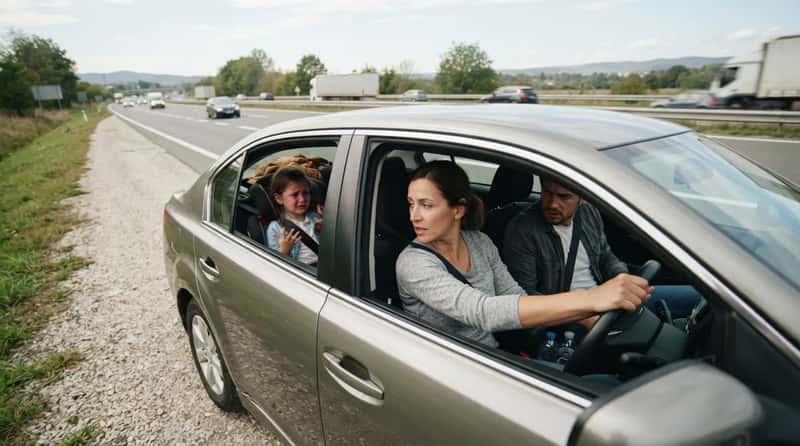
Arguing kids, an upset partner, a distressed passenger – it’s a documented, serious distraction. Most drivers try to manage the chaos and the road at once.
Experienced drivers stop the car first. Mental distraction is just as dangerous as a physical one – sometimes worse.
An emotionally loaded conversation pulls exactly the mental bandwidth needed to drive safely. Experienced drivers know they can’t do both well at highway speed, so they choose to do neither.
The next reason is becoming more common as cars get more complicated.
#4 – They Stop When a Warning Light Appears
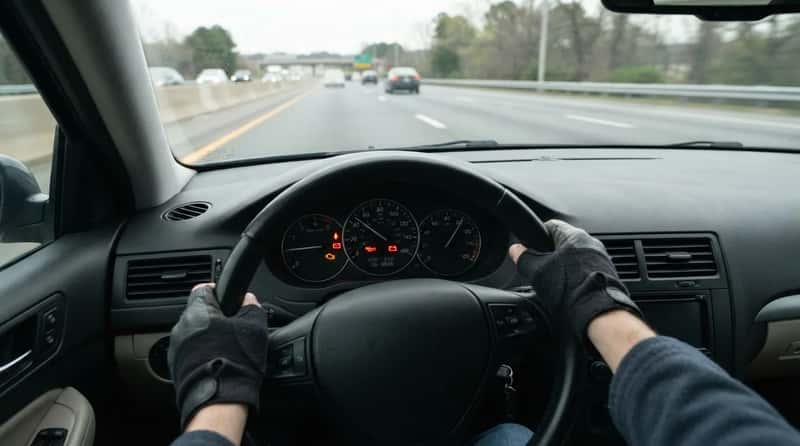
New drivers see a dashboard light and mentally file it away. Experienced drivers pull over and deal with it on the spot.
“I’ll just get home first” is how minor issues become catastrophic ones. A low oil pressure light ignored for 15 minutes can seize an engine.
A tire pressure alert ignored can end in a blowout at speed. Experienced drivers treat every warning light as mandatory, not optional.
They pull over, look it up if needed, and decide from a stationary position – never a moving one. The next reason divides even experienced drivers sharply.
#3 – They Pull Over When They’re Overconfident
This one is controversial – and important. Ninety percent of drivers believe they’re above average, which is mathematically impossible.
Overconfidence breeds tailgating, aggressive lane changes, and speeding. It’s the exact opposite of what actually keeps people safe.
Here’s the paradox experienced drivers develop: the more miles they log, the more they respect how fast things can go wrong. Over 70 percent of drivers involved in accidents describe themselves as “safe drivers.”
At a Glance
- 90% of drivers rate their own skill as above average.
- 70%+ of drivers in accidents still call themselves “safe drivers.”
- More experience tends to lower confidence, not inflate it.
Experienced drivers take that number personally. The next reason to stop almost never comes up in driving safety content.
#2 – They Stop to Let an Aggressive Tailgater Pass
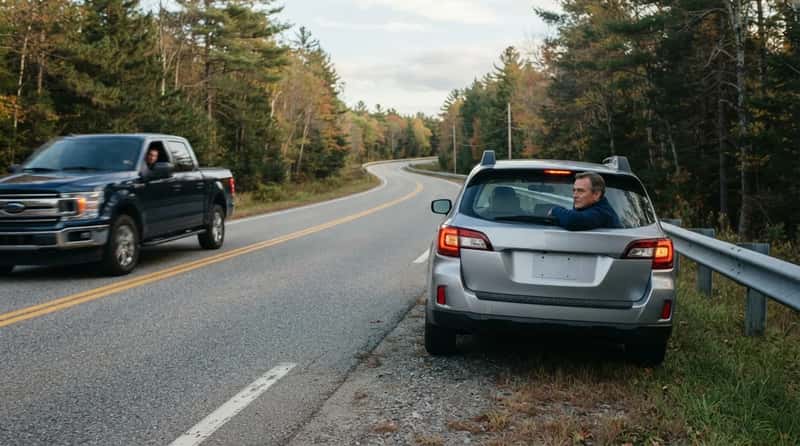
Most drivers react to tailgating by speeding up, braking sharply, or getting angry. Experienced drivers pull over and let them go.
AAA data names speeding, distracted driving, and aggressive driving as the most common dangerous behaviors on the road. A tailgater is a moving threat, and experienced drivers want zero part of it.
Trying to “win” against an aggressive driver is one of the riskiest moves available on public roads. A brief shoulder stop removes you from the equation entirely.
And the single most important reason experienced drivers pull over? Most people genuinely have no idea this one exists.
#1 – They Stop Because Their Gut Says So
This is the reason that separates truly experienced drivers from everyone else. After enough miles, drivers develop an instinctive read of their own mental state – and they actually trust it.
It might be a vague feeling that attention is slipping. A sense that surroundings aren’t registering as sharply as they should.
Experienced drivers treat that inner signal as data, not doubt. No delivery, deadline, or phone call is worth risking a fatigue-related crash.
That internal awareness is the most powerful safety tool on any road – and no dashboard light will ever replicate it.
The Bottom Line
Experienced drivers don’t pull over because they’ve given up. They pull over because they’ve learned the road doesn’t negotiate.
NHTSA recorded 3,522 deaths from distracted driving in 2021 alone – and that’s just one category of preventable tragedy. The pattern across all 17 reasons is the same: experience replaces ego with awareness.
They stop for fatigue, emotion, weather, warning lights, gut instinct – anything that signals their margin of safety is shrinking. The irony is that the most skilled drivers stop the most, and that’s exactly why they’re still here to talk about it.
Which of these do you already do – and which one surprised you most? Drop it in the comments.