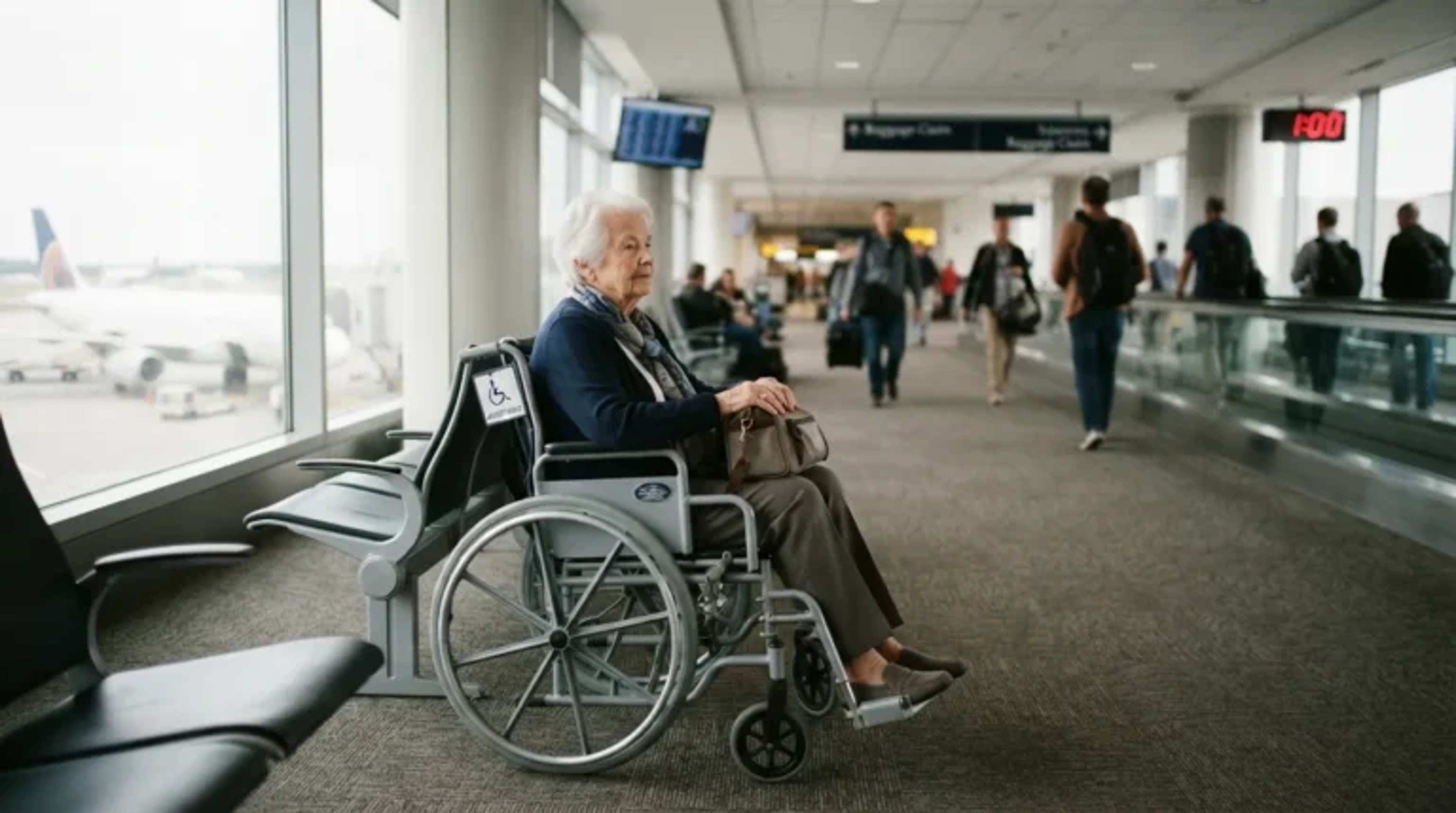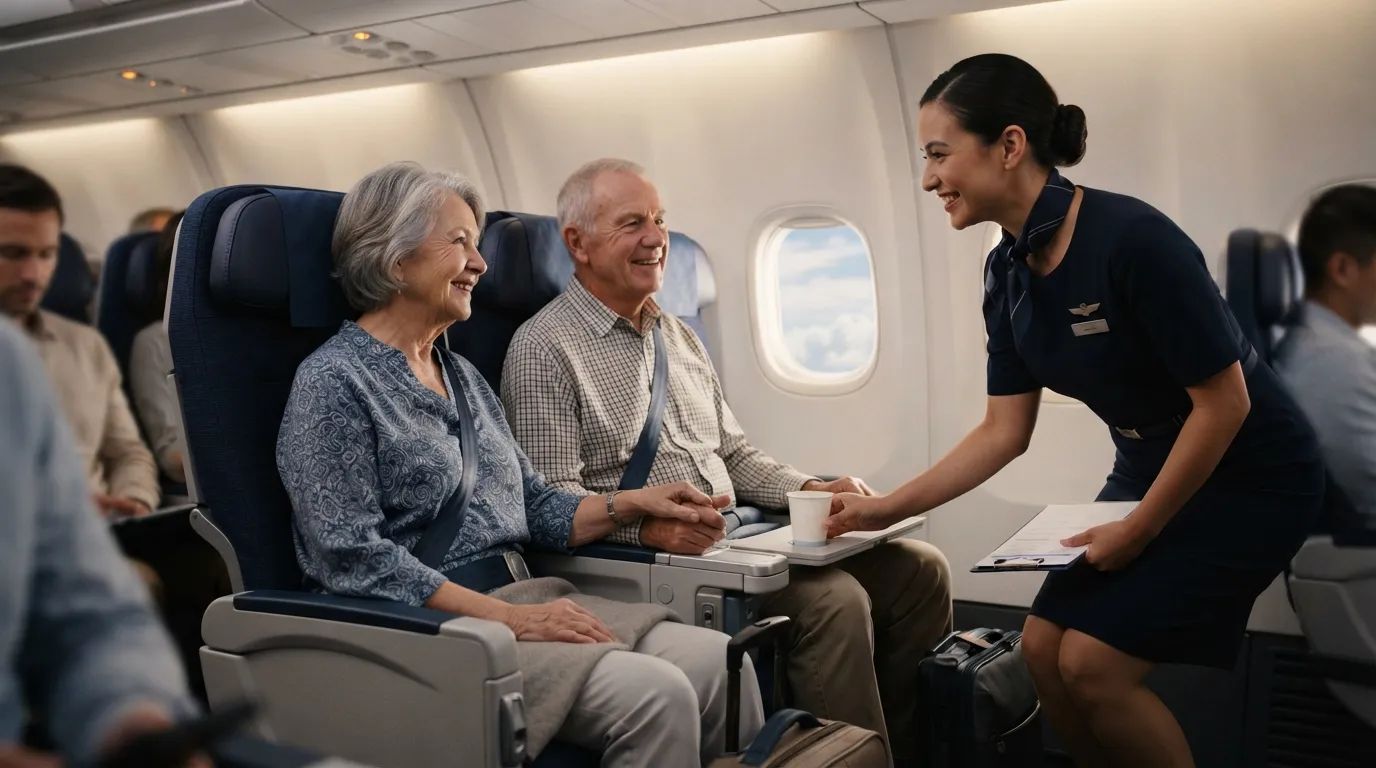
Picture a man in his seventies wedged into a window seat, knees pressed to the seatback, eyeing the aisle like it’s across a canyon. A few minutes later a flight attendant leans in, says something quiet, and he’s walking to a new seat. Nobody in the next row even looks up. That is the real job behind the drinks cart: a lot of small, invisible seat shuffling.
One caveat first. No airline publishes an “age 65 seat rule,” and none of this is guaranteed. These are judgment calls shaped by safety rules, open seats and what crews see in the cabin. Some moves are routine. A few are legal requirements. One is guaranteed to start an argument in the comments.
#17 – The Window-to-Aisle Rescue Nobody Announces
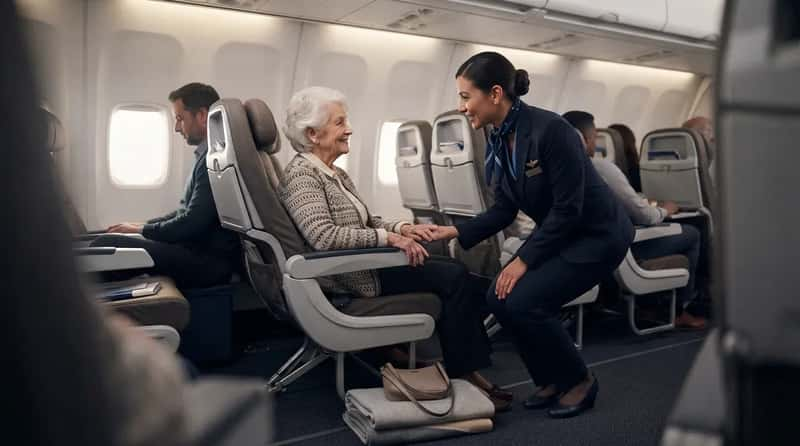
A passenger who keeps shifting in a window seat is often stuck. Climbing over two strangers to reach the lavatory is a real hurdle for stiff knees. Crews who spot the struggle will often look for an open aisle seat. Attendants who see someone squirming will often quietly offer a better spot if one opens up.
The move usually happens after the seat belt sign goes off. Some airlines don’t allow in-flight seat changes at all because of weight-and-balance concerns, so the crew has to decide fast. The passenger typically gets a quiet word at the seat, never an announcement. The aisle may be the most requested upgrade nobody pays for.
#16 – Out of the Exit Row Before Anyone Notices
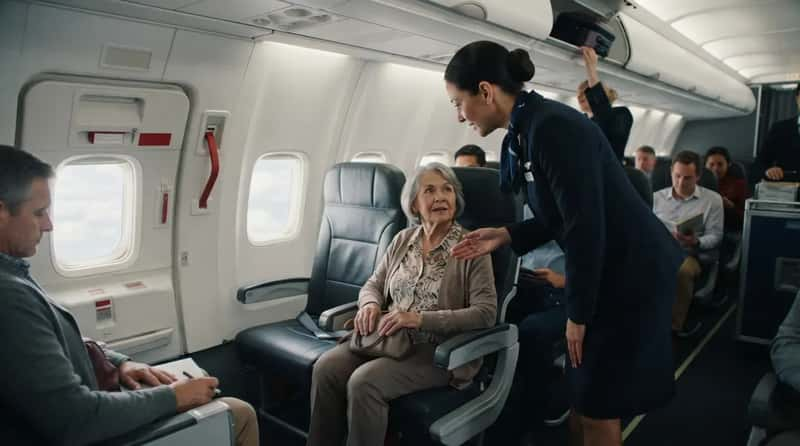
The exit row looks like the best seat in coach. But U.S. safety rules require anyone sitting there to be able to perform emergency tasks, and crews are expected to reseat people who can’t. That can include older passengers with limited mobility, though age alone is not the test. A passenger can be moved even after boarding if the crew decides the row isn’t a fit.
It’s typically handled in a low voice at the seat, not over the PA. The crew often swaps the passenger into a regular row, ideally one with a bit of extra room. Some travelers take it personally. The rule is really about who can wrestle a heavy door open in a smoky cabin.
#15 – Out of the Bulkhead “Legroom Trap”
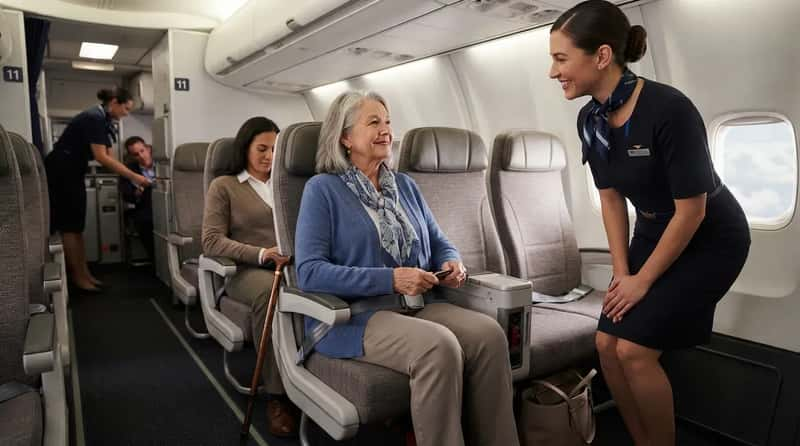
Many travelers rank the bulkhead as the best seat on the plane. Plenty of experienced flyers now argue it’s overrated for older passengers. With no seat in front of you, there’s no under-seat storage during takeoff and landing. Tray tables are often built into the armrests, which can make the seat narrower and harder to climb out of.
A crew member may offer a standard row with a movable aisle armrest and a place to stash a bag. On paper, that swap looks like a downgrade. But a passenger who needs medication or a cane within reach may be better off with floor space. It’s one of the few moves where less legroom can be the smarter call.
Quick Compare
- Bulkhead: Open floor space ahead, but bags go overhead during takeoff and landing.
- Standard aisle row: Less stretch room, but a bag, cane or medication can sit within reach.
- Getting up: Fixed armrest tray tables can make bulkhead seats tighter to exit.
#14 – Away From the Galley Clatter
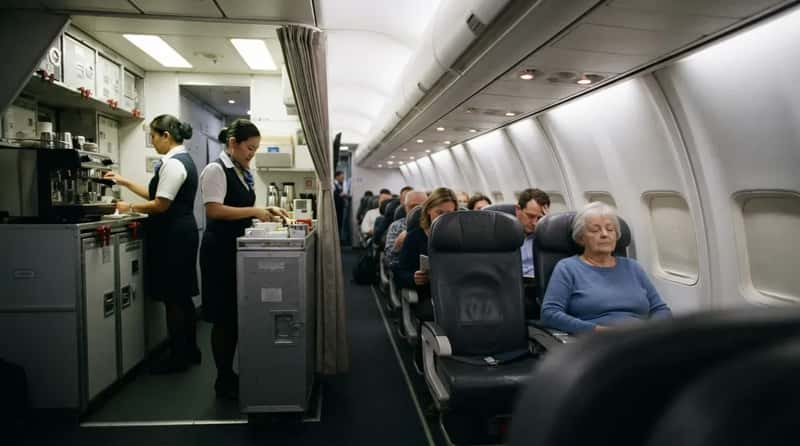
Rows next to the galley are secretly some of the busiest in the cabin. Carts rattle, curtains swish, and crew members chat while prepping service. A light sleeper over 65 won’t get much rest within arm’s reach of the coffee makers. Crews know this better than anyone, since they spend the whole flight standing there.
When a passenger looks wiped out, an attendant may suggest a quieter row once the seat belt sign is off. The new seat is often only a few rows back. It’s a small courtesy, and it costs the airline nothing.
#13 – Closer to the Lavatory, Without the Line
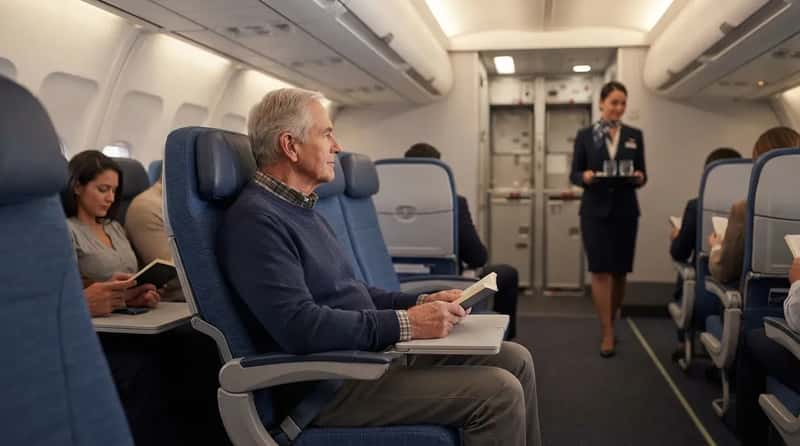
Frequent bathroom trips are a fact of life for many older travelers, and a long walk down a swaying aisle is no picnic. Crews sometimes slide these passengers to a row near a lavatory, but not right beside it. The seats directly next to the restrooms come with lines, odors and constant door slams. A few rows away is often the sweet spot.
Some crews also notice who’s waiting too long to stand up. Aisle seats help here, since regular movement may reduce stiffness and swelling on longer flights. The goal is a short, safe walk and a dignified trip. It’s an unglamorous detail, but it matters a lot at hour six.
#12 – The Over-Wing Seat That Calms the Ride
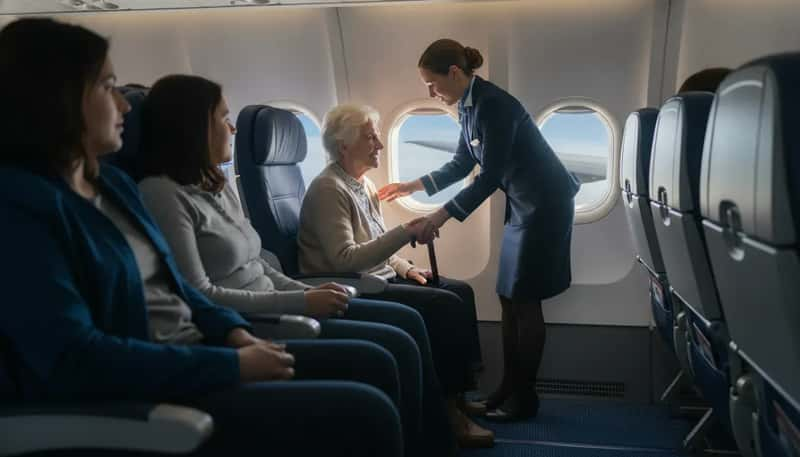
Turbulence feels different depending on where you sit. Seats near the middle of the plane, over the wings, generally feel less bounce than the tail. The back of the cabin can feel like the end of a whip. A crew member who knows rough air is coming may quietly shift a nervous or frail passenger forward.
These moves tend to happen before the seat belt sign comes on. Once it’s lit, everyone needs to stay put. If you’re already seated over the wing, you won this one before you boarded. It’s a hidden perk of a seat nobody brags about.
#11 – The Empty Row Stretch-Out
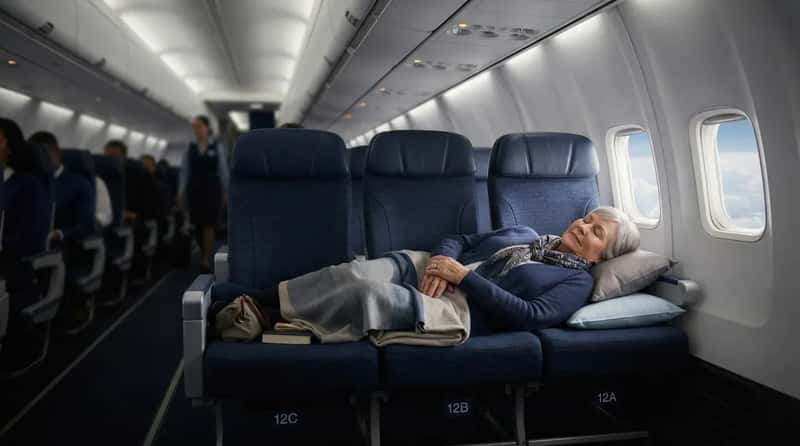
When a flight isn’t full, three open seats can be a lifeline for someone with sore hips or swollen feet. Crews may let an older passenger take the row to spread out. Some airlines won’t allow it at all, because empty seats are part of the weight-and-balance plan. Where it’s allowed, the crew makes the call.
The ground rules are firm. Passengers stay in their assigned seat for takeoff and landing, and move only once the seat belt sign is off. Wandering over uninvited can scramble evacuation counts and special-meal service. Ask first, and you may get a yes.
#10 – Toward the Front for a Faster Exit
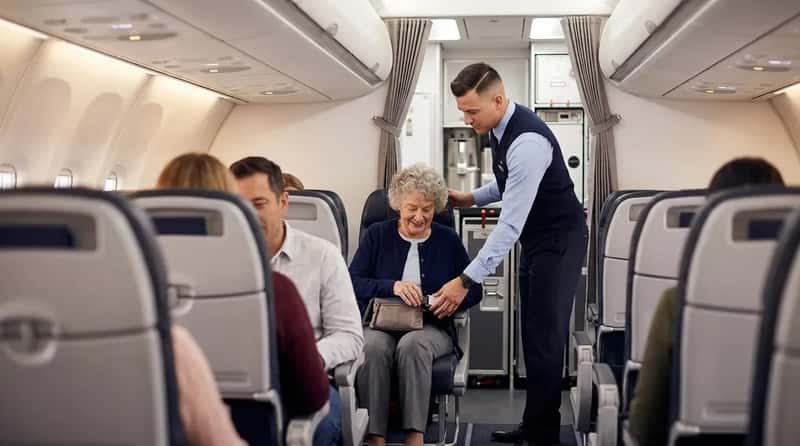
Deplaning can be a bigger challenge than boarding. A passenger with a tight connection and slow mobility can get stuck behind 150 people hauling carry-ons. Crews sometimes move these passengers forward so they’re among the first off. It’s more likely when the layover is short.
Many airlines also offer early boarding for passengers who need extra help. The seat move itself is easy once the cabin settles. Sitting closer to the door also cuts out the aisle crush at the end of the flight.
Worth Knowing
- Wheelchair help between the gate and the plane is provided at no charge under U.S. disability rules.
- Passengers who ask for assistance are typically offered pre-boarding, which gives the cabin time to settle.
- A short connection is worth mentioning to the gate agent, since a forward seat is easier to assign on the ground.
#9 – Away From the Crying Baby or Loud Group
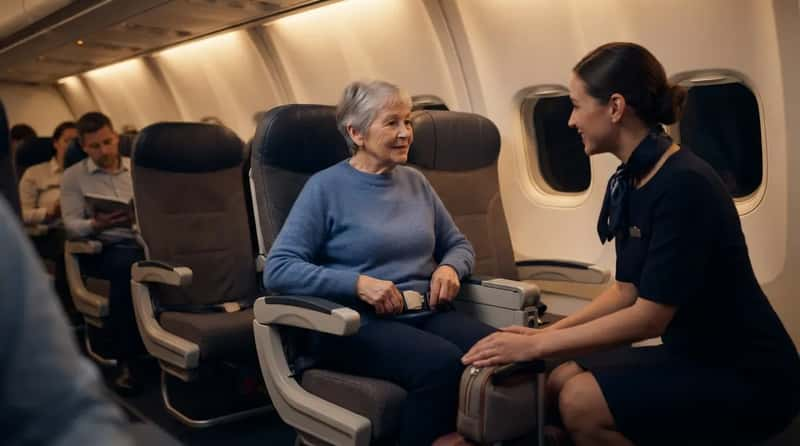
Some of the most requested seat changes are about noise, not legroom. A passenger who hasn’t slept in 20 hours doesn’t need a screaming toddler behind them. Crews say these situations come up all the time. A calm word to the flight attendant beats a tense talk with a fellow passenger every time.
Etiquette experts say that when someone has specific needs, like medical issues or sitting with family, switching seats is usually seen as courteous. The crew often finds a quieter row and does the asking themselves. It keeps the peace and spares everyone an awkward exchange.
#8 – The “Broken Seat” Switch
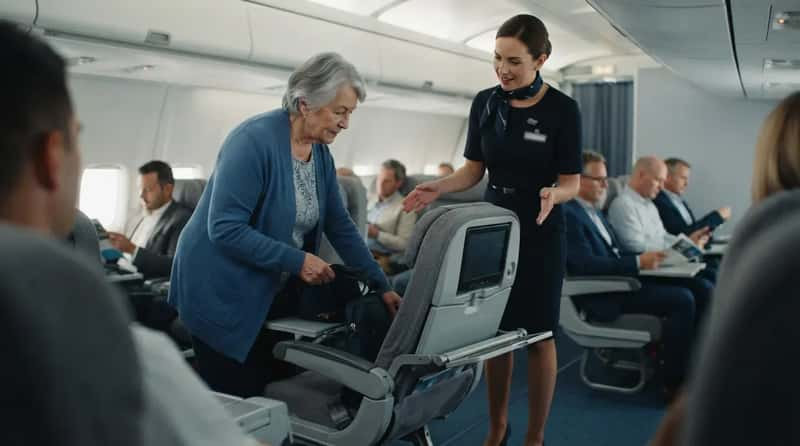
Sometimes a seat won’t recline, the tray table is stuck, or the entertainment screen is dead. For a passenger who needs to prop up for comfort or distraction on a long flight, that’s more than an annoyance. Crews generally treat a broken seat as a legitimate reason to move someone. Aviation writers note that being asked to switch because a seat or screen is broken is a fair request.
The swap is easiest when the replacement is equal or better. Crews can’t hand out free class upgrades, though. Flight attendants say that rule is firm, even when there are empty seats up front. So the move stays within the same cabin.
#7 – Closer to the Crew So Nothing Gets Missed
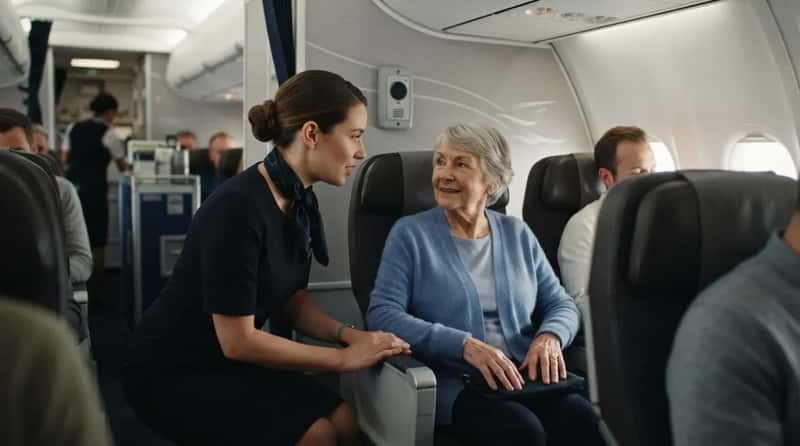
Announcements can be hard to catch for passengers with hearing loss. Sitting near a speaker or the front of a section helps. A flight attendant who learns a passenger is hard of hearing may move them closer so they can talk face to face. That’s especially useful for gate changes and safety updates.
It’s also how crews keep a gentle eye on someone who seems unsteady or unwell. A seat in a high-traffic area means more passing glances. Most passengers never realize it’s happening. Some find it a bit paternalistic, while others are quietly grateful.
#6 – The Aisle Seat With a Movable Armrest
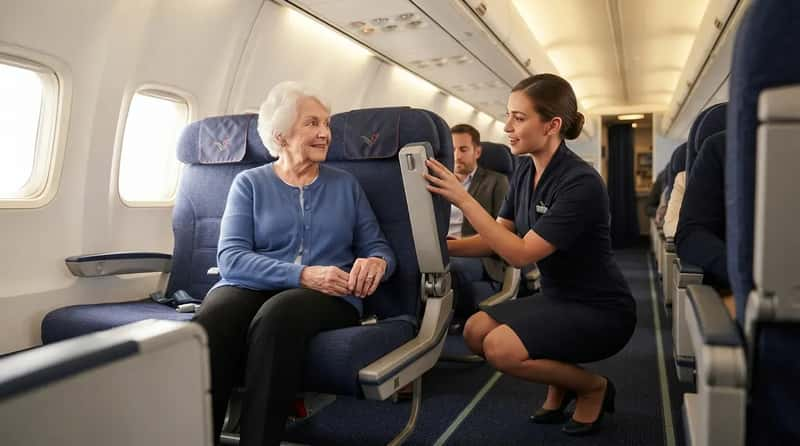
This one is rooted in federal law. Under U.S. Department of Transportation rules, airlines must provide an aisle seat with a movable armrest on request for passengers with a mobility disability who need it. That isn’t a courtesy. It’s a requirement. It’s normally arranged before the flight.
If something goes wrong, crews can step in and fix it. An attendant might move the passenger to a row where the armrest lifts, making transfers from a wheelchair far easier. It matters most for someone who can’t swing their legs over a fixed armrest. It’s a small change, but it can separate a smooth flight from a painful one.
Fast Facts
- The rule comes from the Air Carrier Access Act and its DOT regulations.
- Many newer aircraft with 30 or more seats must have movable armrests on at least half of their aisle seats.
- The easiest fix is to ask at booking or check-in, not after boarding.
- Once in the air, a crew can only work with the rows that actually have a lift-up armrest.
#5 – A Seat With Room for the Oxygen Concentrator
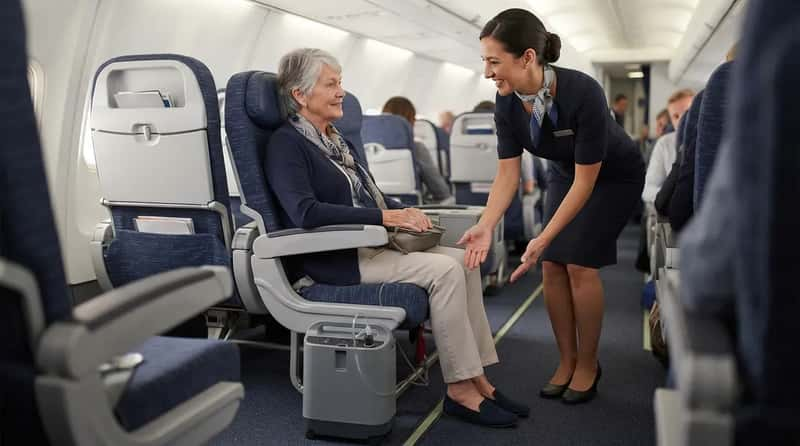
Many older travelers fly with a portable oxygen concentrator. These devices usually need to fit under the seat in front, so floor space matters. Passengers using one generally can’t sit in an exit row. That’s why a crew may move someone out of a row with no under-seat storage, like the bulkhead.
The ideal spot is usually a regular row with open space below. An aisle nearby also helps if the crew needs to reach the passenger quickly. Travelers are told to bring enough battery for the whole trip, plus extra. A seat swap can’t fix a dead battery, but it can prevent a lot of stress.
#4 – The Aisle Seat That Fights Stiff, Swollen Legs
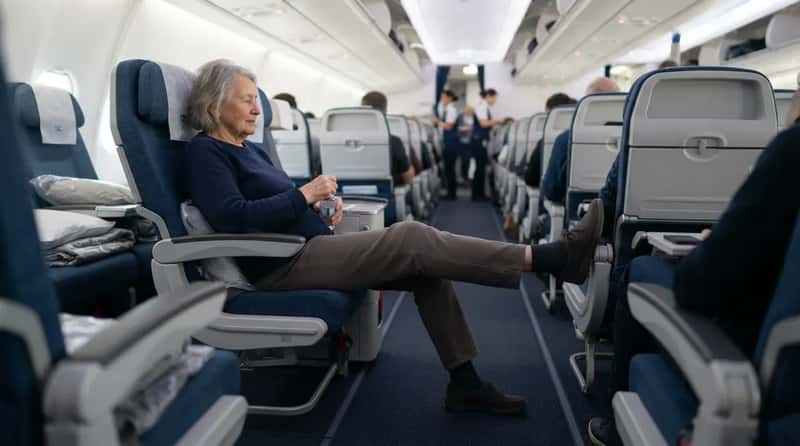
Long flights raise a well-known concern about blood clots in the legs. Health agencies generally advise moving around and stretching on long trips. An aisle seat makes that far easier, especially for someone recovering from surgery. Regular movement may also help reduce stiffness and swelling.
That’s why a passenger with circulation issues may get an aisle seat if one opens up. The crew can’t diagnose anyone, but they can see who’s struggling to get up. One simple switch gets that person into the aisle without climbing over strangers. It’s one of the most practical moves on this list.
#3 – The Seat Picked for the Skinny Onboard Wheelchair
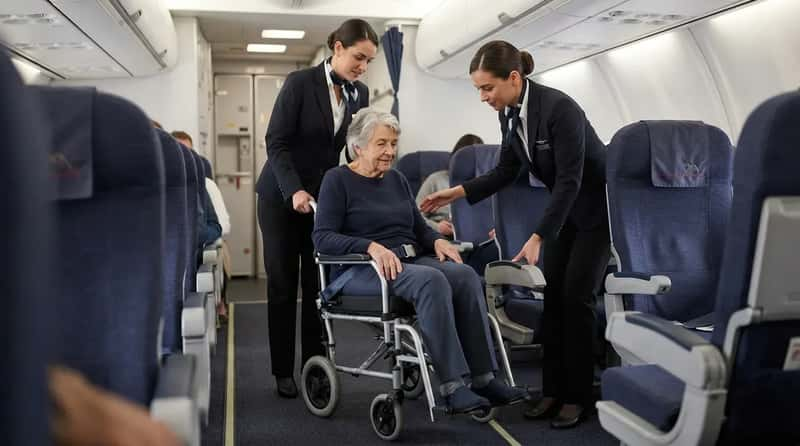
Many planes carry a narrow onboard wheelchair built to fit down the aisle. Flight attendants use it to get passengers to lavatories and to and from their seats during boarding or exit. They generally will not lift or carry passengers, though. They help with the transfer between seat and chair.
That’s why seat location matters so much. A passenger who relies on the chair does better in a row near the aisle, with a movable armrest if possible. Crews may shift someone to make transfers shorter and safer. It’s a behind-the-scenes detail that protects both the passenger and the staff.
#2 – Side by Side With the Person Who Helps Them
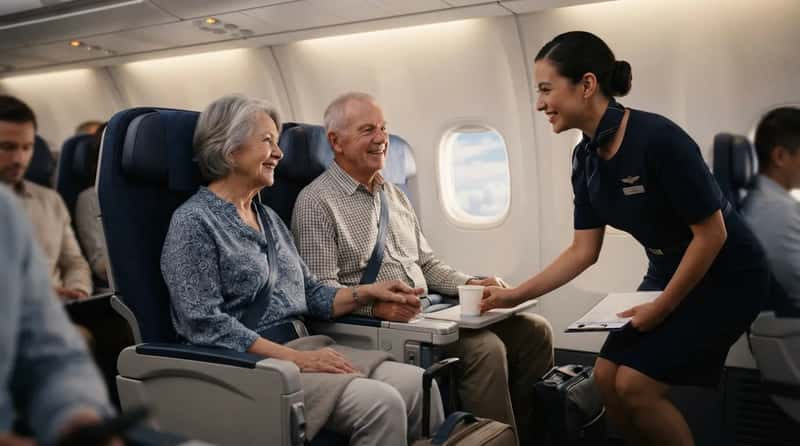
For many older travelers, a spouse, adult child or caregiver is the real support system. Airlines try to seat companions who provide assistance together, subject to availability. For some passengers, that’s the difference between managing alone and needing crew help mid-flight.
When seats were split, a crew member may try to bring the pair together once the cabin settles. It isn’t always possible on a full plane. Federal disability rules call for airlines to seat a traveler with a disability next to an assistant when needed, and crews often apply the same spirit more broadly. Even a one-row move can make a long flight feel completely different.
Why It Stands Out
- It solves the problem with a person, not a gadget or an upgrade.
- A companion can handle medication reminders, hearing gaps and bathroom trips without calling the crew.
- The fix is often just a one-for-one swap, so no empty seat is needed.
#1 – The Quiet Swap Request That Divides the Cabin
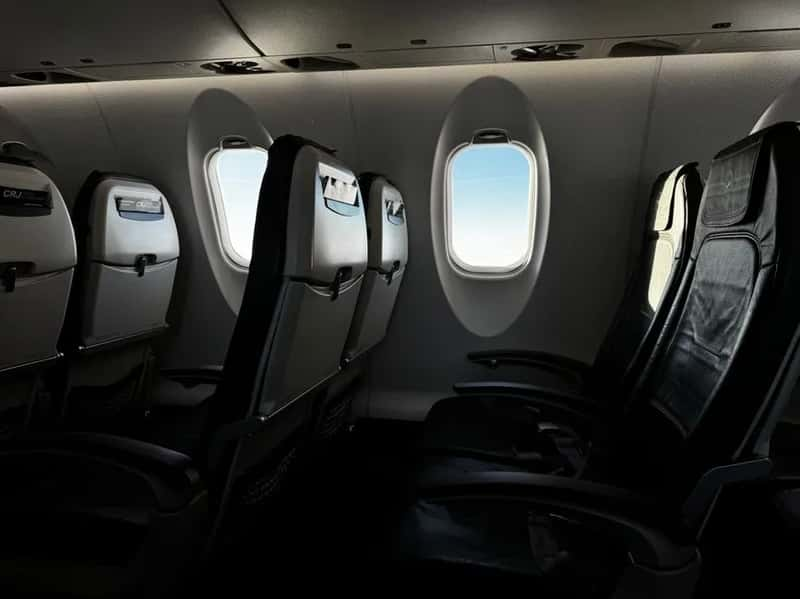
Sometimes there’s no empty seat, so the crew asks another passenger to trade. Etiquette experts note that flight attendants have the authority to move people around, and that trades should be fair. That’s where it gets heated. One viral forum post described a passenger who refused to give up a paid aisle on a long flight for an older woman who said she had mobility issues.
Readers were split. Some backed the person who chose and paid for the seat, and others sided with the older woman. In a separate case, flight attendants reportedly apologized to a man who had swapped seats and gave him free snacks and drinks. Is giving up your seat generosity or an unfair ask? Crews say the best approach is to ask politely and let them handle it.
None of these moves come with an age cutoff. Crews act on what they see: stiff knees, heavy breathing, a spouse stuck rows away. The best ones are small and quiet, and the person being helped often notices them most.
Next flight, watch the aisle after the seat belt sign goes off. You might catch one happening.