

Most people assume a conductor’s job starts and ends with checking tickets and calling out stops. Ask one what they actually notice on a long route, though, and the answer surprises almost everyone: passengers over 60 stand out from the rest of the car, and they usually do it without saying a single word.
It’s not about age showing on a face. It’s about small habits, quiet instincts, and a kind of confidence that only decades of travel can build into a person. Some of these signs are sweet. A few are downright funny. And at least one might make you realize you already know exactly who this list is describing.
#17 – They Have the Senior Discount Ready Before Anyone Asks
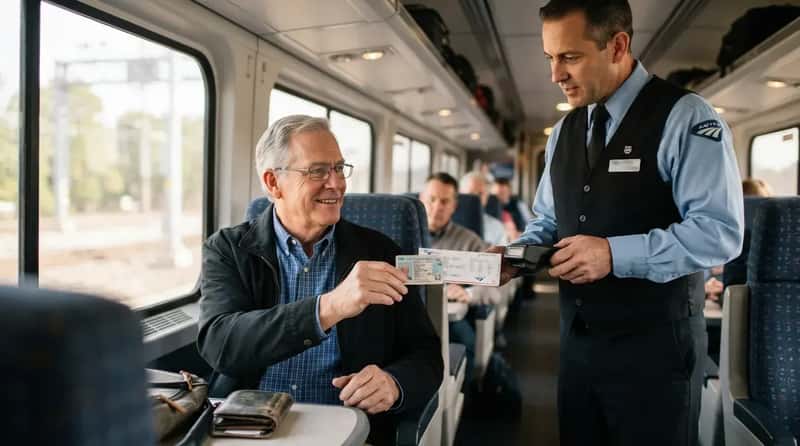
There’s a specific kind of confidence that comes from knowing the system better than the person selling the ticket. Passengers over 60 rarely wait to be told about savings – they bring it up first. Amtrak travelers 65 and older are eligible for a 10% discount on most rail fares, and conductors say these riders already have their ID out before it’s even requested.
It’s not just Amtrak, either. On the Capitol Corridor, a 168-mile route in Northern California, adults 62 and up get a 15% discount. Some routes go even further: the Downeaster offers a 50% fare for riders 65 and older. Regular travelers over 60 tend to know every one of these deals by heart, and they’ll happily explain them to the stranger sitting next to them, too.
Quick Compare
- Amtrak (most routes): 10% off for riders 65+
- Capitol Corridor (Northern California): 15% off for riders 62+
- The Downeaster (Maine to Boston): 50% off for riders 65+
#16 – They Show Up Absurdly Early, Every Single Time
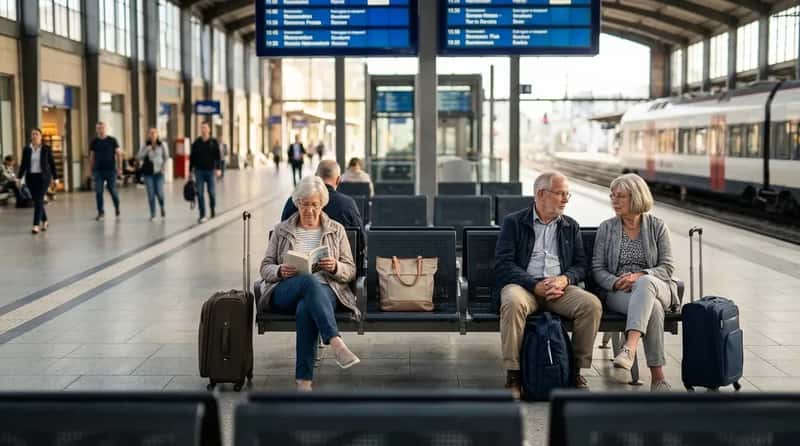
Conductors joke that they can spot who’s over 60 just by watching the platform an hour before departure. There’s always a small group sitting quietly with their bags already organized, long before boarding even opens. It’s a habit built from decades of “better early than sorry.”
This isn’t nervousness – it’s strategy. Early arrivals get first pick of seats, easier access to overhead space, and a calmer boarding experience than the last-minute sprinters. Crew members consistently point to this group as the least stressed passengers on the platform, and honestly, they might be onto something the rest of us are missing.
#15 – They Still Carry a Paper Ticket, Just in Case
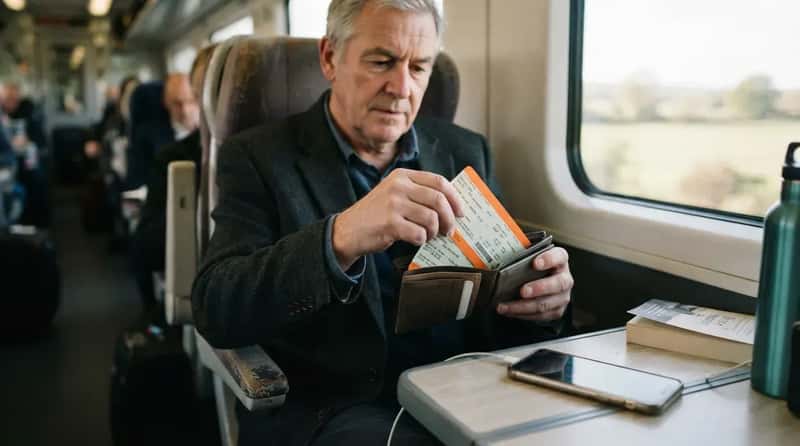
Phones die. Apps glitch. Wi-Fi drops in tunnels. Passengers over 60 have learned this the hard way, so many of them print a backup ticket even after checking in digitally. Conductors say it’s rarely needed, but it’s almost always tucked in a pocket somewhere.
This habit isn’t stubbornness – it’s earned wisdom. Anyone who lived through the clunky early years of digital ticketing knows exactly why a paper backup still matters. It’s one of those small, quiet signs that this passenger has done this trip – or one just like it – many times before.
#14 – They Know Where the Restroom Is Before the Train Leaves the Station
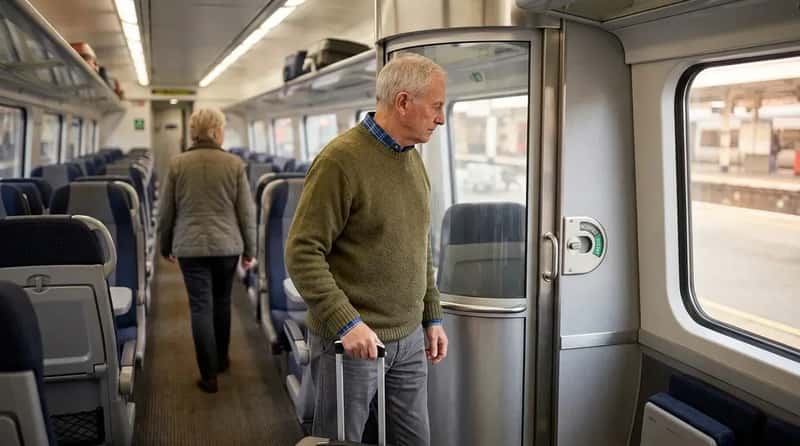
It sounds minor, but conductors notice it constantly: passengers over 60 tend to scout the car layout within the first two minutes of boarding. Restroom, exits, the nearest attendant call button – all mapped out before the train even starts moving.
It’s less about worry and more about comfort. Knowing your surroundings means less scrambling later, especially on longer routes. Conductors say this small orientation ritual is one of the clearest, quietest giveaways of an experienced traveler.
#13 – They Pack Snacks Like It’s a Road Trip From 1995
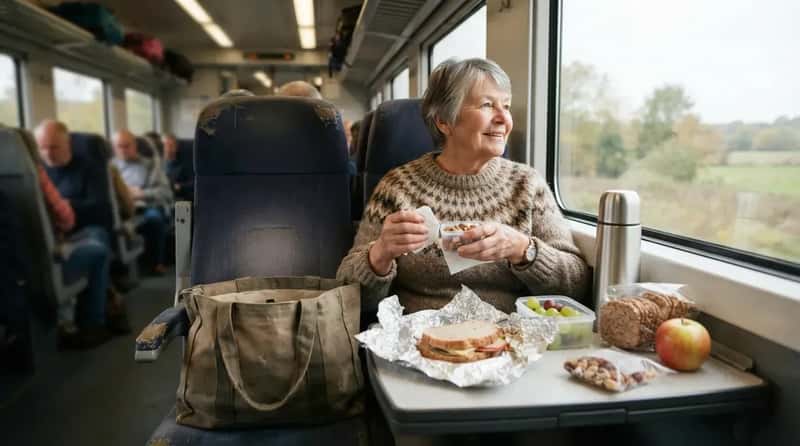
Younger travelers assume the café car will handle everything. Passengers over 60 rarely make that assumption. Instead, they show up with a tote bag that could survive a snowstorm – crackers, fruit, a thermos, maybe a sandwich wrapped in foil like it’s a family reunion.
Conductors find this both charming and practical. Onboard food service can be limited or delayed, especially on shorter regional routes, so this generation’s “pack it yourself” instinct usually pays off. It’s less about distrust of the dining car and more about decades of learning that comfort should never depend on someone else’s schedule.
#12 – They Avoid the Upper Berth Stairs on Purpose
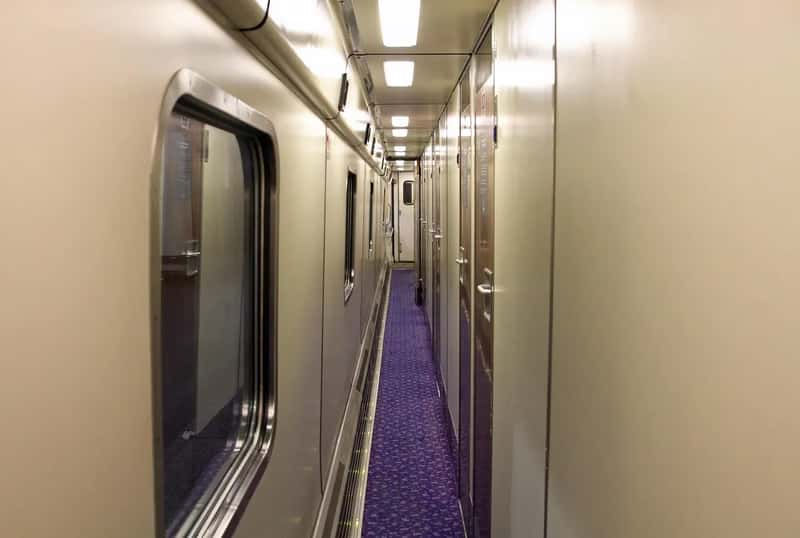
On overnight trains with sleeper cars, there’s a very specific pattern crew members notice among older passengers: a strong, quiet preference for lower-level rooms. It’s rarely mentioned out loud, but it shows up in every booking request.
Those narrow stairs can feel steep when the train is swaying, and an upstairs room means climbing them again and again throughout the trip. Passengers who choose ground-level rooms know exactly what they’re avoiding – a stumble on a moving train is nobody’s idea of a good vacation story.
#11 – They Actually Listen to the Announcements
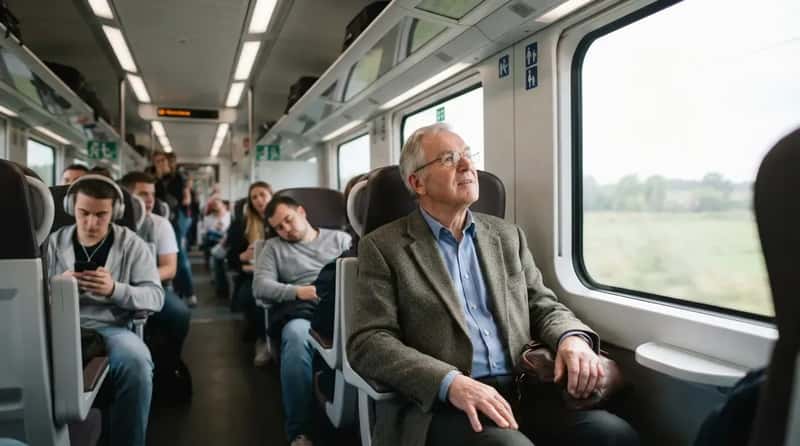
Here’s a mildly controversial opinion among crew: most passengers tune out train announcements completely. Passengers over 60 are often the exception, treating every overhead message like it might contain something important – because sometimes it does.
Conductors consistently ask passengers to give their full attention during the trip, and it’s this older group that reliably follows through. Whether it’s a stop change, a delay, or a gate switch, they’re the ones nodding along while everyone else has headphones in. It’s a small habit, but it makes their trips noticeably smoother.
#10 – They Ask About the Dining Car Before Finding Their Seat

Meal timing matters more with age, and conductors notice it immediately. One of the very first questions from passengers over 60 is often about dining car hours, not seat locations or Wi-Fi passwords.
Most overnight trains feature a dining car serving three meals a day, plus a café car for something smaller. Passengers who ask early tend to plan their whole day around it – nap before lunch, walk after dinner. Conductors say this small planning habit almost always leads to a calmer ride than winging it.
#9 – They Travel With a “Just in Case” Bag of Essentials
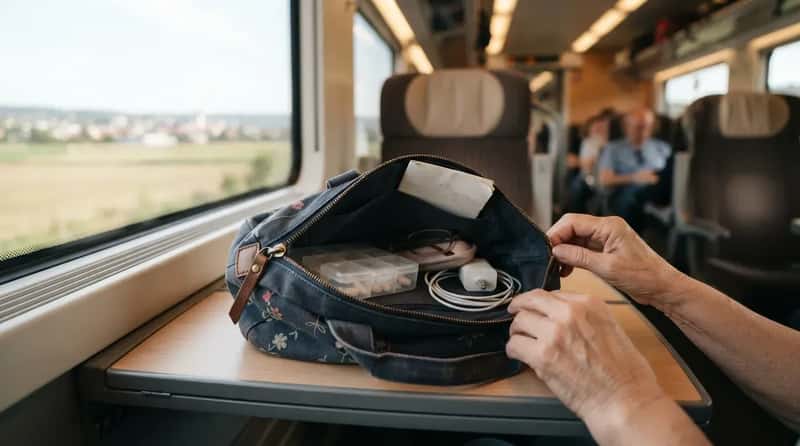
Medications, glasses, a spare phone charger, sometimes even a folded emergency contact sheet – conductors say this bag is unmistakable once you’ve seen it a few times. It’s not anxiety. It’s preparation built from experience.
This habit becomes especially visible on longer routes, where special accommodations exist for mobility-impaired passengers and medication storage. Crew members say passengers who travel this way tend to be the calmest during delays, too, simply because they came prepared for anything the trip could throw at them.
Fast Facts
- Common bag contents: medications, reading glasses, phone charger
- Many riders also pack a written emergency contact sheet
- These bags show up most often on longer, multi-day routes
- Crew members say prepared riders stay calmest during delays
#8 – They Pick the Aisle Seat Near the Door, Not the Window
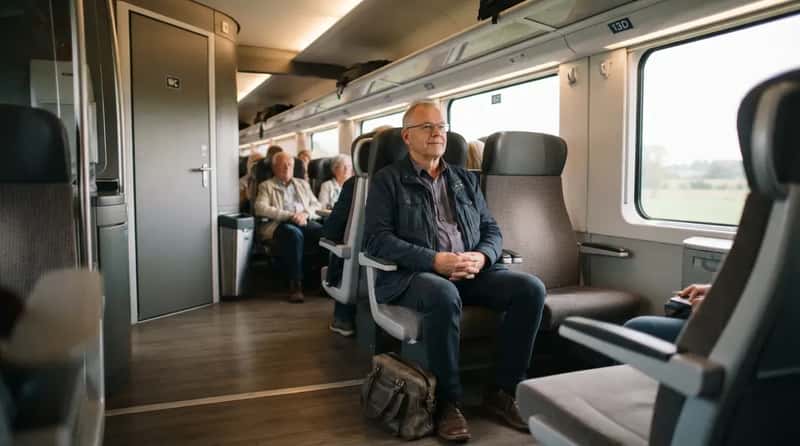
Younger travelers often chase window views. Passengers over 60 frequently do the opposite, quietly opting for aisle seats close to doors and restrooms. It’s a preference conductors say they can spot within seconds of boarding.
The logic is simple: easier entry, easier exit, less climbing over strangers’ knees. It’s not about missing the scenery – it’s about controlling the small frictions of travel that used to feel invisible and now feel worth avoiding. Regular riders tend to request the exact same seat type every single trip.
#7 – They Know the Conductor’s Name – And Use It
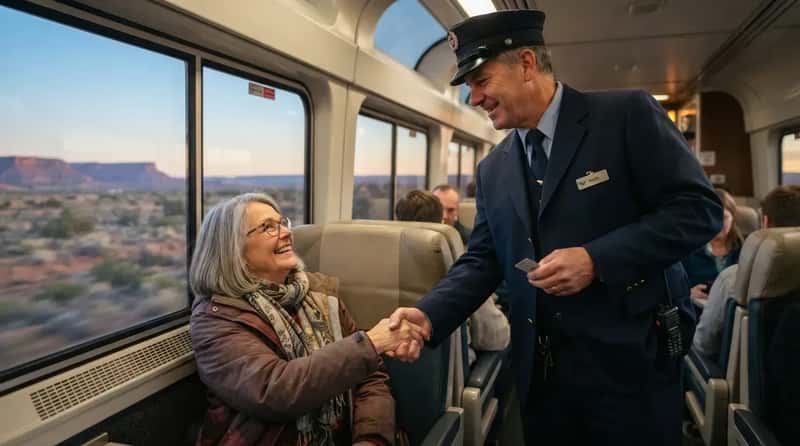
This one surprises newer crew members the most. Frequent riders over 60 often remember conductors by name across multiple trips, sometimes years apart, and greet them like old friends. One regular on the Southwest Chief was described as a rider who knew most of the crew by name – and they all knew her right back.
Conductors say this loyalty runs both directions. Crew members remember these riders just as clearly, often checking in on them personally during the trip. It’s one of the few genuinely human touches left in modern travel, and it rarely happens with younger, one-time passengers.
#6 – They Still Try to Tip the Conductor (And Get Politely Corrected)
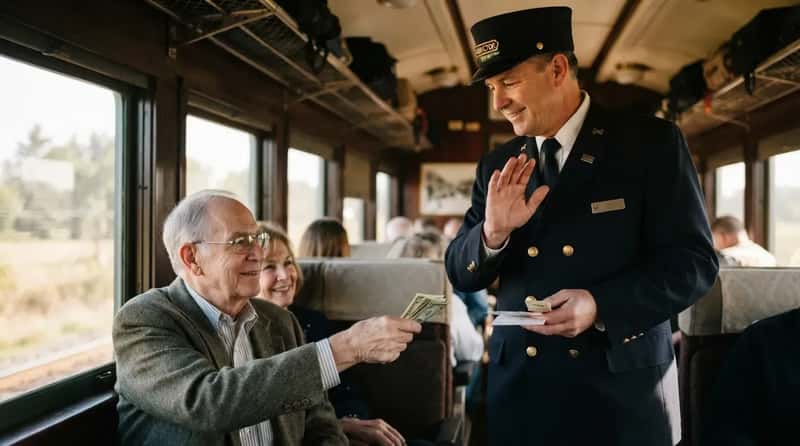
This is where things get a little awkward – and a little funny. Longtime riders sometimes carry outdated etiquette from decades past, assuming every crew member should be tipped the same way. But conductors and dining car stewards aren’t meant to be tipped, while car attendants and lounge-car staff typically are.
Conductors say this mix-up happens constantly with older passengers, and it’s almost always met with a polite, gentle correction rather than offense. Most crew chalk it up to simple unfamiliarity with modern rail etiquette rather than any real mistake. It’s a small generational quirk crew members find more endearing than annoying.
Worth Knowing
- Not tipped: conductors and dining car stewards
- Typically tipped: sleeper car attendants and lounge car staff
- The mix-up is common enough that crews expect it, especially from longtime riders
#5 – They Track Every Stop on a Printed Schedule
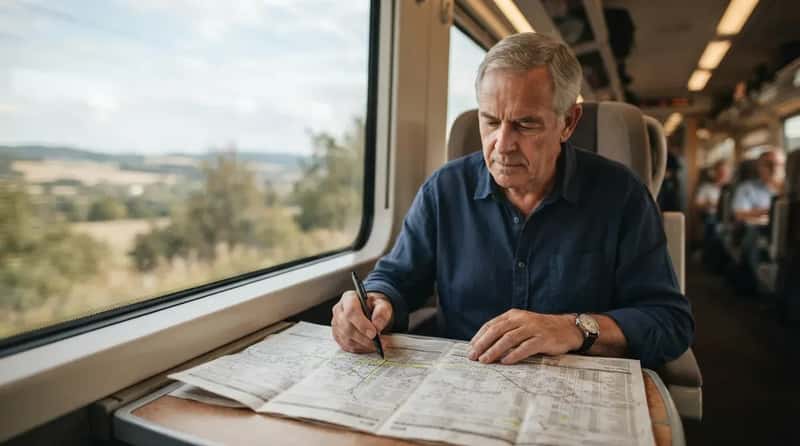
While most passengers glance at a phone screen, a specific group over 60 pulls out an actual printed itinerary, sometimes annotated by hand. Conductors say it’s one of the most consistent habits they see on long-distance routes.
Some riders print schedules ahead of time so they can enlarge the text, leave space for notes, or jot times directly onto a route guide. It’s a workaround born from necessity – smaller default text on apps isn’t always easy to read – but it’s become second nature for frequent travelers who simply prefer paper they can mark up freely.
#4 – They Bond With the Car Attendant Almost Immediately
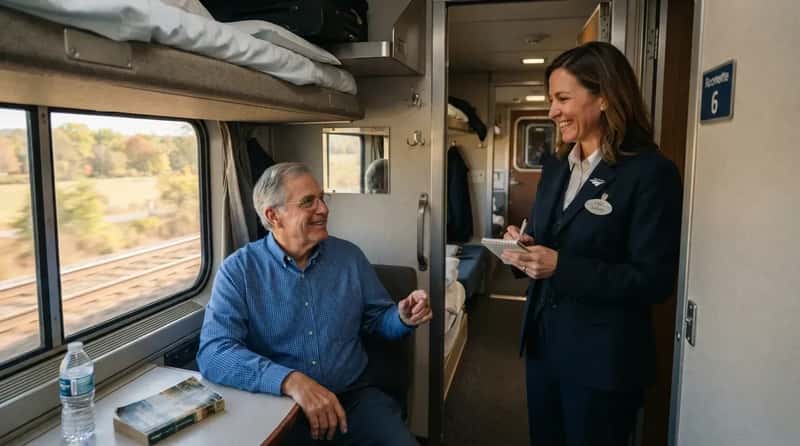
Within the first ten minutes of a sleeper car trip, conductors say a pattern emerges: passengers over 60 strike up genuine conversation with their car attendant, often learning names, hometowns, and shift schedules before the train even leaves the yard.
This isn’t small talk for the sake of it. If a passenger has limited mobility, a car attendant is often willing to bring meals directly to their room and help make sure they hear announcements about upcoming stops. Building that relationship early tends to make the entire trip run more smoothly, and crew members say they genuinely enjoy these passengers the most.
#3 – They Carry a Cane They Barely Use on Board
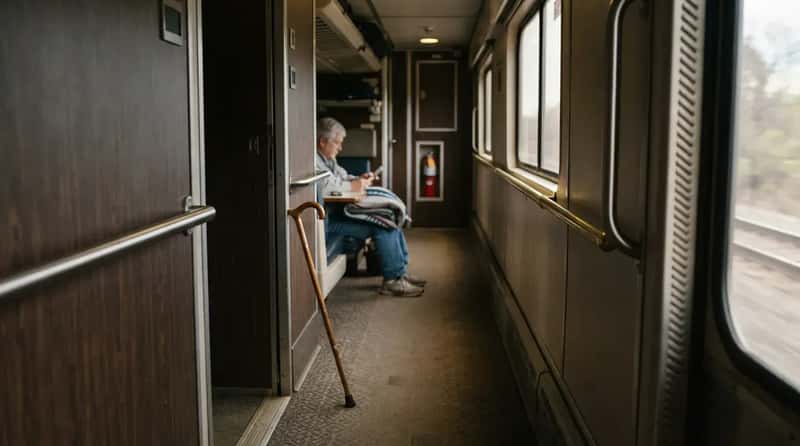
Here’s a strange but real detail conductors mention often: canes get parked, not used, once the train is actually moving. One longtime traveler put it simply – it becomes easier to just park the cane on board, since there’s always something within reach to grab onto while moving through the train.
There’s always a handrail or a headrest close by. On a train, you’re never really on your own.
Longtime Amtrak sleeper passenger
It’s a small but telling detail about train travel versus other transportation. Long hallways lined with grab bars and handrails offer a kind of built-in support system that a cane on solid ground doesn’t replicate. Passengers who travel by train specifically for this reason often say it’s more comfortable than flying, and far less stressful than driving long distances alone.
#2 – They’re the Calmest Passengers When Things Go Wrong
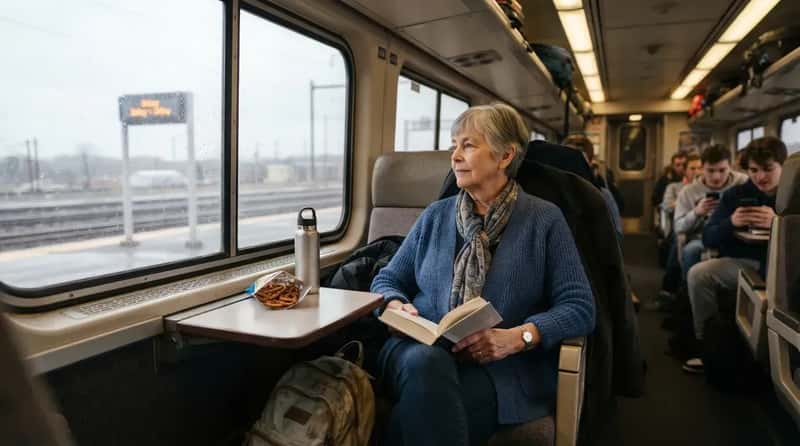
Delays happen. Reroutes happen. And conductors consistently point to one group as the least likely to complain, escalate, or panic when plans change: passengers over 60. This isn’t a small pattern – it’s one of the most repeated observations crew members share.
Decades of unpredictable travel seem to build a kind of patience younger passengers haven’t had time to develop yet. Where a delayed connection might spark frustration from a first-time rider, an experienced older traveler often just settles back in, unpacks a snack, and waits it out. Conductors say this calm often ends up steadying the whole car, not just themselves.
At a Glance
- Least likely group to complain or escalate during delays
- Tend to settle in with a snack instead of getting anxious
- Crew members say their calm often spreads to nearby passengers
#1 – They’re the Passengers Crew Members Actually Remember
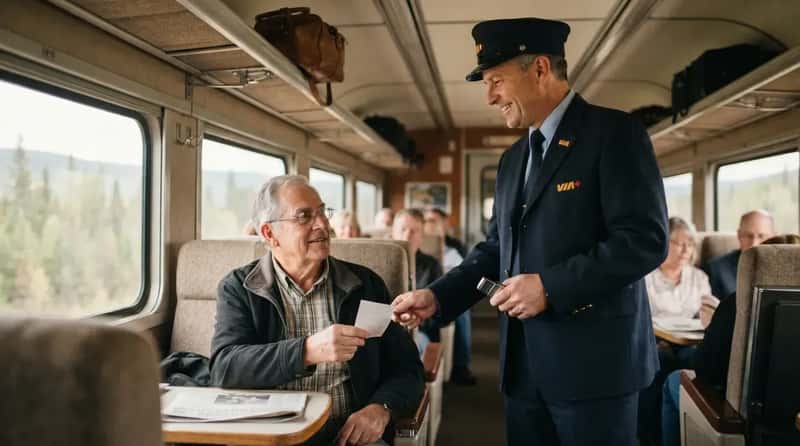
Of everything on this list, this is the one conductors bring up unprompted the most. In a job filled with anonymous faces and rushed exchanges, passengers over 60 are disproportionately the ones crew members remember by name, by story, by trip after trip.
It isn’t really about age at all – it’s about the small rituals: the greeting, the patience, the familiarity with a system built long before smartphones existed. Conductors describe these riders as the reason the job still feels personal in an industry that’s increasingly automated. It’s a quiet kind of legacy, earned one polite, prepared trip at a time.
None of this is really about being “older.” It’s about a set of habits – patience, preparation, loyalty, a little old-school etiquette – that decades of travel quietly build into a person. Conductors don’t see age when they notice these signs. They see experience.
So which one hit closest to home – yours, or someone you know? Drop it in the comments.