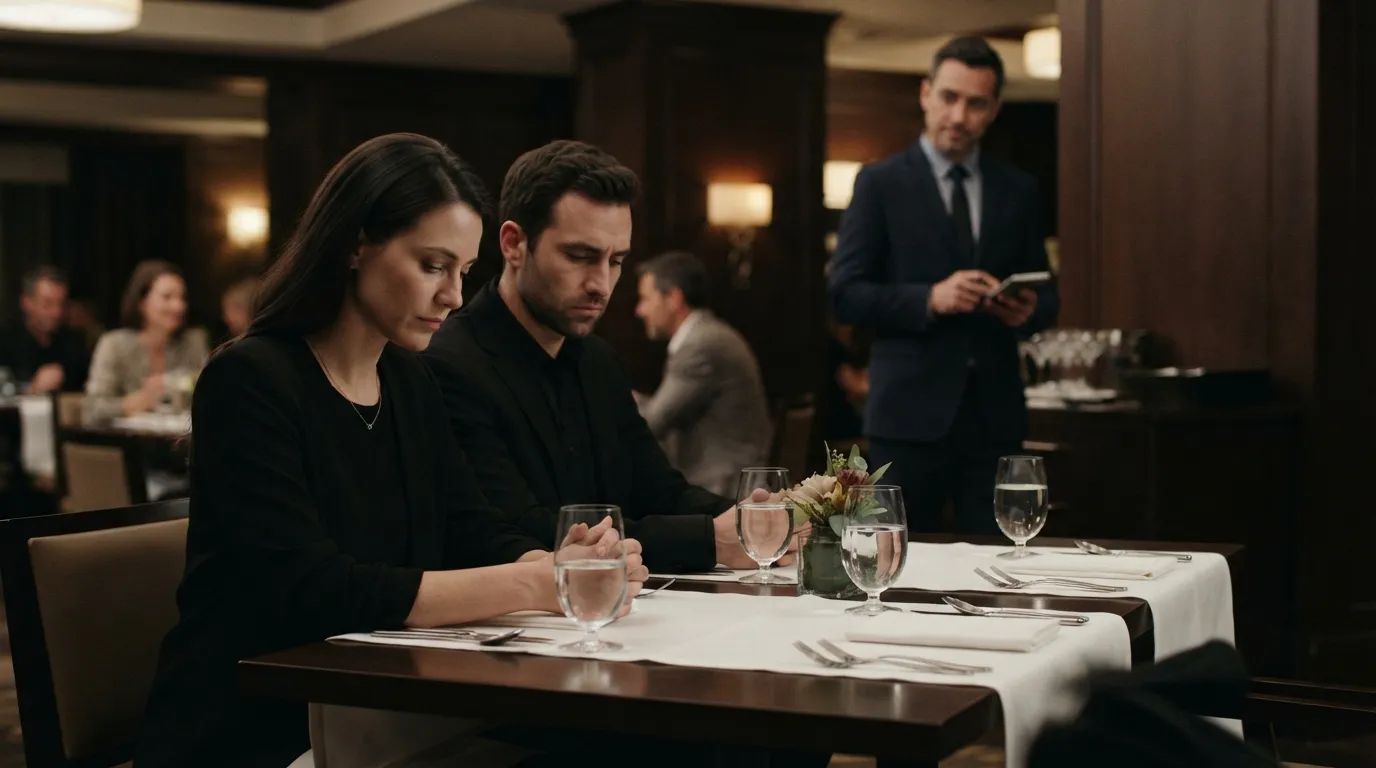
The second you sit down, someone in the room is already reading you. It isn’t always the server with the water pitcher. Often it’s a manager three tables away, who has made a dozen quiet guesses about your mood, your timing, and your budget before your napkin hits your lap.
It isn’t snooping, and it isn’t personal. It’s how a packed dining room stays on its feet on a Friday night. Some of these signals will make instant sense. A few near the top of the countdown are the ones that make people say, “Wait, they notice that?”
#17 – The Menus Close Fast, and the Clock Starts Ticking
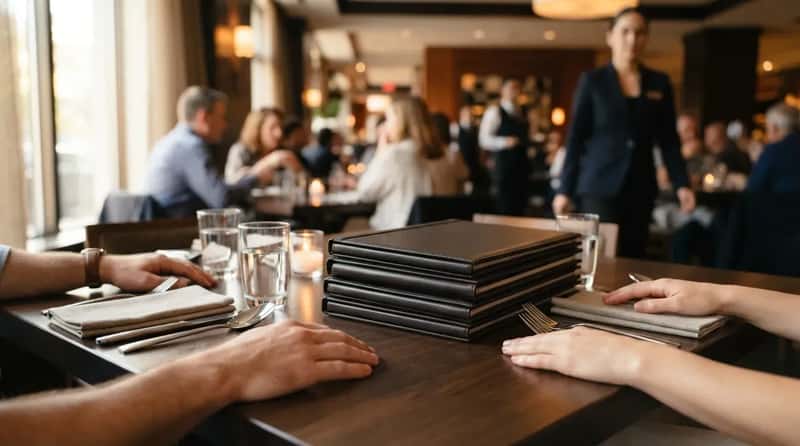
A closed menu is the loudest signal at any table. When guests shut their menus and stack them at the edge, managers read it as “ready to order.” Servers are coached to watch for that exact cue, and a manager walking the floor is watching for it too. A menu left open and untouched for several minutes often means confusion, not patience.
Plenty of guests feel too embarrassed to ask about an unfamiliar dish. Managers also notice when one menu keeps getting passed around the table. That can mean a group can’t agree, or that someone is quietly doing math about prices. A well-timed check-in fixes it before frustration builds.
But that’s nothing compared to what a stray handbag tells them in #16…
#16 – The Bag on the Empty Chair Tells a Whole Story
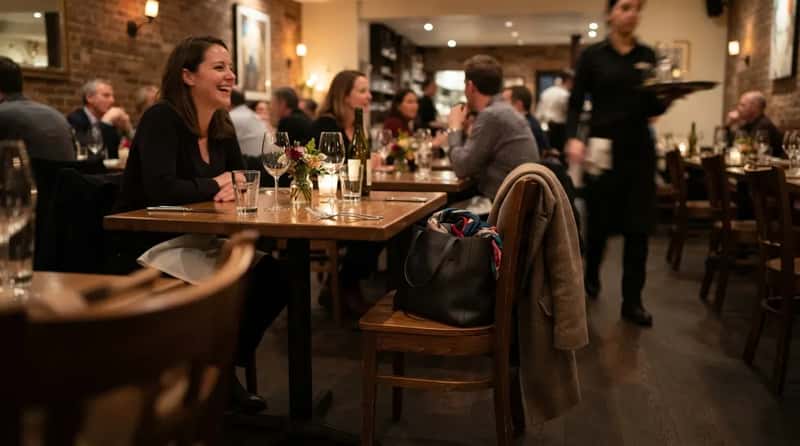
Where your belongings land is a map of how you plan to stay. Coats draped on spare chairs, bags tucked under the table, and a stroller wedged into the aisle all say something. They show how much space a party really needs. They also show where a server carrying a hot tray might trip.
Managers think about safety and flow, and a bag in the walkway is an accident waiting for its moment. A purse on the extra chair can also hint that someone is still on the way, or that the party is smaller than the reservation. That helps the host decide whether to hold or reassign space. The floor plan is often being quietly rearranged around you in real time.
And the next one is a tell that has nothing to do with the table itself…
#15 – The Real Decision-Maker Is Rarely Who You’d Guess
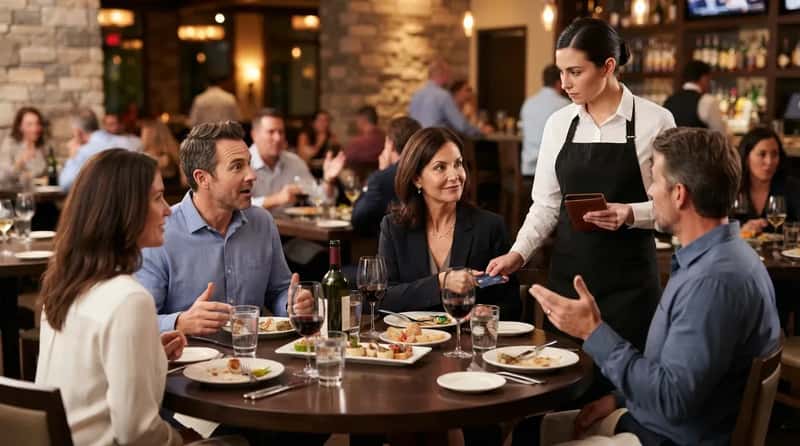
Every table has a decision-maker, and managers spot them fast. It’s often the person who asks the questions, orders first, or reaches for the card at the end. Staff learn to angle their attention toward that person, and the check usually follows.
Here’s the twist: the loudest person at the table is frequently not the one paying. Managers watch glances, notice who gets asked “what do you think?”, and catch the person who quietly nods at the server. Getting it wrong is a classic blunder. Hand the check to the wrong guest, and a warm dinner can turn awkward in seconds.
Some veterans say missing this dynamic is the fastest way to lose a regular. Others insist good service means treating everyone equally. Either way, that glance around the table is happening.
At a Glance
- Who asks the real questions about the menu
- Who gets asked for the final opinion
- Who gives the server a quiet nod
- Who reaches for the check at the end
But the next signal is one almost every table sends without meaning to…
#14 – The Gift Bag Under the Table Gives the Party Away
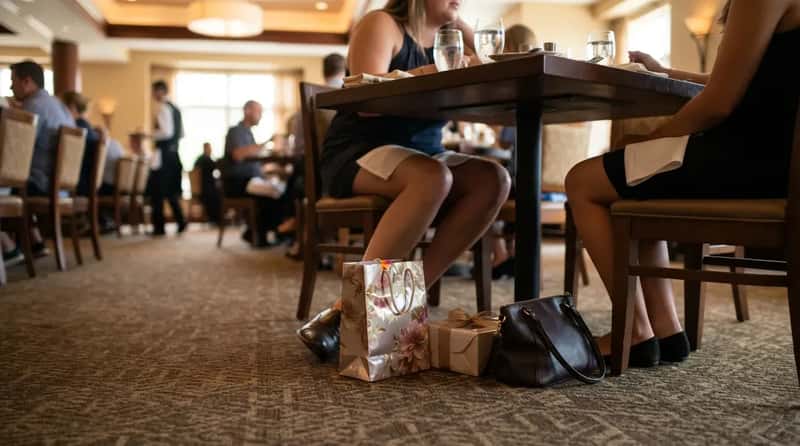
A small gift bag, a card tucked in a purse, or a guest who keeps checking the door often points to a celebration. Managers register these details early. A table marking a milestone expects more than a standard meal, so some will quietly give the kitchen or the dessert station a heads-up.
Here’s the part guests rarely see. Outside cakes and candles often trigger a policy conversation, including cake-cutting fees in some places. A manager who spots the box early can handle it gracefully. A surprise at dessert time tends to go less smoothly than a quick call ahead.
Next up, a table type that sends managers scanning for the nearest mop…
#13 – The High Chair Rewrites the Whole Game Plan
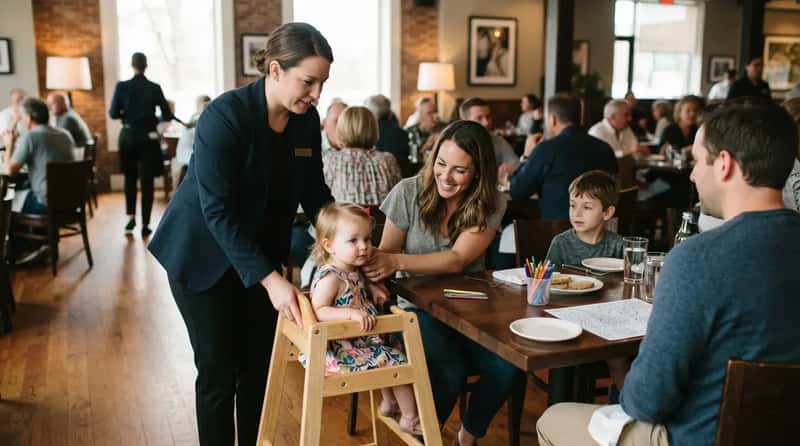
The moment a family with small kids sits down, the manager’s mental checklist changes. Crayons, a booster seat, and a quick snack suddenly rank high. So does the floor around them. Spills are coming, and everyone on staff knows it.
Here’s what many diners don’t realize. Experienced managers treat a family with young kids as a speed problem, not a nuisance. Hungry children have a short window before the meltdown starts. Getting food out fast is often the best damage control for the entire dining room.
Plenty of restaurants are friendlier to families than their reputations suggest. Still, many diners would rather not sit beside a toddler on date night. That tug-of-war is real, and managers weigh it every time they seat a section.
The next one involves something almost everyone at the table is holding…
#12 – The Phone Raised Over the Plate Gets Noticed Fast
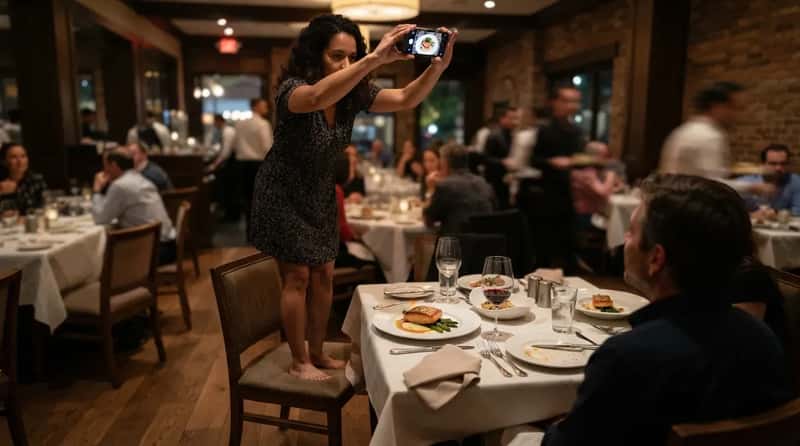
Photographing food is no longer a quirk. It’s a routine part of many meals, and managers have learned to notice how far it goes. A single snapshot is nothing. A tripod, a bright flash, or a guest standing on a chair is a different story.
Lighting matters to staff, too. A flash aimed across the room can disturb neighboring tables, which is why some restaurants discourage it. Managers weigh one guest’s enthusiasm against everyone else’s evening. Many quietly offer a better-lit spot instead of saying no.
But the next detail is far more serious than a photo…
#11 – The Word “Allergy” Stops the Entire Room
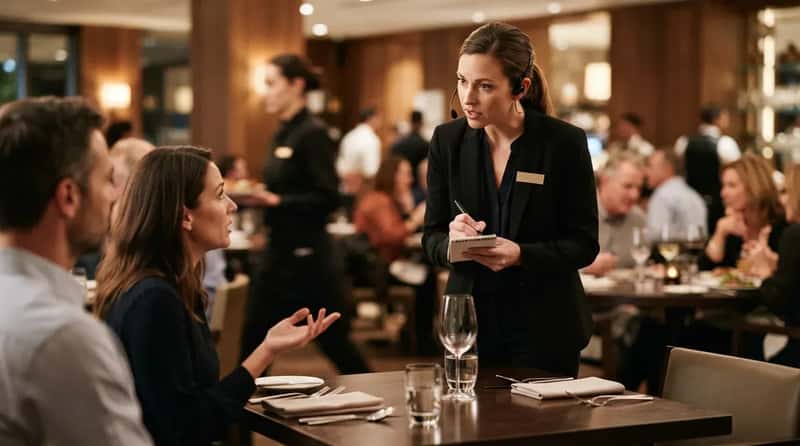
When a guest says “allergy,” managers snap to attention. It changes how the order is entered, who touches the plate, and how it travels to the table. This isn’t a preference. It’s a safety issue, and everyone involved treats it that way.
The rules have also grown. Sesame became the ninth major food allergen recognized under U.S. labeling law, effective in 2023. That gave kitchens one more item to track. Good managers walk the plate out themselves or confirm it with the server, and a clear, early mention from the guest makes that process far easier.
Next, a body-language clue that has nothing to do with food…
#10 – One Quick Glance at the Watch Changes the Pace
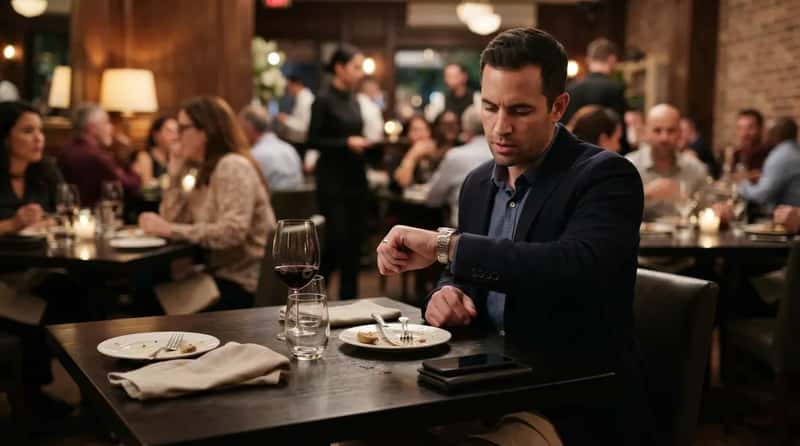
A wrist check or a phone peek tells a manager a lot. It could mean a show starts soon, a babysitter is waiting, or a flight is looming. Servers who catch it can adjust the speed of the meal. A rushed guest who gets a slow meal rarely leaves happy.
Here’s the catch: many diners never say they’re in a hurry, even when they badly are. Managers learn to read it from posture, repeated glances, and how fast the drinks disappear. Some will quietly suggest skipping a course or set the check down early. That small move can earn more goodwill than the meal itself.
Quick Compare
- Table in a hurry: repeated glances at a watch or phone, drinks gone fast, posture angled toward the door.
- Table settling in: relaxed posture, conversation stretching out, no clock-watching at all.
- The manager’s move: speed up and offer the check early for the first, hang back and let the evening breathe for the second.
But the next table signal is one almost nobody realizes they’re sending…
#9 – The Wine List Held a Little Too Long
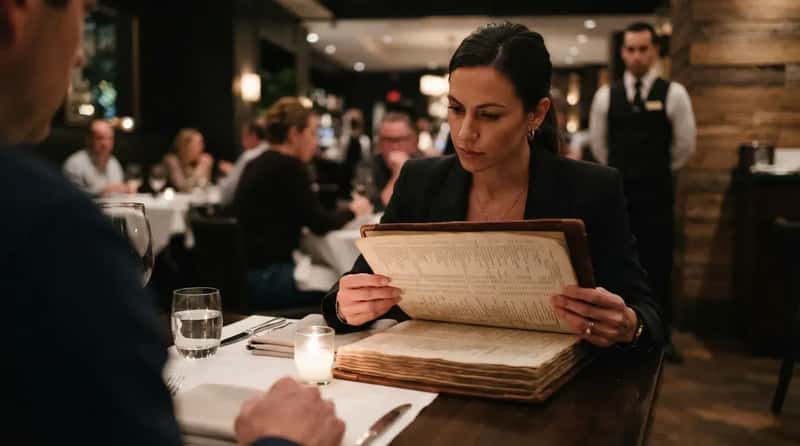
Someone studying the wine list for ages tells a manager something. It might be a confident enthusiast. It might be a person quietly dreading a wrong pick in front of friends. Staff are trained to tell the difference and respond accordingly.
Here’s where opinions split. Plenty of diners feel asking for help looks unsophisticated, yet many hospitality pros say the best guests ask for a recommendation and share a price range. Pointing to a line on the list is a polite way to signal a budget without saying a number. Managers notice, and they usually respect it.
And the next one is something managers spot from across the room…
#8 – The Wobbly Table and the Sun in Your Eyes

Some problems are visible before a guest says a word. A folded napkin wedged under a table leg is a dead giveaway. So is someone shielding their eyes from afternoon glare or hunching away from an air vent. Managers register these in seconds.
This is where the best ones act first. A table that wobbles is one of the most common small complaints, and one of the easiest to fix. Moving guests or adjusting a shade before they complain turns a likely grumble into a good story. Those little fixes are often exactly what a sharp manager is hunting for.
The next sign sits on the table in plain sight, in the most overlooked spot…
#7 – The Empty Water Glass Nobody Mentions
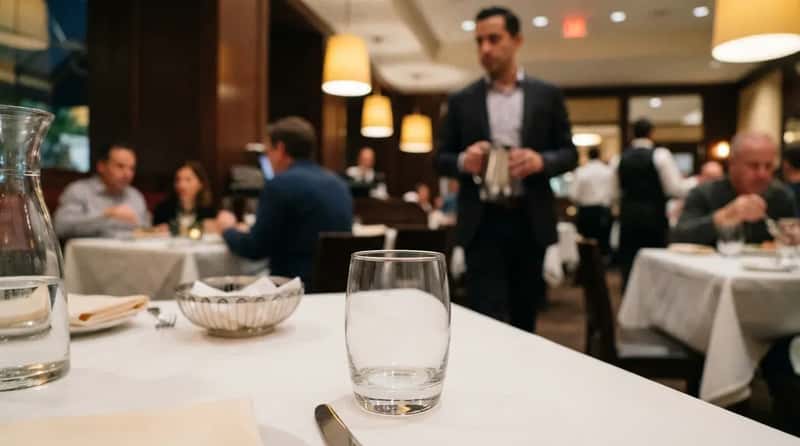
A low glass is a quiet failure. Managers scan tables for empty water glasses and bare bread baskets as they walk the floor. It’s one of the fastest ways to judge whether a section is being covered well.
The funny part is that plenty of guests will sit with an empty glass rather than flag someone down. That silence is a blind spot, and good managers know it. They refill on the fly, even when it isn’t their section. Small gestures like this often shape a guest’s overall impression more than the entrée does.
But the plate that comes back full is a much bigger warning sign…
#6 – The Entrée That Barely Got Touched
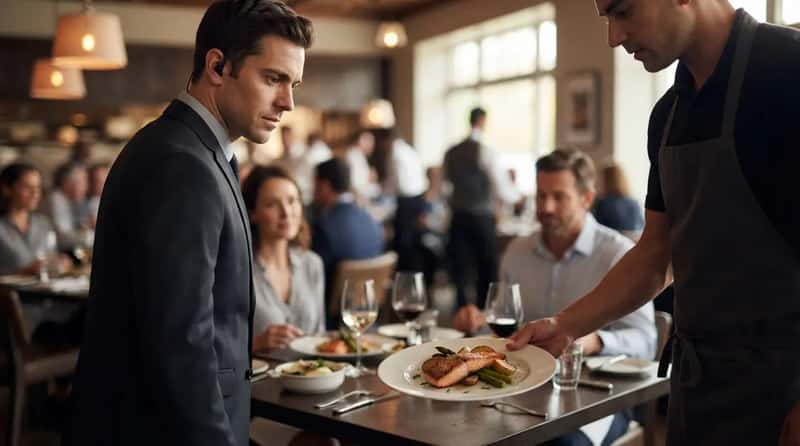
A nearly full plate headed back to the kitchen is a red flag, and managers watch for it closely. It might mean the dish arrived cold, came out wrong, or simply wasn’t what the guest imagined. Either way, the clock is ticking on the evening.
Here’s the part that stings. Plenty of diners never complain about a bad dish. They just don’t come back. That silent exit is exactly what a table visit tries to catch. A quick “how is everything?” at the right moment lets a manager fix it, replace it, or offer something else.
Not every full plate means a problem, of course. Some guests are saving room or planning to box it up. Good managers read the face, not just the plate.
Worth Knowing
- The usual suspects are cold food, a wrong order, or a dish that didn’t match the menu description.
- A request for a to-go box is a very different signal from a plate pushed to the side.
- Fork down early and conversation drifting away from the food are the cues managers trust most.
- The best save happens at the table, before the plate ever reaches the kitchen window.
The next detail lives in a place guests never see…
#5 – The Notes Already Waiting Before You Sat Down
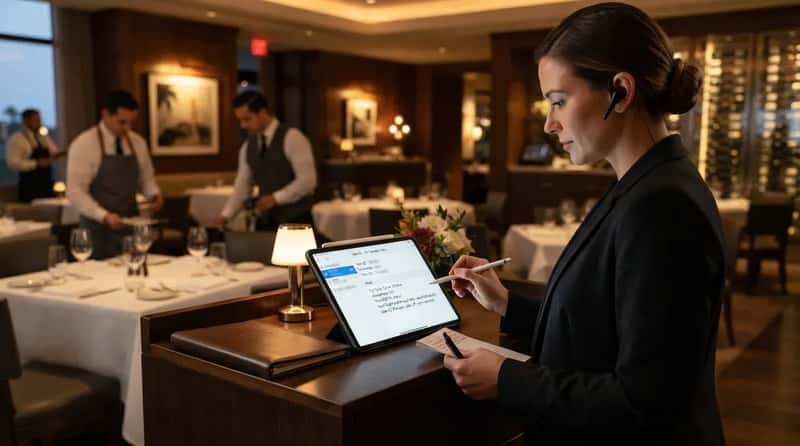
Many restaurants keep guest notes. Reservation platforms let staff save details like a favorite table, a seating preference, or a past celebration. Managers often glance at those notes before the host walks you over.
That means the manager may already know you prefer the quiet corner before you’ve said a word. It can also mean a rough past visit follows you. Regulars often get a warmer welcome precisely because those notes remind staff what matters to them.
Now for a topic that sparks serious arguments among servers and guests alike…
#4 – The Table That Stays Long After the Check
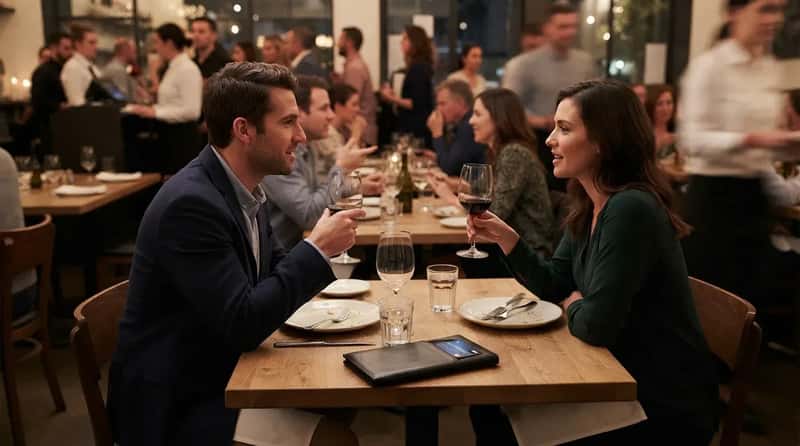
Lingering divides the industry. Managers notice when guests finish, pay, and keep right on talking. On a quiet Tuesday, that’s a compliment. On a packed Saturday with a line at the door, it becomes a logistics puzzle.
Here’s the contrarian view. Some hospitality veterans argue that guests who linger are often the loyal ones, and rushing them costs more than it earns. Others say a table is a business asset and should turn on time. Both sides have a point, and managers weigh the waitlist against the mood before doing anything.
The honest answer depends on the night, the restaurant, and the crowd. Few managers want to interrupt a great evening. They also can’t ignore a crowded lobby.
The next one is about the check itself, and it gets complicated fast…
#3 – The Big Group Reaching for Eight Different Cards
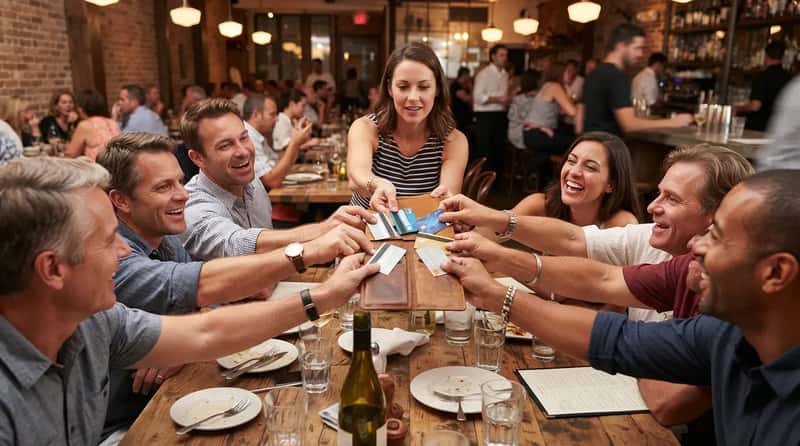
Large parties get special attention from the moment they walk in. Managers register the headcount and listen for how people talk about payment. Splitting a check eight ways is a headache that can slow service for the whole section.
That’s why many restaurants add an automatic gratuity for large parties. The policy is usually printed on the menu or mentioned at booking. It can still surprise guests, and opinions are sharply divided. Some diners feel it takes away their say, while many servers say it protects them when a big table tips poorly.
But the next table might be the most carefully watched one in the room…
#2 – The Guest Who Seems to Be Grading Everything
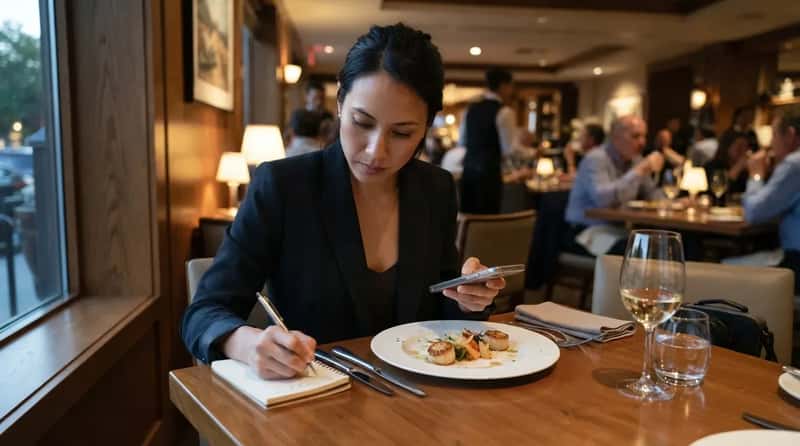
Someone jotting notes, photographing every dish, and quietly watching the servers gets attention. Managers can’t know who that person is, but they notice the behavior. It could be a food writer, a mystery shopper, or just a very particular diner.
The best managers don’t change a thing. Mystery shopping is a real industry practice, and restaurants use it to check service consistency. The smart move is to treat every table like an evaluation. Staff who save their best effort for a suspected critic usually get found out, and consistency is the only strategy that holds up.
Why It Stands Out
- Managers react to behavior, not identity, because they almost never know who’s really at the table.
- Plenty of ordinary diners take photos and notes too, so a suspicion is only a guess.
- A sudden burst of extra attention is easy for regulars and neighbors to spot.
- Steady service for every table is the only approach that works either way.
The final item is the one no manager says out loud, and it may matter most…
#1 – The Silence That Reveals Why You Really Came
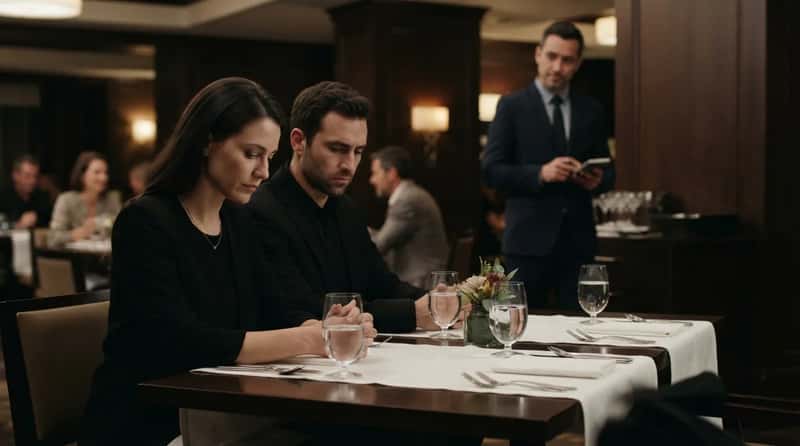
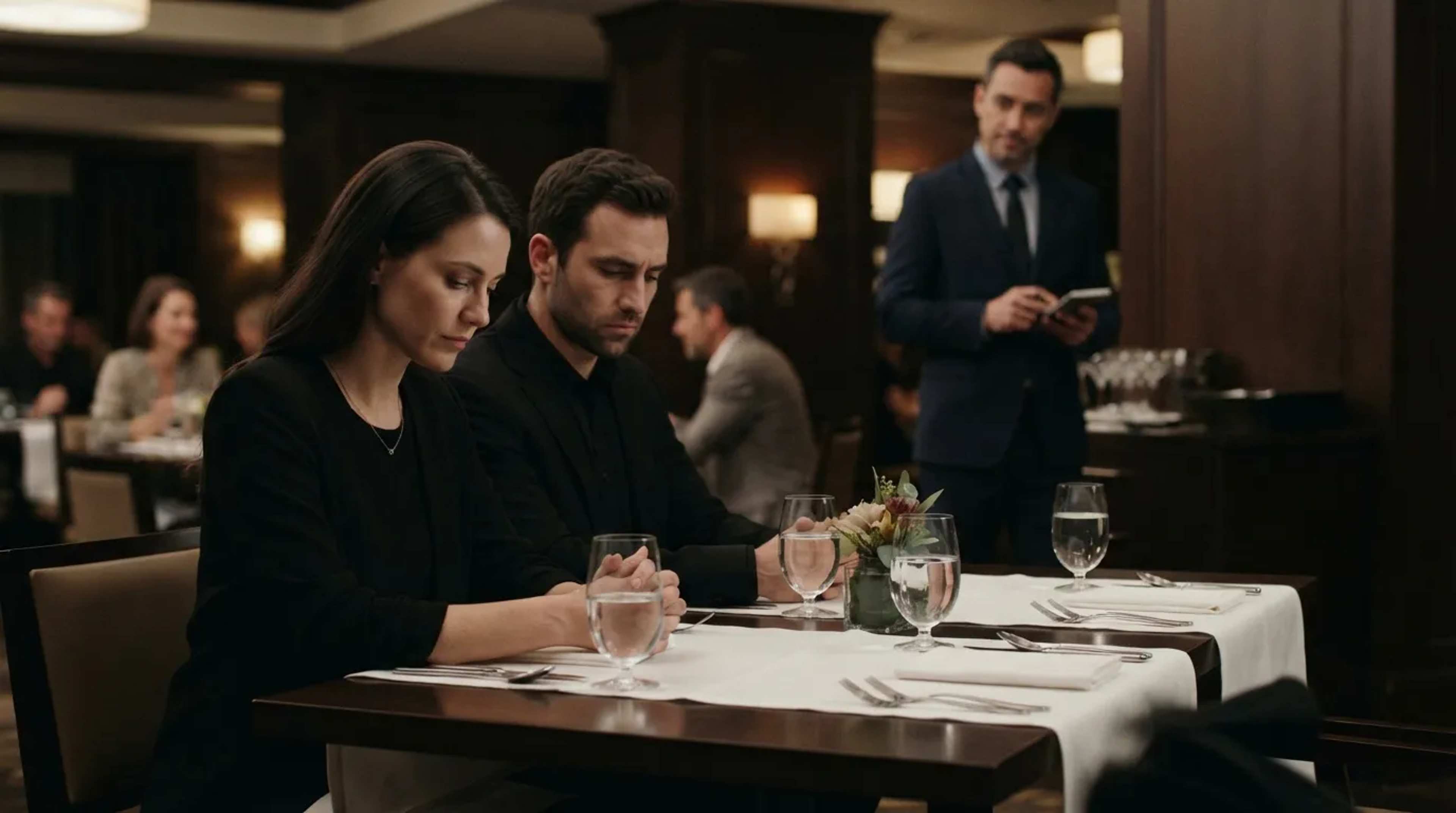
Before anything else, the best managers read the mood. A couple not speaking, a family gathered in black clothing, or a nervous pair on a first date all send signals. Staff adjust the pace, the volume, and how often they stop by.
The truth is that a restaurant table is often where people deliver news, mark a loss, or celebrate something huge. Managers who notice early can protect the moment. They might seat a grieving family away from the noise or skip the dessert pitch. It’s invisible hospitality at its best.
Within two minutes, a good manager has read your pace, your comfort, your budget, and often your reason for being there. Menus, bags, empty glasses, untouched plates, and silences all carry meaning. The most revealing sign isn’t what you order. It’s the mood you bring to the table.
The best service feels effortless because someone was quietly watching. Next time a manager drifts past with a glance, you’ll know what they’re really seeing. Most guests will never know they noticed at all.