Most people think visiting a national park is simple – drive in, walk around, snap some photos, and drive home feeling like an outdoor person. The parks drew a record 331.9 million visits in 2024, and rangers say the same avoidable mistakes keep showing up year after year. From trusting a cell signal that doesn’t exist to showing up at exactly the wrong time, first-timers get blindsided by things that regulars figured out on their very first trip.
The real kicker? Most of these mistakes don’t just ruin your day – some of them have put people in genuine danger. And the ones that surprise visitors most aren’t the dramatic ones. They’re the small, obvious-in-hindsight things nobody thinks to warn you about until it’s too late.
#17 – Thinking You Can Wing the Whole Trip Without Reservations
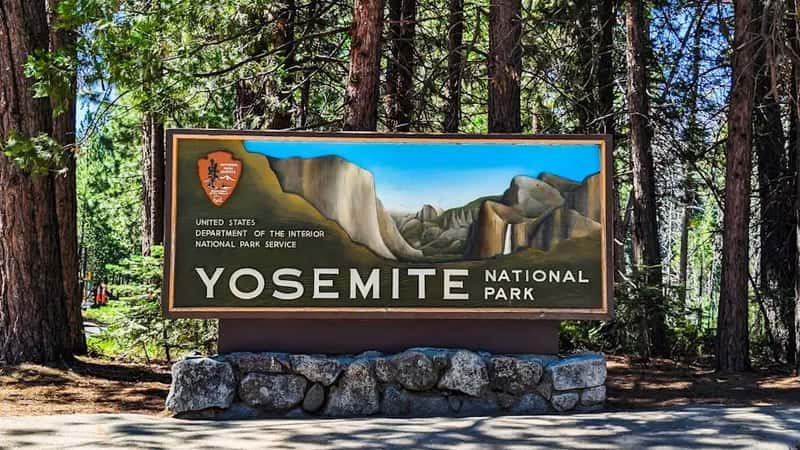
There’s a romantic idea of just showing up with nothing booked and seeing what happens. Freedom. Spontaneity. Pure adventure. That fantasy collides hard with reality when every campsite is taken, the entrance requires a timed-entry pass you don’t have, and the nearest hotel is 90 minutes away. Parks like Arches, Glacier, and Yosemite all require advance reservations during peak season – and they sell out weeks ahead.
Even parks that are always free to enter typically require visitors to book a reservation or get a camping permit during high season. There is simply limited space, and a lot of people eager to fill it. Book ahead or prepare to be turned away at the gate. But reservations only solve one problem – the time trap waiting at #16 will get you even if you’re perfectly booked.
At a Glance: Parks That Regularly Require Advance Reservations
- Arches (UT): Timed-entry permits required spring through fall
- Yosemite (CA): Reservation windows open months ahead and fill fast
- Glacier (MT): Vehicle reservations needed for Going-to-the-Sun Road corridor
- Rocky Mountain (CO): Timed-entry permits for peak summer months
- Zion (UT): Shuttle system and Angel’s Landing permits book out quickly
#16 – Arriving in the Middle of the Morning and Calling It “Early”
Most first-timers set an alarm for 8 a.m., congratulate themselves for being responsible, and head out feeling ahead of the curve. Rangers and repeat visitors know that “early” at a national park means something entirely different. Pulling into a trailhead at 9:30 a.m. instead of 6:30 a.m. changes everything – the parking lots are already filling, the best light is gone, and the trail feels less like wilderness and more like a queue.
Arriving early cuts crowds, preserves the experience, and – especially in summer – keeps you off exposed terrain before afternoon heat sets in. The goal isn’t just to beat traffic. It’s to experience the park before the rest of the world catches up. But even visitors who nail the timing often fall into the next trap: cramming too much into too few hours.
#15 – Overpacking the Schedule and Rushing Everything
Three hikes, two scenic drives, a waterfall stop, and a picnic – all in one day. It sounds efficient on paper. In practice, it creates a fragmented experience where everything feels rushed, nothing feels complete, and you leave more drained than restored. The parks people remember most are the ones where they slowed down, lingered at a viewpoint, and let the place actually sink in.
Most visitors only have a limited number of days, and how those days are structured makes a real difference. Doing one thing well beats doing six things badly. Pick two or three anchors and leave room to wander. That said, even visitors who pace themselves perfectly make a critical navigation mistake – one that’s coming up at #14.
#14 – Counting on Cell Service to Navigate Inside the Park
This one catches first-timers completely off guard. They pull up Google Maps at the park entrance, it works fine, and they assume it’ll keep working. Then they turn down a backcountry road, the signal disappears, and suddenly no one knows where they are or how to get back. National parks are remote by design – and that means dead zones are the rule, not the exception.
It can be a genuine shock when visitors get into the woods and discover their device has no service at all. Download offline maps before you leave home, and grab a paper map at the entrance – the kind you can actually hold in your hands when the screen goes dark. That entrance stop connects directly to something most first-timers skip entirely, which is mistake #13.
Fast Facts: Before You Lose Signal
- Download offline maps via Google Maps, Maps.me, or Gaia GPS before you arrive
- Pick up a free paper map at the entrance booth – rangers still hand them out
- Cell dead zones exist in most major parks, including Grand Canyon, Yellowstone, and Smoky Mountains
- A GPS device or satellite communicator (like a Garmin inReach) is worth it for any backcountry trip
#13 – Blowing Past the Visitor Center Without Stopping
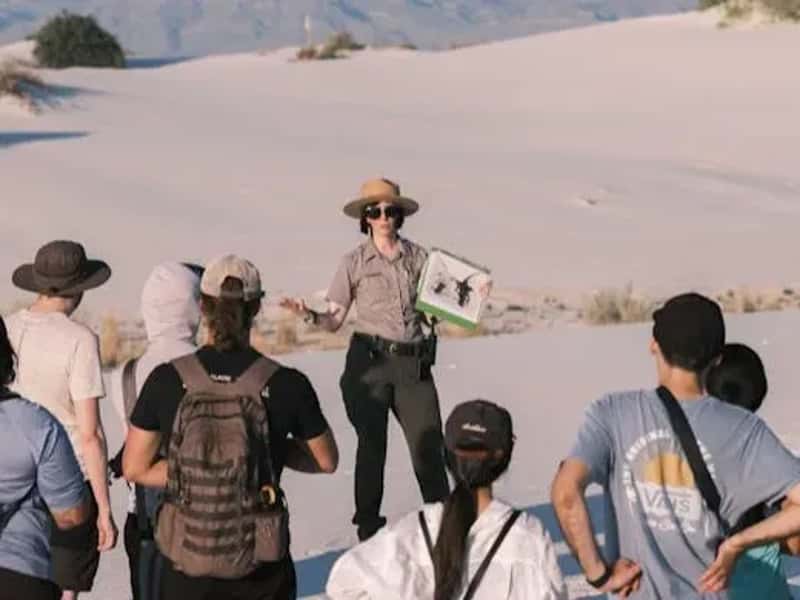
First-timers almost always drive straight past the visitor center toward the trailheads. It feels like the visitor center is for people who don’t know what they’re doing – the cautious types, the slow ones. Turns out, it’s exactly where the regulars go first. Visitor centers carry real-time information on trail conditions, weather alerts, road closures, and wildlife activity that no app or travel blog can match.
Rangers stationed there will tell you things you’d never think to ask – where the crowds are, what’s closed, and where to find the one spot most visitors never see. You’ll also find water refill stations, maps, and WiFi. A two-minute conversation at the visitor center can save you hours of frustration on the trail. But even well-prepped visitors blow one thing that rangers see every single day – mistake #12.
#12 – Wearing the Wrong Shoes (Yes, Really)

Park staff see it constantly: flip-flops on rocky switchbacks, canvas sneakers on muddy descents, and – still somehow – heels at scenic overlooks. It sounds absurd until you’re watching someone limp back to a parking lot three miles from the trailhead. Ankle injuries are closely tied to inappropriate footwear on uneven terrain, and even a short hike can go sideways fast when your feet aren’t protected.
Solid, well-fitted hiking shoes or boots with sturdy rubber soles aren’t optional gear – they’re the difference between a great day and a painful extraction. The terrain in most national parks is nothing like a city sidewalk, and it doesn’t forgive the wrong footwear. Once you’ve got the right shoes, there’s still a weather mistake that even physically prepared visitors make constantly – and it’s up next at #11.
#11 – Ignoring the Weather Forecast (Or Trusting the Wrong One)
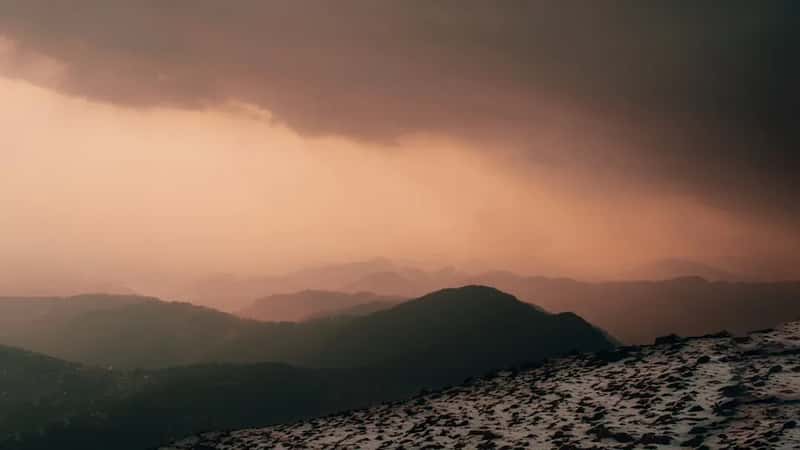
Park weather is nothing like city weather. A bright, clear morning in the mountains can become a violent afternoon thunderstorm with almost no warning – and if you’re above the treeline when that happens, there is nowhere to shelter. First-timers check the weather app for the nearest town, see “sunny,” and head out without a second thought. That’s a mistake that catches people completely exposed at elevation.
Always check the park’s own forecast, not just a generic app. The park-specific forecast accounts for elevation, microclimates, and afternoon storm patterns that regional apps miss entirely. And speaking of consequences – the next mistake sets people up for physical trouble before they even start the trail.
Worth Knowing: How Park Weather Surprises Visitors
- Mountain temperatures can drop 30°F or more between trailhead and summit
- Afternoon thunderstorms are nearly daily in summer at high-elevation parks like Rocky Mountain and Grand Teton
- Always check the park’s official NPS forecast page, not just a general weather app
- Plan to be off exposed ridges and above-treeline terrain by early afternoon
#10 – Choosing a Trail That’s Way Above Their Fitness Level
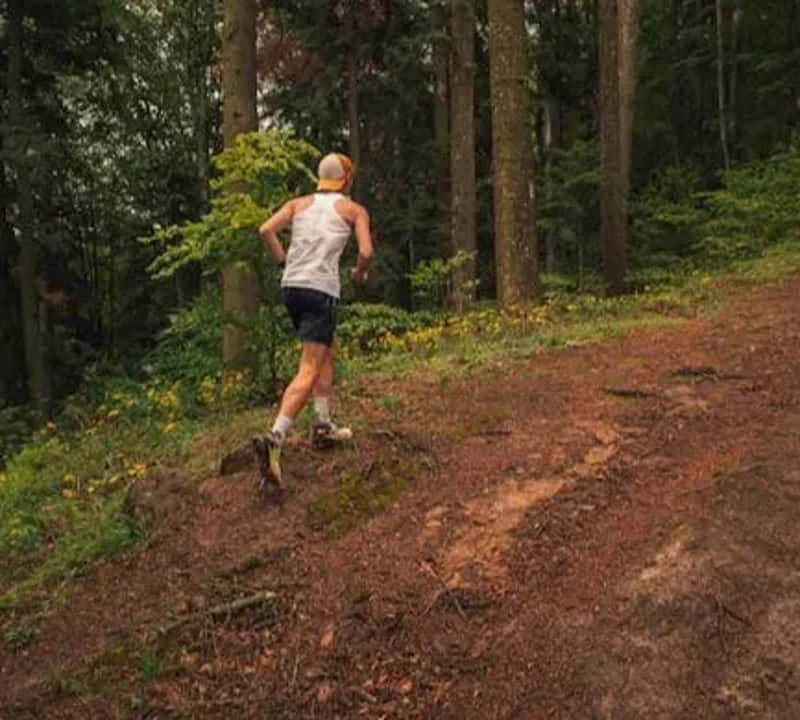
People choose hikes the same way they choose movies – based on the title and the star rating. A trail labeled “moderate” can mean wildly different things depending on elevation gain, terrain, and heat. Visitors who arrive in good physical condition often assume that translates directly into trail competence. It doesn’t. Altitude alone can make an easy-rated hike feel brutal if your body isn’t acclimatized.
Most hikers spend too much time worrying about low-probability threats like bears and mountain lions, and not enough time thinking about the genuinely common ones: blisters, dehydration, and hypothermia from unexpected temperature drops. Research the specific trail’s elevation profile and recent visitor reviews before you commit – not just the aggregate star rating. Overconfidence on the trail connects directly to something even more dangerous, and it’s coming up at #9.
#9 – Getting Too Close to Wildlife for a Photo

Social media turned wildlife encounters into a competition for the closest, most dramatic shot. First-timers see a bison grazing near the road and immediately open the car door. It looks slow, it looks calm, and standing next to it for a photo seems like the obvious move. That logic has sent real people to the hospital. The National Park Service confirmed the first reported bison goring incident of 2026 in Yellowstone – following two reported incidents in 2025 and one in 2024.
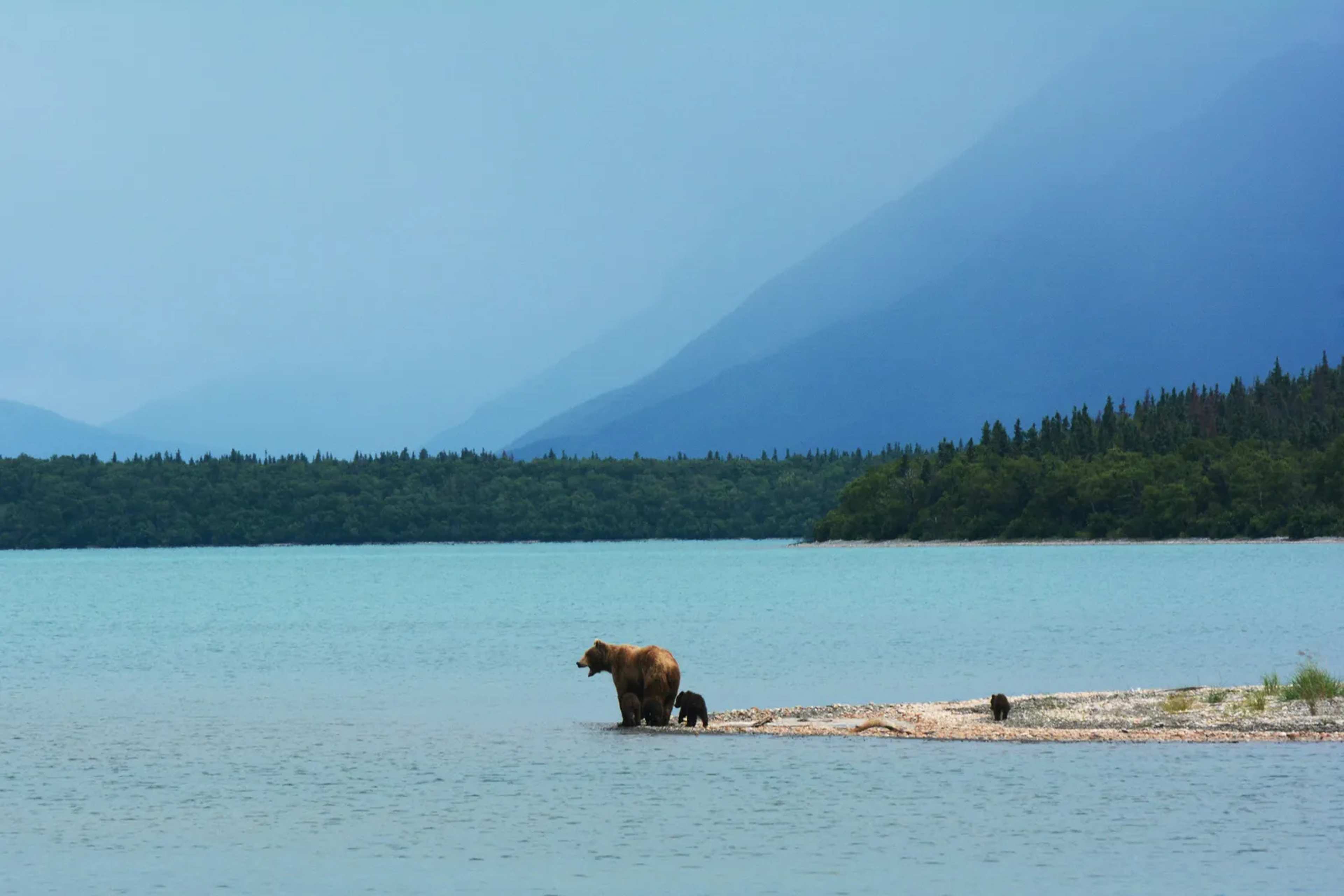
Yellowstone requires visitors to stay at least 25 yards from bison and other large animals, and at least 100 yards from bears and wolves. Getting closer than those mandated distances can result in fines up to $5,000, jail time, or a park ban – and that’s on top of the physical risk. Bison can run at speeds up to 35 mph, and they cover ground shockingly fast. The animals aren’t performing for you. They’re wild, and they will act like it. Another behavior damages the park itself, not just the visitor – and that’s mistake #8.
Quick Compare: Required Wildlife Distances by Park
- Yellowstone: 25 yards from bison, elk & moose – 100 yards from bears & wolves
- Great Smoky Mountains: 150 feet (50 yards) from all wildlife
- Badlands: 100 feet from all wildlife
- Grand Canyon: 75 feet minimum from all wildlife
- Every park: If an animal changes its behavior because of you, you’re already too close
#8 – Feeding the Animals (Even “Just Once”)
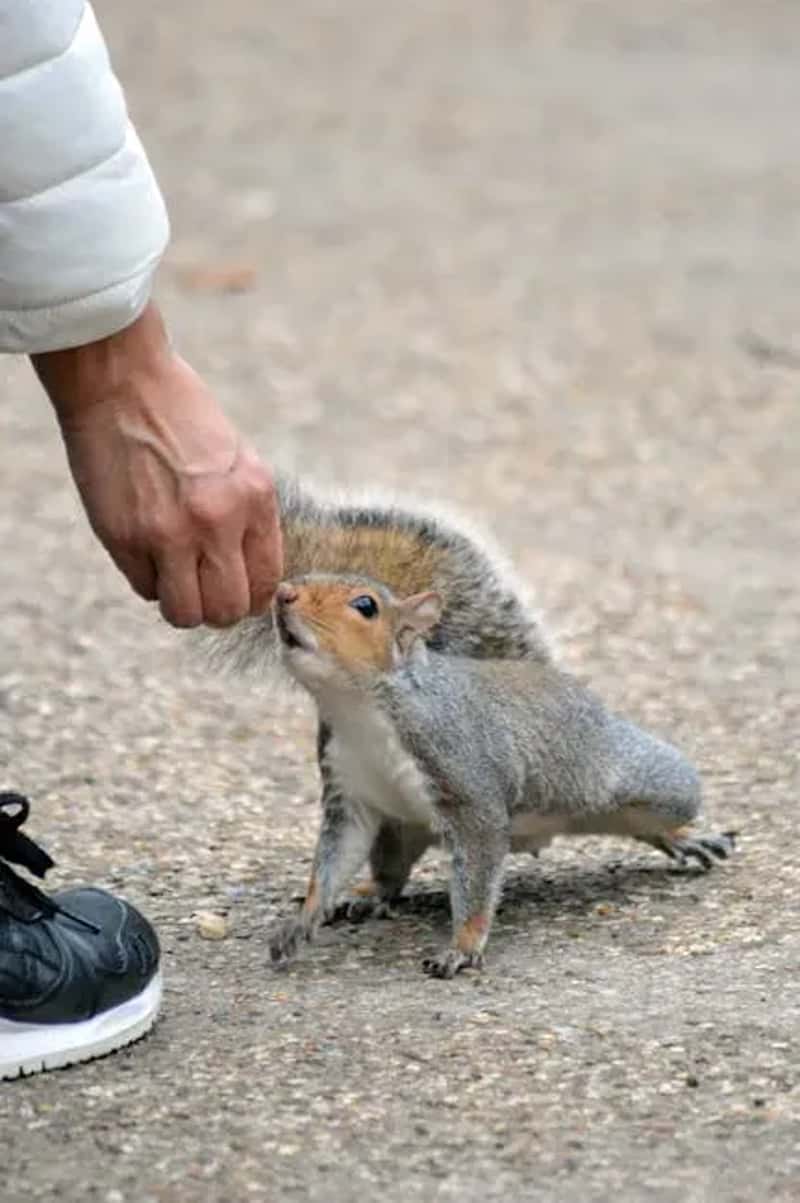
It starts with a squirrel trotting up and looking cute. Tossing it a cracker feels harmless – maybe even generous. Rangers know this is one of the most damaging things visitors do, and it happens at every park, every single day. Animals that associate humans with food lose their natural foraging behavior, become increasingly bold and aggressive toward strangers, and often end up being euthanized because of it.
“A fed animal is a dead animal” is something rangers repeat so often it’s practically their unofficial motto. What looks like a sweet, harmless moment is actually conditioning a wild animal in a way that will eventually get it killed. The national parks aren’t zoos. The animals in them survive on their own terms – until a well-meaning visitor starts rewriting their instincts one cracker at a time. The next mistake is less dramatic but costs first-timers something they can never get back: #7.
#7 – Only Visiting the Famous Spots and Missing Everything Else
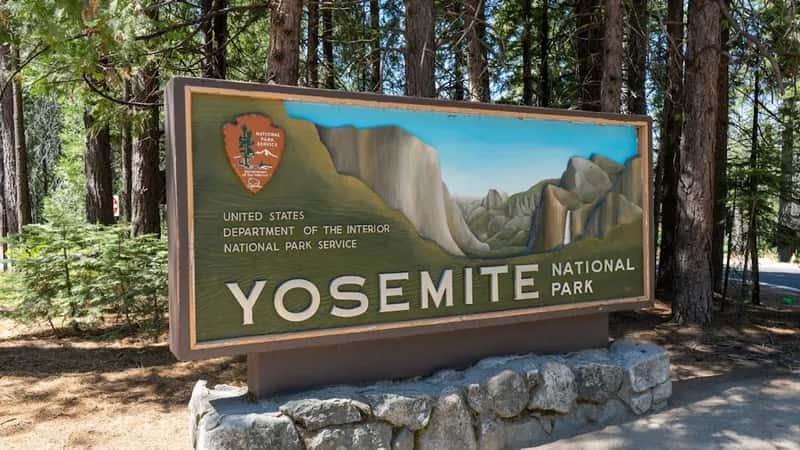
First-timers flock to the Instagram shots: the Yosemite Valley floor, Old Faithful, the Delicate Arch. They wait in line, get the photo, and feel like they’ve done the park. Meanwhile, the park’s quietest and most extraordinary places go completely unvisited. The best ranger tip most people never take: ask a ranger to name one place visitors almost never see. The answer is almost always worth the detour – and it almost always has zero crowd.
There’s been a documented trend of visitors gravitating to Instagram-famous spots, even within already-popular parks, while the surrounding landscape sits empty. Doing the park means more than collecting its highlights. The places worth remembering are often the ones you’d never find on a top-ten list. That same herd mentality also trips first-timers up on timing – which is exactly what #6 is about.
#6 – Visiting at Peak Season Without Understanding What That Means
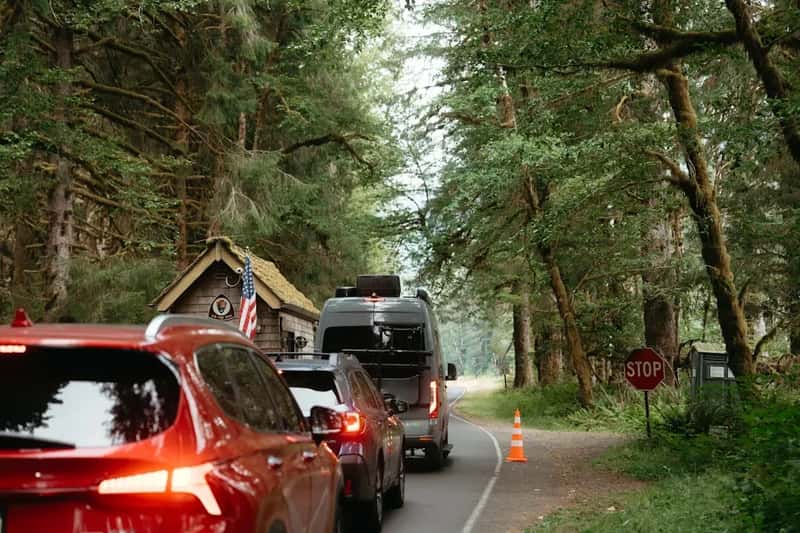
Summer weekends at a popular national park can feel less like nature and more like a theme park parking lot. Peak season means most trails, roads, campgrounds, and visitor centers are fully open – which is genuinely appealing, especially for a first visit. But “best for access” very often means worst for experience. The crowds, the noise, the hour-long waits at popular overlooks – none of that makes it into the promotional photos.
Visiting in shoulder season is worth serious consideration. Most amenities stay open, the weather is often still excellent, and the park actually feels like a park again. Great Smoky Mountains is a notable exception – fall foliage draws massive crowds well into October – but at most parks, arriving just before or just after the peak window delivers the same scenery with a fraction of the people. And while you’re reconsidering your timing, don’t overlook the financial mistake that almost every first-timer makes at the gate – #5.
#5 – Paying Individual Entry Fees Instead of Getting the Annual Pass
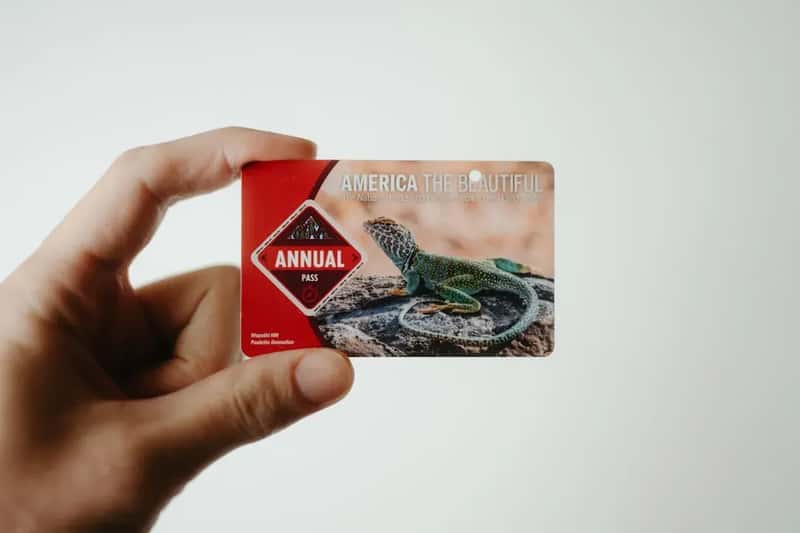
Most first-time visitors pull up to the entrance booth, hand over $35 for a weekly vehicle pass, and never think twice about it. What almost nobody tells them is that one annual pass covers entry to nearly every federal recreation site in the country. As of January 1, 2026, the America the Beautiful Annual Pass costs $80 for U.S. residents and grants access to more than 2,000 national parks and federal recreation sites for a full year. It’s also now available as an instant digital pass through Recreation.gov.
Visit even two or three parks in a year and the math is obvious – the pass pays for itself fast. Visiting all five of Utah’s Mighty 5 parks without a pass runs $150 in entry fees alone; with the pass, you’ve already saved $70 and you still have 12 months left. Yet first-timers consistently pay per entry out of habit, simply because nobody mentioned the pass before they left home. It’s a small, fixable thing that adds up fast. The next mistake has actual physical consequences once you’re already on the trail – and it’s #4.
At a Glance: America the Beautiful Pass (2026)
- U.S. residents: $80/year – covers all passengers in one vehicle
- Seniors (62+): $20/year or $80 for a lifetime pass
- Active military & veterans: Free
- Coverage: 2,000+ federal recreation sites including all NPS units that charge fees
- Digital option: Buy instantly on Recreation.gov, use from your phone same day
- Break-even: Two or three fee-based park visits and it’s already paid for itself
#4 – Not Bringing Enough Water (or Bringing None at All)
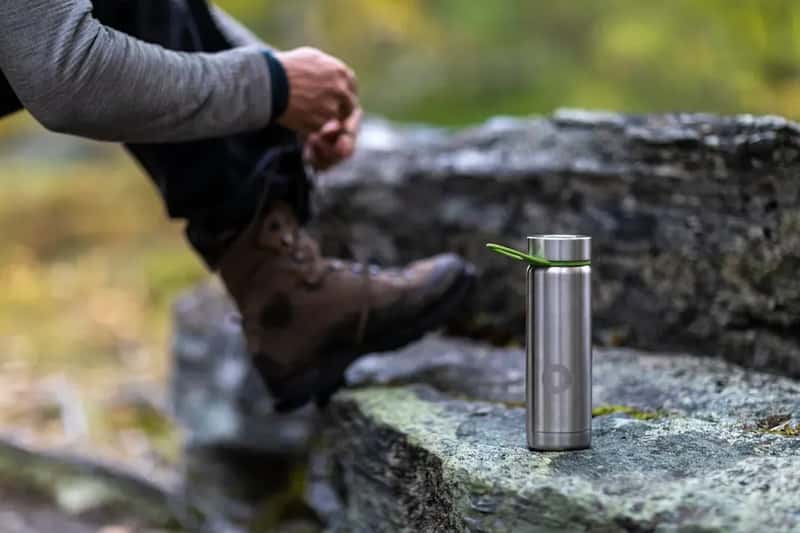
Dehydration in the backcountry can slide from “I feel a little tired” to a medical emergency faster than most people expect – especially at altitude or in desert heat. Every year, park visitors face health emergencies, and some don’t make it back, after hiking in the hot afternoon hours without enough water. The shocking part is how many of those incidents trace back to something that simple.
A common ranger guideline is half a liter of water per hour of moderate hiking in moderate temperatures – and that number climbs sharply in heat or at elevation. Pack more water than you think you’ll need, bring a small first aid kit, and carry layers for temperature shifts. The visitor center can tell you exactly where refill points are along your planned route. Physical preparation helps – but the next mistake destroys ecosystems one careless footstep at a time, and it’s #3.
#3 – Wandering Off the Designated Trail
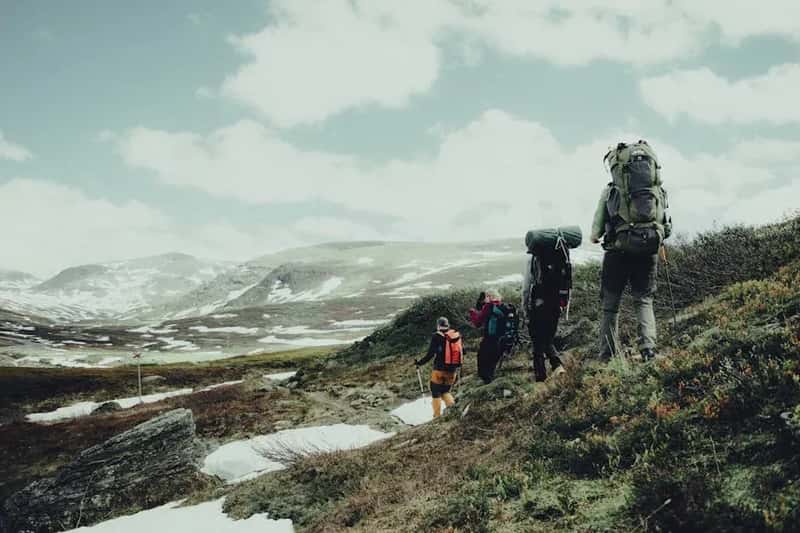
It starts innocently: the view looks better from that rock just off the path, or someone wants a photo without other hikers in the background. One step off the trail seems harmless. Rangers know better. Off-trail footsteps compact soil, crush fragile plants, and create new “social trails” that confuse future hikers looking for the official route. The damage accumulates fast and recovers slowly.
In places like Yellowstone, going off the designated boardwalks is especially dangerous – the thin crust over boiling geothermal water has killed visitors who stepped off thinking they knew what they were doing. The rule to stay on designated trails isn’t bureaucratic caution. It’s there because the ground itself can be lethal in ways that aren’t visible from above. The next mistake surprises people because they genuinely don’t know it’s a federal crime – and it’s #2.
#2 – Taking Rocks, Plants, or “Souvenirs” From the Park
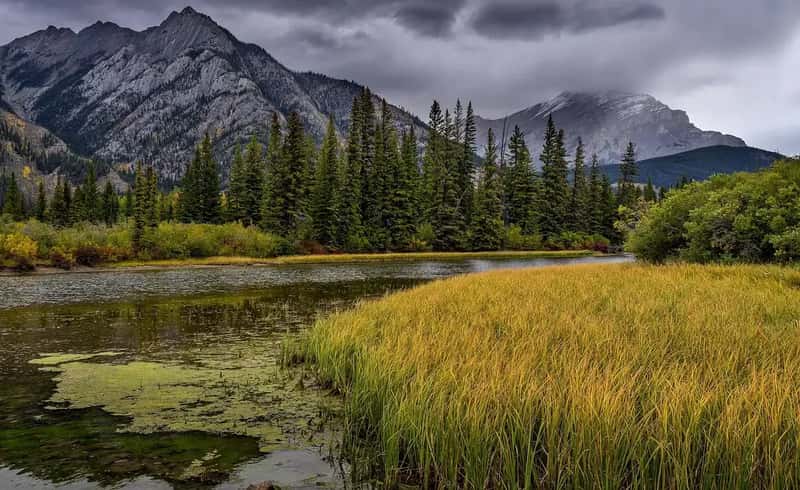
Picking up a smooth, pretty rock and slipping it into a jacket pocket feels completely innocent. It’s actually a federal offense. Removing rocks, flowers, plants, or any natural material from a national park is illegal – and the ecological damage is real. Bugs live beneath rocks, feeding larger creatures in the food chain. Removing rocks exposes soil to erosion. Remove enough small things, and the whole system quietly frays.
Petrified Forest National Park loses an estimated 14 tons of petrified wood to theft every year – which is why rangers now actively track it and warning signs appear throughout the park. That’s 14 tons of irreplaceable, 225-million-year-old material that visitors pocket one piece at a time. If you want a souvenir, the visitor center gift shop has you covered. The real piece worth taking home is the memory – and that costs nothing. The #1 mistake, though, quietly powers every other item on this entire list.
#1 – Treating the National Park Like a City Park
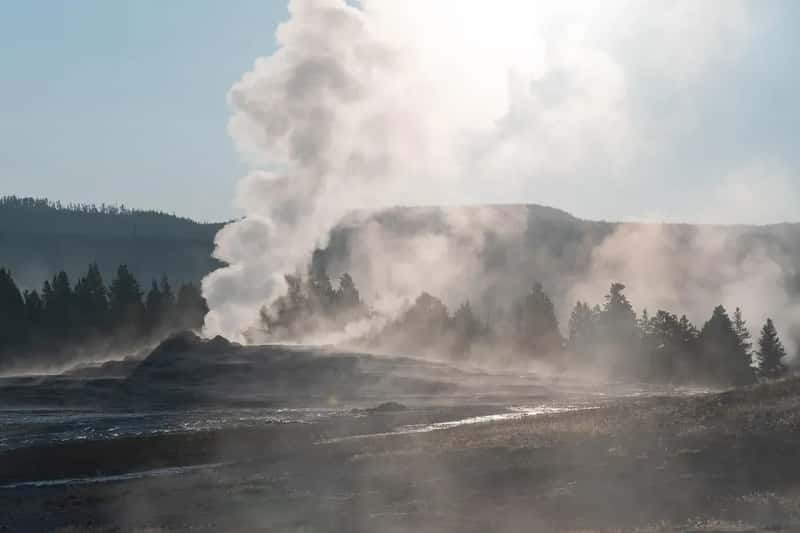
This is the root of almost everything else on this list. First-timers arrive expecting a bigger, prettier version of the green space near their house – walkable, forgiving, and staffed by someone ready to help at every corner. That mental model is genuinely dangerous. From 2007 to 2024, there were 4,213 recorded deaths at U.S. National Park sites. Most of those tragedies were avoidable – the result of small, preventable mistakes made by people who simply didn’t know what they’d walked into.
The wilderness doesn’t grade on a curve. Animals behave like wild animals. Weather moves faster than forecasts. Trails don’t end where cell service begins. The visitors who have the best time – and make it home safely – are the ones who respect that reality before they ever leave the driveway. Every mistake on this list is fixable before your trip starts. Book early. Arrive early. Download your maps. Stop at the visitor center. Bring water. And treat the park like the wild, extraordinary, unforgiving place it actually is.