You booked a sleeper train expecting a made bed, a hushed room and a little rolling-hotel magic. What many first-timers get is a cabin about the size of a walk-in closet, seats where the bed should be and a hallway full of people who somehow already know the rules.
The habits below almost never show up in the booking flow, and plenty of travelers only learn them after one rough night. Some save money, some save your sleep, and one is so simple that most people skip it and regret it. Keep going, because the last one has nothing to do with packing or planning.
#17 – They Pack for a Closet, Not a Hotel Suite
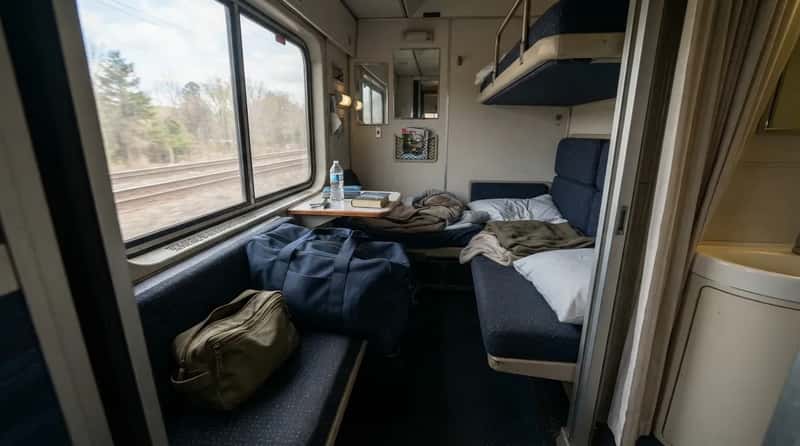
The first surprise is the size. An Amtrak roomette is roughly 3½ feet wide and 6½ feet long, and one traveler described a Nightjet cabin as about 30 square feet with three bunks. A full-size suitcase can swallow whatever floor you have.
Regulars bring soft-sided bags and keep the overnight essentials in one small pouch. A hard suitcase is the classic rookie move, because it won’t squash into leftover space the way a duffel will. Most people who try it once don’t try it twice.
But packing is the easy part, and the next habit has to happen weeks before you leave…
#16 – They Book the Room Before the Room Disappears
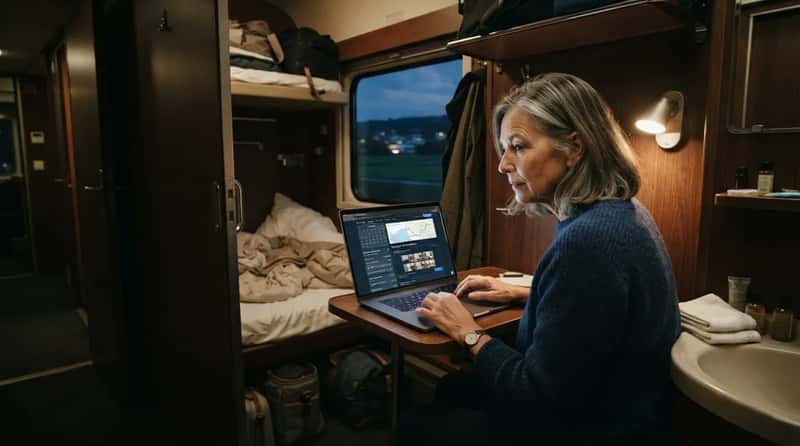
Sleeper space is limited, and it goes fast. Sleeping accommodations often sell out weeks or months before departure. A “we’ll decide later” trip can quietly turn into a coach seat.
Regulars treat the sleeper as the first thing to lock in. Flights, hotels and time off get sorted afterward. The sleeping car is often the scarcest part of the whole trip, and the people who wait are the ones left staring at the sold-out screen.
The next habit sounds minor, until you step into your room at 8 p.m. and look for the bed…
#15 – They Never Expect the Bed to Be Made When They Board
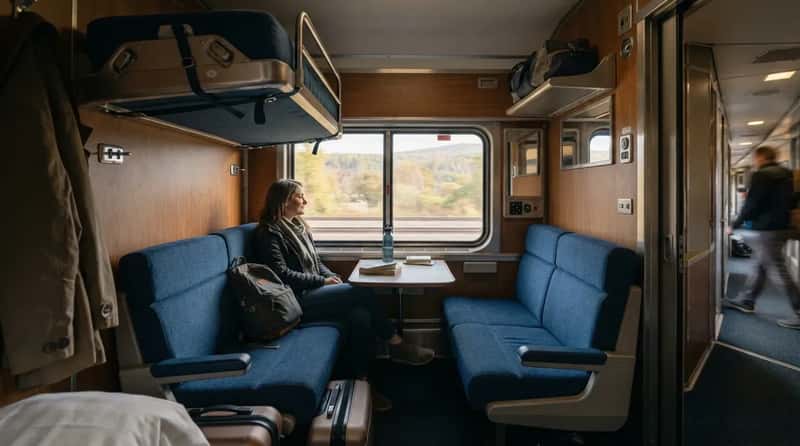
You step inside and see seats, not a bed. That isn’t a mistake. On Nightjet, sleeper beds and couchettes are prepared from 10 p.m. at the latest, and if you want to turn in earlier, they’re prepared earlier.
Amtrak roomettes work the same way, with two seats by day that become upper and lower beds at night. Regulars tell the attendant their bedtime early. Waiting for the bed to appear on its own can cost you an hour of sleep.
And that attendant is also the reason the next surprise costs you nothing extra…
#14 – They Know the Meals Were Already Paid For
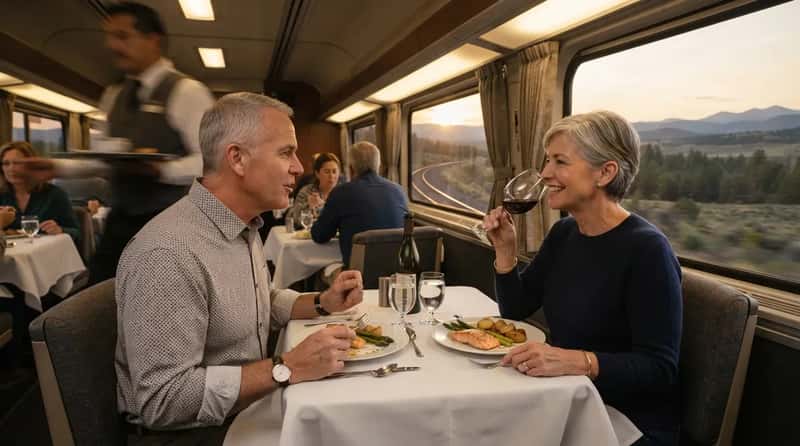
Plenty of first-timers book a private room and then reach for their wallets at dinner. On Amtrak, a private room covers breakfast, lunch and dinner in the dining car. There’s no receipt to sign, because the cost is already built into the fare.
The catch is that the meals belong to the room, not the train. Amtrak’s wording is that meals are included when traveling in a private room. Regulars compare the full price against a coach seat plus food, and a roomette can look far less expensive once you count three meals.
Worth Knowing
- Three dining-car meals are covered: breakfast, lunch and dinner.
- The perk comes with the private room, not with a coach seat.
- Nothing is signed at the table, since the cost is already in the fare.
- The fair comparison is room plus meals versus coach plus food.
Dinner is covered, but the thing that really decides your night costs about two dollars…
#13 – They Bring Earplugs, and Defend the Choice Fiercely

A sleeper car is not silent. One roomette reviewer noted you’ll hear the train’s rattle and the conductor announcing stops. Regulars don’t gamble on the hush they imagined.
Some prefer silicone plugs, and others swear by foam. A few pack both and won’t discuss it. A cheap pair of earplugs can matter more than the room upgrade. The quiet mostly comes from something you bring yourself.
Your ears are covered, but one more choice inside the room gets made on instinct, and it’s often the wrong one…
#12 – They Think Hard About Which Bunk They Want
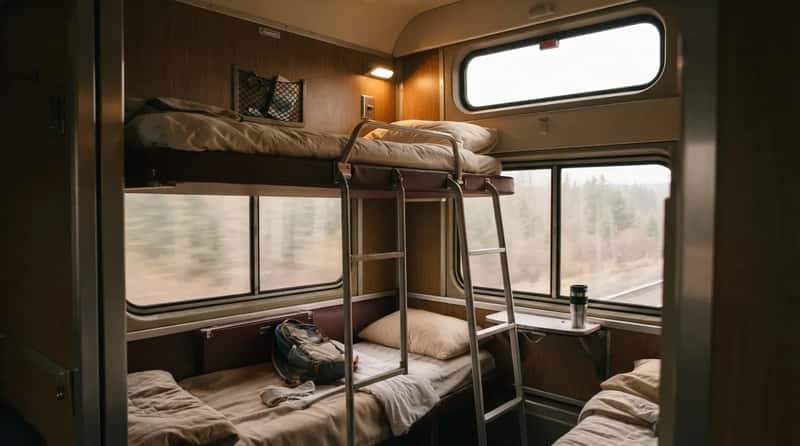
Everyone assumes the top bunk is the cool one. Regulars know it’s a trade-off. The upper bunk folds down from the wall, and on a Viewliner it has its own window, a reading light and a small pocket for glasses or a book.
It also means climbing, with a narrow ledge between you and the floor. Many seasoned travelers swear the lower berth is the better sleep, and they’ll tell you so loudly. The “better” bunk really depends on your knees and your bladder.
Whichever you pick, the morning routine is where first-timers get caught…
#11 – They Handle the Shower Before the Line Forms
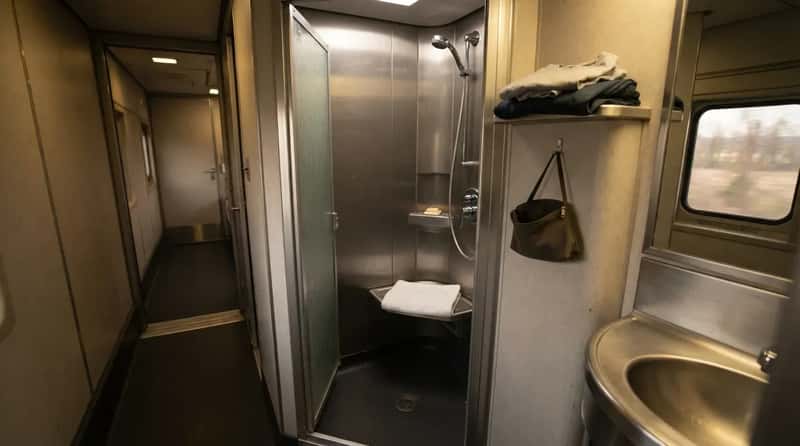
Many people expect a private bathroom and don’t get one. Amtrak says roomettes include access to shared restroom and shower facilities, while bedrooms have a private sink, restroom and shower. For some travelers, that gap is a deal-breaker.
The shared shower holds one person at a time, and it comes with fresh soap and folded towels. If everyone wakes at once, the wait can swallow your breakfast. Regulars ask about timing before the corridor fills up.
Europe handles all of this differently, and the differences start with the ticket itself…
#10 – They Know Europe Sells Sleep in Tiers
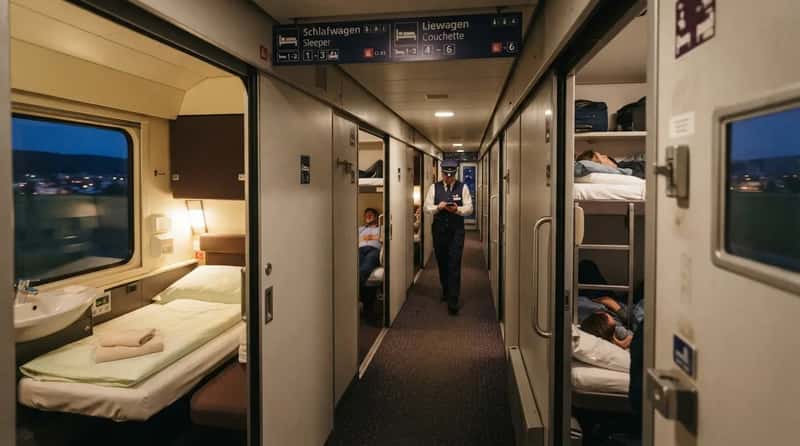
Europe’s night trains don’t offer just one kind of bed. On Nightjet, passengers can choose sleeper cabins, couchettes or seating carriages. Price and privacy swing wildly between them.
Several sleeping car categories include their own shower and toilet, a made bed and an a la carte breakfast. The cheapest ticket on the same train might be a shared compartment with strangers. Regulars check which tier they’re actually booking before they pay.
Even inside one tier, though, the train you get is not always the same train…
#9 – They Check Which Generation of Train They’re On
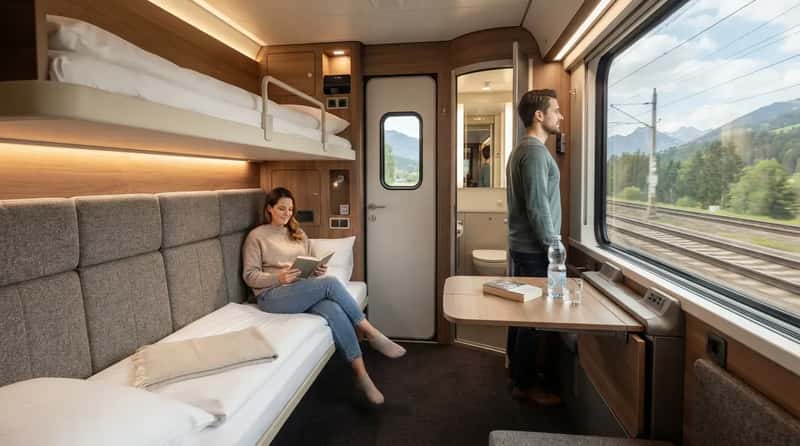
Two bookings with the same name can be very different rides. The new-generation Nightjet, which debuted in December 2023, has cabins with tables and wall cushions on select routes. One traveler’s older cabin had no table and no couch at all.
Amtrak has a similar split. Superliners, the double-decker cars, run on most western long-distance routes, while Viewliners are laid out differently. The train, not just the route, shapes your night. Regulars look up the equipment before they click “book.”
Quick Compare
- New-generation Nightjet: debuted December 2023, with tables and wall cushions on select routes.
- Older Nightjet cabin: one traveler found no table and no couch.
- Amtrak Superliner: double-decker cars on most western long-distance routes.
- Amtrak Viewliner: a different layout, with a window beside the upper bunk.
Equipment matters even more if stairs are a problem, which brings us to a detail almost nobody mentions…
#8 – They Pick the Lower Level on Purpose
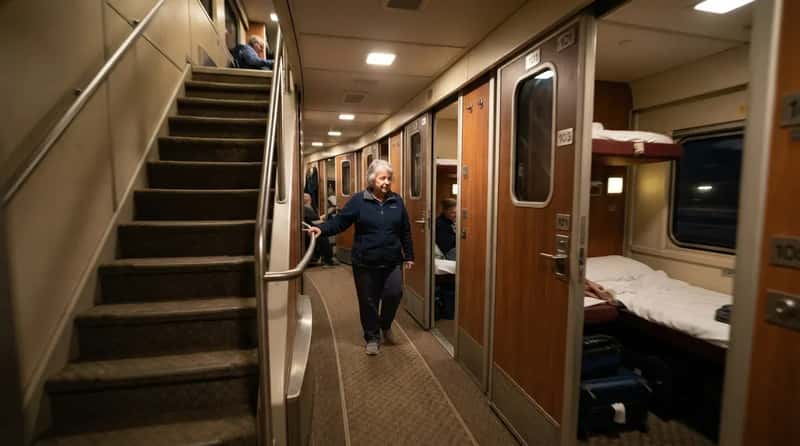
On a double-decker, the upstairs rooms have the view and the downstairs rooms have the ease. Travelers who have difficulty walking may prefer the lower level to avoid the narrow staircase to the second level.
It’s also the smart pick for anyone who dreads shuffling up and down a moving car in the dark. The narrow staircase is the thing many people only notice after they’ve booked. Regulars think about it first.
Once you’re settled, the next question is whether to leave your room at all…
#7 – They Treat the Train as a Place, Not a Hallway
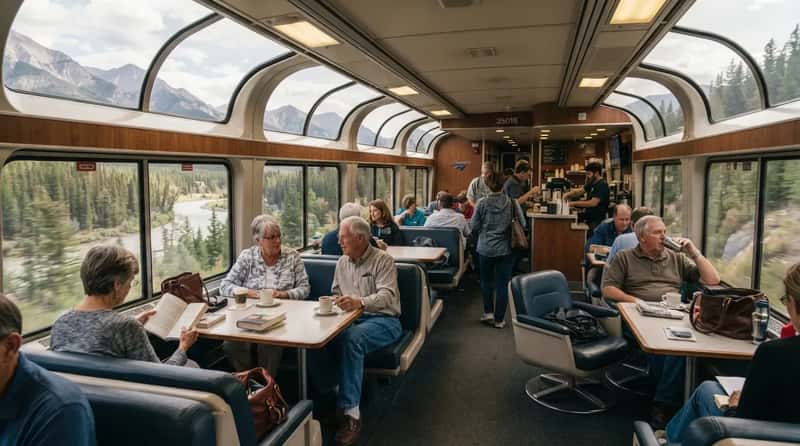
On Amtrak’s long routes, passengers can move around the train, eat in dining cars, relax in observation lounges and sleep in private rooms. The whole thing works like a small, moving town. Regulars wander through it.
Europe is different. Nightjet trains don’t offer public areas like that, since they’re mostly used on trips of about 12 hours. The same word, “sleeper,” can describe two very different experiences. Regulars know which one they’ve booked.
But even the best-planned night has a problem that starts the moment the lights go down…
#6 – They Keep a Small Bag Within Reach All Night
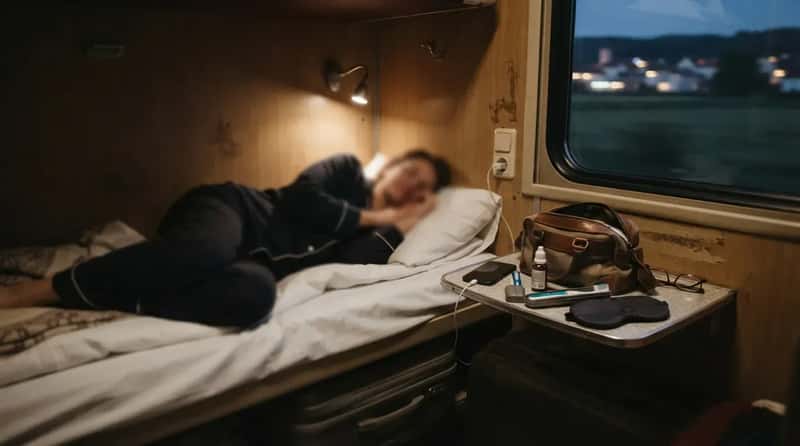
The cabin is tiny, and the corridor is dim. Digging through a big bag at midnight is how people lose their glasses and wake the neighbors. Regulars pre-pack what they’ll need before the lights go out.
That usually means a phone charger, medication, a toothbrush and an eye mask. Anything left in the big bag is effectively out of reach once the bed is made. It’s a ten-minute job that saves a very annoying night.
And all that preparation can still be undone by the schedule itself…
#5 – They Never Schedule Anything Tight After Arrival
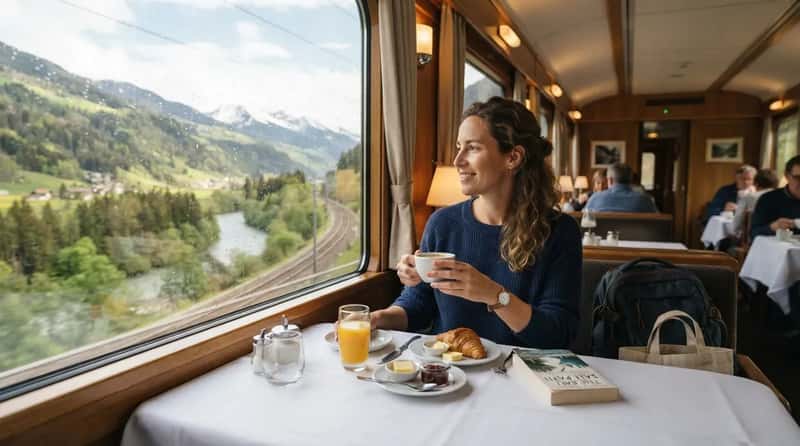
Long-distance trains frequently run behind schedule, partly because many share track with freight traffic. A hard-and-fast “we land at 9 and the meeting is at 10” plan is a gamble. Plenty of people have learned that from a platform clock.
Regulars leave a buffer, whether it’s before a hotel check-in or a dinner reservation. The trips that run late are often the very ones people planned around a tight connection. A relaxed morning costs nothing, but a missed event can.
Padding your schedule is smart, but the real money question comes next…
#4 – They Compare the Fare Against a Hotel Night, Not a Flight
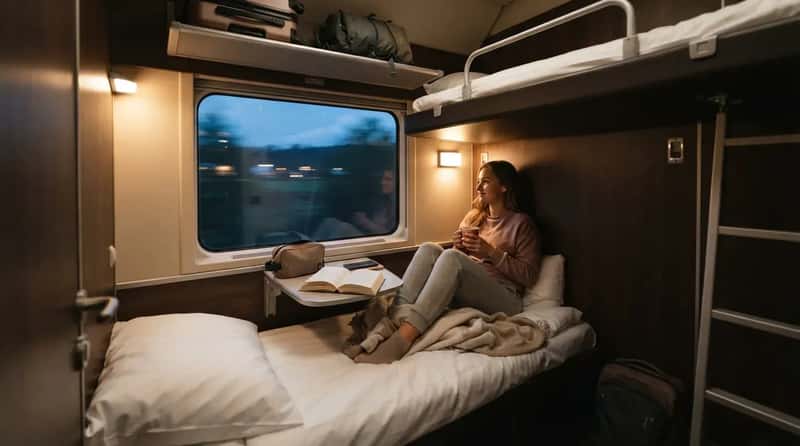
This is where people argue. A sleeper fare can look steep next to a cheap flight. Regulars say you’re buying a bed and a ride in one, so the honest comparison is a hotel plus a ticket.
Some options offer transport and a night’s sleep for less than a hotel alone. Then again, new luxury night carriages can cost more than a business-class flight. Whether it’s a bargain depends entirely on which tier you pick.
Money aside, the next habit explains why people keep coming back…
#3 – They Use the Night Instead of Wasting a Day
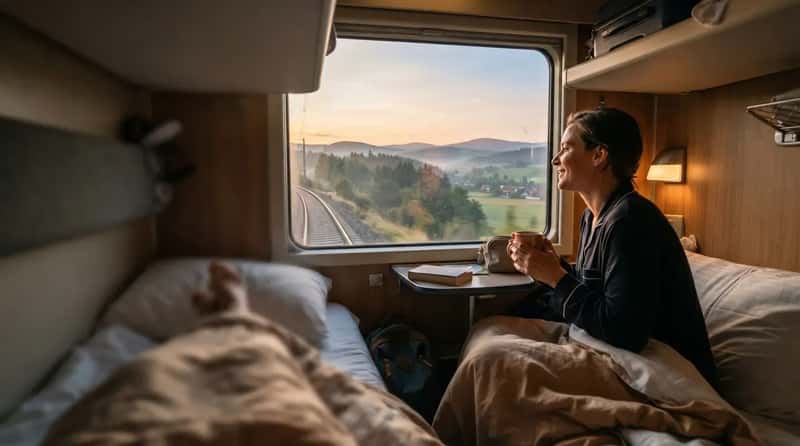
The smartest trick may be treating the trip as free time. You fall asleep in one place and wake up hundreds of miles away, sometimes in another country. Nobody had to leave for the airport at dawn.
Regulars skip the early flight, the airport hotel and the lost day. Autocar links the revival of night trains to interest in slow travel and concerns about the environmental impact of short flights. The night itself becomes the travel time.
Why It Stands Out
- You go to sleep in one place and wake up in another.
- No dawn dash to the airport and no extra hotel night.
- The daytime stays yours, since the miles happen while you sleep.
- Interest in slow travel and worries about short flights are fueling the night-train revival.
That only works smoothly if someone is looking after the details, and that person is a secret weapon…
#2 – They Treat the Attendant Like the Crew Chief
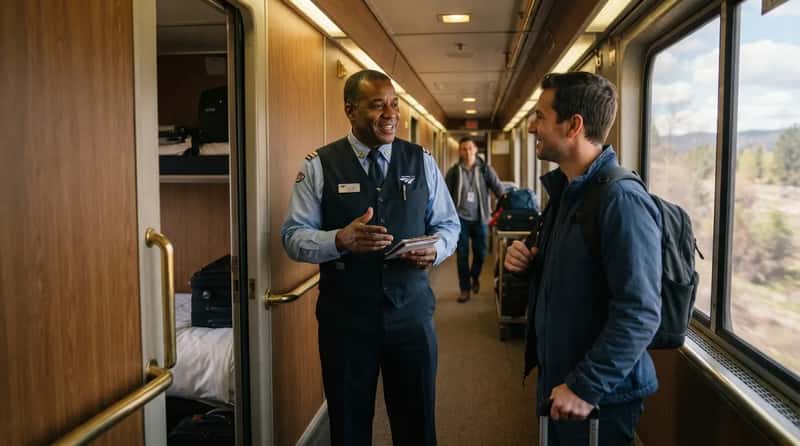
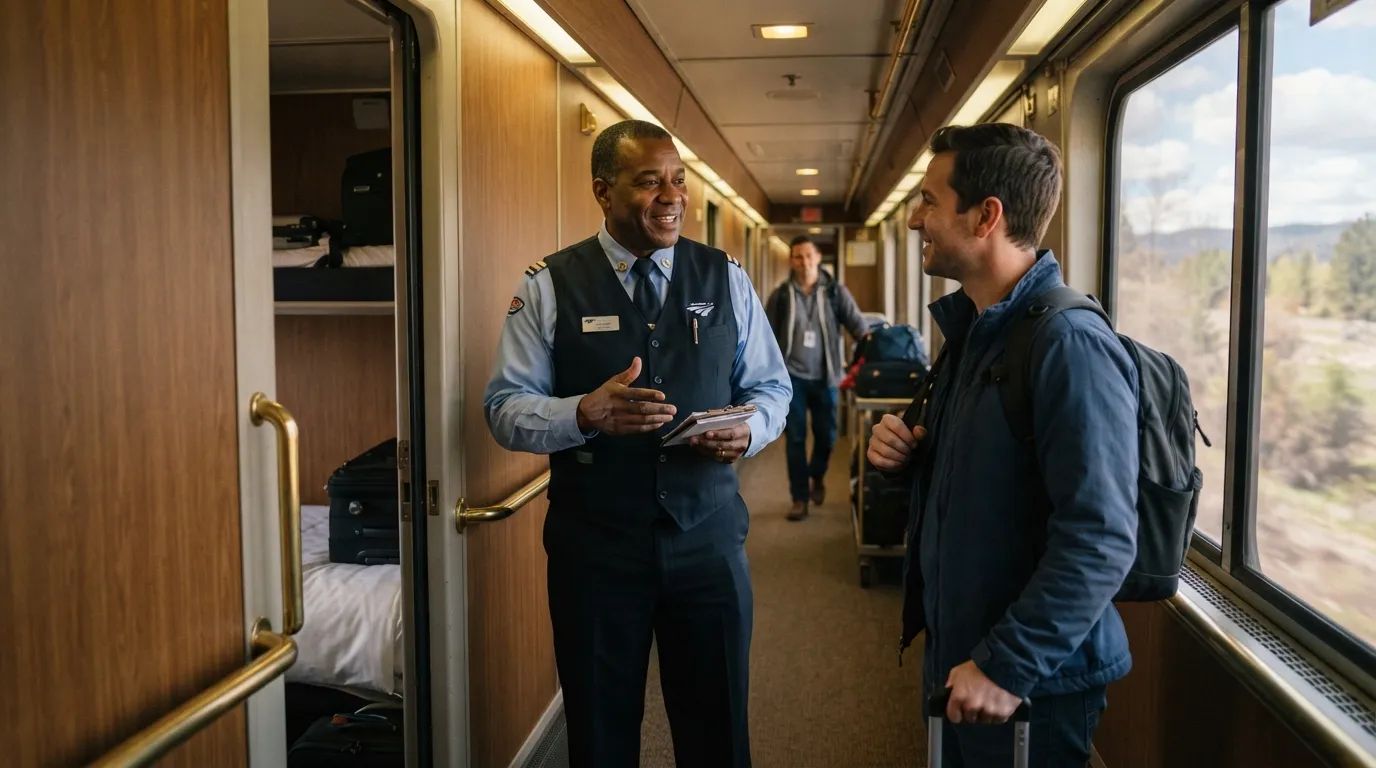
The sleeping-car attendant does far more than people expect. Amtrak says a dedicated attendant provides turndown service, assists with meals and helps with luggage. They know the car better than any website does.
Amtrak Vacations says the attendant books your meal reservations, makes and takes down your bed, and tells you when your stop is coming. Regulars introduce themselves and ask questions at the start. It’s the cheapest upgrade on the train, and it’s free.
But the number one habit isn’t practical at all, and it’s the one people regret skipping most…
#1 – They Wake Up Early Just to Watch the Window
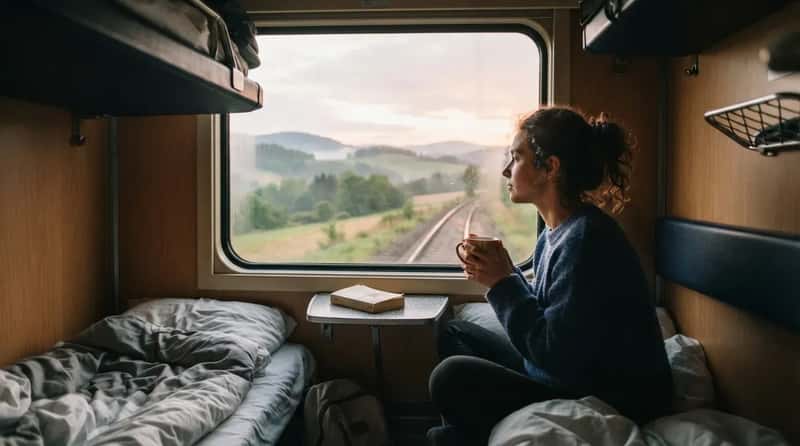
The best moment on a sleeper train isn’t dinner or the bed. It’s the first look out the window the next morning, in a place you didn’t fall asleep in. Regulars set an alarm for it.
Sleeper train travel is designed around the journey itself, not just reaching the destination as fast as possible. Most people sleep through the very thing they paid for. The regulars pull the curtain back, grab a coffee and watch the landscape change.
The sleeper train experience is decided by small things: soft bags, early booking, earplugs, the right bunk, a buffer after arrival and a friendly word with your attendant. The biggest myth is that you’re booking a hotel room on wheels. Regulars treat it as a short, slightly cramped trip that rewards a little planning, and the best part arrives at sunrise.
Which habit would you add to the list?