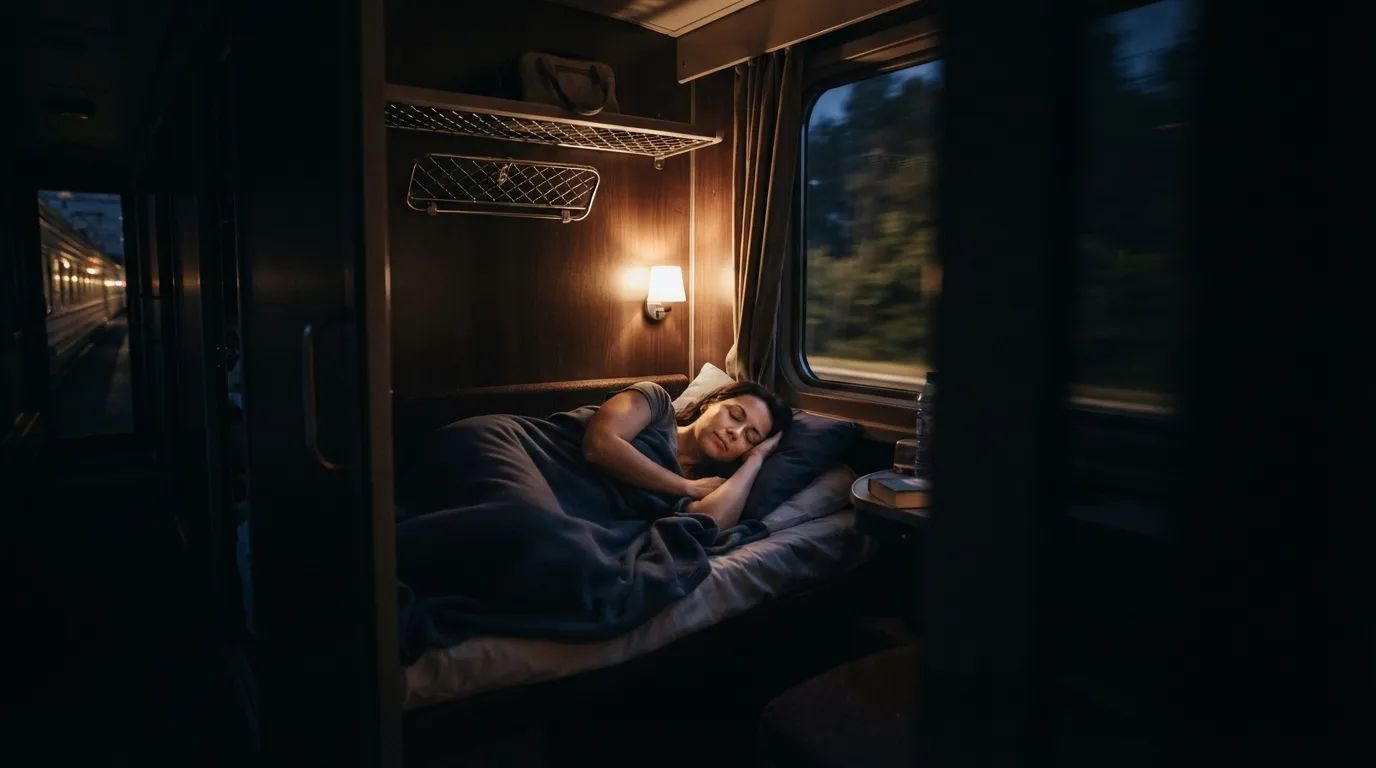
You probably picture an overnight train as a hotel room that happens to move: dim lights, clean sheets, a gentle sway. After midnight, though, it turns into one of the busiest workplaces in the country. Horns are sounding in code, crews are trading places in the dark, and machines beside the track are checking your wheels while you drool on a pillow.
Most passengers sleep through every bit of it. Some of it is oddly reassuring, some of it is a little unsettling, and one item on this list explains why the rest stays hidden. The countdown starts with a sound you’ve technically heard a hundred times and never decoded.
#17 – The Horn Is Speaking in Code All Night
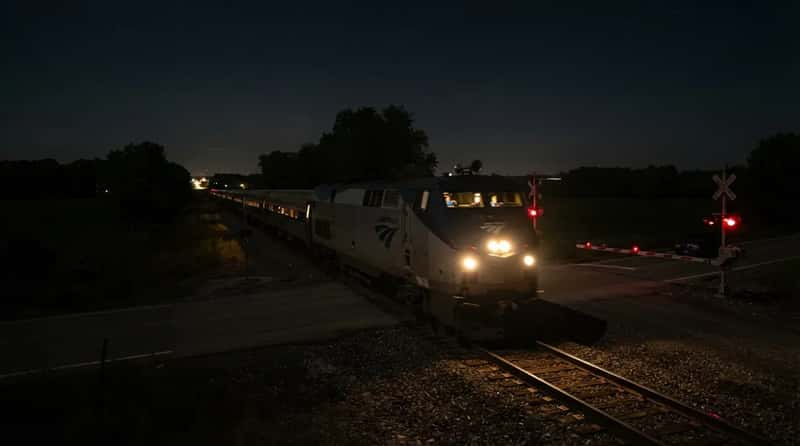
Your train is shouting at sleeping towns, and it isn’t random. At public crossings, U.S. engineers sound the horn as two long blasts, one short, then one long. That sequence comes from federal train horn rules, and it begins roughly 15 to 20 seconds before the train reaches the crossing.
On a long route, that pattern repeats all night, crossing after crossing. Some cities have built “quiet zones” with extra crossing safeguards so horns stay silent most of the time. Sleepers tune it out, so nobody wakes up and says, “That was crossing number forty.” The next item is a jolt you’ve probably felt without ever understanding it.
#16 – The Whole Train Lurches and Nobody Wakes Up
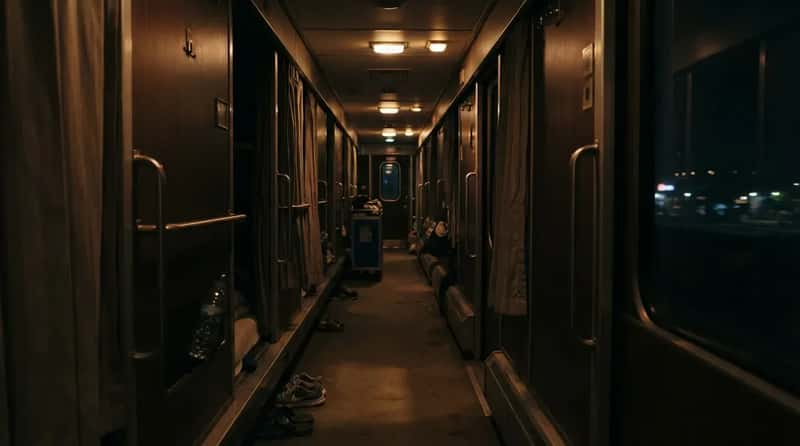
That midnight jolt that rattled your bunk wasn’t necessarily bad driving. Train cars are linked by couplers with a little built-in play. When the train starts or brakes, that slack stretches out or bunches up, and crews call it slack action. Freight trains are notorious for it, and passenger trains feel it too.
Engineers work to smooth these moments out. A well-handled stop feels like a soft nudge, while a clumsy one can feel like a shove. Most of the time the motion is gentle enough that you barely stir. But what happens when the train simply stops, with nothing but darkness outside?
#15 – Your Train Is Parked in a Siding While a Mile of Freight Rolls Past
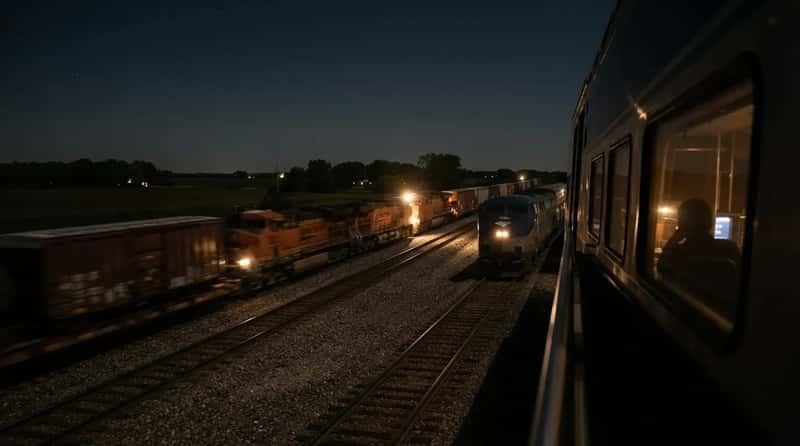
You stopped in the middle of nowhere because someone else’s train had the right of way. Outside the Northeast, Amtrak owns only a small fraction of the track its long-distance trains use. Freight railroads own the rest. Federal law gives passenger trains preference, but delays from freight interference are a long-running complaint.
Freight trains can stretch well over a mile. If one is heading your way on single track, you may have to pull over and wait for it. Sleepers lose nothing, but anyone awake gets to watch an endless parade of boxcars crawl by in the dark. Meanwhile, a handoff is happening up front that almost no one sees.
#14 – A Brand-New Crew Climbs Aboard in the Dark
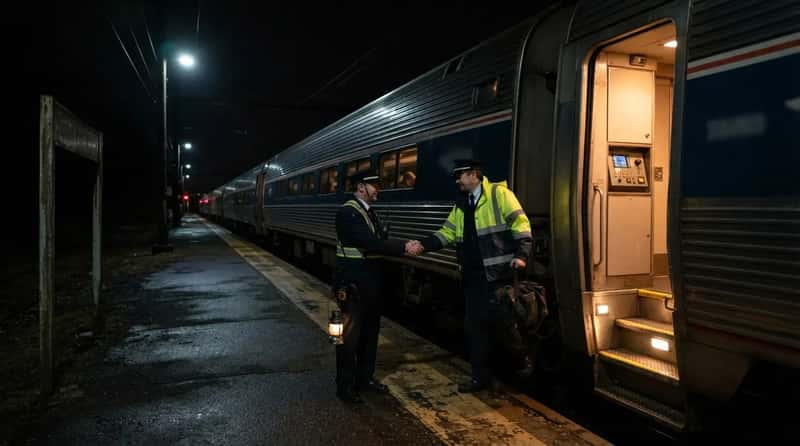
The people driving your train at midnight may not be the ones driving it at dawn. Federal hours-of-service law limits how long train crews can stay on duty, and the cap is 12 hours. Railroads plan crew changes at set points along the route, and those swaps often land in the small hours.
The handoff can take just a few minutes, and passengers rarely notice. On a long route, that can mean several different crews between the first stop and the last. Your train didn’t change drivers because something went wrong. It’s built into the schedule, and the next arrivals are even harder to miss.
#13 – Strangers Board at 2 A.M. and Find Their Seats by Flashlight
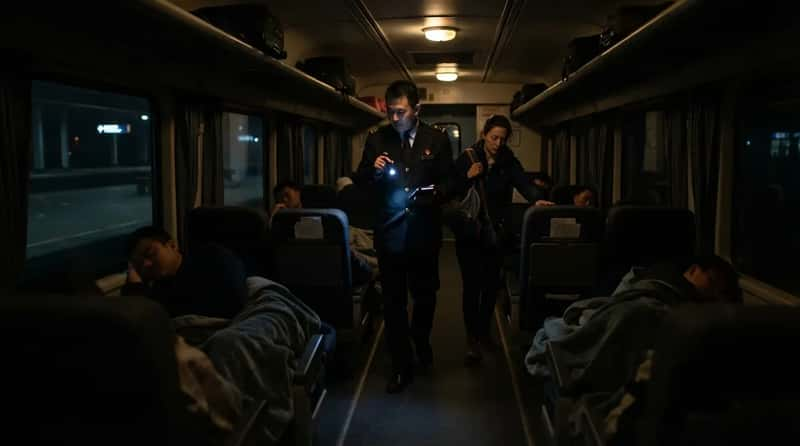
Not everyone on your train started the trip with you. Several long-distance routes have scheduled stops that fall in the small hours. Passengers climb aboard half-asleep, and the crew guides them to open seats in a dark coach.
At a Glance
- Boarding happens in dim cabin light so sleeping riders aren’t jolted awake.
- Crew members point new arrivals toward seats that were left open for them.
- Small slips above each seat show where that rider is headed.
- Seats get reassigned as people leave, so the map keeps changing all night.
Conductors track this with seat checks, small slips placed above seats to show where each rider is headed. Those little tags tell the crew which seats will open up and when. It’s a quiet system that works without anyone saying a word. Coach riders who thought they had a row to themselves sometimes learn otherwise, and somewhere outside, a robotic voice is already talking.
#12 – A Robot Voice Inspects Your Train While You Sleep
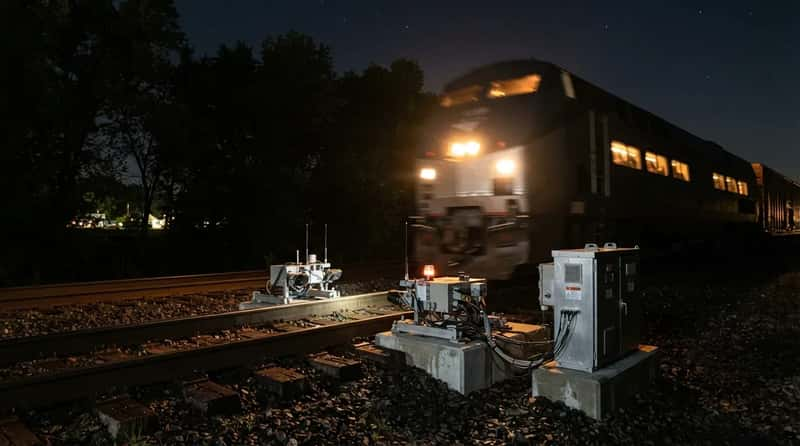
Beside the tracks, machines are checking your train as it rolls past. Wayside defect detectors scan passing equipment for problems like overheated wheel bearings or dragging parts. Many of them report the results over the radio in a synthesized voice. The engineer hears a recorded message announcing the axle count and whether any defects were found.
This exchange happens constantly, and almost no passenger knows it exists. Detectors drew national attention after the February 2023 derailment in East Palestine, Ohio, and experts continue to debate how closely they should be spaced. The voice never wakes you, yet it’s one of the quiet gatekeepers of a safe night. And a far bigger gatekeeper sits inside the locomotive.
#11 – A Computer Can Stop the Train If the Engineer Doesn’t
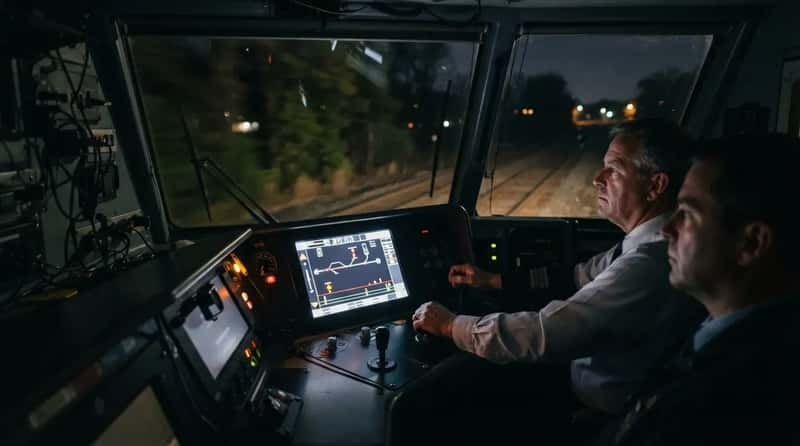
Up in the locomotive, there’s a backup brain. Positive train control, or PTC, can slow or stop a train if the crew fails to respond to certain risks, such as speed limits or signals. Congress ordered it after a 2008 collision in Chatsworth, California. Railroads had to implement it on required main lines by a deadline at the end of 2020.
PTC does not drive the train. It acts as a safety net behind the people who do. Passengers never feel it unless something goes wrong, and the whole point is that it never comes to that. Not every stop is about safety, though, and some are just about chores.
#10 – The Train Stops Just to Be Refilled, Restocked, and Cleaned
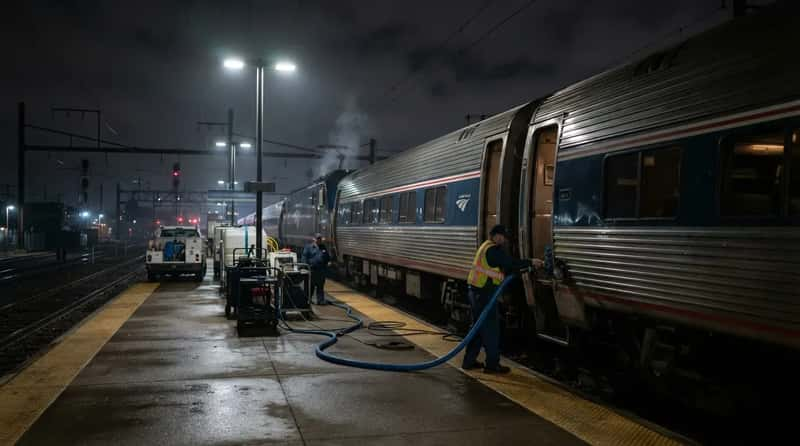
Some stops have nothing to do with passengers. Long-distance trains pause at servicing points so crews can handle fuel, water, waste, and restocking. These tasks are routine, but they have to happen on a schedule. Sleepers often notice only a long, odd stop with bright lights outside the window.
At some stations, passengers get a brief chance to step out for air. The train does not wait for stragglers, which is why crews give clear warnings. Veteran riders say these pauses are a highlight of long trips, with cold air, empty platforms, and the hiss of equipment. And while all that happens, someone is quietly planning your morning.
#9 – Someone Is Quietly Planning Your Early-Morning Exit
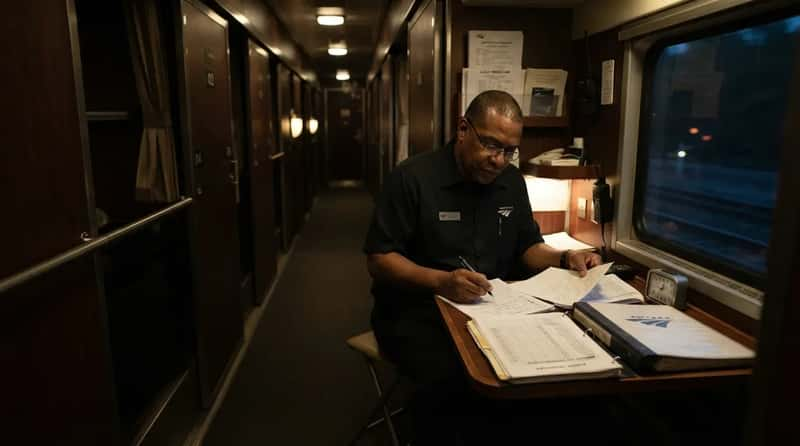
Behind the scenes, the crew already knows who gets off before sunrise. On Amtrak, sleeping car attendants make up the beds and help passengers arrange wake-up calls. Sleeper passengers on long-distance Amtrak routes also get their meals included, so the crew is planning for those as well.
Worth Knowing
- The attendant tracks who is getting off early, sometimes well before dawn.
- Wake-up requests are logged so a 4 a.m. stop doesn’t become a missed one.
- Beds are made up or folded away around the passenger’s schedule.
- Meal plans for sleeper guests are set ahead of time, not improvised.
For a 4 a.m. arrival, the attendant works out exactly when to knock on the door. It’s a small courtesy that keeps passengers from sleeping through their stop. Many frequent riders say a good attendant makes or breaks the trip. Meanwhile, even the clock outside your window isn’t staying put.
#8 – The Time Changes While You Sleep, and Sometimes the Train Waits for It
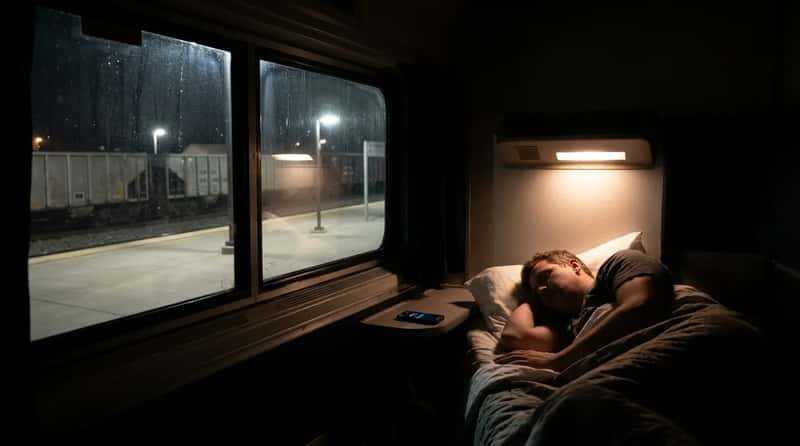
You can cross into a different time zone without ever waking up. On some routes, the clocks shift right under your bunk. Schedules are listed in local time, so your arrival time stays correct on paper but can feel different in real life. Your phone may change before the train’s own announcements do.
When clocks fall back in autumn, some passenger trains hold at stations to stay on schedule. In effect, the train waits for the extra hour to pass. Sleepers wake up to a perfectly normal morning and never know the train spent part of the night standing still. The next item takes aim at a sound you may have been waiting for all night.
#7 – The Famous “Clickety-Clack” Has Mostly Disappeared
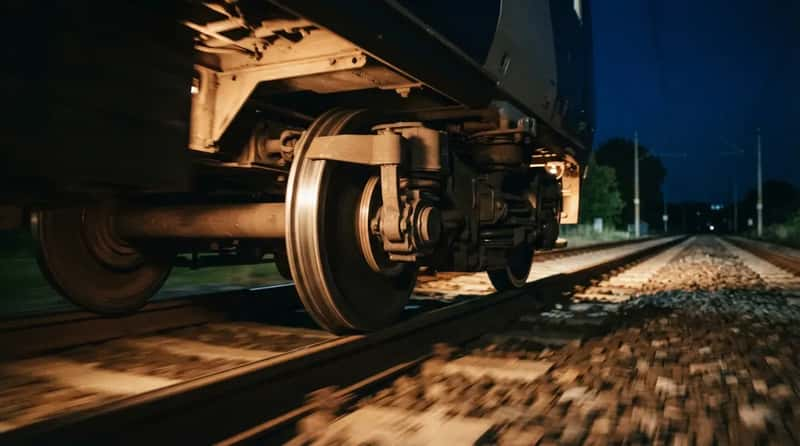
The soundtrack you expect from a night train is mostly a myth now. That rhythmic click came from gaps between rail sections. Most main lines now use continuous welded rail, which has far fewer joints. The classic sound has largely given way to a steadier hum and rumble.
Quick Compare
- Jointed rail: traditional 39-foot sections with gaps at the joints, so each wheel makes a click.
- Welded rail: long stretches fused together, so there are far fewer bumps to hear.
- What you notice: a rhythmic rattle on the old track, a low hum on the new.
You may still hear it on older track or near yards. Some rail fans insist the clickety-clack was always overrated nostalgia. Others call its absence the biggest letdown of modern night travel. Either way, the smoother hum helps explain why so many people sleep through the whole trip. Up front, meanwhile, the locomotive is quietly testing someone.
#6 – The Locomotive Is Checking Whether the Engineer Is Awake
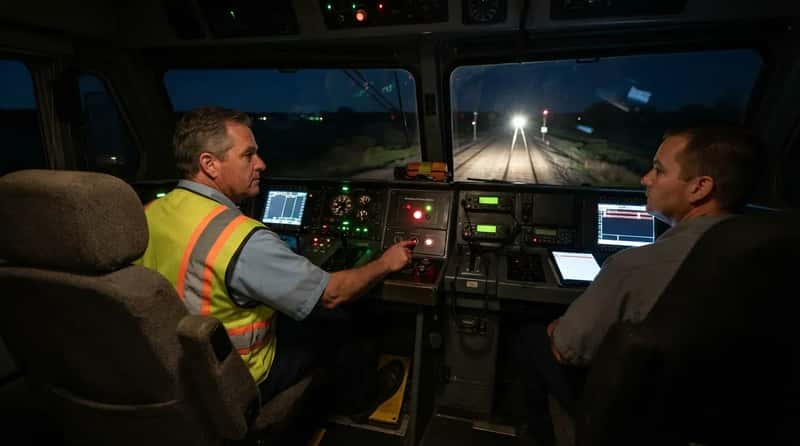
Up front, the cab is built around staying alert. Modern locomotives carry alertness systems that expect the crew to respond periodically. If they don’t, the system can warn them and eventually apply the brakes. In 2024, the Federal Railroad Administration finalized a rule requiring at least two crew members on most main-line trains.
That means two sets of eyes are watching the track while you rest. Night is the toughest test of crew alertness, and these safeguards exist because of it. Passengers never see any of it. But what happens when a train comes apart on purpose?
#5 – Entire Cars Are Unhooked and Sent to a Different City
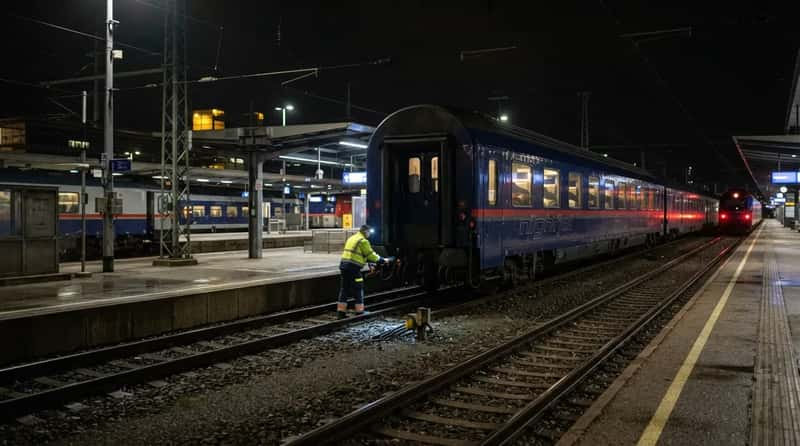
On some European night trains, the carriage you fell asleep in may not stay with the rest of the train. Services like ÖBB’s Nightjet are often built from cars bound for different cities. Those cars get split off and coupled to other trains during the night. That’s why you may feel a bump while parked at a station.
Passengers who board the wrong car can end up in the wrong city. Staff usually guide people to the right place, but the mix-up is real. Sleepers just feel the jolt and keep dreaming. In Japan, one night train takes this trick to another level.
#4 – Japan’s Last Sleeper Trains Travel as a Pair, Then Split Apart
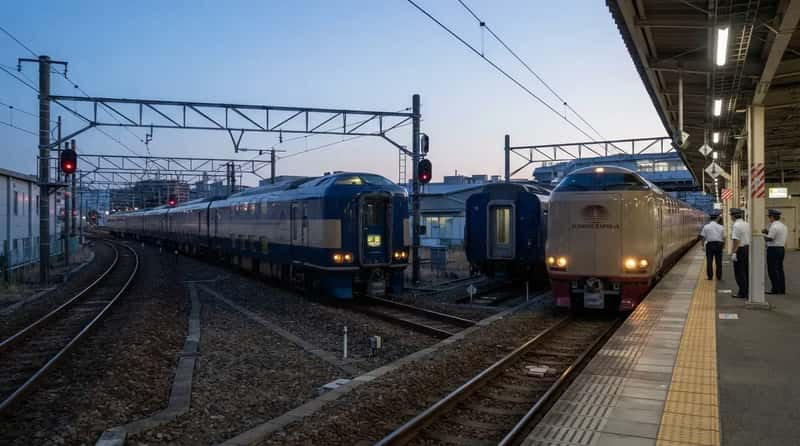
Japan’s Sunrise Express is the country’s only regularly scheduled sleeper train service. Two services, the Sunrise Izumo and the Sunrise Seto, leave Tokyo together. They run coupled as one train through the night. Then they separate at Okayama, with one heading toward Takamatsu and the other toward Izumo.
Fast Facts
- Two trains, one set of tracks: the Izumo and the Seto leave Tokyo as a single coupled train.
- The split point is Okayama, in the early morning.
- The Seto portion continues to Takamatsu, while the Izumo portion heads for Izumo.
- Riders get an announcement before the separation, so nobody ends up in the wrong half by surprise.
The split happens as morning arrives, so passengers get an announcement instead of a surprise. Rail enthusiasts treat the separation as the highlight of the trip. It’s one of the last remaining examples of this old railway choreography. But a very different kind of knock can come at your door.
#3 – Border Police Can Still Knock on a Sleeper Door at 3 A.M.
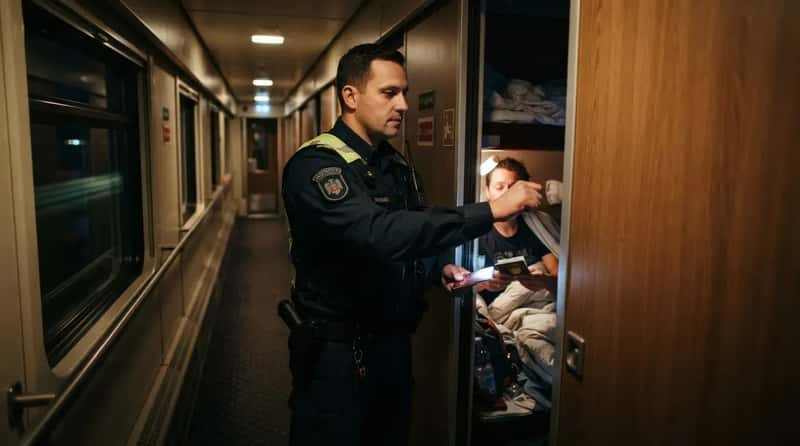
Europe’s famous open borders are not always as open as they sound. Several countries have reintroduced temporary border controls since 2015. In September 2024, Germany expanded checks to all of its land borders. That means police can board international trains and check IDs.
On a night train, that can mean a knock in the small hours. Staff often warn passengers to keep documents handy. Most checks are quick, but they can be a jolt when you’re deep asleep. Critics and supporters still argue over whether the disruption is worth it, and the last two items are the ones most people regret missing.
#2 – Outside Your Window, the Night Sky Is Switching On
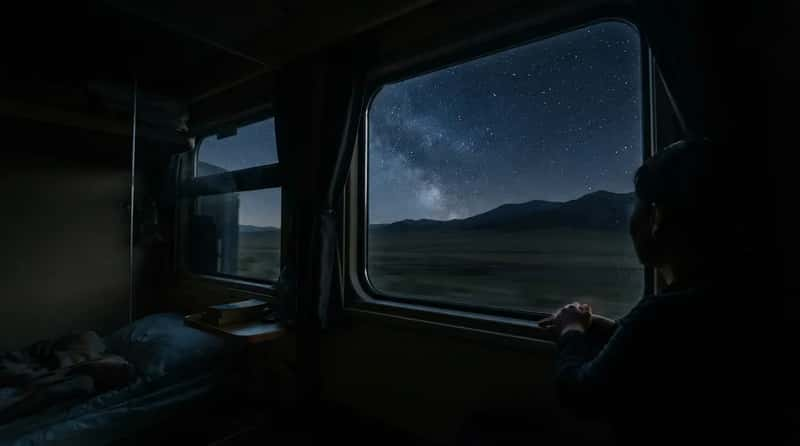
The best view of the whole trip may be the one you never see. Many long routes cross rural stretches with far less light pollution than a city. Turn the cabin lights off, and the night sky can look completely different. The window that reflected your room suddenly shows stars.
Most passengers close the curtain and never find out. Veterans call it the secret reward of a night journey. Empty plains and dark mountains slide by in total silence. So why does almost everyone miss it?
#1 – The Rocking That Puts You to Sleep Is Doing Real Work
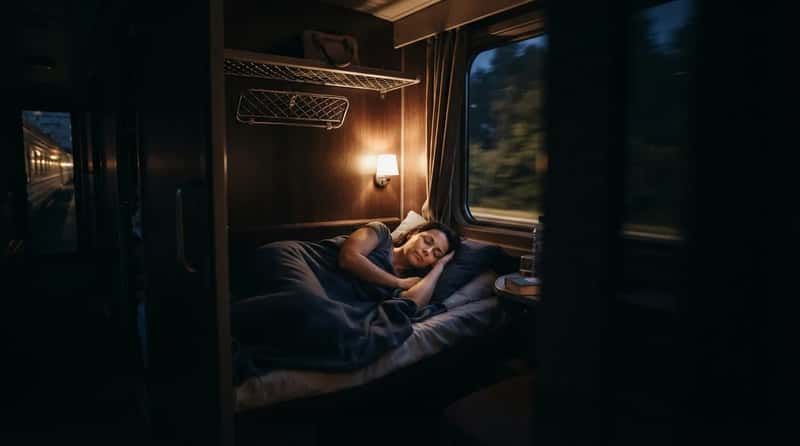
The thing that makes you miss everything is the train itself. A gentle sway is a well-known sleep aid, and researchers have tested it. A small 2019 study in Current Biology found that participants on a rocking bed fell asleep faster. They also showed more of the brain activity linked to deep sleep.
That doesn’t prove every train rider sleeps better. But it hints at why a lurching, humming, horn-blasting train can still feel like a cradle. Everything above is happening just a few feet from your pillow, and the rocking is the very thing that keeps you from noticing.
An overnight train never really sleeps. The horn keeps talking, crews swap in the dark, and detectors check the wheels. Computers stand ready to brake, and in Europe and Japan whole cars split off while passengers dream.
The twist is that the gentle rocking that lulls you may be the reason you miss it all. Next time you wake to a stopped train at 3 a.m., lift the curtain a few inches. Somebody out there is hard at work, and the show has already started.