Most of America has been rebuilt, resurfaced, and renovated beyond recognition. Chain stores replaced hardware shops. Drive-ins became parking lots. The diner with the jukebox became a smoothie franchise. But not everywhere. There are corners of this country where you pull off the highway, step out of the car, and genuinely feel like you just lost seventy years – not in a museum way, but in a this is just how it still is way.
These aren’t theme parks or tourist recreations. They’re real towns with real people – places where the neon signs still buzz at dusk, where the counter stools haven’t been swapped out since Eisenhower was in office, and where Friday night still means high school football and ice cream afterward. Some of these towns stayed frozen by accident. Some by choice. And one of them – the last one – has a jukebox policy that says everything you need to know about why certain places refuse to let go.
#17 – Chillicothe, Ohio: The Main Street That Manufacturing Left Behind

Chillicothe’s downtown still looks the way a small Midwestern city was supposed to look in 1955 – a time when places like this were thriving hubs of manufacturing, Main Street commerce, and community life. Ohio’s first state capital was a genuine postwar boomtown. When the big factories eventually quieted down, the storefronts they had supported didn’t get torn down. They just stayed.
Paint Street is still the heart of this town of roughly 22,000 residents. Independent shops and long-standing family-run diners like Allyn’s Restaurant were gathering places in the 1950s, and many of those same buildings stand today in nearly identical form. Walk it on a weekday morning and you’ll swear someone paused a black-and-white photograph and let you step inside.
#16 – Havana, Florida: When the Tobacco Era Left and Time Stayed
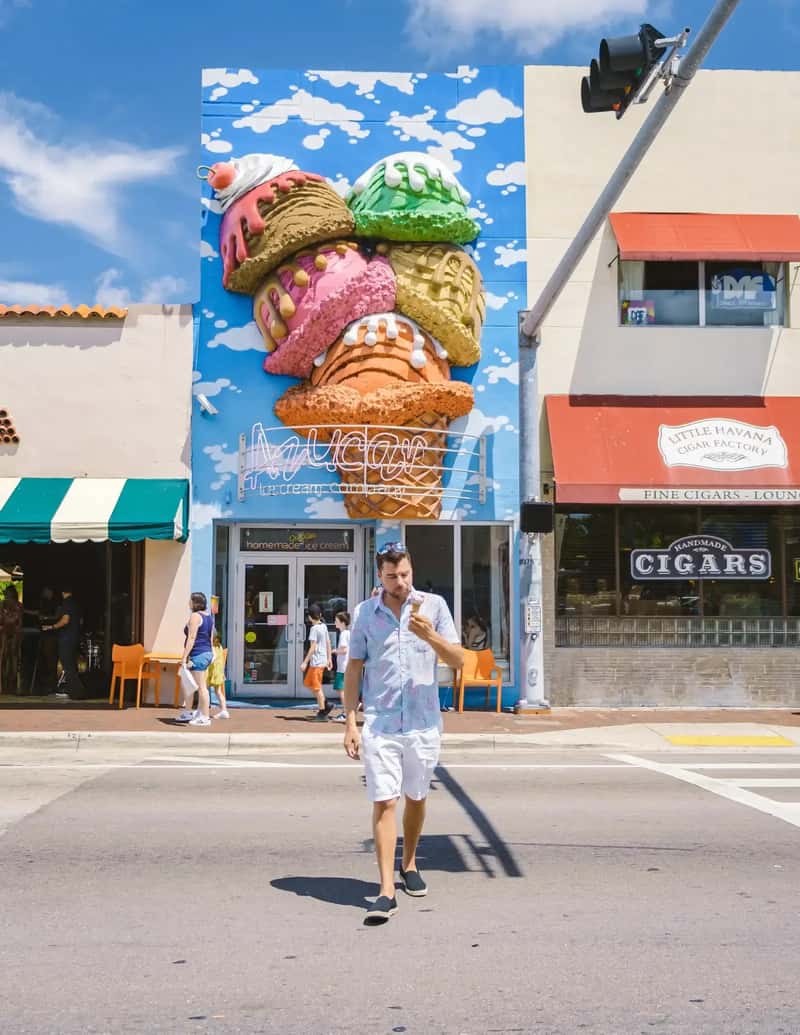
Havana, Florida – named after its Cuban counterpart – was once the epicenter of the shade tobacco industry. When that industry relocated in the 1960s, the buildings didn’t follow. The storefronts stayed. The sidewalks stayed. The unhurried pace stayed. What looked like economic stagnation turned out to be a gift for anyone who loves genuine, unscrubbed Americana.
Today Havana draws antique hunters from across the Southeast, with over 34 vendors operating inside the historic Planters Exchange building alone – a property listed on the National Register of Historic Places. It’s the kind of town where you go in for one hour and come out three hours later holding a vintage lamp you didn’t know you needed. Nobody who visits regrets staying longer.
#15 – Cadillac, Michigan: Car Culture Never Left This Town
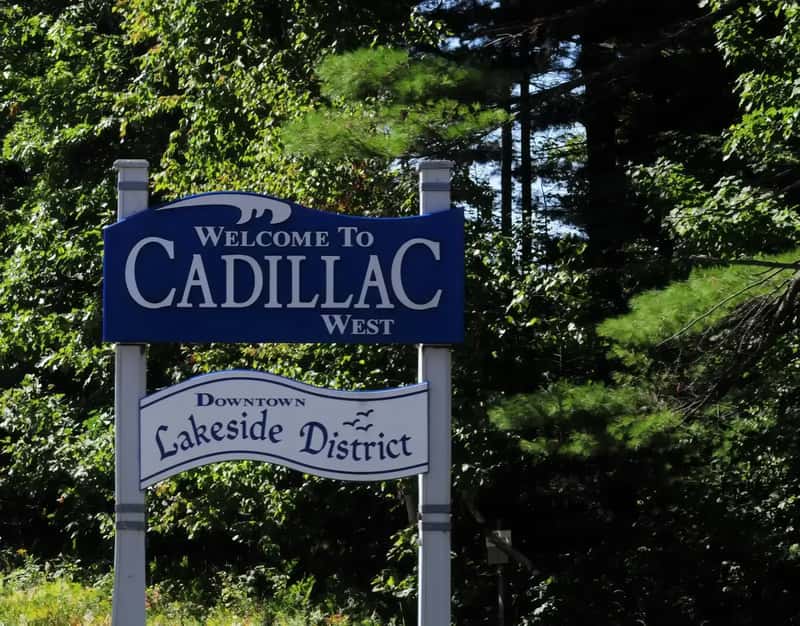
Situated about three hours northwest of Detroit, Cadillac, Michigan carries its automotive namesake with genuine pride. The 1950s here were shaped by postwar optimism, booming car culture, and a collective belief in progress fueled – quite literally – by roads and engines and chrome. That energy never fully left.
The annual Cadillac Freedom Fest Car Show keeps the tradition alive with a retro-style cruise through a downtown historic district still lined with classic signage, family diners, and the kind of hardware store that still has a bell above the door. The chrome and the cruising are very much still the point here. Pull up a stool and watch the classics roll by – it’s free, and it’s absolutely the real thing.
Fast Facts: What Makes These Towns Feel Frozen
- Most were bypassed by interstates or lost a key industry – and that neglect accidentally preserved them
- Several have 50% or more of their downtown buildings on the National Register of Historic Places
- Many still have family-owned diners, soda fountains, or motels operating continuously since the 1940s or 1950s
- A handful have enacted formal preservation rules to legally protect their mid-century look
- None of them planned to become time capsules – it just happened, and then someone decided to keep it that way
#14 – Bisbee, Arizona: A Mining Town That Refused to Modernize
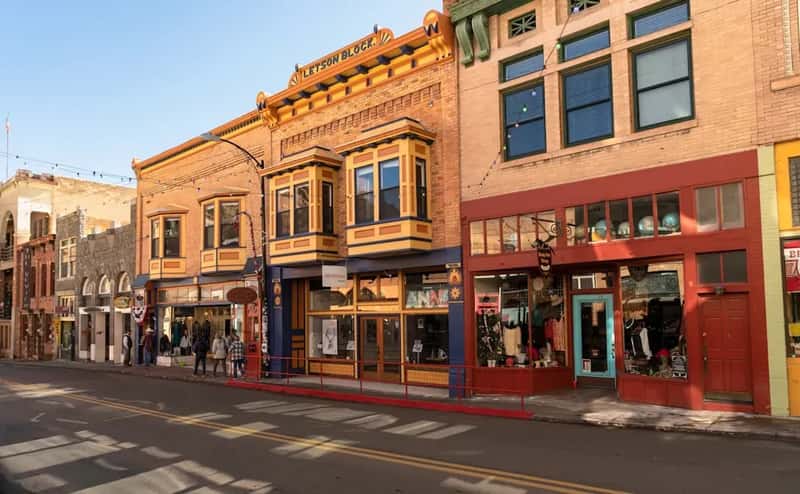
Bisbee’s streets climb steep hillsides in the Mule Mountains where copper miners once trudged home after long shifts. When mining declined, Bisbee didn’t modernize – it simply preserved what was already there. That might sound like a sad story. Standing on those narrow streets today, it feels more like an accidental miracle.
Residents live in houses with authentic metal awnings and decorative concrete blocks popular in the postwar era. Original neon signs cast colorful glows across streets where vintage pickup trucks park at angles. The Bisbee Breakfast Club serves morning meals on vintage dishes to customers seated in authentic vinyl booths. Order the eggs. Sit a while. You will genuinely forget what year it is.
#13 – Stillwater, Minnesota: The River Town the Interstates Forgot
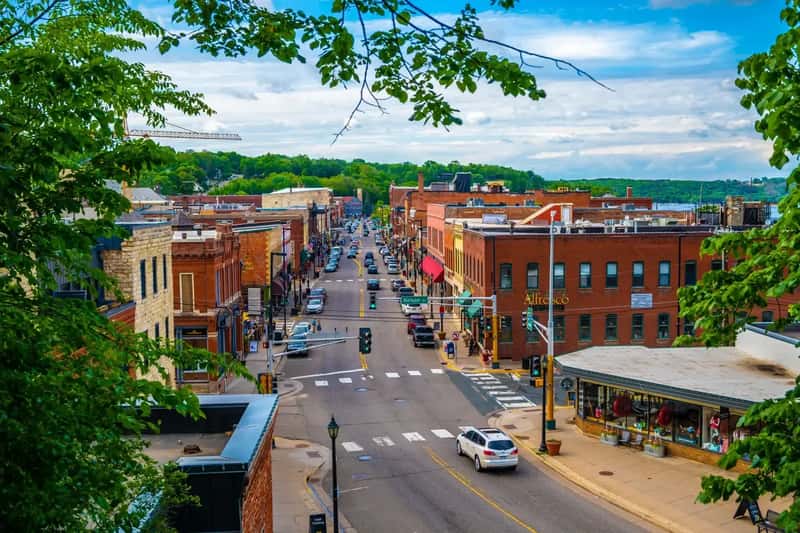
Stillwater’s Main Street is a living postcard, with carefully preserved storefronts that have remained largely unchanged since the mid-20th century. The town’s position on the St. Croix River meant it was bypassed by major interstate highways – which, as it turned out, was the best thing that ever happened to it. Being skipped by progress was Stillwater’s greatest stroke of luck.
Leo’s Grill & Malt Shop has been serving burgers and malts using the same recipes since 1957, drawing locals and newcomers alike into a genuine mid-century dining experience. Antique shops, boutiques, and the charming riverfront complete the picture. Summer weekends here feel like a living Norman Rockwell painting – except with better parking and real people who actually live this way year-round.
#12 – Lowell, Arizona: Erie Street Stopped the Clock
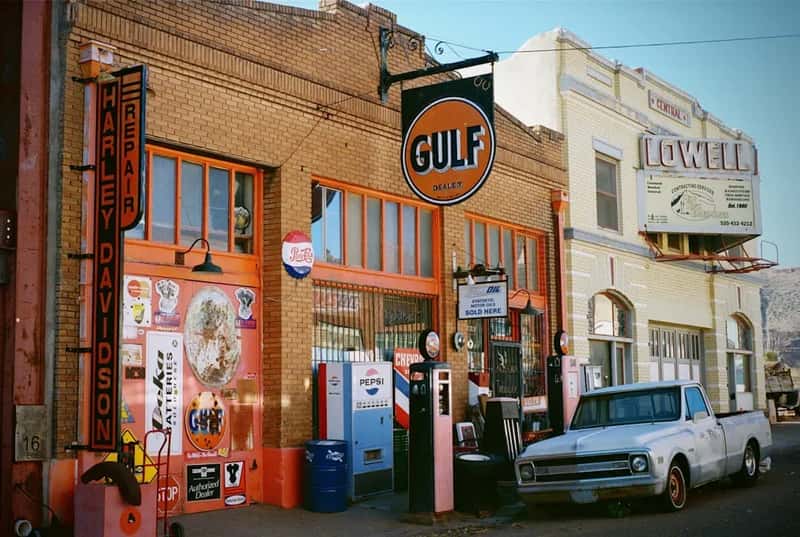
Lowell sits just north of the Mexican border, about 25 miles south of Tombstone, and it feels permanently frozen in the 1950s. Originally incorporated into the nearby mining town of Bisbee, it thrived as a home for miners during the first half of the 20th century. When the mines shut down in the 1950s, much of Lowell was destroyed and eventually abandoned by the 1970s. What was left behind became something no restorer could ever replicate on purpose.
Today, Lowell’s past is preserved along Erie Street – a nostalgic strip lined with classic automobiles parked along the curb, an array of vintage signs, and old buildings that haven’t aged a visible day since 1955. Photographers and retro road-trippers drive hours just to take one photo on that street. Every single one of them understands why the moment they arrive.
#11 – Galena, Illinois: Where 85% of the Buildings Are Historic

Galena is one of the most beautifully preserved 19th-century towns in the entire Midwest. A Mississippi River port officially founded in 1826, it was also the pre–Civil War home of General Ulysses S. Grant. But it’s the mid-century layers that catch most visitors off guard – the way the 1950s settled over everything like a coat of varnish that nobody ever stripped away.
Fully 85% of Galena’s buildings are listed on the National Register of Historic Places – a staggering number for any American town. The American Old Fashioned Ice Cream Parlor sums it up perfectly: black-and-white checkered floors, classic sundaes, and no apparent interest in updating a single thing. That’s not neglect. That’s a very deliberate love for what was already good.
#10 – Cuba, Missouri: The Mural City on Route 66
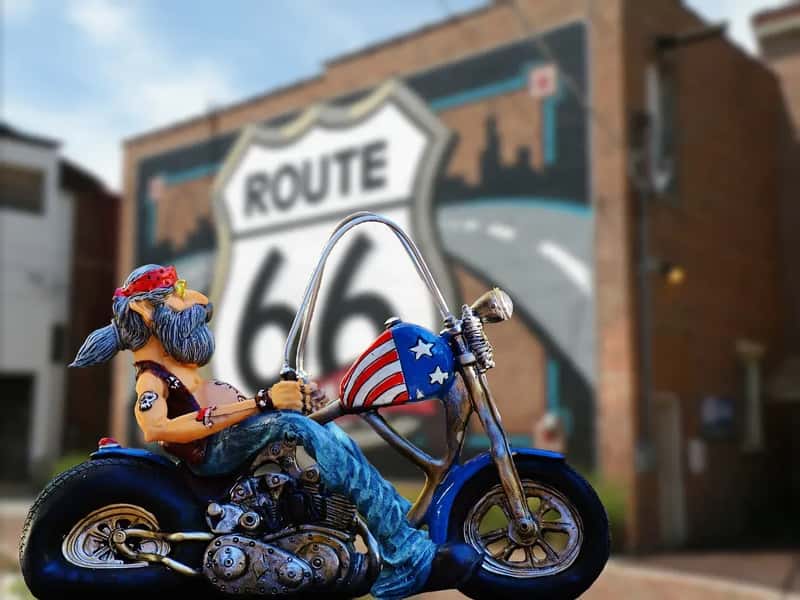
Nestled along Route 66 about 80 miles southwest of St. Louis, Cuba, Missouri earned its nickname “Route 66 Mural City” honestly – 12 large-scale murals painted directly onto downtown buildings depict vintage postcards, classic automobiles, and Golden Age icons. The whole town is an open-air museum, and nobody charges admission. You just walk up and stare.
The Wagon Wheel Motel – built in 1936, listed on the National Register of Historic Places since 2003, and recognized as the oldest continuously operating motel on Route 66 – greets guests with its original neon sign, personally designed by owner John Mathis around 1947 and still glowing today. The Ozark stone cabins were constructed by stonemason Leo Friesenhan in a distinctive Tudor Revival style using local sandstone, and the original 1930s wooden doors and floors are still in place. Book a room. Sleep in 1955. Wake up surprisingly refreshed in a way a Hampton Inn cannot explain.
At a Glance: Route 66 Towns on This List
- Cuba, Missouri – Mural City with the oldest operating motel on the Mother Road (est. 1936)
- Seligman, Arizona – Birthplace of the Route 66 preservation movement; real-life Radiator Springs
- Lowell, Arizona – Erie Street time capsule, 25 miles from Tombstone
- All three were bypassed or nearly killed by interstate highways – and all three survived because someone refused to give up
#9 – Wildwood, New Jersey: The Doo-Wop Capital of the World
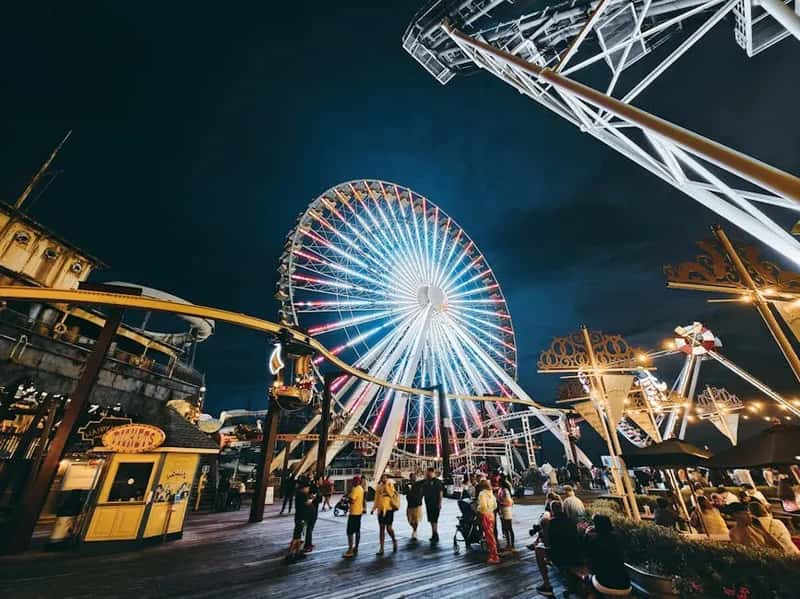
Wildwood is just a 5-mile barrier island, but within that small footprint sits the largest concentration of doo-wop-style architecture in the country – a fact confirmed by a study led by world-renowned architect Steve Izenour of Venturi, Scott Brown and Associates. The swooping rooflines, boomerang-shaped signs, and pastel color palettes aren’t retro decorating choices – they’re original. Nobody ever changed them because nobody ever felt the need to.
More than 90 historically significant motels still stand across the island, and the Doo Wop Preservation League – a nonprofit founded in 1997 – actively works to protect and restore over 220 mid-century buildings. Here’s the jaw-dropper: the League even publishes a design manual called How to Doo Wop, given to developers of new construction so they incorporate the style into any new building. That’s not nostalgia – that’s a civic commitment to looking like 1955 forever. And it works beautifully.
#8 – Saugatuck, Michigan: The Lake Michigan Town Where Summer Never Changed
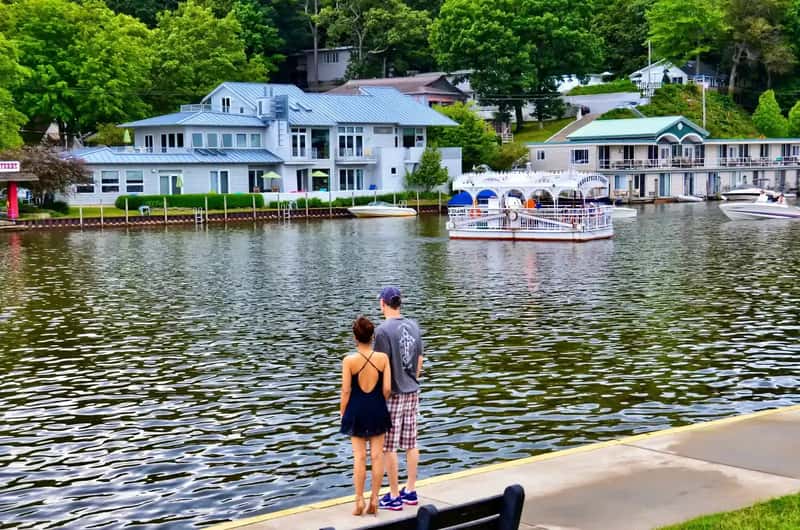
Saugatuck sits on the eastern shore of Lake Michigan with a downtown full of mid-century storefronts, retro motels, old-school ice cream parlors, and neon signs that evoke the carefree spirit of postwar summer vacations. Families have been returning here every summer for three generations, and the ice cream shop their grandparents loved is still there, still serving the same flavors, still run by people who live in this town year-round.
The historic chain ferry – a flat wooden boat pulled hand-over-hand across the Kalamazoo River – is worth the trip all by itself. It hasn’t changed in decades, and it doesn’t need to. Saugatuck is proof that some places become beloved not because they constantly reinvent themselves, but because they never stopped being exactly what people needed them to be.
#7 – Bristol, Virginia: Music, Main Street, and the Diner Where Hank Williams Had His Last Meal

Bristol straddles the state line between Virginia and Tennessee, and its downtown historic district is a relic of mid-century America – specialty shops, art galleries, and buildings that haven’t changed much since the era when small cities were genuine cultural touchpoints for surrounding rural communities. The music heritage here runs especially deep; Bristol was the site of the famous 1927 Bristol Sessions, often called the Big Bang of country music.
On Piedmont Street, the Burger Bar holds one of the most haunting distinctions in American dining: it’s thought to be where Hank Williams had his last meal before he was found deceased in his car in Bristol in January 1953. The Richmaid Restaurant, open since 1938, still carries its mid-century exterior and interior with quiet pride. The food is home-style. The history is real. And the weight of both sits with you long after you leave.
#6 – Fairmount, Indiana: James Dean’s Hometown Still Looks Like 1955
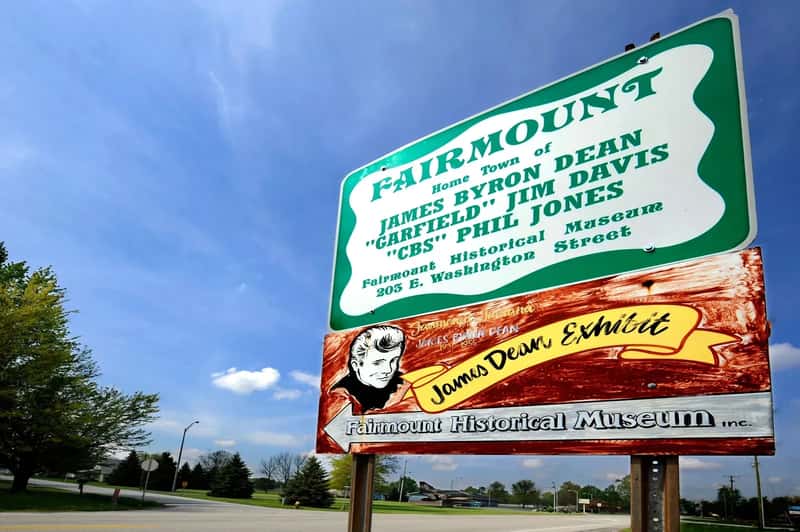
Fairmount, Indiana is the hometown of James Dean – the actor who became the defining symbol of a generation and then died at 24 when he crashed his Porsche in September 1955. The timing is almost too poetic: the town’s most famous son left the world at the exact year the town itself seems permanently set. Walking these streets, it’s easy to imagine a young Dean driving the same backroads in his youth, restless and already half-gone.
The main drag is home to retro-inspired shops that genuinely feel suspended in the 1950s. Antique stores like D&M Variety Shop and Minerva’s Treasures are known for their knowledgeable owners who treat every piece like it matters. The James Dean Museum is the cornerstone of the Fairmount experience – not a tourist trap, but a genuine time capsule anchored by real grief and real civic pride in a hometown that never quite got over losing him.
#5 – Abilene, Kansas: Eisenhower’s Hometown Still Serves Blue-Plate Specials
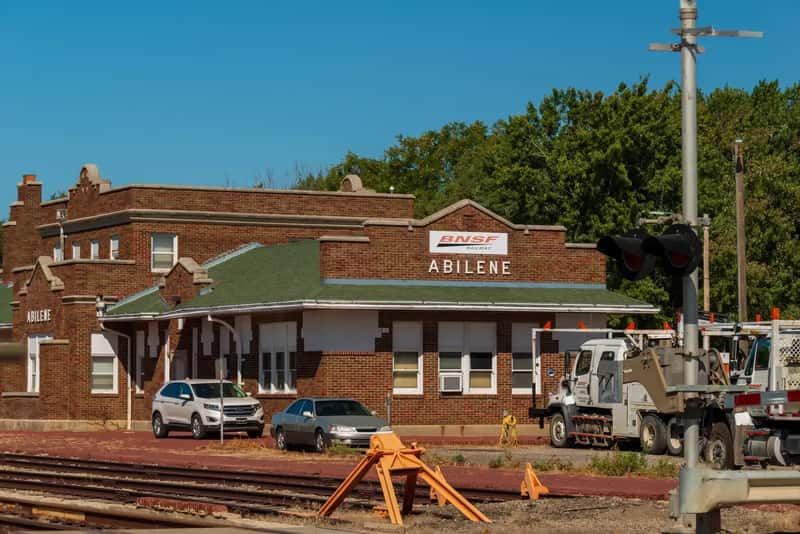
Named one of USA Today’s 10 Best Historic Small Towns of 2025, Abilene is an underrated Kansas gem that packs an outsized nostalgic punch. Sitting 150 miles west of Kansas City with just under 7,000 residents, it’s the kind of town that shaped the kind of man who shaped an entire decade – President Dwight D. Eisenhower grew up right here, and the town wears that fact with deep, unhurried pride.
Local diners still serve blue-plate specials on formica countertops. The 34th President’s Boyhood Home offers guided tours through rooms carefully preserved with their original mid-century furnishings. Sitting at one of those diner counters eating a slice of pie while looking at a photograph of young Eisenhower on the wall, you can feel the decade in your bones in a way no documentary ever quite delivers.
#4 – Wallace, Idaho: The Silver Mining Town That Declared Itself the Center of the Universe

Wallace maintains its 1950s atmosphere through preserved diners, storefronts frozen in the postwar era, and a downtown so intact that the entire historic district is listed on the National Register of Historic Places. But Wallace’s most famous quirk goes well beyond nostalgia: the town placed a manhole cover at the intersection of two streets and officially declared it the Center of the Universe. Nobody can disprove it. They’d also prefer you didn’t try.
Beyond the manhole cover, the Wallace District Mining Museum tells the real story of a town built on silver and grit, while the Oasis Bordello Museum adds a layer of colorful history that few small towns anywhere would dare to preserve so openly. Every storefront on Bank Street looks like it belongs in a postwar photograph. The 1950s feel here wasn’t engineered for tourists – it’s simply what stayed when everything else moved on.
#3 – Seligman, Arizona: The Town That Saved Route 66
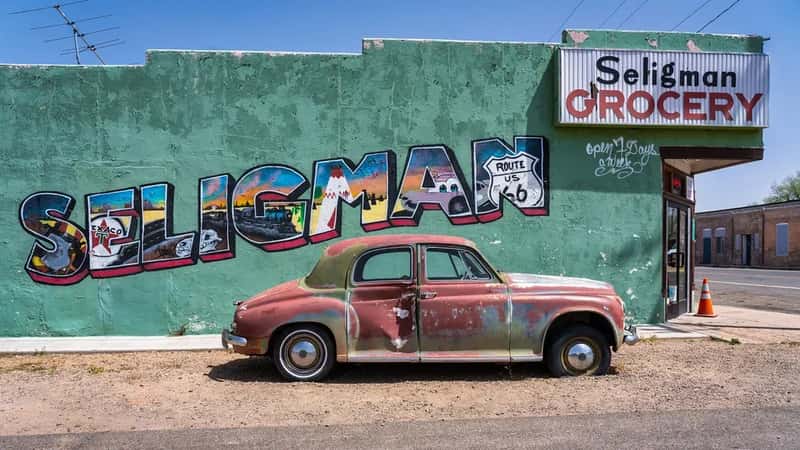
Seligman is often credited as the birthplace of the historic Route 66 preservation movement – and it’s about as retro as any place in America gets. Tucked roughly halfway between Flagstaff and Kingman with a population under 800, it’s positively brimming with small-town charm and mid-century imagery. It also happens to be the real-life town that inspired Pixar’s Radiator Springs in Cars – a connection that came directly from filmmaker John Lasseter’s meeting with Seligman barber Angel Delgadillo, whose stories about the town inspired the film’s entire premise.
Vintage gas pumps stand guard outside colorful shops while the Snow Cap Drive-In – opened in 1953 by Angel’s brother Juan – still serves food alongside joke menus and deliberately backwards door handles that have confused and delighted road-trippers for decades. Angel Delgadillo himself, known as the “Guardian Angel of Route 66,” founded the Historic Route 66 Association of Arizona in 1987 after Interstate 40 bypassed the town in 1978 and the livelihood of every Seligman business vanished in a single day. His barbershop is now a museum and gift shop. Neon signs buzz against the Arizona night sky and remind you exactly why people fell in love with driving in the first place.
Worth Knowing: The Angel Delgadillo Story
- Born April 19, 1927, literally on Route 66 in Seligman – the road was being built the same year
- Opened his barbershop in 1950 in the same building his father had used since 1922
- On September 22, 1978, Interstate 40 opened two miles south of town – and every customer disappeared overnight
- In 1987 he organized the first Route 66 preservation association in America, launching a national revival
- His conversation with Pixar director John Lasseter directly inspired the town of Radiator Springs in Cars (2006)
- Retired from barbering in July 2022 after 75 years – at age 95 – and is featured in the Smithsonian’s Route 66 exhibition
Route 66 is the mother road – the road of flight.
John Steinbeck, The Grapes of Wrath
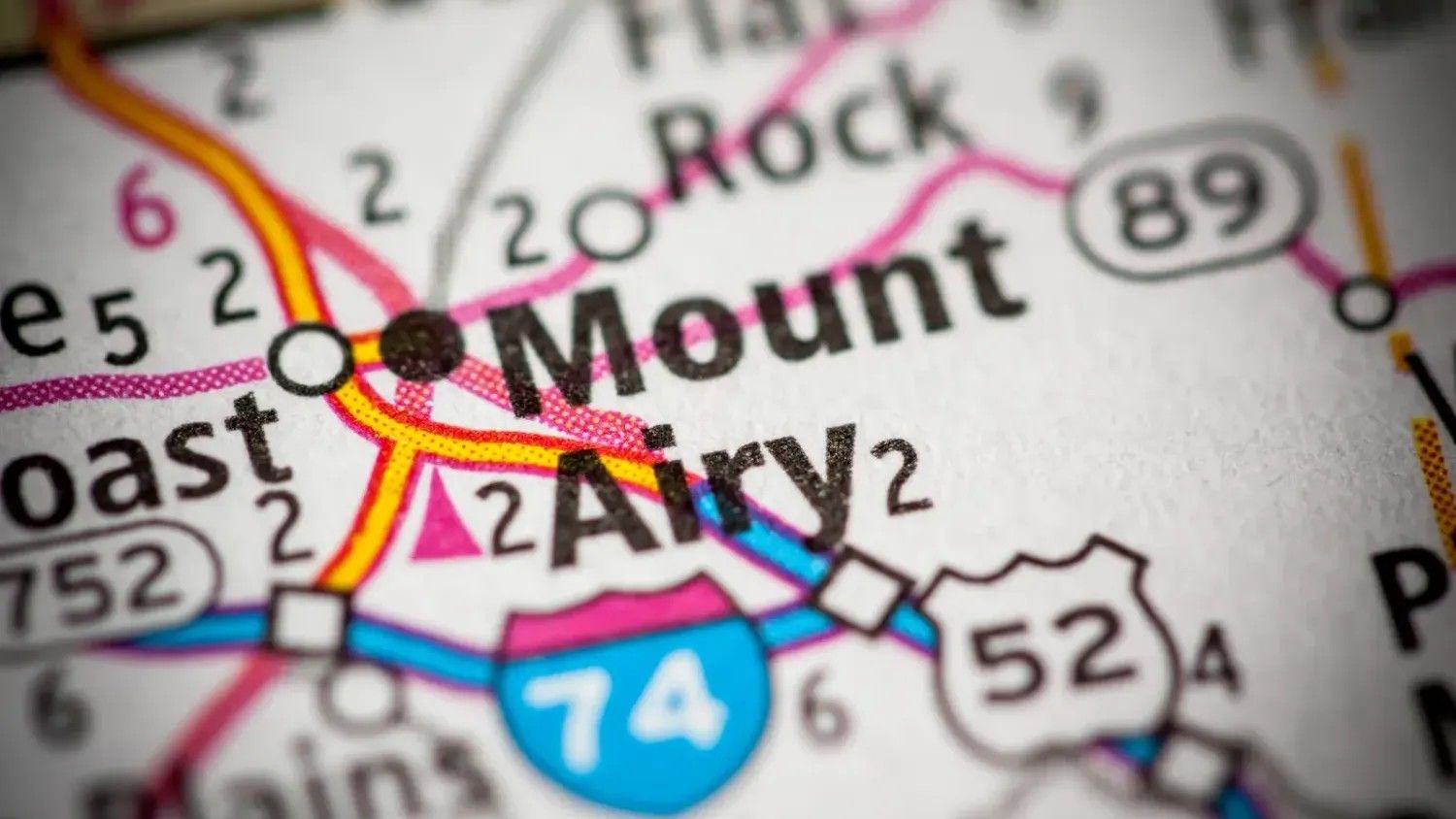
#2 – Mount Airy, North Carolina: The Real Mayberry
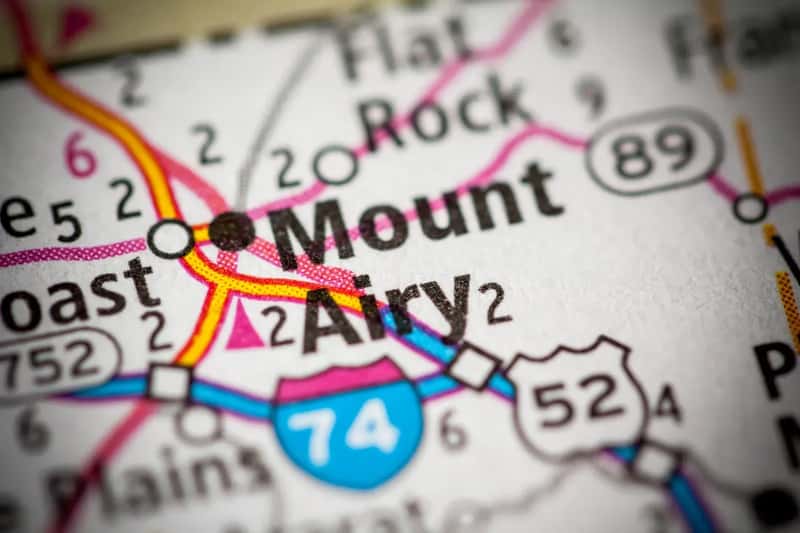
Mount Airy is the real-life inspiration for Mayberry from The Andy Griffith Show, and it embraces that identity without a trace of embarrassment. Tourists can explore the Andy Griffith Museum, enjoy a soda at the vintage drugstore counter, or take a classic squad car tour through the streets where Griffith actually grew up. The show ran from 1960 to 1968, but it was drawing on a 1950s small-town spirit that Mount Airy never actually let go of in the first place.
Snappy Lunch still serves its famous pork chop sandwiches using the same recipe from 1950. Local musicians gather for impromptu bluegrass sessions on wooden benches outside the courthouse. What makes Mount Airy genuinely special isn’t just the preserved storefronts – it’s that residents still maintain the friendly, unhurried pace of life that defined small-town America before everything got loud and fast. Children ride bikes freely through neighborhoods where everyone knows their names. You cannot manufacture that. It either survived or it didn’t. Here, it did.
#1 – LeClaire, Iowa: The Mississippi River Town Where the Jukebox Only Plays Pre-1960
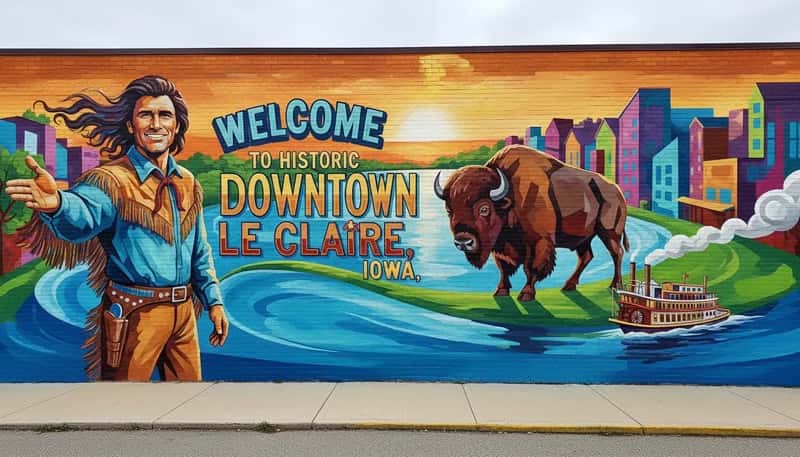
LeClaire’s Buffalo Bill Museum draws history buffs, but it’s the perfectly preserved downtown that stops visitors cold. The Faithful Pilot Cafe on the Mississippi still has its original soda fountain, and the jukebox plays nothing recorded after 1959 – not as a marketing gimmick, but as a statement of belief. The people here decided that some things were worth keeping exactly as they were. That policy says more about this town than any brochure ever could.
Antique shops display their wares in window arrangements straight out of a Norman Rockwell painting. The river rolls by just as it always has. LeClaire is a town on the great Mississippi that is genuinely unbothered by the chase toward whatever comes next – perfectly content to let Chuck Berry play softly from a fountain counter that has never once needed updating. Sit down. Order something cold. The modern world will still be there when you leave. But for a little while, you absolutely will not miss it.
Quick Compare: Frozen-in-Time vs. Actively Preserved
- Frozen by accident – Lowell AZ, Chillicothe OH, Wallace ID: interstates or industry loss did the preserving for them
- Preserved by passion – Seligman AZ, Wildwood NJ, Galena IL: residents and organizations fought hard to keep what others were ready to demolish
- Preserved by identity – Mount Airy NC, Fairmount IN, LeClaire IA: towns whose entire sense of self is inseparable from a specific era or person
- The result looks the same on a Sunday afternoon – but the backstory behind each one is completely different
Have you been to any of these towns – or do you know a place near you where the clock stopped and nobody complained? Drop it in the comments. Some of the best frozen-in-time places in America are still waiting to be found.