You’ve probably heard the legend: turn 65, walk up to the counter, smile sweetly, and watch the agent slide you a better seat. The reality is stranger. Age alone almost never unlocks anything, yet a surprising handful of small, real accommodations get approved at check-in and at the gate all the time.
What separates a yes from a polite no comes down to need, wording and timing. Some of these are federal rights, others live entirely in an agent’s discretion, and one is a perk many travelers still count on even though it’s gone. The most useful trick on the list is waiting near the very end.
#17 – Early Boarding That Nobody Offers Unless You Speak Up

The easiest win on this list is also the one most people never claim. Airlines must let passengers with disabilities pre-board if they self-identify at the gate as needing extra time or help getting seated. The boarding orders for Delta, United and American all include an assistance-based pre-boarding step, and United’s covers passengers with disabilities. Age is not the trigger. Need is.
The catch is that you have to make the request to the gate agent yourself. At American, pre-boarding for special assistance has to be requested. No one calls your name for it automatically. One calm sentence about needing extra time is the whole script.
But the next upgrade changes where you actually sit once you’re on board…
#16 – A Seat Closer to the Front, Approved on Pure Discretion
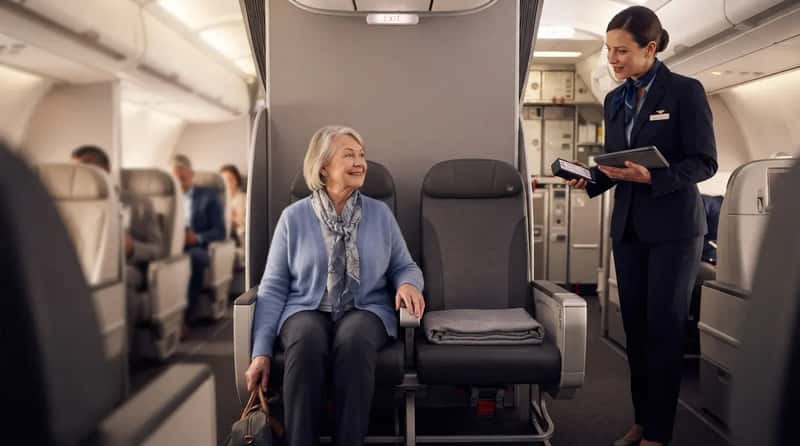
Shorter walks matter when knees and hips complain. Travel guides describe seats closer to the front and seats with extra legroom as things agents often waive at their discretion when the request is framed around a real need. That word, discretion, is doing a lot of work.
Nothing in the federal rules promises this one. Agents have discretion, and they can’t say yes to someone who never asked. It’s a favor, not an entitlement, and a full flight can make it impossible. A short, specific ask, such as “I have trouble with long walks, is anything closer to the front open?”, gives the agent something they can actually solve.
Worth Knowing
- No federal rule guarantees a front-of-cabin seat.
- Agents can only say yes to a request they actually hear.
- A specific need is easier to approve than a vague wish.
- A full flight can end the conversation before it starts.
Then comes a change that reshaped one airline’s whole seating game…
#15 – Southwest’s New Assigned Seats Changed the Ask Entirely
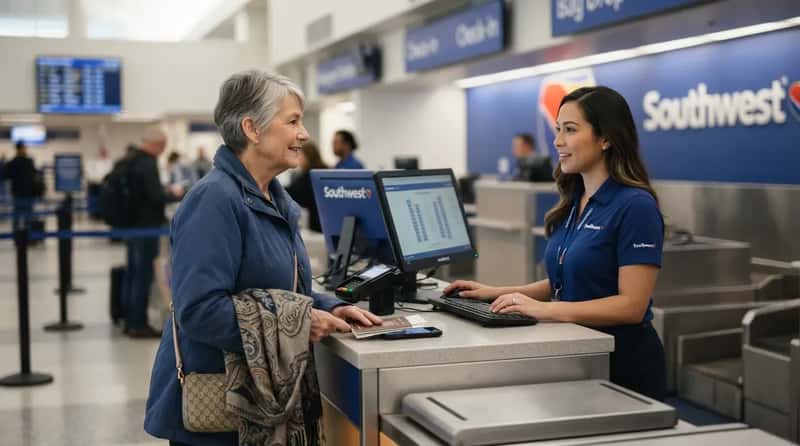
Longtime Southwest fans spent decades mastering the art of grabbing a good open seat. The new boarding procedure took effect for flights on and after Jan. 27, 2026, with passengers boarding by group and sitting in assigned seats. That makes a seat request at the counter matter in a way it never used to.
Boarding is now sorted into groups, and preboarding, priority boarding and A-List Preferred come ahead of Group 1. If you need help boarding, the preboarding rules still apply. The old trick of boarding early just to pick a seat is gone. Now you have to ask an agent for the seat itself.
Next up is a seat feature written into federal rules…
#14 – The Aisle Seat With an Armrest That Actually Lifts
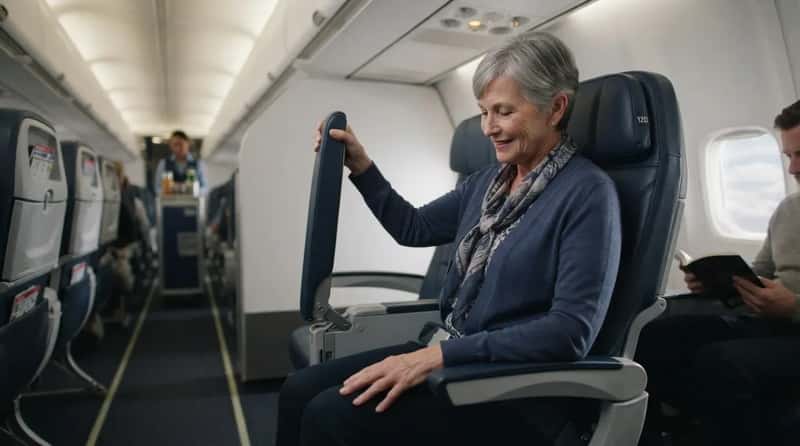
An aisle seat is only helpful if you can slide out of it. Federal guidance says passengers should request an aisle seat with a movable armrest when they book, or at least 48 hours before departure. That’s the official timeline, so a last-minute request is harder to guarantee.
Here’s the part most travelers miss. At least half the aisle seats on planes delivered or refurbished after 1992 that carry 30 or more passengers must have movable armrests. That still leaves plenty of aisle seats where the armrest is bolted down. Don’t assume your assigned one lifts.
The next seat is one most people can’t even see online…
#13 – The Bulkhead Seat for a Leg That Won’t Bend
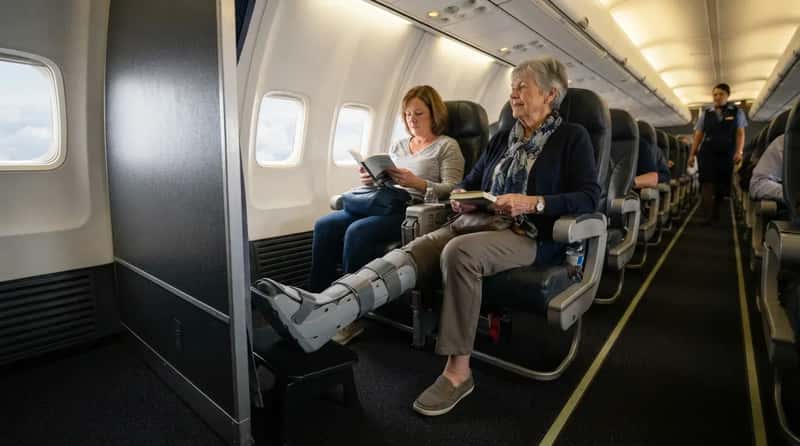
Extra legroom isn’t only a luxury for some passengers. Travel guides list a bulkhead seat for an immobilized leg or a service animal as free by federal law. If a recent surgery or injury keeps a leg straight, this is the one to ask about.
But the rules come with limits. The Department of Transportation says an airline must provide a seat that meets your needs, with certain limitations for bulkhead and emergency-exit seats. You are not guaranteed a specific seat number. You’re guaranteed one that works for your condition.
This one is about the person next to you, and it’s trickier than it sounds…
#12 – The Seat Next to Your Companion, With a Limit Few Mention

Nobody wants to be separated from the person helping them. Under the federal rules, fee-free seating accommodations apply only to the disabled person and one companion. That covers a spouse, an adult child or a caregiver.
Anything beyond that is a favor. One disability-travel resource advises that passengers should only count on one adjacent seat being provided free of charge. The DOT adds that airlines are not required to provide more than one seat per ticket. A group of four will not get four free adjacent seats just because one traveler is 70.
Which brings us to the money question that infuriates almost everyone…
#11 – The Seat Fee That Can Vanish When the Need Is Real
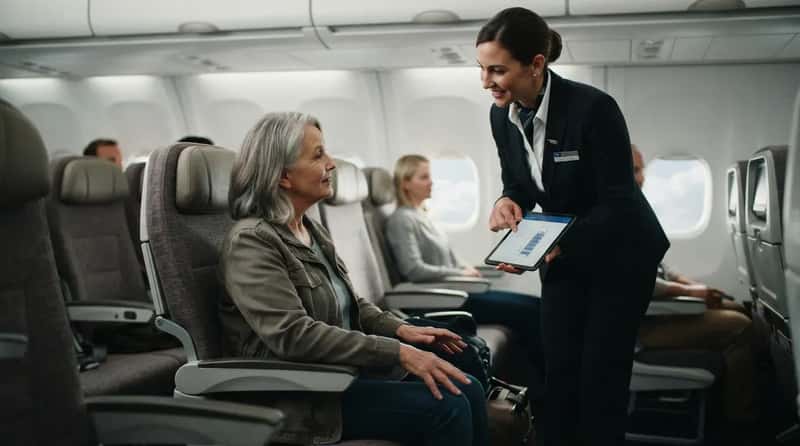
Seat-selection fees are one of the biggest quiet moneymakers in air travel. One travel site, citing a Senate subcommittee investigation, reports seat-selection revenue topped $3 billion in 2023. That makes a waived fee a bigger deal than it sounds.
For travelers with a disability-related need, there’s a safety valve. Airlines must provide a seat assignment that best accommodates the disability if the passenger meets the airline’s procedures. But look closely at the wording. A healthy 62-year-old who just wants extra legroom isn’t covered. A traveler with a bad knee may well be.
Quick Compare
- Wants extra legroom for comfort: a perk request, so the usual seat fee applies.
- Has a disability-related need: the airline must provide the seat that best accommodates it.
- Simply turned 65: age alone is not the trigger.
Next is a service many travelers who can walk think they’re not allowed to use…
#10 – The Curb-to-Gate Escort That Sparks Arguments
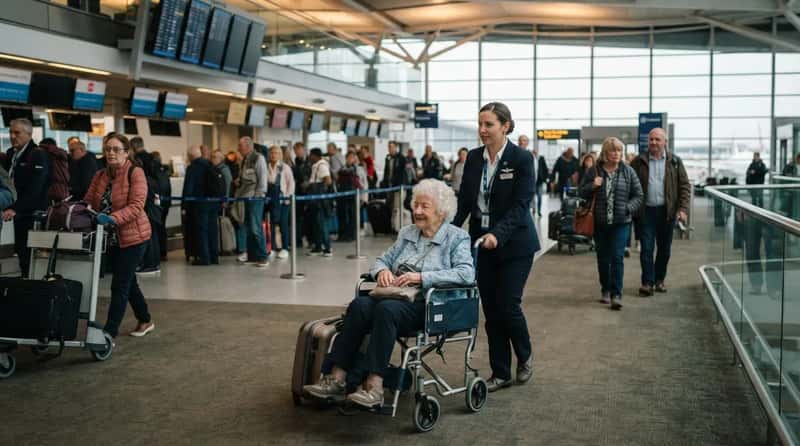
Airport distances are brutal, and the walk can wear you out even if you move fine on a normal day. One travel site says requesting a wheelchair escort can mean being met at the curb, guided past check-in lines, and taken to your gate for free. The same site says no doctor’s note is needed.
Here’s the debate. Plenty of travelers believe people who can walk fine shouldn’t use it, and that argument is louder than most airlines admit. The service exists for people who can’t manage long distances or standing in lines. If a terminal marathon would genuinely wear you out, it’s there for that.
The next help is quieter, and it matters most on tight connections…
#9 – Connecting-Gate Help That Gets You Across the Airport
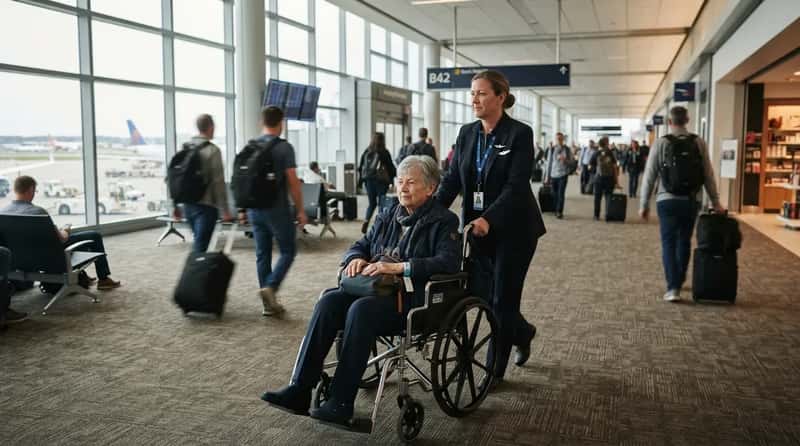
Missed connections are a nightmare at any age. Gate agents can arrange assistance getting passengers between connecting gates. That’s a real service, and it’s worth asking for at the start of your trip.
There’s also a rule behind it. Federal regulations require airlines to provide that assistance promptly and prohibit leaving an immobile passenger unattended in a wheelchair for more than 30 minutes. Half an hour is the official limit, not the goal. If help doesn’t show up, tell the nearest agent right away.
Another favor is about the people who can’t fly with you…
#8 – A Family Member Who Gets to Walk You to the Gate
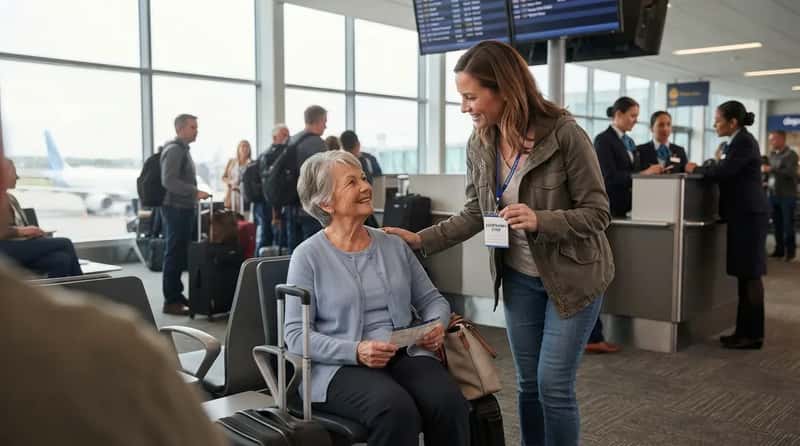
Saying goodbye at the security line is hard when you need help. Airlines can issue a companion pass that lets a non-traveling guest go through security and stay until boarding is complete. For an older traveler who doesn’t want to face the airport alone, that’s a big deal.
The fine print matters. It’s issued at the airline’s discretion and isn’t available everywhere. Some airports and airlines will simply say no. Still, the pass is real, and it’s worth asking at the counter.
The next help starts before you even reach the gate…
#7 – The Screening Helper Check-In Staff Can Point You To
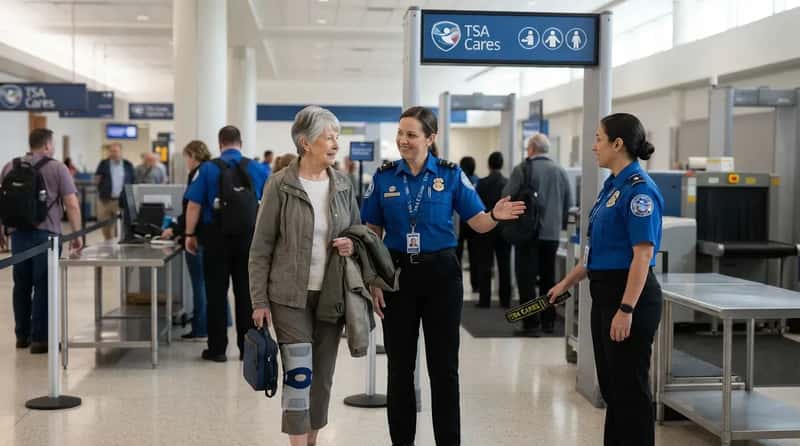
Security is where many older travelers feel the most stress. TSA runs a program called TSA Cares, and it’s not an airline perk, so check-in agents can’t approve it. They can steer you toward it.
The program connects travelers with trained TSA staff known as Passenger Support Specialists, who guide seniors and travelers with medical conditions through screening. The help isn’t tied to a birthday. You can request it ahead of your trip through the TSA website.
At a Glance
- Who runs it: TSA, not the airline.
- What agents can do: point you toward it, not approve it.
- Who helps you: Passenger Support Specialists.
- How to ask: request it ahead of your trip on the TSA website.
But one of the most famous senior perks at security is gone, and it surprised plenty of people…
#6 – The “75 and Older” Shoe Perk That Quietly Vanished
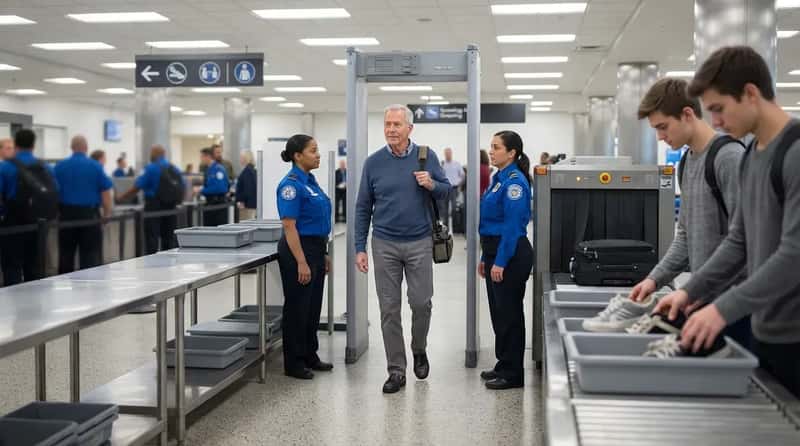
Many travelers still plan around this one. For years, children 12 and under and passengers 75 and older were exempt from the shoe-removal policy. Then TSA ended the shoe-removal mandate for everyone on July 8, 2025.
And if you were 65 to 74, the age break never applied to you in the first place. Many websites still repeat the old rule as if it’s current. One thing remains the same. Officers can still ask anyone to take shoes off if an alarm goes off.
Now for a perk that sounds too good to be true, and partly is…
#5 – The Senior Fare That Hides Behind a Phone Number
Senior fares sound like a relic, but they haven’t fully disappeared. One report says American, Delta and United still file senior fares for travelers 65 and older on select routes, but none publishes what the discount is worth. Southwest retired its senior fares in 2019.
So how big is the savings? Nobody can say for sure. Treat any percentage you read online as unconfirmed until an agent prices it for you. A discount that looks great on a blog may not exist on your route.
Next is a comfort most travelers forget airports can provide…
#4 – Lounge Access During a Long Delay, Maybe

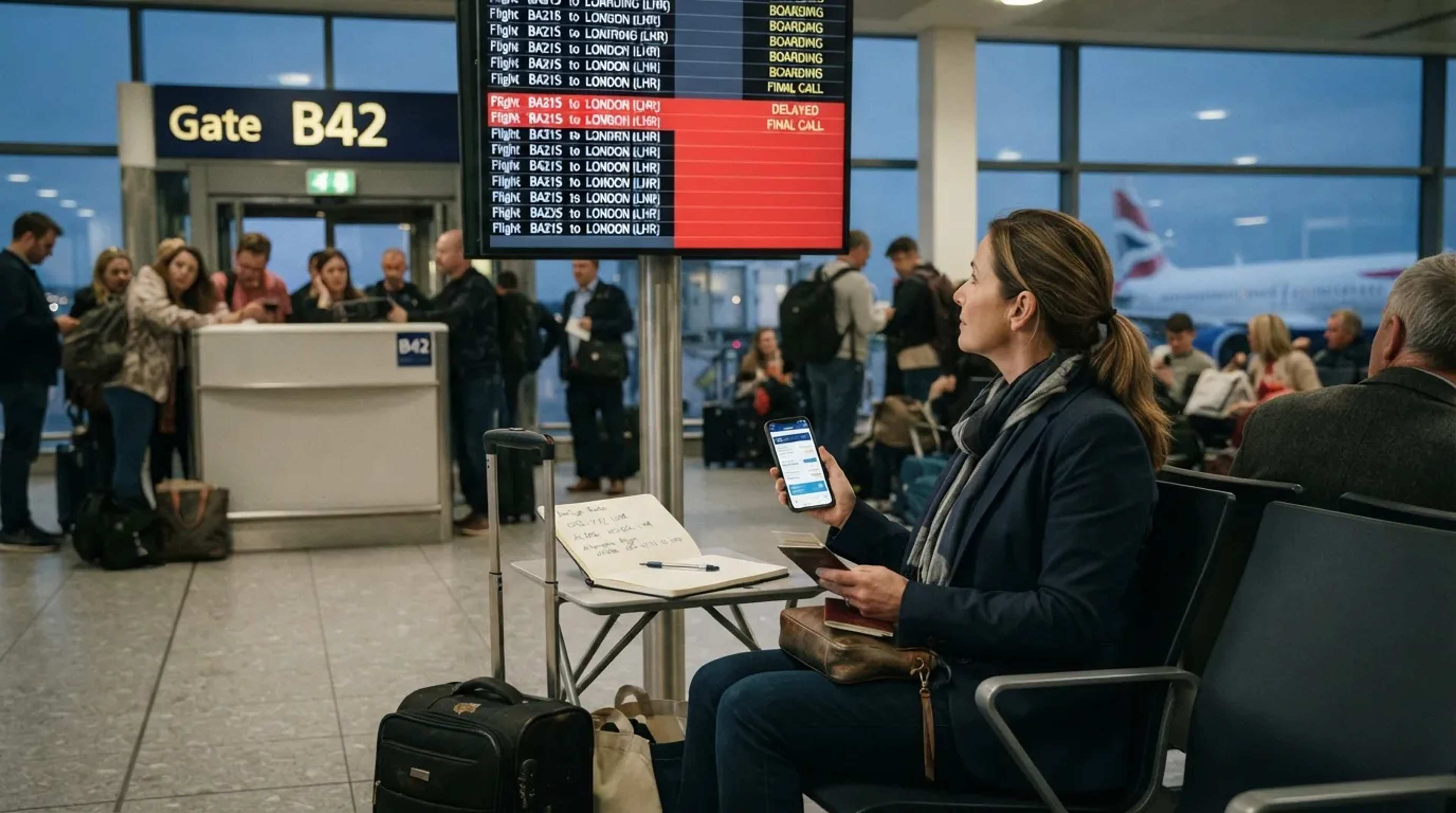
Sitting for hours at a crowded gate is miserable. One travel site says that during a significant delay, even economy passengers can sometimes request lounge access. The key word there is “sometimes.”
The same source says to mention health or comfort concerns to airline staff, and that this matters most on long layovers or when a health condition makes sitting in a noisy terminal genuinely difficult. No airline promises this one. Treat it as a long shot worth a polite try, not something to plan around.
Why It Stands Out
- It’s one of the few perks that can reach economy passengers.
- It tends to come up during significant delays.
- Health or comfort concerns are the details worth mentioning.
- It’s never guaranteed, so a polite ask beats a demand.
Now the big one. It’s the upgrade everyone wants, and the rules say something different…
#3 – The “Free Cabin Upgrade” That Rarely Works
Plenty of blogs promise secret senior upgrades to first class. The Department of Transportation says otherwise. Airlines are not required to upgrade you to a higher class of service to accommodate your disability.
So what do agents actually do? One site notes that walking up and asking for a “free upgrade” gets a polite no. The same article says describing a genuine physical need often goes differently. In other words, the words matter more than the birthday.
And the right words matter even more than you’d think…
#2 – The Exact Phrase That Can Turn a Casual Ask Into a Real Request
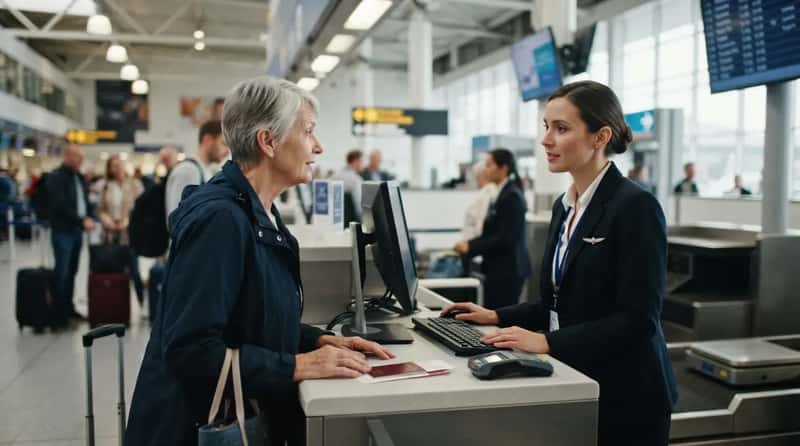
Wording is the hidden lever in all of this. One travel site points to phrases like “I require an aisle seat due to a medical condition,” which it says activates federal protections. The idea is to describe the need, not the perk.
That matches how the rules work. As one report puts it, it’s about need, not age. Saying “I’m 68” may get you a smile, but saying what you need may get you a seat. Be honest, be specific, and be polite.
The strongest move of all happens before you even leave the counter…
#1 – The Record on File That Makes Everything Else Easier
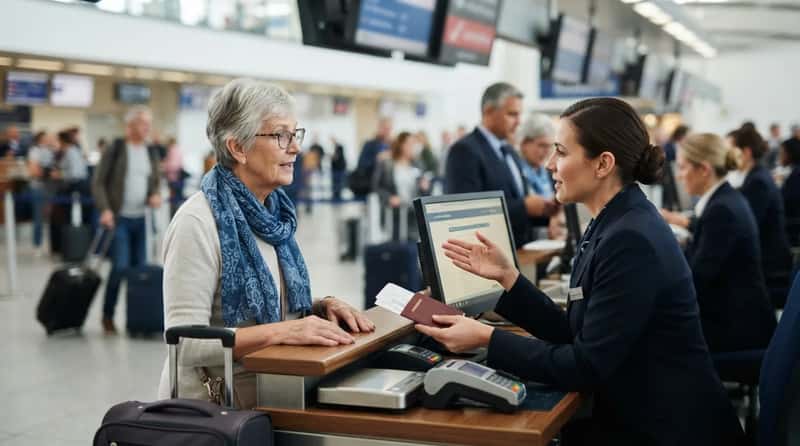
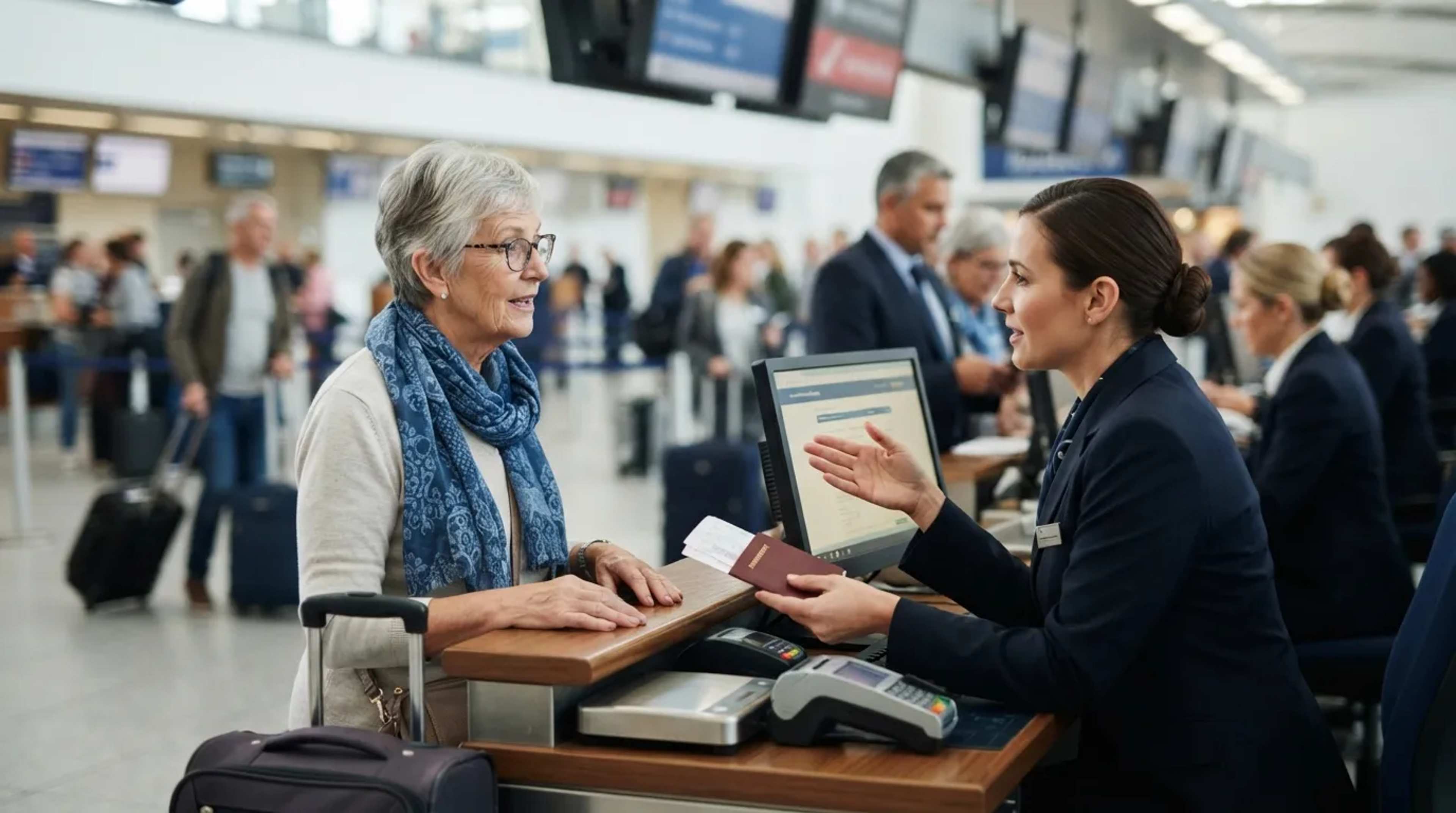
Most of the upgrades above fall apart if the airline has no note of your request. The Department of Transportation advises that when you check in at the ticket counter, you confirm that the airline has a record of your seating accommodation request. That single step can separate a smooth boarding from a scramble.
Why does it matter so much? Several of these rights are written into federal rules, and the rest depend on an agent saying yes. An agent can’t approve what the system doesn’t show. Get the request on the record, then mention it again at the gate.
The common thread is that turning 65 doesn’t unlock these upgrades. A clear, specific, honest request does, and the rules put real limits on what you can count on. Some are rights, some are favors, and one is a myth worth dropping.
Check-in teams can’t hand out a free first-class seat just because you’ve had a birthday. What they can often do is match you with a seat, a boarding slot or a bit of help that fits what you actually need. The real upgrade is knowing exactly what to ask for.
Have you ever been moved to a better seat just by asking? What did you say to the agent?