Most people assume seasoned cruisers over 60 are the cautious ones on board, sipping decaf and skipping the fun. Turns out, they’re actually the ones who’ve quietly figured out how not to get stranded, scammed, or stuck with a five-figure medical bill in a foreign port.
Ask any veteran cruiser what actually keeps them safe on shore, and you won’t hear generic advice like “stay alert.” You’ll hear specific, sometimes surprising rituals they never skip. Here’s what those seasoned travelers actually do differently.
#18 – They Screenshot the All-Aboard Time Before They Even Step Off

Veteran cruisers never trust memory alone for departure times. They always check the return to ship time in the cruise app before leaving. A quick screenshot means they’re not relying on WiFi or a signal once they’re wandering unfamiliar streets.
It sounds small, but it eliminates the single biggest source of port-day panic. Newer cruisers assume they’ll “just remember,” and that’s exactly how confusion starts. Experienced travelers treat that screenshot like a boarding pass, checking it before every excursion, every taxi, every wander.
#17 – They Skip Anything That Screams “Tourist Group”

This one surprises first-timers who love the matching cruise line lanyards and stickers handed out for excursions. Veterans actively avoid them.
Large excursion groups sporting matching colored stickers are by no means discreet, and can put cruisers at risk of being targets of crime. Seasoned travelers still take the tours, but they slip the sticker into a pocket the moment they’re off the bus. It’s a small habit, but it’s one of the quiet reasons older cruisers rarely become a target while younger, flashier tourists do. But that’s nothing compared to what we found about #16…
#16 – They Book a Hotel Practically Next Door to the Terminal
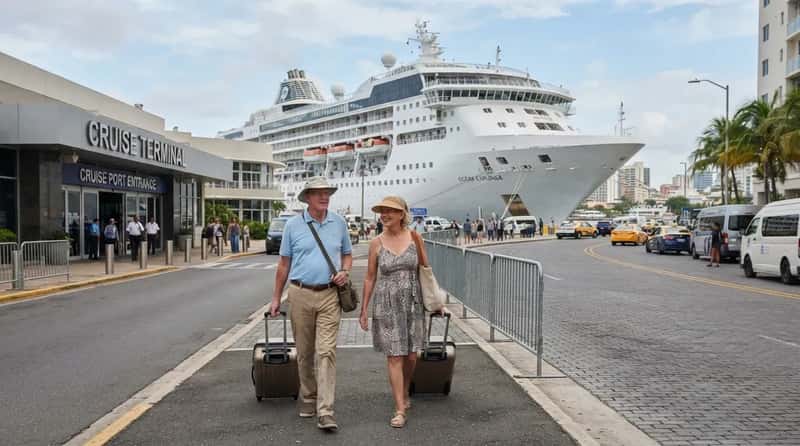
Most first-time cruisers pick a hotel based on price. Veterans pick one based on proximity, and for good reason.
Travel experts recommend picking a hotel within 15 to 20 minutes of the cruise terminal, since ports sit near city centers where morning traffic, port congestion, and even labor strikes can eat up precious time. Being that close means there’s almost always a backup option for arriving on time, even if that means walking with the bags ends up faster than waiting on a taxi. Veterans over 60 don’t gamble embarkation day on a bargain hotel across town.
Fast Facts
- Aim for a hotel within 15 to 20 minutes of the terminal, not just the cheapest rate
- Morning port traffic and congestion can turn a “quick” ride into an hour-long scramble
- Occasional labor strikes near ports can shut down normal transportation options overnight
- Walking distance beats a discount when embarkation day is on the line
#15 – They Lock the Real Passport Away and Carry a Copy Instead
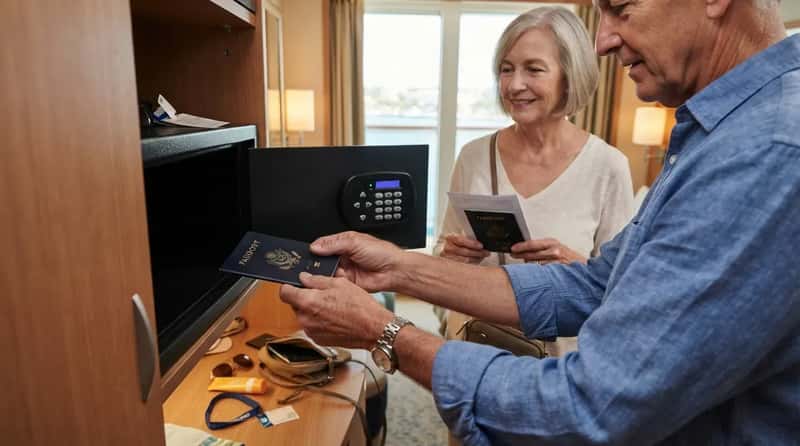
This habit trips up newer cruisers who think bringing the original passport ashore is safer. It’s actually the opposite.
Seasoned travelers know it’s important to not just leave the passport behind in the stateroom but to specifically leave it in the stateroom safe, which is always good practice. A stolen or lost passport in a foreign port turns a fun day into a multi-day nightmare involving embassies and paperwork. A copy in a zipped pocket does everything a tourist actually needs on land.
#14 – They Always Carry Cash, Even on Cashless Cruises

Modern cruise ships run almost entirely on tap-to-pay wristbands, which tricks newer travelers into thinking cash is optional everywhere. Veterans know better.
Most vendors accept cards, but some smaller ports and local vendors are cash-only. A street food stall, a public restroom, or a small souvenir shop can leave a card-only traveler empty-handed. Older cruisers keep a modest stash of small local bills tucked separately from their main wallet, just enough for the unexpected.
#13 – They Photograph the Ship’s Berth Before Walking Away
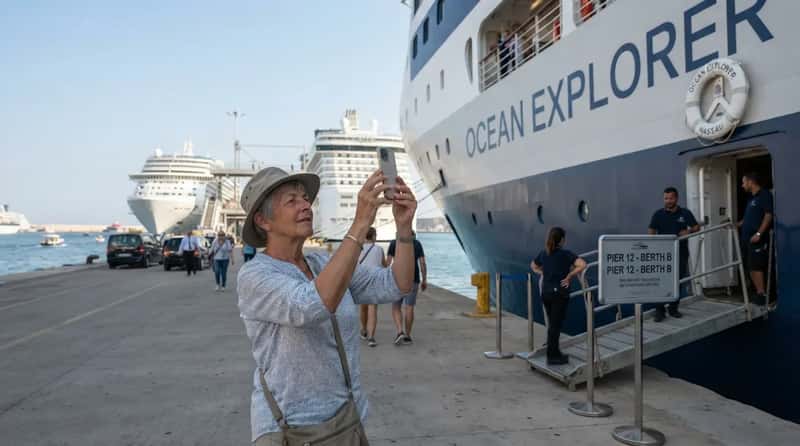
In busy cruise ports with multiple ships docked side by side, this habit sounds unnecessary until it saves someone’s afternoon.
Veteran cruisers snap a photo of their ship’s name, berth number, and gangway location before heading into town. It’s a two-second habit that solves a real problem: on larger ships, thousands of passengers are moving through a port at once, and returning to the wrong pier, or describing the wrong one to a confused taxi driver, has cost people precious minutes they didn’t have to spare.
#12 – They Avoid Rushing Off the Ship at Tender Ports
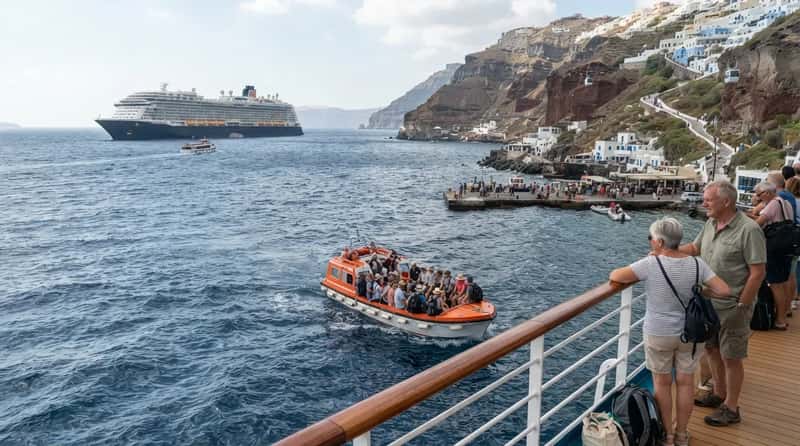
Tender ports, where the ship anchors offshore and small boats ferry passengers to land, trip up more travelers than people realize.
Tender ports can add time and uncertainty to getting ashore. Veteran cruisers build extra buffer into their day whenever tenders are involved, because a shifting tide, weather delay, or long tender line can quietly eat 30 to 45 minutes before they’ve even reached the dock. Rookies who plan a tight schedule around a tender port often find themselves the ones sprinting back later. Wait until you see what trips people up at #11…
#11 – They Stick to Busy, Lit Streets, Even If the Walk Is Longer

The shortcut through a quiet alley might save five minutes, but experienced cruisers rarely take it, especially in unfamiliar countries.
Security experts consistently advise travelers to research what types of criminal activity they may encounter in a port, using resources like the U.S. State Department, which is considered one of the most valuable sites for security-conscious travelers. Veterans over 60 aren’t paranoid about this; they’ve simply learned that busy, well-lit streets near the port area are almost always the safer bet, even when the walk takes a little longer.
#10 – They Never Let Their Phone Auto-Switch Time Zones
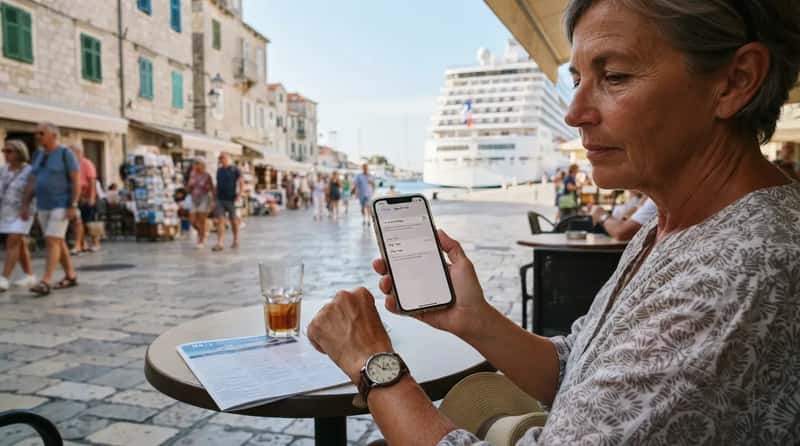
This is the mistake that quietly ruins more port days than almost anything else on this list.
The most common mistake passengers make when it comes to punctuality is not paying close enough attention to ship time, which might differ from local time at a particular port of call. Some experienced cruisers disable their phone’s auto-time update feature to ensure it stays aligned with ship time the entire time they’re ashore. The advice from seasoned travelers is simple and consistent: set the phone manually to ship time before stepping off, and leave it there until they’re safely back on board.
#9 – They Write Down the Port Agent’s Emergency Number by Hand

Nobody wants to think about needing an emergency number, which is exactly why veterans write it down instead of relying on their phone.
The emergency port agent phone number is worth noting before disembarking, since some cruise lines only list it in the app, which won’t work once you’re ashore. A dead battery or a lost signal shouldn’t be the reason someone can’t reach help. It’s an old-fashioned habit, but it’s the kind that quietly separates a stressful mishap from a genuine crisis.
Worth Knowing
- The port agent’s emergency number often lives only in the cruise app, not on any printed paper
- A dead phone battery or lost signal ashore can cut off access to that number entirely
- Writing it down by hand takes seconds and works even without power or service
- Veterans keep the number with their passport copy, not buried in a text thread
#8 – They Skip the “Just One More Drink” Before Heading Back

This is one of the more controversial habits on this list, and it tends to spark debate among cruisers who see port days as vacation from vacation.
Veterans over 60 tend to treat the last hour ashore differently than younger travelers. Staying sharp enough to navigate crowds, read signage, and manage cash matters more once the clock starts closing in. Many experts now argue that the biggest port-day regret isn’t missing an attraction, it’s misjudging how tipsy is “fine” right before an all-aboard deadline.
#7 – They Build a Buffer Day Into Travel Plans Before the Cruise
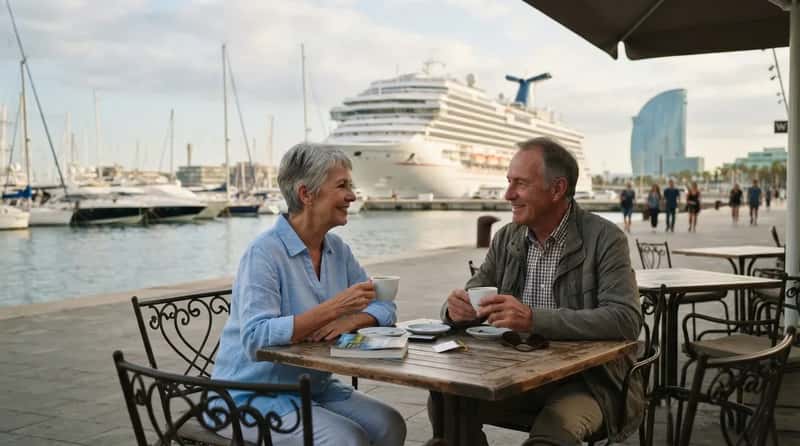
Flying in the same day the ship departs is a rookie move that veteran cruisers avoid at almost any cost.
Travel insurance professionals recommend an itinerary buffer of one to two days before the ship sails, especially when traveling long distances beforehand, since international flights suffer more disruptions than domestic ones, and multiple legs across time zones make it easy to arrive later than anticipated. Experienced cruisers treat that buffer day as non-negotiable, not a nice extra.
#6 – They Carry a Written List of Every Medication, Not Just the Pills
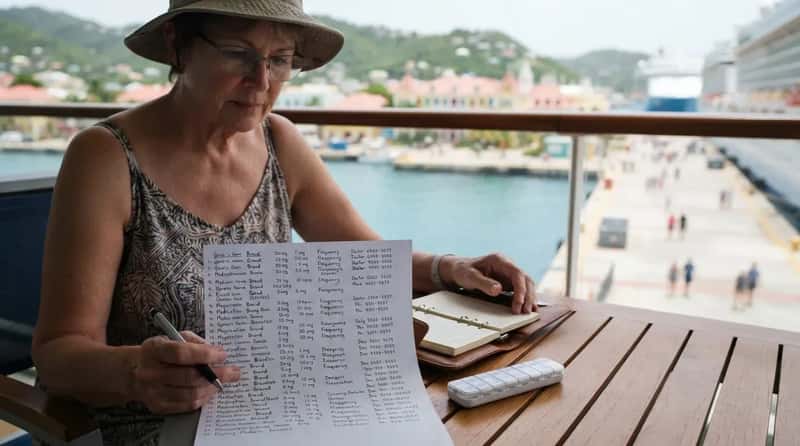
Pill organizers are common. A written medical rundown is the habit that actually matters if something goes wrong.
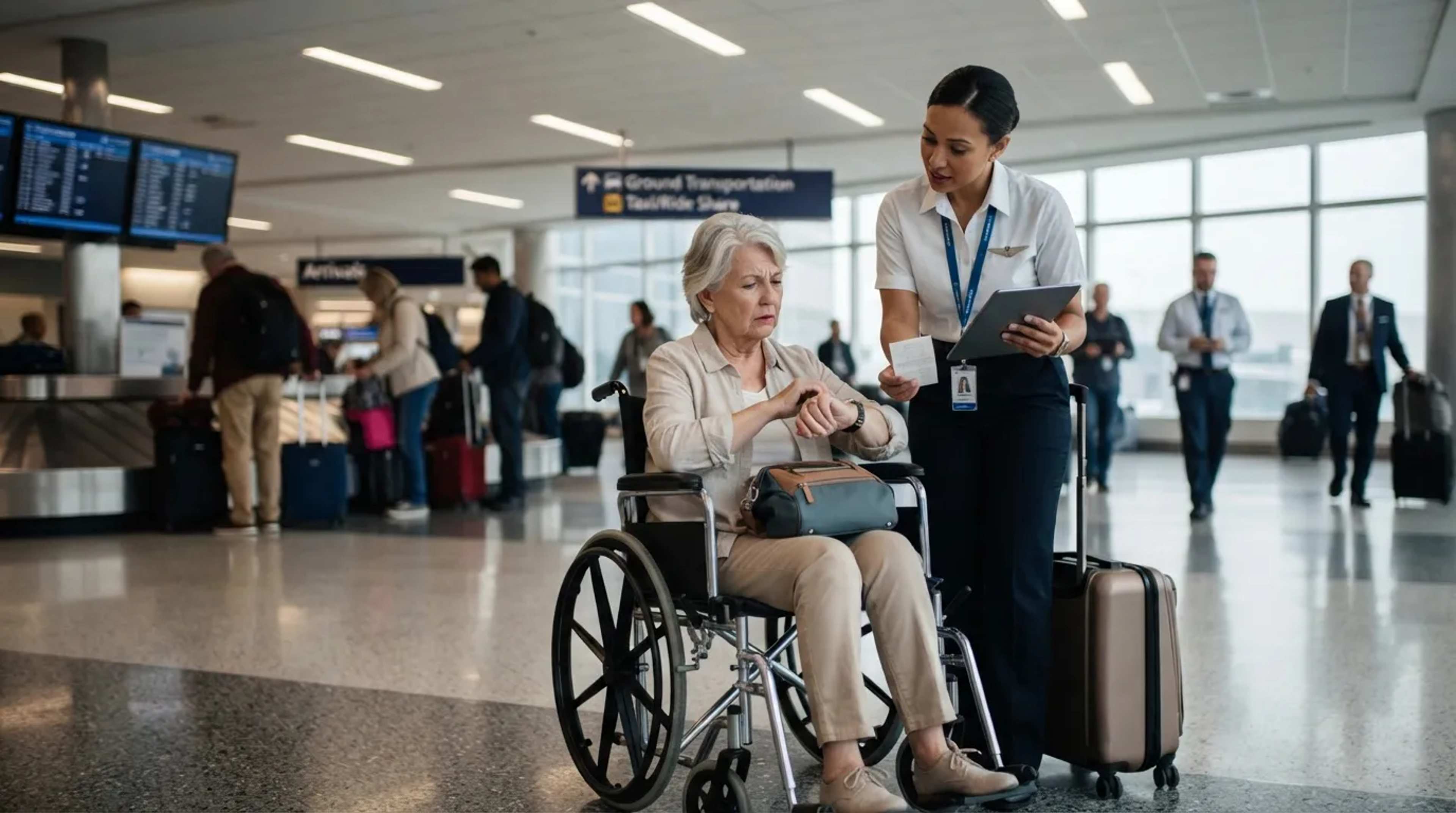
Veteran cruisers carry a written list of all medications with generic names, doses, and prescribing doctor contact information, and bring twice their expected supply in case delays happen. This single habit has saved countless port-day emergencies from becoming full-blown crises, because cruise ship medical facilities are limited and international pharmacies rarely have easy access to U.S. prescription histories.
#5 – They Choose Excursions by Distance From the Ship, Not Star Ratings
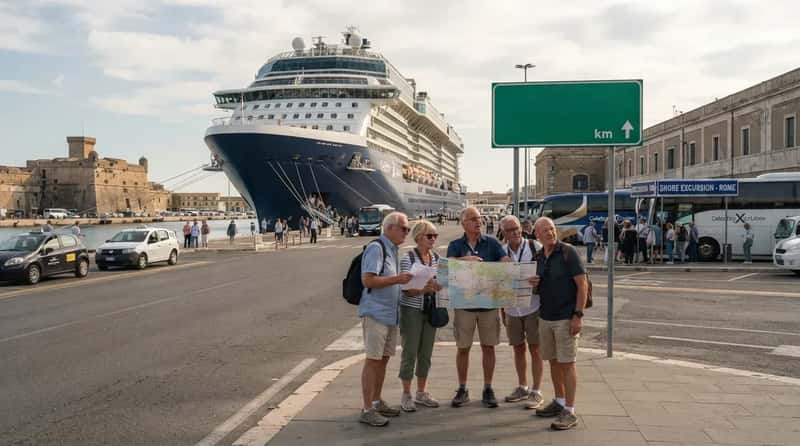
Newer cruisers pick tours based on reviews. Veterans pick them based on geography, and it changes everything.
Ports far from main attractions, especially in Europe, often suit cruise line transportation or guided tours specifically to avoid missing the ship. A five-star independent tour two hours inland looks great on paper until a short port call leaves little room for delays. Experienced cruisers over 60 have learned that distance and timing beat a glowing review every time, and the split gets even sharper at #4…
#4 – They Book Through the Cruise Line When the Clock Is Tight
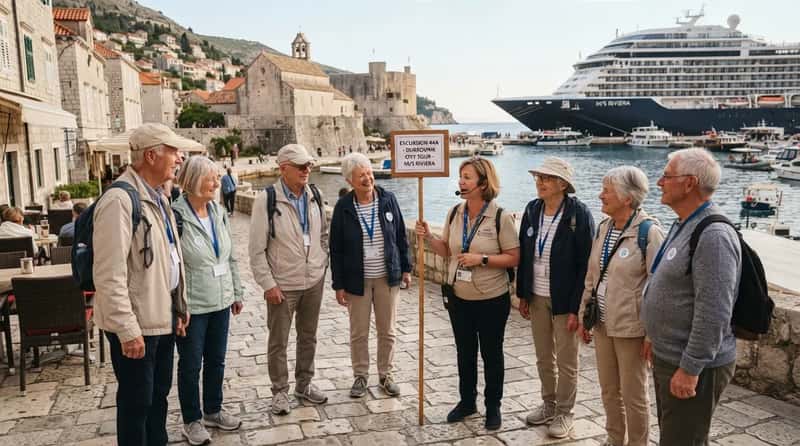
This is where opinions genuinely split among cruisers, and veterans tend to land firmly on one side.
Cruise line excursions are designed to remove uncertainty, organized around the ship’s schedule with transportation, guides, and timing handled, and the ship will usually wait if an official excursion is delayed. First-time cruisers are usually advised to book ship-sponsored tours because the ship waits for participants and the guide handles unfamiliar port logistics. Veterans know the markup isn’t really for the tour itself, it’s for the guarantee.
Quick Compare
- Cruise line excursion: Ship waits if the tour runs late, transportation and guide included
- Independent tour: Often cheaper and more flexible, but the ship won’t wait if it runs long
- Best for tight port calls: Ship-sponsored trips remove the guesswork entirely
- Best for extra time in port: Independent tours, booked with a comfortable buffer
#3 – They Buy Travel Insurance With Medical Evacuation Coverage, No Exceptions
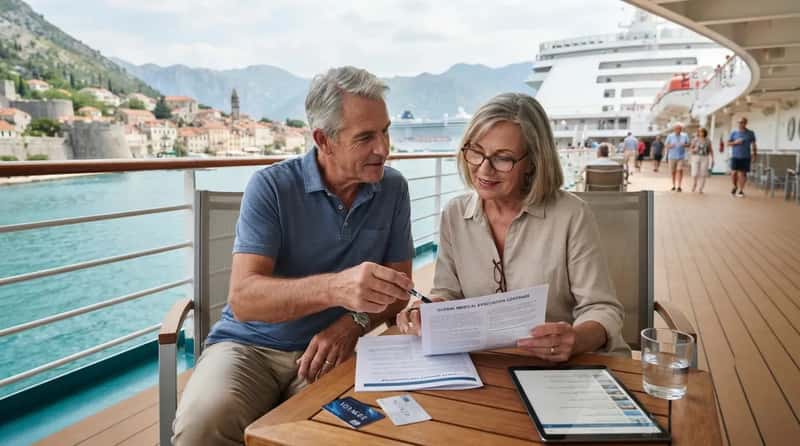
This is the habit that sounds excessive to younger travelers and completely essential to anyone who’s spent decades on ships.
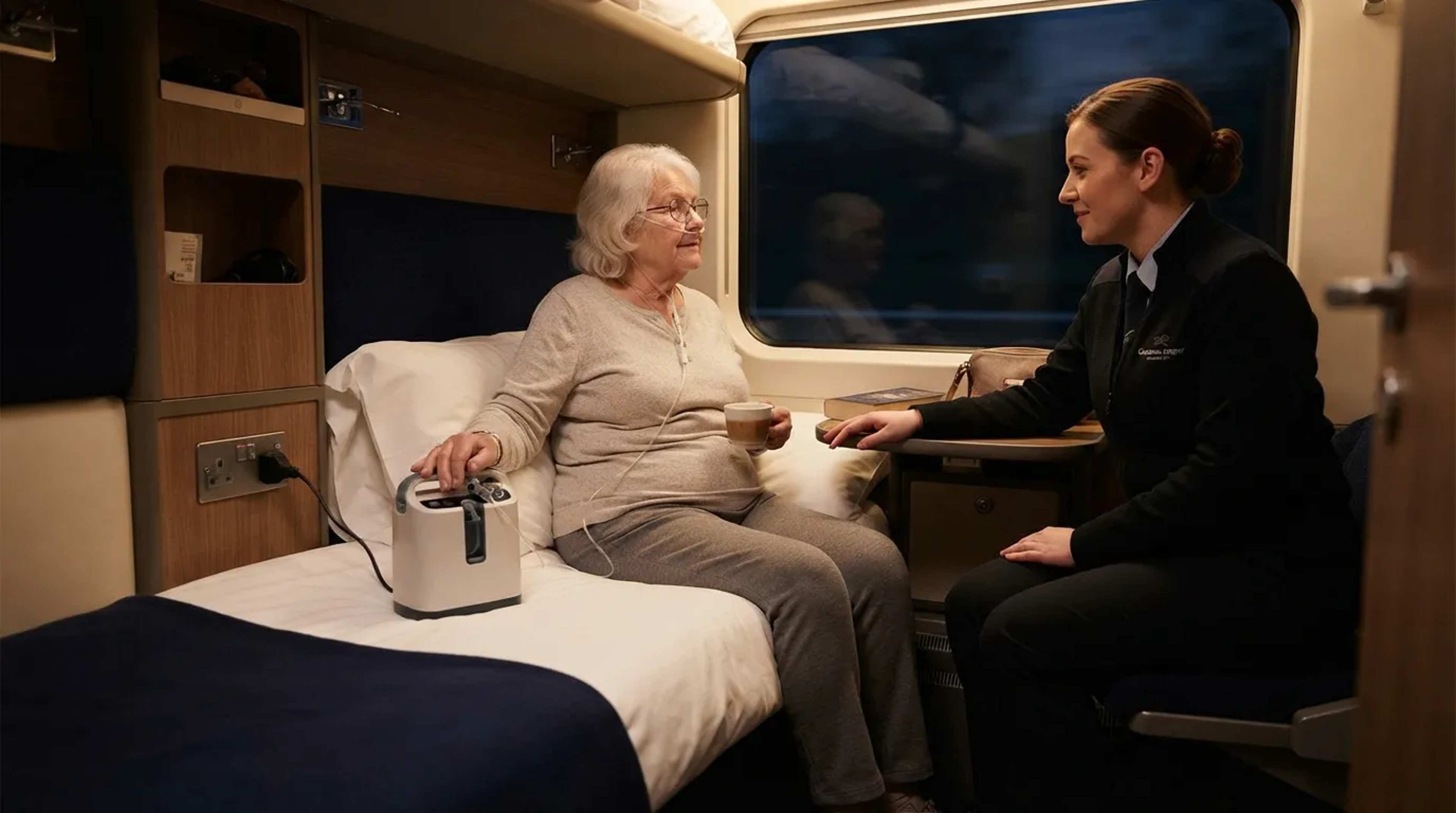
A serious cardiac event, stroke, or other major medical emergency may require evacuation by helicopter or small aircraft to a hospital on shore, which can cost $50,000 to $150,000 without insurance. Experts are blunt about it: no senior over 60 should board a cruise ship without travel insurance that specifically includes medical evacuation coverage. Veterans treat this as mandatory, not optional, long before they treat excursions or dining packages as worth the money.
#2 – They Know Medicare Stops the Moment the Ship Leaves U.S. Waters

This is the fact that shocks even repeat cruisers, and it’s one veterans over 60 have learned the hard way or heard about secondhand.
Even if a ship departs from and returns to a U.S. port, once passengers are in international waters, they’re outside Medicare’s coverage. Medicare simply does not cover medical care on cruise ships in international waters or at foreign ports. Veteran cruisers treat this fact as gospel, and it’s the single biggest reason they never sail without the right insurance policy in hand.
At a Glance
- Medicare coverage ends the moment a ship enters international waters, even on U.S. round-trip cruises
- Foreign hospitals and shipboard medical centers don’t accept Medicare cards
- Medigap and Medicare Advantage plans vary widely on cruise coverage, so it pays to check first
- Veterans over 60 treat separate travel insurance as the real safety net, not a backup plan
#1 – They Never Assume the Ship Will Actually Wait for Them
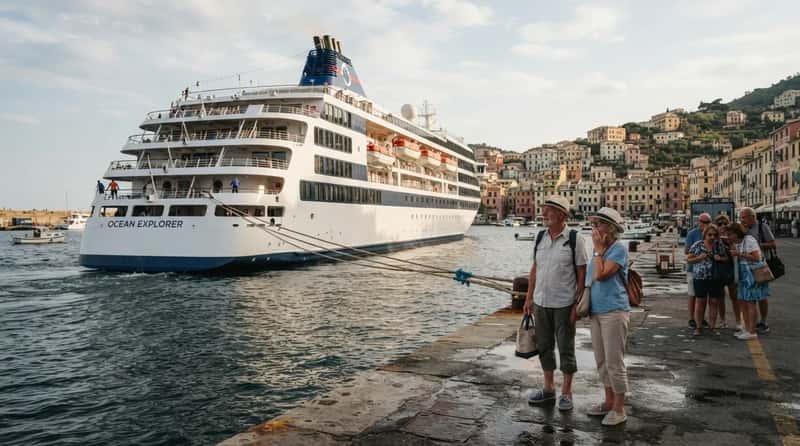
This is the habit that separates decades of smooth port days from the horror stories that make the news.
Independent travel works differently than a cruise line excursion; if you miss the ship, the responsibility is yours. Late returns require passengers to arrange transportation to the next port at their own expense, often costing $500 to $2,000 or more depending on distance. Being left behind is still very, very rare, which is exactly why the rare occasion makes global headlines, but veterans over 60 never treat that rarity as a guarantee. They plan every single port day as if the ship genuinely won’t wait, because for anyone outside an official excursion, it truthfully might not.
None of these habits are dramatic. That’s actually the point. The cruisers who’ve been doing this for decades aren’t the ones taking bigger risks ashore, they’re the ones who’ve quietly built small, boring routines that remove the guesswork entirely. Ship time on the phone, cash in the pocket, insurance in the folder, distance before dazzle.
The mistakes that end up on the news almost always trace back to skipping one of these exact habits. What’s the one port-day rule you never break? Drop it in the comments.